Loading...

Diving at Cape Ključ Caves (Croatia)
Published
Along a dramatic 300-meter cliff line on southwest Korčula facing the open Lastovo Channel, Cape Ključ Caves links three separate karst caverns glowing with electric-blue portals, red coral, and sponge-draped domes.
Current morning readings from Cape Ključ Caves indicate an air temperature of 16°C. Surface wave heights are averaging around 2 m at this time. These local measurements provide a baseline for your daily dive planning.
Dive Site Location & Key Facts
Coordinates42.9118, 16.6605
Estimated Coordinates
Coordinates are estimated from the best available maritime charts and local dive references, as exact GPS pins are not publicly confirmed. Always verify the precise entry or mooring point with a local dive operator.
Site Characteristics
Max Depth32m / 105ft
Entry Typeboat
Water Typesalt
Dive Types
CaveCavernWall
Dive Site Overview
Southwestern Korčula drops steeply into the deep Lastovo Channel, where wave action and submerged Ice Age karst dissolution have honeycombed the Cretaceous limestone headland of Cape Ključ southeast of Vela Luka. Within a compact 300-meter stretch of vertical shoreline, three distinct underwater caves open directly into the cliff face.
This close spacing creates one of southern Dalmatia's richest topographical boat dives. Divers traverse a stepped wall between 5 and 32 meters, ducking inside wide cavern portals where shafts of open-Adriatic daylight turn the exits vivid cobalt blue.
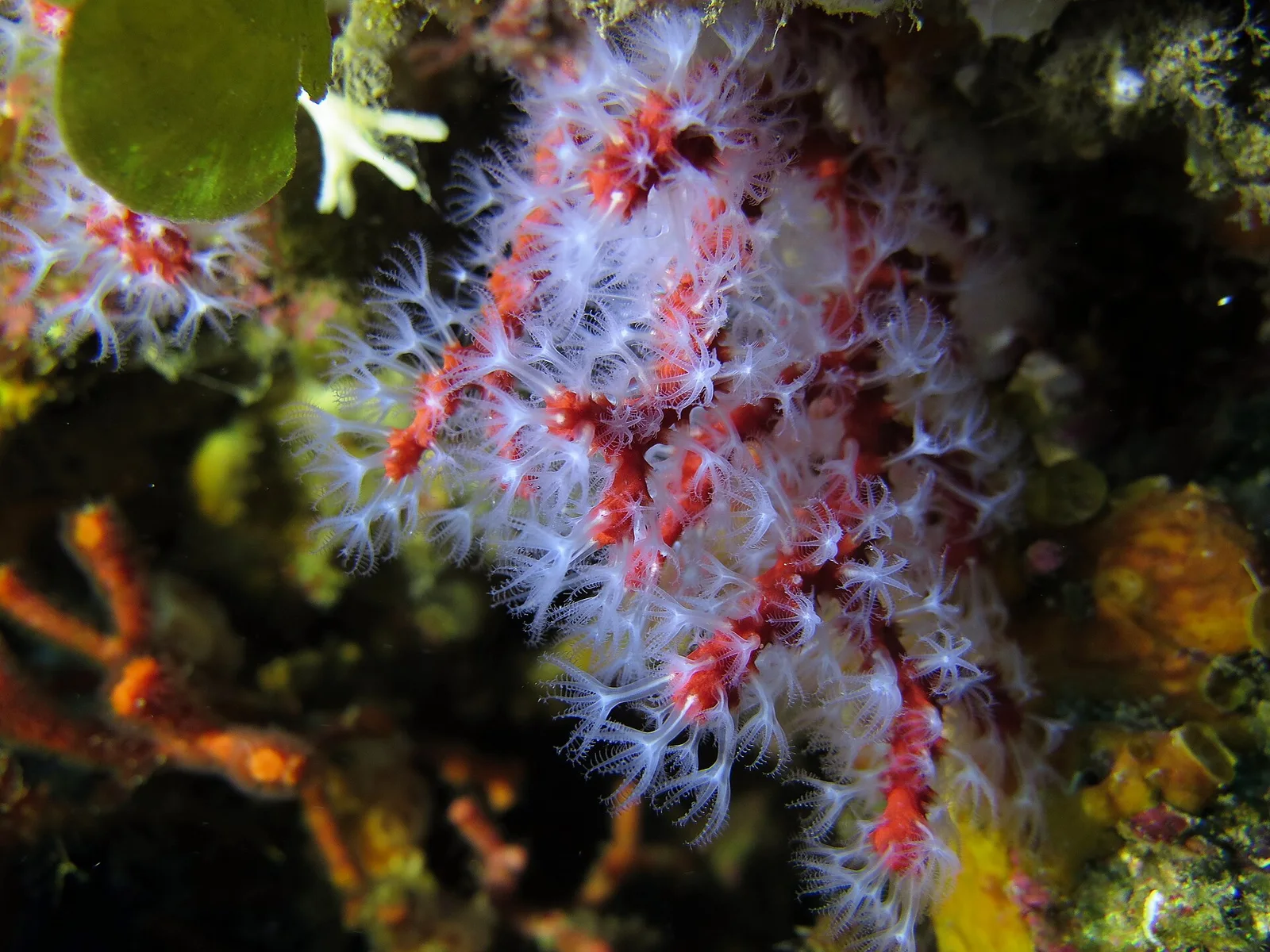
Inside the shaded overhangs and semi-dark vaults from 10 to 30 meters, low light allows sciaphilic coralligenous life to blanket the rock in orange, violet, and sulfur-yellow sponges, golden yellow cluster anemones, and protected sprigs of Mediterranean red coral.
Between portals, vertical fissures, chimneys, and deep boulder ledges host purple gorgonians and reef predators, blending atmospheric cavern photography with classic Adriatic wall diving.
Cape Ključ Caves
Conditions are Poor
3/10
Confidence: 8/10
Indicates meteorological model agreement and data availability.
DIVE WARNING
High Swell Advisory. Not recommended.
06:12
18:45
H: 10:45
L: 16:20
Air / Sea Temp
16° / 19°
Wave Height
2.2 m
Wind Speed
55 km/h N
Rain Chance
50%
Current conditions near Cape Ključ Caves show 16° air, 19° sea temperature, 2.2 m waves, and 55 km/h wind. Forecast data is refreshed regularly to ensure accuracy.
Radius: ~12km
Updated: Nov 23, 2026, 02:56 local timeMARINE: OPEN-METEOWEATHER: YR.NO
Best Time to Dive
May through October offers settled seas and 25-to-35-meter visibility along southwestern Korčula. Mid-morning dives between 09:30 and 11:30 from June through September send direct sunlight slanting into the southwest-facing cave mouths.
Summer surface temperatures reach 24°C–26°C while deeper cave recesses stay near 17°C–18°C. Calm high-pressure mornings are ideal, as southerly jugo swells and brisk afternoon westerly chop strike this open coast directly.
PEAK SEASON SCORE
87/100
Very GoodScores combine air & water temps, waves, wind & rainfall for overall conditions.
BEST MONTHS TO DIVE
JUN
JUL
AUG
DIVE SCORE GUIDE (0–100)
Excellent (90–100)
Very Good (80–89)
Good (70–79)
Moderate (50–69)
Poor (30–49)
Not Recommended (0–29)
Monthly records compiled from satellite and marine observation nodes over the last 3 years. Data provided by Open-Meteo and MET Norway.
Dive Experience & Conditions
Reached by dive boat from Vela Luka and nearby SW Korčula coves, divers descend the sheer cliff and work along the 8-to-30-meter contour where three spacious cavern arches appear within 300 meters.
Each main chamber retains clear sightlines to the sunlit blue entrance, letting divers hover in mid-water with torches before continuing along gorgonian-lined ledges down to 32 meters. Currents are mild near the rock, and visibility stays crystal clear with careful frog-kick finning.
Dive Difficulty & Safety Guidelines
Maintain strict cavern-zone discipline unless cave-certified: keep natural exit light visible at all times, carry both primary and backup torches, and apply conservative gas management.
Avoid lingering directly beneath delicate cave ceilings where trapped exhaust bubbles can dislodge encrusting sponges and red coral, and never touch or collect protected red coral or crustaceans.
Recommended Equipment
Deep dive hazard. Increased narcosis and gas consumption risk.
Overhead environment. Do not enter beyond training and gas planning limits.
- Dive Computer
- DSMB
- Primary & Backup Lights
- Reel / Spool
- Cutting Tool
This gear list is based on verified equipment signals for Cape Ključ Caves, Croatia. Always confirm final gear choices with your dive operator, guide, or liveaboard.
Recommended Dive Suit
Divers visiting Cape Ključ Caves today can expect water conditions around 19°C (66°F). Surface air temperatures are resting at 16°C (60°F).
For the majority of recreational dives here, 5mm wetsuit should provide suitable protection. Strong winds are present; please take strong precautions against rapid cooling during surface intervals. A thermal robe or jacket is recommended between dives.
Environmental conditions are expected to remain consistent in the short-term outlook.
Cape Ključ Caves conditions last reviewed: 02:56 local time (UTC+1), Nov 23, 2026
Emergency & Medical Support
Essential information to help you plan your dive trip to Cape Ključ Caves.

Hyperbaric chambers are a critical part of dive safety infrastructure. Availability varies significantly by region, and not all dive areas have immediate access.
Before diving, it's recommended to:
- confirm nearest medical facilities
- check emergency procedures with local dive operators
- ensure dive insurance covers evacuation if required
24/7 Available
Divers Alert Network
Diving emergency assistance available through DAN Europe.
+39 0642115685- 24/7 emergency hotline
- Diving medical assistance
- Evacuation coordination
Emergency contacts are provided for reference. Always verify local emergency services before diving.
Closest Listed Hyperbaric Chambers (≤ 200 km)
Approximate straight-line distances from this dive site — emergency travel times may vary.
68 km68 kmZavod za pomorsku medicinu Split – Odjel za podvodnu i hiperbaričnu medicinu
Split, Croatia24/7ICU194Details68 kmZavod za pomorsku medicinu Split – Odjel za podvodnu i hiperbaričnu medicinu
24/7 ListedICU CapableSplit, Croatia · Multiplace
24/7 Emergency194CollapseHours: 24/7 EmergencyFacility: Zavod za pomorsku medicinu / KBC Split (Križine)ICU On-Site: YesSource: KBC Rijeka / Poliklinika OXY
68 km
Zavod za pomorsku medicinu Split – Odjel za podvodnu i hiperbaričnu medicinu
Split, Croatia24/7ICU194Details
68 km
Zavod za pomorsku medicinu Split – Odjel za podvodnu i hiperbaričnu medicinu
24/7 ListedICU CapableSplit, Croatia · Multiplace
24/7 Emergency194
CollapseHours: 24/7 Emergency
Facility: Zavod za pomorsku medicinu / KBC Split (Križine)
ICU On-Site: Yes
Source: KBC Rijeka / Poliklinika OXY
Chamber data is sourced from official Croatian hospital and baromedicine facility records and has not been independently verified by Dive Navigator. Always contact local emergency services, DAN, your dive operator, or the facility directly before travelling.
Reference onlyMarine Life at Cape Ključ Caves
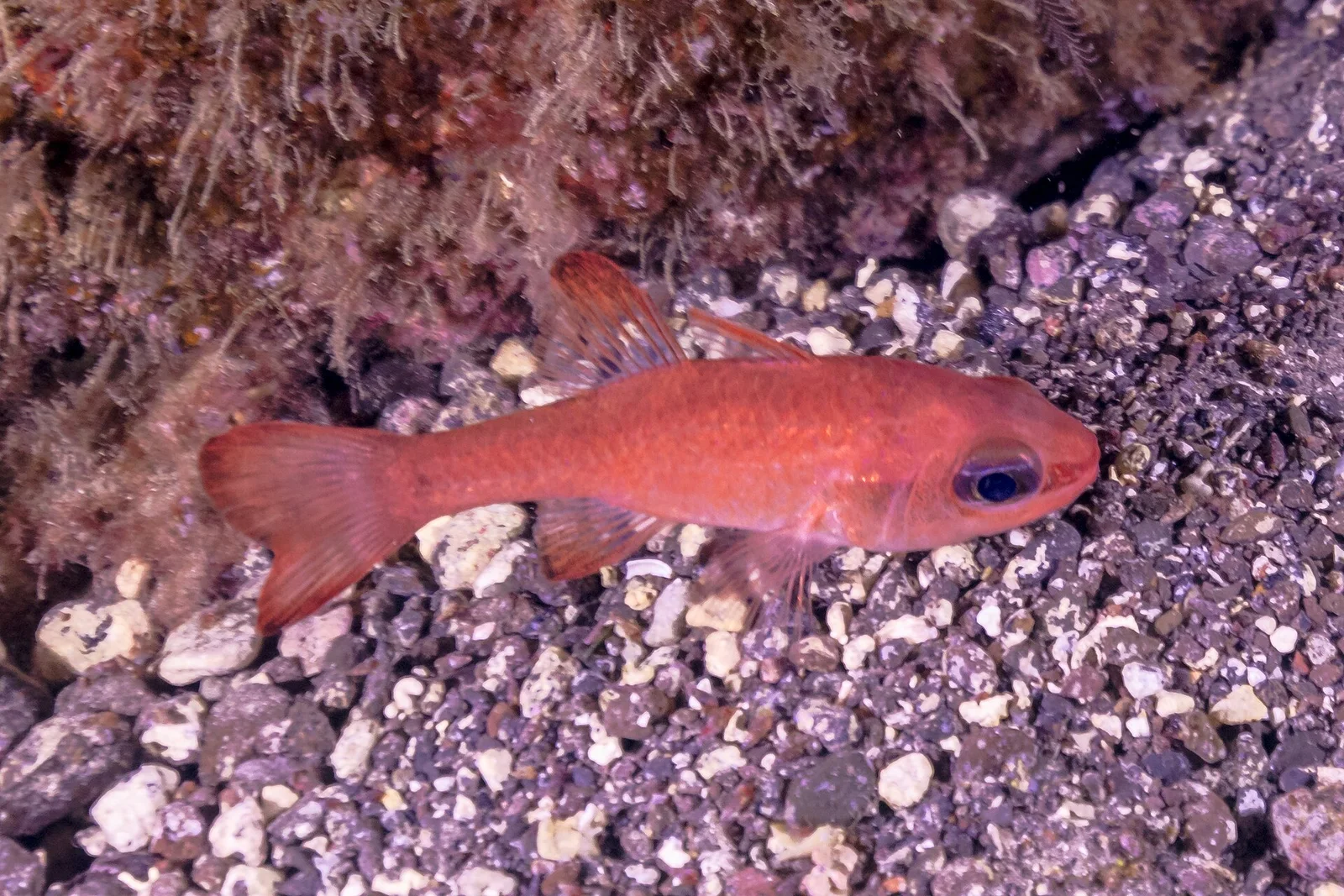
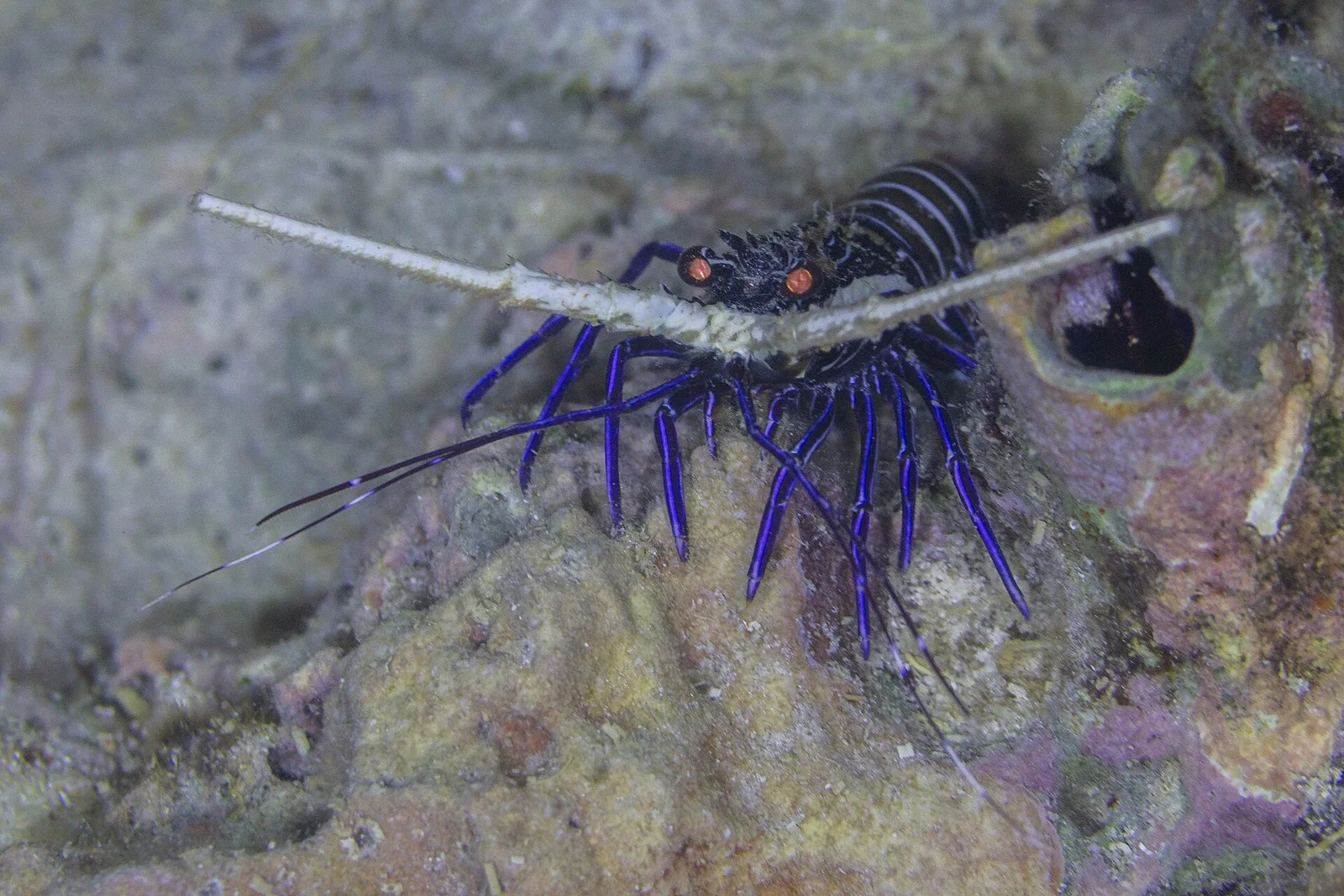
Dense clouds of bright red cardinalfish pack the shadowy cave recesses alongside European conger eels, slipper lobsters, and long-antennae spiny lobsters tucked into ceiling cracks.
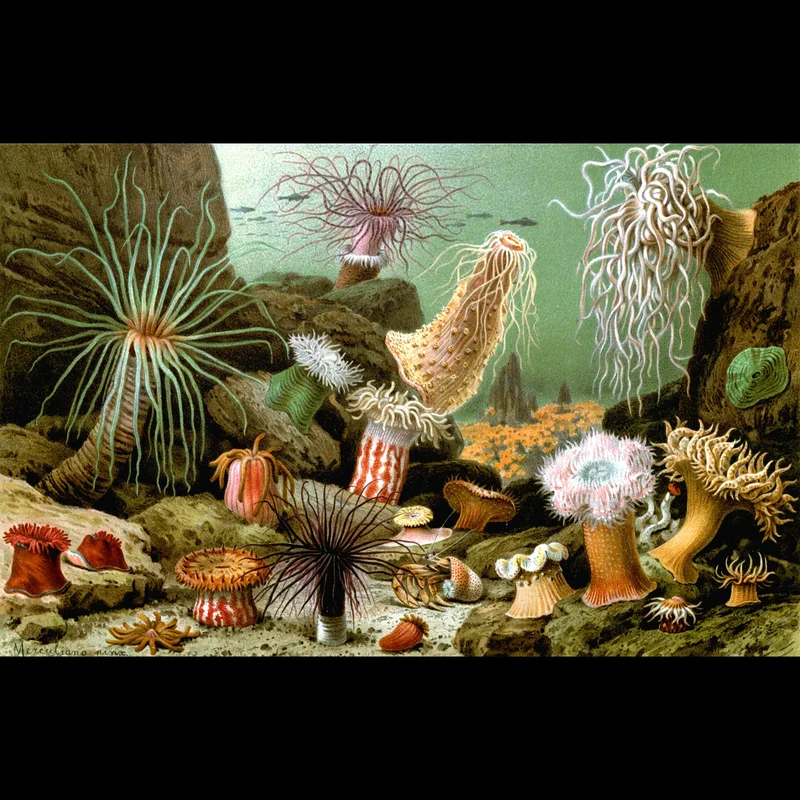
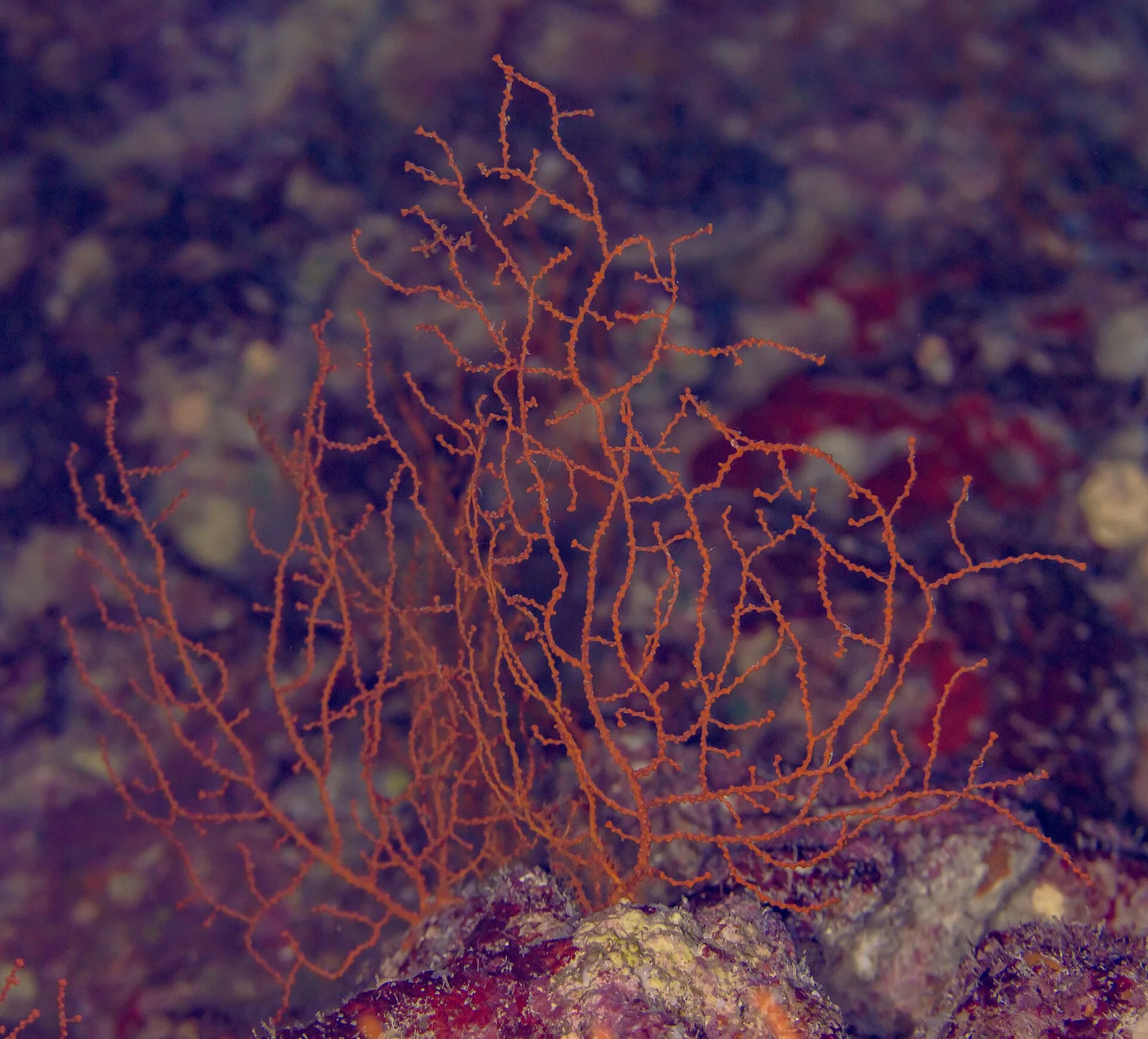
Torchlight ignites walls of yellow cluster anemones, bryozoans, and red coral inside the vaults, while dusky groupers, sea bream, and damselfish patrol the sunlit outer wall and purple gorgonians below 25 meters.
1 / 2
Image contributors:Giacomo Merculiano, Diego Delso + 1 more
Want to contribute photos or local dive knowledge? Learn how to contributeDive Sites Near Cape Ključ Caves
View all dive sites in CroatiaDiscover more underwater gems in this area.
Dive Centers Near Cape Ključ Caves
Working Hours
Sun08:30 - 19:00
Mon08:30 - 19:00
Tue08:30 - 19:30
Wed08:30 - 19:00
Thu08:30 - 19:30
Fri08:30 - 19:30
Sat08:30 - 19:00
Today: 08:30 - 19:00
Sun08:30 - 19:00
Mon08:30 - 19:00
Tue08:30 - 19:30
Wed08:30 - 19:00
Thu08:30 - 19:30
Fri08:30 - 19:30
Sat08:30 - 19:00
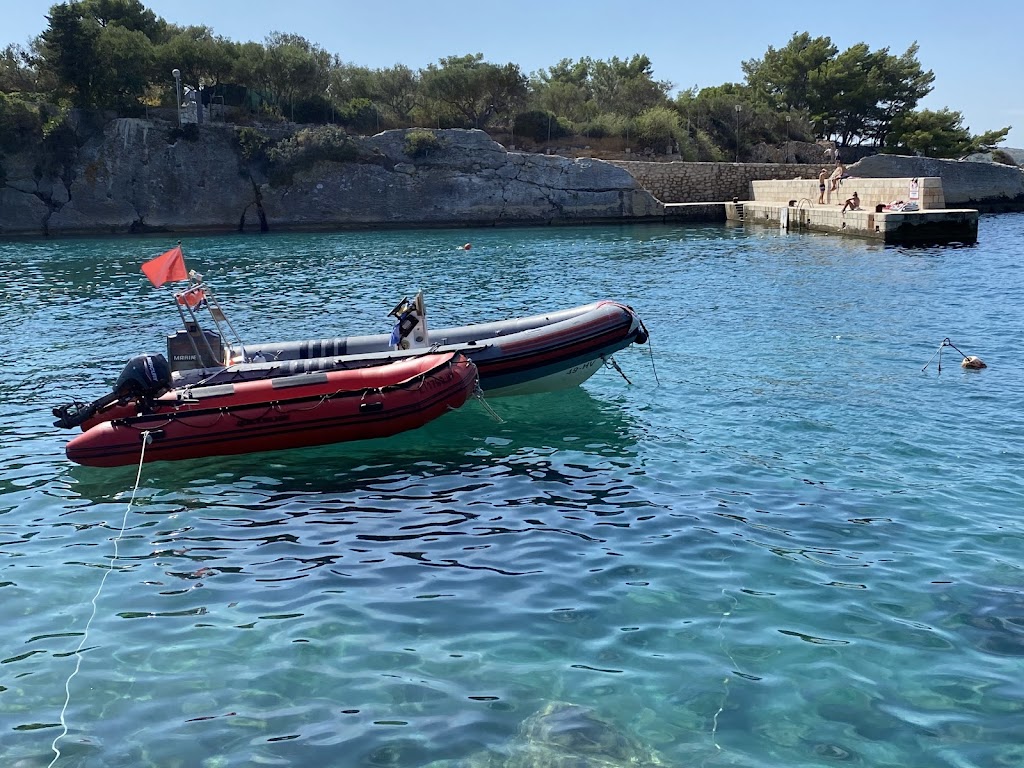
4.9| 214 reviews
34.8 km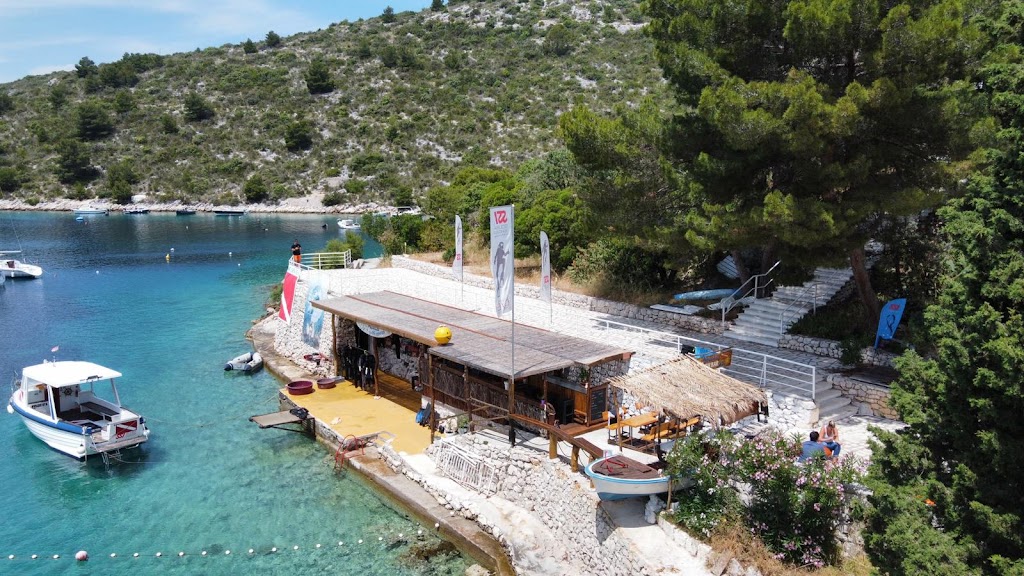
4.9| 206 reviews
35.3 km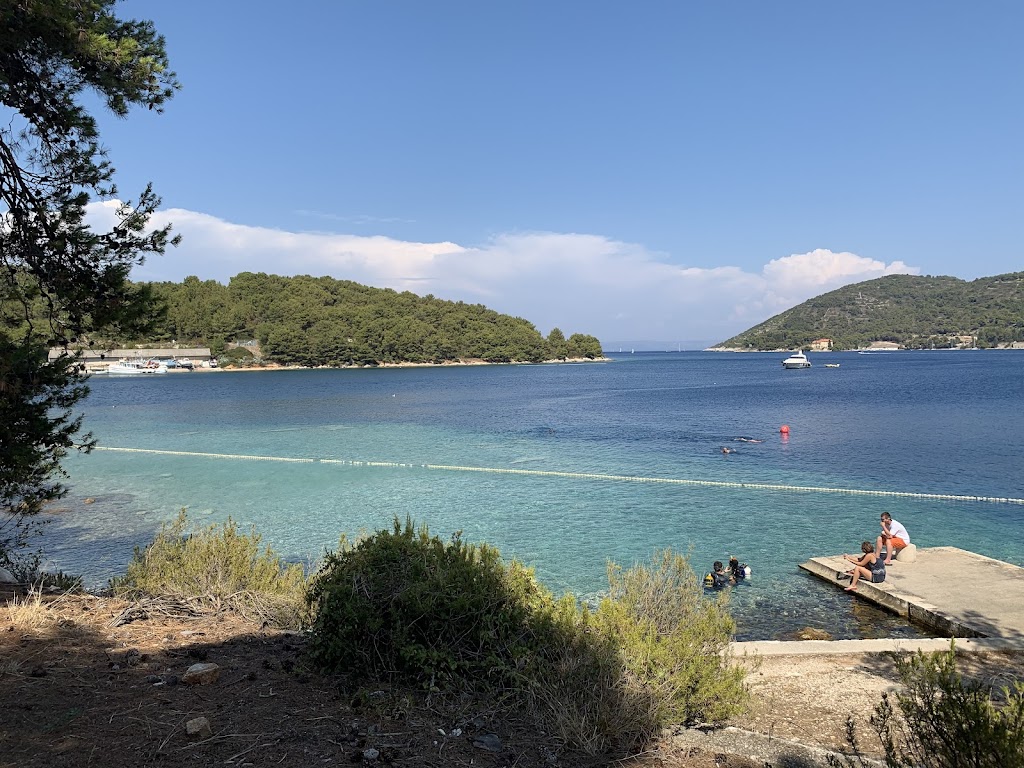
4.9| 174 reviews
42 km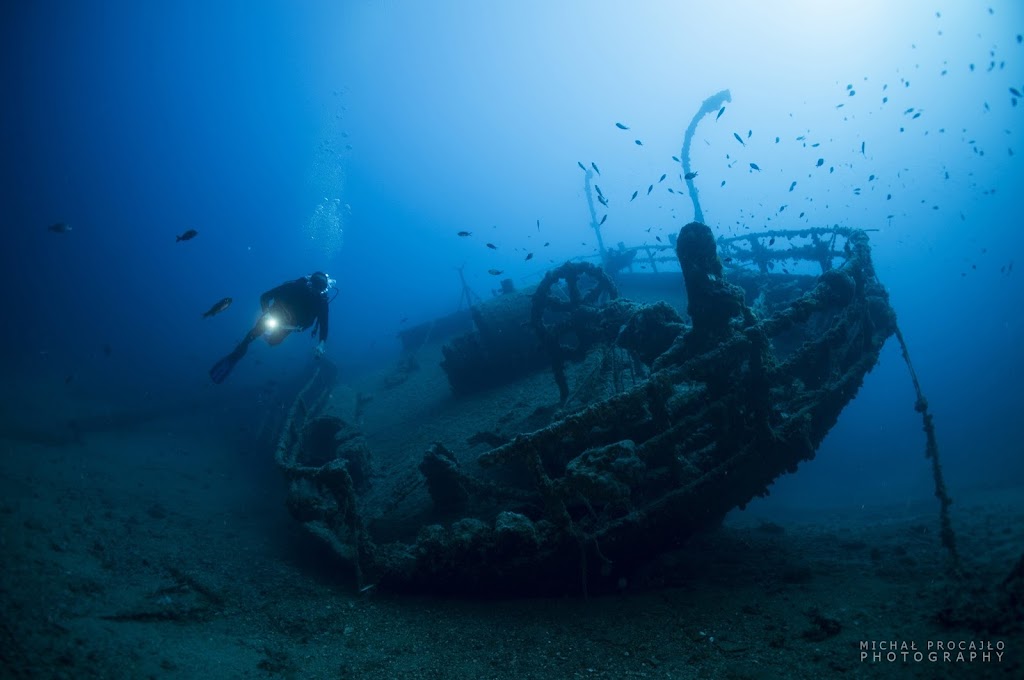
B-24 Diving Center
4.9(312)• 48.7 km
Issa Diving Center
4.9(240)• 48.7 km
Draulik Diving Center
4.8(70)• 49.3 km
Nearest Airports
Nearest airports to help plan travel to this dive area.
Brač Airport BWK
41 km
Split Saint Jerome Airport SPU
76 km
Dubrovnik Ruđer Bošković Airport DBV
137 km
💵 Currency: EUR
Search Flights
Check available flights and routes on Expedia, using the nearby airports listed in this section.
Search Flights on ExpediaAffiliate link · Dive Navigator may earn a commission at no extra cost to you.
Frequently Asked Questions
How many caves are located at Cape Ključ on Korčula?
Three distinct underwater caves open within a compact 300-meter stretch of limestone coastline at Cape Ključ.
Do I need full technical cave certification to dive Cape Ključ Caves?
No. The spacious main chambers stay within the natural-light cavern zone and are accessible to advanced open-water divers practicing good buoyancy and carrying torches.
What is the depth profile of Cape Ključ Caves?
Cave entrances, ledges, and outer wall drop-offs span from 5 meters down to 32 meters.
Where do dive boats depart for Cape Ključ?
Dive centers based in Vela Luka and western Korčula run short boat trips southeast along the coast to Cape Ključ.
Can you see red coral inside Cape Ključ Caves?
Yes. Shaded overhangs and deeper vault crevices shelter colonies of Mediterranean red coral alongside sponges and yellow cluster anemones.
How clear is the water at Cape Ključ?
Facing the open Lastovo Channel with zero river runoff, visibility regularly averages 25 to 35 meters in settled summer weather.
Trip Inquiry
Planning to dive Cape Ključ Caves?
Tell us your dates and diving needs. We'll review your request and seek offers from relevant local dive centers.
Request Dive Offers Free request for offers • No booking obligation
Cape Ključ Caves
Conditions are Poor
3/10
Confidence: 8/10
Indicates meteorological model agreement and data availability.
DIVE WARNING
High Swell Advisory. Not recommended.
06:12
18:45
H: 10:45
L: 16:20
Air / Sea Temp
16° / 19°
Wave Height
2.2 m
Wind Speed
55 km/h N
Rain Chance
50%
Current conditions near Cape Ključ Caves show 16° air, 19° sea temperature, 2.2 m waves, and 55 km/h wind. Forecast data is refreshed regularly to ensure accuracy.
Radius: ~12km
Updated: Nov 23, 2026, 02:56 local timeMARINE: OPEN-METEOWEATHER: YR.NO