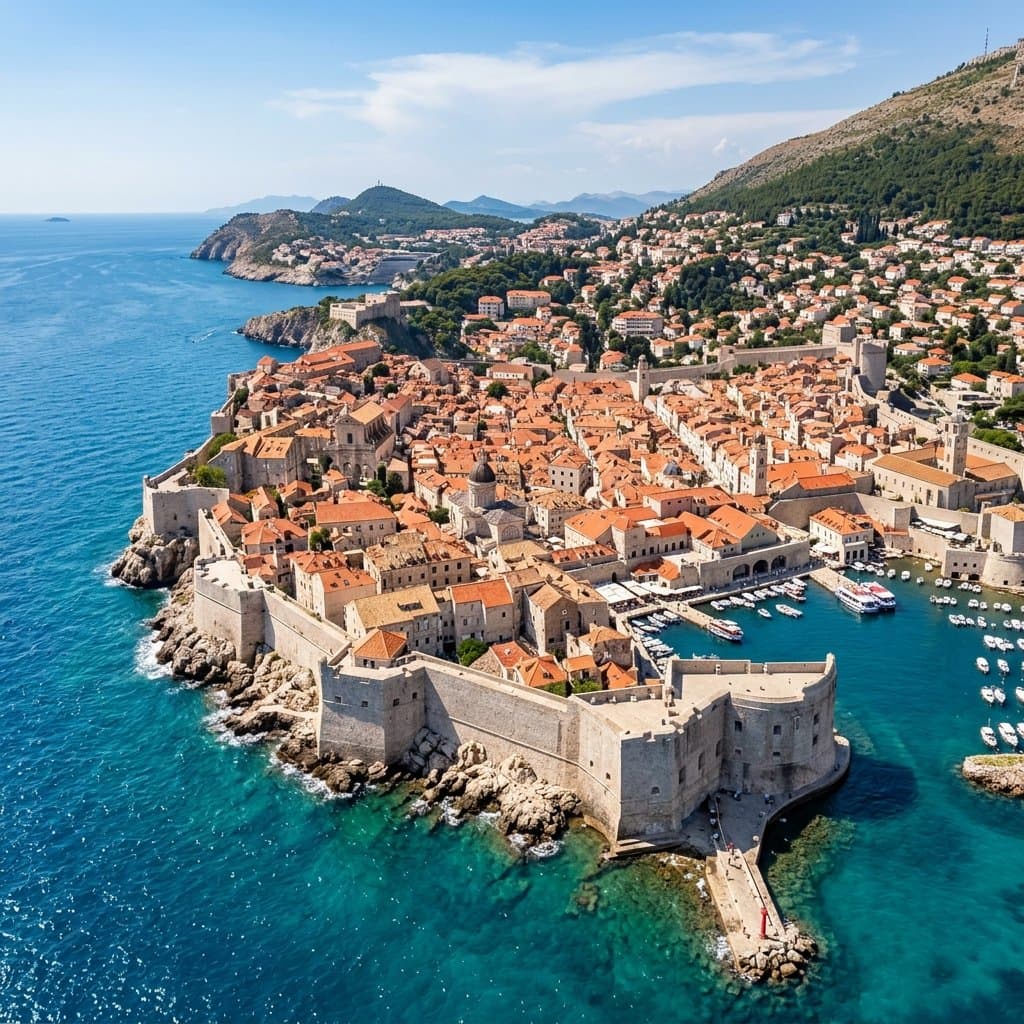
Diving in Croatia
Planning dives in Croatia means understanding how conditions vary across different types of dive locations. There are currently 25 dive sites mapped on our platform within Croatia.
Croatia's extensive coastline, featuring over a thousand islands and islets within the Adriatic Sea, shapes a diverse underwater landscape for certified divers. This unique geography provides a wealth of dive experiences, from historical shipwrecks to intriguing caves and vibrant reef systems. The clear blue waters invite exploration of both natural wonders and submerged history.
Diving opportunities are spread across several distinct regions, including the Dalmatian Coast, the Istrian Peninsula, and the Kornati National Park. Each area offers its own underwater topography and points of interest. With numerous dive sites, the country supports abundant reef diving, frequent wreck explorations, and many cave adventures.
Beneath the surface, divers can encounter a range of Adriatic marine life, adding to the allure. The country serves as a gateway to exploring historical artifacts and natural formations, making it a compelling destination for those seeking both adventure and underwater discovery. This destination offers a rich tapestry of experiences for divers of all levels.
Dive Map of Croatia
Croatia's diving landscape is fundamentally shaped by its unique geography, spanning a long coastline and numerous islands. This extensive maritime territory naturally organizes dive exploration, guiding divers through a journey from the northern Istrian Peninsula down to the central and southern Dalmatian Coast. Local dive operations play a crucial role, providing access to this multitude of sites across the Adriatic Sea.
Island-hopping and coastal trips are common ways to experience the underwater world here. Key areas such as Vis Island, Korčula, and the Kornati National Park serve as popular hubs for underwater adventures. These regions are well-connected by boat routes, facilitating seamless travel between distinct diving zones.
This geographical spread allows divers to encounter a diverse array of submerged wrecks, intriguing caves, and vibrant natural formations. Planning routes between these distinct areas not only simplifies logistics but also reveals the full scope of Croatia's rich subaquatic offerings.
Dive Sites to Explore
View all 25 sites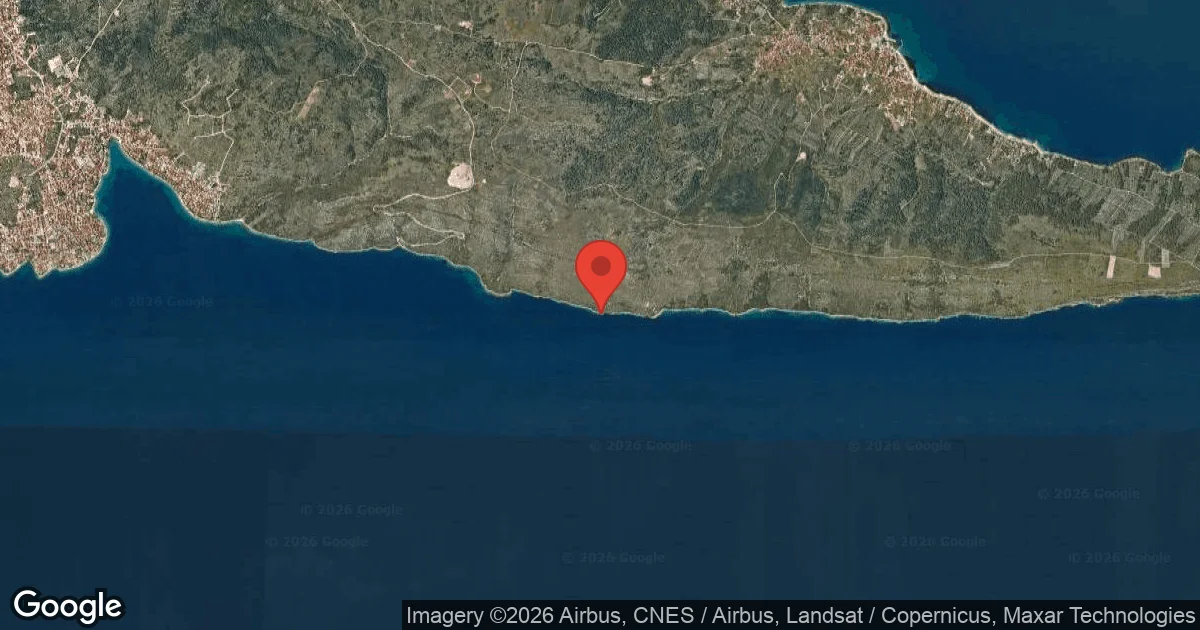
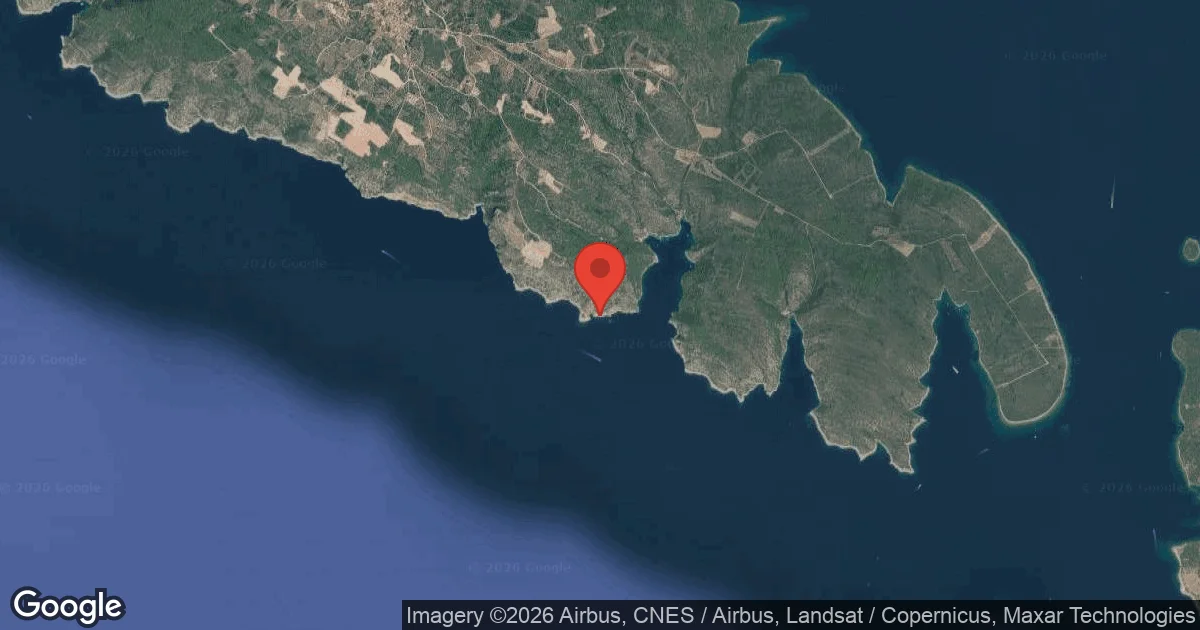
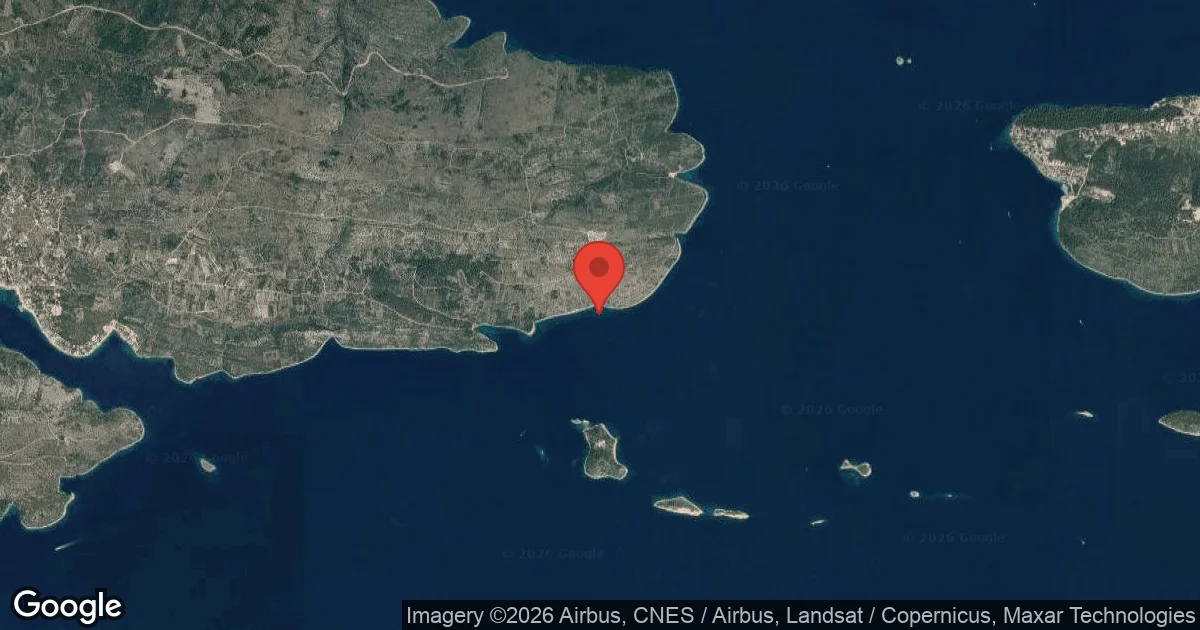
Croatia's underwater realm presents a remarkable diversity of dive sites, catering to various interests, from historical wrecks and intricate cave systems to unique natural phenomena. Exploring these varied environments reveals a rich tapestry of marine life and geological formations.
One iconic site is the Baron Gautsch wreck off Rovinj in Istria. This passenger steamer lies at a depth of 40-45 m (130-150 ft) and is recommended for experienced divers due to potential currents and depth.
Further south, near Vis Island, the Fortunal wreck offers another compelling dive. This fishing boat, sunk in 1991, rests on a wall between 45-55 m (150-180 ft), and is known for attracting marine life like the John Dory.
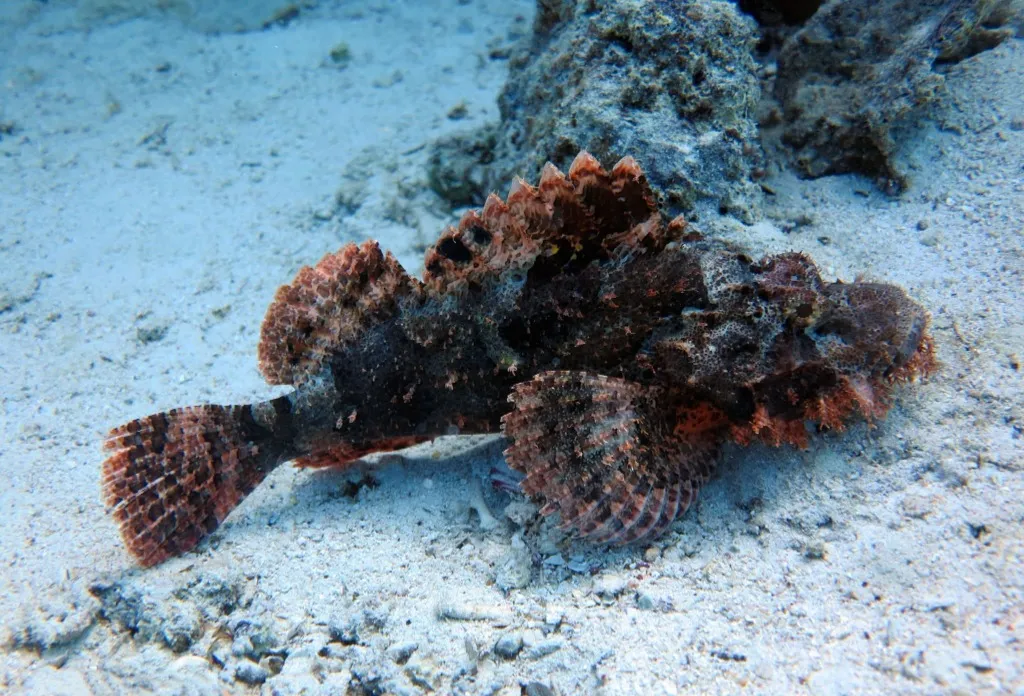
For those drawn to natural formations, the Blue Cave near Vis Island is a captivating experience, accessible from Split. This site offers exceptional visibility, ranging from 20-30 m (65-100 ft), and is home to lobsters, octopuses, corals, and scorpion fish.
A truly unique inland dive is the Cetina River Spring, located in the foothills of the Dinara mountain range. Technical divers have explored depths exceeding 90 m (300 ft) in its exceptionally clear, blue waters, offering a distinct freshwater adventure.
Best Time to Dive in Croatia
Seasonal changes directly impact marine life activity and overall dive conditions in Croatia, making certain periods more favorable for underwater exploration. Warmer months generally lead to more active aquatic encounters. The primary diving season typically spans from May to October, offering the most consistent and comfortable conditions.
From May to September, divers will find sea temperatures at their most pleasant, ranging from 20-27°C (68-81°F), alongside peak visibility. Many dive shops are fully operational between June and September. The shoulder months of May, September, and October can also provide excellent diving experiences, often with fewer crowds and still comfortable water temperatures.
Visibility often exceeds 30 m (100 ft) during these months, allowing for clear views of wrecks and vibrant marine ecosystems. However, divers should note that some specific sites, such as the Baron Gautsch wreck, can experience challenging currents regardless of the season. Always plan dives with local operators to account for site-specific conditions.
Monthly Sea Temperatures
Choosing the right exposure protection is essential for diving in Croatia, given the varying sea temperatures throughout the year. During the peak diving season from May to October, water temperatures in the Adriatic generally range from 20-27°C (68-81°F).
These warmer temperatures typically allow for diving in a 5mm or 7mm wetsuit, depending on individual comfort and dive duration. However, unique dive sites such as the Cetina River Spring can feature significantly colder, almost frigid, water, dropping to around 4°C (40°F), necessitating drysuit diving or very thick wetsuits.
Even in the main Adriatic, early spring or late autumn dives might encounter temperatures closer to 18°C (65°F), where a thicker wetsuit or semi-dry suit would be more appropriate.
| Jan | Feb | Mar | Apr | May | Jun | Jul | Aug | Sep | Oct | Nov | Dec | |
|---|---|---|---|---|---|---|---|---|---|---|---|---|
| Max | 14° | 11° | 12° | 15° | 21° | 25° | 26° | 27° | 26° | 22° | 18° | 16° |
| Avg | 11° | 11° | 11° | 13° | 17° | 22° | 24° | 24° | 23° | 19° | 16° | 14° |
| Min | 9° | 10° | 10° | 11° | 13° | 18° | 22° | 22° | 20° | 16° | 15° | 12° |
Dive Conditions
Clarity and water movement stand as primary factors influencing the underwater experience across Croatia's Adriatic Sea. Divers consistently report excellent water clarity, with visibility frequently exceeding 30 m (100 ft) in numerous areas. This superb visibility allows for detailed exploration of the diverse wrecks, vibrant reefs, and varied underwater topography found throughout the region.
Specific sites, like the Blue Cave off Vis Island, reliably offer clear conditions, with visibility often ranging from 20-30 m (65-100 ft). Such clear waters enhance the enjoyment of marine life and historical sites, making every dive a visual treat.
While many areas present calm conditions, currents can become a significant consideration at certain dive sites. For example, exploring the Baron Gautsch wreck requires experience due to potentially challenging currents. Divers should always consult with local dive operators to understand site-specific conditions and plan their dives accordingly, particularly when venturing into deeper or more exposed locations. Proper planning ensures a safe and enjoyable dive.
Marine Life Highlights
Most Mentioned Species
Marine life in Croatia varies across dive locations, with different species appearing depending on environment and conditions. The species highlighted here are the most frequently associated with dive sites in our data, offering a realistic overview of what divers are most likely to encounter.
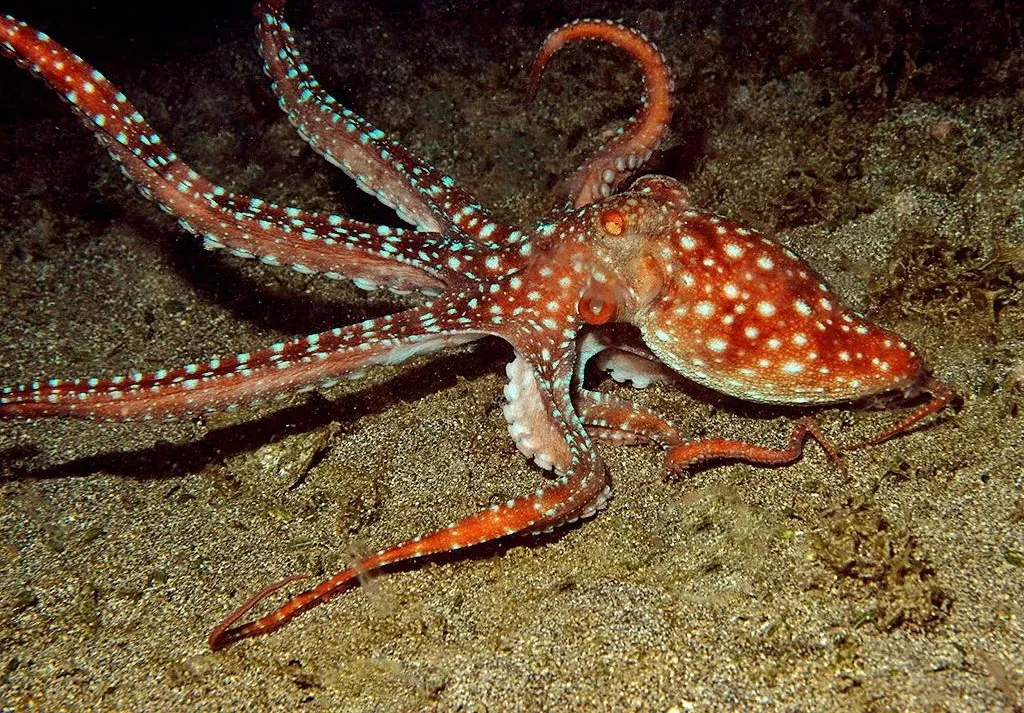
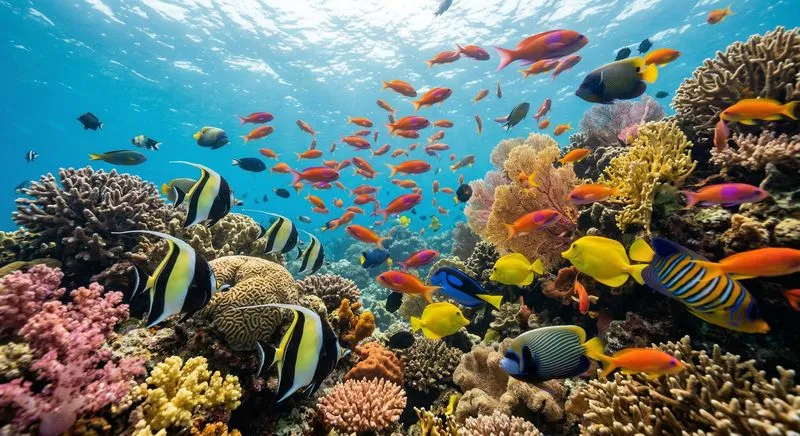
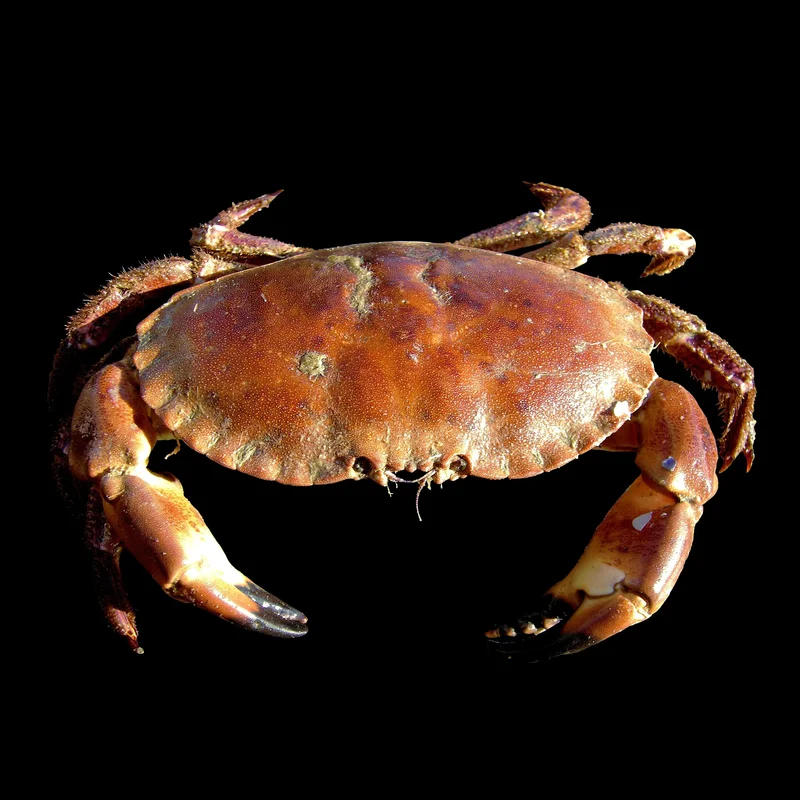
The Adriatic waters of Croatia host a captivating variety of marine life, from small invertebrates to diverse fish species. Divers exploring these underwater environments can expect to encounter a rich biodiversity. The local reefs and walls are often adorned with gorgonians, multicolor sponges, and various soft corals, creating vibrant habitats.
Common sightings include schools of fish, octopuses, and seahorses, with the latter often observed around the Istrian peninsula. These waters provide a home for numerous spineless creatures, enhancing the visual appeal of many dive sites.
Specific locations offer unique encounters. For instance, the Fortunal wreck is a known spot for sightings of the distinctive John Dory. Meanwhile, the Blue Cave provides a habitat for lobsters and scorpion fish, further diversifying the array of creatures divers can observe. Every dive offers a chance for new discoveries.
Regions for Diving
Croatia's dive landscape is broadly divided into distinct regions, each offering unique underwater characteristics and a variety of dive sites. Understanding these areas helps divers plan their exploration of the Adriatic.
The Dalmatian Coast is arguably the most expansive and popular region, stretching along the eastern Adriatic. This area encompasses numerous islands such as Vis, Hvar, Korčula, and Mljet. Vis Island is notable for its captivating wrecks like the Fortunal and the enchanting Blue Cave, offering visibility of 20-30 m (65-100 ft). Korčula features sites like the shallow Boka wreck, suitable for beginners, while Mljet National Park provides diverse underwater ecosystems with secluded coves and ancient shipwrecks. Dubrovnik also offers wreck diving, including the Taranto wreck at depths of 23-50 m (75-165 ft).
To the north, the Istrian Peninsula is a large area known for its wreck diving, particularly around Rovinj, home to the Baron Gautsch wreck. This region also features unique cave diving at sites like Cave Fraskeric, with depths of 10-25 m (30-80 ft), and areas where seahorses can be found. Temperatures here are similar to the rest of the Adriatic in summer.
Further south, the Kornati National Park is an archipelago of 89 islands, celebrated for its walls and tunnels, offering unparalleled underwater beauty and biodiversity. Dive sites here range from shallow reefs to deeper walls, attracting pelagic species. The park's protected status ensures a pristine environment for exploration.
The Pelješac Peninsula offers a rugged coastline with underwater cliffs, caves, and tunnels, providing varied diving experiences and a haven for marine life. This region, along with the nearby Palagruža Islands, provides opportunities for tranquil diving amidst natural beauty.
Travel & Passport Guide
Travel Basics
Trip Planning
Safety & Diving Considerations
Emphasizing safe diving practices and understanding local considerations is crucial for any underwater adventure in Croatia. While many dive sites are accessible to various skill levels, certain locations present unique challenges and require careful planning. It's important for divers to be well-prepared and informed before entering the water.
Divers should always engage with reputable local dive operators who possess intimate knowledge of specific site conditions. This local expertise is invaluable for navigating potential hazards. For instance, sites like the Baron Gautsch wreck can experience challenging currents, making them more suitable for experienced divers.
Planning dives strictly within one's certification limits remains a fundamental safety practice. Additionally, ensuring all equipment is well-maintained and in good working order is essential. Carrying proper dive insurance is also highly advisable for any diving activity in Croatian waters, providing peace of mind.
Dive Centers in Croatia
View all 35 dive centers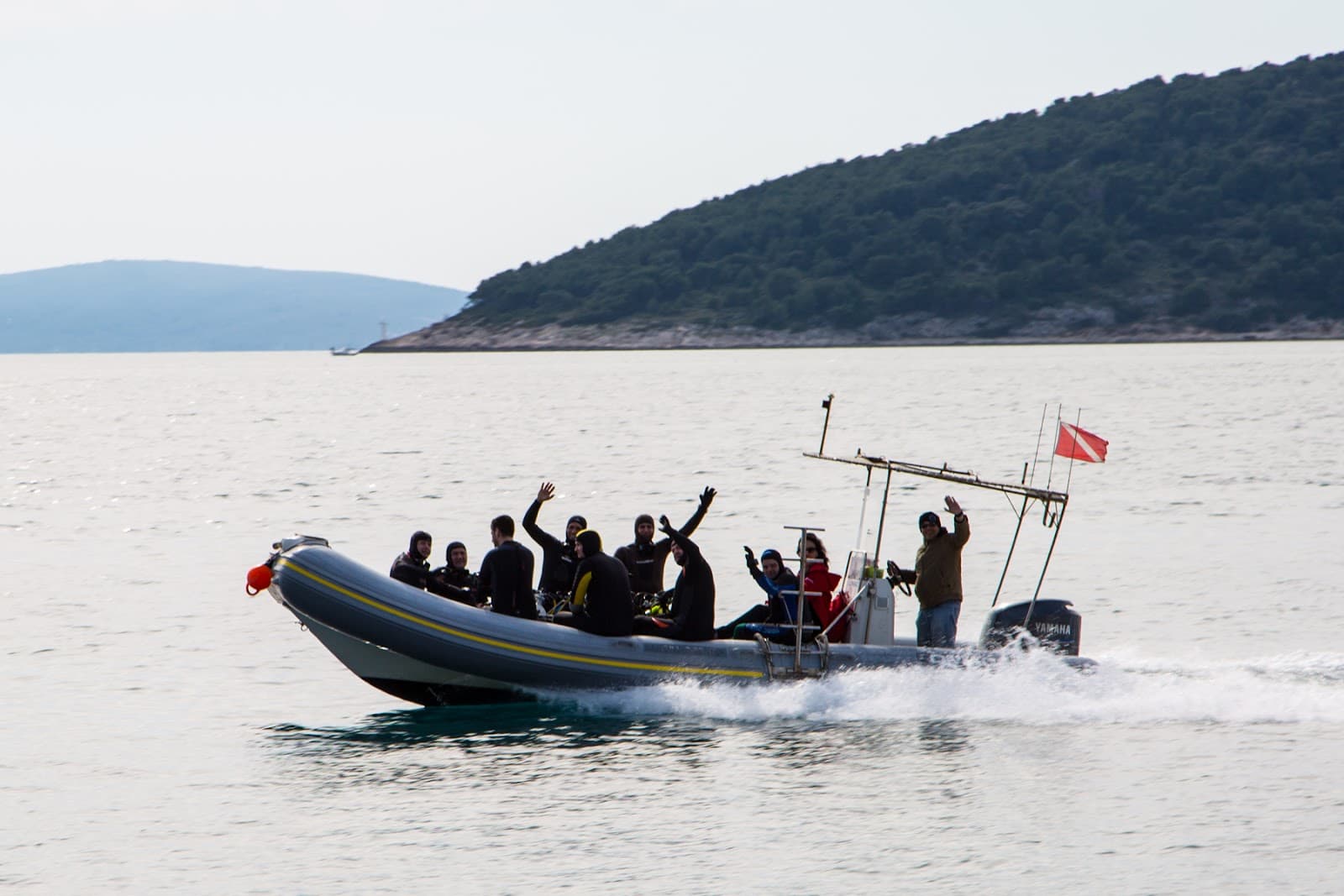
Frequently Asked Questions
What is the best time of year to dive in Croatia?
The ideal time for diving in Croatia is generally from May to October. During these months, the sea temperatures are warmer, ranging from 20-27°C (68-81°F), and visibility is often at its best, frequently exceeding 30 m (100 ft). The summer months of May to September offer peak conditions, though September and October can be quieter with still comfortable water temperatures.
What kind of marine life can I expect to see while diving?
Croatia's Adriatic Sea is home to a diverse array of marine life. Divers commonly encounter schools of fish, octopuses, and seahorses. The underwater landscape is rich with gorgonians, multicolor sponges, and various soft corals. Specific sites may offer sightings of unique species like the John Dory near the Fortunal wreck or lobsters and scorpion fish in the Blue Cave.
Are there many wreck diving opportunities in Croatia?
Yes, Croatia is well-known for its wreck diving. Notable sites include the Baron Gautsch off Rovinj, a passenger steamer at 40-45 m (130-150 ft), and the Fortunal fishing boat wreck near Vis Island at 45-55 m (150-180 ft). Other significant wrecks include the Taranto near Dubrovnik (23-50 m / 75-165 ft) and the Štuka airplane wreck near Žirje (around 26 m / 85 ft).
What are the typical dive conditions in Croatia?
Croatia offers generally excellent dive conditions. Visibility is often superb, frequently exceeding 30 m (100 ft), with some sites like the Blue Cave maintaining 20-30 m (65-100 ft) visibility. While many areas are calm, certain sites, such as the Baron Gautsch, can experience challenging currents, requiring divers to have appropriate experience and consult with local dive operators.
Which regions are recommended for diving in Croatia?
Several regions stand out for diving. The Dalmatian Coast, with islands like Vis, Korčula, and Mljet, offers diverse wrecks, caves, and reefs. The Istrian Peninsula in the north is known for its wreck diving and cave systems. Kornati National Park provides pristine walls and tunnels, rich in biodiversity. The Pelješac Peninsula is also recognized for its underwater cliffs and caves.