
Diving at St. Leon-Rot See (Germany)
St. Leon-Rot See offers an accessible inland diving experience, particularly suitable for new and developing divers. This site in Germany's Baden-Württemberg region is an ideal location for Open Water and Advanced Open Water certification dives, as well as specialized training like Deep Diver or Search and Recovery. Its structured environment provides a controlled setting for skill practice and exploration.
The latest environmental reading at St. Leon-Rot See indicates an air temperature of 16.5°C. The regional climate in Germany is aligning with expected historical averages. Prepare your gear according to these specific local conditions.
Dive Site Location & Key Facts
Dive Site Overview
This former gravel pit in St. Leon-Rot, Germany, has been thoughtfully developed into a dynamic freshwater dive site, offering a fascinating and structured underwater landscape for exploration. Divers can navigate a series of submerged features, including purpose-sunk platforms, various artificial reefs, and intriguing objects intentionally placed to create distinct points of interest and training opportunities.
The site presents a varied underwater topography, transitioning from accessible shallow areas, which are ideal for introductory dives and skill refreshers, to depths that can reach approximately 24 m / 82 ft, catering to more experienced divers and advanced training. This diverse depth profile supports a wide range of certifications, from basic buoyancy control to specialized deep diving and search and recovery scenarios. With two easily accessible shore entry points, the site is convenient for divers seeking independent exploration, further supported by robust on-site amenities like a heated divers' room and showers, significantly improving comfort, especially during cooler seasons.
Conditions are Excellent
07:00 - 14:00
Optimal conditions expected
Current conditions near St. Leon-Rot See show 17° air, --° sea temperature, N/A waves, and 13 km/h wind. Forecast data is refreshed regularly to ensure accuracy.
Best Time to Dive
Optimal diving at St. Leon-Rot See typically occurs from May through September, when water temperatures are at their warmest, ranging from 18-24°C / 64-75°F. During these peak months, air temperatures average a comfortable 15-20°C, significantly enhancing the overall dive experience and surface intervals. While the internal system data indicates a 'Good' dive score year-round, suggesting the lake is always an option for well-prepared divers, the summer period offers the most pleasant conditions. Winter temperatures drop considerably, with water between 4-8°C / 39-46°F, demanding appropriate drysuit diving experience and gear. Rainfall averages around 2-3 mm monthly, a consistent pattern that can influence visibility but rarely prevents diving.
PEAK SEASON SCORE
Scores combine air & water temps, waves, wind & rainfall for overall conditions.
BEST MONTHS TO DIVE
Monthly records compiled from satellite and marine observation nodes over the last 3 years. Data provided by Open-Meteo and MET Norway.
Dive Experience & Conditions
Diving here is characterized by remarkably calm conditions, with no reported currents or surge, making it a predictable and relaxing environment for divers. Visibility within the lake can fluctuate, typically observed between 5 and 15 meters / 16 and 49 feet; clearer days reveal the full extent of the underwater structures more readily, offering expansive views. The bottom terrain is a mixture of gravel, sand, and rock, providing a solid foundation for navigation and a natural habitat for various freshwater species. Exploring the artificial reefs and platforms feels like navigating a submerged sculpture garden, with each dive offering potential new discoveries among the settled elements and the unique sensation of inland freshwater diving.
Dive Difficulty & Safety Guidelines
Diver safety at St. Leon-Rot See requires careful adherence to site-specific rules, particularly concerning the designated water skiing areas. It is strictly prohibited and highly dangerous to dive or surface within these zones. Always plan your entry and exit points meticulously to avoid any conflict with surface activities.
A basic diving license is mandatory for all divers, emphasizing the importance of foundational training. Additionally, consulting with local dive operators or fellow experienced divers about current conditions is always recommended.
The heated divers' room and showers on site not only provide comfort but also contribute to safety by allowing divers to warm up post-dive, especially during cooler seasons.
Recommended Equipment
- Dive Computer
- DSMB
- Hard-soled Dive Boots
This gear list is based on verified equipment signals for St. Leon-Rot See, Germany. Always confirm final gear choices with your dive operator, guide, or liveaboard.
Recommended Dive Suit
Subtle variations in currents or depth can sometimes influence perceived water temperature.
Based on regional estimates and current weather, the likely required exposure protection is a 5mm or thicker wetsuit. Note that local currents and upwellings can alter this. A thermal robe or jacket is recommended between dives. Due to unpredictable weather patterns, conditions may change rapidly. A warming trend is expected over the next few days.
Because recent water temperature readings are not available for St. Leon-Rot See, the guidance below is based mainly on current air conditions and seasonal expectations. Current surface air temperatures are roughly 17°C (62°F).
Due to technical issues with our weather providers, live updates are temporarily delayed. The data above reflects the conditions at the time of the last successful fetch.
Emergency & Medical Support
Essential information to help you plan your dive trip to St. Leon-Rot See.

Hyperbaric chambers are a critical part of dive safety infrastructure. Availability varies significantly by region, and not all dive areas have immediate access.
Before diving, it's recommended to:
- confirm nearest medical facilities
- check emergency procedures with local dive operators
- ensure dive insurance covers evacuation if required
Divers Alert Network
Diving emergency assistance available through DAN Europe.
+39 0642115685- 24/7 emergency hotline
- Diving medical assistance
- Evacuation coordination
Emergency contacts are provided for reference. Always verify local emergency services before diving.
Closest Listed Hyperbaric Chambers
Showing listed hyperbaric chamber facilities within 200 km of this dive site.
Distances are approximate straight-line distances and may not reflect emergency travel time.
Hyperbaric Chamber - Heidelberg
Heidelberg, Germany•Approx. 17 km straight-line
Hyperbaric Chamber - Heidelberg
Information is provided for reference and planning purposes only. Dive Navigator does not verify operational status, staffing, availability, or quality of care at listed facilities. In an emergency, contact local emergency services, DAN, your dive operator, or the chamber directly. Do not travel to a facility without calling ahead.
Hyperbaric Chamber - Karlsruhe
Karlsruhe, Germany•Approx. 33 km straight-line
Hyperbaric Chamber - Karlsruhe
Information is provided for reference and planning purposes only. Dive Navigator does not verify operational status, staffing, availability, or quality of care at listed facilities. In an emergency, contact local emergency services, DAN, your dive operator, or the chamber directly. Do not travel to a facility without calling ahead.
Druckkammer-Centrum-Stuttgart DCS1
24/7 ListedICU CapableStuttgart, Ludwigsburg, Germany•Approx. 58 km straight-line
Druckkammer-Centrum-Stuttgart DCS1
24/7 ListedICU CapableInformation is provided for reference and planning purposes only. Dive Navigator does not verify operational status, staffing, availability, or quality of care at listed facilities. In an emergency, contact local emergency services, DAN, your dive operator, or the chamber directly. Do not travel to a facility without calling ahead.
Marine Life at St. Leon-Rot See
The freshwater environment of St. Leon-Rot See harbors a variety of local fish species and aquatic plants. Divers exploring the lake's submerged structures, such as platforms and artificial reefs, will often discover fish taking refuge or foraging in these areas.
The interaction between the man-made elements and natural lake vegetation creates an interesting backdrop for observing the adapted freshwater ecosystem. This location provides insight into the specific life forms thriving within an inland German lake.
Dive Sites Near St. Leon-Rot See
View all dive sites in GermanyDiscover more underwater gems in this area.
Dive Centers Near St. Leon-Rot See
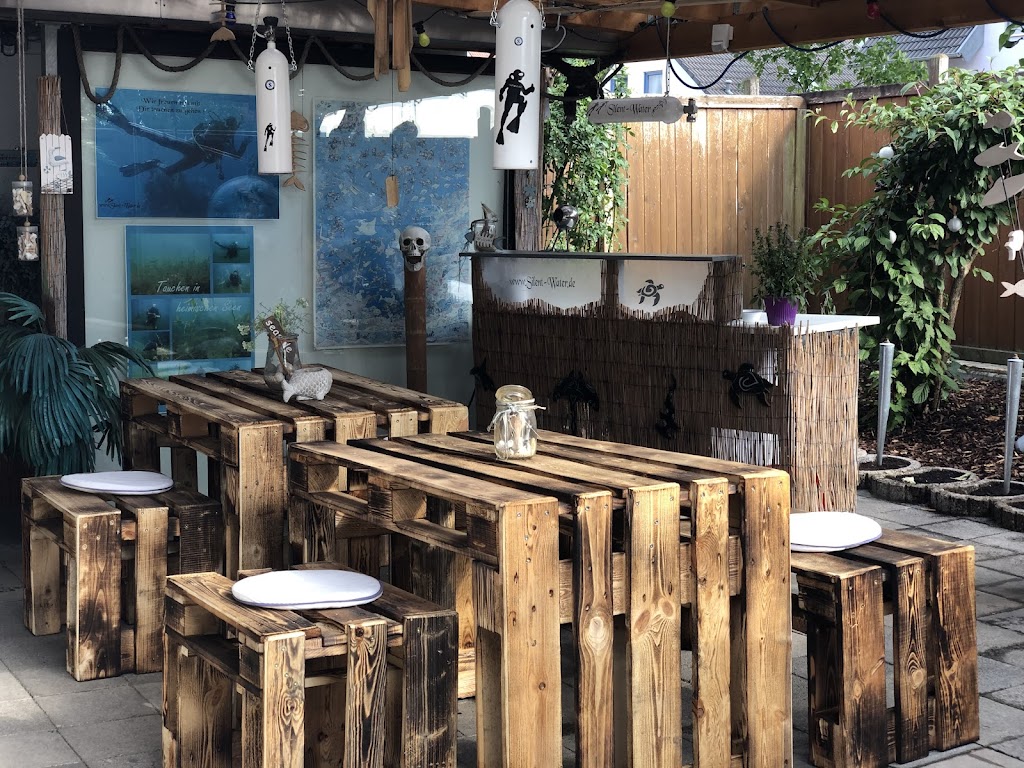
Today: Closed
Nearest Airports
Nearest airports to help plan travel to this dive area.
Search Flights
Check available flights and routes on Expedia, using the nearby airports listed in this section.
Search Flights on ExpediaFrequently Asked Questions
What is the maximum depth at St. Leon-Rot See?
The lake features a maximum dive depth of approximately 24 meters / 82 feet, with a mix of shallower and deeper areas available for exploration. This allows divers to tailor their dives to their comfort and certification levels.
Are there strong currents at this dive site?
No, St. Leon-Rot See is an inland lake and does not experience any reported currents or surge. This makes for generally calm and predictable diving conditions, suitable for divers of various skill levels.
What is the typical visibility like?
Underwater visibility at St. Leon-Rot See varies depending on conditions, but typically ranges from 5 to 15 meters / 16 to 49 feet. Factors such as recent rainfall or dive activity can influence clarity.
What kind of marine life can I expect to see?
Divers can observe a variety of fish and aquatic plants that thrive in the lake's freshwater environment. These typically congregate around the submerged structures and artificial reefs, providing points of interest during a dive.
Are there any specific hazards to be aware of?
Yes, it's critical to avoid the designated water skiing areas where diving is strictly prohibited due to safety concerns. Always plan your entry and exit to stay clear of these zones and avoid surfacing there.
Do I need a special permit to dive here?
While a specific site permit is not consistently reported as required, you do need a basic diving license (certification) to dive at St. Leon-Rot See. This ensures divers possess the necessary training for safe underwater activities.
What are the best months for diving at St. Leon-Rot See?
The most favorable months for diving are typically from May to September. During this period, water temperatures are warmer, ranging from 18-24°C / 64-75°F, and surface conditions are generally more pleasant for divers.
Planning to dive St. Leon-Rot See?
Send one inquiry and receive offers directly from the best verified local dive operators.
Conditions are Excellent
07:00 - 14:00
Optimal conditions expected
Current conditions near St. Leon-Rot See show 17° air, --° sea temperature, N/A waves, and 13 km/h wind. Forecast data is refreshed regularly to ensure accuracy.