
Diving in Germany
Diving in Germany covers a wide range of environments, with conditions that vary depending on location and site type. Our database currently contains 44 dive locations across Germany. This allows divers to evaluate locations before planning trips.
Exploring the underwater realm in Germany reveals a diverse landscape, with diving opportunities spanning its northern coastlines and numerous inland freshwater regions. Along the north, the Baltic Sea offers distinct marine experiences. The western part of the country, by contrast, features many dams and flooded gravel pits.
The Mecklenburg Lake District, Central Germany, and the Bavarian mountain lakes, including the Bavarian Prealps, are central to freshwater diving. This varied geography provides an array of dive types, from submerged forests and unique rock formations to deep quarry lakes and historical wrecks.
Divers here can encounter a range of freshwater fish such as pike, perch, carp, and eels, alongside specific Baltic Sea species. Destinations like Meissen, Cuxhaven, and Magdeburg highlight the spread of these dive sites. Whether seeking the tranquility of alpine lakes or the challenge of cooler wreck dives, Germany's distinct regions cater to different diving preferences and skill levels.
Dive Map of Germany
Utilizing a regional dive map makes planning an underwater adventure in Germany more intuitive. It helps visualize the distribution of sites, from the Baltic Sea coast to the extensive network of inland lakes and quarries. This allows divers to pinpoint popular destinations like Lake Hemmoor in Lower Saxony or Lake Constance in Southern Germany, understanding their geographical context and optimizing travel.
A dive map clearly illustrates how regions such as the Mecklenburg Lake District offer abundant freshwater diving. The Fehmarn peninsula, for instance, serves as a hub for Baltic wreck exploration.
By reviewing a map, divers can efficiently plan itineraries that span different environments and discover notable sites like Sundhäuser See or the quarries in Meissen, ensuring a well-organized trip between distinct underwater experiences.
Dive Sites to Explore
View all 44 sites
Underwater explorations across Germany accommodate a spectrum of diver experience levels, from tranquil lake dives suitable for beginners to challenging wreck and mine expeditions for the advanced. Many freshwater lakes and flooded quarries offer generally good visibility and calmer conditions, ideal for those new to cold-water diving or looking to refine skills. More experienced divers can seek out deeper sites, historical wrecks, or specialized environments like submerged mines.
Lake Hemmoor (Kreidesee), near Cuxhaven, is a highly popular site often visited by local and international divers. This former chalk quarry reaches depths of 60 meters (200 ft) with visibility often exceeding 24 meters (80 ft). Divers here can explore flooded buildings, an armored car, and even a Piper PA-28 airplane. It's an excellent site for all levels, offering both shallower areas and deeper challenges.
Sundhäuser See, located near Nordhausen in Central Germany, is recognized for its artificial underwater town of Nordhusia. This unique site features flooded buildings and structures specifically built for divers, along with large carp, perch, and pike. The lake boasts good visibility, typically 10-15 meters (32-50 ft) year-round, making it an engaging exploration for intermediate divers.
For wreck enthusiasts, the Baltic Sea near the Fehmarn peninsula offers several options. The Burg VS 54 is a 44-meter (145 ft) long former fish trawler from 1937, now an advanced dive site due to potential currents and variable visibility. Another notable Baltic wreck is The Docktor, an impressive 100-meter (330 ft) long vessel, home to abundant Baltic Sea life and explorable internally. These sites provide a glimpse into the region's maritime history.
Walchensee, an alpine lake in Bavaria, offers stunning mountain views both above and below the surface. Its cold waters run to depths of 250 meters (820 ft) and feature boat and car wrecks, steep rock faces, and enormous boulders. Visibility is often clear, making it a compelling site for experienced divers comfortable with cold, deep conditions and shore entries.
Best Time to Dive in Germany
Defining the optimal window for diving in Germany largely depends on your preference for water temperature and specific underwater experiences. The prime season generally runs from May to October, when water temperatures are at their highest and visibility tends to improve across lakes and quarries. The warmest conditions are typically found from June to September, making these months popular for recreational diving.
During the warmer summer, surface temperatures in some lakes can reach up to 25°C (77°F), though deeper areas often remain at a consistent 4°C (39°F) below thermoclines. This period is suitable for exploring the diverse freshwater sites and some Baltic Sea locations.
For those seeking exceptional clarity and unique conditions, winter diving is a mesmerizing alternative. During the colder months, especially for drysuit-certified divers, visibility in many lakes can easily exceed 30 meters (100 ft) due to reduced organic material. Winter also presents opportunities for ice diving in certain areas, offering a serene and distinct underwater scene. While Germany offers year-round diving, the summer months provide the most comfortable conditions for general exploration, while winter appeals to divers prioritizing extreme clarity and specialized experiences.
Monthly Sea Temperatures
Water temperatures in Germany exhibit significant seasonal shifts, influencing dive planning throughout the year. The waters are generally cold, necessitating appropriate exposure protection like dry suits or thick wetsuits for most dives.
In summer, surface temperatures in some lakes can rise considerably, potentially reaching 25°C (77°F). However, this warmth is often confined to the surface layers. Below the thermoclines, especially in deeper lakes, temperatures consistently drop to around 4°C (39°F) year-round.
The Baltic Sea experiences a temperature range from 2°C (36°F) in winter up to 20°C (68°F) in summer, though even in summer, temperatures often remain below 20°C (68°F). Alpine lakes, like Lake Constance, can be as cold as 10°C (50°F) even during summer. Divers should always be prepared for cold water, particularly when exploring deeper sections or during the colder months.
| Jan | Feb | Mar | Apr | May | Jun | Jul | Aug | Sep | Oct | Nov | Dec | |
|---|---|---|---|---|---|---|---|---|---|---|---|---|
| Max | 5° | 5° | 5° | 8° | 13° | 18° | 20° | 20° | 20° | 17° | 11° | 8° |
| Avg | 3° | 3° | 2° | 5° | 10° | 15° | 17° | 18° | 17° | 13° | 9° | 6° |
| Min | 0° | 0° | 0° | 3° | 6° | 12° | 15° | 15° | 13° | 9° | 7° | 4° |
Dive Conditions
Conditions underwater in Germany are variable, primarily depending on whether you are exploring freshwater lakes and quarries or the coastal Baltic Sea. Many inland sites offer generally stable and clear conditions, especially in former quarries.
Locations like Lake Hemmoor boast visibility often exceeding 24 meters (80 ft), while Sundhäuser See maintains good visibility of 10-15 meters (32-50 ft) year-round. In winter, visibility in many freshwater sites can be exceptional, sometimes surpassing 30 meters (100 ft) due to reduced algal growth.
Conversely, conditions in the Baltic Sea can be more dynamic. While some areas offer reasonable clarity, divers should be prepared for potentially poorer visibility and stronger currents, particularly around wreck sites or during drift dives, such as under the Fehmarnsund Bridge. Currents in freshwater lakes are typically mild to non-existent. Overall, divers should expect cold water conditions across all regions, requiring proper thermal protection for comfortable and safe diving.
Marine Life Highlights
Most Mentioned Species
Marine life in Germany varies across dive locations, with different species appearing depending on environment and conditions. The species highlighted here are the most frequently associated with dive sites in our data, offering a realistic overview of what divers are most likely to encounter.
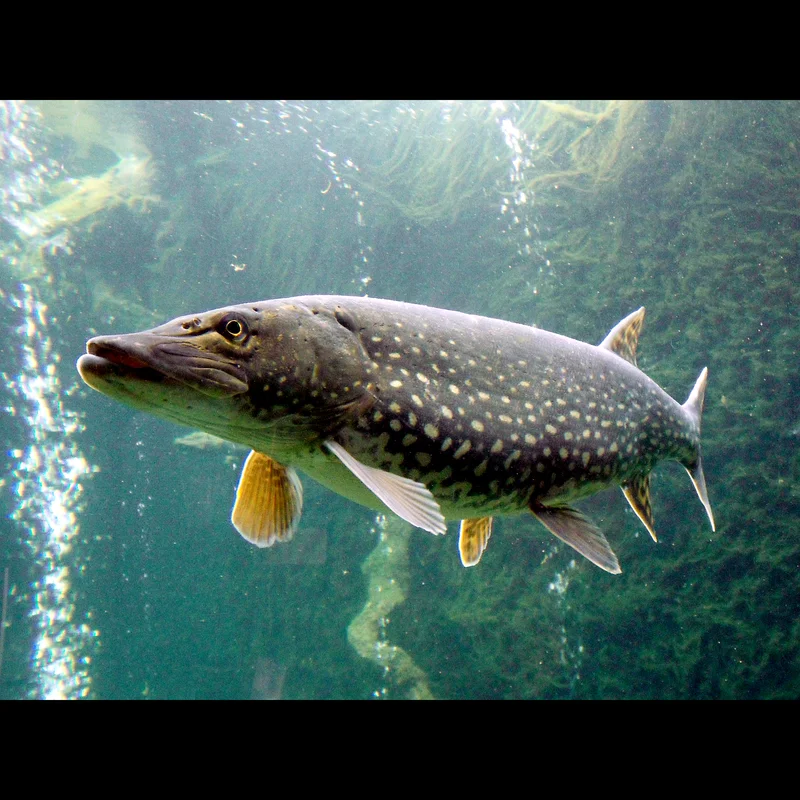
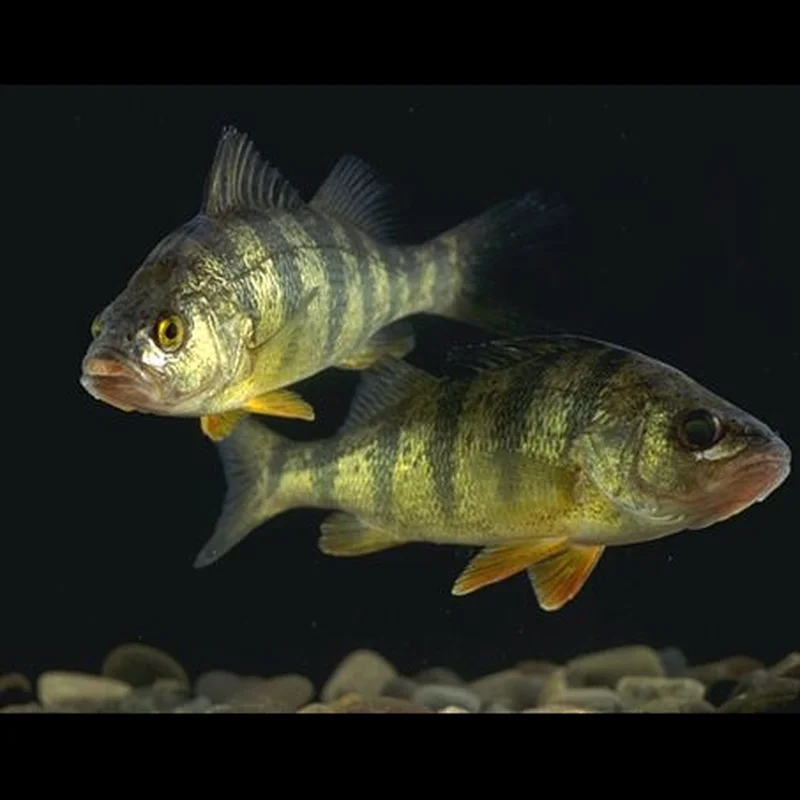
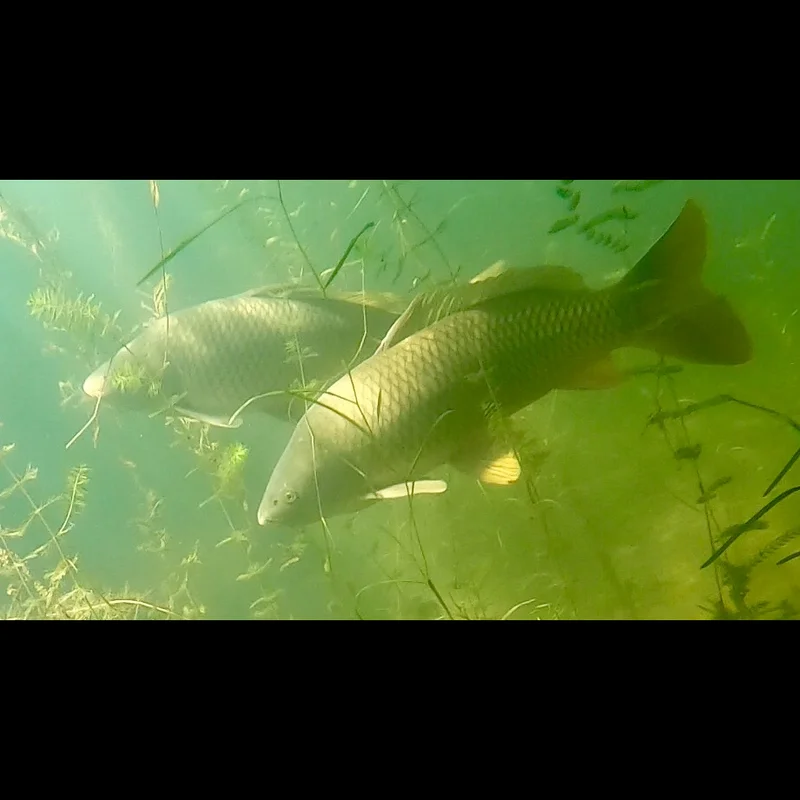
Germany's underwater ecosystems, spanning both freshwater and the Baltic Sea, host a diverse array of life. In the numerous lakes and flooded quarries, divers frequently encounter abundant freshwater fish. Common species include pike, perch, carp, eel, trout, sturgeon, catfish, zander, and char.
Some sites also feature unique organisms like freshwater sponges, bryozoans, mussels, and even freshwater jellyfish. The underwater flora is also notable, with areas of lush freshwater plants and submerged forests providing habitats.
Along the Baltic Sea coast, marine life includes species adapted to cooler, brackish waters. Cod and plaice are often seen around wrecks and rocky areas. Sea anemones and water lilies can adorn submerged structures, and mussel beds are common. While encounters are rare, there are occasional reports of seals, adding an element of surprise to Baltic dives. Both environments offer rich flora and fauna for observant divers.
Regions for Diving
The country's dive landscape is remarkably diverse, segmented into distinct regions offering varied underwater experiences. Southern Germany, particularly the Bavarian mountain lakes, stands out for its cold, clear alpine waters.
Bavarian Mountain Lakes (Southern Germany): This region, nestled in the Bavarian Prealps, is home to some of Germany's most iconic freshwater dive sites. Lake Constance (Bodensee), one of Europe's largest freshwater lakes, stretches across Germany, Switzerland, and Austria, offering over 40 dive sites. It features the notable 46-meter (150 ft) long paddle steamer wreck, the Jura, and steep underwater walls with trout, char, and pike. Water temperatures are cold, often around 10°C (50°F) even in summer. Another highlight is Walchensee, an alpine lake with gin-clear waters, boasting depths up to 250 meters (820 ft) and numerous dive sites including car wrecks and impressive rock formations. Visibility here is generally excellent.
Northern Germany & the Baltic Sea: The northern coast offers a different kind of adventure, focusing on the Baltic Sea and unique flooded quarries. The Fehmarn peninsula is a prime location for wreck diving in the Baltic, with historical vessels like the Burg VS 54 and The Docktor. Conditions can be challenging with currents and variable visibility, but the rewards are rich Baltic Sea life and historical artifacts. Inland, Lake Hemmoor (Kreidesee) in Lower Saxony is a popular former chalk quarry. It features submerged buildings, vehicles, and excellent visibility often exceeding 24 meters (80 ft). This site is accessible year-round, with good conditions and a consistent deep-water temperature of 4°C (39°F).
Central & Eastern Germany: This area provides a mix of quarry lakes and unique artificial dive sites. Sundhäuser See in Thuringia is recognized for the artificial underwater town of Nordhusia, specifically built for divers. This site offers good visibility, typically 10-15 meters (32-50 ft) all year, and a rich fish population including carp, perch, and pike. The Riesenstein Quarry in Meissen near Dresden is another excellent spot, known for its cool rock formations and freshwater fish. Löbejün also contains three popular quarry pots in East Germany. These regions offer interesting geological features and diverse freshwater flora and fauna.
North Rhine-Westphalia: The western part of the country offers a multitude of dams and flooded gravel pits, such as the Biggetalsperre and Blausteinsee. Mine diving is also available here, with sites like the Nuttlar mine providing a unique technical diving experience. These sites often feature good visibility and varied underwater structures.
Travel & Passport Guide
Travel Basics
Trip Planning
Safety & Diving Considerations
Diving safely in Germany requires careful consideration of its unique conditions, primarily cold water and variable visibility. Given that water temperatures rarely exceed 25°C (77°F) at the surface in summer and can drop to 4°C (39°F) at depth or in winter, a dry suit or a very thick wetsuit is highly recommended for comfort and safety.
Proper thermal protection is paramount for extended bottom times. Visibility can range significantly, from excellent clarity exceeding 30 meters (100 ft) in many quarries during winter to potentially poorer conditions in some Baltic Sea areas. Divers should always check local reports and be prepared for reduced visibility, especially when exploring wrecks.
Currents are generally mild in inland lakes but can be present and strong in coastal areas like the Baltic Sea, particularly during drift dives such as under the Fehmarnsund Bridge. It's advisable to dive with experienced local guides or dive centers, many of which operate year-round, to navigate specific site conditions and ensure a safe diving experience.
Dive Centers in Germany
View all 30 dive centers
Frequently Asked Questions
What types of dive sites can I explore in Germany?
Germany offers a diverse range of dive sites. You can explore numerous freshwater lakes and flooded quarries, which feature submerged forests, unique rock formations, and even artificial underwater towns like Nordhusia in Sundhäuser See. The Baltic Sea provides opportunities for wreck diving, with historical vessels such as the Burg VS 54 and The Docktor. Mine diving in places like Nuttlar is also available for specialized experiences.
When is the best time of year to go diving in Germany?
The prime diving season in Germany runs from May to October, with the warmest water temperatures occurring from June to September. During this period, visibility in many lakes and quarries improves. However, winter diving offers exceptional water clarity, often exceeding 30 meters (100 ft), and unique experiences like ice diving, though it requires dry suit certification and tolerance for very cold water.
What are the typical water temperatures for diving in Germany?
Water temperatures in Germany vary by season and depth. In summer, surface temperatures in some lakes can reach up to 25°C (77°F), but below thermoclines, temperatures consistently hover around 4°C (39°F). The Baltic Sea typically ranges from 2°C (36°F) to 20°C (68°F). Due to these generally cold conditions, a dry suit or a thick wetsuit is recommended for most dives throughout the year.
What kind of marine life can I expect to see underwater?
In Germany's freshwater lakes and quarries, you can encounter a variety of fish species including pike, perch, carp, eel, trout, sturgeon, catfish, zander, and char. These environments also host freshwater sponges and mussels. In the Baltic Sea, expect to see cod and plaice, along with sea anemones and various crustaceans. While rare, there are occasional reports of seals in the Baltic.
Are there any unique or unusual dive experiences available in Germany?
Yes, Germany offers several unique dive experiences. You can explore the artificial underwater town of Nordhusia in Sundhäuser See, specially built for divers. Mine diving, such as at Nuttlar, provides an adventurous technical diving environment. Furthermore, the colder months open up opportunities for ice diving, offering serene and exceptionally clear underwater vistas beneath frozen surfaces.