
Diving at Tauchsportcenter Wassermann (Germany)
Tauchsportcenter Wassermann offers divers access to a distinct inland German lake environment, characterized by a unique depth profile for freshwater exploration. Descending through varied thermal layers, participants can anticipate conditions suitable for a broad range of experience levels within recreational depths. This dive site provides shore-based entry, focusing on the specific rewards and challenges inherent to inland water systems.
At Tauchsportcenter Wassermann, the ambient air temperature is currently recorded at 29.5°C. This dive site in Germany is operating under normal seasonal weather patterns. Familiarize yourself with the local topography prior to navigating.
Dive Site Location & Key Facts
Dive Site Overview
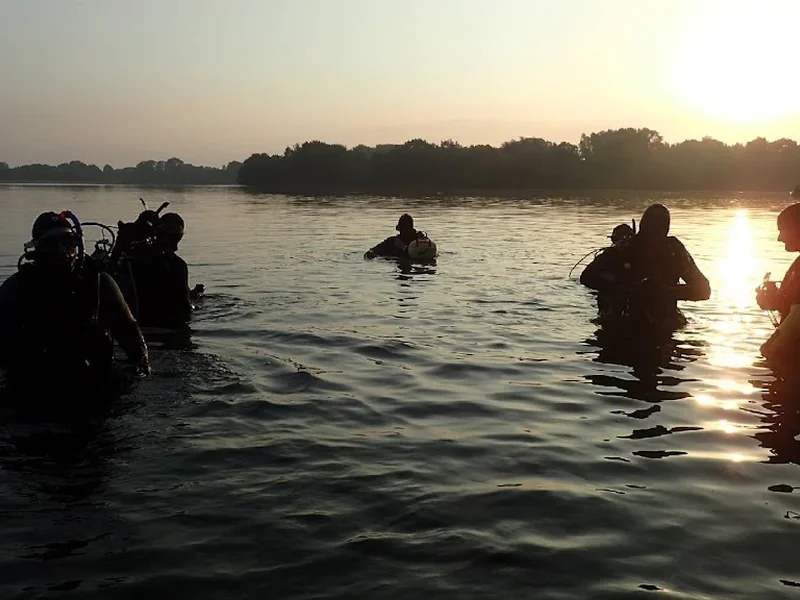
Tauchsportcenter Wassermann in Zerbst, Germany, facilitates direct shore access to its inland diving area, streamlining entry and exit logistics for participants. Exploring this freshwater body, divers typically encounter gradual underwater slopes, transitioning from areas with a sandy bottom to more silty, sediment-covered expanses at greater depths.
The underwater topography frequently features submerged trees and occasional man-made structures, adding navigational complexity and requiring attentive dive planning. These varied features create diverse habitats for aquatic life. On-site services include gas fills, specifically air, supporting a variety of dive programs tailored for certified divers.
Prudent buoyancy control remains paramount throughout the descent; this helps prevent disturbing the delicate substrate, particularly in silty zones where visibility can rapidly diminish. Conditions within this aquatic environment are known to fluctuate, making each dive a unique observational experience that demands environmental awareness.
Depths range throughout the site, with recreational limits generally extending to 30 m (100 ft) in certain areas. This versatile inland system offers diverse recreational diving opportunities, requiring divers to adapt to changing underwater landscapes.
Conditions are Good
Optimal conditions expected
Current conditions near Tauchsportcenter Wassermann show 29° air, --° sea temperature, N/A waves, and 16 km/h wind. Forecast data is refreshed regularly to ensure accuracy.
Best Time to Dive
Optimizing for visibility often guides the preferred time to explore this freshwater environment, though specific data for the site is limited. Air temperatures are mildest during summer months, reaching averages around 18.5-20°C (65-68°F) from June to August. This warmer surface climate can significantly improve comfort before and after dives. Rainfall, while consistent year-round, tends to be slightly higher in July and October, averaging about 2.3-2.4 mm, which might affect run-off and potentially reduce underwater visibility. Despite these variations, the site's dive score consistently rates as 'Good' (8) across all months, indicating year-round diving potential for well-prepared divers. Conditions in spring and autumn can offer cooler air temperatures, but potentially stable underwater clarity if precipitation remains moderate. Considering thermal comfort and potential for clearer conditions helps in planning visits.
PEAK SEASON SCORE
Scores combine air & water temps, waves, wind & rainfall for overall conditions.
BEST MONTHS TO DIVE
Monthly records compiled from satellite and marine observation nodes over the last 3 years. Data provided by Open-Meteo and MET Norway.
Dive Experience & Conditions
Exploring the varying depths here presents specific conditions characteristic of inland diving. Water temperatures, though not explicitly reported, are typically cooler in German aquatic systems compared to oceanic environments, often requiring specialized thermal protection. Visibility in this freshwater setting can fluctuate significantly, influenced by seasonal algae blooms, recent rainfall, or sediment disturbance from divers. Expect colder thermoclines in deeper sections, demanding effective thermal management for comfort and safety. Navigating this site requires proficient buoyancy control to avoid disturbing the bottom, especially where silty conditions may occur. These conditions collectively offer a unique test of dive skills, appealing to divers comfortable with freshwater environments and prepared for dynamic visibility. Proper planning for thermal comfort is essential for an enjoyable experience.
Dive Difficulty & Safety Guidelines
Understanding potential hazards is crucial for any dive, especially in a lake environment where conditions can differ markedly from open water. Limited visibility is a common characteristic of these inland bodies and necessitates strong navigational skills, often requiring reliance on dive lights, even during the day. Water temperatures, particularly in deeper sections, can be considerably cold, requiring appropriate thermal protection like dry suits or thick wetsuits.
Maintaining precise buoyancy control is vital to avoid stirring up bottom sediment, which can quickly reduce visibility further for all divers. Always dive within your training limits and consider local advice before entry.
The center promotes adherence to PADI Standard Safe Diving Practices. Being prepared for varying conditions enhances safety.
Recommended Equipment
- Dive Computer
This gear list is based on verified equipment signals for Tauchsportcenter Wassermann, Germany. Always confirm final gear choices with your dive operator, guide, or liveaboard.
Recommended Dive Suit
Based on regional estimates and current weather, the likely required exposure protection is a 3mm wetsuit. Note that local currents and upwellings can alter this. Divers vary widely in how quickly they feel cold underwater.
Because recent water temperature readings are not available for Tauchsportcenter Wassermann, the guidance below is based mainly on current air conditions and seasonal expectations. Current surface air temperatures are roughly 29°C (85°F).
Forecast confidence is somewhat lower, with potential for varied conditions ahead. Cooler days are ahead; you might want a warmer option for later in the week. Bringing an additional thermal layer can be helpful if conditions change.
Due to technical issues with our weather providers, live updates are temporarily delayed. The data above reflects the conditions at the time of the last successful fetch.
Emergency & Medical Support
Essential information to help you plan your dive trip to Tauchsportcenter Wassermann.

Hyperbaric chambers are a critical part of dive safety infrastructure. Availability varies significantly by region, and not all dive areas have immediate access.
Before diving, it's recommended to:
- confirm nearest medical facilities
- check emergency procedures with local dive operators
- ensure dive insurance covers evacuation if required
Divers Alert Network
Diving emergency assistance available through DAN Europe.
+39 0642115685- 24/7 emergency hotline
- Diving medical assistance
- Evacuation coordination
Emergency contacts are provided for reference. Always verify local emergency services before diving.
Closest Listed Hyperbaric Chambers
Showing listed hyperbaric chamber facilities within 200 km of this dive site.
Distances are approximate straight-line distances and may not reflect emergency travel time.
Information is provided for reference and planning purposes only. Dive Navigator does not verify operational status, staffing, availability, or quality of care at listed facilities. In an emergency, contact local emergency services, DAN, your dive operator, or the chamber directly. Do not travel to a facility without calling ahead.
Hyperbaric Chamber - Leipzig
24/7 ListedICU CapableLeipzig, Germany•Approx. 89 km straight-line
Hyperbaric Chamber - Leipzig
24/7 ListedICU CapableInformation is provided for reference and planning purposes only. Dive Navigator does not verify operational status, staffing, availability, or quality of care at listed facilities. In an emergency, contact local emergency services, DAN, your dive operator, or the chamber directly. Do not travel to a facility without calling ahead.
Hyperbaric Chamber - Berlin (Spandau)
Berlin (Spandau), Germany•Approx. 105 km straight-line
Hyperbaric Chamber - Berlin (Spandau)
Information is provided for reference and planning purposes only. Dive Navigator does not verify operational status, staffing, availability, or quality of care at listed facilities. In an emergency, contact local emergency services, DAN, your dive operator, or the chamber directly. Do not travel to a facility without calling ahead.
Marine Life at Tauchsportcenter Wassermann
Observing marine life at this inland site, specific highlights are not consistently reported. However, freshwater aquatic environments often host species adapted to temperate conditions.
Divers might encounter various types of freshwater fish, crayfish, or diverse aquatic plants, depending on the season and specific section of the dive area. These observations typically require keen attention to detail and patience from divers, as some species are cryptic or well-camouflaged within the underwater flora. Without explicit site-specific data, generalized expectations for inland aquatic ecosystems apply.

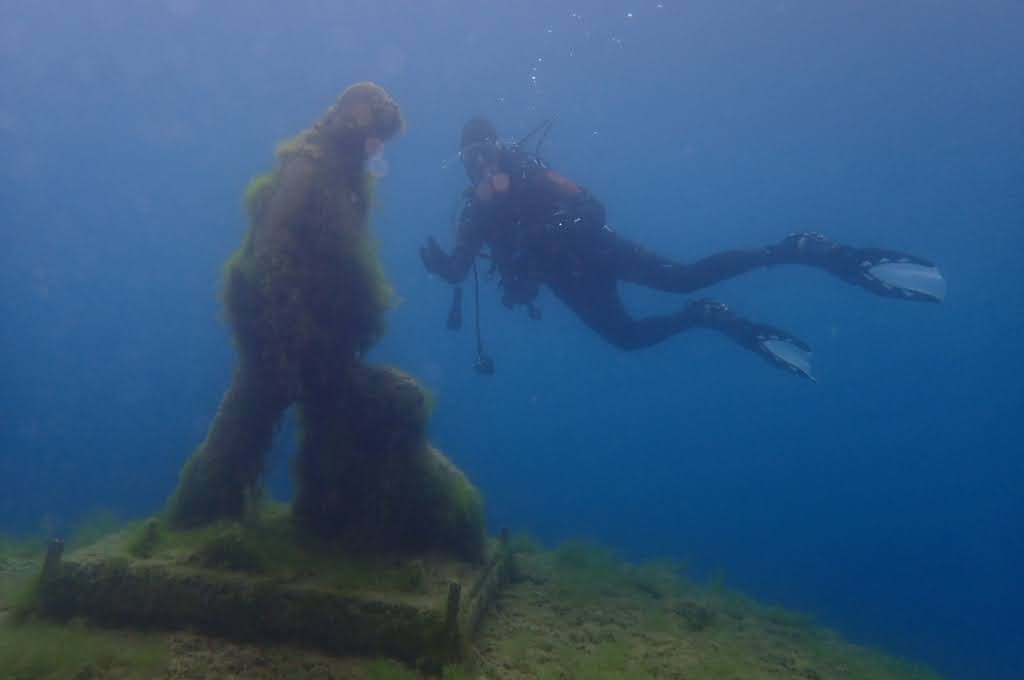
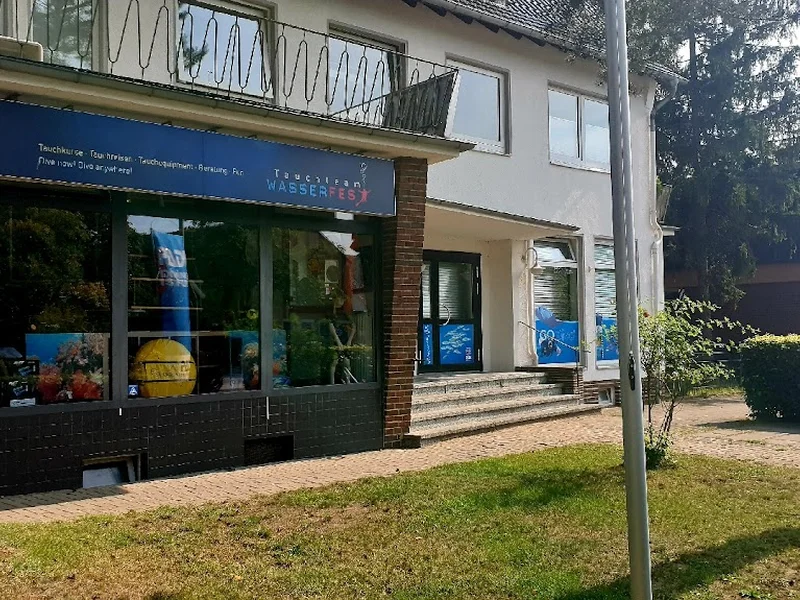
Dive Centers Near Tauchsportcenter Wassermann
Today: 10:00 - 18:00
Nearest Airports
Nearest airports to help plan travel to this dive area.
Search Flights
Check available flights and routes on Expedia, using the nearby airports listed in this section.
Search Flights on ExpediaFrequently Asked Questions
What is the typical water temperature for diving at Tauchsportcenter Wassermann?
Specific water temperature data for this site is not consistently reported. However, freshwater aquatic systems in Germany generally experience cooler temperatures, often requiring specialized thermal protection such as a dry suit or thick wetsuit. Expect colder conditions, especially at deeper sections and outside of summer months.
What is the average visibility like?
Visibility in freshwater environments can vary significantly. Factors like recent rainfall, seasonal algae blooms, and sediment disturbance can influence clarity. Divers should be prepared for conditions that may range from moderate to limited and should plan accordingly with dive lights.
Are there shore dives available?
Yes, Tauchsportcenter Wassermann primarily offers shore dives, providing straightforward access to the diving environment. This makes it convenient for divers to prepare and enter the water directly from the facility.
What skill level is recommended for diving here?
While recreational depths are accessible, inland diving often presents unique challenges such as cooler temperatures and potentially reduced visibility. Divers should possess good buoyancy control and navigation skills. It's suitable for certified divers comfortable with freshwater conditions.
What services does the dive center offer?
The Tauchsportcenter Wassermann offers various services including shore dives, gas fills for air, and support for different dive programs. They also provide equipment services such as buoyancy compensators, dive computer, dry suit, neoprene suits, regulator, and cylinders.
When are the best air temperatures for diving?
The warmest air temperatures, averaging between 18.5-20°C (65-68°F), occur from June to August. These months provide the most comfortable surface conditions for divers, though water temperatures will still be cooler.
Planning to dive Tauchsportcenter Wassermann?
Send one inquiry and receive offers directly from the best verified local dive operators.
Conditions are Good
Optimal conditions expected
Current conditions near Tauchsportcenter Wassermann show 29° air, --° sea temperature, N/A waves, and 16 km/h wind. Forecast data is refreshed regularly to ensure accuracy.