
Diving at Vogelstang (Germany)
Navigating Vogelstangsee presents unique considerations for divers, primarily concerning the variability of underwater visibility inherent in this nutrient-rich freshwater environment. Divers should expect conditions demanding proficient buoyancy control and navigation skills. While its maximum depth of 12 m (39 ft) remains within recreational limits, the site's thermal characteristics can also challenge unprepared individuals. Planning for cold water exposure is crucial year-round to ensure a safe and comfortable experience. These specific conditions underscore the importance of thorough dive preparation at this locale.
Recent updates for Vogelstang show an air temperature measuring 15°C. Overall water conditions reflect the typical seasonal state for Germany. Please exercise standard safety precautions before entering the water.
Dive Site Location & Key Facts
Dive Site Overview
Vogelstangsee, a freshwater body near Mannheim, offers divers a unique urban aquatic experience. Historically, this site has been noted for its diverse aquatic life, including accounts of a substantial, nearly 2 m long Waller (Welz), affectionately known as 'Fritz' in earlier times.
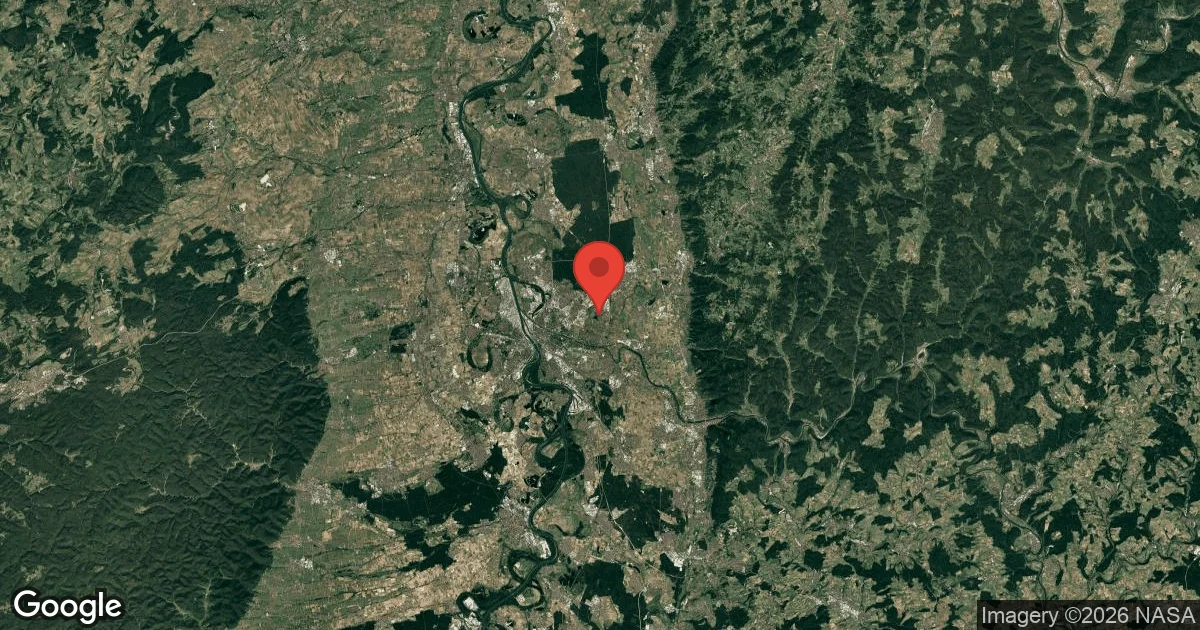
Positioned within a city park, the waters are characterized by their nutrient-rich composition, which supports a vibrant ecosystem of plants and various fish species. Shore entry is the standard approach, with two paved access points conveniently located near a gym parking lot. The water type is consistently fresh, reaching a maximum depth of 12 m (39 ft).
Its accessibility and distinct freshwater setting make it a practical spot for local dive activities. Despite its urban surroundings, this basin provides a tranquil underwater experience, allowing exploration of its moderate depths and observation of its aquatic inhabitants.
Conditions are Good
07:00 - 14:00
Optimal conditions expected
Current conditions near Vogelstang show 15° air, --° sea temperature, N/A waves, and 13 km/h wind. Forecast data is refreshed regularly to ensure accuracy.
Best Time to Dive
Diving conditions at Vogelstangsee remain consistent throughout the year, with all months generally considered favorable. Air temperatures vary significantly by season, ranging from colder averages around 2°C (36°F) in January to warmer peaks near 21°C (70°F) in August. This pronounced seasonal shift in air temperature means water temperatures will follow suit, making robust thermal protection essential, especially outside the summer months. Rainfall averages remain relatively low across the calendar, typically between 1.7 and 3.6 mm daily, which generally does not significantly impact water clarity in the basin. Wind speeds are moderate, averaging 13-16 km/h (8-10 mph). For optimal comfort, the warmer air temperatures of late spring through early autumn typically align with more tolerable surface conditions, though the underwater environment always remains cool.
PEAK SEASON SCORE
Scores combine air & water temps, waves, wind & rainfall for overall conditions.
BEST MONTHS TO DIVE
Monthly records compiled from satellite and marine observation nodes over the last 3 years. Data provided by Open-Meteo and MET Norway.
Dive Experience & Conditions
Underwater dynamics at Vogelstangsee are predominantly influenced by its nutrient-rich, freshwater composition, leading to highly variable visibility. Divers should anticipate conditions where clarity can shift, impacting navigation and observation. While a specific range isn't consistently reported for this body of water, nutrient-rich environments often present reduced visibility, which necessitates careful diving practices. The site features shore entries, typically accessed from designated paved points, making gear setup and entry straightforward. Water temperatures in such an inland setting will be cold, particularly in deeper sections or during cooler seasons, often requiring robust thermal protection. Despite the cold, the overall lack of strong currents allows for a generally calm diving experience, focusing on exploration of the bottom topography and aquatic life within this basin.
Dive Difficulty & Safety Guidelines
Approaching Vogelstangsee requires divers to acknowledge its specific characteristics to ensure a safe experience. Due to the potential for varying visibility in this nutrient-rich freshwater environment, strong buoyancy control and proficient underwater navigation skills are highly beneficial. Maintaining situational awareness is crucial, especially if visibility becomes limited.
While no particular inherent hazards are reported, divers should be prepared for cold water, making appropriate thermal protection mandatory.
Furthermore, divers should note the absence of onsite restroom facilities, which may influence surface logistics and overall dive planning. Respecting the local surroundings and practicing responsible diving techniques, such as avoiding contact with the sediment, helps preserve the delicate ecosystem.
Recommended Equipment
- Dive Computer
This gear list is based on verified equipment signals for Vogelstang, Germany. Always confirm final gear choices with your dive operator, guide, or liveaboard.
Recommended Dive Suit
Repeated dives during the same day can gradually reduce overall body warmth.
Because recent water temperature readings are not available for Vogelstang, the guidance below is based mainly on current air conditions and seasonal expectations. Current surface air temperatures are roughly 15°C (59°F). Based on regional estimates and current weather, the likely required exposure protection is a 5mm or thicker wetsuit. Note that local currents and upwellings can alter this. A thermal robe or jacket is recommended between dives.
Conditions may fluctuate slightly depending on wind and weather patterns. A warming trend is expected over the next few days.
Emergency & Medical Support
Essential information to help you plan your dive trip to Vogelstang.

Hyperbaric chambers are a critical part of dive safety infrastructure. Availability varies significantly by region, and not all dive areas have immediate access.
Before diving, it's recommended to:
- confirm nearest medical facilities
- check emergency procedures with local dive operators
- ensure dive insurance covers evacuation if required
Divers Alert Network
Diving emergency assistance available through DAN Europe.
+39 0642115685- 24/7 emergency hotline
- Diving medical assistance
- Evacuation coordination
Emergency contacts are provided for reference. Always verify local emergency services before diving.
Closest Listed Hyperbaric Chambers
Showing listed hyperbaric chamber facilities within 200 km of this dive site.
Distances are approximate straight-line distances and may not reflect emergency travel time.
Hyperbaric Chamber - Heidelberg
Heidelberg, Germany•Approx. 14 km straight-line
Hyperbaric Chamber - Heidelberg
Information is provided for reference and planning purposes only. Dive Navigator does not verify operational status, staffing, availability, or quality of care at listed facilities. In an emergency, contact local emergency services, DAN, your dive operator, or the chamber directly. Do not travel to a facility without calling ahead.
Hyperbaric Chamber - Karlsruhe
Karlsruhe, Germany•Approx. 57 km straight-line
Hyperbaric Chamber - Karlsruhe
Information is provided for reference and planning purposes only. Dive Navigator does not verify operational status, staffing, availability, or quality of care at listed facilities. In an emergency, contact local emergency services, DAN, your dive operator, or the chamber directly. Do not travel to a facility without calling ahead.
Druckkammerzentren Rhein Main Taunus GmbH
24/7 ListedICU CapableWiesbaden, Germany•Approx. 67 km straight-line
Druckkammerzentren Rhein Main Taunus GmbH
24/7 ListedICU CapableInformation is provided for reference and planning purposes only. Dive Navigator does not verify operational status, staffing, availability, or quality of care at listed facilities. In an emergency, contact local emergency services, DAN, your dive operator, or the chamber directly. Do not travel to a facility without calling ahead.
Marine Life at Vogelstang
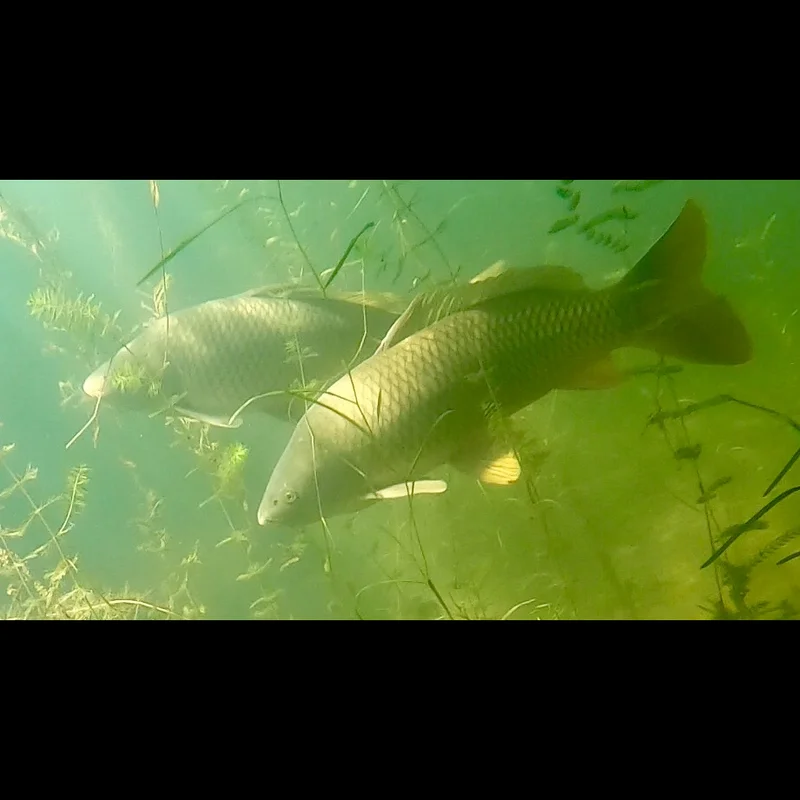
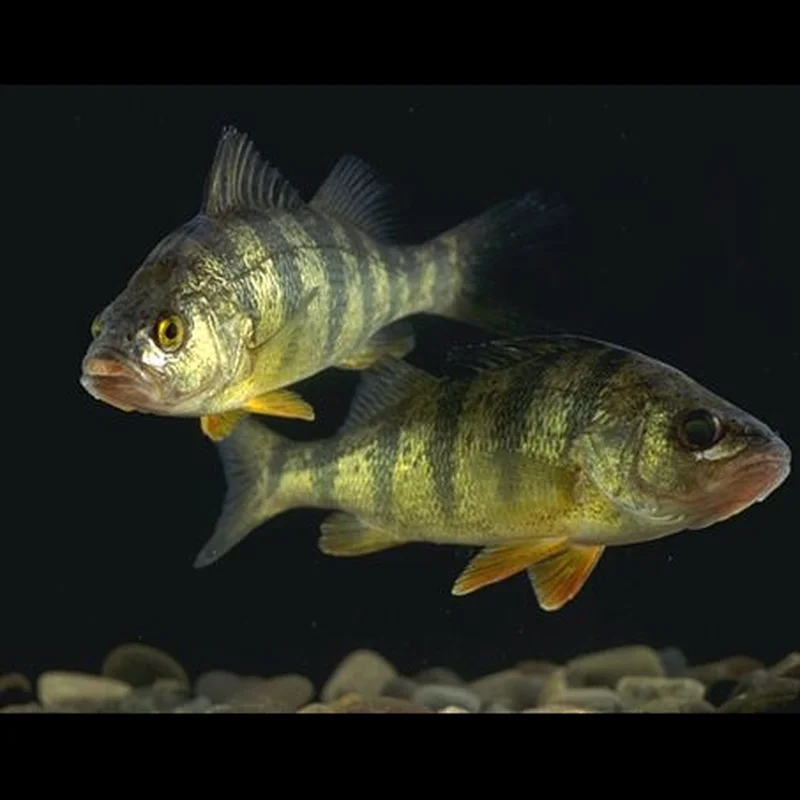
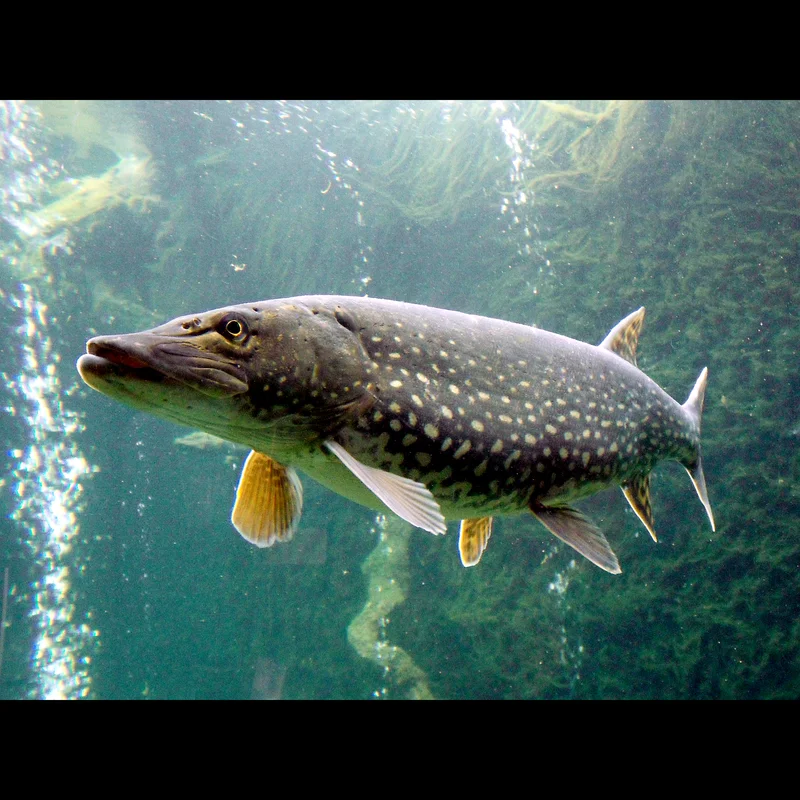
The underwater landscape of Vogelstangsee, characterized by its nutrient-rich water, supports a diverse array of freshwater species. Divers can commonly encounter various fish, including perch, sunfish, pike, carp, and tench, often observed foraging among the aquatic vegetation.
These plant communities form vital habitats, providing shelter and food sources that attract and sustain the basin's population. Though not a common sight in recent times, this body of water was historically home to larger specimens like a nearly 2 m long Waller (Welz), adding a distinctive historical note to the site's marine life.
Exploring the depths reveals a network of underwater flora, creating an intricate backdrop for observing these freshwater inhabitants.

Dive Sites Near Vogelstang
View all dive sites in GermanyDiscover more underwater gems in this area.
Dive Centers Near Vogelstang
Today: Closed
Nearest Airports
Nearest airports to help plan travel to this dive area.
Search Flights
Check available flights and routes on Expedia, using the nearby airports listed in this section.
Search Flights on ExpediaFrequently Asked Questions
What is the maximum depth at Vogelstangsee?
Vogelstangsee offers a maximum depth of 12 m (39 ft). This depth range makes it suitable for Open Water certified divers.
What are the typical water conditions, especially regarding temperature?
As a freshwater site in Germany, the water temperatures are generally cold. They fluctuate seasonally, influenced by air temperatures ranging from 2°C (36°F) in winter to 21°C (70°F) in summer. Robust thermal protection is always recommended.
How is the visibility in this aquatic environment?
Visibility in Vogelstangsee can be quite variable. Being a nutrient-rich setting, conditions can change based on factors like weather, season, and recent activity, so divers should be prepared for potentially limited visibility.
What kind of marine life can be observed in this body of water?
Divers may encounter a variety of freshwater fish, including perch, sunfish, pike, carp, and tench. The site is also rich in aquatic plants, which provide essential habitat for these species.
Are there any facilities available at the dive site?
Currently, there are no public toilet facilities directly at the Vogelstangsee dive site. Divers should plan accordingly regarding surface logistics and preparations.
Is Vogelstangsee suitable for beginner divers?
While the maximum depth is within recreational limits, the variable visibility in a nutrient-rich freshwater environment can present challenges. Beginner divers should ensure they are comfortable with their buoyancy and navigation skills, and consider diving with an experienced buddy or instructor.
Planning to dive Vogelstang?
Send one inquiry and receive offers directly from the best verified local dive operators.
Conditions are Good
07:00 - 14:00
Optimal conditions expected
Current conditions near Vogelstang show 15° air, --° sea temperature, N/A waves, and 13 km/h wind. Forecast data is refreshed regularly to ensure accuracy.