
Diving at The Volcanic Fault (Greece)
Descending into Turkey's Volcanic Fault offers more than just a dive; it's an immersion into an ancient underwater world. Divers explore unique geological formations and uncover historical echoes in the clear, inviting waters of Kas. This site provides an intriguing blend of natural wonder and cultural discovery, appealing to those who appreciate both marine beauty and archaeological intrigue.
As evening covers The Volcanic Fault, the local air temperature is measured at 25°C. The current wave height at the surface is recorded at 1.1 m. These late-day readings characterize the surface conditions for the night.
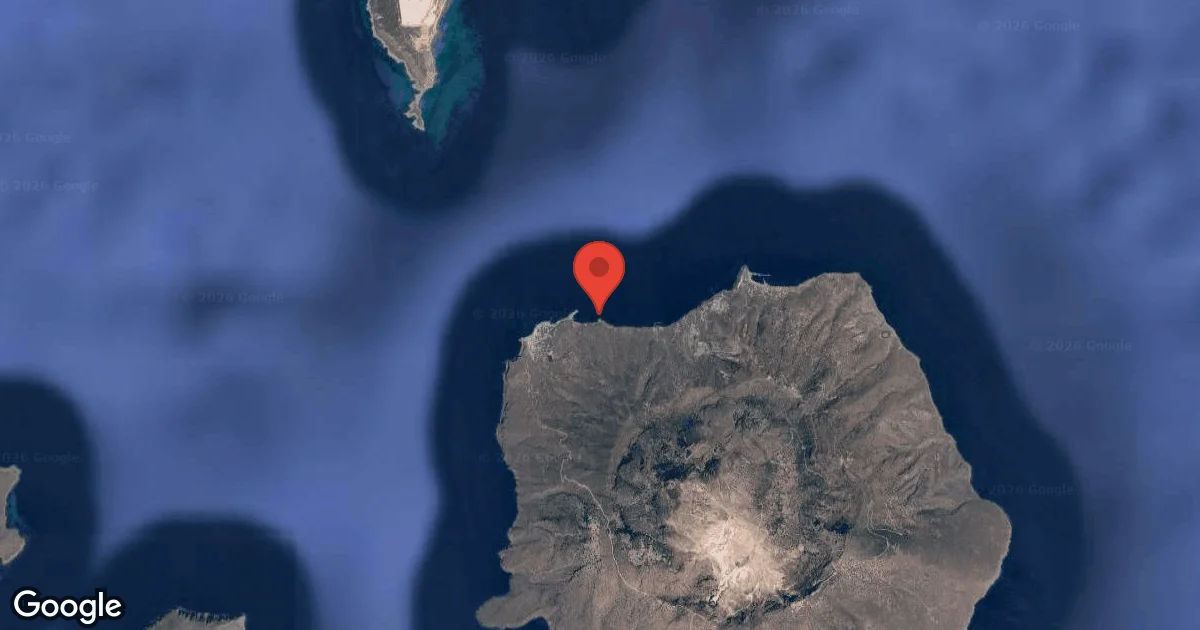
Dive Site Location & Key Facts
Dive Site Overview
Diving at the Volcanic Fault in Kas offers a compelling blend of geological intrigue and profound historical discovery. While exploring these waters, divers encounter the dramatic results of ancient seismic activity, manifesting as striking underwater fissures and rugged formations.
This site's true allure, however, is deeply rooted in its extensive maritime history. Underwater archaeologists have documented over 125 historical sites in Turkish waters, and many ancient amphorae, some predating two millennia, remain scattered across the seabed within the fault lines.
These preserved artifacts transform each descent into a journey through time, allowing divers to connect directly with past civilizations. The rocky landscapes characteristic of this region also create an intricate underwater topography, providing numerous nooks, overhangs, and small caves for investigation.
Maximum depth for recreational diving at this location often extends to around 30 m (100 ft), providing ample bottom time to absorb both the natural geological wonders and the scattered, centuries-old remnants. Excellent visibility, frequently reaching up to 40 meters (130 ft), consistently enhances the clarity of these ancient wonders, making every detail of the fault and its historical treasures readily observable.
Conditions are Good
Optimal conditions expected
Current conditions near The Volcanic Fault show 25° air, 27° sea temperature, 1.1 m waves, and 33 km/h wind. Forecast data is refreshed regularly to ensure accuracy.
Best Time to Dive
Planning a dive to The Volcanic Fault is best from May through October, aligning with the area's most favorable weather and water conditions. During these months, the average air temperature ranges from a comfortable 19.5°C (67°F) in May to a peak of 26.5°C (80°F) in July, with August also experiencing high averages around 26.5°C (80°F). Rain is minimal, often less than 1 mm, ensuring consistently clear skies. Dive scores during this period are generally rated 'Good', indicating excellent overall conditions. Even in the slightly cooler shoulder months, the air remains pleasant, and visibility tends to be very good.
PEAK SEASON SCORE
Scores combine air & water temps, waves, wind & rainfall for overall conditions.
BEST MONTHS TO DIVE
Monthly records compiled from satellite and marine observation nodes over the last 3 years. Data provided by Open-Meteo and MET Norway.
Dive Experience & Conditions
Exploring the Volcanic Fault reveals a dynamic underwater environment, shaped by profound geological forces and characterized by striking rocky landscapes. Surface conditions often present moderate wave heights, typically ranging from 0.9 to 1.4 meters, or 2.8 to 4.6 feet, across the year. Calmer seas are generally more common during the warmer period from May to October, which is ideal for boat access. Water temperatures, while not consistently reported with site-specific data, generally track the ambient air temperatures of the Mediterranean Sea. This suggests comfortable conditions for diving, particularly during the peak summer months. Wind speeds also vary, averaging approximately 28.7 to 38.2 kilometers per hour (17.8 to 23.7 miles per hour), an important factor that can influence transit times and comfort aboard dive boats. Divers can consistently expect excellent underwater visibility, frequently extending beyond 30 meters into the vibrant turquoise waters. This clarity greatly enhances the experience, allowing for detailed observation of both ancient relics and intricate natural formations.
Dive Difficulty & Safety Guidelines
Ensuring a safe dive at the Volcanic Fault requires a thorough understanding of local conditions. Always adhere strictly to your certification limits, maintaining comfort throughout the dive. Prior to entry, familiarize yourself comprehensively with the dive plan, particularly when contemplating exploration of deeper sections or areas presenting more complex topography.
Currents vary significantly based on daily conditions; therefore, maintaining proximity to your dive guide or buddy is highly recommended. No specific site hazards are consistently reported here, though general safe diving practices remain critical.
Always check your equipment thoroughly, monitor air consumption carefully, and execute slow, controlled ascents. Respecting the historical artifacts found at the site is paramount; observe these ancient relics without touching or disturbing their millennia-long resting place. A local dive center will always offer the most current and site-specific operational information.
Recommended Equipment
Overhead environment. Do not enter beyond training and gas planning limits.
- Dive Computer
- Primary & Backup Lights
- Reel / Spool
- Cutting Tool
This gear list is based on verified equipment signals for The Volcanic Fault, Greece. Always confirm final gear choices with your dive operator, guide, or liveaboard.
Recommended Dive Suit
For divers planning standard recreational dives, 2-3mm shorty or light wetsuit is usually a suitable option. Consider warmer surface protection (like a boat coat) due to brisk winds. Divers vary widely in how quickly they feel cold underwater.
The waters surrounding The Volcanic Fault are currently maintaining temperatures close to 27°C (81°F). Surface air temperatures are resting at 25°C (77°F).
The forecast outlook suggests that temperatures will stay close to current levels.
Emergency & Medical Support
Essential information to help you plan your dive trip to The Volcanic Fault.

Hyperbaric chambers are a critical part of dive safety infrastructure. Availability varies significantly by region, and not all dive areas have immediate access.
Before diving, it's recommended to:
- confirm nearest medical facilities
- check emergency procedures with local dive operators
- ensure dive insurance covers evacuation if required
Divers Alert Network
Diving emergency assistance available through DAN Europe.
+39 0642115685- 24/7 emergency hotline
- Diving medical assistance
- Evacuation coordination
Emergency contacts are provided for reference. Always verify local emergency services before diving.
Closest Listed Hyperbaric Chambers
Showing listed hyperbaric chamber facilities within 200 km of this dive site.
Distances are approximate straight-line distances and may not reflect emergency travel time.
MYO
24/7 ListedKalymnos Island, Greece•Approx. 34 km straight-line
MYO
24/7 ListedInformation is provided for reference and planning purposes only. Dive Navigator does not verify operational status, staffing, availability, or quality of care at listed facilities. In an emergency, contact local emergency services, DAN, your dive operator, or the chamber directly. Do not travel to a facility without calling ahead.
Marine Life at The Volcanic Fault
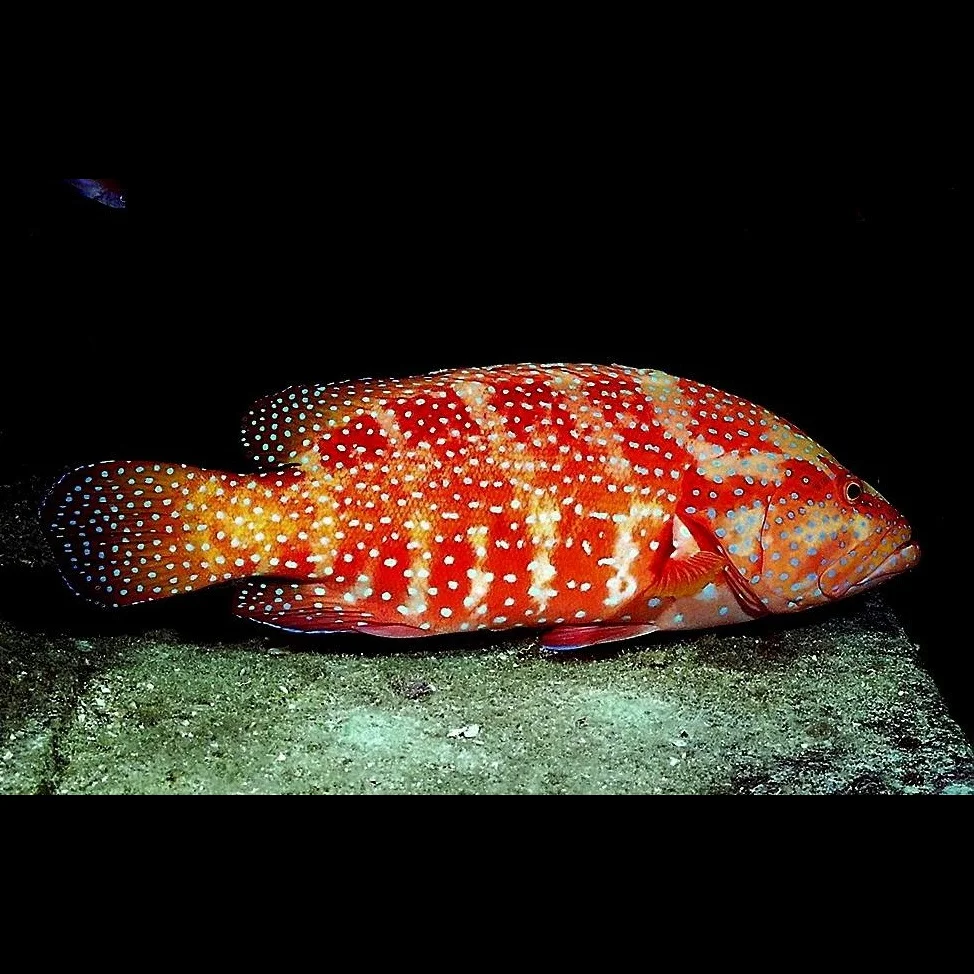
Among the rugged underwater rocky landscapes of the Volcanic Fault, various marine species have made their home. Divers frequently encounter groupers sheltering in crevices and along rock faces.
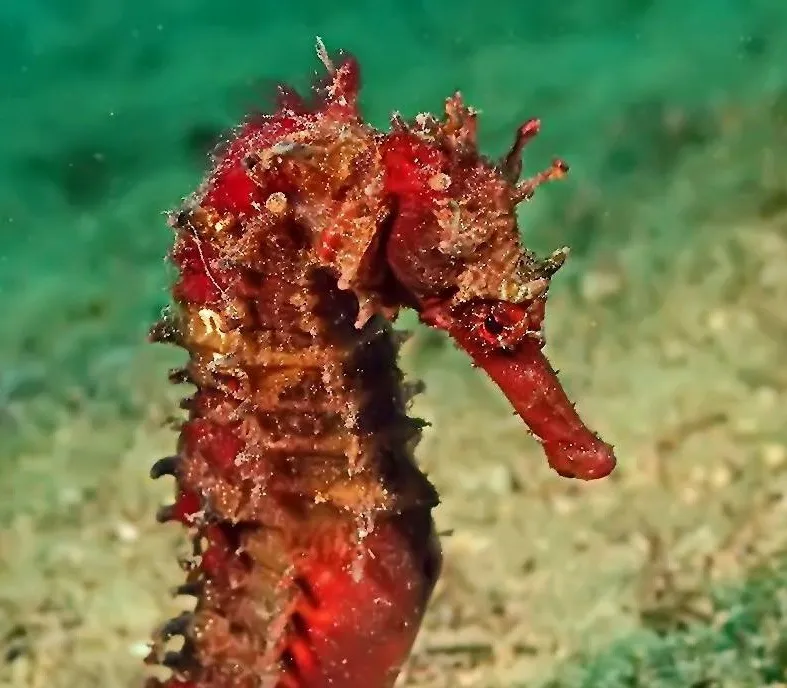
Patches of fan mussels are present, providing habitats for smaller organisms. Look closely for seahorses, which can be surprisingly well-camouflaged among the underwater flora.
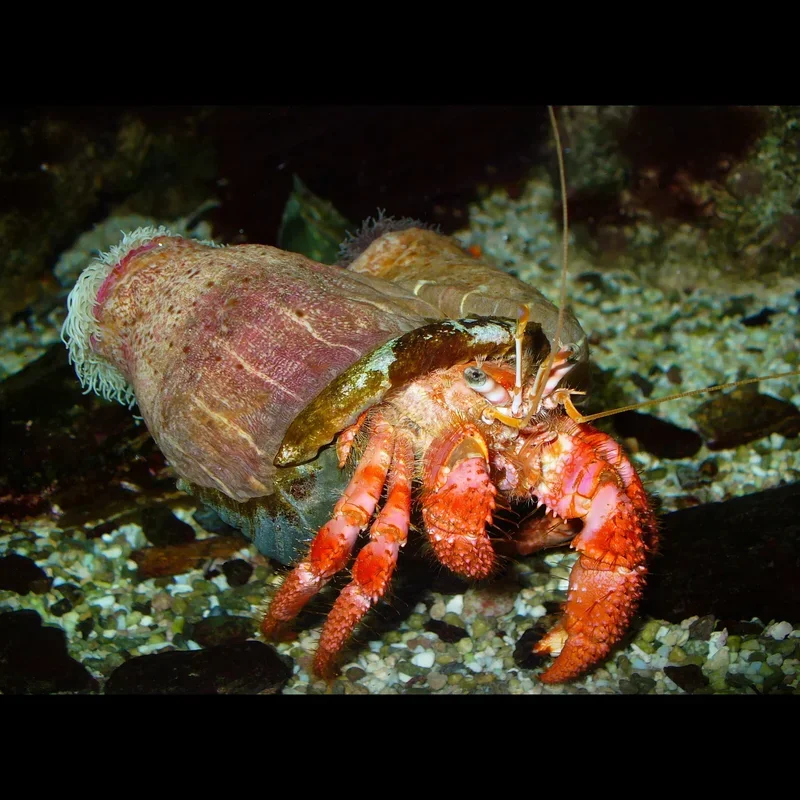
Hermit crabs scuttle across the seabed, often making an appearance. The vibrant turquoise waters provide excellent opportunities for observing these creatures within their natural, ancient surroundings.

Dive Sites Near The Volcanic Fault
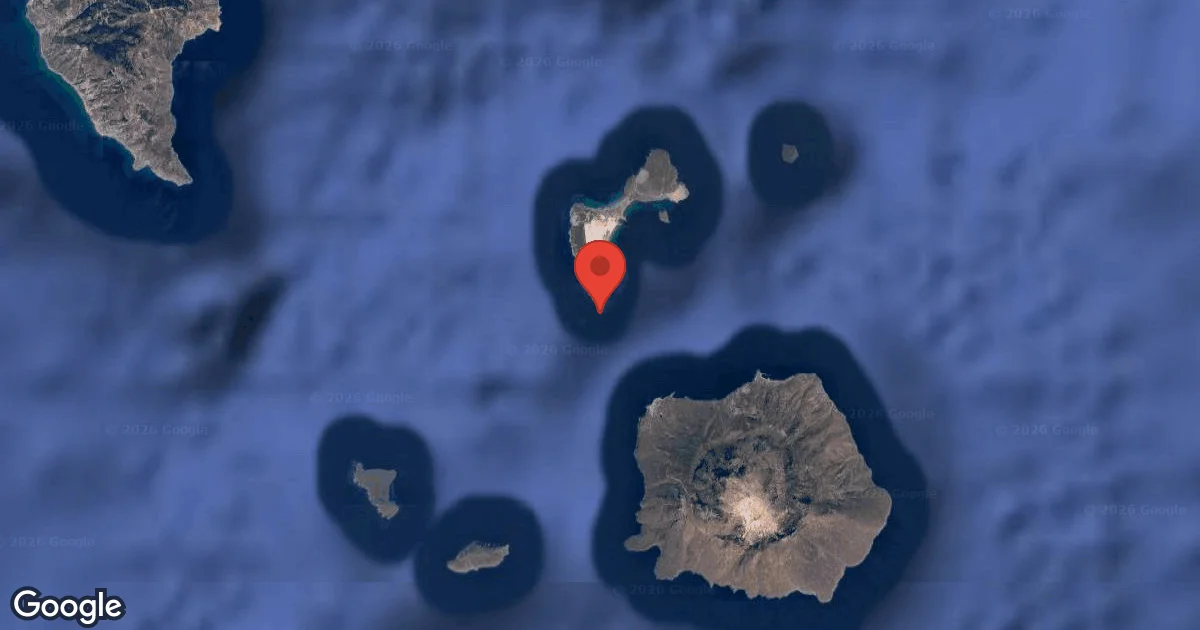
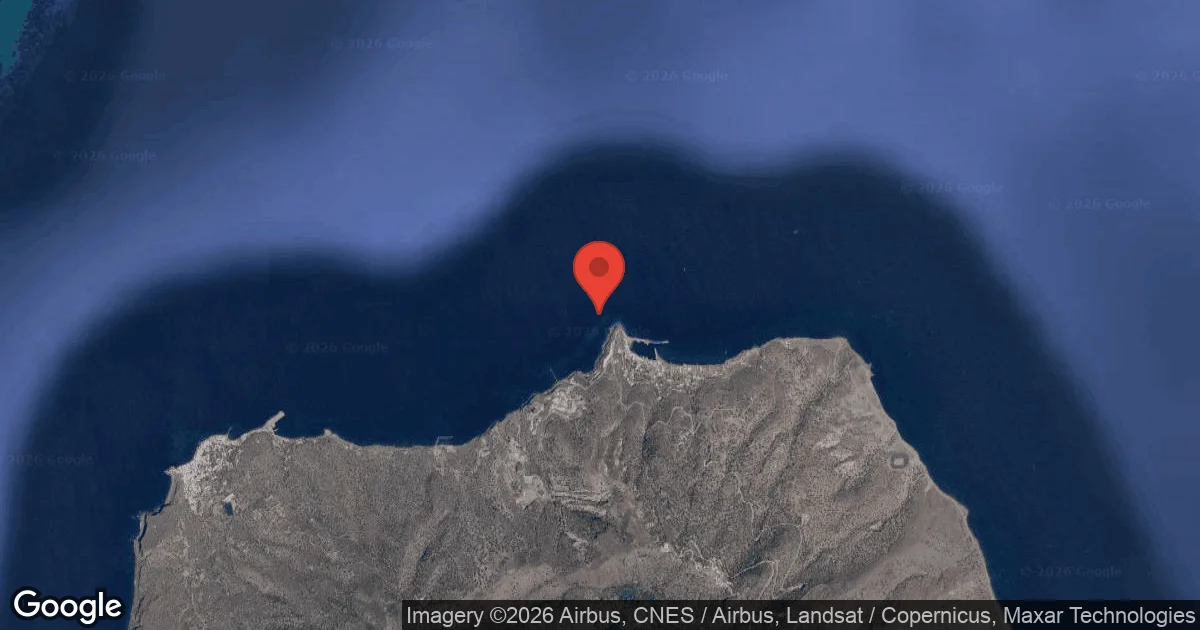
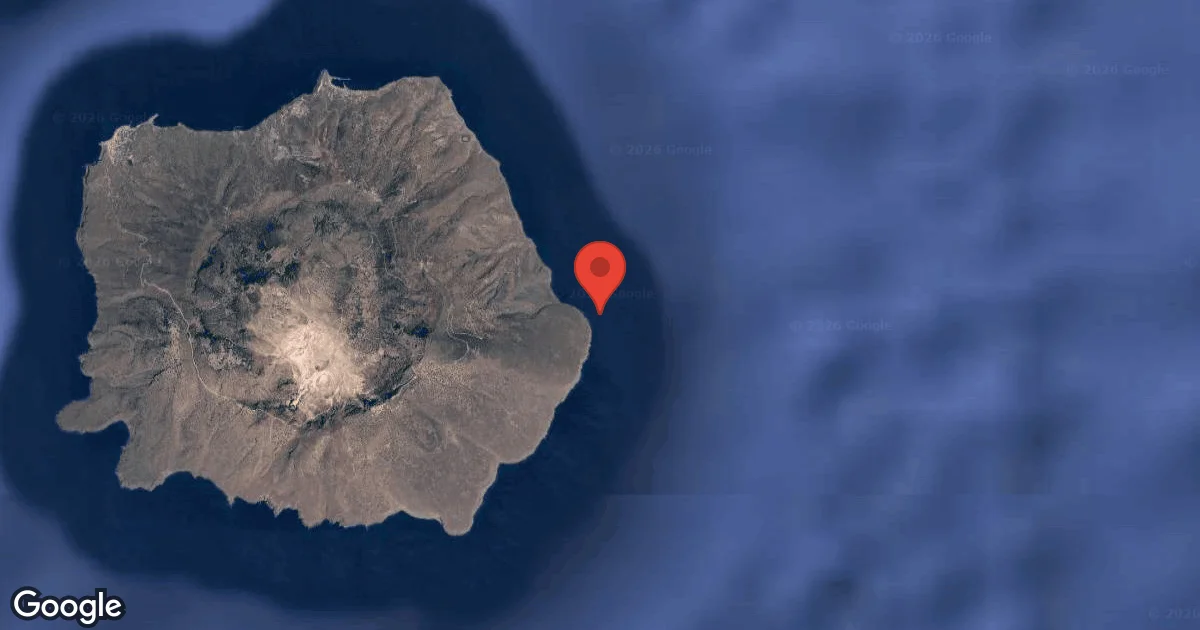
View all dive sites in GreeceDiscover more underwater gems in this area.
Dive Centers Near The Volcanic Fault
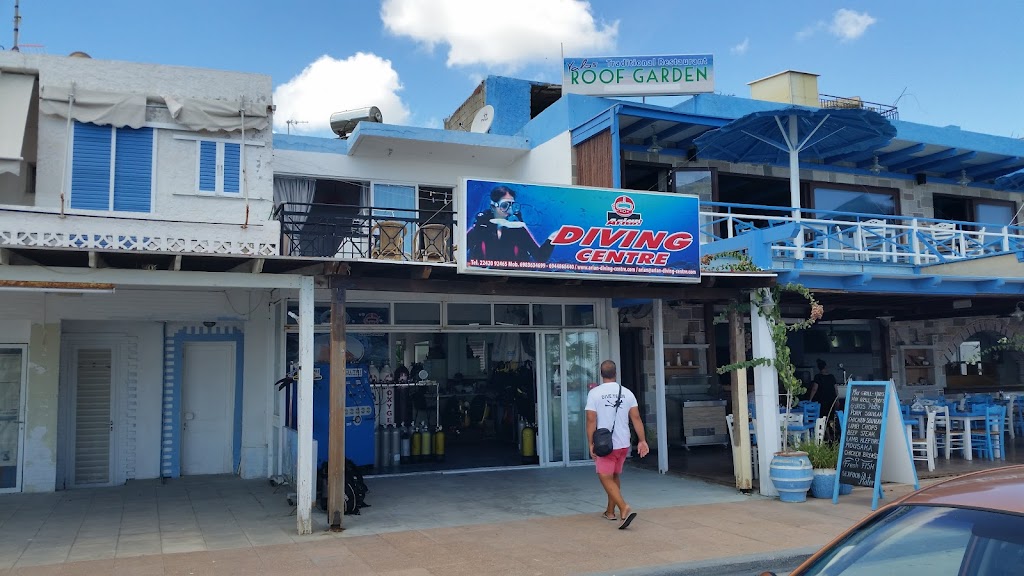
Today: 08:00 - 19:00
Nearest Airports
Nearest airports to help plan travel to this dive area.
Search Flights
Check available flights and routes on Expedia, using the nearby airports listed in this section.
Search Flights on ExpediaFrequently Asked Questions
What is the typical visibility at The Volcanic Fault?
Visibility at this site is generally excellent, often reaching up to 40 meters. These clear Mediterranean waters allow for impressive views of both the natural formations and historical artifacts. Divers frequently enjoy expansive underwater perspectives here.
Are there historical artifacts to see while diving?
Absolutely. Diving in Kas, including sites like the Volcanic Fault, is particularly known for its abundance of ancient relics. You can expect to discover amphorae and other archaeological remnants, some over 2000 years old, scattered on the seabed.
What kind of marine life can I expect to encounter?
While exploring the rocky landscapes, divers may spot groupers, fan mussel fields, seahorses, and various hermit crabs. The area supports typical Mediterranean biodiversity.
What are the water temperatures like?
Specific water temperature data for the site is not consistently reported. However, as part of the Kas region in Turkey, water temperatures are generally comfortable, especially from late spring through early autumn, typically reflecting warm Mediterranean averages.
Is this dive site suitable for beginners?
The Volcanic Fault offers varying depths and distinct features. Shallower sections can be suitable for open water divers, while deeper exploration, particularly near the recreational depth limit of 30 meters, may suit more experienced divers. Advanced certifications are often beneficial for navigating the more complex, deeper zones.
How do I get to The Volcanic Fault dive site?
Dive operators in Kas typically arrange boat trips to local dive sites. Kas itself is located on Turkey's southwest coast, approximately four hours by road from Antalya.
Planning to dive The Volcanic Fault?
Send one inquiry and receive offers directly from the best verified local dive operators.
Conditions are Good
Optimal conditions expected
Current conditions near The Volcanic Fault show 25° air, 27° sea temperature, 1.1 m waves, and 33 km/h wind. Forecast data is refreshed regularly to ensure accuracy.