
Diving in Greece
Greece offers diverse diving conditions, shaped by local geography, water type, and site accessibility. 133 dive sites are currently cataloged across Greece in our system.
Greece's expansive coastline, stretching across the Ionian and Aegean Seas, establishes a profoundly diverse underwater environment. This extensive network of islands, including the Cyclades, Dodecanese, and North Aegean groups, is shaped by a unique geological history. Volcanic activity, ancient tectonic movements, and the sheer scale of its maritime territory contribute to a varied subaquatic topography.
This geological foundation manifests as a range of distinct underwater structures. The Aegean Sea, notably around Santorini and Mykonos, showcases dramatic volcanic formations and caldera walls. In contrast, the Ionian Sea, particularly around Zakynthos and Corfu, offers different underwater terrains, including vibrant reefs and more gentle slopes. Such variations directly influence the types of exploration available to divers.
Divers can explore a wealth of sites, from intriguing cave systems in Crete and Chios to historical wreck sites scattered throughout the Aegean. Wall diving opportunities are abundant, often revealing dramatic vertical drops. These diverse environments support a rich array of Mediterranean marine life, including octopuses, barracudas, and moray eels, with loggerhead sea turtles being a significant presence around Zakynthos.
Dive Map of Greece
Planning a dive trip to Greece involves navigating its diverse regions, which are best understood by their geographical spread across the Ionian and Aegean Seas. A dive map helps identify concentrations of sites, from the volcanic caldera dives of Santorini to the ancient wrecks near Athens and the cave systems of Crete.
Regions like the Dodecanese Islands and the Cyclades each present distinct clusters of destinations and notable dive sites. These areas provide varied underwater environments, offering specific appeals such as historical exploration or unique geological formations. Understanding these regional distinctions aids in trip specialization.
Using a map, divers can plot routes that connect islands such as Mykonos, Paros, and Kea, or focus on mainland-accessible areas like the Corinthian Gulf. This allows for tailored itineraries, whether seeking specific wreck dives or exploring multiple island environments with efficiency.
Dive Sites to Explore
View all 133 sites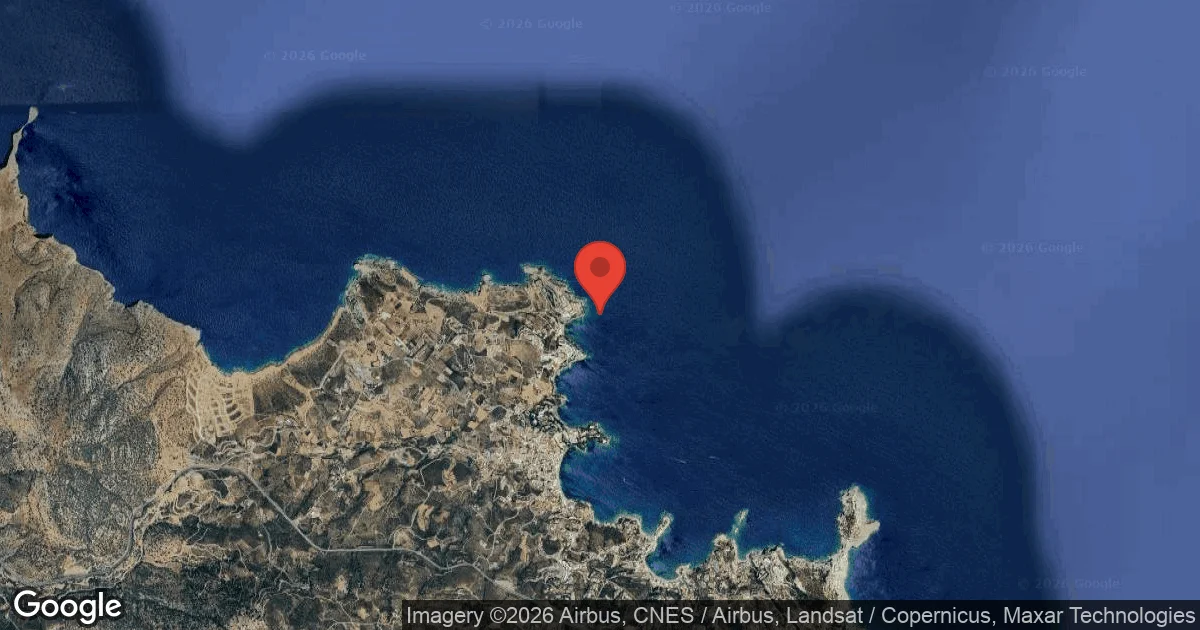
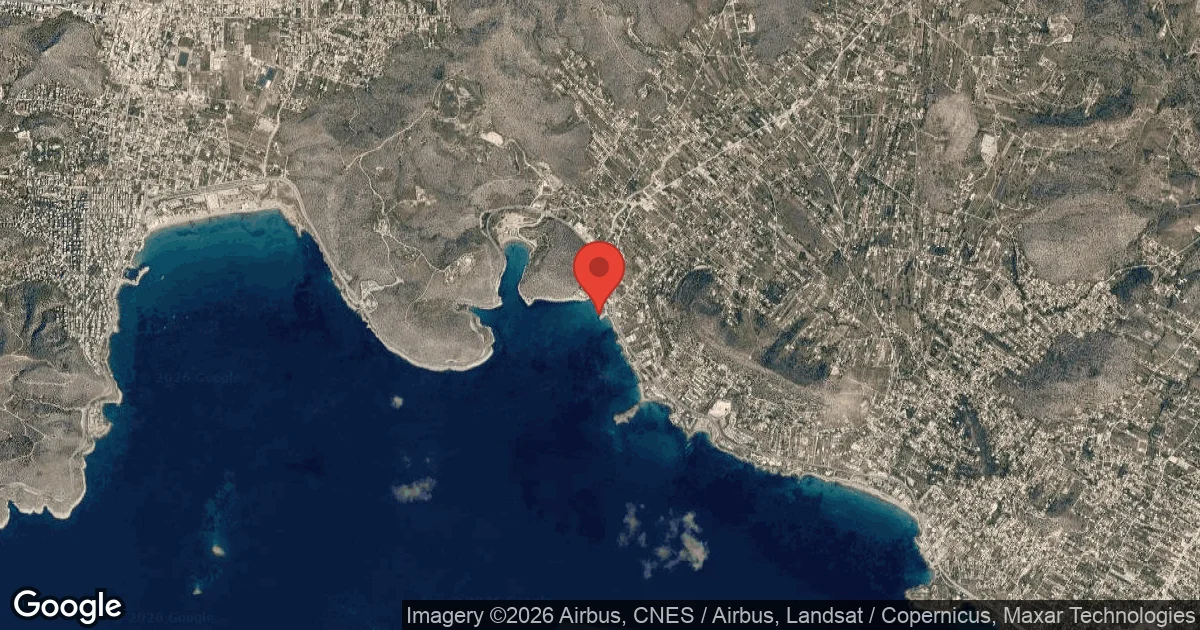
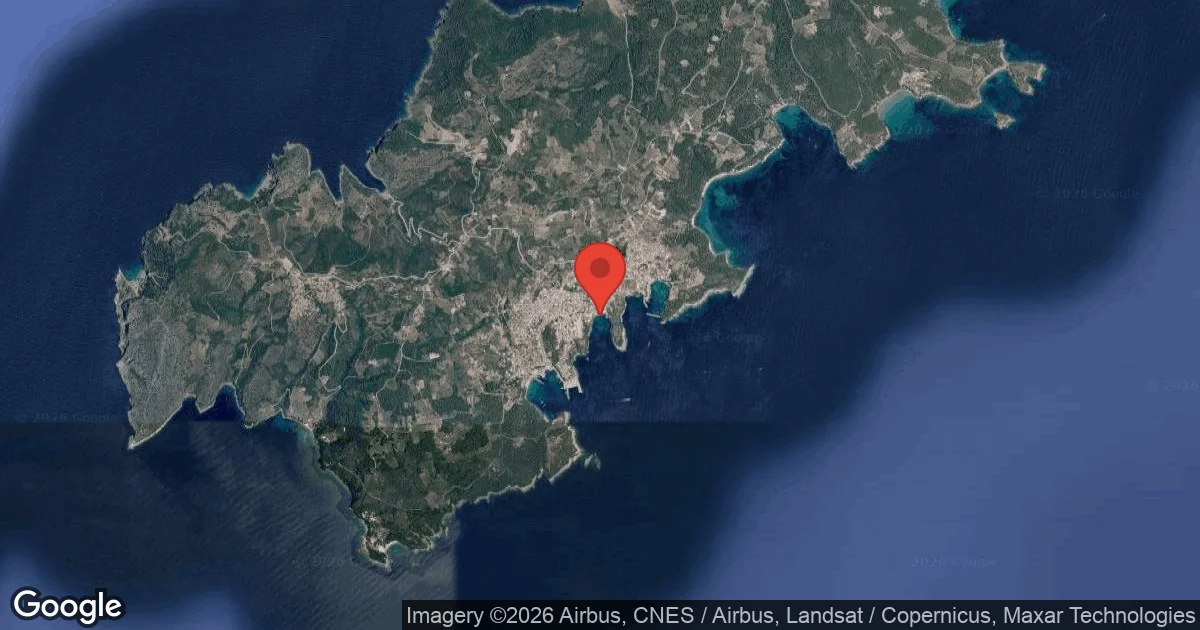
Diving in Greece offers varied experiences suitable for different skill levels, from beginners seeking sheltered reefs to technical divers exploring deep wrecks. Many sites are accessible, providing calm conditions and good visibility for novice divers.
For beginners, Skinaria Beach in Crete is a calm entry point to the sport, while Atlas Reef is another shore dive welcoming all experience levels. These sites typically feature shallow reefs and smaller marine life, offering comfortable conditions for learning and leisure. Monastery, accessible from 3 m (9 ft), is a popular spot for observing octopuses, shrimp, blue comber, and crayfish.
Experienced divers have opportunities to explore more complex environments. Amphorae Reef in Paros combines history with marine biodiversity. The Peloponisos, a sunken cargo ship from the 1930s off Mykonos, is split into two pieces for exploration. Shrimps Cave provides an immersive experience within a cavern filled with thousands of shrimp.
Technical and advanced divers can challenge themselves with deeper, more demanding sites. Elephant's Cave near Chania in Crete is a semi-filled cavern with fossilized remains of an extinct elephant. For those seeking significant historical wrecks, the HMHS Britannic, sister ship of the Titanic, rests at 120 m (394 ft) deep off Kea Island, requiring advanced technical diving certifications. The WWII British submarine Perseus, at over 50 m (164 ft) deep, is another site for technical divers.
Best Time to Dive in Greece
The optimal window for diving in Greece generally spans from April to October, offering the clearest and warmest waters. During this extended period, sea temperatures are comfortable, and surface conditions are typically calm, making it ideal for various diving activities across the country's diverse regions.
Specifically, the months of May to October are highlighted for diving, with water temperatures ranging from a pleasant 20-27°C (68-81°F). Visibility is at its best during these months, often reaching up to 30 m (100 ft), providing excellent conditions for underwater photography and exploration of intricate sites.
For those interested in larger marine life encounters, such as observations of sharks, sea turtles, and dolphins, the warm summer months from June to September are particularly favorable. While diving is possible year-round, conditions outside this peak season, especially in winter, can present cooler water temperatures of 15-18°C (59-64°F) and potentially more challenging currents. Early June or September can provide a good balance of warm water, excellent visibility, and often fewer crowds.
Monthly Sea Temperatures
Sea temperatures in Greece exhibit a clear seasonal shift, influencing dive comfort and marine activity throughout the year. The warmest conditions are found during the summer months, typically from June to August, when water temperatures range between 22-28°C (72-82°F) across many dive sites.
As the season progresses from spring to autumn, temperatures gradually increase and then decrease. From April to October, divers can generally expect temperatures between 20-26°C (68-79°F), suitable for a 5mm or 7mm wetsuit depending on individual preference and dive depth.
In the cooler winter months, from November to March, water temperatures drop significantly, reaching 15-18°C (59-64°F). For instance, Santorini experiences average temperatures of 16°C (61°F) in January and 15°C (59°F) in February, rising to 25°C (77°F) in August. A 7mm wetsuit is particularly recommended for diving in May and October, or during any colder period.
| Jan | Feb | Mar | Apr | May | Jun | Jul | Aug | Sep | Oct | Nov | Dec | |
|---|---|---|---|---|---|---|---|---|---|---|---|---|
| Max | 17° | 16° | 16° | 17° | 22° | 25° | 28° | 27° | 27° | 24° | 21° | 19° |
| Avg | 16° | 15° | 15° | 16° | 19° | 23° | 26° | 26° | 25° | 22° | 19° | 17° |
| Min | 15° | 14° | 14° | 15° | 16° | 21° | 24° | 25° | 23° | 20° | 18° | 15° |
Dive Conditions
Across Greece's diverse dive sites, visibility and currents are primary factors shaping the underwater experience. Generally, visibility is consistently excellent, often reaching 20-40 m (66-131 ft), allowing for clear exploration of the varied underwater topography and marine life across different depths.
Calm conditions are common, especially in sheltered bays and during the peak dive season from May to October, making many sites suitable for all diver levels, including beginners. This stability provides a comfortable and safe environment for learning and leisure diving.
However, conditions are not uniform. Some areas may experience reduced visibility or stronger currents, particularly in more exposed locations or during specific weather patterns, requiring divers to be prepared. For instance, the volcanic caldera of Santorini can present unique geological formations that influence local water movement, creating distinct current patterns. Deeper sites or those in open water may also have more noticeable currents than sheltered bays, necessitating careful planning and adherence to local dive center advice.
Marine Life Highlights
Most Mentioned Species
Marine life in Greece varies across dive locations, with different species appearing depending on environment and conditions. The species highlighted here are the most frequently associated with dive sites in our data, offering a realistic overview of what divers are most likely to encounter.
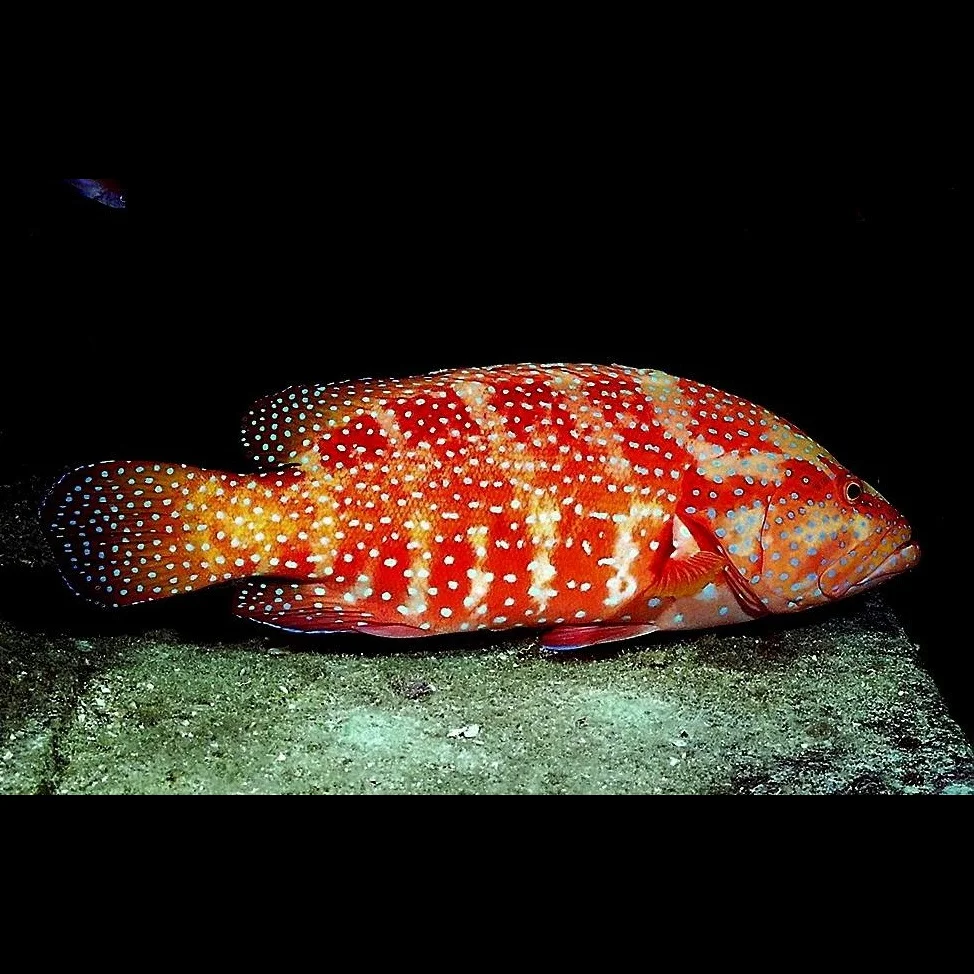
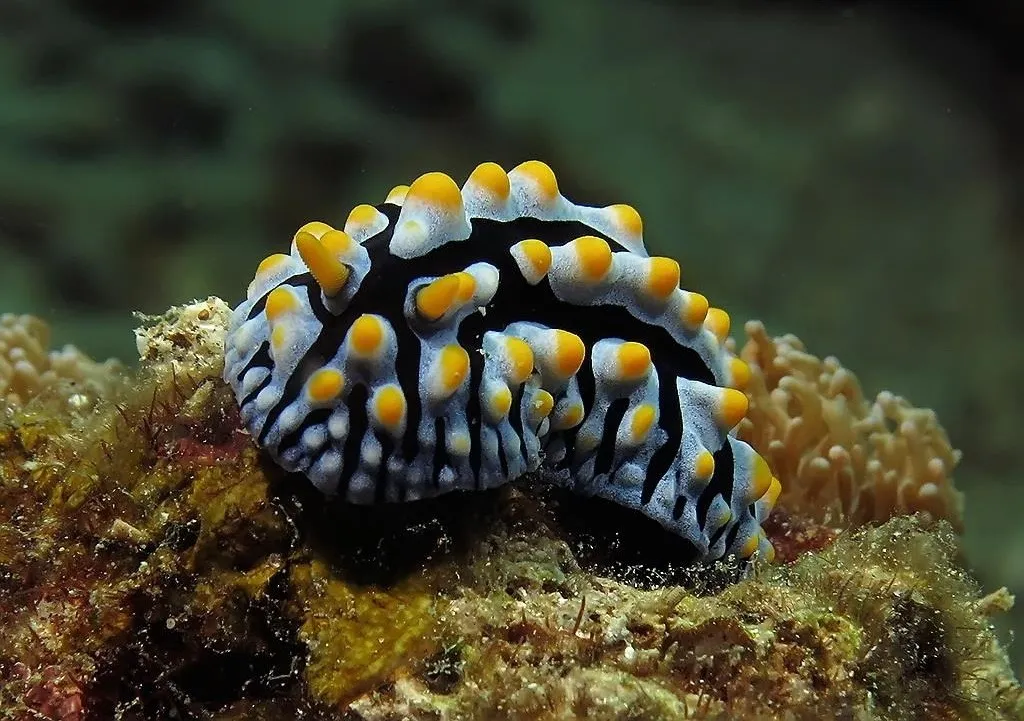
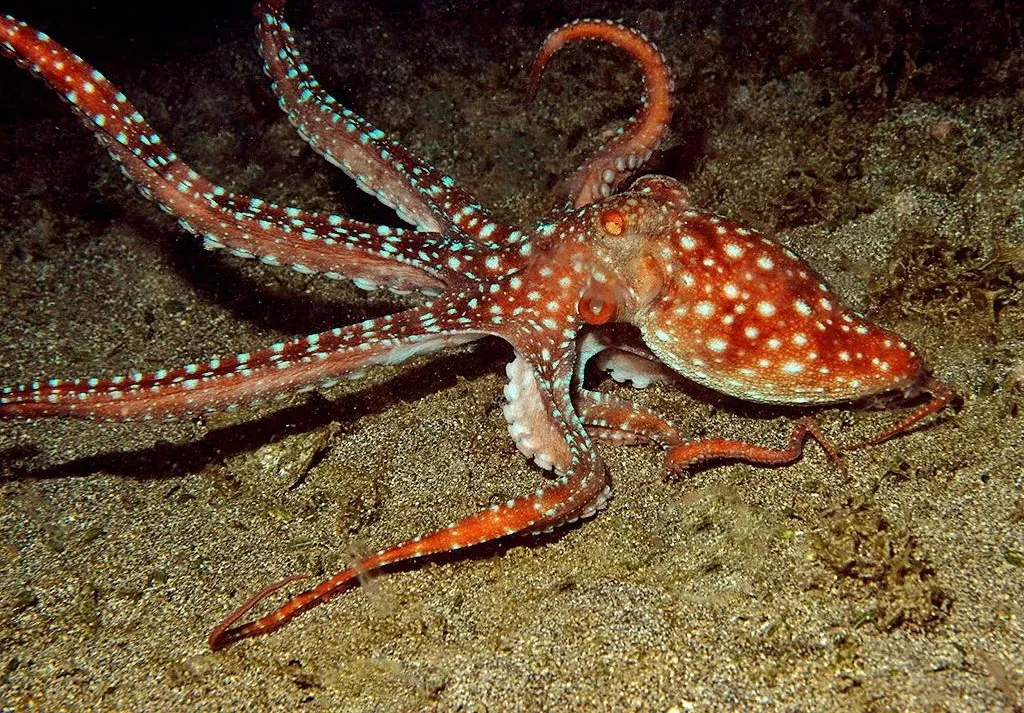
Greece's marine life offers diverse encounters, with certain signature species more prevalent during specific seasons and in particular habitats. Loggerhead sea turtles (Caretta caretta) are a notable highlight, particularly around Zakynthos, where Marathonisi Island serves as a critical nesting site. These turtles are frequently sighted during the summer months, making the Ionian a key area for observation.
Divers might also encounter Mediterranean monk seals, often in cooler seasons around sites like Marathia, emphasizing the varied biodiversity present. Dolphins are another captivating sight, especially from June to September, with sightings reported around areas like Thirassia in the Aegean Sea.
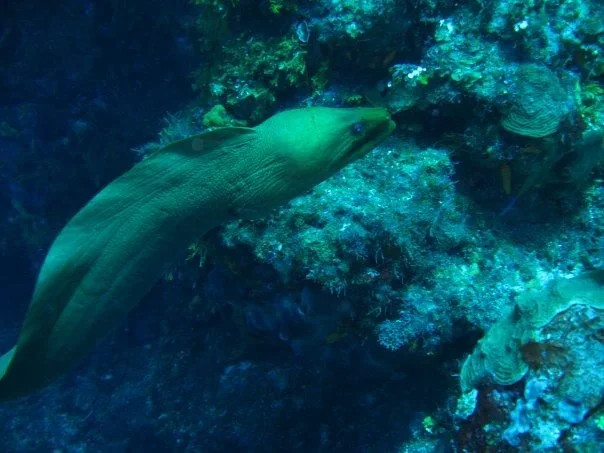
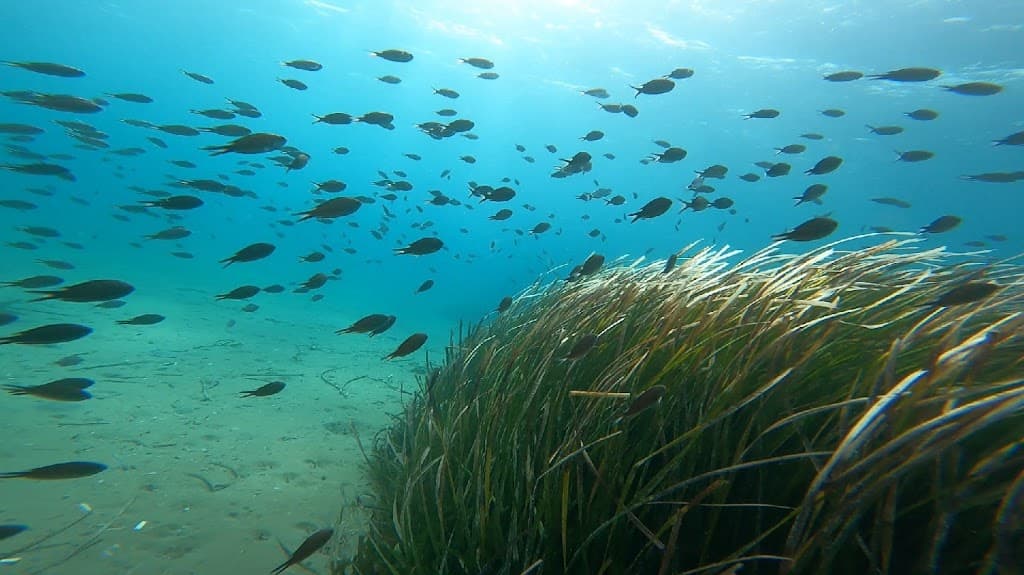
Beyond these larger creatures, the reefs and wrecks host a range of common Mediterranean species. These include octopuses, moray eels, barracudas, and groupers, alongside various reef fish such as sea bream, parrotfish, and wrasses. Macro life is also present, with nudibranchs, shrimp, and crabs adding intricate detail to the underwater landscape, particularly at sites like House Reef after sunset or within the Shrimps Cave.
Regions for Diving
Greece's extensive coastline and numerous islands are divided into several distinct diving regions, each offering unique access and underwater topography.
The Ionian Islands, located west of mainland Greece, include popular destinations such as Zakynthos, Corfu, and Kefalonia. Access is typically via direct flights to island airports or ferries from the mainland. Zakynthos is particularly known for its National Marine Park in Laganas Bay, a breeding ground for loggerhead turtles. The water temperature here averages 22-26°C (72-79°F) during the warmer months, with excellent visibility.
The Aegean Sea hosts several island groups, including the Cyclades and Dodecanese. Santorini, part of the Cyclades, is accessed by flights or ferries and is distinct for its volcanic caldera, offering dives with lava formations and shipwrecks. Mykonos, another Cycladic island, also provides clear water diving and wrecks. Crete, in the Southern Aegean, is a large island with diving concentrated around Chania and Heraklion, offering cave dives like Elephant's Cave. Visibility across the Aegean generally ranges from 20-40 m (66-131 ft), with summer water temperatures similar to the Ionian.
Chios Island, in the Eastern Aegean, is highly rated for its caves, tunnels, walls, and wrecks. The Great Wall dive here showcases dramatic vertical drops. The North Aegean Islands, closer to the Turkish mainland, present a less-traveled diving experience. The Peloponnese peninsula, accessible by road, features healthy reefs, rocky landscapes, and canyons, with historical wrecks found at destinations like the Bay of Navarino.
Travel & Passport Guide
Travel Basics
Trip Planning
Safety & Diving Considerations
Ensuring diver safety in Greece is paramount, with adherence to appropriate certifications and local guidelines being critical for all underwater explorations. Many sites are suitable for beginners, particularly those with calm conditions and good visibility, such as Skinaria Beach in Crete, allowing for a comfortable introduction to the sport.
For more advanced or technical dives, such as the HMHS Britannic wreck at 120 m (394 ft) or deeper cave systems like Elephant's Cave, specific certifications and a demonstrated level of experience are required. Reputable dive operators consistently verify these qualifications before allowing participation in such excursions, ensuring divers are prepared for the challenges.
While currents are often mild, divers should be aware of potential localized stronger currents, especially in more exposed areas or around certain geological formations. Always adhere strictly to local dive center briefings, which provide essential information on site-specific conditions, entry/exit points, and emergency procedures, ensuring a safe and enjoyable experience.
Dive Centers in Greece
View all 79 dive centers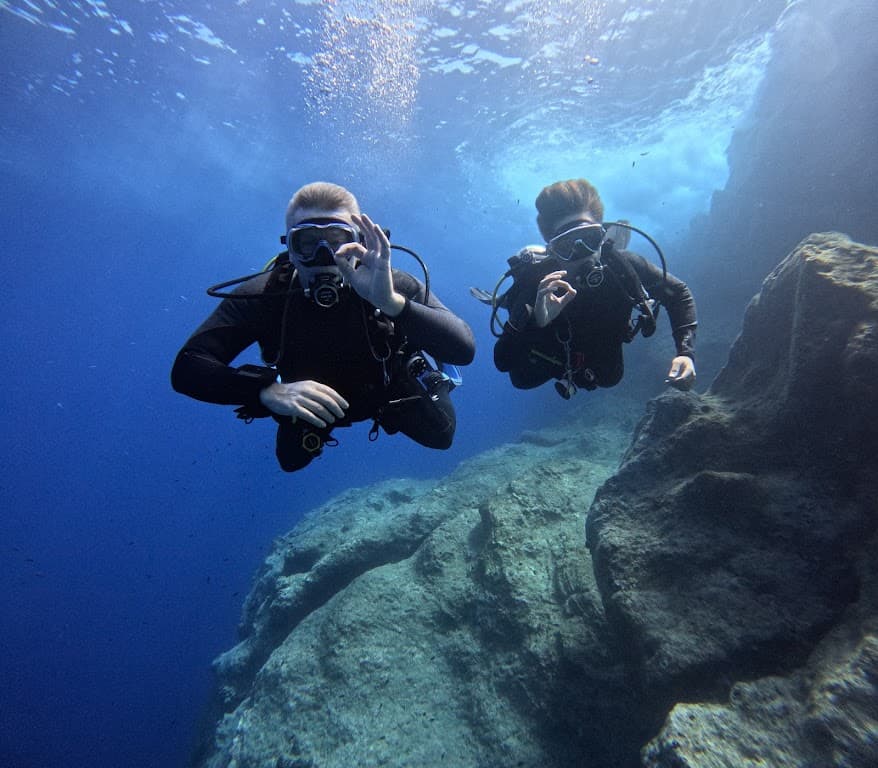
Frequently Asked Questions
What is the best time of year for diving in Greece?
The optimal period for diving in Greece is from April to October. During these months, the water is at its warmest and clearest, with temperatures ranging from 20-27°C (68-81°F) and visibility often reaching up to 30 m (100 ft). June to September is particularly favorable for encountering larger marine life like dolphins and sea turtles.
Are there good wreck dives in Greece?
Yes, Greece offers several notable wreck dives. The Peloponisos, a sunken cargo ship from the 1930s, is accessible off Mykonos. For technical divers, the HMHS Britannic, a sister ship to the Titanic, lies at 120 m (394 ft) deep off Kea Island. Other wrecks include the Anna II and the WWII British submarine Perseus, found at over 50 m (164 ft).
What kind of marine life can I expect to see?
Divers in Greece can encounter a variety of Mediterranean marine life. Common sightings include octopuses, moray eels, barracudas, and groupers. Loggerhead sea turtles are frequently spotted around Zakynthos, while dolphins are seen from June to September. Smaller creatures like nudibranchs, shrimp, crabs, and various reef fish such as parrotfish and wrasses are also present.
What are the typical water temperatures for diving?
Water temperatures in Greece vary seasonally. During the peak dive season from May to October, temperatures generally range from 20-27°C (68-81°F). In the summer, from June to August, temperatures can reach 22-28°C (72-82°F). Cooler winter months see temperatures drop to 15-18°C (59-64°F).
Which regions are recommended for diving in Greece?
Key diving regions include the Ionian Islands (e.g., Zakynthos for turtles), the Cyclades (e.g., Santorini for volcanic formations and Mykonos for wrecks), and Crete (e.g., Chania for cave dives like Elephant's Cave). Chios Island in the Eastern Aegean is also known for its dramatic wall dives and cave systems.