
Diving at Sisters Rocks - Deep Blue (Grenada)
Rising dramatically out of deep open water off the northwestern coast of Carriacou in Grenada's Southern Grenadines, Sisters Rocks are twin volcanic pinnacles swept by nutrient-rich currents. The Deep Blue profile explores their steeper northern and seaward wall down to 35 m (115 ft), delivering dense gorgonian forests, exhilarating surge-channel topography, and Carriacou's premier pelagic fish action.
During this afternoon at Sisters Rocks - Deep Blue, the recorded air temperature stands at 28.5°C. The water surface currently features wave heights of 1.2 m. These conditions reflect the midday climate for this dive site.
Dive Site Location & Key Facts
Dive Site Overview
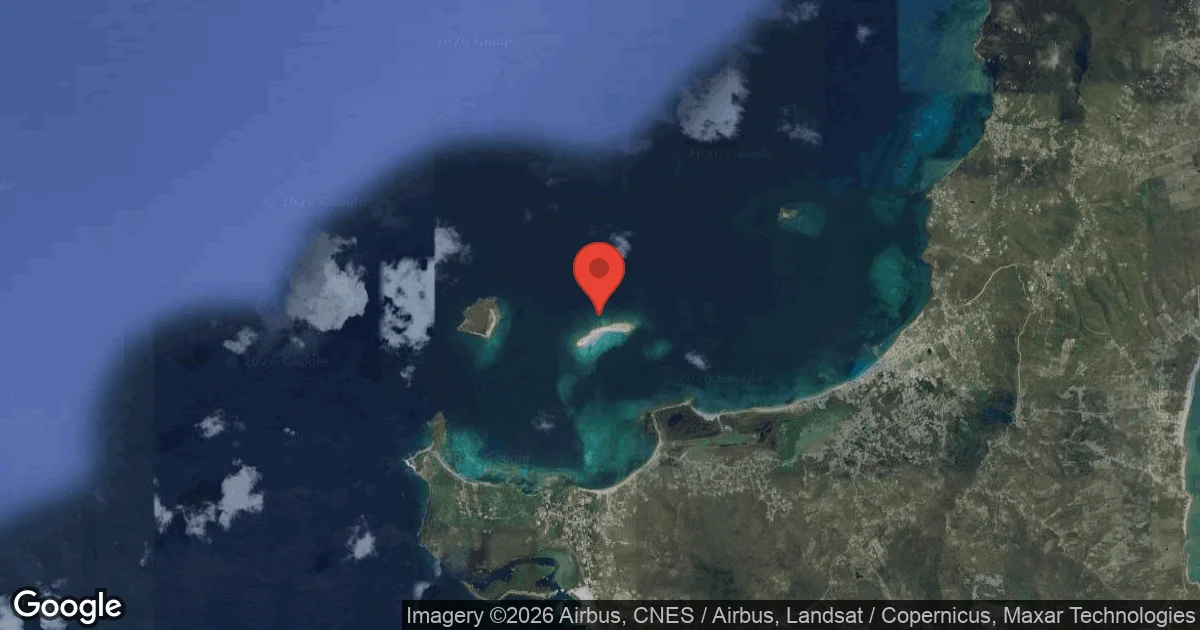
Roughly 2 km west-northwest of Cistern Point and Hillsborough Bay on Carriacou, two steep volcanic spires — Sisters Rocks — pierce the surface of the Caribbean Sea well clear of coastal runoff. Distinct from other similarly named rock formations in the Eastern Caribbean, Carriacou's twin Sisters Rocks plunge sharply beneath the waterline into dark cobalt water, acting as an isolated offshore oasis for schooling pelagics, reef sharks, sea turtles, and filter-feeding octocorals.
While shallower beginner and intermediate profiles stay tucked inside the sheltered southeastern curve of the rocks, Sisters Rocks - Deep Blue tackles the dramatic outer northern and western face between 12 and 35 m (40 and 115 ft). Here, sheer volcanic walls and stepped basalt ledges are blanketed from top to bottom in giant purple and yellow sea fans, sea plumes, wire corals, orange cup corals, and vivid encrusting sponges.
Toward the final third of the dive, whenever swell conditions are moderate, experienced local guides lead divers at 8–12 m (26–40 ft) right through the narrow, gorgonian-draped canyon separating the two volcanic spires, riding the rhythmic ocean surge smoothly into the calm leeward amphitheater for an unhurried safety stop.
Conditions are Good
Optimal conditions expected
Current conditions near Sisters Rocks - Deep Blue show 29° air, 29° sea temperature, 1.2 m waves, and 30 km/h wind. Forecast data is refreshed regularly to ensure accuracy.
Best Time to Dive
Sisters Rocks - Deep Blue is dived year-round from Carriacou whenever offshore wind and swell allow comfortable boat approaches around the twin pinnacles. Sea temperatures stay warm between 26.5°C (80°F) from January through March and 29.5°C (85°F) in September and October.
Settled trade-wind periods between February and June and calm late-summer mornings from September through November provide the smoothest boat runs out to the rocks and striking 20–30 m (65–100 ft) cobalt visibility. Mid-winter groundswells in December and January can intensify surge inside the shallow slot between the two spires, prompting guides to conclude ascents along the protected southern wall instead.
PEAK SEASON SCORE
Scores combine air & water temps, waves, wind & rainfall for overall conditions.
BEST MONTHS TO DIVE
Monthly records compiled from satellite and marine observation nodes over the last 3 years. Data provided by Open-Meteo and MET Norway.
Dive Experience & Conditions
Reached via a 10 to 15 minute boat ride from dive centers in Hillsborough, Paradise Beach, or Tyrell Bay on Carriacou, Sisters Rocks - Deep Blue is conducted as a live-boat, drift-assisted Advanced Open Water dive. Horizontal visibility averages 22 m (72 ft) and frequently exceeds 30 m (100 ft) when clean blue oceanic water wraps the pinnacles.
Currents sweeping the seaward face can run moderate to brisk, splitting around both flanks of the twin volcanic cones. Divers perform a prompt, coordinated descent together onto the up-current wall shoulder, glide effortlessly along the 22–35 m (72–115 ft) ledges scanning out into the blue for pelagic schools, and then spiral gradually upward into the shallow gorgonian forest and between-rock surge alley before surfacing in the calm lee.
Dive Difficulty & Safety Guidelines
Because Sisters Rocks stand offshore in exposed channel water with depths reaching 35 m (115 ft), brisk split currents, and occasional localized down-current eddies at the pinnacle corners, Deep Blue requires Advanced Open Water certification, confident buoyancy control, and prompt group descents with deflated BCDs. Never fin head-on against a split current rounding the outer point; hug the volcanic contour where water friction slows the flow and follow the divemaster into the leeward eddy.
When gliding through the gorgonian-lined canyon between the two rocks, keep fins elevated and arms tucked so rhythmic surge never pushes you toward barnacles, fire coral, or fragile sea fans. Every diver must carry a high-visibility surface marker buoy and whistle for live-boat pickups, and maintain active dive accident insurance when traveling via mainland Grenada (GND) and Carriacou's Lauriston Airport (CRU).
Recommended Equipment
Deep dive hazard. Increased narcosis and gas consumption risk.
Current and surface separation risk. Local briefing strongly recommended.
- Dive Computer
- DSMB
- Primary & Backup Lights
- Reel / Spool
This gear list is based on verified equipment signals for Sisters Rocks - Deep Blue, Grenada. Always confirm final gear choices with your dive operator, guide, or liveaboard.
Recommended Dive Suit
Subtle variations in currents or depth can sometimes influence perceived water temperature.
Dive skin or rash guard tends to perform well in water temperatures like those currently observed here. Consider warmer surface protection (like a boat coat) due to brisk winds. Forecast models show minimal temperature variation in the coming days.
Divers heading to Sisters Rocks - Deep Blue today should expect water temperatures around 29°C (84°F). Surface air temperatures are resting at 29°C (83°F).
Emergency & Medical Support
Essential information to help you plan your dive trip to Sisters Rocks - Deep Blue.

Hyperbaric chambers are a critical part of dive safety infrastructure. Availability varies significantly by region, and not all dive areas have immediate access.
Before diving, it's recommended to:
- confirm nearest medical facilities
- check emergency procedures with local dive operators
- ensure dive insurance covers evacuation if required
Divers Alert Network
Diving emergency assistance available through DAN World.
+1-919-684-9111- 24/7 emergency hotline
- Diving medical assistance
- Evacuation coordination
Emergency contacts are provided for reference. Always verify local emergency services before diving.
Marine Life at Sisters Rocks - Deep Blue
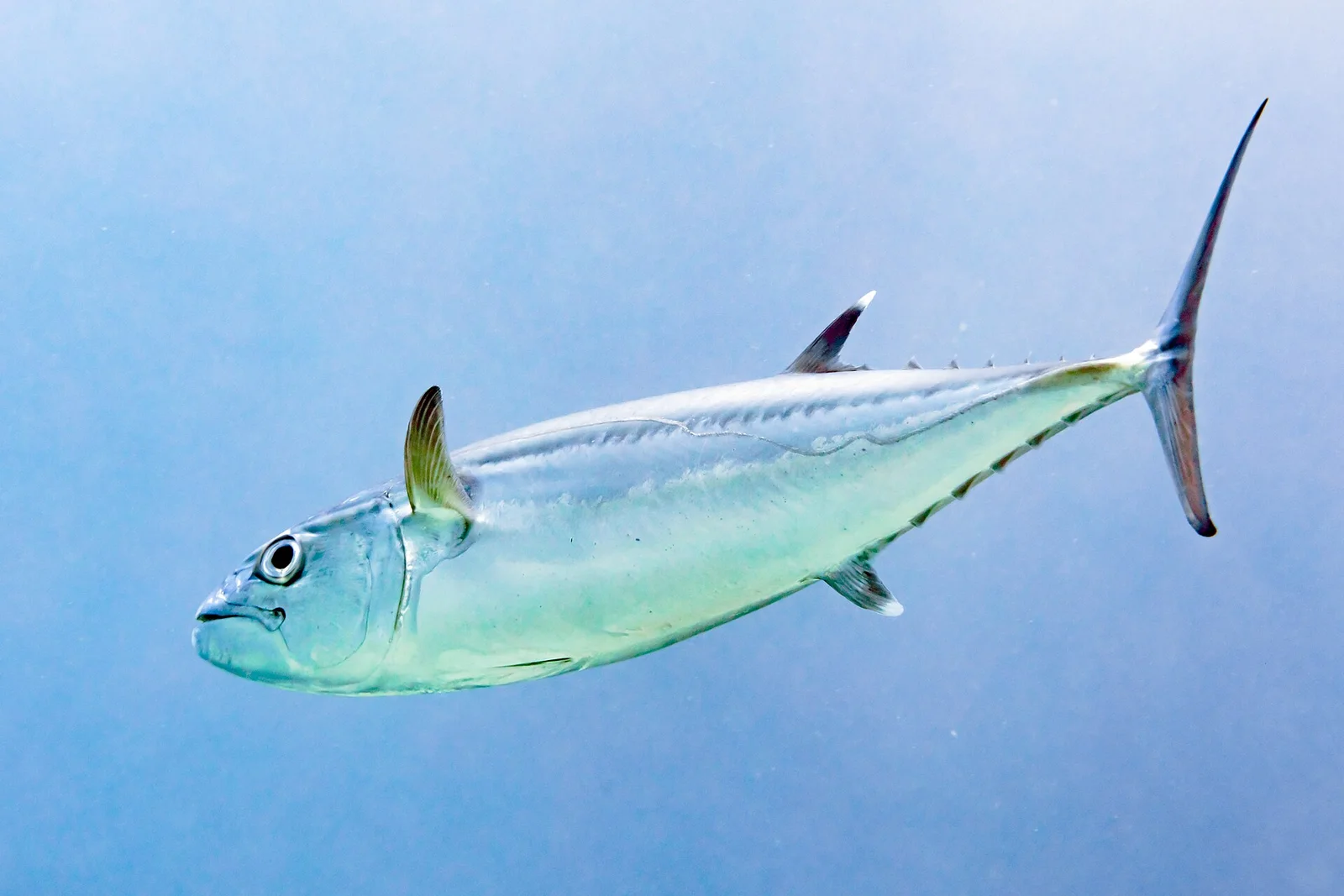
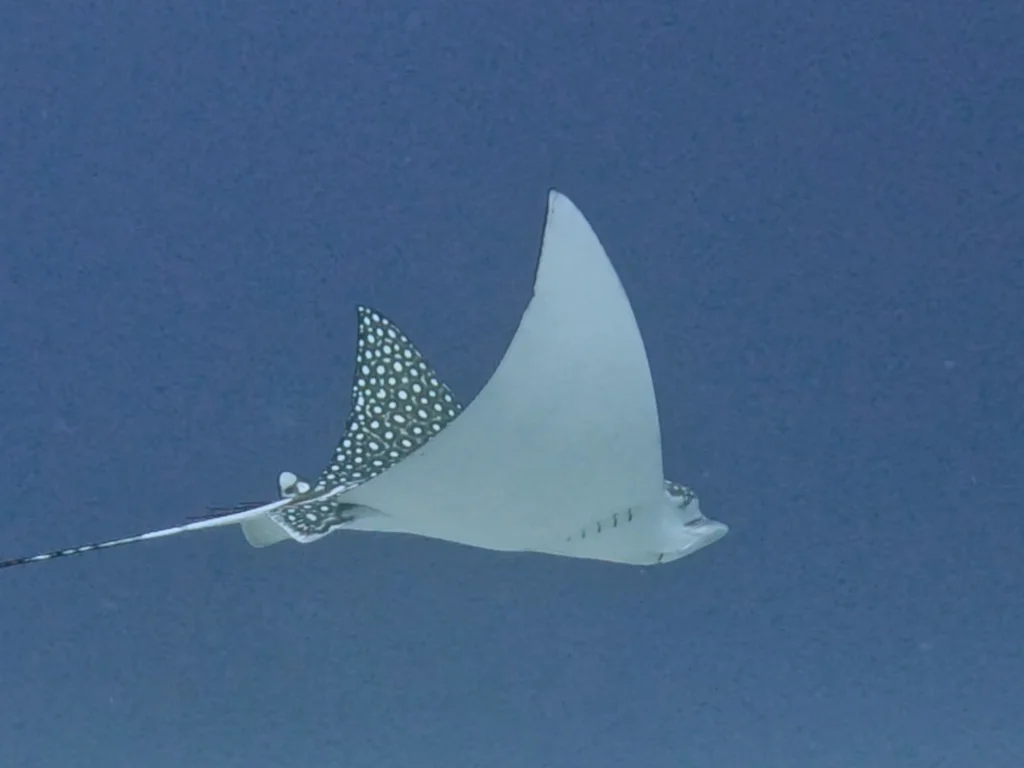
From the very first meters of descent into Deep Blue, dense clouds of black durgon, creole wrasse, boga, and blue chromis swirl above the volcanic shoulders. Out in the open cobalt water off the northern wall, wheeling schools of great barracuda, horse-eye jacks, black jacks, rainbow runners, cero mackerel, and blackfin or dogtooth tuna patrol the current edge alongside spotted eagle rays, southern stingrays, and passing Caribbean reef sharks.
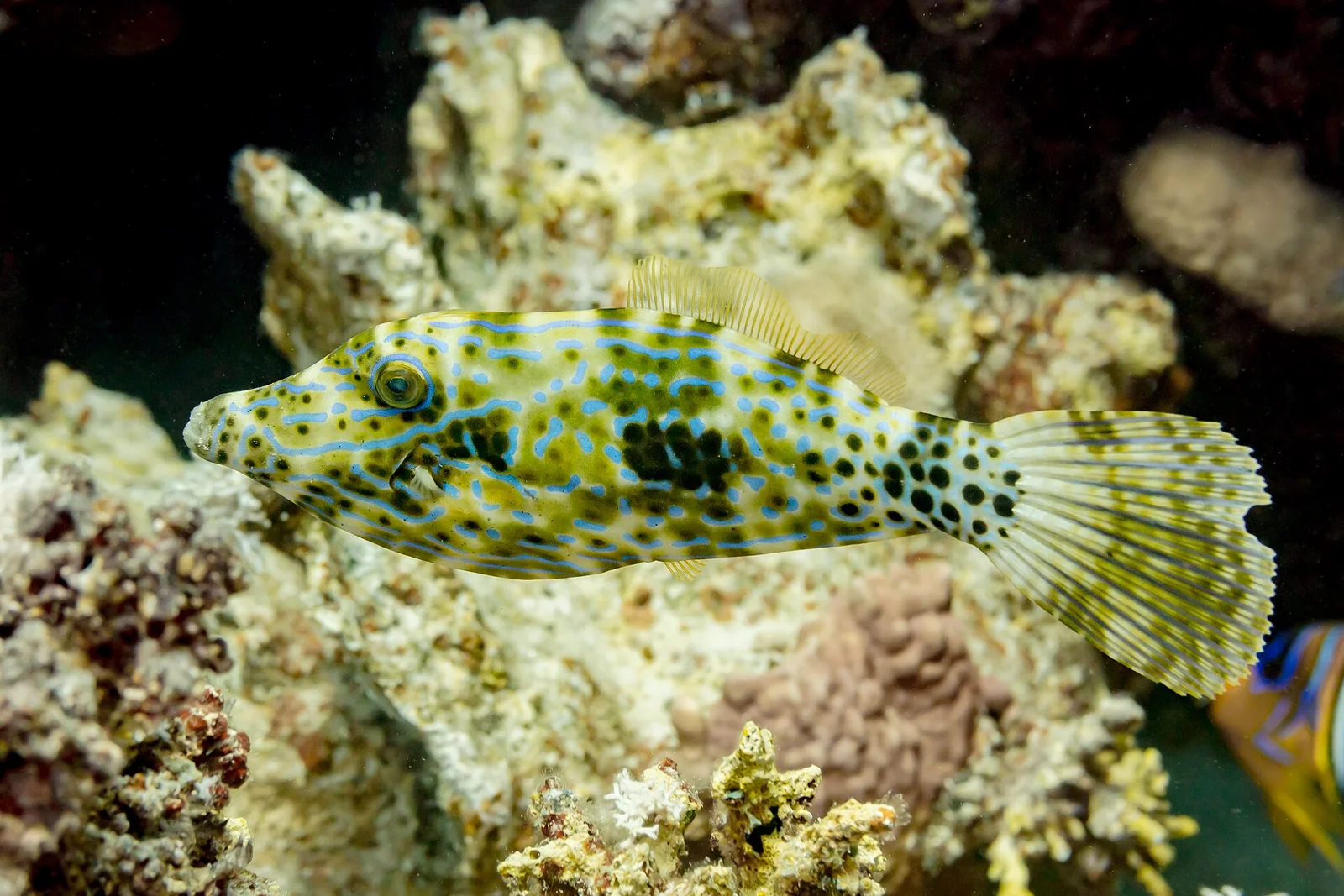
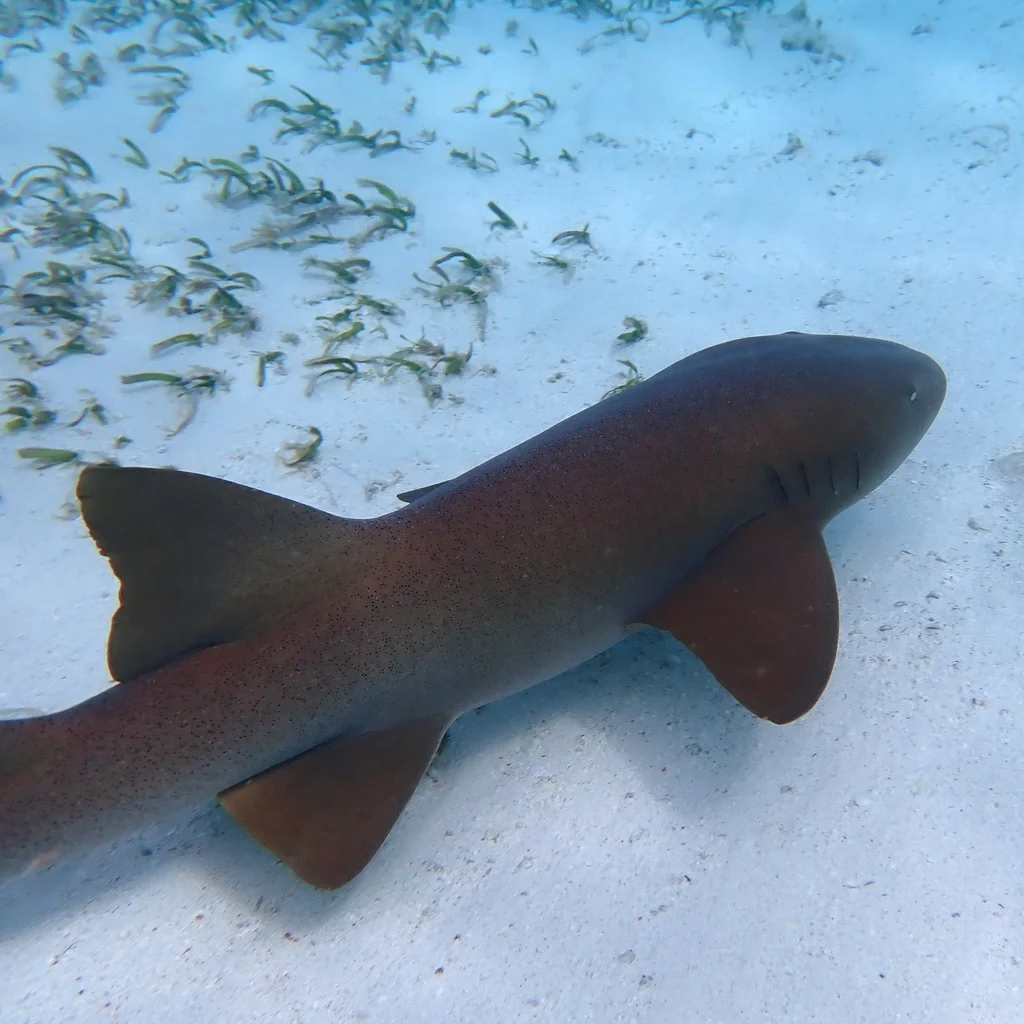
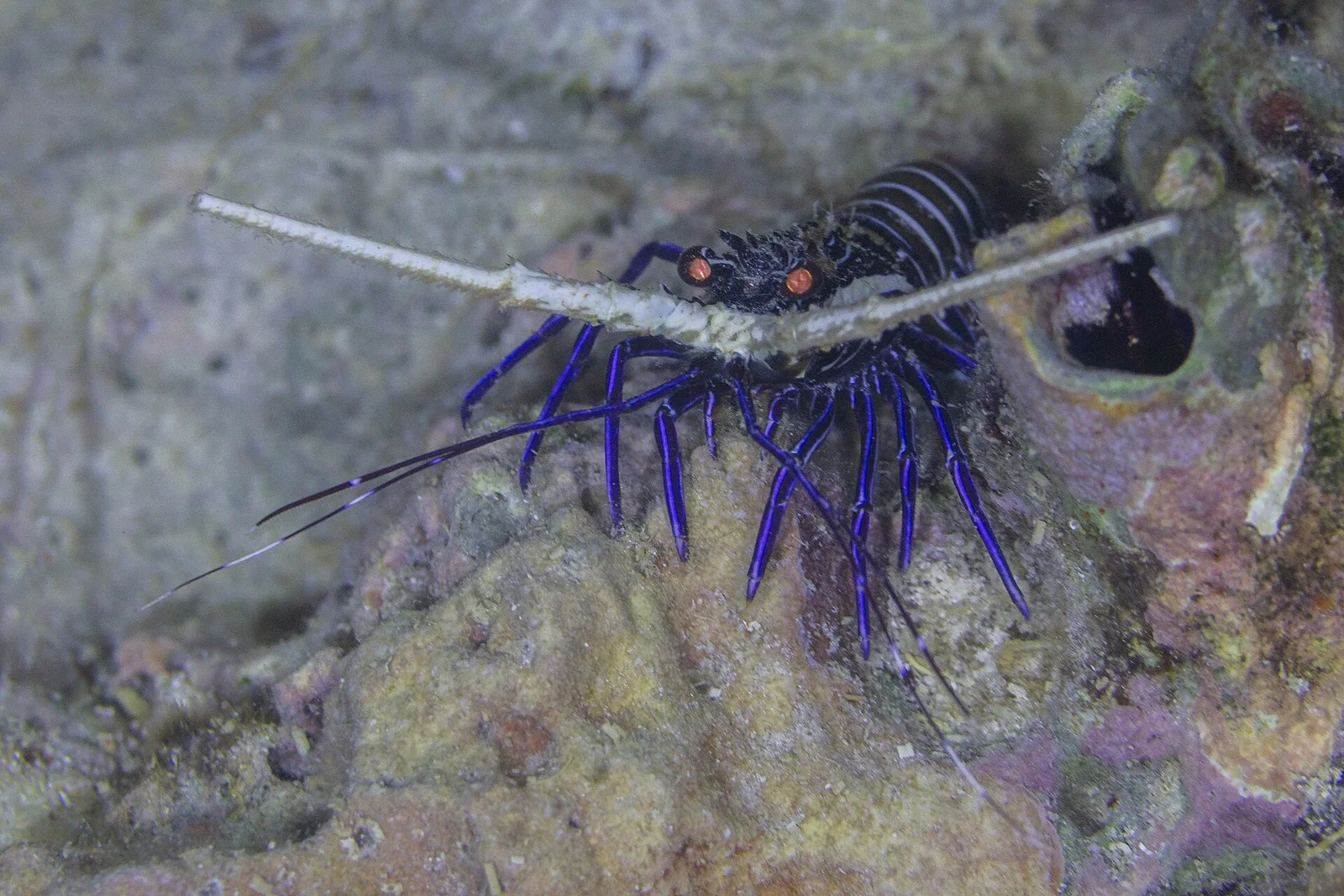
Closer to the rock walls and deeper undercuts, resting nurse sharks, green and hawksbill sea turtles, grey and French angelfish, scrawled filefish, and porcupinefish weave through thick gorgonian sea fans. Green and spotted moray eels, Caribbean spiny lobsters, and oversized channel clinging crabs occupy nearly every volcanic fissure along the canyon walls.
Dive Sites Near Sisters Rocks - Deep Blue
View all dive sites in GrenadaDiscover more underwater gems in this area.
Dive Centers Near Sisters Rocks - Deep Blue
No Dive Centers Local To Sisters Rocks - Deep Blue
Are you a dive center visiting this location? Get listed to reach divers.
Nearest Airports
Nearest airports to help plan travel to this dive area.
Search Flights
Check available flights and routes on Expedia, using the nearby airports listed in this section.
Search Flights on ExpediaAffiliate link · Dive Navigator may earn a commission at no extra cost to you.
Frequently Asked Questions
Where are Sisters Rocks - Deep Blue located?
Sisters Rocks are twin offshore volcanic pinnacles rising from deep water roughly 2 km off the northwestern coast of Carriacou in the Southern Grenadines, part of the nation of Grenada.
What is the depth and required certification for the Deep Blue dive?
The Deep Blue outer-wall route ranges from 12 m down to roughly 35 m (40 to 115 ft) with moderate-to-brisk currents and pinnacle surge, making it an Advanced Open Water dive.
How many pinnacles make up Carriacou's Sisters Rocks?
Carriacou's Sisters Rocks consist of two steep volcanic rock spires separated by a narrow, gorgonian-filled underwater canyon through which divers often glide near the end of the dive.
What pelagic and reef life can divers expect at Sisters Rocks - Deep Blue?
Divers regularly encounter large schools of barracuda, horse-eye jacks, and tuna in the blue, along with nurse sharks, hawksbill and green turtles, spotted eagle rays, French and grey angelfish, moray eels, and spiny lobsters.
Is Enriched Air Nitrox useful on Sisters Rocks - Deep Blue?
Yes. Because the outer wall's biggest pelagic encounters and sea-fan ledges sit between 24 and 35 m (80 and 115 ft), EAN32 Nitrox adds valuable no-decompression margin within verified depth limits.
How long is the boat trip to Sisters Rocks from Carriacou?
Dive boats departing Hillsborough Bay, Paradise Beach, or Tyrell Bay on Carriacou reach Sisters Rocks in approximately 10 to 15 minutes.
Planning to dive Sisters Rocks - Deep Blue?
Tell us your dates and diving needs. We'll review your request and seek offers from relevant local dive centers.
Request Dive OffersConditions are Good
Optimal conditions expected
Current conditions near Sisters Rocks - Deep Blue show 29° air, 29° sea temperature, 1.2 m waves, and 30 km/h wind. Forecast data is refreshed regularly to ensure accuracy.