What Divers Should Know About Spotted Eagle Ray

Learn all about the Spotted Eagle Ray, including dynamic specs, encounter highlights, habitats, and the best dive sites to find them.
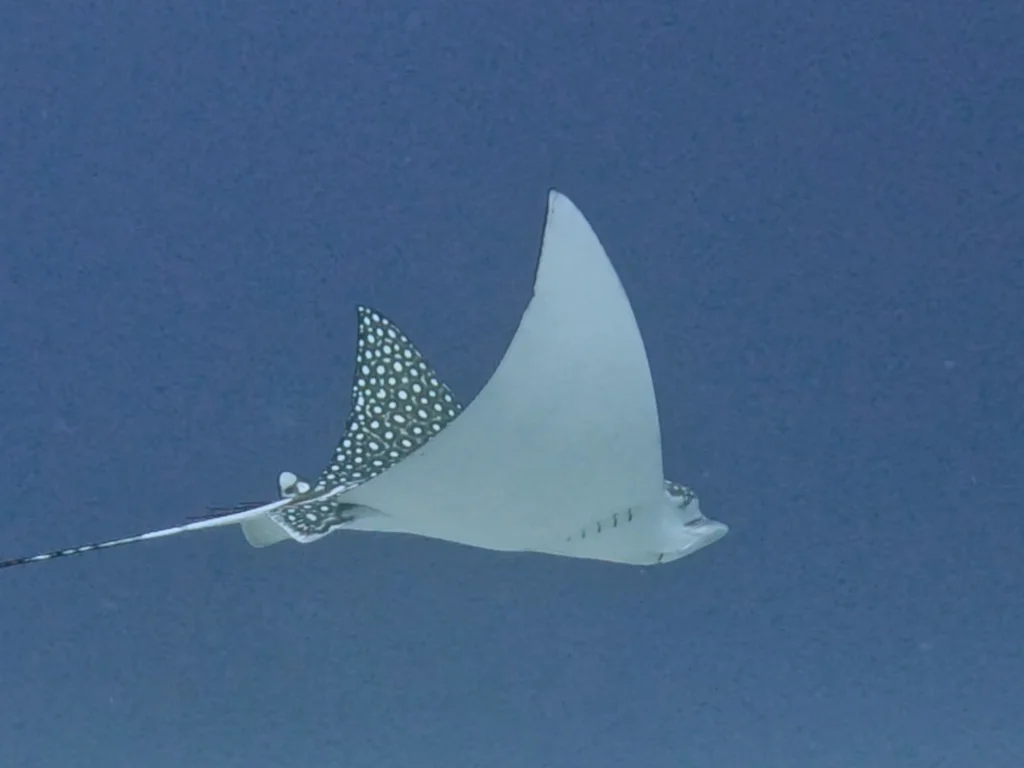
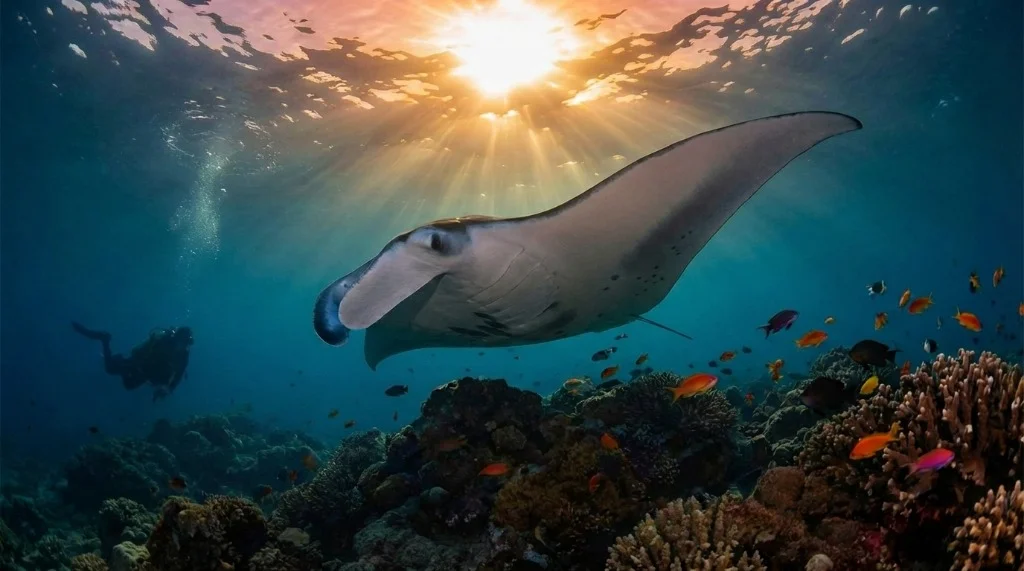
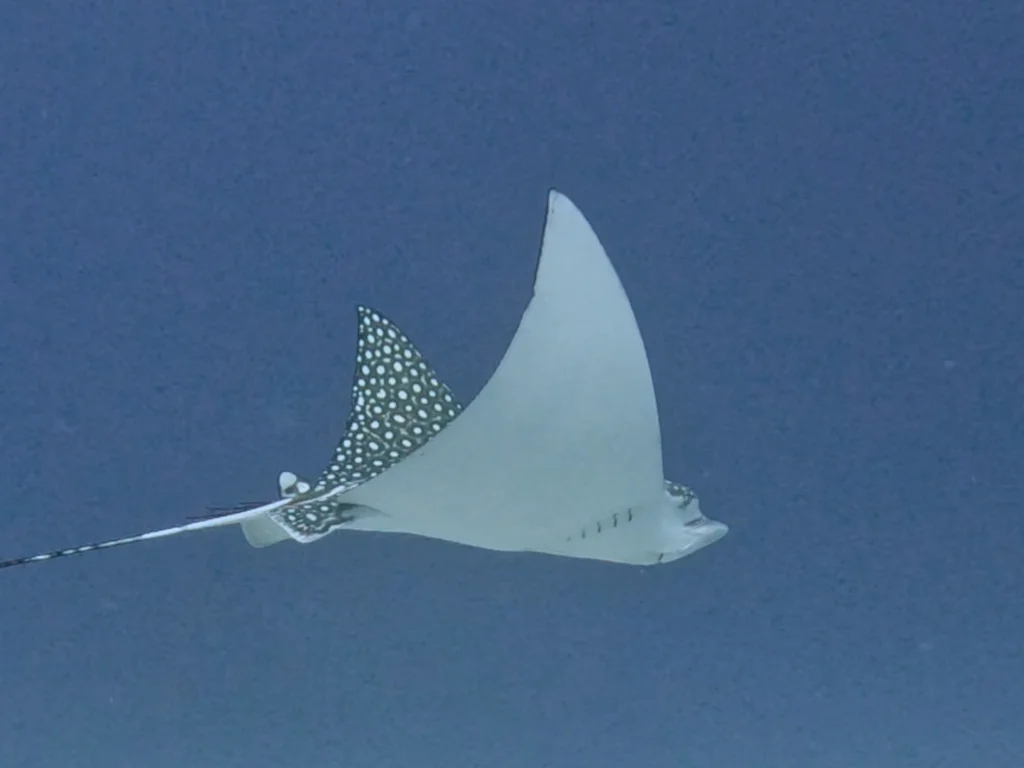
Spotted eagle ray (Aetobatus narinari) with white dorsal spots gliding over a sandy reef bottom
Scientific Name

Aetobatus narinari

Size

1–3.5 m

Depth

1–80 m

Habitat

open water, sand

Conservation

Endangered (EN)

Danger Level

Caution

About the Spotted Eagle Ray

Characterized by its distinct white spots against a dark, often bluish body, the spotted eagle ray (Aetobatus narinari) is a truly graceful sight for divers. While traditionally recognized globally, recent authorities now restrict the true A. narinari to the Atlantic, encompassing regions like the Caribbean and Gulf of Mexico. These majestic rays inhabit shallow coastal waters, frequenting coral reefs and bays, and can be encountered down to depths of 80 meters (262 ft). Though most commonly seen alone, encountering a group gracefully gliding through open water is an unforgettable experience.

Beyond their striking appearance, these rays exhibit intriguing behaviors. They spend much of their time swimming freely in open waters, often in schools close to the surface, and are known to travel long distances daily. Uniquely among rays, they dig with their snouts in the sand, creating a cloud as water spews from their gills. Keep an eye out for their distinct pelvic thrusts or even their spectacular leaps vertically or at a 45-degree angle out of the water. Their daily movements are influenced by the tides, showing increased activity during high tide.

Further Reading

Did You Know?

Chevron-Toothed Shell Shuckers That Never Swallow a Single Shard

β€œSoaring effortlessly past outer coral walls on indigo wings stamped with individualized constellations of white rings and spots, the spotted eagle ray (Aetobatus narinari) executes one of marine biology's cleanest dining feats down on sandy lagoon flats. Probing sediment with electroreceptive pores and digging craters via downward water jets from its flattened duckbill snout, it scoops heavy-shelled queen conchs, clams, and hermit crabs between single-row upper and lower chevron-shaped tooth plates fused as hard as anvil iron. Crushing the shell in one smooth squeeze, muscular oral papillae roll the intact meat backward down the throat while spitting every razor-sharp shell fragment neatly out onto the sand. Escaping sharks or courting mates, adults even vault clear above the waves.”

Where You Can See Spotted Eagle Ray

This map highlights the main regions where divers may encounter Spotted Eagle Ray or where the species is commonly associated with suitable marine habitats. Actual sightings depend on local dive sites, season, visibility, depth, and natural behaviour.

World distribution map showing regions where divers can see Spotted Eagle Ray: Caribbean, East Pacific
Caribbean
East Pacific

Dive Sites with Spotted Eagle Ray

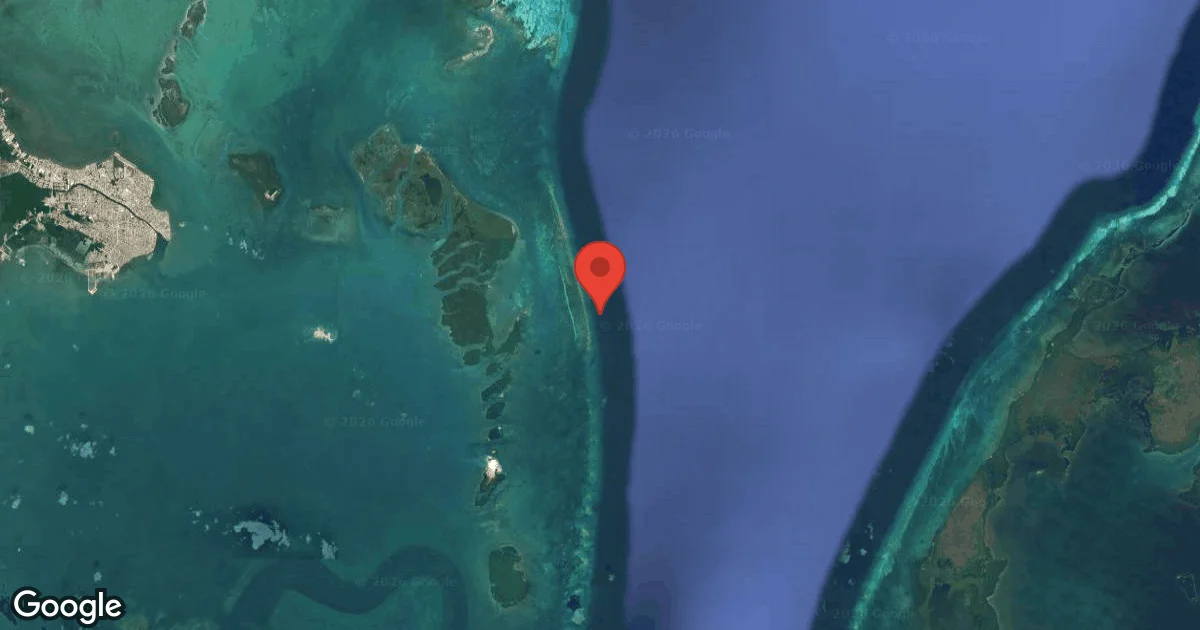
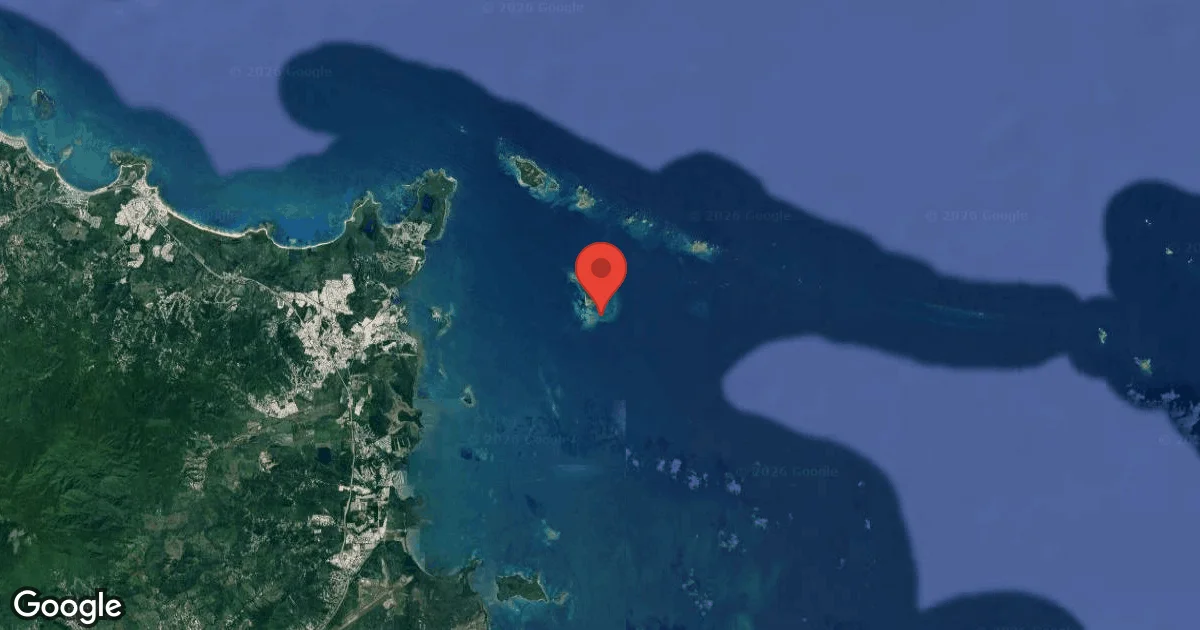
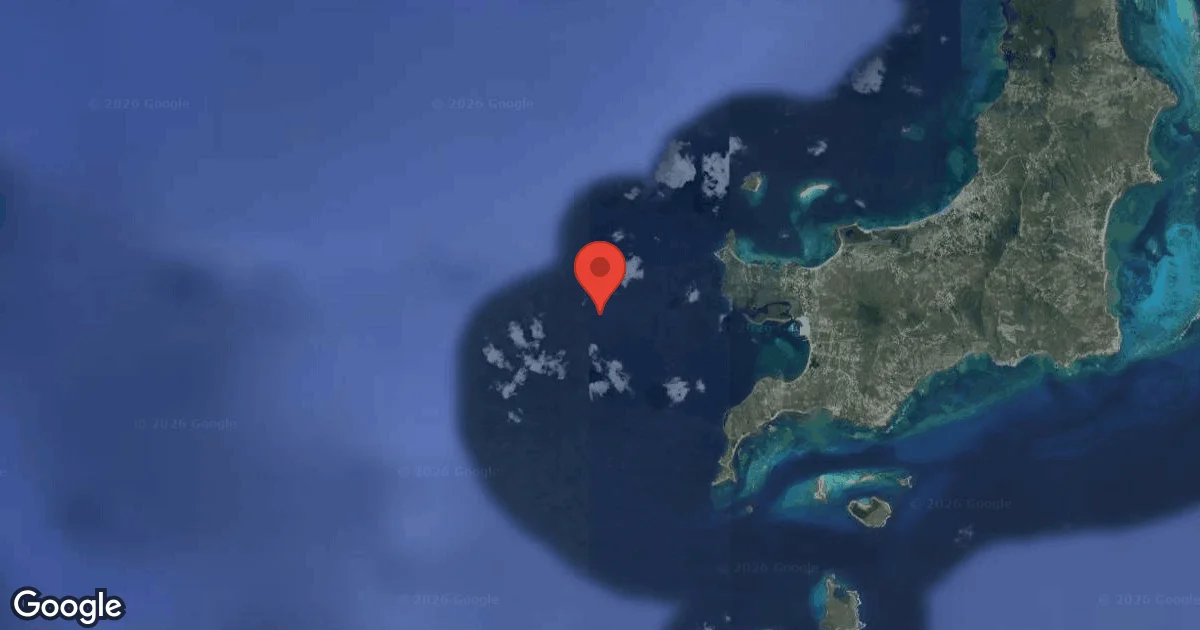
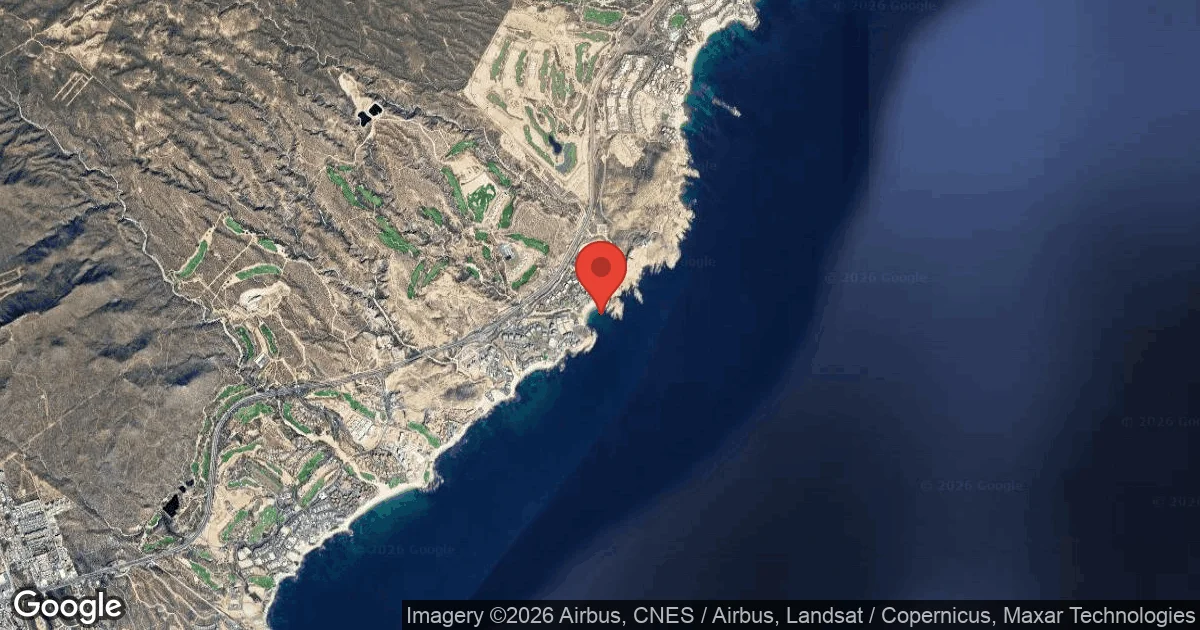
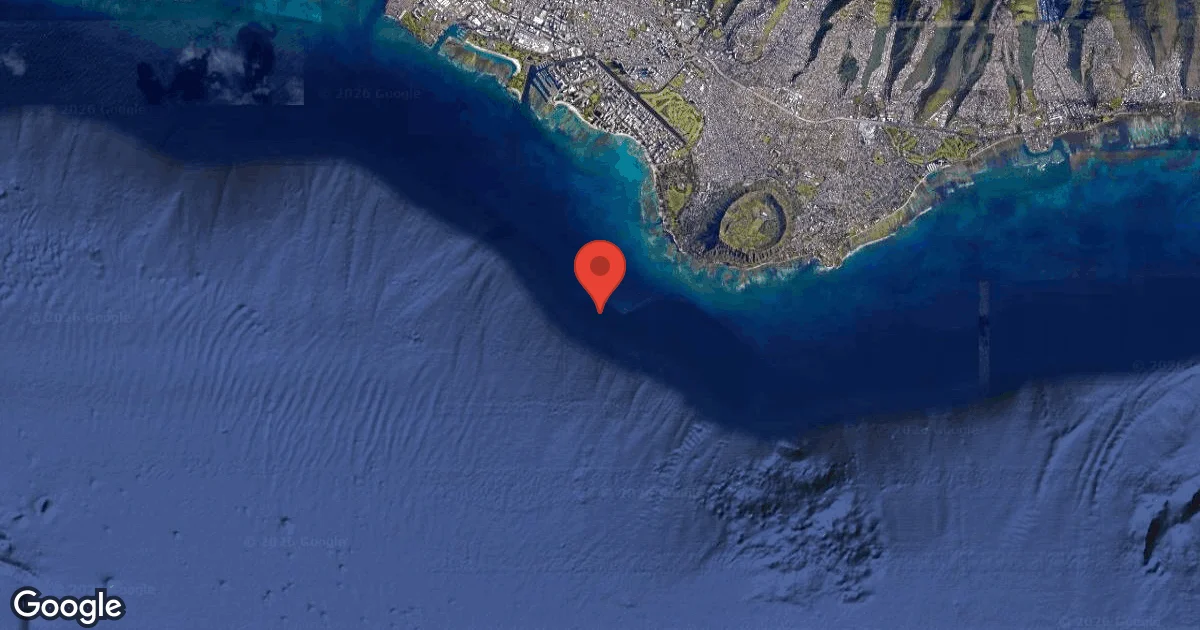
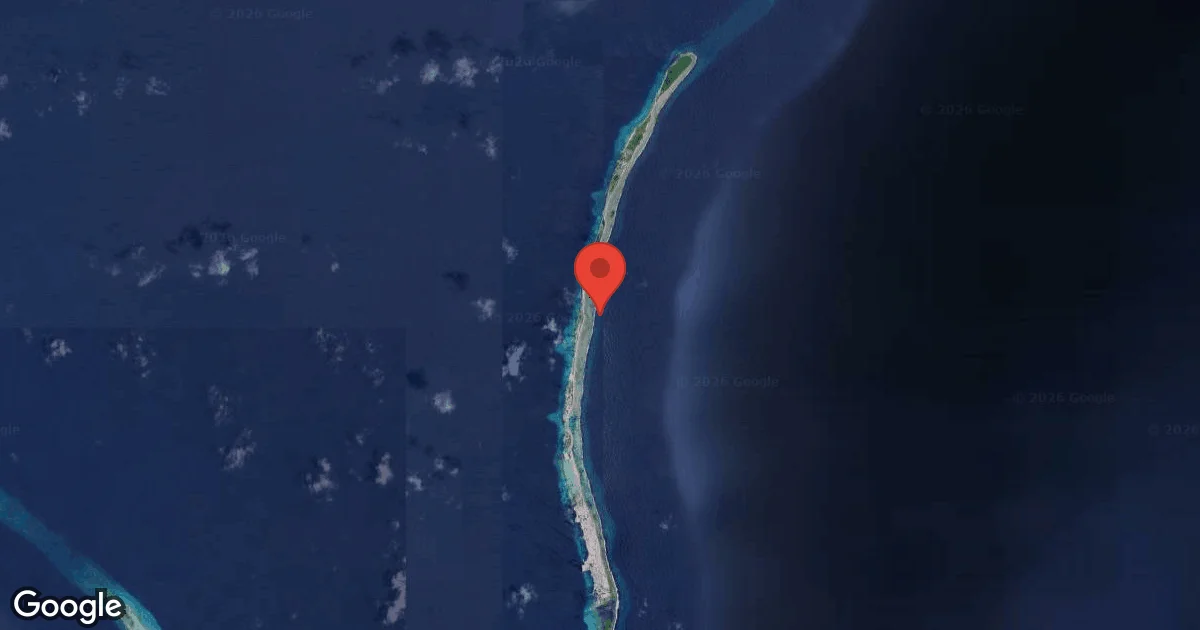
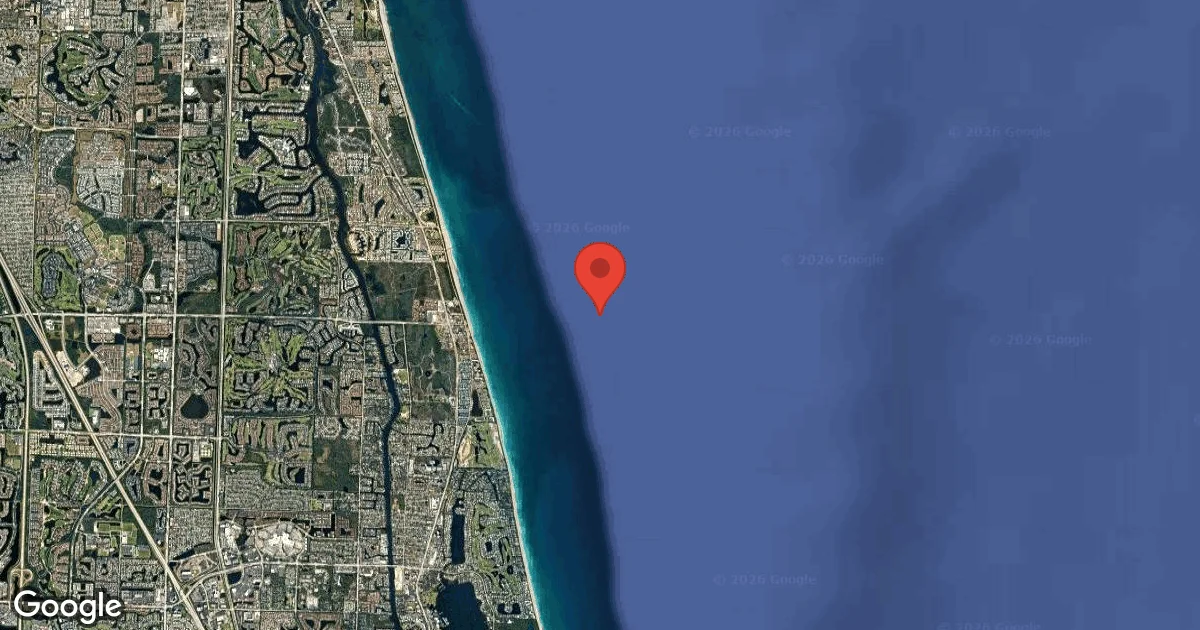
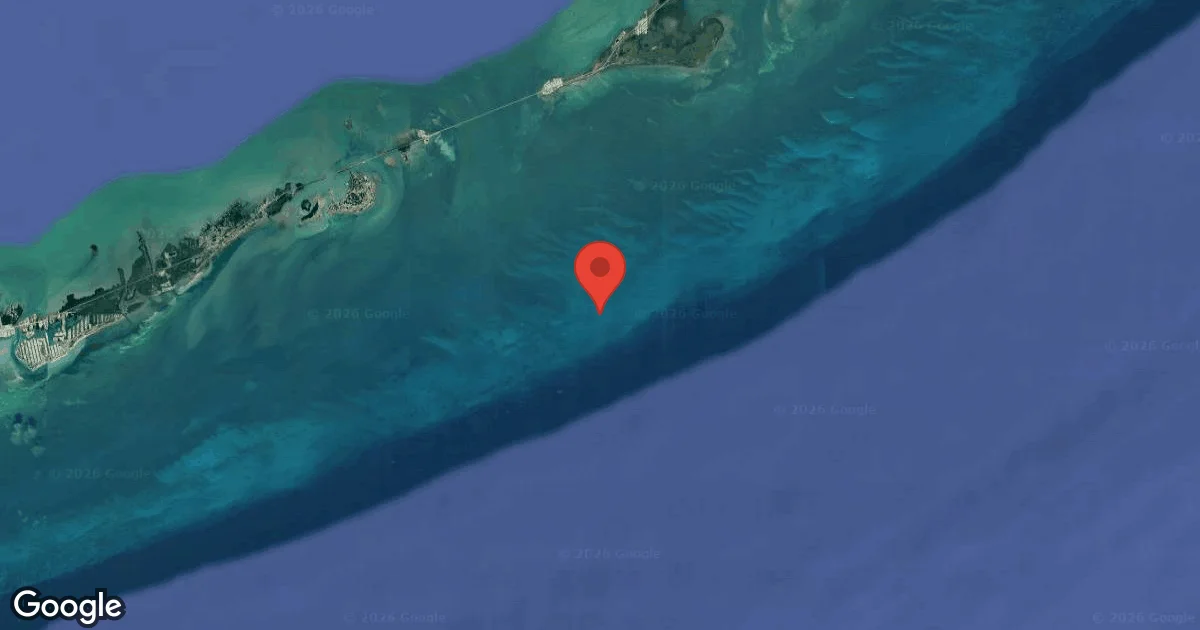
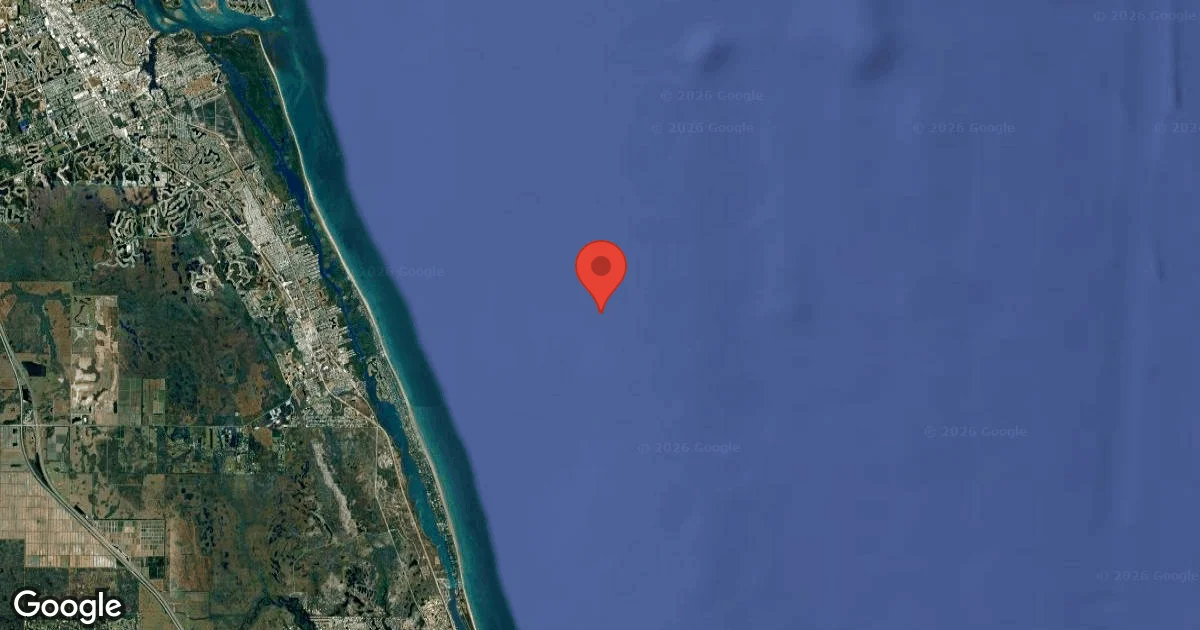
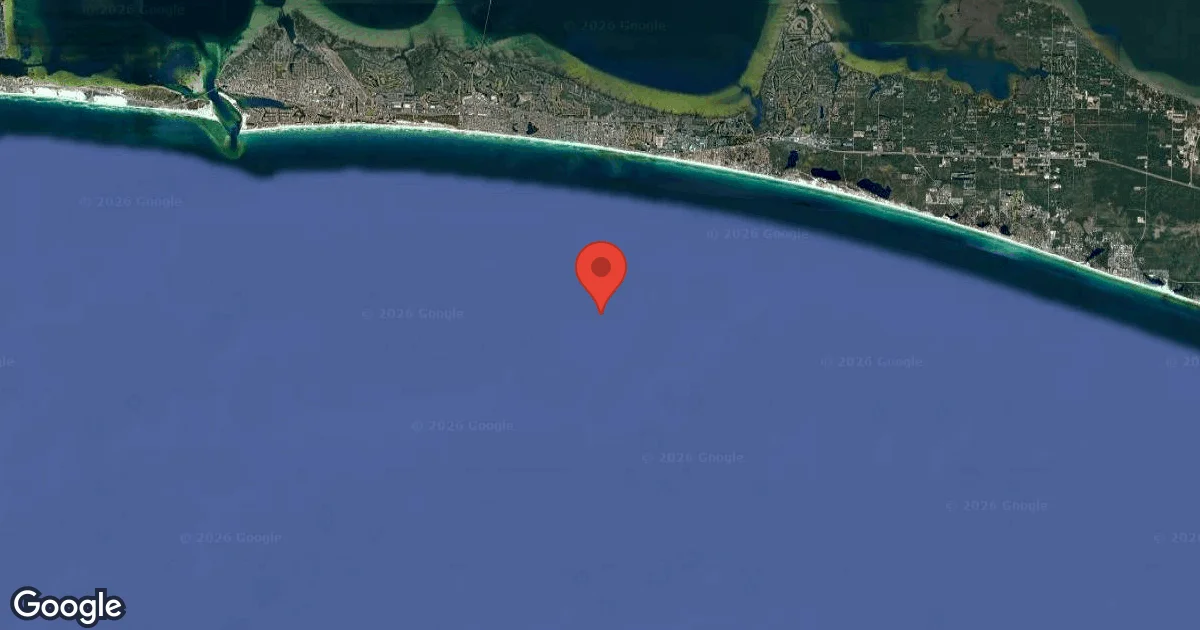
Discover 12 of 96 breathtaking locations where you can encounter this species.
Related Marine Life

Explore other incredible species you can encounter on your diving adventures.