
Diving at Tyrrel Bay (Grenada)
Sitting upright in 5 to 20 m (16 to 66 ft) of calm turquoise water off the edge of Boss Reef inside southwestern Grenada's Grand Anse Marine Protected Area, Tyrrel Bay (PB Tyrrel Bay) is a 32 m (106 ft) retired Royal Grenada Coast Guard patrol boat scuttled in September 2018. Purpose-cleaned with wide-open interior swim-throughs and adjacent coral reef access, it is Grenada's flagship accessible wreck dive.
Afternoon measurements for Tyrrel Bay show the air has reached 28.5°C. The recorded surface conditions at this location feature wave heights of 1.2 m. These metrics are updated to reflect the ongoing daily shifts.
Dive Site Location & Key Facts
Dive Site Overview
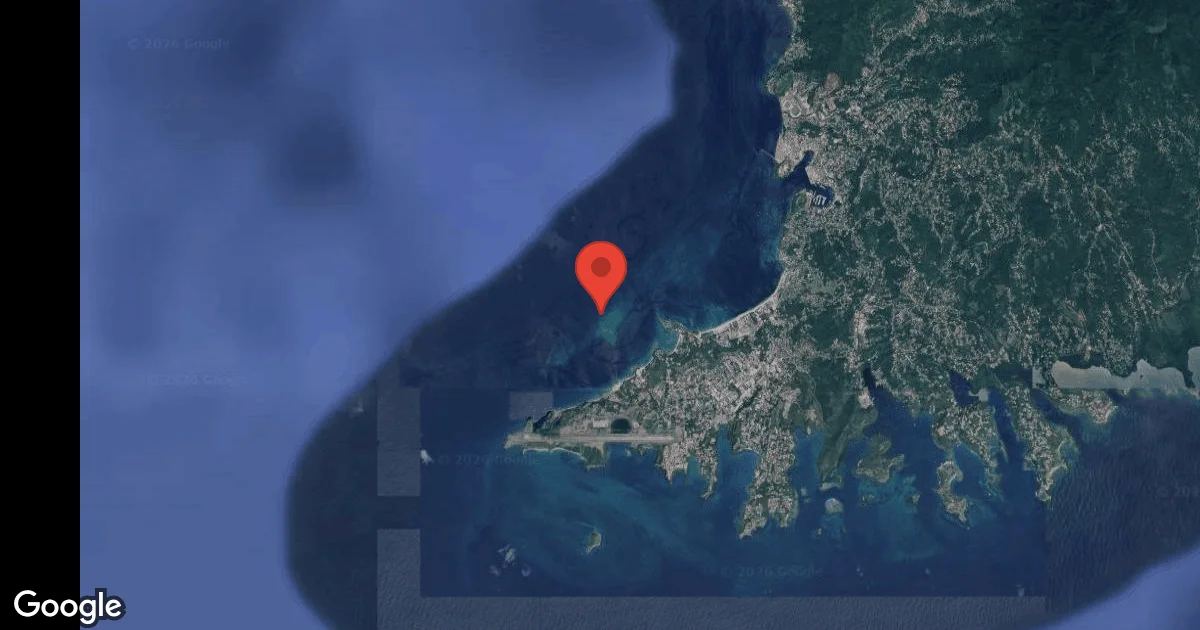
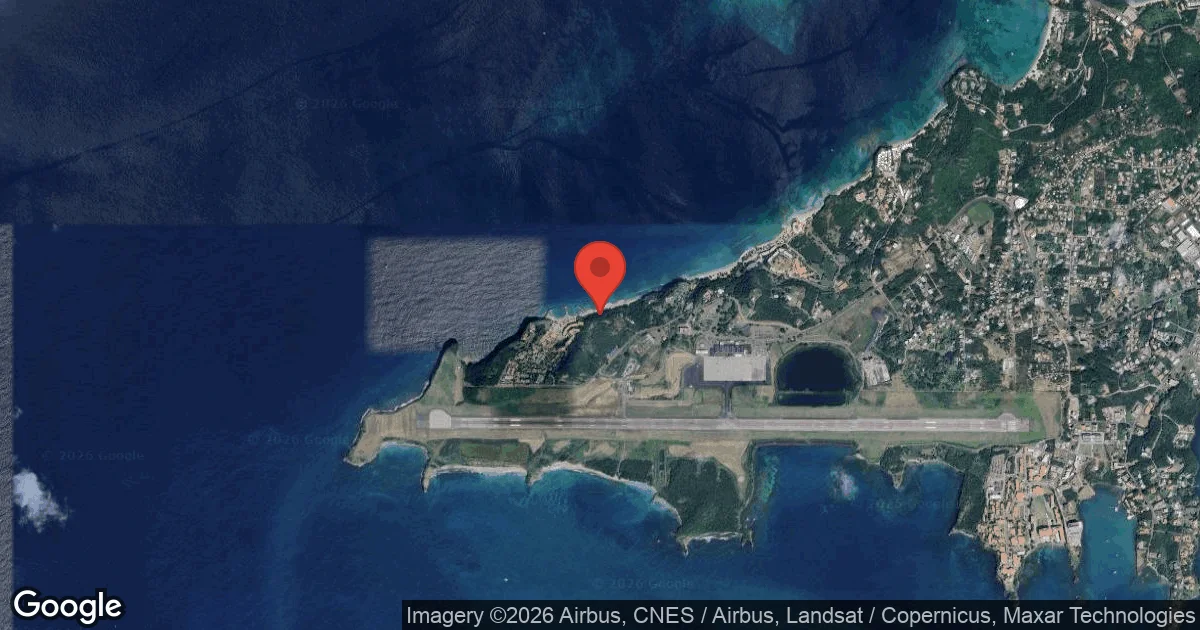
Although named in honor of sister-island Carriacou's famous harbor, the Tyrrel Bay dive site lies right off mainland Grenada's celebrated Grand Anse Beach near St. George's. Built in the United States as a 106 ft (32.3 m) Guardian-class patrol boat (pennant number PB-01), PB Tyrrel Bay served for decades as the flagship of the Royal Grenada Police Force Coast Guard before being decommissioned, thoroughly stripped of fuel, wiring, hatches, and entanglement hazards, and intentionally sunk in September 2018 as Grenada's first purpose-prepared artificial reef shipwreck.
Positioned upright on a clean sand drop-off right along the seaward edge of Boss Reef within the Grand Anse Marine Protected Area, the sleek patrol hull spans an ideal recreational depth profile: her bow sits around 7 m (23 ft), her twin-screw stern rests on white sand at roughly 16–18 m (52–60 ft) with surrounding reef sand extending to 20 m (66 ft), and her open upper bridge rises within 5–6 m (16–20 ft) of the surface.
Because generous access cutouts were engineered throughout the superstructure and hull prior to scuttling, divers can tour the open wheelhouse, galley, captain's quarters, and engine-room spaces bathed in natural ambient daylight, then transition seamlessly onto neighboring Boss Reef at 10–12 m (33–40 ft) for the second half of the dive.
Conditions are Good
Optimal conditions expected
Current conditions near Tyrrel Bay show 29° air, 29° sea temperature, 1.2 m waves, and 31 km/h wind. Forecast data is refreshed regularly to ensure accuracy.
Best Time to Dive
Sheltered in the calm leeward curve of southwestern Grenada inside Grand Anse Bay, the PB Tyrrel Bay wreck is diveable twelve months a year in warm 26.5–29.5°C (80–85°F) Caribbean water. Surface seas stay protected from prevailing northeast trade winds almost every day of the calendar.
December through May delivers the clearest dry-season visibility — typically 18–25 m (60–80 ft) — illuminating the entire patrol boat from bow to stern for effortless wide-angle photography and wreck orientation. Between June and November, glassy morning seas make boat entries effortless off Grand Anse, while late-summer plankton pulses fill the open bridge and companionways with shimmering clouds of baitfish.
PEAK SEASON SCORE
Scores combine air & water temps, waves, wind & rainfall for overall conditions.
BEST MONTHS TO DIVE
Monthly records compiled from satellite and marine observation nodes over the last 3 years. Data provided by Open-Meteo and MET Norway.
Dive Experience & Conditions
Dive boats departing Grand Anse Beach, Morne Rouge, or St. George's Lagoon reach the permanent Grand Anse MPA mooring at Tyrrel Bay in just 5 to 8 minutes. Underwater currents are ordinarily negligible to very mild, horizontal visibility averages 18 m (60 ft), and the shallow 5–20 m (16–66 ft) depth envelope supports unhurried 50 to 60 minute bottom times.
Open Water divers, wreck-specialty students, night divers, and underwater photographers alike can inspect the stern rudder gear at 17 m (56 ft), fin slowly along the main deck railings, or glide single-file through the wide, pre-cut openings connecting the galley, quarters, engine space, and bridge with clear daylight exits always in sight before meandering onto the hard-and-soft corals of Boss Reef for a shallow safety stop.
Dive Difficulty & Safety Guidelines
Even though PB Tyrrel Bay was purposefully cleaned and opened up with wide recreational swim-throughs, disciplined neutral buoyancy and tidy frog kicks are essential when passing through the open wheelhouse, galley, or engine cutouts so fins neither stir fine hull silt nor scrape young sponges off bulkheads. Enter open pass-throughs single-file only if completely comfortable, avoid touching sharp metal edges or stinging hydroids, and never force entry into narrow structural spaces.
Because the Grand Anse Marine Protected Area borders Grenada's busiest resort bay, always ascend up the permanent park mooring line or deploy a high-visibility surface marker buoy before surfacing, observe strict MPA no-touch and no-gloves conservation rules, and carry valid dive accident insurance when flying into nearby Maurice Bishop International Airport (GND), located less than 10 minutes south of Grand Anse.
Recommended Equipment
Overhead / entanglement risk. Wreck penetration requires proper training.
- Dive Computer
- DSMB
- Primary & Backup Lights
- Wreck Reel
- Cutting Tool
This gear list is based on verified equipment signals for Tyrrel Bay, Grenada. Always confirm final gear choices with your dive operator, guide, or liveaboard.
Recommended Dive Suit
Dive skin or rash guard is frequently recommended by dive operators for conditions like these. Consider warmer surface protection (like a boat coat) due to brisk winds. For divers entering the water at Tyrrel Bay, temperatures are currently hovering around 29°C (84°F). Surface air temperatures are resting at 29°C (83°F).
Forecast conditions over the next few days suggest temperatures will remain relatively stable.
Even small thermoclines can occasionally cause noticeable changes in water temperature.
Emergency & Medical Support
Essential information to help you plan your dive trip to Tyrrel Bay.

Hyperbaric chambers are a critical part of dive safety infrastructure. Availability varies significantly by region, and not all dive areas have immediate access.
Before diving, it's recommended to:
- confirm nearest medical facilities
- check emergency procedures with local dive operators
- ensure dive insurance covers evacuation if required
Divers Alert Network
Diving emergency assistance available through DAN World.
+1-919-684-9111- 24/7 emergency hotline
- Diving medical assistance
- Evacuation coordination
Emergency contacts are provided for reference. Always verify local emergency services before diving.
Marine Life at Tyrrel Bay
Since coming to rest off Boss Reef in September 2018, PB Tyrrel Bay has blossomed rapidly into a thriving marine oasis. Barrel sponges, rope sponges, orange cup corals, hydroids, and encrusting corals coat the hull strakes and wheelhouse roof, while dense curtains of glassy sweepers and silversides pack the open galley and engine spaces.
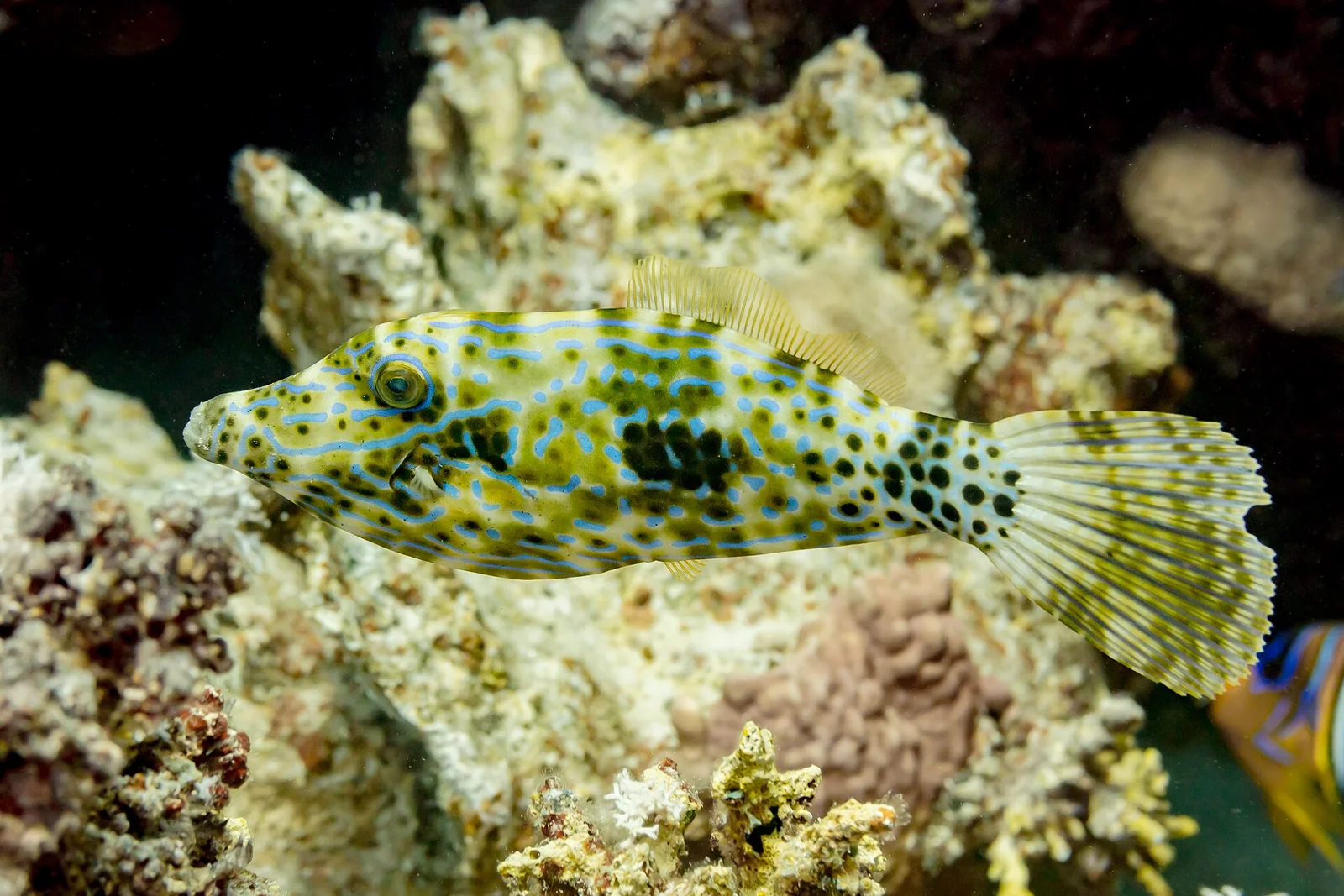
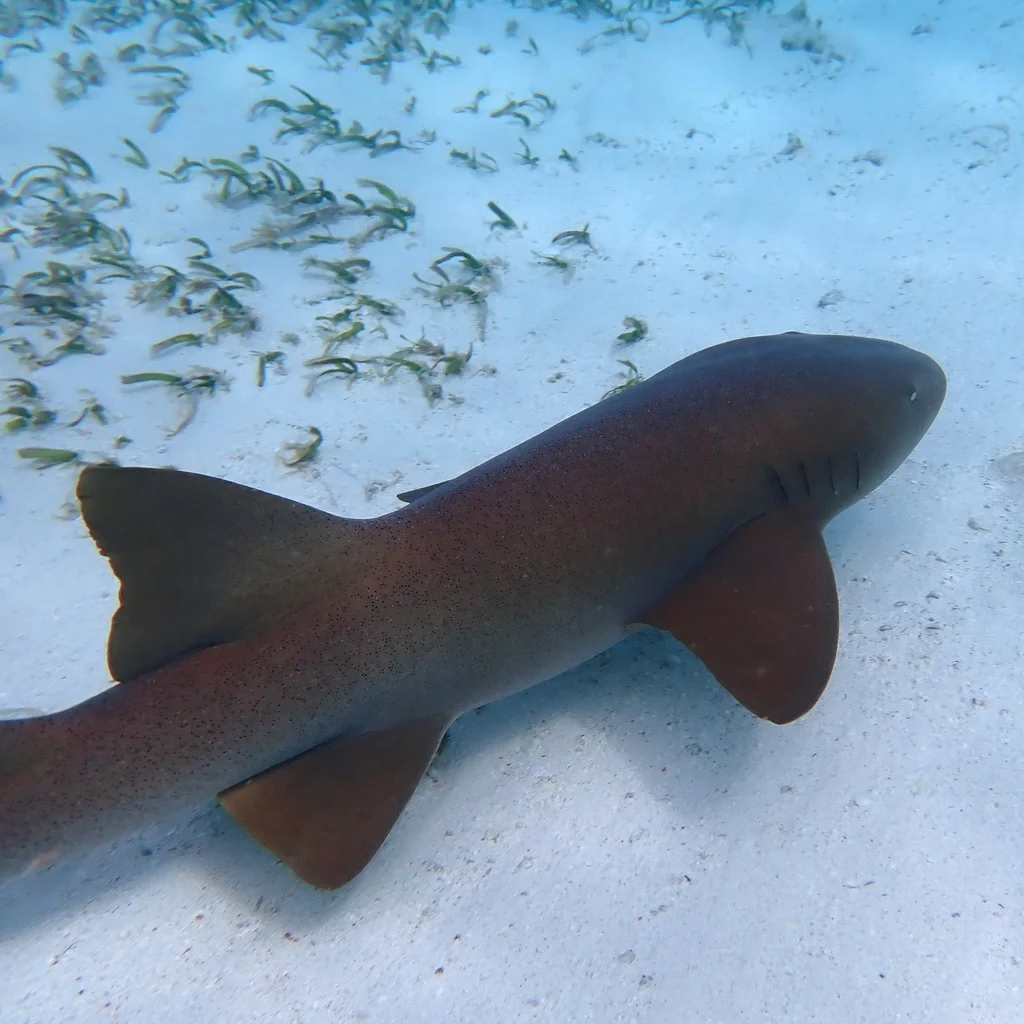
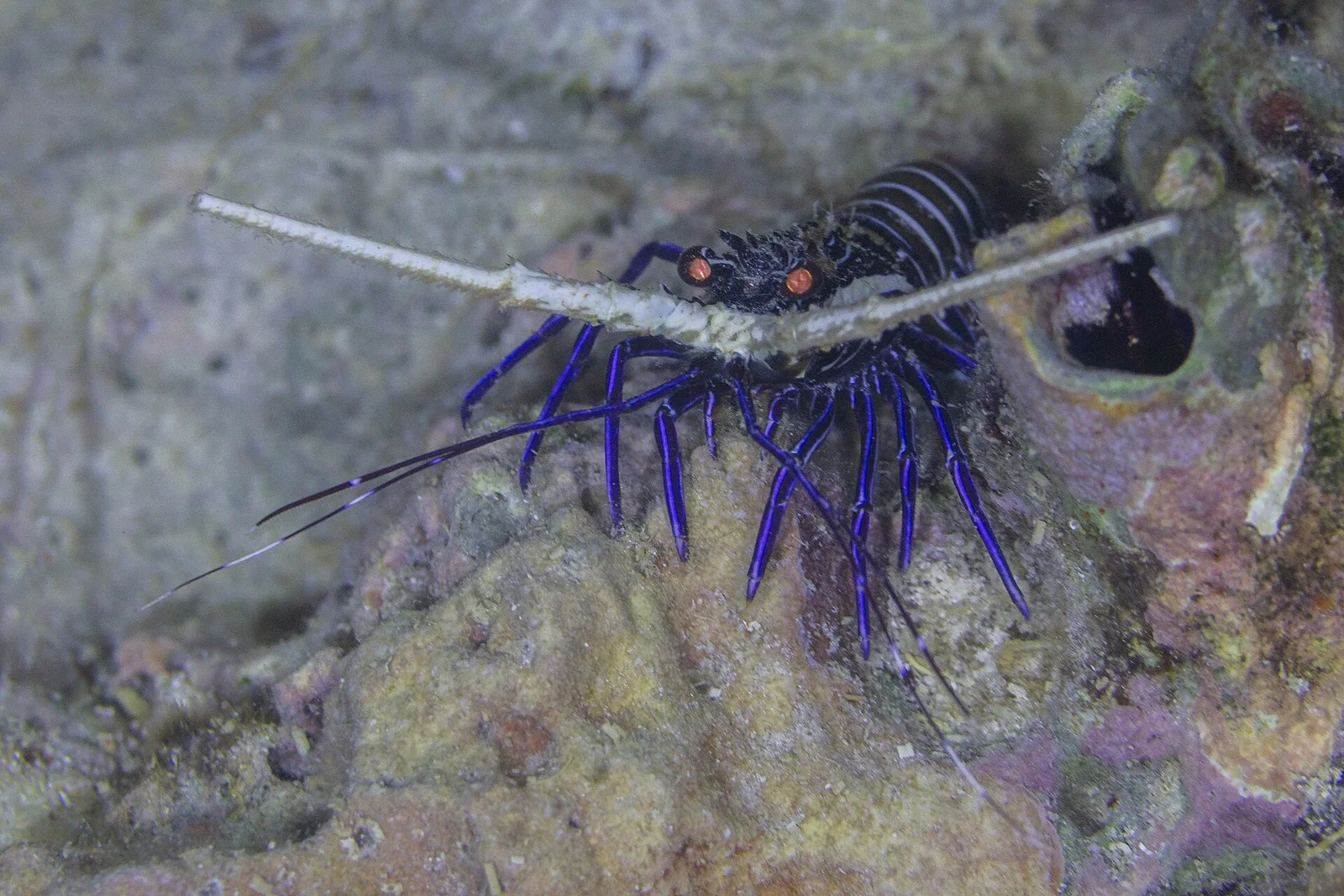
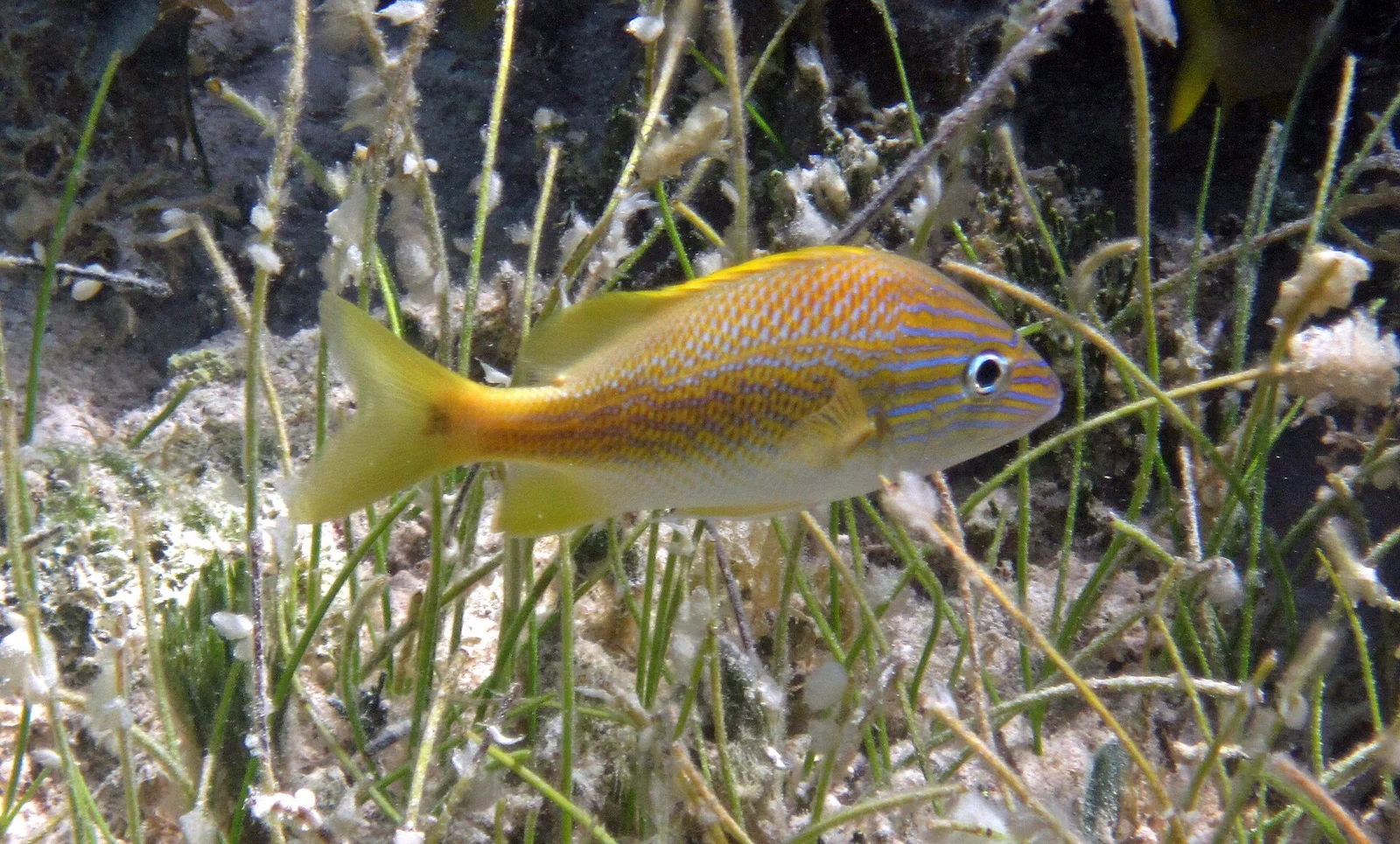
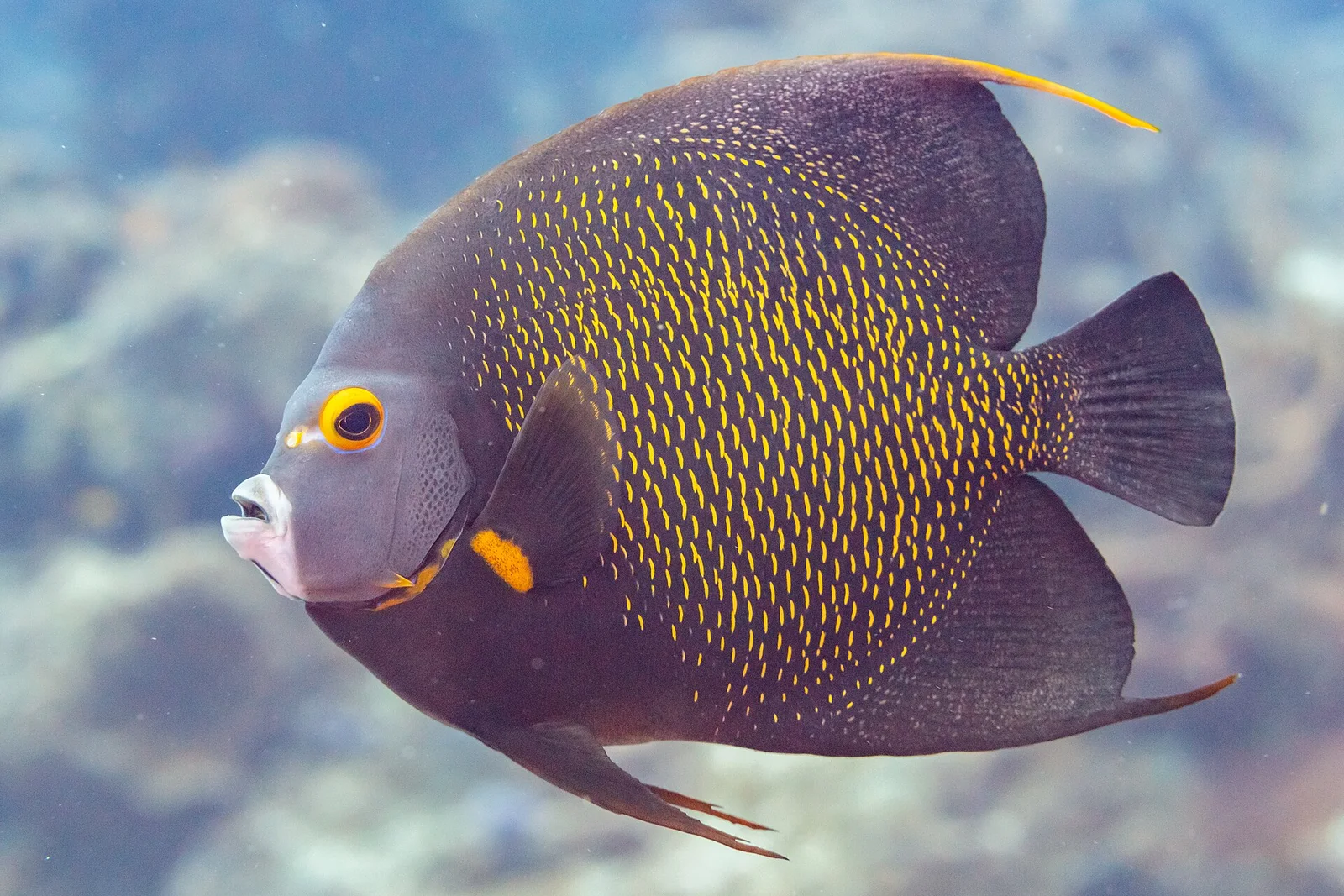
French angelfish, blue chromis, Caesar and French grunts, scrawled filefish, squirrelfish, and spotted drums patrol the companionways, while green moray eels, Caribbean spiny lobsters, arrow crabs, and banded coral shrimp occupy crevices around the stern gear. Resting nurse sharks on the sand apron and foraging hawksbill sea turtles commute regularly between the patrol hull and the adjacent coral heads of Boss Reef, watched from midwater by hunting barracuda and horse-eye jacks.
Dive Sites Near Tyrrel Bay
View all dive sites in GrenadaDiscover more underwater gems in this area.
Dive Centers Near Tyrrel Bay
No Dive Centers Local To Tyrrel Bay
Are you a dive center visiting this location? Get listed to reach divers.
Nearest Airports
Nearest airports to help plan travel to this dive area.
Search Flights
Check available flights and routes on Expedia, using the nearby airports listed in this section.
Search Flights on ExpediaAffiliate link · Dive Navigator may earn a commission at no extra cost to you.
Frequently Asked Questions
Is the Tyrrel Bay dive site in Carriacou or off mainland Grenada?
Although the patrol boat was named after Carriacou's bay, the PB Tyrrel Bay shipwreck lies off mainland Grenada's southwest coast along the edge of Boss Reef inside the Grand Anse Marine Protected Area, just minutes from Grand Anse Beach.
What kind of ship is the Tyrrel Bay wreck?
PB Tyrrel Bay (pennant PB-01) is a retired 32 m (106 ft) US-built Guardian-class patrol boat that served as flagship of the Royal Grenada Coast Guard before being stripped of hazards and sunk as an artificial reef in September 2018.
What is the depth range and minimum certification for diving Tyrrel Bay?
With her bridge rising to roughly 5–6 m (16–20 ft), bow at 7 m (23 ft), and stern and adjacent sand drop-off at 17–20 m (56–66 ft) in calm sheltered water, Tyrrel Bay is accessible to Open Water and beginner divers as well as wreck-specialty students.
Can divers combine the Tyrrel Bay wreck with a coral reef on the same dive?
Yes. Because the patrol boat rests right off the sandy edge of Boss Reef, divers typically tour the upright wreck first and spend the shallower second half of the tank cruising Boss Reef around 10–12 m (33–40 ft).
Is Tyrrel Bay suitable as a night dive in Grenada?
Yes. Its shallow 5–18 m hull profile, calm Grand Anse Bay mooring, and abundance of hunting moray eels, spiny lobsters, octopuses, and sleeping parrotfish make PB Tyrrel Bay one of southwestern Grenada's top night dives.
What marine life inhabits the PB Tyrrel Bay wreck?
Clouds of silversides fill the open interior spaces alongside French angelfish, grunts, filefish, green moray eels, barrel sponges, resting nurse sharks on the sand, and hawksbill turtles visiting from Boss Reef.
Planning to dive Tyrrel Bay?
Tell us your dates and diving needs. We'll review your request and seek offers from relevant local dive centers.
Request Dive OffersConditions are Good
Optimal conditions expected
Current conditions near Tyrrel Bay show 29° air, 29° sea temperature, 1.2 m waves, and 31 km/h wind. Forecast data is refreshed regularly to ensure accuracy.