
Diving at MV Bianca C. (Grenada)
Resting upright on a deep sandy plain off southwestern Grenada, the 180 m / 591 ft passenger liner Bianca C is the largest diveable shipwreck in the warm waters of the Caribbean Sea. Known across the region as the Titanic of the Caribbean, the former Italian Costa Line flagship burned off St. George's in October 1961 and settled in 50 m / 165 ft of water inside the Grand Anse Marine Protected Area. Swept by nutrient-rich southwesterly currents, the colossal hull draws spotted eagle rays, schooling jacks, and Atlantic barracuda past an intact bow at 28 to 30 m / 92 to 100 ft and an open-air tiled swimming pool at 36 to 38 m / 118 to 125 ft. Its deep deck profile and swift blue-water descents reserve the site strictly for experienced deep recreational and technical divers.
During this afternoon at MV Bianca C., the recorded air temperature stands at 28.5°C. The water surface currently features wave heights of 1.2 m. These conditions reflect the midday climate for this dive site.
Dive Site Location & Key Facts
Dive Site Overview
Positioned roughly 2 km / 1.2 mi offshore between Grand Anse Beach and Point Salines, Bianca C anchors Grenada's southern underwater shelf. Authorities specifically extended the seaward boundary of the 1,965 ha / 4,856 acre Grand Anse Marine Protected Area, enacted under Statutory Rules and Orders No. 10 of 2020, to safeguard this historic vessel. Measuring 180 m / 591 ft overall with a gross tonnage of 18,427 tons, the ocean liner sits upright on her keel across white sand at 50 m / 165 ft.
The ship survived two sinkings across a turbulent career that began at the Chantiers Navals de La Ciotat shipyard in southern France. First launched in June 1944 as Maréchal Pétain and scuttled unfinished near Marseille two months later, this French-built passenger liner was raised, refitted, and commissioned in July 1949 as La Marseillaise. After sailing transatlantic routes as Arosa Sky from 1957, she entered Italy's Costa Line fleet in 1959 as Bianca C connecting Mediterranean ports with the Caribbean and Venezuela.
Before dawn on 22 October 1961, a violent boiler-room explosion sparked an uncontrollable fire while the liner lay anchored off St. George's with roughly 673 passengers and crew aboard. Local fishermen, schooners, and small boats evacuated more than 670 survivors to Grenadian homes and hospitals, while three crewmen lost their lives to the blast and burns. To keep the burning hulk from blocking St. George's harbor entrance, the Royal Navy frigate HMS Londonderry arrived from Puerto Rico on 23 October 1961, cut the red-hot anchor chains with charges, and towed the ship 6 km / 3.7 mi south-southwest until a squall parted the towline on 24 October 1961, inspiring Costa's gift of the bronze Christ of the Deep statue along the Carenage and a submerged tribute in the Molinere Underwater Sculpture Park.
Over six decades of groundswell, corrosion, and 1970s propeller salvage have reshaped the aft and midships promenade decks, including the separation of the stern third in late 1992. As documented in field surveys by Divers Alert Network, the knife-sharp bow, forward masts, anchor locker, lifeboat davits, fallen funnel, and tiled upper-deck swimming pool at 36 to 38 m / 118 to 125 ft remain dramatic deep-water landmarks.
Conditions are Good
Optimal conditions expected
Current conditions near MV Bianca C. show 29° air, 29° sea temperature, 1.2 m waves, and 30 km/h wind. Forecast data is refreshed regularly to ensure accuracy.
Best Time to Dive
Located at 12 degrees north latitude near the southern end of the Windward Islands, Grenada sits south of the primary Atlantic hurricane belt and supports year-round wreck diving. Dry trade-wind months from December through May deliver the clearest blue water, with offshore visibility regularly reaching 20 to 30 m / 65 to 100 ft and sea surface temperatures averaging 26 to 28°C / 79 to 82°F according to monitoring in the Grand Anse Marine Protected Area Management Plan. Although brisk northeast breezes from January through March can raise offshore chop, Grenada's southwestern lee stays far calmer than the island's Atlantic coast. During the rainy season from June through November, winds lighten and sea temperatures warm to 28 to 30°C / 82 to 86°F. Throughout late summer and autumn, peak South American rainfall expands the Orinoco River plume, sending surface lenses of greenish freshwater and phytoplankton northward across the southern Caribbean. When those surface plumes pass Grenada, visibility in the top 10 to 15 m / 33 to 50 ft can dip to 12 to 20 m / 40 to 65 ft while denser oceanic water below 28 m / 92 ft around the hull often stays clearer and attracts schooling pelagics.
PEAK SEASON SCORE
Scores combine air & water temps, waves, wind & rainfall for overall conditions.
BEST MONTHS TO DIVE
Monthly records compiled from satellite and marine observation nodes over the last 3 years. Data provided by Open-Meteo and MET Norway.
Dive Experience & Conditions
Dive boats reach Bianca C in roughly 10 minutes from resorts and docks along Grand Anse Beach, True Blue, and St. George's, letting captains assess live current speed before divers gear up. Because prevailing southwesterly currents of 1 to 3 knots sweep the offshore slope, groups routinely execute a coordinated negative entry or rapid shotline descent straight into blue water. The upright silhouette of the giant hull appears around 22 to 25 m / 72 to 82 ft, guiding teams onto the narrow forward stem and upper bow railings at 28 to 30 m / 92 to 100 ft. Single-tank recreational dives concentrate on the forward half of the liner, passing massive bollards, cargo winches, forward masts, and the open chain locker while peering down toward an anchor resting in the sand at 50 to 52 m / 165 to 170 ft as described by Divers Alert Network. Finning aft past the collapsed wheelhouse, divers drop to 36 to 38 m / 118 to 125 ft to swim through the rectangular, tile-lined upper-deck swimming pool beside the fallen smokestack and davits. Rather than fighting current back to a mooring, groups following Grenada's drift dive procedures release off the wreck with the flow, gliding across sand onto neighboring Whibbles Reef at 18 to 30 m / 60 to 100 ft for gradual multi-level off-gassing and a 5 m / 16 ft safety stop under a surface marker buoy. Visibility ranges between 15 and 30 m / 50 and 100 ft alongside warm 26 to 30°C / 79 to 86°F water from surface to deck depth.
Dive Difficulty & Safety Guidelines
Diving Bianca C is strictly reserved for experienced Advanced Open Water divers holding Deep Diver certification and recent logged proficiency in deep currents, as well as Technical and rebreather teams. Local dive centers routinely require a preliminary check-out dive on a shallower reef or wreck to confirm trim, buoyancy, and air consumption before taking guests out to the liner. Because the shallowest intact bow begins at 28 to 30 m / 92 to 100 ft and the swimming pool sits at 36 to 38 m / 118 to 125 ft, no-decompression bottom time lasts only 8 to 15 minutes while exertion against current accelerates gas use and narcosis. Divers breathing Enriched Air Nitrox must verify oxygen percentages carefully because a 32 percent blend hits its 1.4 bar partial pressure ceiling at 33.7 m / 111 ft, requiring leaner 26 to 28 percent mixes to visit the pool deck or normoxic trimix and staged decompression to reach the 50 m / 165 ft seabed.
Penetrating the corroding interior cabins, holds, or collapsed midships decks is strictly prohibited because rusted steel plates collapse without warning and past attempts have caused fatal entrapments warned against by Divers Alert Network. Every buddy team must carry a high-visibility delayed surface marker buoy on a 30 to 45 m / 100 to 150 ft spool to mark blue-water drift ascents near St. George's shipping approaches, and Grand Anse Marine Protected Area regulations require supervision by a certified local divemaster or instructor. Because Grenada has no public multiplace hyperbaric chamber on the island, decompression emergencies receive oxygen stabilization in St. George's followed by air evacuation to the Barbados Defence Force chamber reviewed by the University of the West Indies or the Roxborough facility under the Ministry of Health of Trinidad and Tobago.
Recommended Equipment
Technical depth range. Advanced planning, gas management, and appropriate certification required.
Overhead / entanglement risk. Wreck penetration requires proper training.
Current and surface separation risk. Local briefing strongly recommended.
- Dive Computer
- DSMB
- Primary & Backup Lights
- Wreck Reel
- Reel / Spool
- Cutting Tool
This gear list is based on verified equipment signals for MV Bianca C., Grenada. Always confirm final gear choices with your dive operator, guide, or liveaboard.
Recommended Dive Suit
Divers visiting MV Bianca C. today can expect water conditions around 29°C (84°F). Surface air temperatures are resting at 29°C (83°F).
Many divers choose dive skin or rash guard when diving in similar conditions. Consider warmer surface protection (like a boat coat) due to brisk winds.
Forecast models show minimal temperature variation in the coming days.
Emergency & Medical Support
Essential information to help you plan your dive trip to MV Bianca C..

Hyperbaric chambers are a critical part of dive safety infrastructure. Availability varies significantly by region, and not all dive areas have immediate access.
Before diving, it's recommended to:
- confirm nearest medical facilities
- check emergency procedures with local dive operators
- ensure dive insurance covers evacuation if required
Divers Alert Network
Diving emergency assistance available through DAN World.
+1-919-684-9111- 24/7 emergency hotline
- Diving medical assistance
- Evacuation coordination
Emergency contacts are provided for reference. Always verify local emergency services before diving.
Marine Life at MV Bianca C.
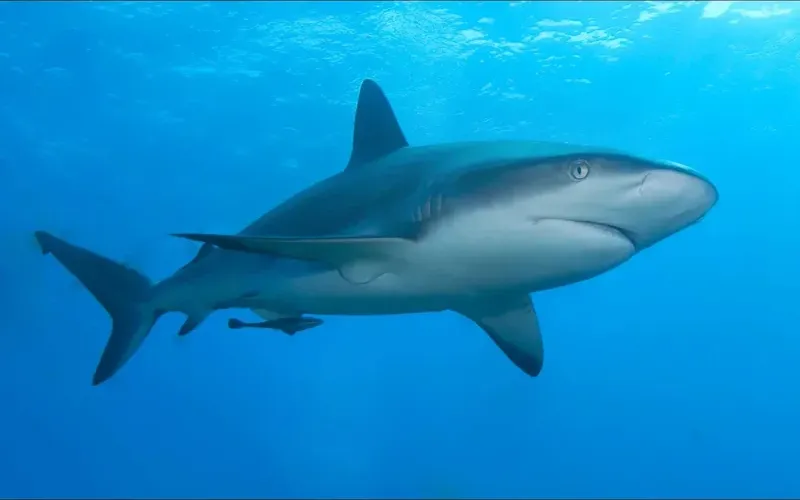
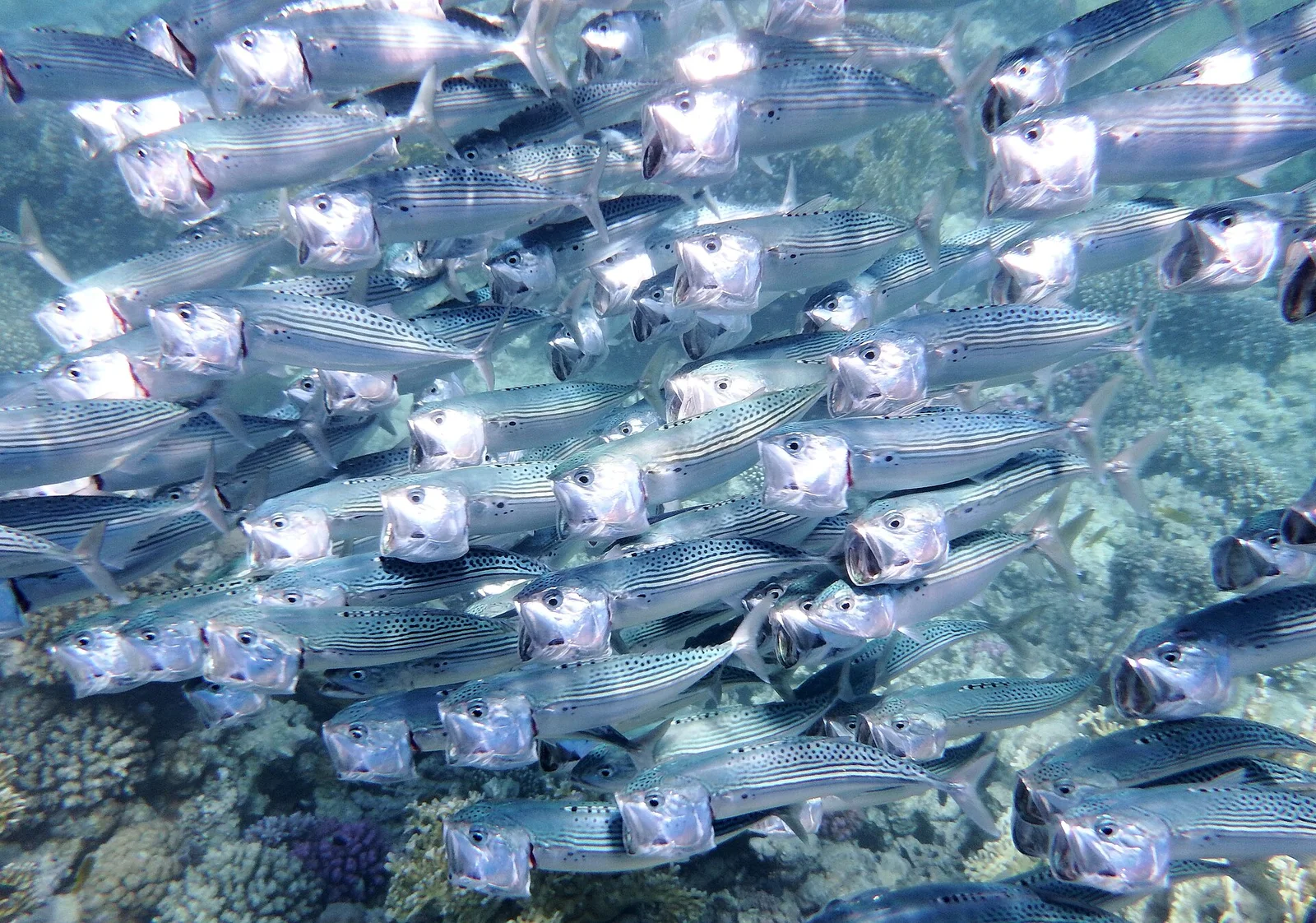
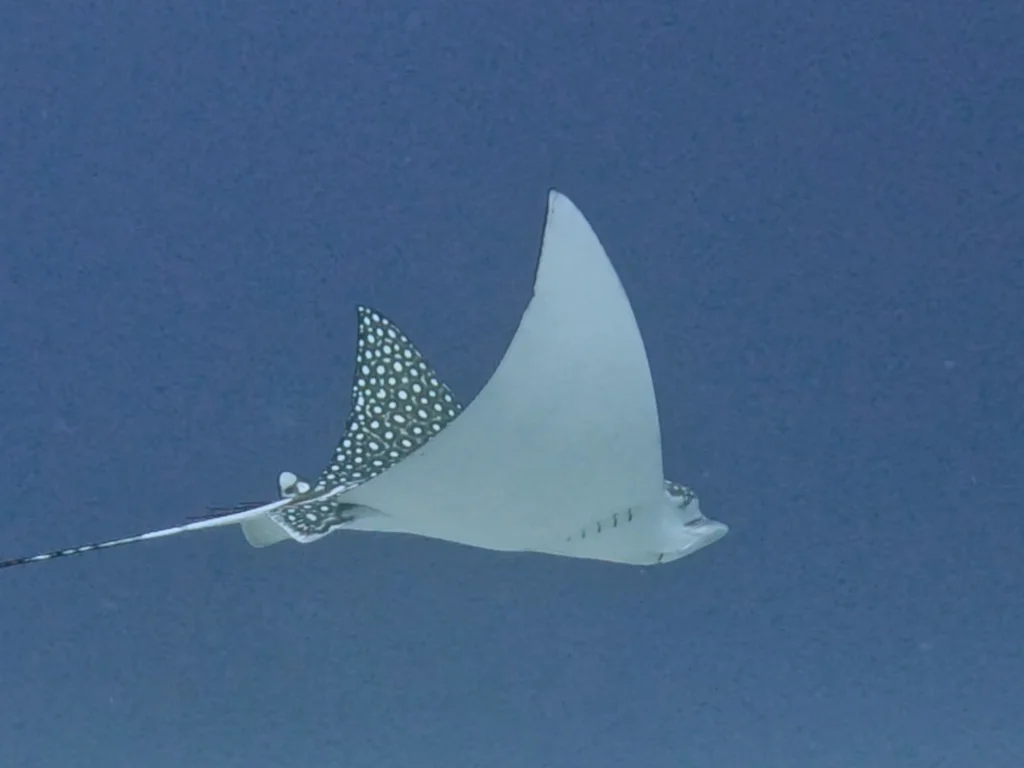
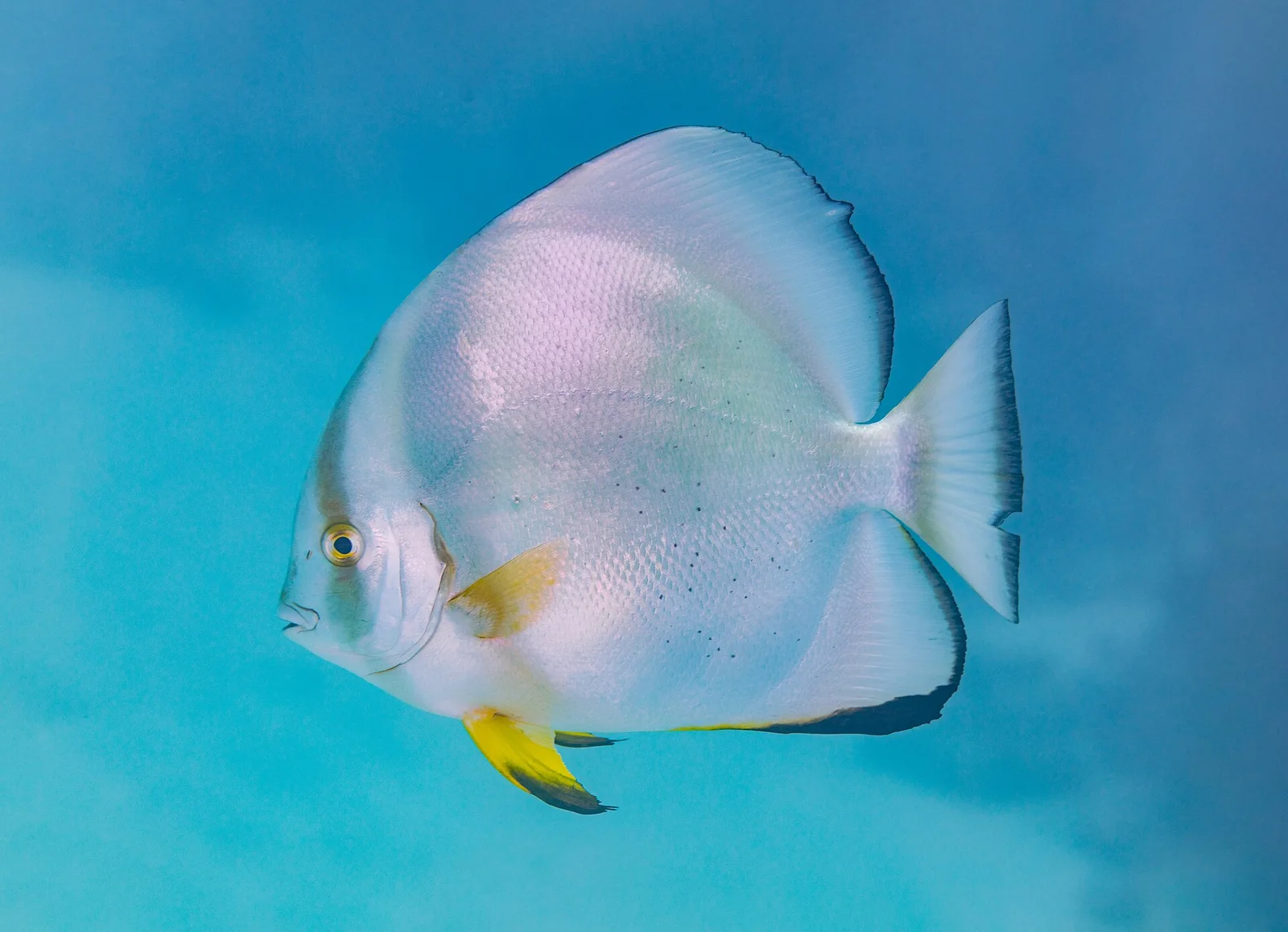
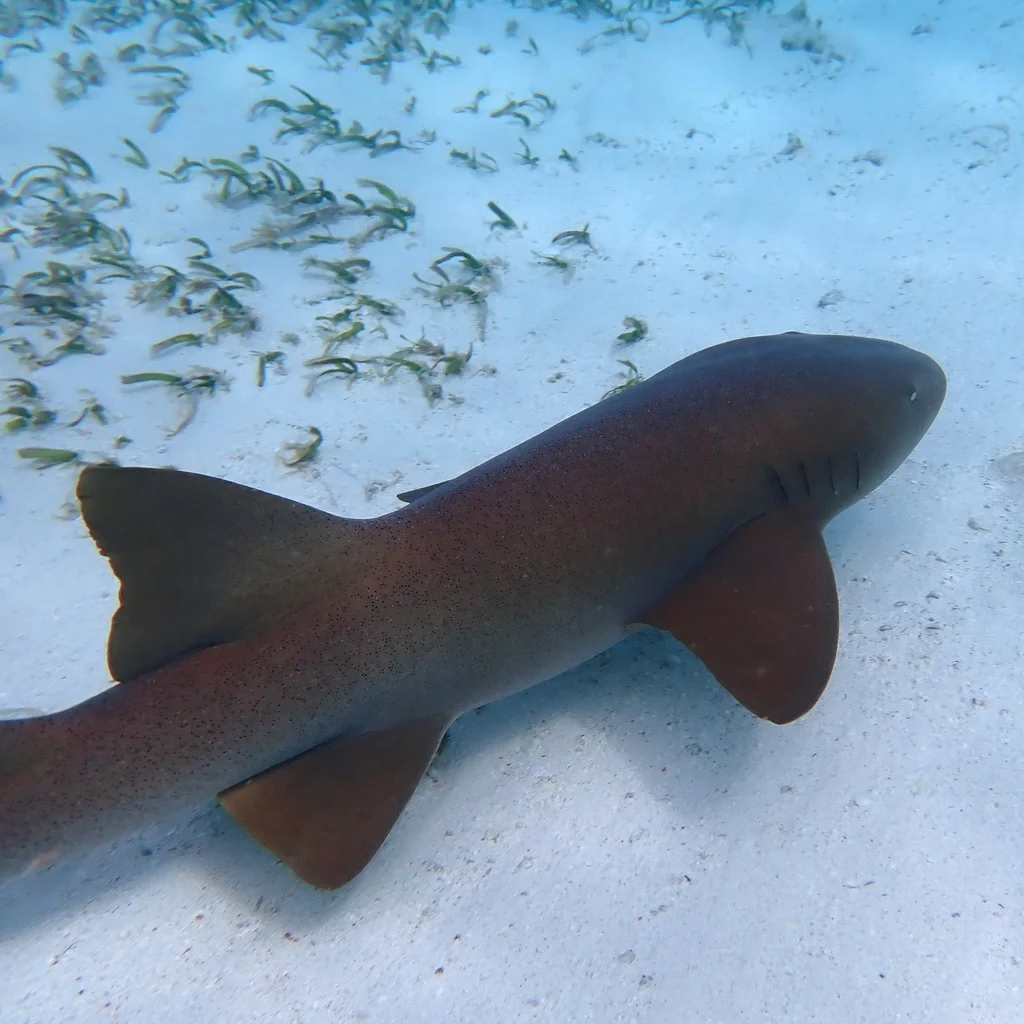
Rising more than 20 m / 66 ft off a deep sandy plain in open ocean current, Bianca C functions as a magnet for large Caribbean pelagics. Squadrons of spotted eagle rays regularly glide past the raked bow and promenade railings alongside great barracuda, dense walls of horse-eye jacks, Atlantic spadefish, and hunting king mackerel and wahoo recorded in Divers Alert Network Grenada surveys. Nurse sharks shelter under steel overhangs and along neighboring Whibbles Reef, while Caribbean reef sharks plus green and hawksbill sea turtles patrol habitats listed in the Grand Anse Marine Protected Area biological inventory.
Nutrient-rich currents sweeping the 28 to 50 m / 92 to 165 ft hull nourish bushy deep-water black coral trees, long sea whips, gorgonian fans, hydroids, and bright yellow tube and vase sponges along the forward masts and davits. Large green moray eels, spotted morays, mahogany snappers, and French grunts peer out from open deck coamings and fractured steel frames.
Dive Sites Near MV Bianca C.
View all dive sites in GrenadaDiscover more underwater gems in this area.
Dive Centers Near MV Bianca C.
No Dive Centers Local To MV Bianca C.
Are you a dive center visiting this location? Get listed to reach divers.
Nearest Airports
Nearest airports to help plan travel to this dive area.
Search Flights
Check available flights and routes on Expedia, using the nearby airports listed in this section.
Search Flights on ExpediaAffiliate link · Dive Navigator may earn a commission at no extra cost to you.
Frequently Asked Questions
How deep is the Bianca C shipwreck in Grenada?
The sandy seabed beneath the keel and stern sits at 50 m / 165 ft, reaching 52 m / 170 ft beside the forward anchor according to Grenada Tourism Authority data. The shallowest intact structures on the bow start at 28 to 30 m / 92 to 100 ft, while the tiled swimming pool lies at 36 to 38 m / 118 to 125 ft.
What certification level is required to dive the Bianca C?
You need at least Advanced Open Water paired with Deep Diver certification to 40 m / 130 ft and recent logged experience in deep currents, and local operators normally require a shallower check-out dive first. Reaching the lower hull and 50 m / 165 ft seabed requires technical decompression or closed-circuit rebreather credentials.
Can divers penetrate inside the decks of the Bianca C?
No, interior penetration into cabins, holds, and midships corridors is strictly forbidden. Decades of saltwater corrosion and heavy swells have collapsed internal decks and created severe entrapment and silt-out hazards.
Can you use Enriched Air Nitrox on the Bianca C?
Nitrox helps extend brief no-decompression times on the 28 to 30 m / 92 to 100 ft bow, provided divers respect strict Maximum Operating Depth ceilings. Because a 32 percent mix reaches 1.4 bar oxygen partial pressure at 33.7 m / 111 ft, dropping to the 36 to 38 m / 118 to 125 ft pool deck requires a leaner 26 to 28 percent blend, air, or trimix.
How long is the boat ride to Bianca C, and how is the dive run?
Boats reach the wreck in about 10 minutes from Grand Anse Beach and True Blue docks. Crews typically brief a negative entry onto the bow followed by a controlled drift off the hull onto Whibbles Reef at 18 to 30 m / 60 to 100 ft for multi-level ascent and a DSMB safety stop.
How does the Orinoco River affect visibility on Bianca C?
Between June and November, South American wet-season outflow from the Orinoco River can push greenish, plankton-rich surface water across the top 10 to 15 m / 33 to 50 ft off Grenada. Clearer, denser salt water frequently persists below 28 m / 92 ft around the ship, while December through May offers the steadiest 20 to 30 m / 65 to 100 ft blue-water clarity.
Where is the nearest hyperbaric chamber when diving in Grenada?
Grenada has no public multiplace chamber on-island, so emergency oxygen care in St. George's is paired with air ambulance evacuation to regional units in Barbados or the Roxborough chamber under the Ministry of Health of Trinidad and Tobago. Active dive accident and air evacuation insurance is essential.
Planning to dive MV Bianca C.?
Tell us your dates and diving needs. We'll review your request and seek offers from relevant local dive centers.
Request Dive OffersConditions are Good
Optimal conditions expected
Current conditions near MV Bianca C. show 29° air, 29° sea temperature, 1.2 m waves, and 30 km/h wind. Forecast data is refreshed regularly to ensure accuracy.