
Diving at Nivati Rock Light House (India)
The underwater environment surrounding Nivati Rock Lighthouse provides an engaging experience for certified divers. Exploring these coastal waters offers access to varied topography and marine encounters off the Sindhudurg coast in Maharashtra. It's a site that appeals to those looking to dive in India's less frequented areas, combining natural beauty with accessible dive profiles.
Tonight's objective overview for Nivati Rock Light House shows an air temperature of 28°C. The measured surface conditions include wave heights around 1.2 m. This environmental data is logged for the close of the day.
Dive Site Location & Key Facts
Dive Site Overview
Site exploration at Nivati Rock Lighthouse unveils a diverse underwater landscape, characterized by both prominent rocky islands and stretches of sandy seabed. Primarily, the dive profile here involves navigating between these submerged rock formations that extend seaward, then transitioning to explore the expansive, flatter sand plains.
Divers encounter a rich topography ranging from coral-encrusted rocks to softer sediment areas, creating varied microhabitats throughout the site. Reaching a maximum depth of 22 meters / 72 feet, this environment is particularly accessible for Open Water certified divers, offering ample bottom time for thorough exploration. Advanced divers may find satisfaction in covering wider areas and observing the subtle transitions between the different ecological zones.
The distinct features of the site encourage a spectrum of aquatic life; numerous species gather around the shelter of the rocky reefs, while others actively forage across the open sandy patches. Typical dives involve tracing the edges of these submerged islands, allowing observations of both the vibrant sessile life on the rocks and the more mobile inhabitants of the sand.
Entry into the water can be made via either boat or shore, contingent on specific dive plans and operator logistics. This dual access provides versatility for approaching and exploring the varied features of the site.
Conditions are Good
Optimal conditions expected
Current conditions near Nivati Rock Light House show 28° air, 29° sea temperature, 1.2 m waves, and 21 km/h wind. Forecast data is refreshed regularly to ensure accuracy.
Best Time to Dive
For optimal visibility and pleasant diving conditions, the period from November to April generally presents the highest dive scores. During these months, average air temperatures range from 26°C to 29°C (78.6°F to 84.6°F), with minimal rainfall, often less than 0.8 mm (0.03 inches) per month. Wave heights are also typically lower, averaging between 0.7 to 0.9 meters (2.3 to 3.0 feet), contributing to calmer surface conditions and better underwater clarity. Conversely, the monsoon season from June to September sees higher rainfall and significantly increased wave activity, reducing visibility and leading to 'Poor' or 'Unsafe' dive scores, making diving less advisable.
PEAK SEASON SCORE
Scores combine air & water temps, waves, wind & rainfall for overall conditions.
BEST MONTHS TO DIVE
Monthly records compiled from satellite and marine observation nodes over the last 3 years. Data provided by Open-Meteo and MET Norway.
Dive Experience & Conditions
A typical dive at Nivati Rock Lighthouse begins with either a boat or shore entry, leading divers into coastal waters that can offer good visibility under favorable conditions. Upon descending, divers often encounter submerged rocky formations that transition into sandy seabeds. Depths are generally accessible for recreational divers, staying within the 22-meter / 72-foot limit. Water temperatures are not consistently reported but are expected to be warm, aligning with tropical coastal climates. Currents vary depending on tidal influences and can sometimes be present, requiring divers to be mindful of their position. The underwater exploration often involves navigating around the rock structures and observing life congregating on the reef patches or cruising over the sand.
Dive Difficulty & Safety Guidelines
Adhering to PADI Standard Safe Diving Practices is essential when diving Nivati Rock Lighthouse. Given the boat and shore entry options, divers should confirm entry and exit procedures with their dive professional. It's prudent to consult with a local dive professional familiar with current conditions before entering the water, as site conditions can fluctuate.
Divers should carry a Surface Marker Buoy for safety, especially if making drift dives or in areas with boat traffic. While no specific hazards are reported, awareness of currents and general dive safety protocols are always applicable.
Recommended Equipment
- Dive Computer
- DSMB
This gear list is based on verified equipment signals for Nivati Rock Light House, India. Always confirm final gear choices with your dive operator, guide, or liveaboard.
Recommended Dive Suit
In these water temperatures, 2-3mm shorty or light wetsuit is a common choice for recreational diving. A hood or vest is suggested for sensitive divers due to surface winds. Longer dive profiles can make thermal protection more important than short exploratory dives.
Conditions at Nivati Rock Light House currently place the water temperature near 29°C (84°F). Surface air temperatures are resting at 28°C (83°F).
Forecast models indicate that diving conditions should remain largely unchanged.
Emergency & Medical Support
Essential information to help you plan your dive trip to NIVATI ROCK LIGHT HOUSE.

Hyperbaric chambers are a critical part of dive safety infrastructure. Availability varies significantly by region, and not all dive areas have immediate access.
Before diving, it's recommended to:
- confirm nearest medical facilities
- check emergency procedures with local dive operators
- ensure dive insurance covers evacuation if required
Divers Alert Network
Diving emergency assistance available through DAN World.
+1-919-684-9111- 24/7 emergency hotline
- Diving medical assistance
- Evacuation coordination
Emergency contacts are provided for reference. Always verify local emergency services before diving.
Marine Life at Nivati Rock Light House
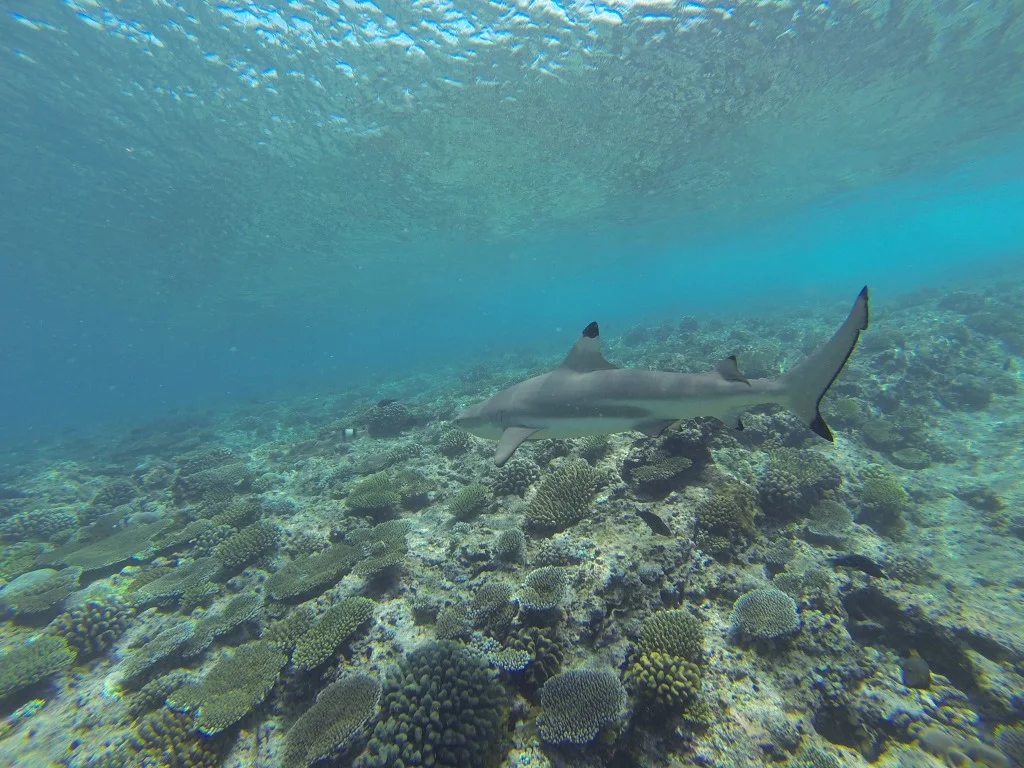
Exploring the reefs and sandy areas around Nivati Rock Lighthouse often reveals an array of reef fish inhabiting the rocky formations. Divers may also encounter larger pelagic species, with sightings of sharks, whales, dolphins, and turtles reported.
The presence of rocky islands and varied bottom topography supports a diverse aquatic ecosystem, making for interesting observations across different dive profiles. Keep an eye on both the nooks and crannies of the reef and the open water for a chance to spot these diverse inhabitants.
Dive Centers Near Nivati Rock Light House
Today: 09:30 - 17:30
Nearest Airports
Nearest airports to help plan travel to this dive area.
Search Flights
Check available flights and routes on Expedia, using the nearby airports listed in this section.
Search Flights on ExpediaFrequently Asked Questions
What is the maximum depth at Nivati Rock Lighthouse?
The maximum reported depth for diving at Nivati Rock Lighthouse is 22 meters / 72 feet. This makes it suitable for Open Water certified divers and those with advanced certifications.
What types of diving are available at this site?
Nivati Rock Lighthouse primarily offers reef and sandy bottom diving. These dive types allow for exploration of varied underwater topography and marine habitats.
How can divers access the Nivati Rock Lighthouse dive site?
Divers can access the Nivati Rock Lighthouse dive site via either boat or shore entry. The specific entry method may depend on the dive operator and the particular dive plan for the day.
What marine life might I see while diving here?
Divers exploring the area around Nivati Rock Lighthouse may encounter a variety of reef fish, along with larger marine animals such as sharks, whales, dolphins, and turtles. The diverse habitats support a range of species.
Are there any specific training recommendations for diving at Nivati Rock Lighthouse?
PADI Open Water Diver certification is useful for this site. Divers looking to enhance their skills might consider courses related to drift diving or navigation, depending on conditions and specific dive plans.
What are the typical water temperatures at the site?
Specific water temperatures are not consistently reported for Nivati Rock Lighthouse. However, as coastal waters in a tropical region, they are generally expected to be warm, especially during the peak diving season.
When is the best time to visit for good visibility?
The best time for optimal visibility and calmer conditions is typically from November through April. This period experiences minimal rainfall and lower wave heights, contributing to better underwater clarity.
Planning to dive Nivati Rock Light House?
Send one inquiry and receive offers directly from the best verified local dive operators.
Conditions are Good
Optimal conditions expected
Current conditions near Nivati Rock Light House show 28° air, 29° sea temperature, 1.2 m waves, and 21 km/h wind. Forecast data is refreshed regularly to ensure accuracy.