
Diving in India
Diving across India is defined by variation, with sites offering different conditions depending on their setting. There are currently 29 dive sites mapped on our platform within India.
India provides a distinctive range of underwater experiences, defined by its extensive coastline and diverse island territories. In the Bay of Bengal, the Andaman Islands stand as a primary draw, offering untouched coral reefs and dramatic volcanic formations, particularly around Barren Island. Westward, the Lakshadweep Islands in the Arabian Sea present a contrasting appeal with their pristine atolls, impressive drop-offs, and clear lagoons.
Coastal diving is available in regions such as Goa and Pondicherry, each adding unique characteristics to the country's dive landscape. Goa is recognized for historical shipwrecks and coral gardens, while Pondicherry, on the eastern coast, features unexplored reefs and diverse macro life. This wide geographical spread caters to various dive environments, from shallow training areas to advanced sites with stronger currents.
Divers exploring these waters will encounter a rich array of marine species. Large pelagics like manta rays and whale sharks are present, alongside numerous reef fish and distinctive creatures such as dugongs. The overall dive experience here combines remote island adventures with more accessible coastal exploration, appealing to different skill levels.
Dive Map of India
Understanding India's diving landscape begins with its geographical spread, which offers distinct regions for planning an underwater itinerary. A dive map of the country highlights captivating sites across its extensive coastal and island territories. From the remote Andaman Islands to the western Lakshadweep archipelago and the mainland coasts of Goa and Pondicherry, each location promises unique discoveries.
Specific sites such as Dixon's Pinnacle in the Andamans, Suzy's Wreck near Goa's Grande Island, and the coral gardens of Agatti Island in Lakshadweep illustrate this diversity. Exploring these various locations allows divers to experience India's varied marine ecosystems, ranging from historical wrecks to intricate reef structures and dramatic volcanic formations.
Dive Sites to Explore
View all 29 sites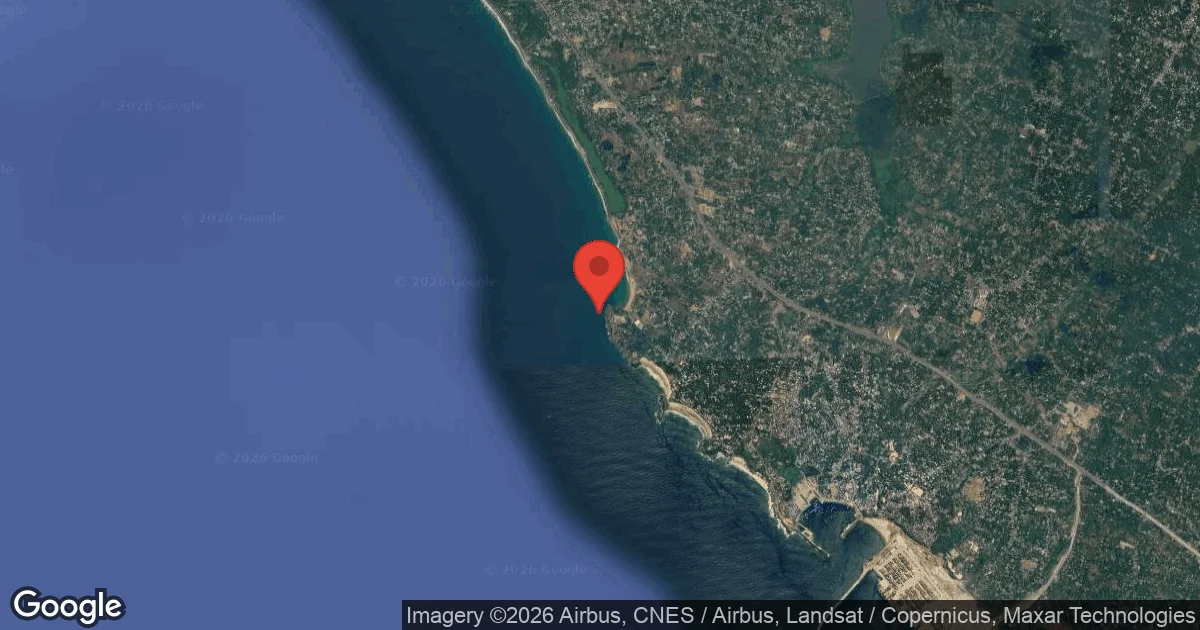
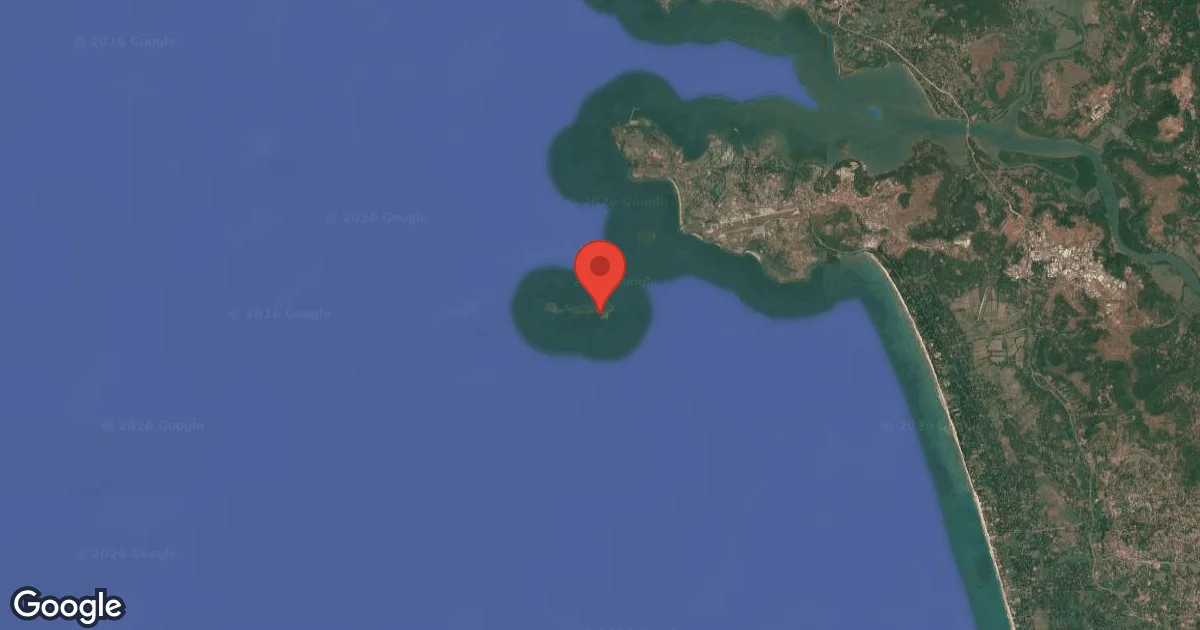
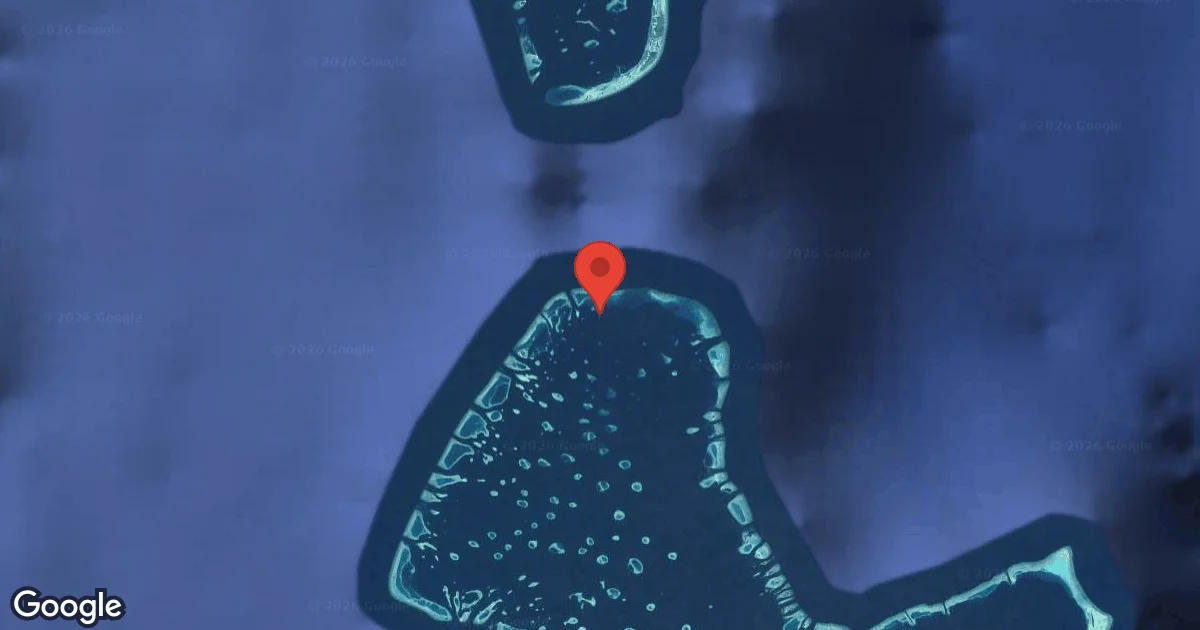
India's underwater landscape offers a diverse array of dive sites, catering to various interests, from exploring historic wrecks to navigating extensive coral gardens and experiencing drift dives. The visibility across these sites can range significantly, from limited conditions of 4-8 meters (13-26 ft) in some coastal areas to exceptional visibility exceeding 30 meters (100 ft) in the remote islands.
One compelling site is Suzy's Wreck near Grande Island in Goa, a World War II shipwreck that has transformed into an artificial reef. This location is a favorite for macro photography, with calm currents and warm waters averaging 29°C (85°F).
In the Andaman Islands, Dixon's Pinnacle stands out as an advanced site featuring gigantic underwater mounds covered in soft corals. Here, strong currents and deeper waters provide for exciting dives, with visibility often extending up to 40 meters (130 ft). Another notable site, Oasis in Tuticorin, Tamil Nadu, is a coral reef surrounded by seagrass fields, ideal for beginners due to its soft sand and absence of strong currents. For those seeking unique geological formations, Barren Island, home to an active volcano in the Andamans, creates dramatic underwater landscapes perfect for diving.
Best Time to Dive in India
Optimal dive planning for India hinges on understanding its seasonal patterns, which directly impact underwater conditions and tourist activity. The main diving season generally runs from October to May, providing the calmest seas and best visibility, particularly in the Andaman and Lakshadweep Islands. March, April, and May frequently present the calmest surface conditions in the Andamans, with the sea often appearing flat.
During these peak months, divers can anticipate favorable conditions without significant concerns about strong currents or low visibility. This period, however, also sees increased visitor numbers. A shoulder season, specifically October to November, can offer fewer crowds, though conditions may be less consistent. For example, December in the Andamans typically brings pleasant weather but might include moderate winds.
The monsoon season, from June to October, brings more challenging conditions with rougher seas and significantly reduced visibility, making diving less advisable in most regions. Yet, for divers in some areas, like the Andamans, the monsoon can reveal an increase in reef biomass due to fish spawning in warmer, nutrient-rich waters, despite visibility averaging around 10 meters (33 ft).
Monthly Sea Temperatures
Diver comfort and thermal protection needs in India are largely simplified by consistently warm sea temperatures across its dive regions. While some seasonal and locational variations occur, conditions are generally inviting. Water temperatures in the Andaman Islands typically range from 25°C to 32°C (77-90°F) year-round, even during cooler periods in the Andaman Sea, where they remain a comfortable 28-29°C (82-84°F).
Along the mainland, Kochi in Kerala records water temperatures between 26°C and 30°C (79-86°F) during its prime diving months. Goa's waters usually hold a steady 28°C (82°F). Similar inviting conditions are found in the Lakshadweep Islands, with temperatures from 27°C to 30°C (81-86°F). These consistently warm conditions generally allow divers to choose lighter wetsuits or skin suits.
| Jan | Feb | Mar | Apr | May | Jun | Jul | Aug | Sep | Oct | Nov | Dec | |
|---|---|---|---|---|---|---|---|---|---|---|---|---|
| Max | 26° | 26° | 28° | 29° | 31° | 31° | 30° | 29° | 30° | 31° | 29° | 28° |
| Avg | 25° | 24° | 26° | 28° | 29° | 30° | 29° | 28° | 29° | 29° | 28° | 27° |
| Min | 23° | 23° | 24° | 27° | 28° | 29° | 28° | 27° | 27° | 27° | 27° | 25° |
Dive Conditions
Underwater conditions in India vary by region and season, primarily influenced by visibility and currents. In the Andaman Islands, exceptional visibility is a hallmark, often extending up to 40 meters (130 ft) during the dry season. This allows for expansive views of coral reefs and marine life. However, during the monsoon season from June to October, visibility can be significantly reduced due to rougher seas and heavy rainfall, sometimes averaging around 10 meters (33 ft).
Currents in the Andamans range from mild in sheltered coral gardens, suitable for beginners, to strong at advanced sites like Dickson’s Pinnacle. In coastal areas such as Goa, visibility is typically more limited, ranging from 4 to 8 meters (13-26 ft). Kochi, Kerala, also experiences reduced visibility during its monsoon season (June to September). The Lakshadweep Islands are known for excellent visibility, often extending up to 150 meters (492 ft) in ideal conditions, paired with warm waters.
Marine Life Highlights
Most Mentioned Species
Marine life in India varies across dive locations, with different species appearing depending on environment and conditions. The species highlighted here are the most frequently associated with dive sites in our data, offering a realistic overview of what divers are most likely to encounter.
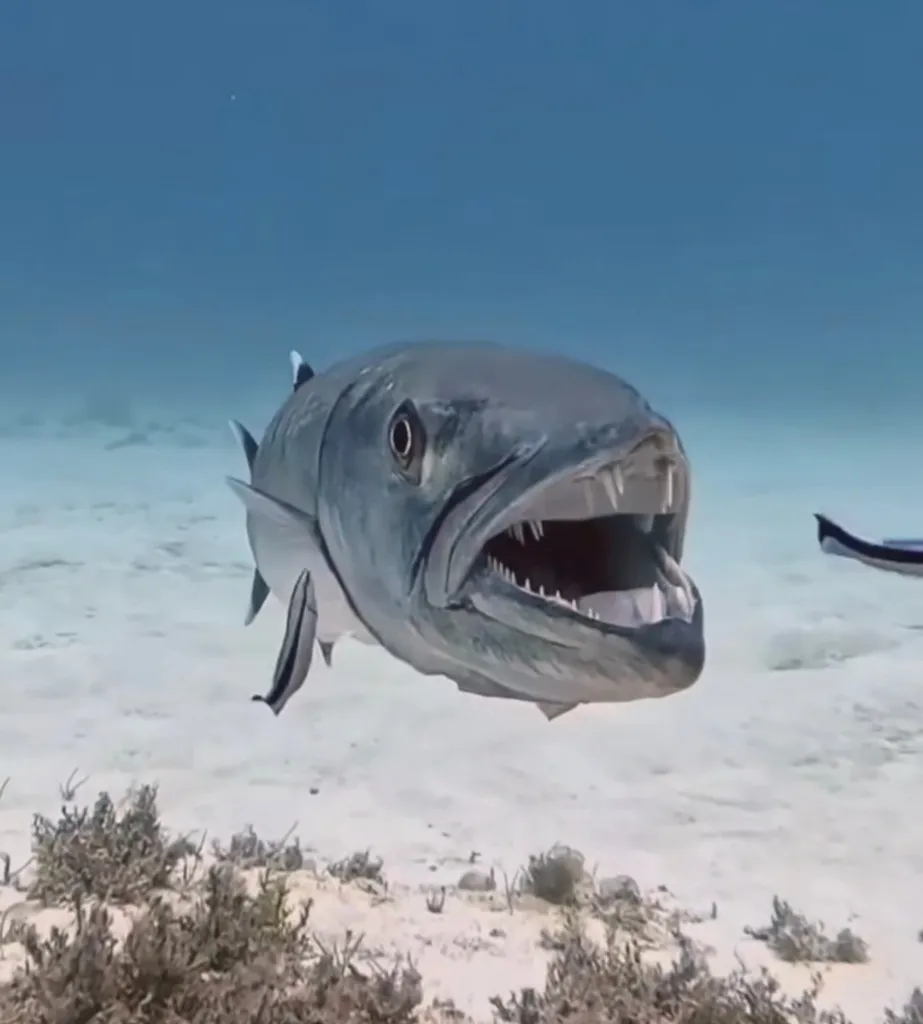
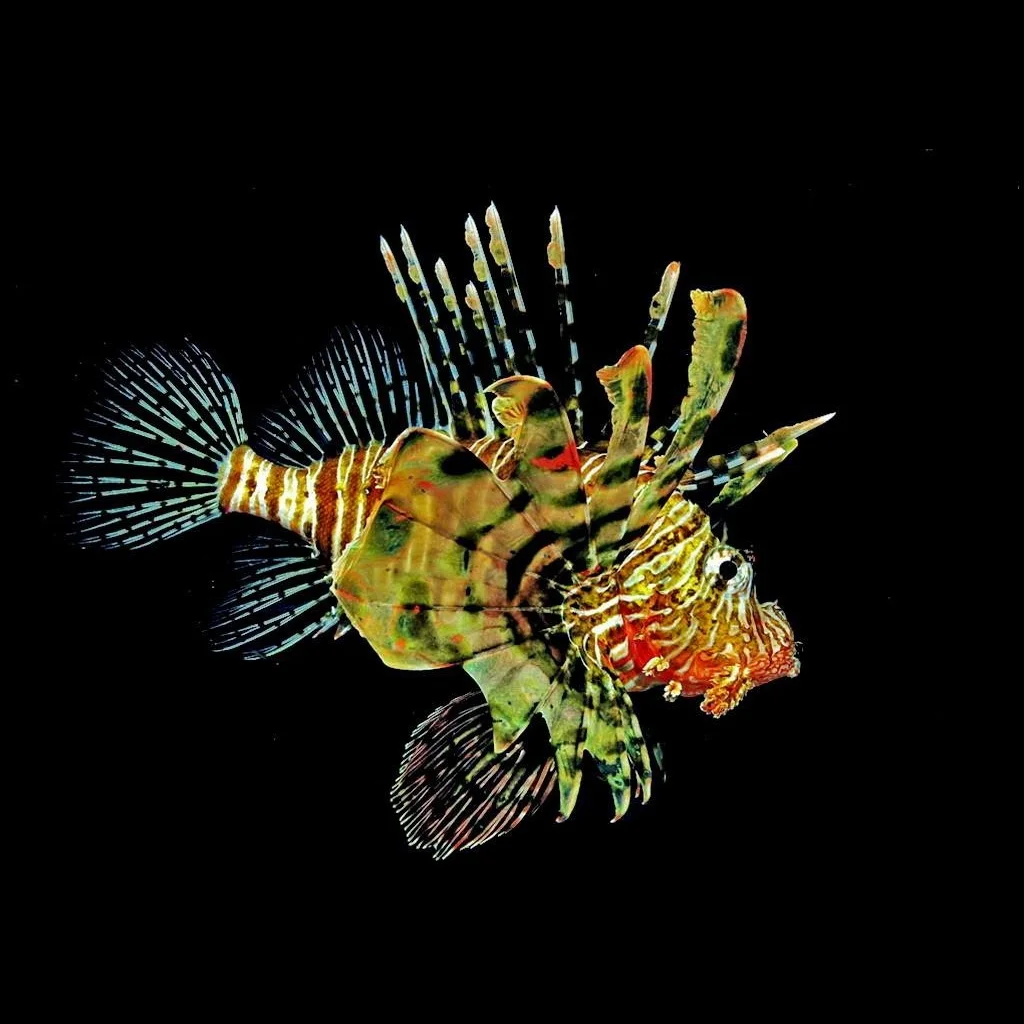
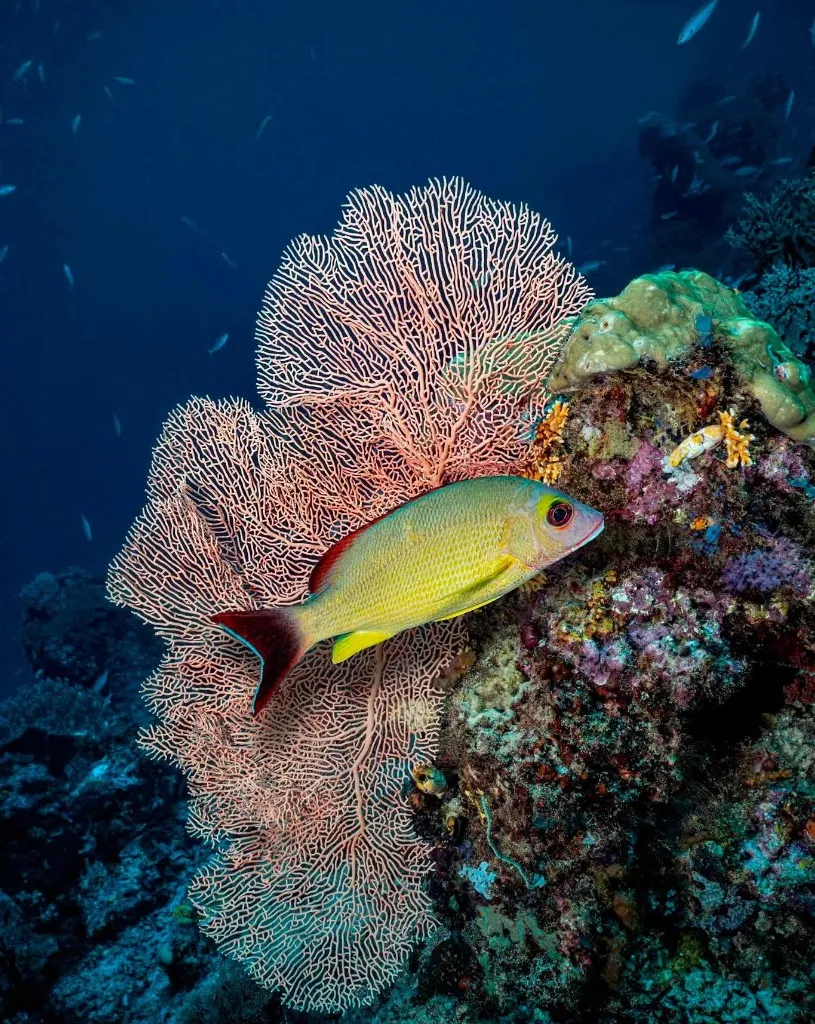
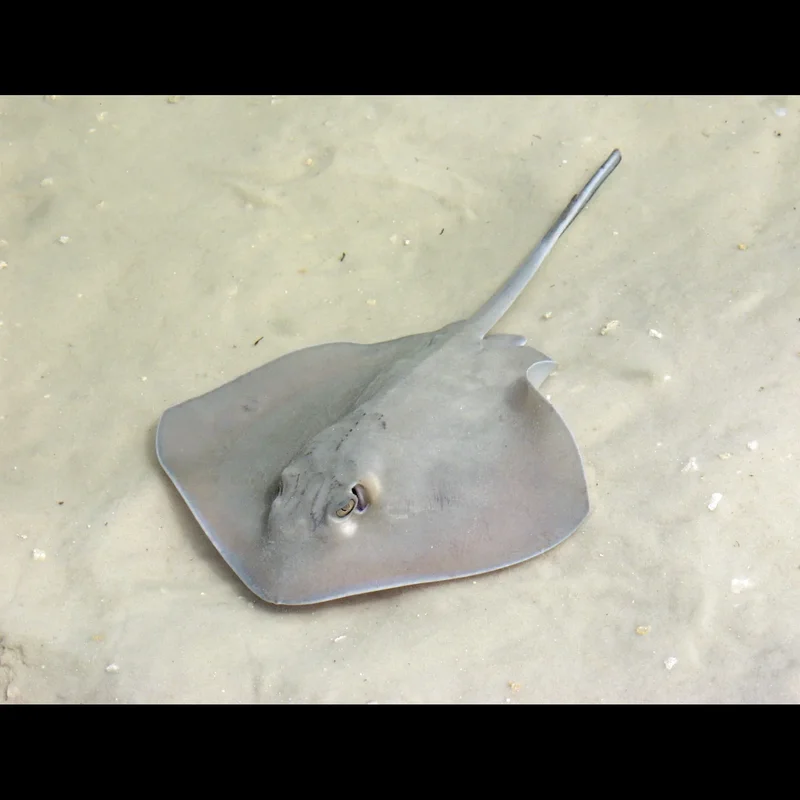
Divers exploring India's underwater environments can anticipate encounters with a rich array of marine species, from intricate macro life to larger pelagic visitors. Reefs in areas like the Andaman Islands are home to abundant schools of colorful fish, including snappers, fusiliers, bannerfish, and angelfish. Butterflyfish, parrotfish, and clownfish are common sights within the coral gardens.
For those with a keen eye for smaller organisms, sites in the Andamans and Pondicherry offer opportunities to spot nudibranchs, seahorses, and various crustaceans. Moray eels, scorpionfish, and lionfish are often found within coral crevices and artificial reefs. Larger marine animals include green and hawksbill turtles, stingrays, and devil rays. Graceful manta rays and eagle rays are seen gliding through deeper waters, particularly around Barren Island. Lucky divers might also encounter whale sharks and the protected dugong, especially in the seagrass meadows of Neil Island.
Regions for Diving
India's diverse diving landscape is best understood through its distinct regional characteristics, each offering specific underwater environments. The Andaman Islands, a remote archipelago in the Bay of Bengal, stand out as a premier destination. Havelock (Swaraj Dweep) and Neil Island (Shaheed Dweep) serve as key dive hubs, providing access to sites like Dixon's Pinnacle and Johnny's Gorge for advanced divers facing strong currents, alongside extensive coral gardens suitable for all skill levels. Barren Island, home to an active volcano, creates dramatic underwater lava formations. Water temperatures in the Andamans consistently range from 25°C to 32°C (77-90°F), with visibility often reaching 40 meters (130 ft) during the dry season, October to May.
Located in the Arabian Sea, the Lakshadweep Islands feature pristine atolls and impressive drop-offs. Popular destinations include Agatti, Bangaram, Kadmat, and Minicoy, all recognized for their clear waters and expansive coral gardens. Agatti Island's coral gardens and Bangaram's drop-offs are particularly notable, while Minicoy attracts divers with its three shipwrecks. Visibility in Lakshadweep can be exceptional, occasionally up to 150 meters (492 ft), and water temperatures remain warm, from 27°C to 30°C (81-86°F).
Mainland Goa offers a distinct diving experience in the Arabian Sea, known for its historic shipwrecks and coral gardens. Grande Island acts as a central hub, with sites like Suzy's Wreck and Bounty Bay providing shallow dives, typically 6-10 meters (20-33 ft), ideal for beginners. Visibility in Goa is generally more modest, about 4 to 8 meters (13-26 ft), and water temperature is consistently around 28°C (82°F). On the eastern coast, Pondicherry features unexplored reefs and wrecks, including dive sites such as Temple Reef and The Aravind Wall.
Travel & Passport Guide
Travel Basics
Trip Planning
Safety & Diving Considerations
Safety in diving is paramount, and understanding local conditions, particularly currents, is crucial when exploring India's underwater sites. While many areas offer calm conditions suitable for beginners, some advanced sites, especially in the Andaman Islands like Dickson’s Pinnacle and Johnny’s Gorge, are known for strong currents. Divers should assess their experience level and comfort with drift diving before attempting such locations. Always dive within your certification limits.
It is important to heed the advice of local dive operators, who possess intimate knowledge of site-specific conditions and potential hazards. During the monsoon season, from June to October, rougher seas and reduced visibility can present additional safety considerations, making some dives less ideal. Ensure your equipment is well-maintained and that you have appropriate insurance coverage. Maintaining proper buoyancy skills is essential, especially around delicate coral formations.
Dive Centers in India
View all 26 dive centers


Frequently Asked Questions
What is the best time of year to dive in India?
The optimal period for diving in India generally runs from October to May. During these months, especially March to May, the seas are often calmest, and underwater visibility is at its best. In the Andaman Islands, visibility can extend up to 40 meters (130 ft). For regions like Kochi, Kerala, September to February is considered the prime season, offering calm seas and good visibility with water temperatures between 26°C and 30°C (79-86°F).
What kind of visibility can I expect while diving in India?
Visibility varies significantly by region and season. The Andaman Islands and Lakshadweep are known for excellent visibility, often up to 40 meters (130 ft) and even exceeding 30 meters (100 ft) in peak conditions. Lakshadweep can sometimes reach up to 150 meters (492 ft). In coastal areas like Goa, visibility is typically more limited, ranging from 4 to 8 meters (13-26 ft). During the monsoon season (June to October), visibility across many regions can be significantly reduced.
What marine life can I expect to see in India's waters?
Divers in India can encounter a wide array of marine life. In the Andaman Islands, common sightings include schools of snappers, fusiliers, bannerfish, and various reef sharks. Larger species like manta rays, eagle rays, and green and hawksbill turtles are also frequently seen. Lucky divers may even spot whale sharks or dugongs. Coastal sites and artificial reefs are home to lionfish, eels, nudibranchs, and diverse tropical fish.
What are the typical water temperatures for diving in India?
India's diving destinations boast consistently warm water temperatures throughout the year. In the Andaman Islands, temperatures range from 25°C to 32°C (77-90°F). Lakshadweep experiences similar warmth, with temperatures between 27°C and 30°C (81-86°F). Along the mainland, Goa's waters are typically around 28°C (82°F), and Kochi in Kerala sees temperatures from 26°C to 30°C (79-86°F). These conditions generally make for comfortable diving without heavy thermal protection.
Are there opportunities for wreck diving in India?
Yes, India offers several wreck diving opportunities. Goa is particularly known for its historic shipwrecks, such as Suzy's Wreck (SS Rita), a World War II vessel that now serves as an artificial reef. Minicoy Island in Lakshadweep also attracts divers with its three shipwrecks. Additionally, the Andaman Islands feature wrecks like Inket Wreck, a sunken World War II Japanese ship. These sites provide habitats for diverse marine ecosystems.