
Diving at Batu Mandi (Indonesia)
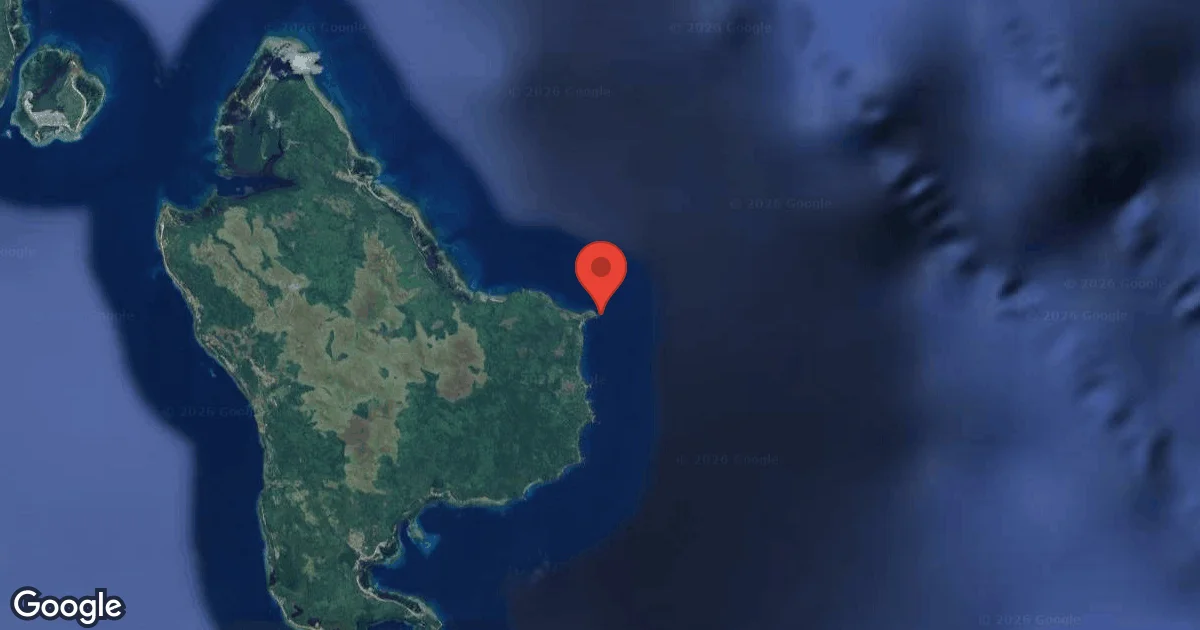
Batu Mandi's underwater landscape unfolds from a shallow reef, transitioning into a substantial wall. An intermediate dive site in Indonesia's Bangka region, it features a dynamic structure, starting with vibrant coral gardens and sea fans. A gradual descent reveals rocky outcrops and a significant drop-off. Divers encounter an engaging profile, changing dramatically with depth.
Tonight's objective overview for Batu Mandi shows an air temperature of 28°C. The measured surface conditions include wave heights around 0.5 m. This environmental data is logged for the close of the day.
Dive Site Location & Key Facts
Dive Site Overview
For certified divers seeking a blend of reef exploration and wall diving, Batu Mandi has become an established feature in the Bangka region. As an intermediate site, it functions primarily as a drift and reef dive, distinguished by its unique geological formation.
Divers begin in shallow water around 3 m, navigating through diverse coral coverage before a gradual descent to a wall that drops down to approximately 30 m (100 ft). Visibility here typically ranges from 15 m to 30 m (50-100 ft), often paired with mild currents and no reported surge. Water temperatures generally stay between 26-30°C (79-86°F), varying slightly between summer and winter seasons.
Access to Batu Mandi is exclusively by boat; divers must obtain necessary permits prior to their visit. A mix of coral, rock, and sand features on the bottom, supporting a variety of marine organisms.
Conditions are Good
Optimal conditions expected
Current conditions near Batu Mandi show 28° air, 29° sea temperature, 0.5 m waves, and 36 km/h wind. Forecast data is refreshed regularly to ensure accuracy.
Best Time to Dive
Optimal diving conditions at Batu Mandi typically span from April through November, aligning with periods of favorable weather. During these months, average air temperature hovers between 27-28°C (81-82°F), coupled with significantly lower wave heights, reduced wind speeds, and less rainfall compared to other times of the year. Water temperatures are consistently warm, ranging from 27-30°C (81-86°F) in summer and 26-29°C (79-84°F) in winter. Driest periods, with less than 6 mm of rain, occur in September and October, enhancing overall comfort for surface intervals. These conditions collectively contribute to the site receiving an 'Excellent' dive score, ensuring a more predictable and enjoyable experience.
PEAK SEASON SCORE
Scores combine air & water temps, waves, wind & rainfall for overall conditions.
BEST MONTHS TO DIVE
Monthly records compiled from satellite and marine observation nodes over the last 3 years. Data provided by Open-Meteo and MET Norway.
Dive Experience & Conditions
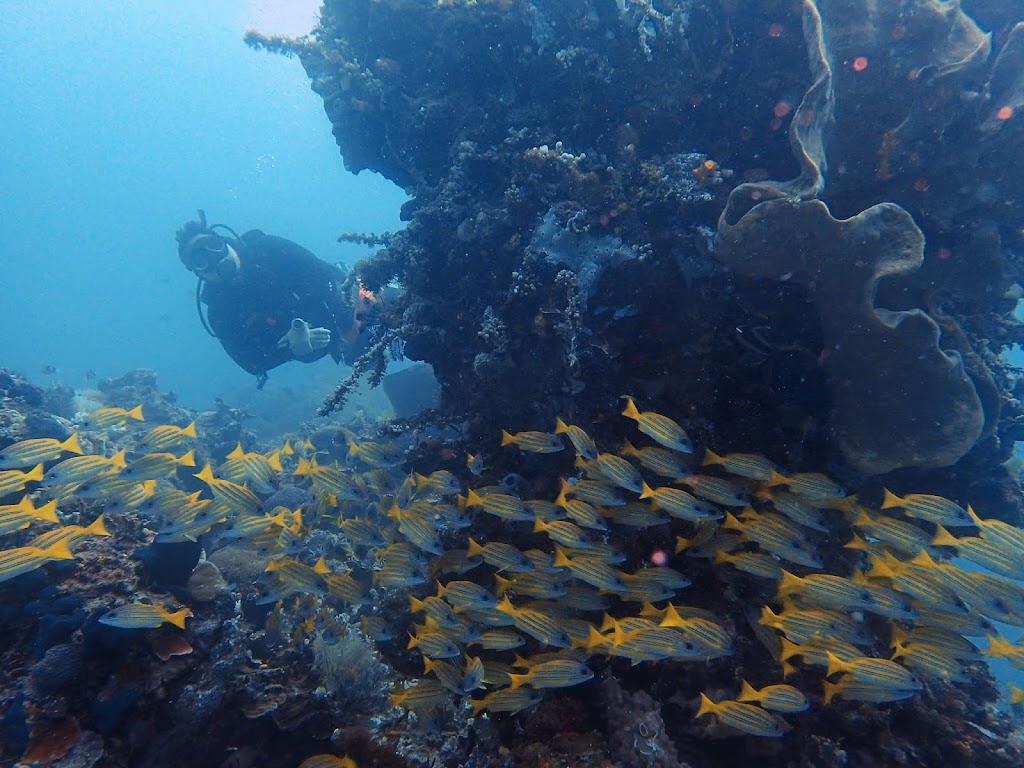
Conditions underwater at Batu Mandi reveal shallow, vibrant coral gardens, starting around 3 m with extensive coral coverage and numerous sea fans. As divers proceed, a gradual descent leads to the site's prominent feature: a wall that drops to its maximum depth. Visibility at the site generally falls between 15-30 m (50-100 ft), depending on local conditions, making for clear observations of the reef structure. Currents tend to be mild, which allows for relaxed drift diving along the wall's contours. There is typically no significant surge reported here. Varied coral formations, interspersed with rocky sections and sandy slopes, comprise the bottom topography, providing diverse microhabitats.
Dive Difficulty & Safety Guidelines
Understanding the site's profile is crucial for divers planning a visit to Batu Mandi. An intermediate dive site, it requires careful depth and gas management, especially when exploring the wall, which descends to about 30 m.
Dive planning should account for this maximum depth to ensure adequate bottom time and gas supply. All divers must obtain necessary permits before engaging in any underwater activities.
Entry to the site is exclusively via boat, necessitating proper briefing and adherence to boat diving protocols. Being aware of your skill level and planning within your certification limits will contribute to a safe dive.
Recommended Equipment
Current and surface separation risk. Local briefing strongly recommended.
- Dive Computer
- DSMB
- Reel / Spool
This gear list is based on verified equipment signals for Batu Mandi, Indonesia. Always confirm final gear choices with your dive operator, guide, or liveaboard.
Recommended Dive Suit
According to recent observations, water temperatures near Batu Mandi are approximately 29°C (84°F). Surface air temperatures are resting at 28°C (82°F).
Weather projections show fairly stable environmental conditions ahead.
Most divers would typically feel comfortable using dive skin or rash guard in these conditions. Consider warmer surface protection (like a boat coat) due to brisk winds. Dive depth and duration can significantly affect perceived warmth. Stronger winds may also make surface intervals feel cooler than usual.
Emergency & Medical Support
Essential information to help you plan your dive trip to Batu Mandi.

Hyperbaric chambers are a critical part of dive safety infrastructure. Availability varies significantly by region, and not all dive areas have immediate access.
Before diving, it's recommended to:
- confirm nearest medical facilities
- check emergency procedures with local dive operators
- ensure dive insurance covers evacuation if required
Divers Alert Network
Diving emergency assistance available through DAN World.
+1-919-684-9111- 24/7 emergency hotline
- Diving medical assistance
- Evacuation coordination
Emergency contacts are provided for reference. Always verify local emergency services before diving.
Marine Life at Batu Mandi
Marine inhabitants of Batu Mandi contribute to a rich underwater tableau, showcasing a healthy ecosystem. Divers can expect to observe a variety of colorful corals clinging to the reef and wall structures, creating a vivid backdrop.
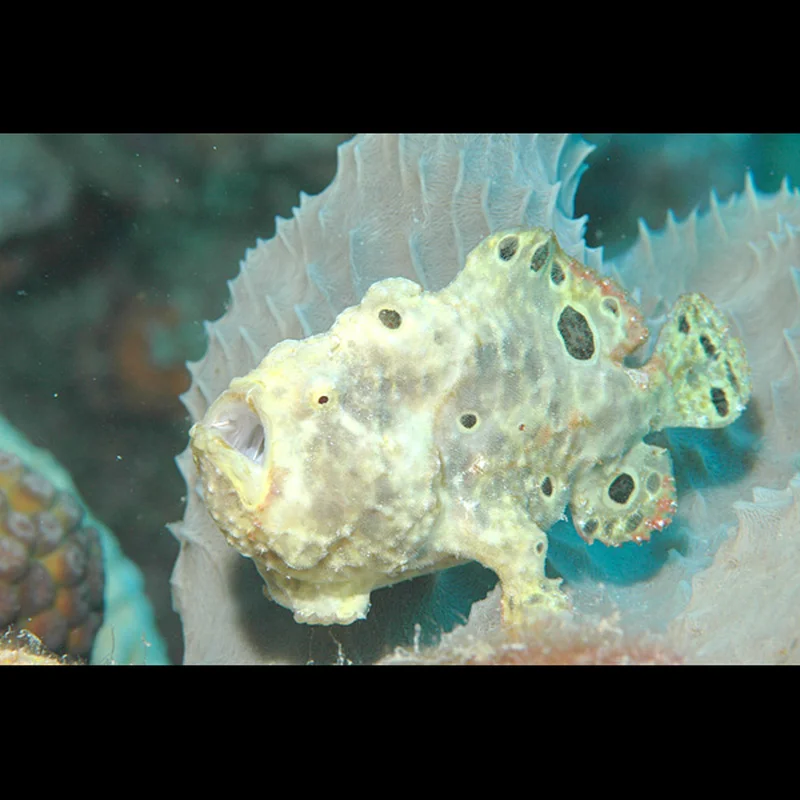
Schools of tropical fish are a common sight, navigating currents and coral formations. Smaller marine life, including diverse macro creatures, are prevalent, with specific reports of giant frogfish providing a focal point for macro enthusiasts.
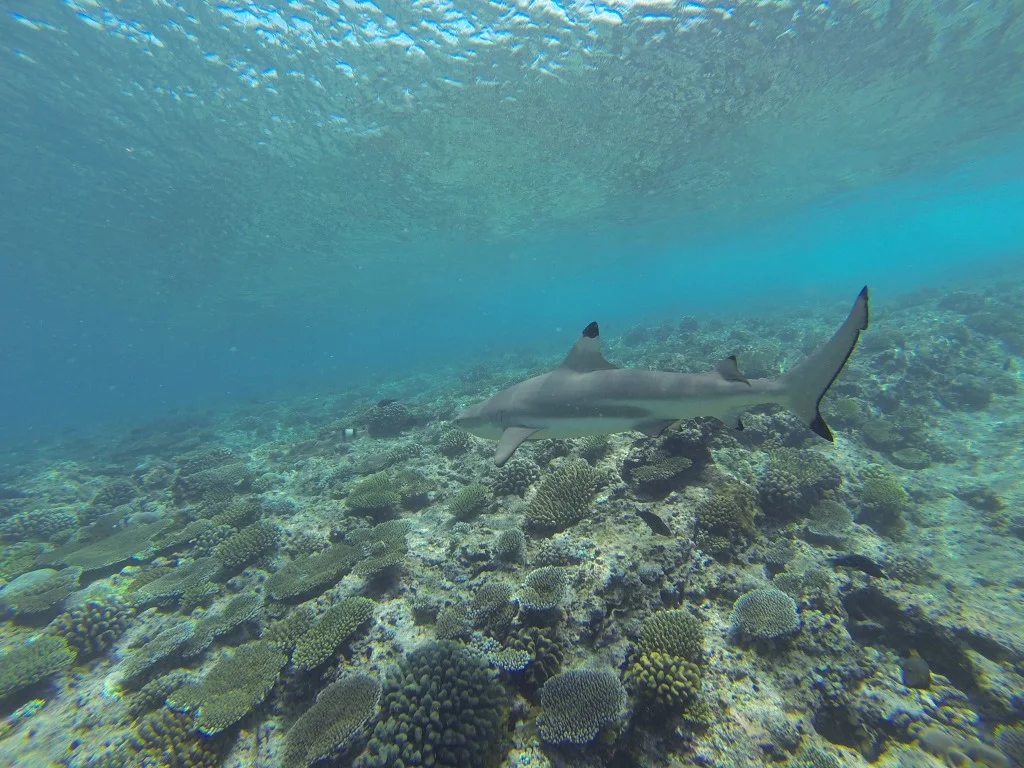
While not guaranteed, there is potential for encounters with larger pelagic species, such as sharks, whales, dolphins, and turtles, adding an element of surprise to any dive.
Dive Sites Near Batu Mandi
View all dive sites in IndonesiaDiscover more underwater gems in this area.
Dive Centers Near Batu Mandi
Today: 07:00 - 22:00
Nearest Airports
Nearest airports to help plan travel to this dive area.
Search Flights
Check available flights and routes on Expedia, using the nearby airports listed in this section.
Search Flights on ExpediaFrequently Asked Questions
What is the typical depth range at Batu Mandi?
The dive at Batu Mandi typically begins in shallow water around 3 m (10 ft) with coral coverage. A gradual descent leads to a wall that drops down to about 30 m (100 ft).
What kind of currents can I expect?
Batu Mandi generally experiences mild currents. This often makes it suitable for drift diving along the wall, but conditions can vary.
Are diving permits required for Batu Mandi?
Yes, permits are required for diving at Batu Mandi. Divers must obtain these necessary permits prior to their dive to ensure compliance with local regulations.
What is the best time of year to dive at Batu Mandi?
The best time to dive at Batu Mandi is generally from April to November. These months offer more favorable weather conditions, including lower rainfall, calmer seas, and comfortable air temperatures.
What marine life might I encounter?
You can expect to see colorful corals, schools of tropical fish, and various small marine life, including giant frogfish. There's also a possibility of encountering larger pelagic species like sharks, whales, dolphins, and turtles.
Is Batu Mandi suitable for beginners?
Batu Mandi is classified as an intermediate dive site. While it starts shallow, the wall descent to 30 m (100 ft) requires experience with depth and gas management, making it more suitable for certified divers comfortable with such profiles.
Planning to dive Batu Mandi?
Send one inquiry and receive offers directly from the best verified local dive operators.
Conditions are Good
Optimal conditions expected
Current conditions near Batu Mandi show 28° air, 29° sea temperature, 0.5 m waves, and 36 km/h wind. Forecast data is refreshed regularly to ensure accuracy.