
Diving at Tanjung Husi (Indonesia)
Currents profoundly shape the diving experience at Tanjung Husi, dictating the tempo from exhilarating drifts to serene macro explorations. Positioned off Pulau Bangka in North Sulawesi, this site offers a spectrum of underwater environments. Divers navigating its varied sections can anticipate shifts in flow, making it a dynamic destination for those who appreciate the interplay of marine life and ocean energy. It's a location that rewards careful planning and an adaptable diving approach.
Current morning readings from Tanjung Husi indicate an air temperature of 27°C. Surface wave heights are averaging around 0.5 m at this time. These local measurements provide a baseline for your daily dive planning.
Dive Site Location & Key Facts
Dive Site Overview
Tanjung Husi encompasses a series of distinct dive profiles, from vigorous wall dives to sheltered coral slopes. This area includes at least three primary sections, each presenting unique characteristics.
Tanjung Husi 1, for instance, thrives on its upcurrent flank, where coral-covered walls descend to approximately 30 m (100 ft). Here, energetic reef life and significant fish traffic, including jacks and fusiliers, challenge navigation but provide spectacular, dynamic scenes.
Moving towards Tanjung Husi 2, divers encounter coral terraces sweeping from the point, with large coral heads hosting a diversity of reef fish. A moderate drift often characterizes this area, maintaining an engaging pace without being overly demanding.
Further along, Tanjung Husi 3 offers a more protected face of the peninsula, featuring coral-rich slopes with milder currents and excellent visibility, ideal for slower dives and macro photography. The site is generally very accessible and forgiving, accommodating various comfort levels.
Conditions are Good
High Wind Advisory (43km/h). Unsafe surface.
Current conditions near Tanjung Husi show 27° air, 29° sea temperature, 0.5 m waves, and 43 km/h wind. Forecast data is refreshed regularly to ensure accuracy.
Best Time to Dive
Optimizing your dive experience at Tanjung Husi often aligns with specific seasonal patterns, though excellent conditions can be found throughout much of the year. The dive score data indicates peak conditions from May through November, frequently rated as 'Excellent.' During these months, average wave heights are generally lower, ranging from 0.3 m (1.0 ft) to 0.5 m (1.6 ft), and rainfall tends to be less frequent. Air temperatures remain consistently warm, typically between 27°C (81°F) and 27.5°C (82°F). While specific water temperature data for Tanjung Husi is not consistently reported, conditions are generally warm and inviting, typical of tropical Indonesian waters. Conversely, the period from December to April, while still rated 'Good,' sees slightly higher wave activity and increased rainfall, though air temperatures hold steady around 26.5°C (80°F) to 27°C (81°F).
PEAK SEASON SCORE
Scores combine air & water temps, waves, wind & rainfall for overall conditions.
BEST MONTHS TO DIVE
Monthly records compiled from satellite and marine observation nodes over the last 3 years. Data provided by Open-Meteo and MET Norway.
Dive Experience & Conditions
Descending into the waters around Tanjung Husi presents a range of depths and conditions suitable for varying skill levels. Many sections feature coral gardens and reef slopes, transitioning from shallower areas down to a maximum recreational depth of approximately 30 m (100 ft). Visibility is generally good, especially in more protected zones like Tanjung Husi 3. Currents are a defining factor here; the upcurrent flank of Husi headland (Tanjung Husi 1) often experiences stronger flows, requiring divers to be proficient in drift diving techniques. Moving towards the heart of Husi (Tanjung Husi 2), a moderate drift is more common, providing a manageable yet exciting experience across coral terraces. The more sheltered sections offer gentle currents, perfect for detailed observation of macro life within overhangs and crevices.
Dive Difficulty & Safety Guidelines
Successful navigation at Tanjung Husi requires an understanding of its varied conditions, particularly the currents. Divers should assess the prevailing conditions with their dive team before entering the water, especially when planning to explore the more exposed headland areas where stronger currents occur. It's advisable to carry a surface marker buoy (SMB) and know how to deploy it, especially during drift dives.
Always dive within your certification limits and stay close to your buddy. Maintaining good buoyancy control is crucial to protect the vibrant coral gardens and to safely navigate any reef structures or overhangs.
Given the site's accessibility and forgiving nature in calmer areas, it's generally considered suitable for comfortable dives, but situational awareness is key in dynamic sections.
Recommended Equipment
Current and surface separation risk. Local briefing strongly recommended.
- Dive Computer
- DSMB
- Reel / Spool
This gear list is based on verified equipment signals for Tanjung Husi, Indonesia. Always confirm final gear choices with your dive operator, guide, or liveaboard.
Recommended Dive Suit
Repeated dives during the same day can gradually reduce overall body warmth.
Divers exploring Tanjung Husi today will likely encounter water temperatures close to 29°C (85°F). Surface air temperatures are resting at 27°C (81°F). Divers spending extended time underwater often rely on dive skin or rash guard for balanced warmth and flexibility. Consider warmer surface protection (like a boat coat) due to brisk winds.
The upcoming forecast points to generally steady conditions in the area.
Emergency & Medical Support
Essential information to help you plan your dive trip to Tanjung Husi.

Hyperbaric chambers are a critical part of dive safety infrastructure. Availability varies significantly by region, and not all dive areas have immediate access.
Before diving, it's recommended to:
- confirm nearest medical facilities
- check emergency procedures with local dive operators
- ensure dive insurance covers evacuation if required
Divers Alert Network
Diving emergency assistance available through DAN World.
+1-919-684-9111- 24/7 emergency hotline
- Diving medical assistance
- Evacuation coordination
Emergency contacts are provided for reference. Always verify local emergency services before diving.
Marine Life at Tanjung Husi
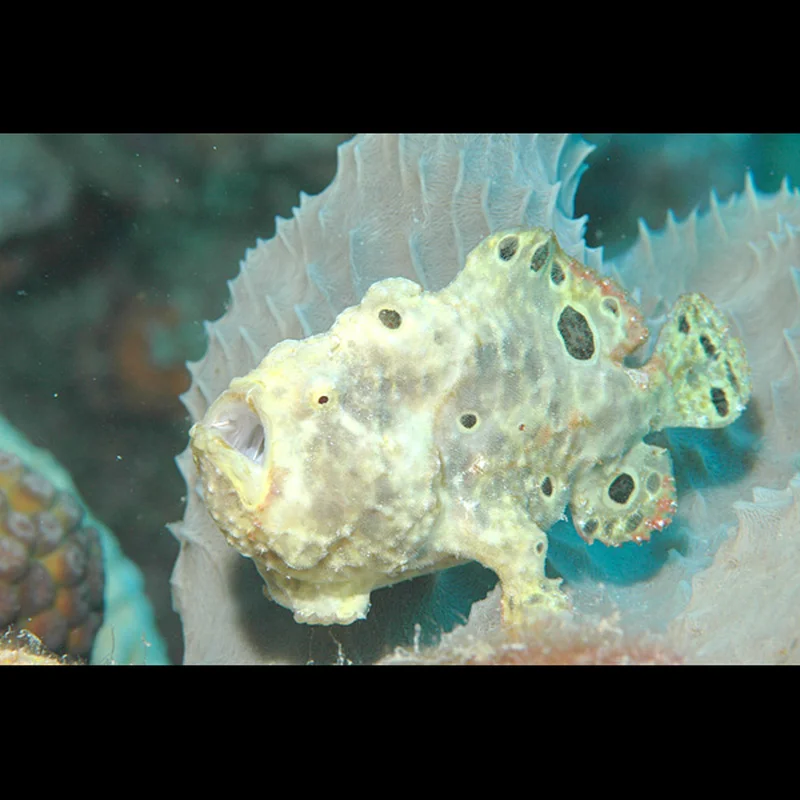
Focusing on the vibrant marine inhabitants, Tanjung Husi delivers a consistent display of reef life across its diverse habitats. Divers can often spot frogfish, camouflaged amongst the beautiful coral gardens, a testament to the site's rich macro life.
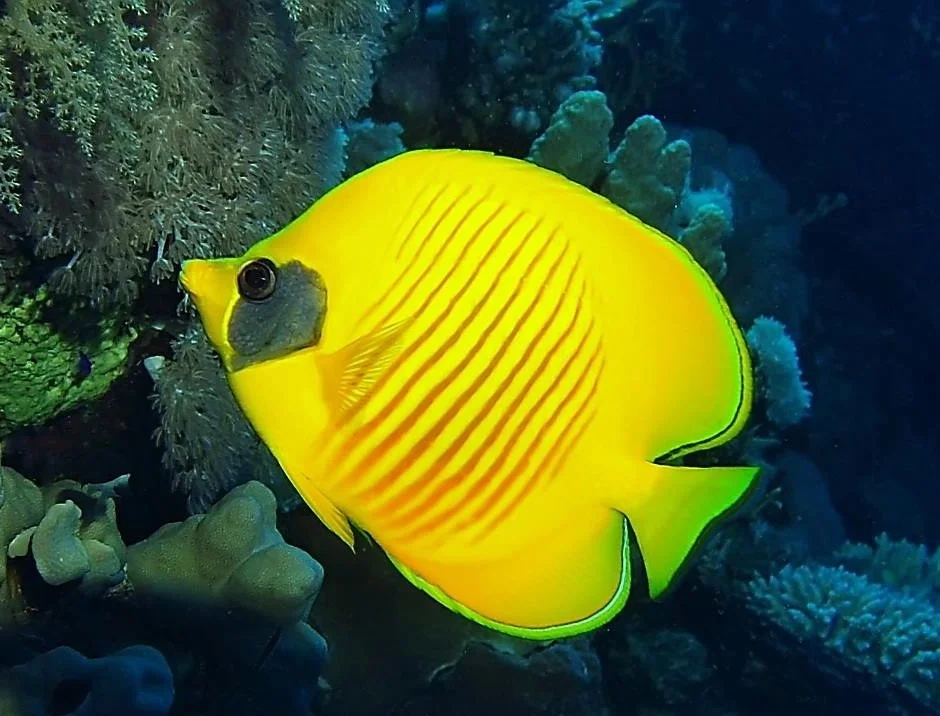
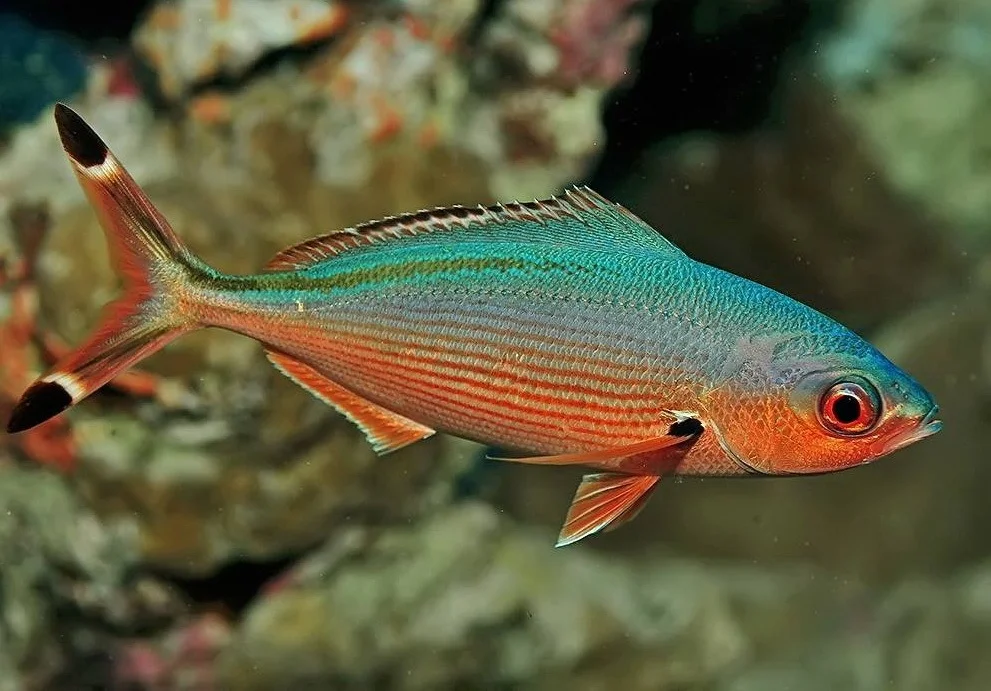
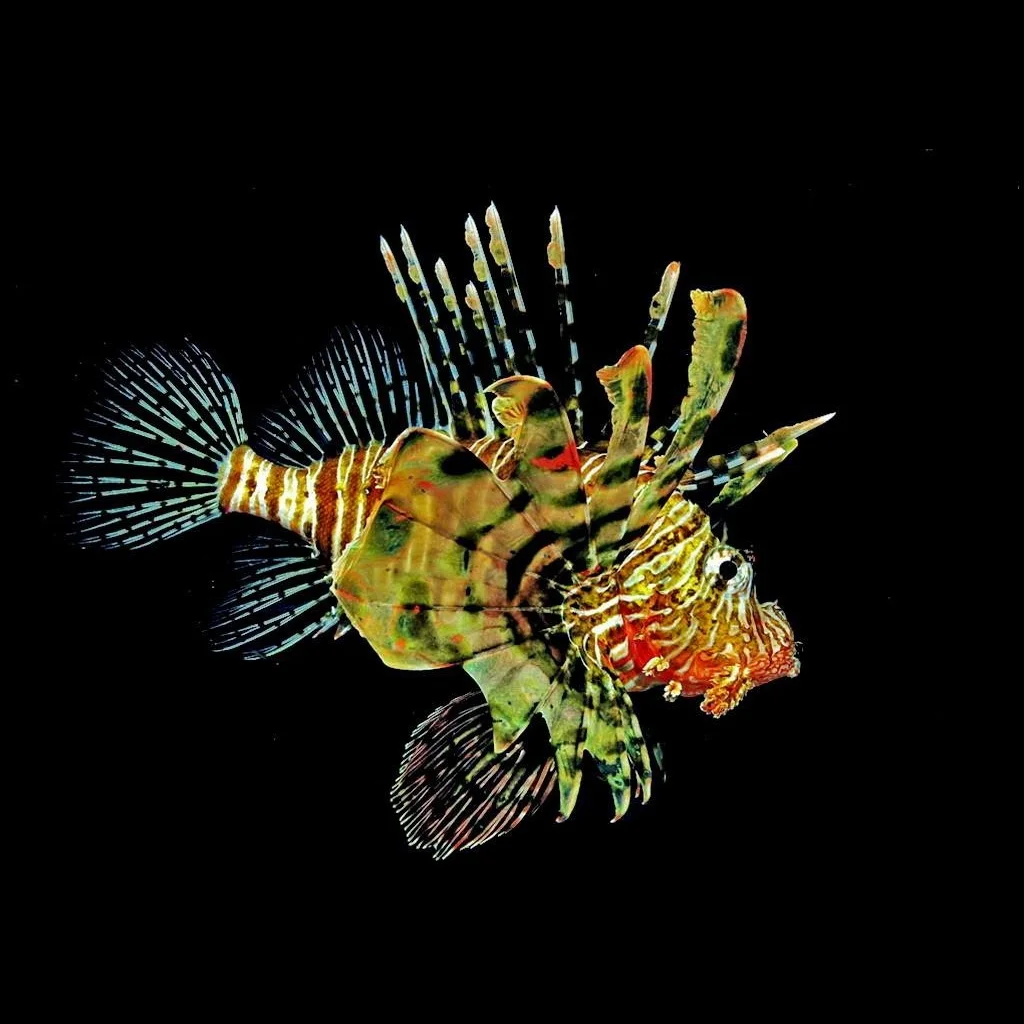
Along the coral-covered walls of Tanjung Husi 1, expect active fish traffic, including schools of jacks and fusiliers, with occasional pelagic visitors. On the coral terraces of Tanjung Husi 2, observe lionfish, butterflyfish, and sea fans, while the upper reef sections teem with chromis and anthias.
The more protected coral-rich slopes of Tanjung Husi 3 are ideal for seeking out critters hidden in overhangs and crevices, offering ample opportunities for close-up encounters.

Dive Sites Near Tanjung Husi
View all dive sites in IndonesiaDiscover more underwater gems in this area.
Dive Centers Near Tanjung Husi
Today: 07:00 - 22:00
Nearest Airports
Nearest airports to help plan travel to this dive area.
Search Flights
Check available flights and routes on Expedia, using the nearby airports listed in this section.
Search Flights on ExpediaFrequently Asked Questions
What is the typical depth range for diving at Tanjung Husi?
Dive profiles at Tanjung Husi generally range from shallow coral gardens to deeper walls, typically reaching a maximum recreational depth of around 30 m (100 ft) in certain sections.
Are currents a significant factor at this dive site?
Currents vary considerably across Tanjung Husi. While some areas like Tanjung Husi 1 experience stronger flows, offering dynamic drift dives, other sections such as Tanjung Husi 3 are known for mild currents, providing calmer conditions for exploration.
What kind of marine life can I expect to see?
Tanjung Husi is noted for its beautiful coral gardens and varied marine life. Divers frequently encounter macro subjects like frogfish, alongside schooling fish like jacks and fusiliers, and reef inhabitants such as lionfish, butterflyfish, chromis, and anthias.
Is Tanjung Husi suitable for all diver experience levels?
Yes, Tanjung Husi is considered accessible and forgiving for comfortable dives. Its diverse sections accommodate different skill levels, with milder current areas suitable for less experienced divers and stronger current zones offering engaging experiences for advanced divers.
What are the general water conditions like?
Visibility at Tanjung Husi is generally good, especially in the more protected sections. While specific water temperature data is not consistently reported, the region typically offers warm tropical water conditions throughout the year.
Are there multiple dive sites within Tanjung Husi?
Tanjung Husi is often described as encompassing multiple distinct areas, such as Tanjung Husi 1, 2, and 3. Each offers slightly different terrain, current profiles, and marine life encounters, providing a varied diving experience.
Planning to dive Tanjung Husi?
Send one inquiry and receive offers directly from the best verified local dive operators.
Conditions are Good
High Wind Advisory (43km/h). Unsafe surface.
Current conditions near Tanjung Husi show 27° air, 29° sea temperature, 0.5 m waves, and 43 km/h wind. Forecast data is refreshed regularly to ensure accuracy.