Loading...

Diving at Orimas Faru (Maldives)
Published
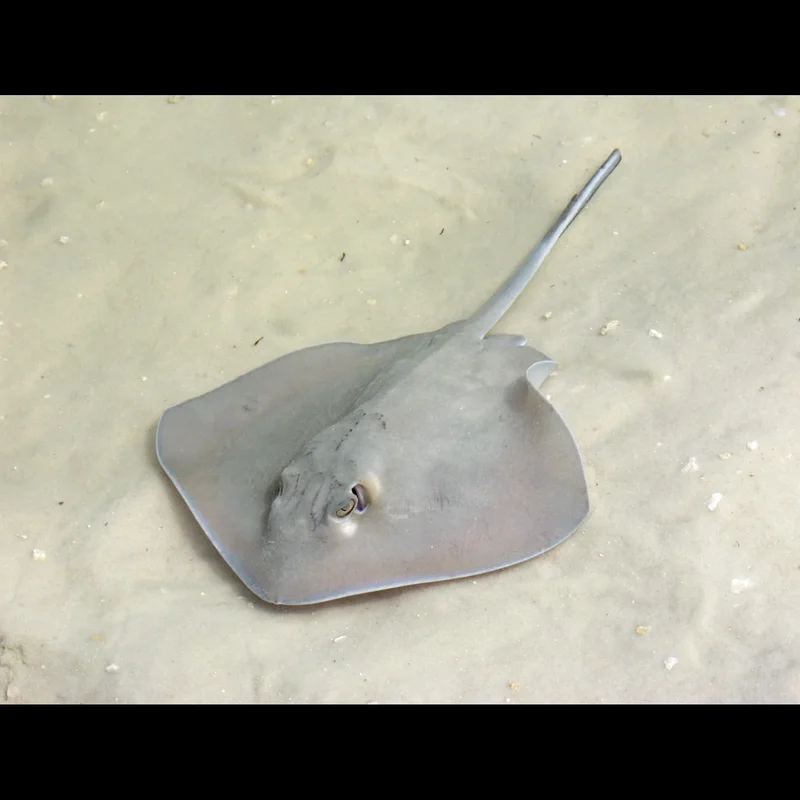
Stretching along a wide channel mouth twenty-five minutes south of Ellaidhoo, Orimas Faru offers a fluid, scenic Maldivian wall drift—gliding effortlessly past gorgonian sea fans, lobster-filled deep recesses, sleeping stingrays on the 30-meter sand border, and bronze walls of humpback red snappers.
Starting the day at Orimas Faru, the ambient air temperature is recorded at 29°C. Ongoing monitoring shows wave heights measuring 0.5 m. This data represents the current surface conditions for early activities.
Dive Site Location & Key Facts
Coordinates3.9635, 72.9482
Estimated Coordinates
Coordinates are estimated from the best available maritime charts and local dive references, as exact GPS pins are not publicly confirmed. Always verify the precise entry or mooring point with a local dive operator.
Site Characteristics
Max Depth
30m98ft
Visibility
24m79ft
Entry TypeBoat
Water Typesalt
Dive Types
DriftReefWall
Dive Site Overview
In Maldivian geography, a faru is an elongated barrier or ring-shaped reef whose flat crest approaches the surface. Positioned right at an eastern channel entrance, Orimas Faru presents a long, continuous steep face from 2 meters down to a 30-meter sandy toe.
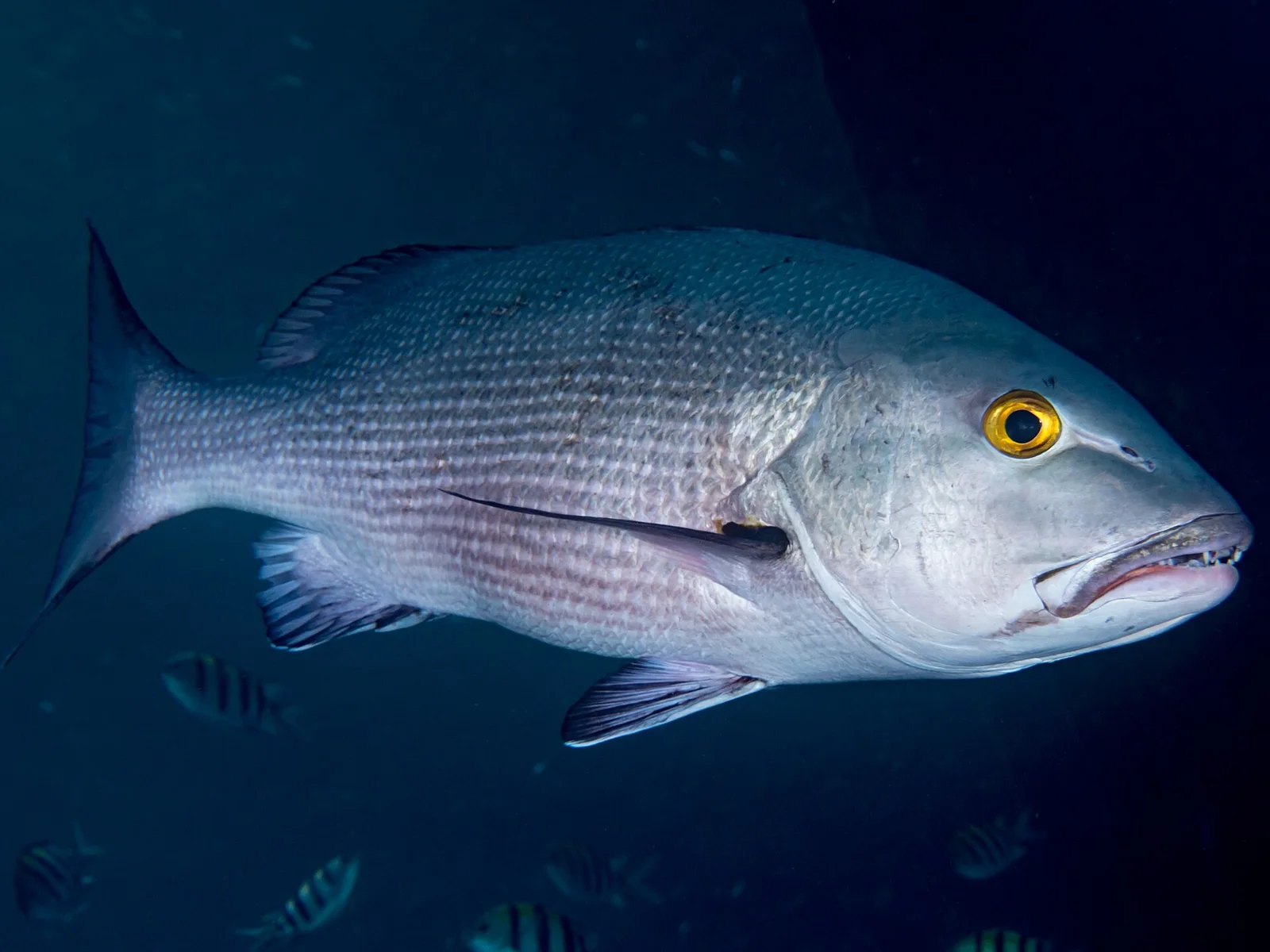
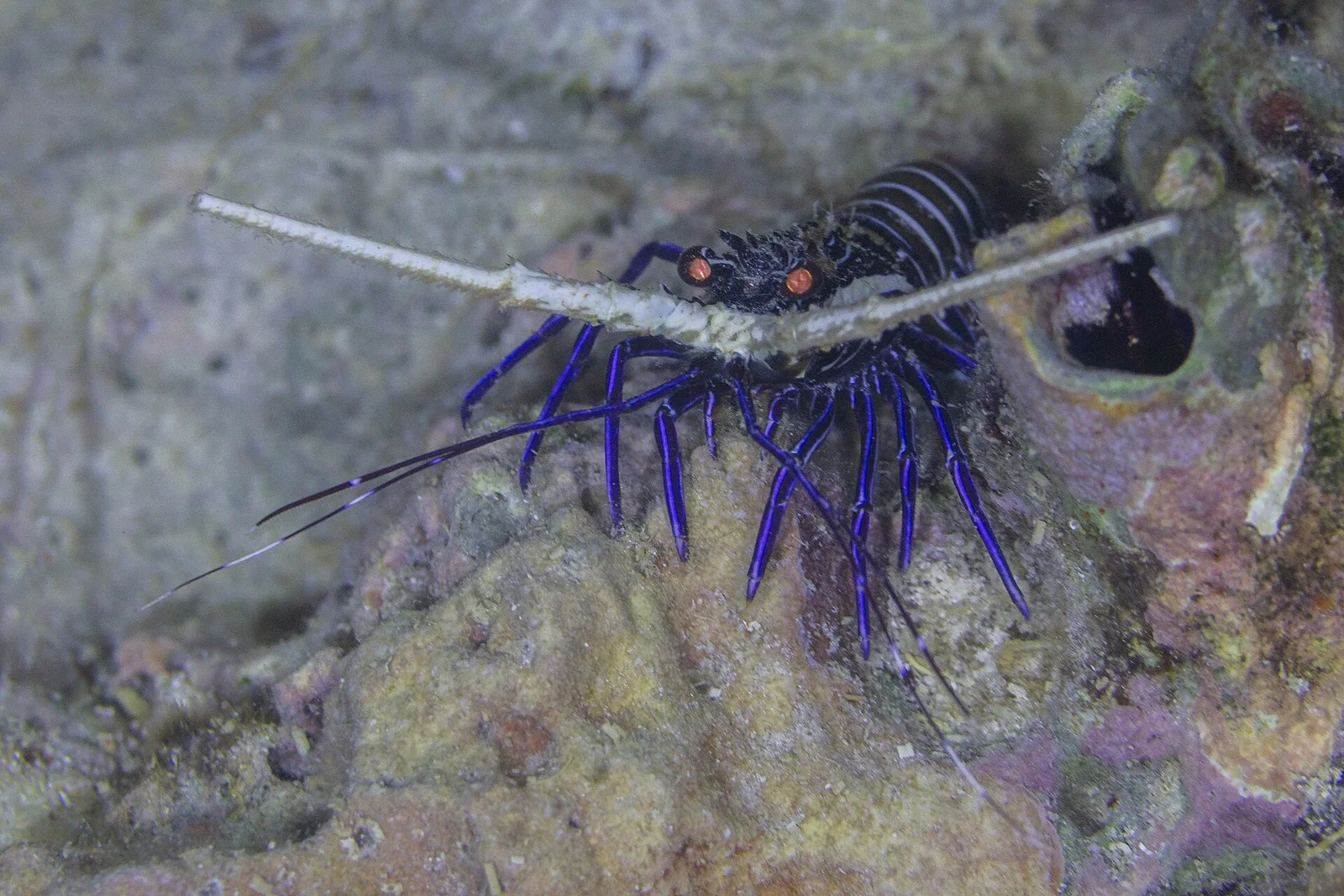
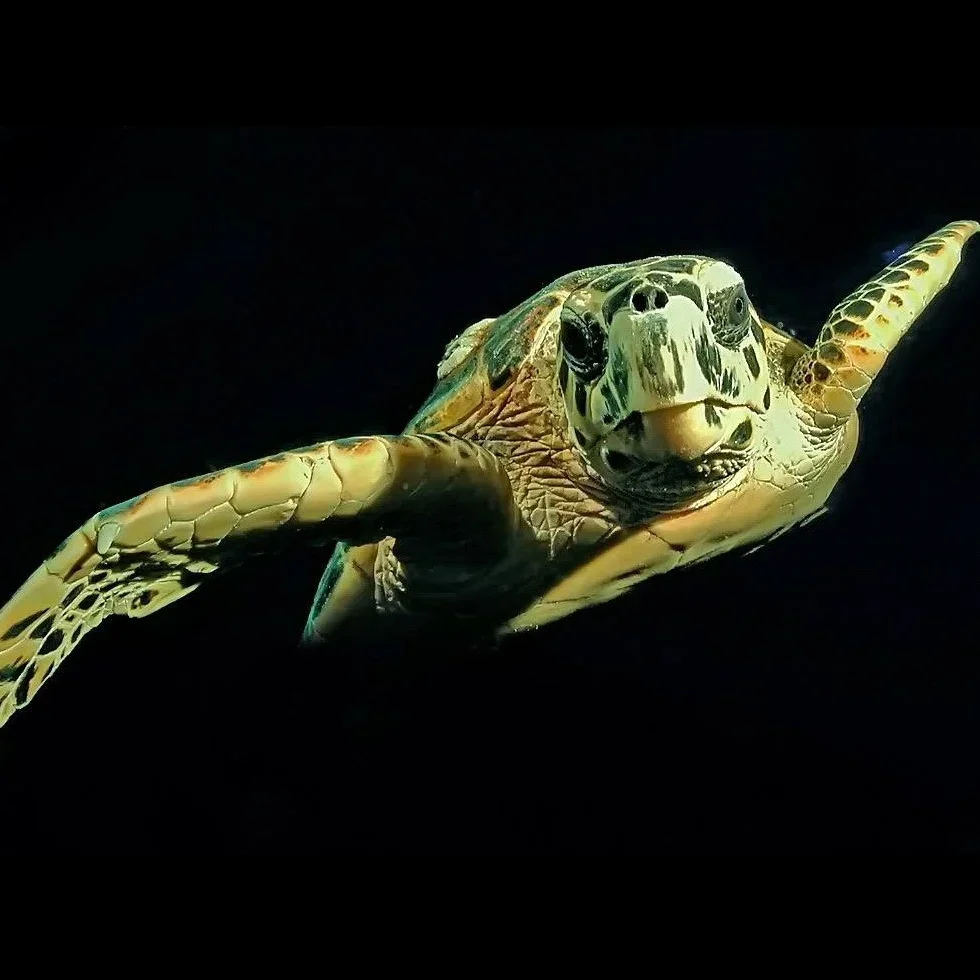
Rather than demanding intense reef-hook station keeping, the faru excels as a classic conveyor-belt drift. Down between 22 and 30 meters, shadowed undercuts shelter painted spiny lobsters beneath broad sea fans while large stingrays rest half-buried on white sand; mid-water shelves from 10 to 18 meters host tightly packed schools of humpback red snappers and oriental sweetlips, and the shallow reef top finishes among grazing turtles and hard corals.
Orimas Faru
Conditions are Good
8/10
Confidence: 8/10
Indicates meteorological model agreement and data availability.
Best Dive Window
07:00 - 14:00
Optimal conditions expected
06:12
18:45
H: 10:45
L: 16:20
Air / Sea Temp
29° / 30°
Wave Height
0.5 m
Wind Speed
23 km/h NE
Rain Chance
50%
Current conditions near Orimas Faru show 29° air, 30° sea temperature, 0.5 m waves, and 23 km/h wind. Forecast data is refreshed regularly to ensure accuracy.
Radius: ~12km
Updated: Nov 24, 2026, 10:04 local timeMARINE: OPEN-METEOWEATHER: YR.NO
Best Time to Dive
Incoming northeast-monsoon tides from December to April bring 25-to-30-meter blue water right along the wall face, though comfortable drifts run throughout the year.
PEAK SEASON SCORE
90/100
ExcellentScores combine air & water temps, waves, wind & rainfall for overall conditions.
BEST MONTHS TO DIVE
FEB
MAR
APR
DIVE SCORE GUIDE (0–100)
Excellent (90–100)
Very Good (80–89)
Good (70–79)
Moderate (50–69)
Poor (30–49)
Not Recommended (0–29)
Monthly records compiled from satellite and marine observation nodes over the last 3 years. Data provided by Open-Meteo and MET Norway.
Dive Experience & Conditions
Dropped near the channel mouth, divers settle into neutral trim beside the wall and let the current carry them along hundreds of meters of sea fans and overhangs, angling gradually shallower to end at 5 meters for dhoni pickup.
Dive Difficulty & Safety Guidelines
Monitor depth closely when peeking at stingrays on the 30-meter sand line so you stay within no-decompression and Maldivian 30-meter limits, keep torches pointed respectfully rather than blinding resting rays, and deploy an SMB before ascending.
Recommended Equipment
Current and surface separation risk. Local briefing strongly recommended.
- Dive Computer
- DSMB
- Reel / Spool
This gear list is based on verified equipment signals for Orimas Faru, Maldives. Always confirm final gear choices with your dive operator, guide, or liveaboard.
Recommended Dive Suit
In these water temperatures, dive skin or rash guard is a common choice for recreational diving. A hood or vest is suggested for sensitive divers due to surface winds. Longer dive profiles can make thermal protection more important than short exploratory dives.
Conditions at Orimas Faru currently place the water temperature near 30°C (87°F). Surface air temperatures are resting at 29°C (84°F).
Environmental conditions appear stable for the near future.
Orimas Faru conditions last reviewed: 10:04 local time (UTC+5), Nov 24, 2026
Emergency & Medical Support
Essential information to help you plan your dive trip to Orimas Faru.

Hyperbaric chambers are a critical part of dive safety infrastructure. Availability varies significantly by region, and not all dive areas have immediate access.
Before diving, it's recommended to:
- confirm nearest medical facilities
- check emergency procedures with local dive operators
- ensure dive insurance covers evacuation if required
24/7 Available
Divers Alert Network
Diving emergency assistance available through DAN World.
+1-919-684-9111- 24/7 emergency hotline
- Diving medical assistance
- Evacuation coordination
Emergency contacts are provided for reference. Always verify local emergency services before diving.
Closest Listed Hyperbaric Chambers (≤ 200 km)
Approximate straight-line distances from this dive site — emergency travel times may vary.
33 km33 kmKuramathi Maldives – Medical Centre & Hyperbaric Chamber
Kuramathi (Alifu Alifu Atoll), Maldives24/7+960 778 1096Details33 kmKuramathi Maldives – Medical Centre & Hyperbaric Chamber
24/7 ListedKuramathi (Alifu Alifu Atoll), Maldives · Multiplace
Hours: 24/7 Duty HotlineFacility: Kuramathi Medical CentreICU On-Site: Not reportedSource: Maldives Ministry of TourismOfficial website
33 km
Kuramathi Maldives – Medical Centre & Hyperbaric Chamber
Kuramathi (Alifu Alifu Atoll), Maldives24/7+960 778 1096Details
33 km
Kuramathi Maldives – Medical Centre & Hyperbaric Chamber
24/7 ListedKuramathi (Alifu Alifu Atoll), Maldives · Multiplace
Hours: 24/7 Duty Hotline
Facility: Kuramathi Medical Centre
ICU On-Site: Not reported
Source: Maldives Ministry of Tourism
Official website67 km67 kmADK Hospital – Hyperbaric Treatment Unit
Malé (Kaafu Atoll), Maldives24/7ICU+960 331 3553Details67 kmADK Hospital – Hyperbaric Treatment Unit
24/7 ListedICU CapableMalé (Kaafu Atoll), Maldives · Hospital Hyperbaric Chamber
Hours: 24/7 EmergencyFacility: ADK HospitalICU On-Site: YesSource: Maldives Ministry of TourismOfficial website
67 km
ADK Hospital – Hyperbaric Treatment Unit
Malé (Kaafu Atoll), Maldives24/7ICU+960 331 3553Details
67 km
ADK Hospital – Hyperbaric Treatment Unit
24/7 ListedICU CapableMalé (Kaafu Atoll), Maldives · Hospital Hyperbaric Chamber
Hours: 24/7 Emergency
Facility: ADK Hospital
ICU On-Site: Yes
Source: Maldives Ministry of Tourism
Official website69 km69 kmBandos Maldives – Medical Clinic & Hyperbaric Chamber
Bandos (Kaafu Atoll), Maldives24/7+960 777 2783Details69 kmBandos Maldives – Medical Clinic & Hyperbaric Chamber
24/7 ListedBandos (Kaafu Atoll), Maldives · Multiplace
Hours: 24/7 Duty HotlineFacility: Bandos Maldives Medical ClinicICU On-Site: Not reportedSource: Maldives Ministry of TourismOfficial website
69 km
Bandos Maldives – Medical Clinic & Hyperbaric Chamber
Bandos (Kaafu Atoll), Maldives24/7+960 777 2783Details
69 km
Bandos Maldives – Medical Clinic & Hyperbaric Chamber
24/7 ListedBandos (Kaafu Atoll), Maldives · Multiplace
Hours: 24/7 Duty Hotline
Facility: Bandos Maldives Medical Clinic
ICU On-Site: Not reported
Source: Maldives Ministry of Tourism
Official websiteChamber data is sourced from the official Maldives Ministry of Tourism registry and has not been independently verified by Dive Navigator. Always contact local emergency services, DAN, your dive operator, or the facility directly before travelling.
Reference onlyMarine Life at Orimas Faru
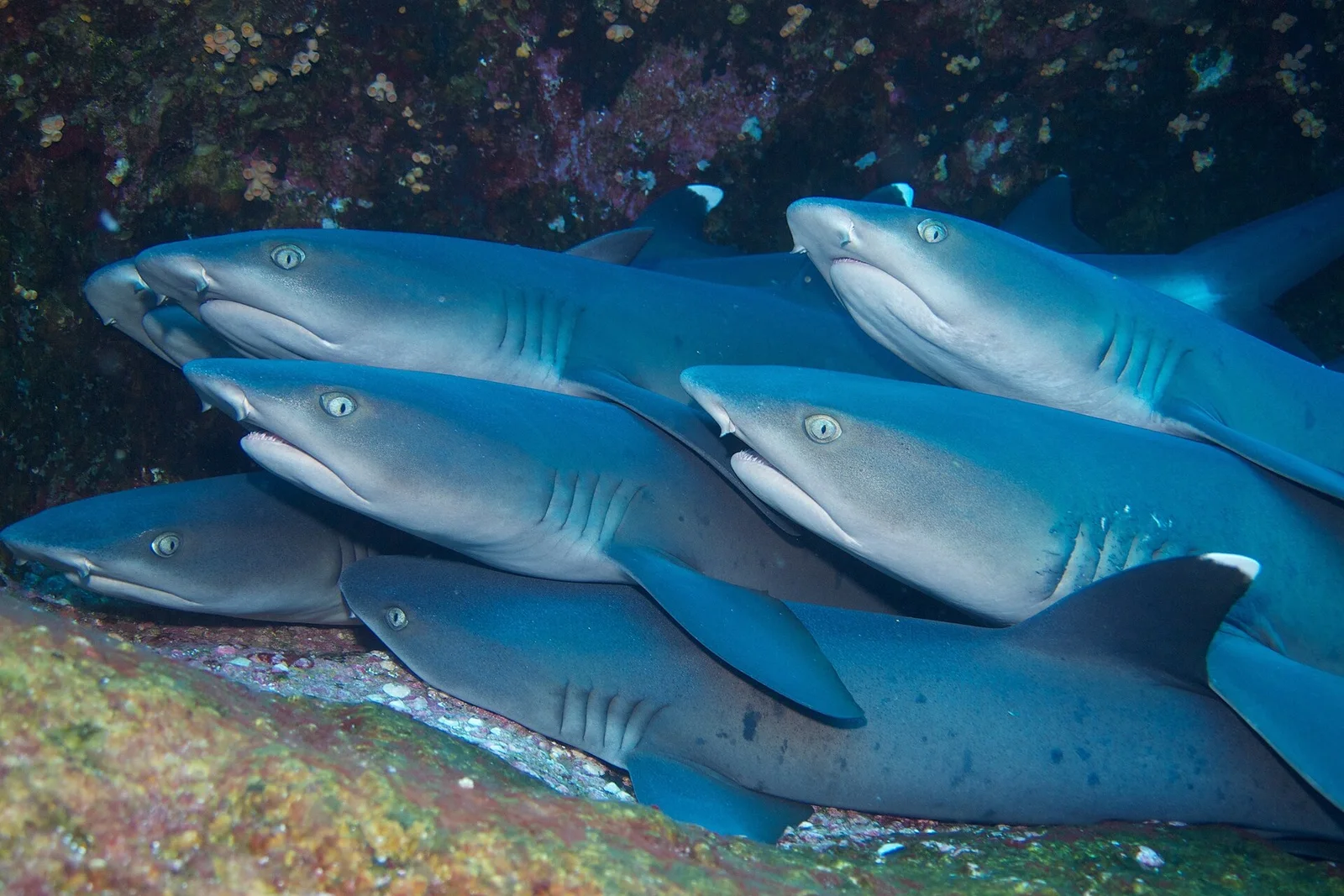
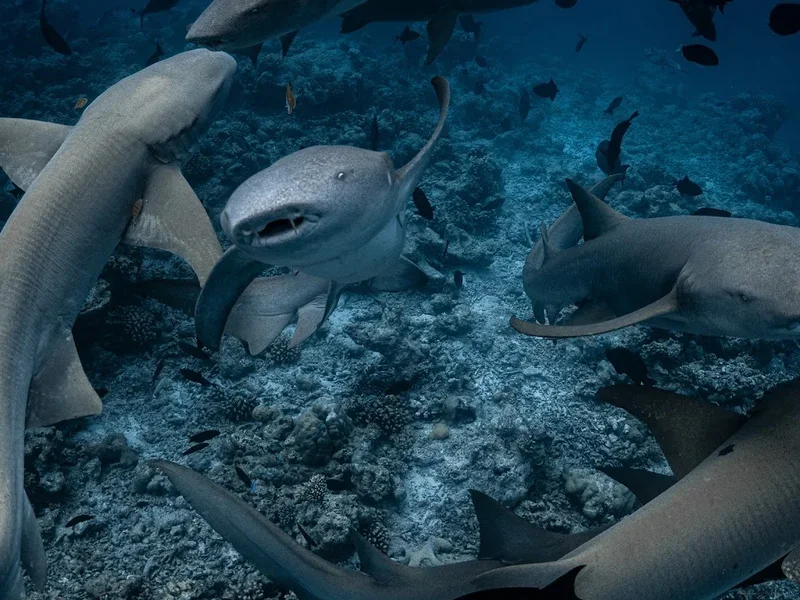
Large stingrays and whitetip sharks snooze on the 30-meter sand fringe, painted spiny lobsters wave long white antennae from deep crevices, humpback snappers pack mid-wall ledges, and hawksbill turtles cruise the shallow crest.
1 / 2
Image contributors:Elias Levy, Rickard Zerpe + 2 more
Want to contribute photos or local dive knowledge? Learn how to contributeDive Sites Near Orimas Faru
View all dive sites in MaldivesDiscover more underwater gems in this area.
Max 30 m
0.9 km
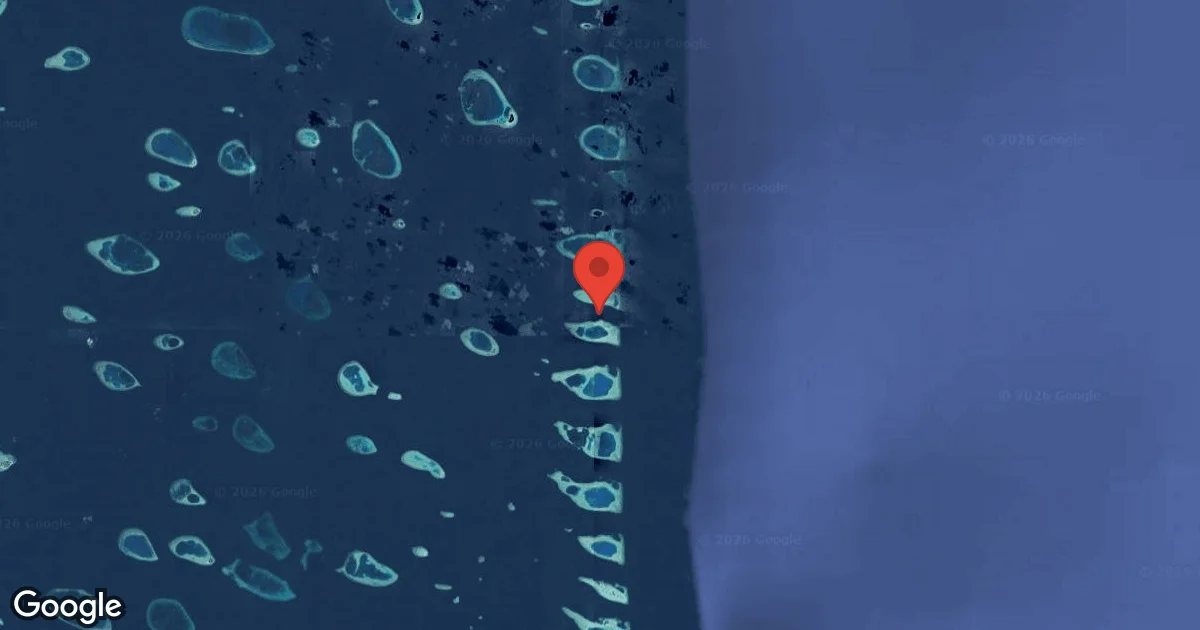
intermediateOrimas Thila
BoatCavern
Max 30 m
1.3 km
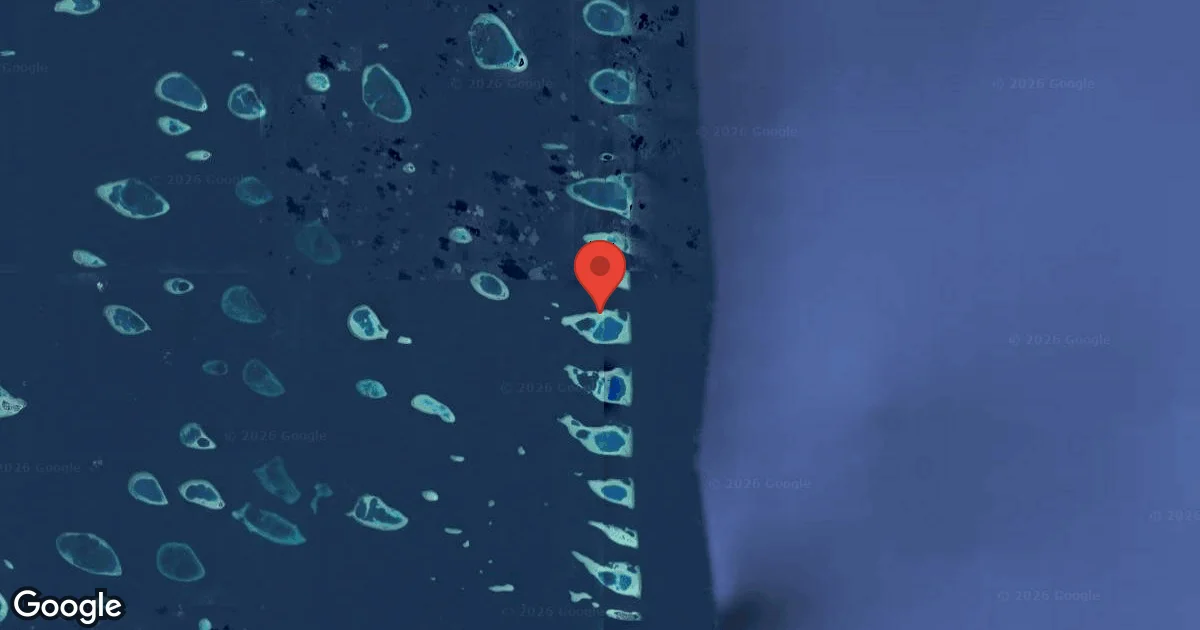
intermediateKuna Gaa
BoatChannel
Max 30 m
4.6 km
360°
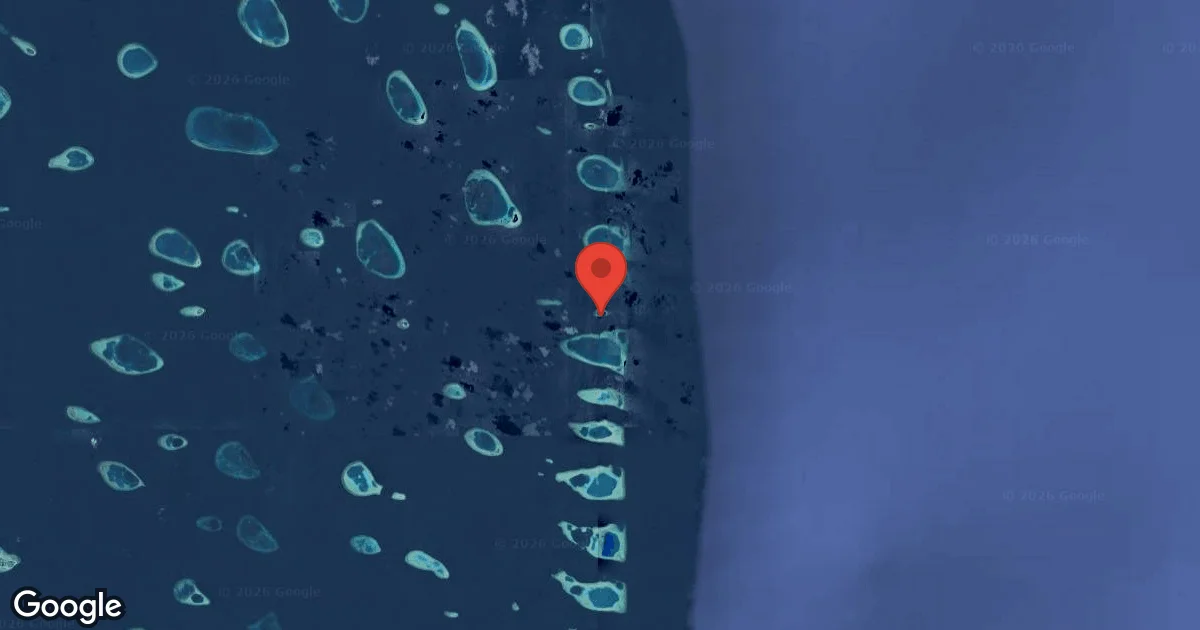
intermediateEllaidhoo House Reef
DriftOcean
Max 30 m
5.3 km
intermediateKubalady Bodu Thila
BoatDrift
Max 30 m
5.7 km
intermediateEllaidhoo Thila
BoatChannel
Max 30 m
7.5 km
intermediateMedu Thila
BoatChannel
Max 30 m
8.4 km
intermediateMedu Corner
BoatChannel
Max 30 m
8.7 km
intermediateBodu Thila
BoatDrift
Max 30 m
0.9 km
intermediateOrimas Thila
BoatCavern
Max 30 m
1.3 km
intermediateKuna Gaa
BoatChannel
Max 30 m
4.6 km
360°
intermediateEllaidhoo House Reef
DriftOcean
Max 30 m
5.3 km
intermediateKubalady Bodu Thila
BoatDrift
Max 30 m
5.7 km
intermediateEllaidhoo Thila
BoatChannel
Max 30 m
7.5 km
intermediateMedu Thila
BoatChannel
Max 30 m
8.4 km
intermediateMedu Corner
BoatChannel
Max 30 m
8.7 km
intermediateBodu Thila
BoatDrift
Max 25 m
1.9 km
beginnerFushifaru Reef
BoatChannel
Max 30 m
9.5 km
intermediateKuda Thila
BoatDrift
1 / 2
Dive Centers Near Orimas Faru
Working Hours
Sun08:00 - 21:00
Mon08:00 - 21:00
Tue08:00 - 21:00
Wed08:00 - 21:00
Thu08:00 - 21:00
Fri08:00 - 11:00
Sat08:00 - 21:00
Today: 08:00 - 21:00
Sun08:00 - 21:00
Mon08:00 - 21:00
Tue08:00 - 21:00
Wed08:00 - 21:00
Thu08:00 - 21:00
Fri08:00 - 11:00
Sat08:00 - 21:00
5| 113 reviews
29.8 km
4.8| 32 reviews
26.4 km
4.5| 28 reviews
26 km
Boutique Beach
4.9(155)• 47.6 km
Nearest Airports
Nearest airports to help plan travel to this dive area.
Velana International Airport MLE
69 km
Dharavandhoo Airport DRV
133 km
Maafaru International Airport NMF
214 km
💵 Currency: MVR
Search Flights
Check available flights and routes on Expedia, using the nearby airports listed in this section.
Search Flights on ExpediaAffiliate link · Dive Navigator may earn a commission at no extra cost to you.
Frequently Asked Questions
What does 'faru' mean in Orimas Faru?
In Dhivehi, a faru is a long outer or channel-bordering reef crest—ideal for extended linear wall drifts.
Where are stingrays and lobsters found on this dive?
Painted spiny lobsters hide inside deep wall caves between 22 and 28 meters, while large stingrays rest on the sandy toe right at 30 meters.
Is Orimas Faru a strenuous current dive?
No—because you drift continuously with the flow along a long wall rather than holding stationary at a narrow point, the dive feels smooth and unhurried.
Can Open Water divers enjoy Orimas Faru?
Yes. Cruising along the 5-to-18-meter sea-fan and snapper zone is well suited to Open Water divers comfortable with boat drifts.
How far is Orimas Faru by boat from Ellaidhoo?
About 25 minutes south along the eastern channel rim.
What visibility is typical here?
Visibility averages 20 to 30 meters, peaking on incoming ocean tides during the December–April dry season.
Trip Inquiry
Planning to dive Orimas Faru?
Tell us your dates and diving needs. We'll review your request and seek offers from relevant local dive centers.
Request Dive Offers Free request for offers • No booking obligation
Orimas Faru
Conditions are Good
8/10
Confidence: 8/10
Indicates meteorological model agreement and data availability.
Best Dive Window
07:00 - 14:00
Optimal conditions expected
06:12
18:45
H: 10:45
L: 16:20
Air / Sea Temp
29° / 30°
Wave Height
0.5 m
Wind Speed
23 km/h NE
Rain Chance
50%
Current conditions near Orimas Faru show 29° air, 30° sea temperature, 0.5 m waves, and 23 km/h wind. Forecast data is refreshed regularly to ensure accuracy.
Radius: ~12km
Updated: Nov 24, 2026, 10:04 local timeMARINE: OPEN-METEOWEATHER: YR.NO