What Divers Should Know About Stingray

Learn all about the Stingray, including dynamic specs, encounter highlights, habitats, and the best dive sites to find them.
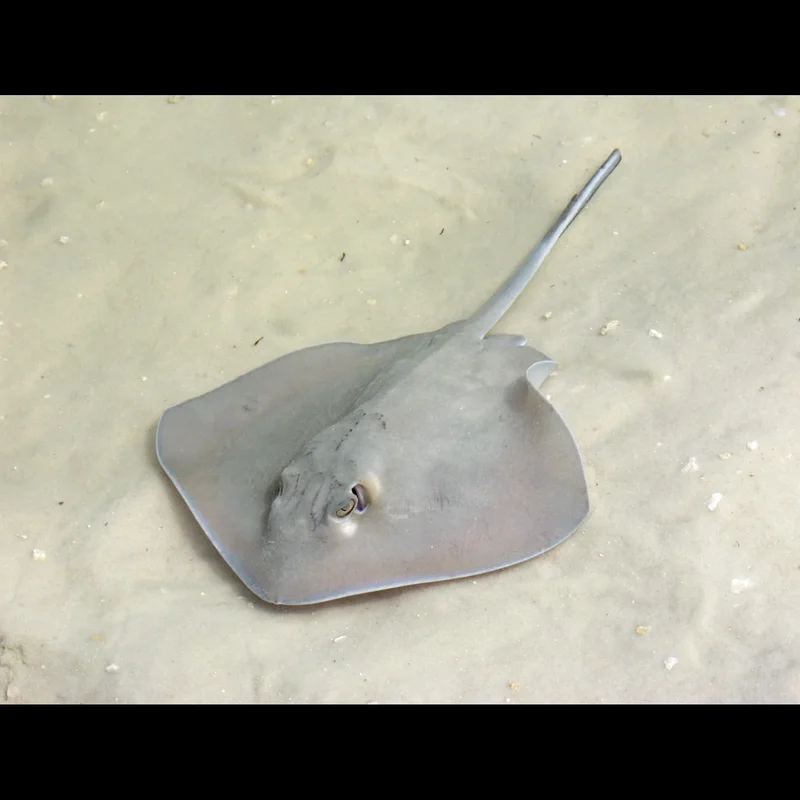
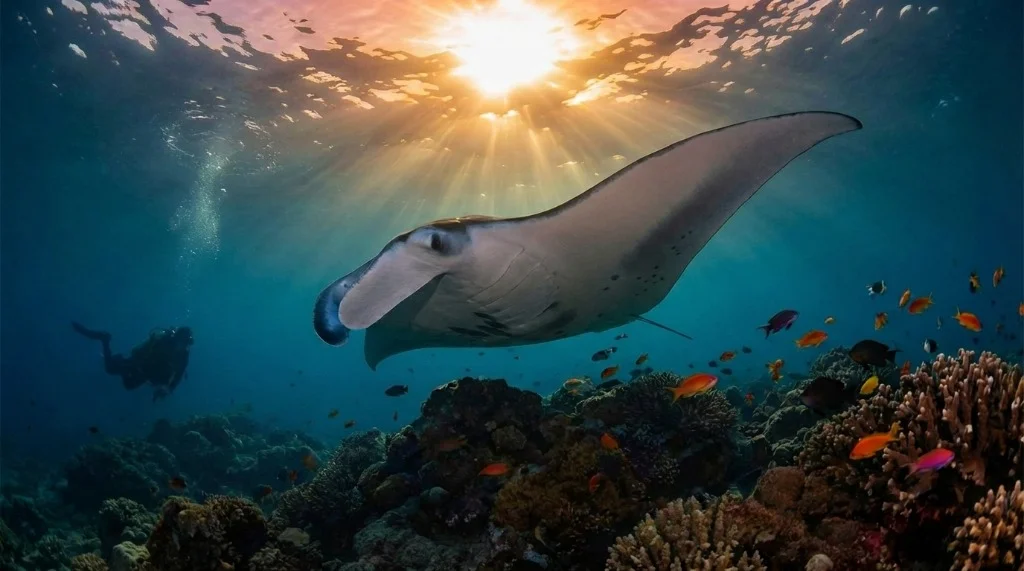
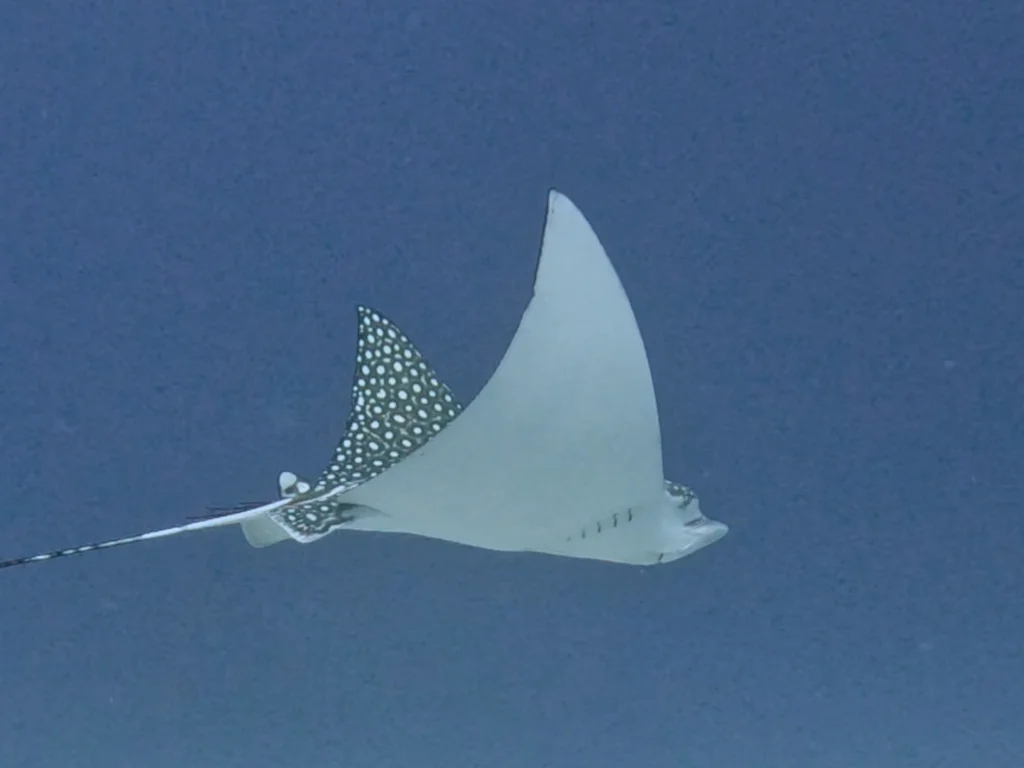
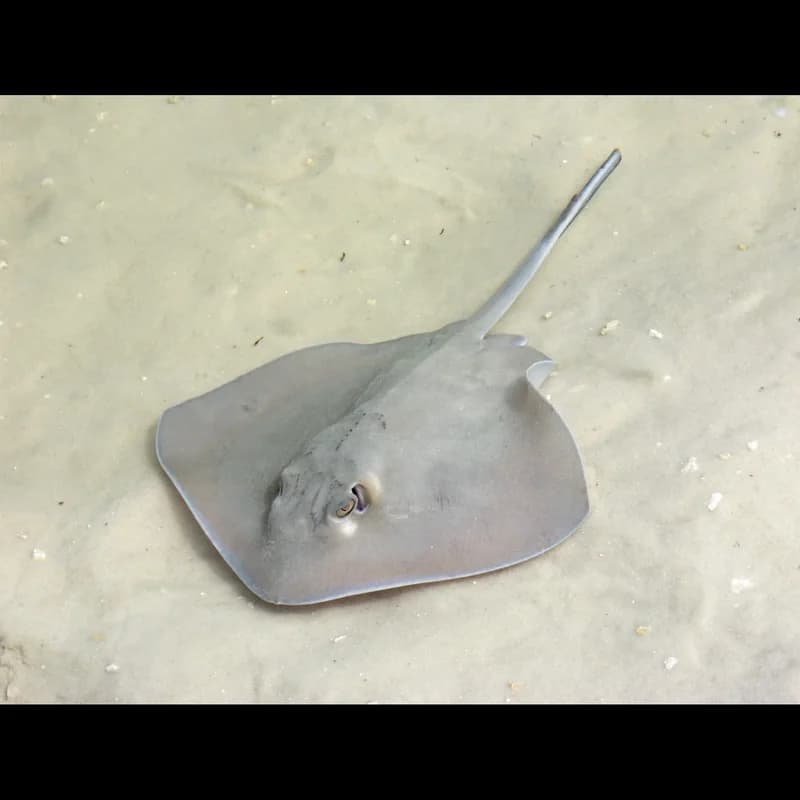
Benthic stingray (Myliobatoidei) gliding low over a sandy underwater seabed
Scientific Name

Myliobatoidei

Size

18 cm – 2.2 m

Depth

0–200 m

Habitat

sand, mud, coral reef, estuarine

Conservation

Varies by species

Danger Level

Venomous

About the Stingray

Stingrays belong to the suborder Myliobatoidei within the order Myliobatiformes, a diverse group of cartilaginous fishes closely related to sharks. Underwater, you will recognize them by their flattened, circular to diamond-shaped pectoral fin discs, dorsal eyes, and respiratory spiracles positioned on top of the head. Depending on the species, disc widths range from 18 cm (7.1 in) in small coastal rays to 2.2 m (7.2 ft) in giant whiptail species. Most species trail a slender, whip-like tail armed near the base with one or more serrated, venomous spines covered in a toxic integumentary sheath.

Divers encounter stingrays across tropical, subtropical, and temperate seas worldwide, typically from shallow surf zones down to 60 m (197 ft), though several benthic species range to 200 m (656 ft) or deeper. They spend much of the day resting on sandy bottoms, mud flats, seagrass beds, or coral rubble patches, often burying themselves under a thin layer of sediment so that only their eyes, spiracles, and tail remain visible.

To feed, stingrays glide over the seabed using wave-like undulations of their pectoral fins, relying on electroreceptive pores called ampullae of Lorenzini and water jets from their mouths to uncover buried crustaceans, molluscs, and worms. While their venomous tail barb can inflict a deeply painful puncture wound if the animal is stepped on or pinned down, stingrays are strictly defensive and non-aggressive toward divers. When approaching a resting ray for photography, stay well clear of the tail arch, never block its forward escape path, and carefully check sandy patches before kneeling or setting down equipment.

Further Reading

Did You Know?

Gentle Sand Sifters That Nourish Unborn Pups on Super-Rich Uterine Milk

“Gliding like undulating silk carpets across turquoise sandbars at Stingray City or Indo-Pacific lagoons, whiptail stingrays of the suborder Myliobatoidei wield their retro-serrated vasodentine tail barb strictly as a passive overhead shield against hammerhead and tiger sharks—never as an offensive weapon—shedding and regrowing fresh venomous spines periodically throughout life. While dorsal spiracles pump clean water to hidden ventral gills and electroreceptive pores locate buried razor clams and worms excavated by flapping pectoral waves, an extraordinary maternal investment unfolds internally. After embryos exhaust their initial egg yolk inside the mother's uterus, vascularized uterine villi called trophonemata bathe developing pups in lipid- and protein-packed histotroph milk that swells newborn mass up to three thousand percent before live birth.”

Where You Can See Stingray

This map highlights the main regions where divers may encounter Stingray or where the species is commonly associated with suitable marine habitats. Actual sightings depend on local dive sites, season, visibility, depth, and natural behaviour.

World distribution map showing regions where divers can see Stingray: Caribbean, East Pacific, Atlantic, Indian Ocean, Asia Pacific, Mediterranean
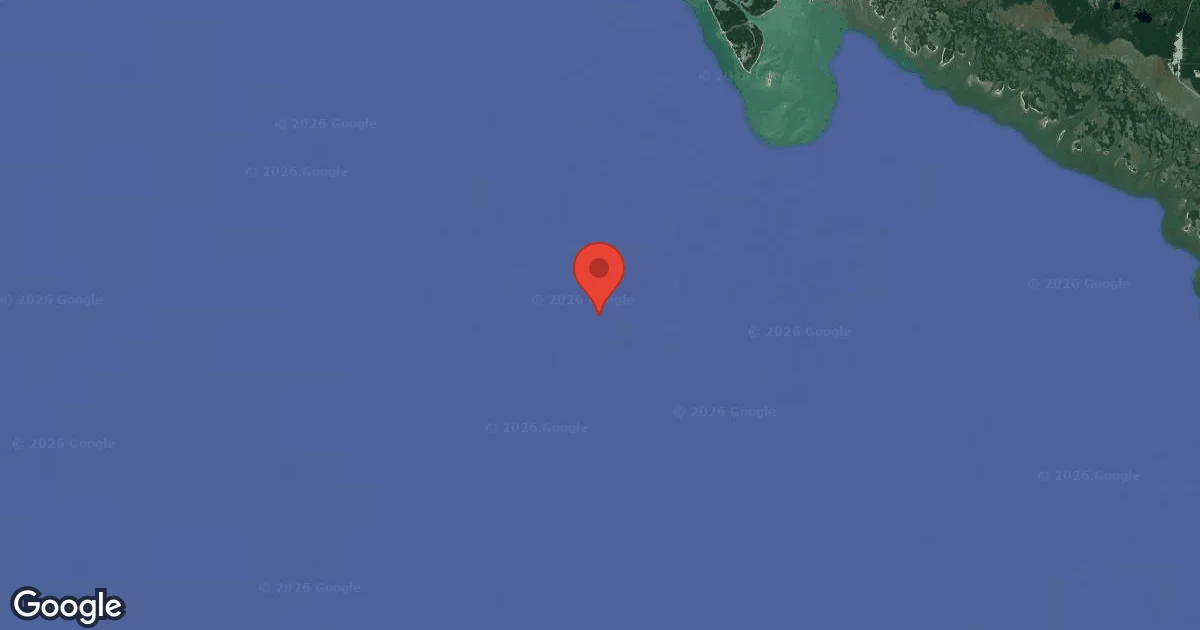
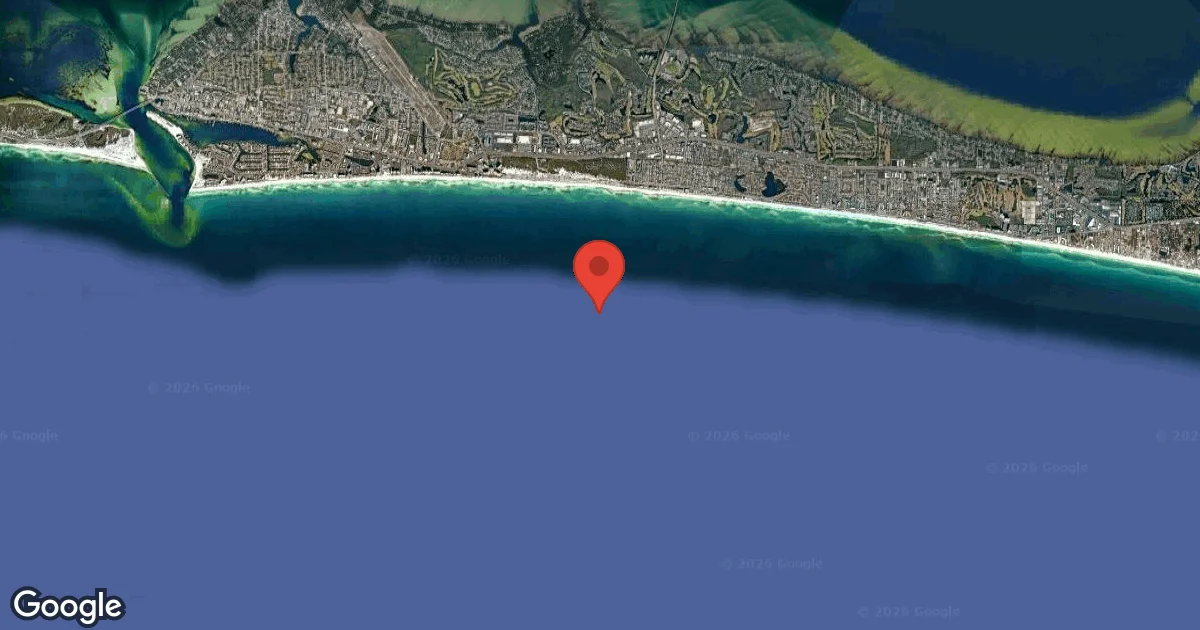
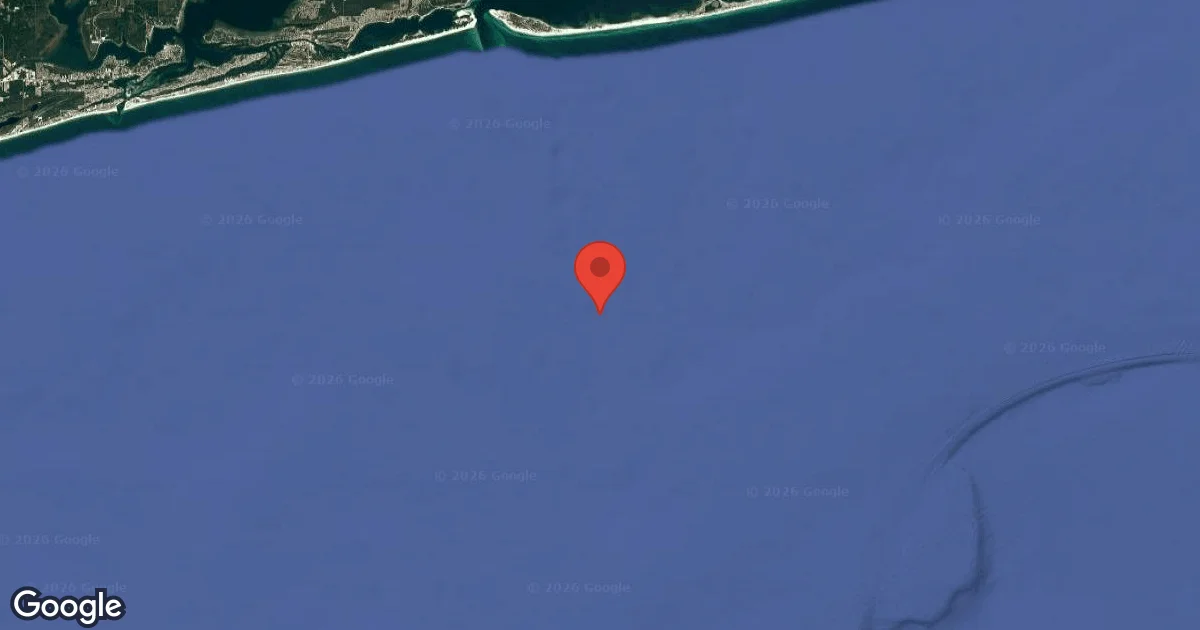
Caribbean
East Pacific
Atlantic
Indian Ocean
Asia Pacific
Mediterranean

Dive Sites with Stingray

Discover 12 of 536 breathtaking locations where you can encounter this species.
Related Marine Life

Explore other incredible species you can encounter on your diving adventures.