
Diving at Gasselterveld (Netherlands)
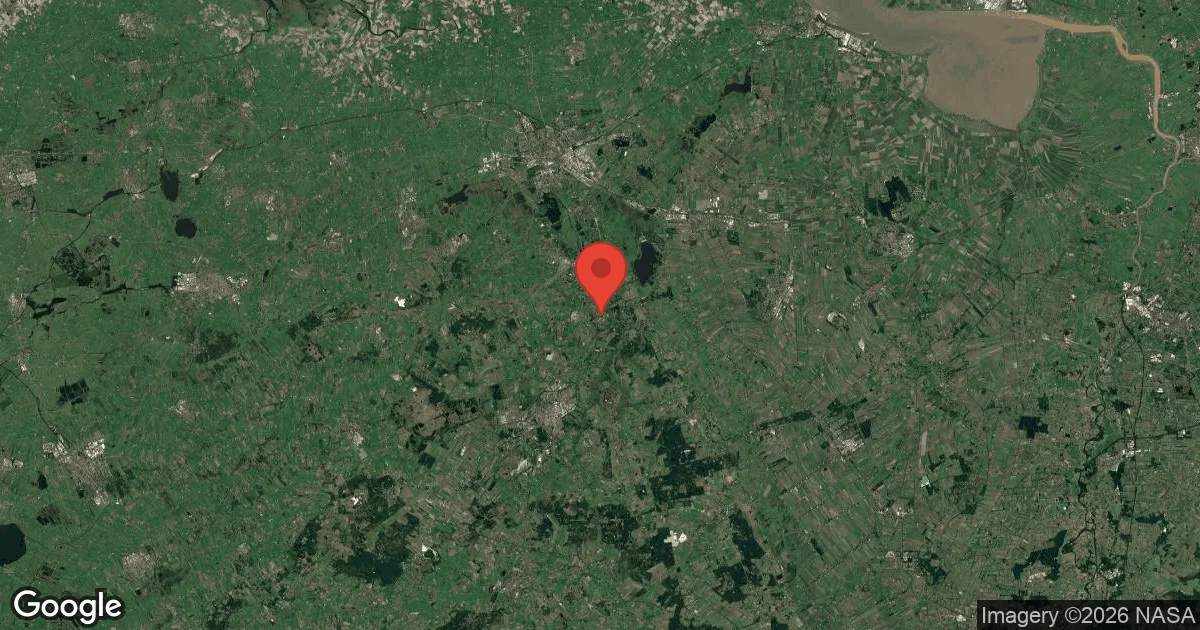
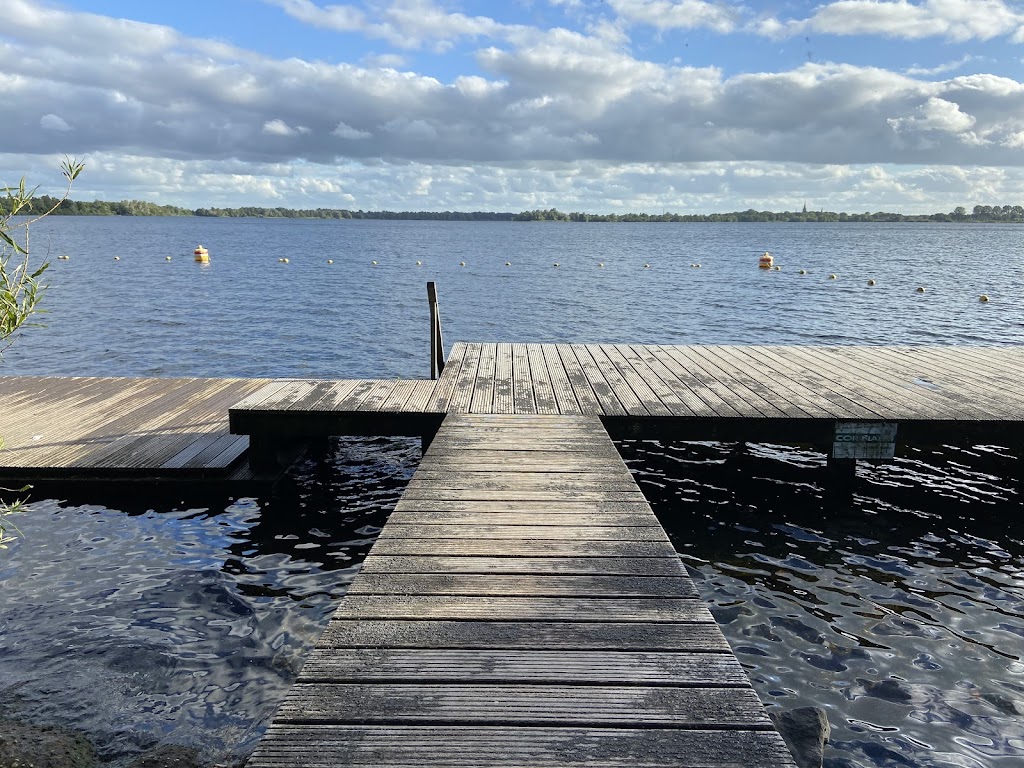
Gasselterveld stands out as a unique freshwater dive site in Drenthe, offering a distinct inland diving experience. Known for its clear water and fine sandy bottom, it provides a welcoming environment for various diving activities, including recreational and deep diving practice. Its setting within a nature reserve, accessible via a forest road, adds to its secluded charm, distinguishing it from typical coastal or marine locations. This site truly offers something different for divers in the Netherlands.
Recent updates for Gasselterveld show an air temperature measuring 14.5°C. Overall water conditions reflect the typical seasonal state for Netherlands. Please exercise standard safety precautions before entering the water.
Dive Site Location & Key Facts
Dive Site Overview
Gasselterveld, also identified by local nicknames Jonkersgat or 't Nije Hemelriek, has transitioned into a well-regarded freshwater dive site within the Netherlands' Drenthe region. Historically, this site developed from a former sand extraction area, which significantly shaped its deep profile and sandy bottom.
Now, it serves as a prominent training ground for divers across various skill levels, from introductory courses to advanced deep diving certifications. Divers here often navigate a distinct line course, commencing just before the entry point and leading to various submerged objects like traffic signs and statues, offering a structured exploration route. While marine life may be limited compared to coral reefs, the site's clear water typically allows for good visibility, which averages between 3 to 7 m (10 to 23 ft), though reports vary widely from 0.2 m (0.7 ft) to 6 m (20 ft) in optimal conditions.
The maximum depth reaches 50 m (164 ft), accommodating those certified for deeper excursions, making it a versatile location.
Conditions are Good
Optimal conditions expected
Current conditions near Gasselterveld show 15° air, --° sea temperature, N/A waves, and 22 km/h wind. Forecast data is refreshed regularly to ensure accuracy.
Best Time to Dive
Diving conditions at Gasselterveld are most favorable during the warmer months, typically extending from May through September. Throughout this period, average air temperatures range from 14°C (57°F) in May to 18°C (64°F) in August, ensuring a more comfortable topside experience. Rainfall also tends to be moderate during these months, with averages around 1.7 to 4.7 mm (0.07 to 0.19 inches), which helps minimize surface run-off that could potentially impact underwater visibility. While specific average water temperatures aren't consistently reported, log entries suggest they can vary between 5°C (41°F) in colder periods to 17°C (63°F) during summer. For the best chance of clear water, aim for dives on days following a stable weather pattern, especially when heavy rain has been absent, as this reduces sediment disturbance.
PEAK SEASON SCORE
Scores combine air & water temps, waves, wind & rainfall for overall conditions.
BEST MONTHS TO DIVE
Monthly records compiled from satellite and marine observation nodes over the last 3 years. Data provided by Open-Meteo and MET Norway.
Dive Experience & Conditions
Submerging into Gasselterveld, divers are immediately met with the unique sensation of freshwater diving. Water can feel quite cool, particularly in deeper sections, underscoring the need for appropriate thermal protection. A fine sandy bottom dominates the underwater landscape, interspersed with gentle gullies and hills that add to the topographical interest. Visibility often varies; on certain days, divers report exceptionally clear conditions, allowing views across several meters, while on others, especially after heavy usage or recent disturbance, it can reduce significantly, sometimes to only 20 cm (8 inches). Absence of current makes for a relaxed dive, allowing focus on buoyancy control and exploration of the line course. An established course, adorned with various objects, creates a structured underwater journey, ideal for practice and navigation. Maximum depth in this lake is considerable, though many recreational dives remain in shallower, more illuminated areas.
Dive Difficulty & Safety Guidelines
Approaching Gasselterveld requires adherence to specific protocols to ensure a safe and respectful dive. Always secure an access card in advance from the NNDF, displaying it clearly on your vehicle's windshield; diving without one is not permitted. When driving along the forest road to the water's edge, close the barrier after passing through it.
Critically, avoid blocking the slipway at the entry point, ensuring clear access for all. Night diving is strictly forbidden, and diving on the east side is also prohibited due to concerns about unstable walls.
This site is suitable for all levels, including free diving and deep diving, but inexperienced divers must remain within their training limits given the maximum depth. With no reported currents, primary safety considerations revolve around controlled entry and exit, maintaining proper buoyancy to avoid disturbing the fine sand, and respecting all posted site rules.
Recommended Equipment
- Dive Computer
This gear list is based on verified equipment signals for Gasselterveld, Netherlands. Always confirm final gear choices with your dive operator, guide, or liveaboard.
Recommended Dive Suit
Conditions may fluctuate slightly depending on wind and weather patterns. A warming trend is expected over the next few days.
Factors such as dive duration, depth, and activity level can influence how warm a diver feels underwater. Surface intervals may feel noticeably cooler once you exit the water.
Based on regional estimates and current weather, the likely required exposure protection is a thicker wetsuit or drysuit. Note that local currents and upwellings can alter this. A thermal robe or jacket is recommended between dives. Because recent water temperature readings are not available for Gasselterveld, the guidance below is based mainly on current air conditions and seasonal expectations. Current surface air temperatures are roughly 15°C (58°F).
Emergency & Medical Support
Essential information to help you plan your dive trip to gasselterveld.

Hyperbaric chambers are a critical part of dive safety infrastructure. Availability varies significantly by region, and not all dive areas have immediate access.
Before diving, it's recommended to:
- confirm nearest medical facilities
- check emergency procedures with local dive operators
- ensure dive insurance covers evacuation if required
Divers Alert Network
Diving emergency assistance available through DAN Europe.
+39 0642115685- 24/7 emergency hotline
- Diving medical assistance
- Evacuation coordination
Emergency contacts are provided for reference. Always verify local emergency services before diving.
Closest Listed Hyperbaric Chambers
Showing listed hyperbaric chamber facilities within 200 km of this dive site.
Distances are approximate straight-line distances and may not reflect emergency travel time.
Meander Da Vinci
Amersfoort, Netherlands•Approx. 129 km straight-line
Meander Da Vinci
Information is provided for reference and planning purposes only. Dive Navigator does not verify operational status, staffing, availability, or quality of care at listed facilities. In an emergency, contact local emergency services, DAN, your dive operator, or the chamber directly. Do not travel to a facility without calling ahead.
Amsterdam University Medical Center
24/7 ListedICU CapableAmsterdam, Netherlands•Approx. 142 km straight-line
Amsterdam University Medical Center
24/7 ListedICU CapableInformation is provided for reference and planning purposes only. Dive Navigator does not verify operational status, staffing, availability, or quality of care at listed facilities. In an emergency, contact local emergency services, DAN, your dive operator, or the chamber directly. Do not travel to a facility without calling ahead.
Da Vinci Kliniek
Geldrop, Netherlands•Approx. 191 km straight-line
Da Vinci Kliniek
Information is provided for reference and planning purposes only. Dive Navigator does not verify operational status, staffing, availability, or quality of care at listed facilities. In an emergency, contact local emergency services, DAN, your dive operator, or the chamber directly. Do not travel to a facility without calling ahead.
Marine Life at Gasselterveld
Exploring Gasselterveld's aquatic environment, divers frequently notice the presence of various amphibians. Frog and newt sightings are common, particularly in shallower areas or near submerged vegetation.
During specific seasons, dense clusters of tadpoles can create a dynamic visual spectacle, offering an interesting biological observation. Roach, a type of freshwater fish, are also part of the limited marine life encountered here.
While the site isn't characterized by a diverse ecosystem of larger fish or intricate coral formations, the occasional encounter with these smaller creatures provides unique observations in this freshwater setting.

Dive Sites Near Gasselterveld
View all dive sites in NetherlandsDiscover more underwater gems in this area.
Dive Centers Near Gasselterveld
Today: Closed


Nearest Airports
Nearest airports to help plan travel to this dive area.
Search Flights
Check available flights and routes on Expedia, using the nearby airports listed in this section.
Search Flights on ExpediaFrequently Asked Questions
Is an access permit required to dive at Gasselterveld?
Yes, diving is only allowed with an access card. You must order this card in advance from the NNDF website and display it clearly on your car's windshield. This system helps manage site usage effectively.
What are the typical visibility conditions?
Visibility at Gasselterveld is quite variable, generally ranging from 3 to 7 m (10 to 23 ft) on average. However, reports indicate it can fluctuate significantly from as low as 0.2 m (0.7 ft) to as high as 6 m (20 ft) depending on recent weather and diver activity.
What is the maximum depth at Gasselterveld?
Maximum depth reported for Gasselterveld reaches 50 meters. This makes it suitable for deep diving practice, provided divers are appropriately certified and equipped.
Are there any restrictions on diving times or areas?
Yes, night diving is strictly forbidden at Gasselterveld. Additionally, diving on the east side of the site is prohibited due to reported unstable walls, ensuring diver safety.
What kind of marine life can be seen?
The marine life here is primarily freshwater-based. Divers commonly encounter frogs, newts, and tadpoles, especially in the shallower sections. Roach are also occasionally observed.
Is Gasselterveld suitable for beginner divers?
Yes, Gasselterveld is considered suitable for all levels, including scuba diving practice for beginners. However, given the potential maximum depth, new divers should stick to shallower areas and remain strictly within their training limits.
What are the common water temperatures?
Water temperatures at Gasselterveld are not consistently reported in averages but log entries show variations from 5°C (41°F) to 17°C (63°F). They are generally cooler than marine environments, necessitating proper thermal protection for comfortable diving.
Planning to dive Gasselterveld?
Send one inquiry and receive offers directly from the best verified local dive operators.
Conditions are Good
Optimal conditions expected
Current conditions near Gasselterveld show 15° air, --° sea temperature, N/A waves, and 22 km/h wind. Forecast data is refreshed regularly to ensure accuracy.