
Diving in Netherlands
Netherlands features a variety of dive sites, where conditions depend on both environmental factors and site characteristics. There are currently 40 dive sites mapped on our platform within Netherlands.
The Netherlands offers a distinctive diving experience, characterized by its accessible shore-based operations and a remarkable regional diversity. Divers can easily explore a range of underwater environments, from expansive saltwater lakes to numerous inland freshwater sites, primarily through local dive centers. This blend of accessibility and varied geography makes it a unique European destination for underwater exploration.
The country's diving opportunities are spread across key regions such as Zeeland, the North Sea, and Utrecht, each presenting distinct underwater landscapes. Many sites, particularly in Zeeland's Oosterschelde National Park and Grevelingenmeer, are freely accessible directly from shore. These areas are known for a rich marine biodiversity, including cuttlefish, seahorses, and various crabs.
Inland destinations like Vinkeveense Plassen in Utrecht provide year-round diving in clear waters, featuring submerged structures such as sunken boats. Throughout Dutch diving, the emphasis is on local immersion and independent exploration, catering to those seeking diverse and easily reachable underwater adventures.
Dive Map of Netherlands
A visual map is an essential tool for divers to orient themselves within the Netherlands' unique geographical spread of dive regions. This allows for effective planning and exploration, highlighting the distinct underwater characteristics of areas like Zeeland, the North Sea, and Utrecht. Each region presents its own set of dive sites, from coastal saltwater to inland freshwater lakes.
Mapping out Zeeland reveals prominent locations such as the Oosterschelde National Park and Grevelingenmeer, where numerous shore entries are available. Divers can pinpoint specific sites like Bergse Diepsluis or the Serpent wreck. In the Utrecht region, freshwater lakes including Vinkeveense Plassen and Zandeiland 4 become easily locatable, showcasing their submerged features.
For more advanced divers, a map identifies the offshore zones of the North Sea, indicating where challenging wreck dives, such as the HMS Aboukir, are situated. Understanding this geographical distribution of notable dive sites is key to maximizing a Dutch diving itinerary.
Dive Sites to Explore
View all 40 sites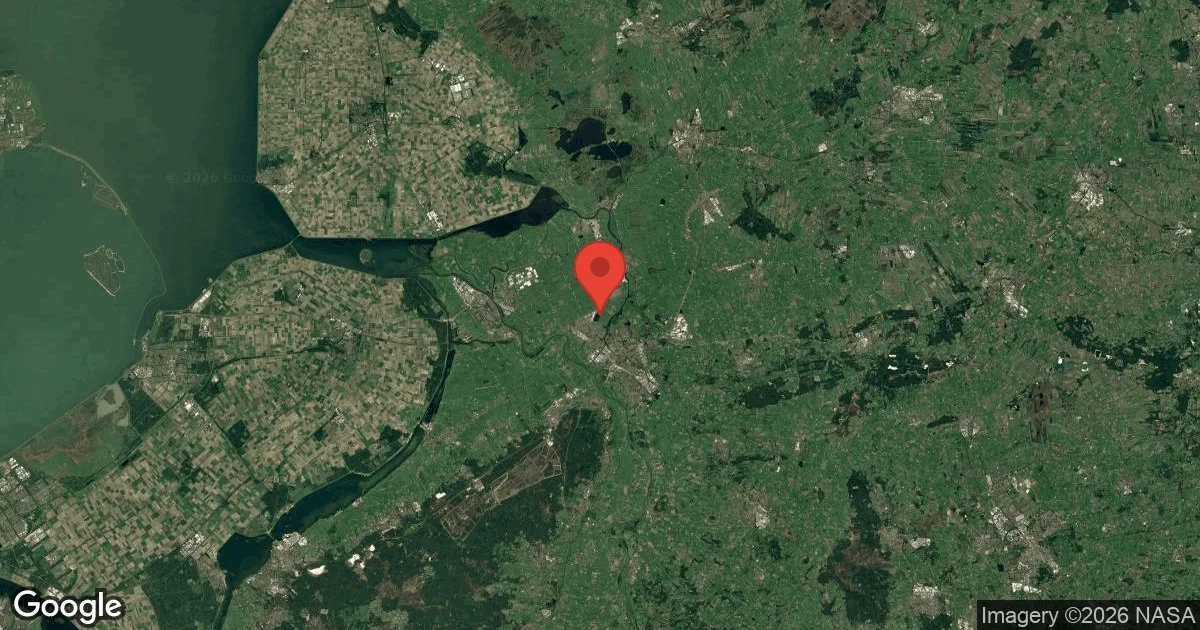
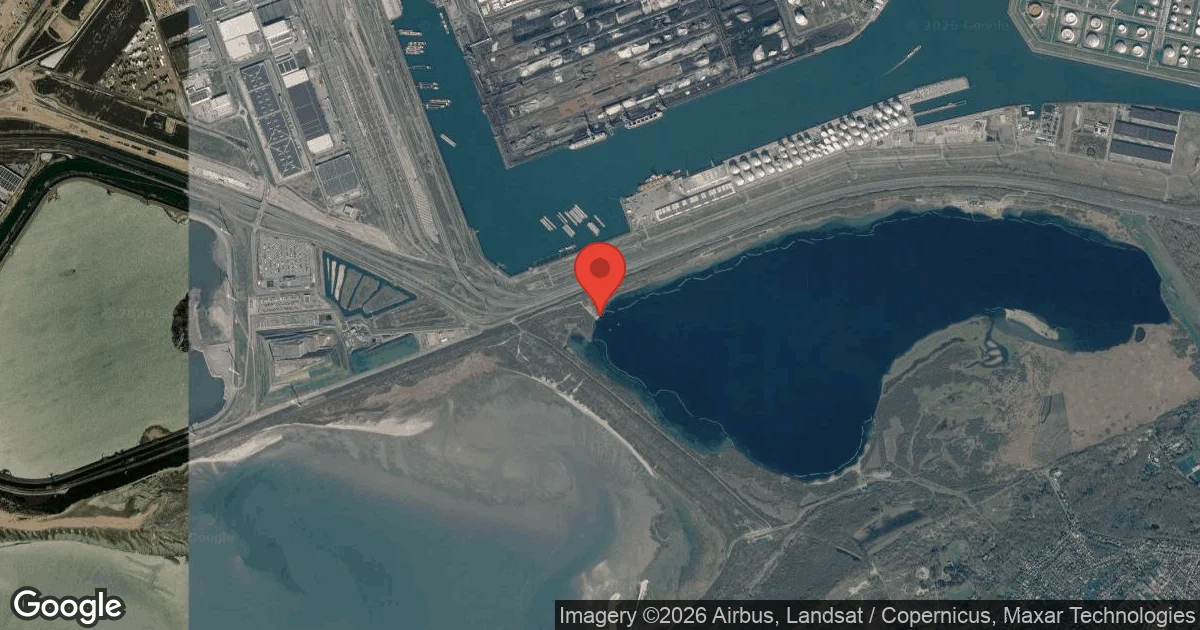
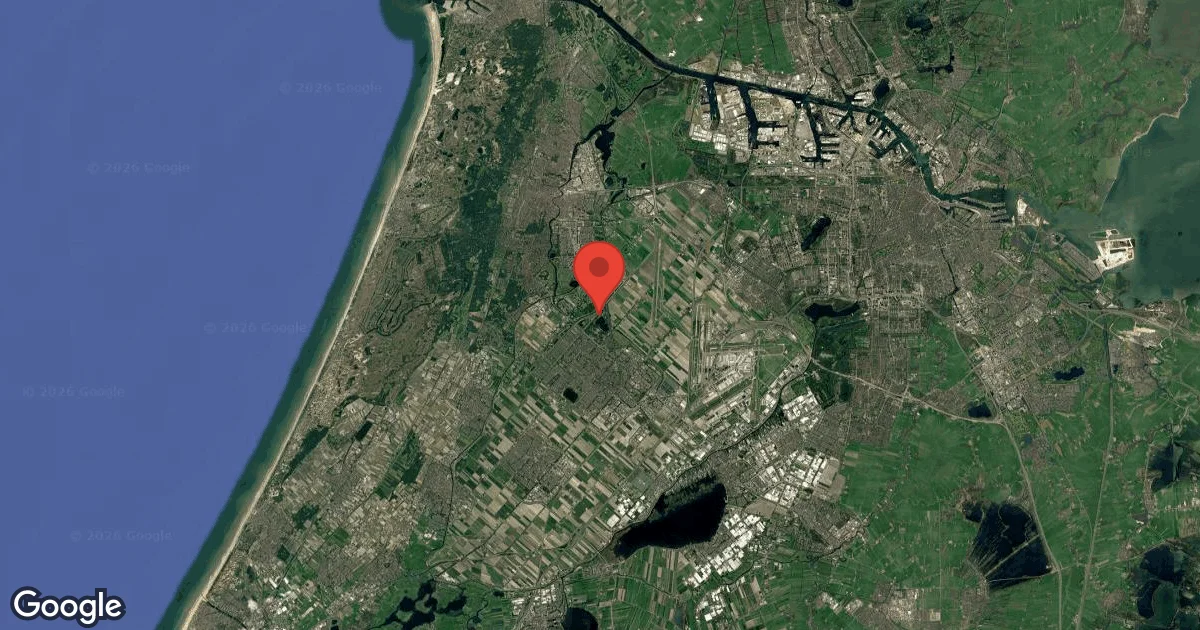
Dive sites across the Netherlands showcase a wide variety of types, from natural saltwater lakes and tidal estuaries to deep freshwater quarries and historical wrecks, reflecting the country's unique geography. This diversity ensures a range of experiences, whether exploring submerged structures or vibrant aquatic ecosystems. Accessibility is often a key feature, with many locations offering direct shore entry.
In Zeeland, Oosterschelde National Park hosts sites like Bergse Diepsluis (Oesterdam), which is easily accessible and known for its diverse marine life. Grevelingenmeer, Western Europe's largest saltwater lake, provides around 18 shore dive sites to explore various natural and artificial structures. Further inland, the Utrecht region features Vinkeveense Plassen, offering year-round diving in clear waters with submerged objects like sunken boats and a passenger bus.
Wreck enthusiasts can visit Zandeiland 8 Zuid in Utrecht, where a 15-meter (49 ft) barge rests at 12 meters (39 ft). For deeper freshwater exploration, Spiegelpolderplas - Duiksteiger reaches 45 meters (148 ft), featuring a car and a "forest" of piles. The North Sea holds historical wrecks such as the REM III, a converted World War II ship, and the protected World War I warship HMS Aboukir. Visibility at these sites typically ranges from 5 to 10 meters (16 to 33 ft), but conditions can vary.
Best Time to Dive in Netherlands
Planning the optimal time for diving in the Netherlands involves understanding the seasonal interplay of water temperature, visibility, and marine life activity. The prime diving season generally extends from April to October, aligning with higher water temperatures and increased aquatic activity. This period offers the most comfortable and rewarding experiences.
Summer, spanning July to September, typically provides the best diving conditions. Freshwater lakes see water temperatures peak around 20°C (68°F), with visibility commonly ranging from 5 to 10 meters (16 to 33 ft). September often receives recommendations due to its warm waters and the onset of vibrant fall colors, enhancing the scenic appeal. Autumn months, in particular, are noted for offering optimal overall visibility.
Cooling temperatures mark the fall months of October and November, dropping to about 10°C (50°F), and visibility might lessen due to falling leaves. Winter, from December to March, presents the most challenging conditions, including potential ice cover that limits opportunities. While freshwater lakes can be dived year-round with proper drysuit gear, cooler months generally feature fewer species. Strong currents in areas like Zeeland necessitate planning dives around slack tide, although sites such as Bergse Diepsluis experience minimal current.
Monthly Sea Temperatures
Water temperatures in the Netherlands exhibit significant seasonal variation, making appropriate thermal protection crucial for divers. Overall water temperatures typically range from 4°C to 20°C (39°F to 68°F) throughout the year, firmly placing Dutch diving in the cold-water category. Divers must plan their gear accordingly.
Warmest ocean waters are generally experienced from August through October. Freshwater lakes see summer temperatures peak around 20°C (68°F) between July and September. In the North Sea, summer averages range from 15°C to 18°C (59°F to 64°F). Spring, from April to June, brings cooler temperatures, ranging between 10°C and 15°C (50°F and 59°F).
The coldest periods occur during winter, from December to March, when temperatures can drop as low as 5°C (40°F) in some areas, and the North Sea ranges from 5°C to 8°C (41°F to 46°F). Even in summer, many locations rarely exceed 18°C (64°F). A 7mm wetsuit or a drysuit, paired with gloves, is highly recommended for comfort and safety across all seasons.
| Jan | Feb | Mar | Apr | May | Jun | Jul | Aug | Sep | Oct | Nov | Dec | |
|---|---|---|---|---|---|---|---|---|---|---|---|---|
| Max | 8° | 8° | 8° | 11° | 14° | 18° | 19° | 20° | 20° | 18° | 14° | 12° |
| Avg | 6° | 6° | 6° | 9° | 12° | 15° | 17° | 18° | 18° | 15° | 13° | 9° |
| Min | 5° | 5° | 4° | 7° | 10° | 13° | 16° | 16° | 16° | 13° | 11° | 7° |
Dive Conditions
Dive conditions in the Netherlands are highly variable, influenced by location, season, and environmental factors, requiring diver adaptability. Both visibility and currents can shift significantly, necessitating flexible dive planning. This variability is a defining characteristic of Dutch underwater exploration.
Visibility is a primary variable, typically ranging from 3 to 10 meters (10 to 33 ft), though it can fluctuate from 0.5 meters (2 ft) to an occasional 20 meters (66 ft) on exceptional days. Factors such as recent rainfall, water movement, algal blooms, and diver presence heavily impact clarity. High tide often brings improved visibility, and late spring, autumn, and early autumn are periods noted for optimal conditions. Divers should be prepared for low visibility, where a buddy line can be beneficial, especially in popular or tidal areas.
Currents also present a varied picture. The North Sea, for instance, is known for strong currents, making it suitable for experienced divers. Zeeland's strong tides and currents necessitate careful dive planning or a local guide. However, sheltered saltwater lakes like Grevelingenmeer are non-tidal, and sites such as Bergse Diepsluis experience minimal current. Inland freshwater lakes in Utrecht may have moderate currents, but these are generally less intense than coastal areas.
Marine Life Highlights
Most Mentioned Species
Marine life in Netherlands varies across dive locations, with different species appearing depending on environment and conditions. The species highlighted here are the most frequently associated with dive sites in our data, offering a realistic overview of what divers are most likely to encounter.
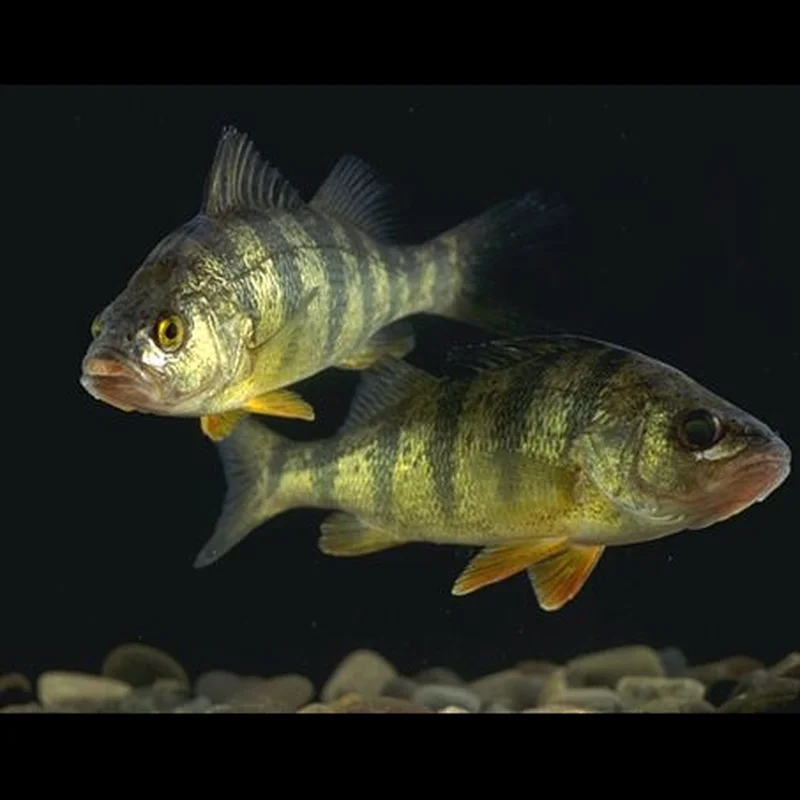
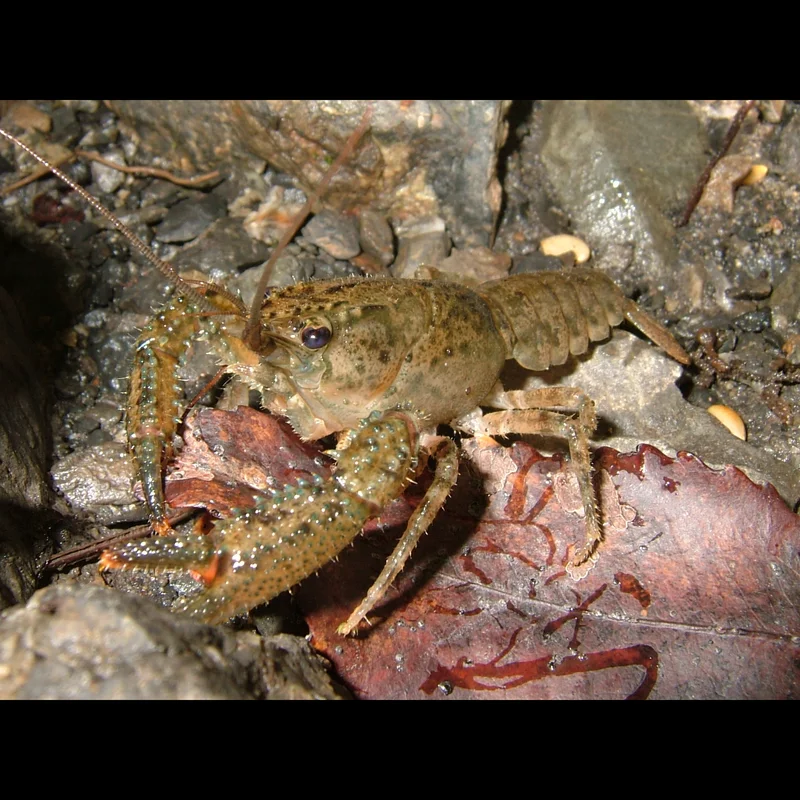
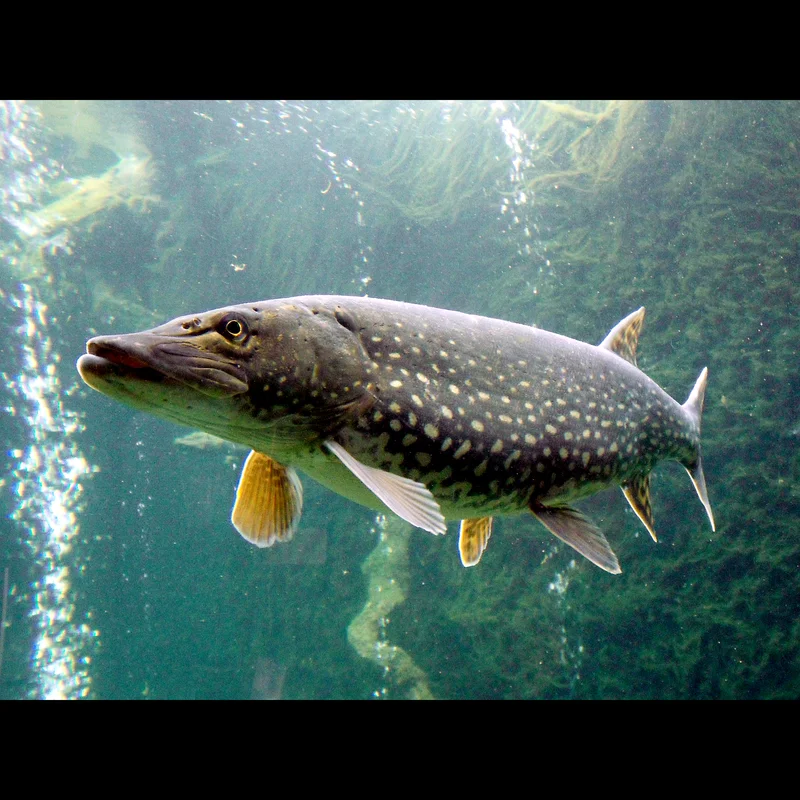
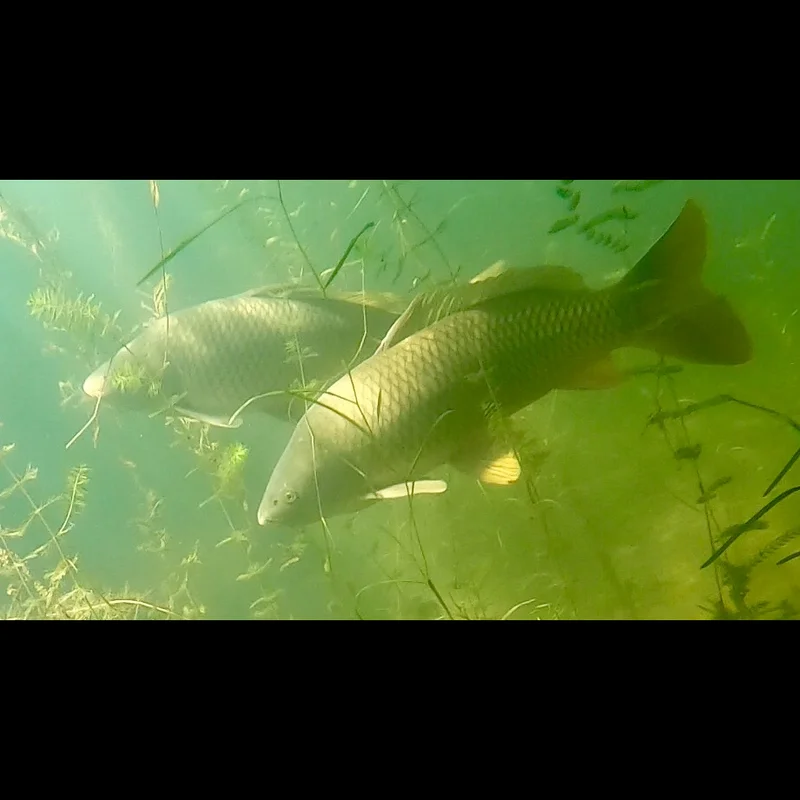
Diving in the Netherlands reveals distinct marine life across its varied aquatic environments, with species presence and activity often linked to seasonal changes and water temperatures. Both saltwater and freshwater sites offer unique encounters throughout the year. This ecological diversity provides different experiences depending on the chosen location.
In Zeeland's saltwater areas, such as the Oosterschelde and Grevelingenmeer, divers can observe cuttlefish during their spring and summer mating season, typically when water temperatures reach around 12°C (54°F). Seahorses are present from June to October. Other common sightings include various crabs, lobsters, and nudibranchs like the translucent green Aplysia punctata. Pipefish, gobies, wrasse, starfish, and anemones also inhabit these waters. Grevelingenmeer is also home to seals.
Freshwater sites in regions like Utrecht and Drenthe host a different array of species, including pike, perch, carp, and bream. Notable residents in these lakes can be large eels, freshwater crayfish, and the impressive 2.4-meter (8 ft) catfish known as "Big Mama" in Kempervennen. The North Sea, particularly around wrecks, offers encounters with conger eels, Atlantic cod, and mackerel. Seasonal highlights there include occasional sightings of basking sharks and rays from late spring to early autumn.
Regions for Diving
The geographical distribution of dive regions across the Netherlands dictates distinct underwater landscapes and varying access practicalities, which are fundamental for planning a dive trip. Divers will find that how they reach and explore these areas differs significantly by location.
Zeeland, located in the southwest, is the most popular diving destination and is easily accessible by car. This region is known for its extensive shore diving opportunities, with many sites freely accessible. Key areas include the Oosterschelde National Park, boasting over 100 dive sites and serving as a significant spawning ground. While the Oosterschelde is tidal, sites like Bergse Diepsluis offer calm conditions due to the Oesterdam. Grevelingenmeer, Western Europe's largest saltwater lake, is also in Zeeland. It is non-tidal, features around 18 shore dive sites, and is home to seals. Summer water temperatures here range from 15-18°C (59-64°F), dropping to 5-8°C (41-46°F) in winter, with visibility typically between 5-10 meters (16-33 ft).
Utrecht, a central region, offers extensive freshwater diving in its many lakes and rivers. Destinations like Vinkeveense Plassen, known for its clear waters and submerged objects such as sunken boats and a passenger bus, provide year-round diving. Other notable sites, often accessed via local roads, include Maarsseveense Plassen for quarry diving and the Zandeiland sites (4, 8 Zuid, 9) which feature various wrecks. Water temperatures broadly range from 4-20°C (39-68°F), peaking in summer, though visibility can vary significantly.
The North Sea, encompassing parts of North Holland and South Holland, is generally recommended for very experienced divers due to its strong currents and cooler temperatures. Access typically involves chartering boats to reach offshore wreck sites such as the HMS Aboukir or the REM III. Visibility is variable, usually 5-10 meters (16-33 ft) but can reach up to 6 meters (20 ft) on good days. Limburg province, near the German border, also hosts the Boschmolenplas, a beautiful freshwater spot accessible by road, providing another distinct inland diving experience.
Travel & Passport Guide
Travel Basics
Trip Planning
Safety & Diving Considerations
Specific safety considerations and required diver experience levels are paramount when diving in the Netherlands, particularly concerning thermal protection and current management. While many sites are accessible, certain locations demand higher skill levels due to prevailing conditions. Planning and preparation are key for a safe experience.
Diving in the North Sea, for instance, is explicitly reserved for very experienced divers, a necessity driven by strong currents and generally lower water temperatures. The Zeeland region, with its strong tides and currents, often benefits from local knowledge; hiring a guide is advisable for those unfamiliar with the area. Deep dive sites, such as Gorishoek De Punt, reaching 40 meters (131 ft), are not suitable for beginner divers.
Given the cold-water environment, proper thermal protection is crucial. Divers should plan to wear a drysuit or a wetsuit with a minimum thickness of 7mm. Gloves are also considered essential, even in summer. Visibility can sometimes be low, occasionally almost zero, making good buoyancy control and the use of a buddy line important safety practices. Many freshwater lake dive sites are freely accessible from shore, simplifying entry and exit logistics.
Dive Centers in Netherlands
View all 23 dive centers
Frequently Asked Questions
What are the best dive sites in the Netherlands?
Some of the most popular dive sites include Bergse Diepsluis in Oosterschelde National Park, known for its accessibility and marine life. Grevelingenmeer is Western Europe's largest saltwater lake with many shore dive sites. For freshwater diving, Vinkeveense Plassen offers clear waters and submerged objects like sunken boats and a bus. Wreck diving opportunities exist at sites like Zandeiland 8 Zuid and in the North Sea with the HMS Aboukir.
When is the best time of year to dive in the Netherlands?
The prime diving season runs from April to October. Summer, from July to September, typically offers the best conditions with warmer water temperatures and better visibility, peaking around 20°C (68°F). September is often recommended for its pleasant conditions and the onset of autumn colors. Autumn is also noted for providing the best overall visibility.
What is the typical water temperature for diving?
Water temperatures in the Netherlands vary significantly by season and location. They generally range from 4°C to 20°C (39°F to 68°F). Summer temperatures in freshwater lakes can reach up to 20°C (68°F), while the North Sea averages 15-18°C (59-64°F). In winter, temperatures can drop as low as 5°C (40°F), making drysuits or thick wetsuits essential for comfort.
What kind of marine life can I expect to see?
In Zeeland's saltwater areas, divers can encounter cuttlefish, seahorses, various crabs, lobsters, nudibranchs, pipefish, gobies, starfish, and seals. Freshwater lakes host pike, perch, carp, and large catfish. The North Sea offers sightings of conger eels, Atlantic cod, mackerel, and occasionally basking sharks or rays during warmer months. Night dives can also reveal bioluminescent creatures.
What are the general visibility conditions?
Visibility in Dutch waters can be quite variable, ranging from 0.5 meters (2 ft) to an occasional 20 meters (66 ft). Typically, it falls between 3 and 10 meters (10 and 33 ft). Factors such as recent rainfall, algal blooms, and the number of divers can influence clarity. Optimal visibility is often found in late spring and early autumn, and during high tide in coastal areas.
Are there strong currents to consider?
Yes, strong currents are a factor, particularly in the North Sea, which is recommended for experienced divers. The Zeeland region also experiences strong tides and currents, so planning dives around slack tide or diving with a local guide is advisable. However, some popular sites like Bergse Diepsluis have minimal current, and large saltwater lakes like Grevelingenmeer are non-tidal.