
Diving at Haarlemmermeerse Bos (Netherlands)
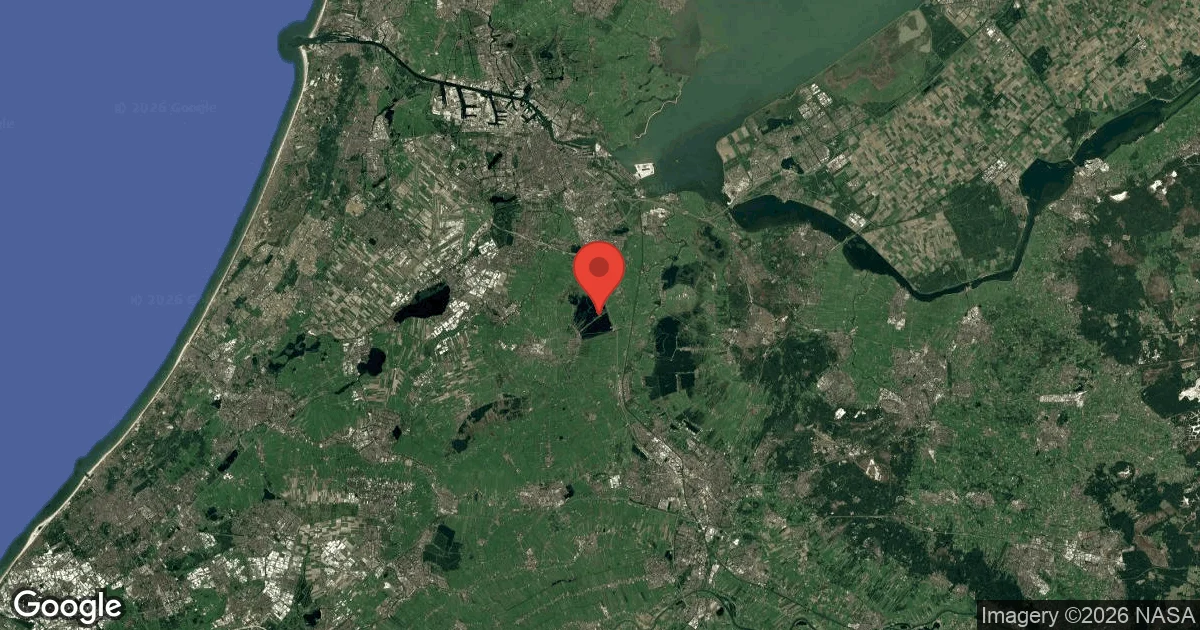
This freshwater lake, Haarlemmermeerse Bos, presents a dynamic environment for certified divers seeking inland exploration. Its clear conditions can vary, offering a range of experiences from serene, still waters to active encounters around structural features. Divers here navigate distinct underwater terrain, a notable contrast to coastal sites. It's an accessible location where local divers refine skills.
At Haarlemmermeerse Bos, the ambient air temperature is currently recorded at 16.5°C. This dive site in Netherlands is operating under normal seasonal weather patterns. Familiarize yourself with the local topography prior to navigating.
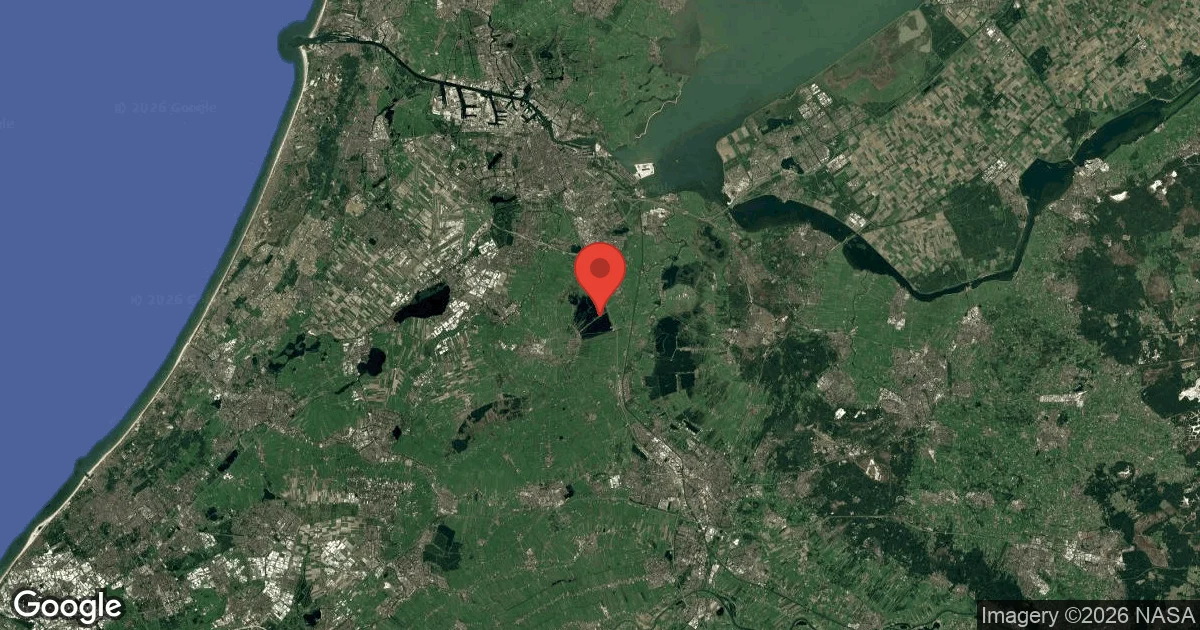
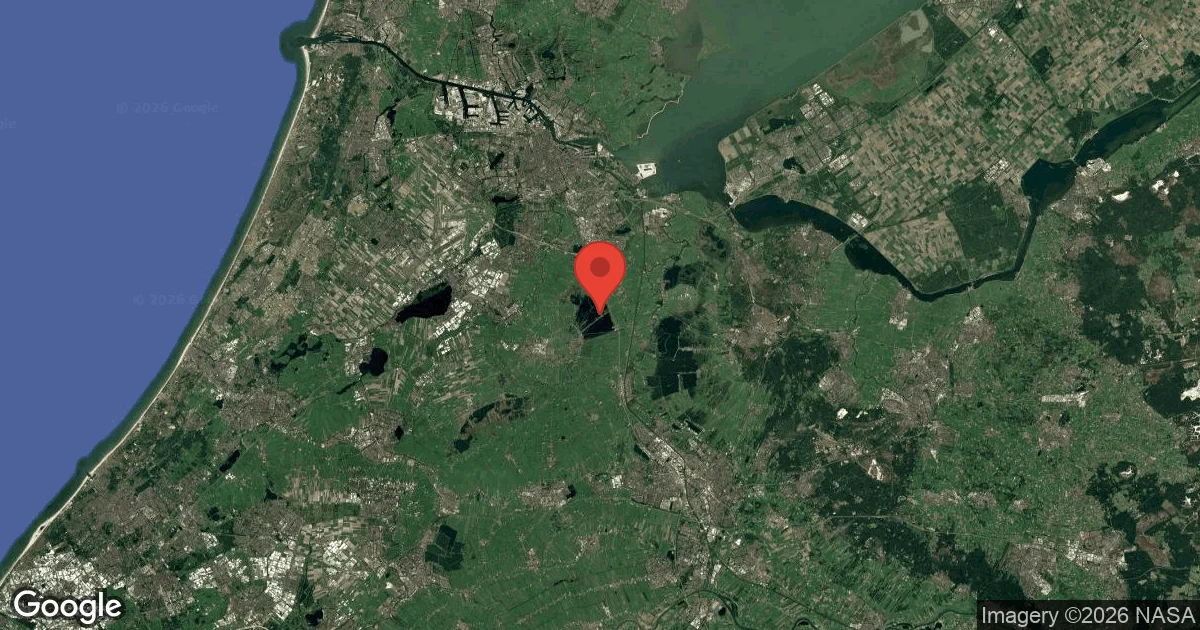
Dive Site Location & Key Facts
Dive Site Overview
Exploring Haarlemmermeerse Bos provides certified divers with a comprehensive range of freshwater diving experiences, from navigating expansive lake beds to investigating specific structural features. This site offers more than just open water, with distinct clay walls dominating the underwater terrain between 5 and 9 meters (16 and 30 ft).
These formations present an interesting vertical relief, creating opportunities for diverse dive profiles. Divers can plan for various dive types, including straightforward beach entries, focused lake exploration, and even what is described as wreck diving around submerged structures.
The maximum depth of approximately 30 m (98 ft) here attracts those seeking deeper challenges and longer bottom times within safe limits. Near the pavilion, active groups of whitefish and eels are a common sight, contributing to the site's dynamic feel.
Access is typically convenient, with multiple shore entry points facilitating direct access into the water body. The diverse environment, from shallow areas to the darker, deeper regions, continuously engages divers with its varied character, ensuring each descent can reveal something new.
Weather Error: fetch failed
Best Time to Dive
Planning your dive at Haarlemmermeerse Bos often prioritizes comfort and optimal visibility. While diving is possible year-round, the warmer months, particularly May through September, generally align with more favorable air temperatures, ranging from 13.5°C (56°F) in May to 18.5°C (65°F) in August. This period also tends to see relatively lower average rainfall, making surface conditions more pleasant. Water temperatures are not consistently reported but log reports indicate considerable variation, from as low as -2°C (28°F) in colder periods to 20°C (68°F) during summer peaks. Early mornings or weekdays may offer clearer conditions before surface activity potentially reduces visibility.
PEAK SEASON SCORE
Scores combine air & water temps, waves, wind & rainfall for overall conditions.
BEST MONTHS TO DIVE
Monthly records compiled from satellite and marine observation nodes over the last 3 years. Data provided by Open-Meteo and MET Norway.
Dive Experience & Conditions
Upon entering Haarlemmermeerse Bos from the shore, divers typically begin their descent into a freshwater environment known for its variable visibility. As one descends, the pronounced clay walls emerge, presenting an interesting geological formation to explore between 5 and 9 meters (16 and 30 ft). Deeper sections can reveal sandy bottoms where pike-perch are often found resting. Water temperatures can shift with depth, and some divers have reported marked thermoclines. While many reports describe good visibility, particularly at depth, it can also be limited closer to the surface depending on recent weather and activity. The site's character changes subtly as you explore different contours.
Dive Difficulty & Safety Guidelines
Diving at Haarlemmermeerse Bos requires divers to be particularly aware of their surroundings, especially concerning other water users. The lake is an official fishing spot, so vigilance for fishing lines is paramount. Divers should maintain good buoyancy control and careful navigation to avoid entanglement.
Given the maximum depth of 30 meters (98 ft) and potentially cold water, certifications like PADI Dry Suit Diver or Advanced Open Water Diver are highly recommended. Always dive with a buddy, and ensure your dive plan accounts for potential changes in visibility and temperature. Local dive shops can provide the most current site-specific advice.
Recommended Equipment
Overhead / entanglement risk. Wreck penetration requires proper training.
- Dive Computer
- Primary & Backup Lights
- Wreck Reel
- Cutting Tool
This gear list is based on verified equipment signals for Haarlemmermeerse Bos, Netherlands. Always confirm final gear choices with your dive operator, guide, or liveaboard.
Recommended Dive Suit
For many recreational divers, 5mm wetsuit provides a practical level of insulation in these conditions. Consider warmer surface protection (like a boat coat) due to brisk winds. A thermal robe or jacket is recommended between dives. Divers who tend to get cold easily may prefer slightly thicker exposure protection.
Conditions at Haarlemmermeerse Bos currently place the water temperature near 19°C (67°F). Surface air temperatures are resting at 17°C (62°F).
Current forecasts indicate relatively stable conditions for the coming days.
Due to technical issues with our weather providers, live updates are temporarily delayed. The data above reflects the conditions at the time of the last successful fetch.
Emergency & Medical Support
Essential information to help you plan your dive trip to Haarlemmermeerse Bos.

Hyperbaric chambers are a critical part of dive safety infrastructure. Availability varies significantly by region, and not all dive areas have immediate access.
Before diving, it's recommended to:
- confirm nearest medical facilities
- check emergency procedures with local dive operators
- ensure dive insurance covers evacuation if required
Divers Alert Network
Diving emergency assistance available through DAN Europe.
+39 0642115685- 24/7 emergency hotline
- Diving medical assistance
- Evacuation coordination
Emergency contacts are provided for reference. Always verify local emergency services before diving.
Closest Listed Hyperbaric Chambers
Showing listed hyperbaric chamber facilities within 200 km of this dive site.
Distances are approximate straight-line distances and may not reflect emergency travel time.
Amsterdam University Medical Center
24/7 ListedICU CapableAmsterdam, Netherlands•Approx. 20 km straight-line
Amsterdam University Medical Center
24/7 ListedICU CapableInformation is provided for reference and planning purposes only. Dive Navigator does not verify operational status, staffing, availability, or quality of care at listed facilities. In an emergency, contact local emergency services, DAN, your dive operator, or the chamber directly. Do not travel to a facility without calling ahead.
Hyperbaar Geneeskundig Centrum Rijswijk (HGC)
24/7 ListedRijswijk, Netherlands•Approx. 39 km straight-line
Hyperbaar Geneeskundig Centrum Rijswijk (HGC)
24/7 ListedInformation is provided for reference and planning purposes only. Dive Navigator does not verify operational status, staffing, availability, or quality of care at listed facilities. In an emergency, contact local emergency services, DAN, your dive operator, or the chamber directly. Do not travel to a facility without calling ahead.
Meander Da Vinci
Amersfoort, Netherlands•Approx. 51 km straight-line
Meander Da Vinci
Information is provided for reference and planning purposes only. Dive Navigator does not verify operational status, staffing, availability, or quality of care at listed facilities. In an emergency, contact local emergency services, DAN, your dive operator, or the chamber directly. Do not travel to a facility without calling ahead.
Marine Life at Haarlemmermeerse Bos
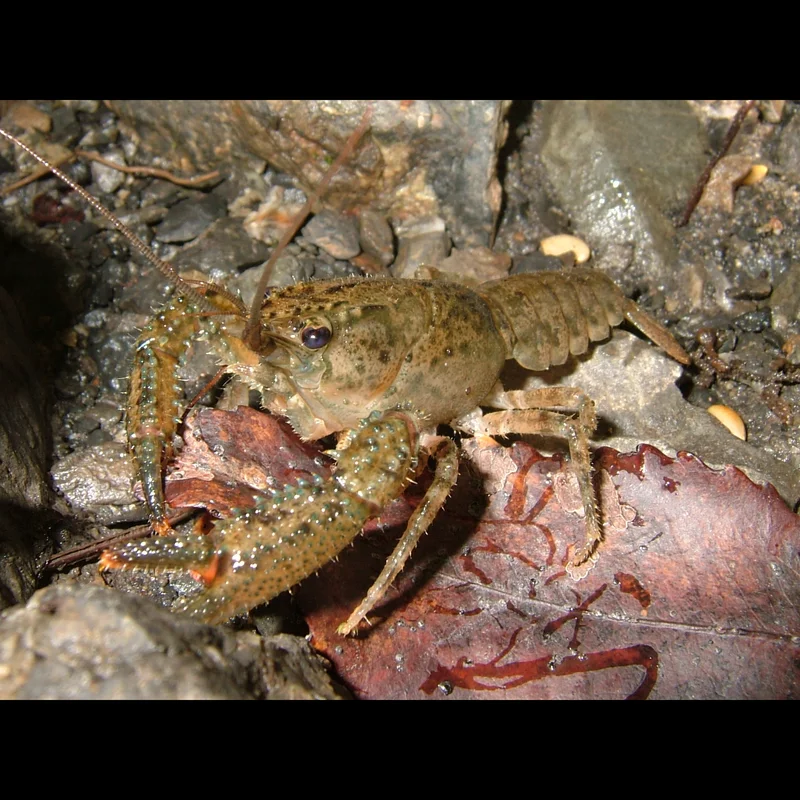
Exploring the underwater landscape of Haarlemmermeerse Bos unveils a diverse freshwater ecosystem. You'll often encounter pike, perch, roach, and crayfish, frequently near the clay walls or among the water plants closer to the banks.
The sandy bottom areas are known for large, resting pike-perch. Occasionally, divers report sightings of catfish, particularly in deeper, quieter spots.
Near the pavilion, keep an eye out for schools of whitefish and eels, sometimes observed actively hunting smaller prey, adding a dynamic element to the dive experience.

Dive Sites Near Haarlemmermeerse Bos
View all dive sites in NetherlandsDiscover more underwater gems in this area.
Dive Centers Near Haarlemmermeerse Bos
Nearest Airports
Nearest airports to help plan travel to this dive area.
Search Flights
Check available flights and routes on Expedia, using the nearby airports listed in this section.
Search Flights on ExpediaFrequently Asked Questions
What is the typical visibility at Haarlemmermeerse Bos?
Visibility varies considerably. It can range from good, particularly at deeper sections or during calmer periods, to more limited closer to the surface due to recent weather or sediment disturbance. Early mornings often provide clearer conditions.
What kind of marine life can divers see here?
You'll frequently encounter pike, perch, roach, and crayfish. Large pike-perch are often found resting on sandy bottoms, and catfish sightings are occasionally reported in deeper, quieter areas. Near the pavilion, look for schools of whitefish and eels.
Is Haarlemmermeerse Bos suitable for beginner divers?
While accessible from the shore, the site's deeper sections and variable conditions, including potential thermoclines and colder water, suggest it's more appropriate for certified divers with some experience. Beginners should dive with an instructor or experienced buddy and stay in shallower areas.
What are the water temperatures at the dive site?
Water temperatures are not consistently reported but fluctuate significantly. They can be as low as -2°C (28°F) in winter to around 20°C (68°F) in summer. Thermoclines are also common, meaning temperatures can change with depth.
Are there any particular safety concerns at Haarlemmermeerse Bos?
The lake is an active fishing spot, so divers should be vigilant for fishing lines and maintain excellent buoyancy. Cold water and deeper areas also necessitate appropriate training and equipment, such as dry suits.
How do divers typically access the water?
Divers usually enter the water from several designated shore or beach entry points. These access points provide a straightforward path into the lake, making it convenient for carrying gear.
What makes the clay walls an interesting feature?
These prominent walls emerge at typical depths between 5 and 9 meters, offering a distinctive geological formation. They create a varied underwater landscape, providing interesting contours and overhangs for exploration and sometimes sheltering marine life like crayfish.