
Diving at White Hole (Netherlands)
White Hole, off the coast of Bonaire, draws divers with its distinctive white sand plain in front of Lac Bay. This site is easily accessed and known for its vibrant coral formations and diverse inhabitants. Divers here frequently encounter tarpons, turtles, rays, and even the occasional shark. Its maximum depth of 30 m (100 ft) accommodates various skill levels seeking a rich underwater experience.
Tonight's objective overview for White Hole shows an air temperature of 28.5°C. The measured surface conditions include wave heights around 1.6 m. This environmental data is logged for the close of the day.
Dive Site Location & Key Facts
Dive Site Overview
White Hole presents a distinctive dive off Bonaire's coast, characterized by its namesake white sand plain positioned prominently in front of Lac Bay. Suitable for certified divers, the location offers varied underwater topography encompassing vibrant coral reefs, walls, and expansive sandy bottoms.
Access typically involves either a boat ride or a considerable wade from the shore through the bay, culminating in a descent to a maximum depth of 30 m (100 ft). Divers here navigate a dynamic environment where intricate coral formations meet rocky outcrops and stretches of sand, supporting a rich biodiversity. Exploring White Hole involves observing various fish species and appreciating the intricate reef ecosystems that unfold across the diverse bottom types.
A unique blend of habitats, from open sand to dense coral, provides ample opportunity to observe different marine behaviors. With an average dive time of 60 minutes, divers have ample opportunity to traverse both the shallower sections and the deeper reef areas, making it a compelling exploration for those seeking Bonaire's aquatic life.
Conditions are Moderate
Optimal conditions expected
Current conditions near White Hole show 29° air, 29° sea temperature, 1.4 m waves, and 38 km/h wind. Forecast data is refreshed regularly to ensure accuracy.
Best Time to Dive
To experience White Hole at its most favorable, planning a visit between January and June is often recommended. During these months, divers generally find good dive conditions, aligning with a period of consistent air temperatures typically ranging from 27-29°C (81-84°F). Surface conditions tend to be calmer, with average wave heights remaining below 1.5 meters, which can contribute to easier entry and exit, especially for shore access. Water temperatures during this prime window are comfortably warm, varying between 24-30°C (75-86°F), encompassing both winter and summer averages. While rainfall is generally low year-round, these months often present slightly drier patterns compared to late autumn. This allows for optimal visibility and a more pleasant overall dive experience.
PEAK SEASON SCORE
Scores combine air & water temps, waves, wind & rainfall for overall conditions.
BEST MONTHS TO DIVE
Monthly records compiled from satellite and marine observation nodes over the last 3 years. Data provided by Open-Meteo and MET Norway.
Dive Experience & Conditions
Upon descending into White Hole, divers typically encounter visibility ranging from 20 to 30 m (65 to 100 ft), allowing for expansive views of the underwater landscape. Conditions at this site are generally mild, with currents consistently reported as gentle and virtually no surge. This makes for a relaxed dive, particularly for those who prefer calmer environments. Water temperatures are comfortably warm, fluctuating between 24-28°C (75-82°F) in winter and 26-30°C (79-86°F) during summer months. The shore entry, often requiring a wade through Lac Bay, eventually leads to the main dive area. While the site reaches a maximum depth of 30 m (100 ft), exploring its shallower sections also offers rich encounters. Intermediate certification is recommended for this dive, ensuring divers are comfortable with navigation and managing air supply over a typical 60-minute duration.
Dive Difficulty & Safety Guidelines
For a safe and enjoyable experience at White Hole, divers should prioritize local verification of current conditions before entering the water. While typically experiencing mild currents and no significant surge, conditions can always shift. The site is rated intermediate difficulty, so maintaining awareness of your depth, particularly nearing the 30 m (100 ft) maximum, is important.
Always keep a close eye on air supply, especially when exploring deeper sections or covering extended distances. As with all dives, staying with your buddy and adhering to no-touch policies for coral and marine life are crucial guidelines.
Remember, consulting local dive operators for the latest site-specific information and current advisories is a critical step in dive planning.
Recommended Equipment
- Dive Computer
This gear list is based on verified equipment signals for White Hole, Netherlands. Always confirm final gear choices with your dive operator, guide, or liveaboard.
Recommended Dive Suit
Water temperatures at White Hole are currently estimated to be around 29°C (83°F), shaping the overall diving conditions for today. Surface air temperatures are resting at 29°C (83°F).
For the majority of recreational dives here, 2-3mm shorty or light wetsuit should provide suitable protection. Consider warmer surface protection (like a boat coat) due to brisk winds.
Weather models currently point toward consistent diving conditions over the next several days.
Emergency & Medical Support
Essential information to help you plan your dive trip to White Hole.

Hyperbaric chambers are a critical part of dive safety infrastructure. Availability varies significantly by region, and not all dive areas have immediate access.
Before diving, it's recommended to:
- confirm nearest medical facilities
- check emergency procedures with local dive operators
- ensure dive insurance covers evacuation if required
Divers Alert Network
Diving emergency assistance available through DAN Europe.
+39 0642115685- 24/7 emergency hotline
- Diving medical assistance
- Evacuation coordination
Emergency contacts are provided for reference. Always verify local emergency services before diving.
Marine Life at White Hole
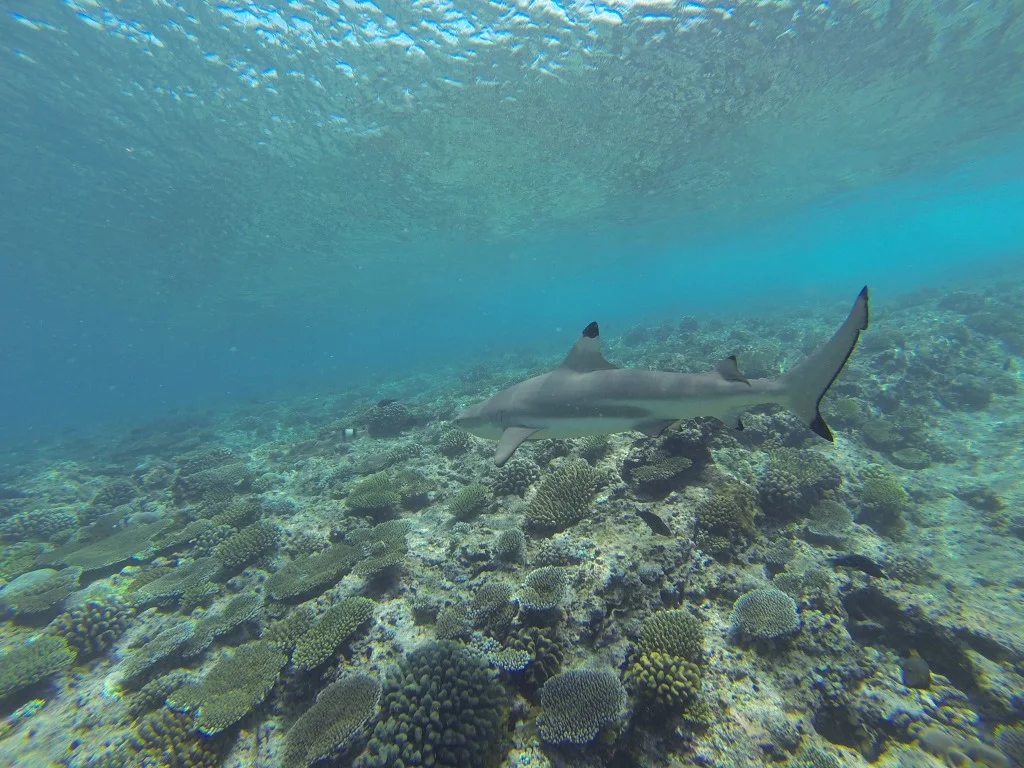
Divers navigating White Hole's vibrant coral reefs and sandy expanses regularly encounter an array of marine life. This environment serves as a compelling spot for observation, hosting a wide variety of fish species.
Notable sightings include tarpons and turtles, frequently observed moving through the site. Encountering rays and the occasional shark further enhances the diversity of larger creatures present, adding excitement to explorations.
Bonaire's distinct underwater ecosystem is richly represented here, offering detailed insights into the local aquatic community.

Dive Centers Near White Hole
Today: 09:00 - 17:00
Nearest Airports
Nearest airports to help plan travel to this dive area.
Search Flights
Check available flights and routes on Expedia, using the nearby airports listed in this section.
Search Flights on ExpediaFrequently Asked Questions
What is White Hole known for?
White Hole is distinctive for its large white sand plain near Lac Bay, alongside vibrant coral reefs. Divers frequently encounter tarpons, turtles, rays, and sometimes sharks in this biodiverse environment.
How do I access White Hole?
Access to White Hole is primarily from the shore, often requiring a substantial wade through Lac Bay. Alternatively, the site can also be reached by boat, providing flexibility for divers.
What is the maximum depth at White Hole?
Max depth at White Hole is 30 m (100 ft). It accommodates certified divers comfortable with intermediate-level diving.
What are the typical water temperatures?
Water temperatures at White Hole are warm year-round. They typically range from 24-28°C (75-82°F) in winter and 26-30°C (79-86°F) during summer months.
Are there strong currents at White Hole?
White Hole generally experiences mild currents and little to no surge. However, divers should always confirm current local conditions upon arrival, as water dynamics can vary.
What marine life can I expect to see?
Divers often see tarpons, turtles, rays, and various reef fish. Occasionally, sharks are also sighted, contributing to the site's rich biodiversity.
Is a permit required to dive White Hole?
No, a permit is not specifically required to dive at White Hole. Divers should ensure they comply with general Bonaire marine park regulations.
What is the best time of year to dive White Hole?
Generally, January to June offers the best months to dive White Hole. Conditions during this period are often optimal with good visibility, pleasant air temperatures, and calmer surface conditions.
Planning to dive White Hole?
Send one inquiry and receive offers directly from the best verified local dive operators.
Conditions are Moderate
Optimal conditions expected
Current conditions near White Hole show 29° air, 29° sea temperature, 1.4 m waves, and 38 km/h wind. Forecast data is refreshed regularly to ensure accuracy.