
Diving at Zevenhuizerplas (Netherlands)
Zevenhuizerplas serves as a prominent freshwater dive destination in the Netherlands, presenting varied conditions that appeal to local divers. The site encompasses multiple entry points, each offering distinct underwater features ranging from gradual slopes to terraced walls. Visibility here fluctuates considerably, shaping the immediate dive experience. It remains an active spot for recreational diving, reflecting typical inland water characteristics.
At Zevenhuizerplas, the ambient air temperature is currently recorded at 13°C. This dive site in Netherlands is operating under normal seasonal weather patterns. Familiarize yourself with the local topography prior to navigating.
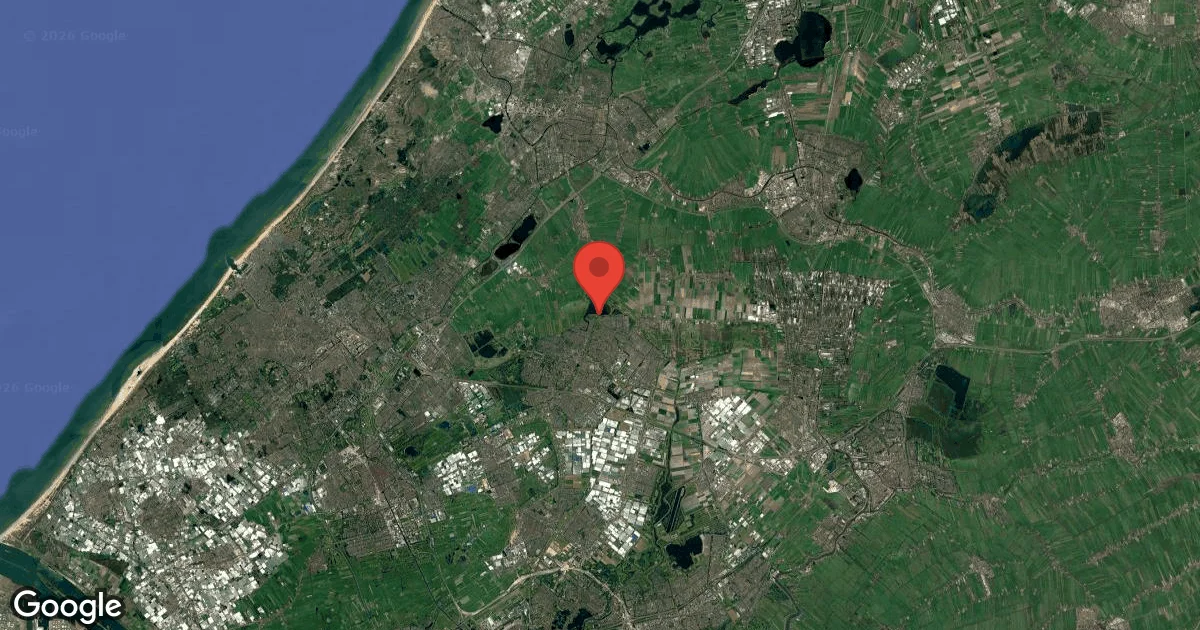
Dive Site Location & Key Facts
Dive Site Overview
This inland dive area stands out primarily due to its striking peat block formations that carve out impressive underwater canyons. Zevenhuizerplas isn't a single dive site but a collection of distinct entry points like De Strandgaper, Boothelling, Hondenstrand, and the general Strand area.
Each location within the plas provides different exploration opportunities. Divers can expect to navigate along overgrown plateaus that gently slope downwards or encounter more defined terraced walls. While the general Strand area is often considered less captivating, other spots along clay walls provide more engaging topography.
Visibility is notably variable, ranging from very limited to potentially 6 m (20 ft) on better days. Despite this variability, the plas offers a diverse environment within recreational depth limits.
Depths commonly explored range from shallower sections to as deep as 14 m (46 ft) in some areas, with Hondenstrand providing access to depths up to 30 m (100 ft) via a line course. Such conditions make it suitable for divers with varying experience levels, provided they adjust to the prevailing environment.
Conditions are Moderate
Optimal conditions expected
Current conditions near Zevenhuizerplas show 13° air, --° sea temperature, N/A waves, and 28 km/h wind. Forecast data is refreshed regularly to ensure accuracy.
Best Time to Dive
Understanding the prevailing conditions is key to planning a dive at Zevenhuizerplas. Air temperatures are mildest during late spring through early autumn, typically ranging from 14°C (57°F) in May to 18.5°C (65°F) in August. Rainfall during these months is generally moderate, averaging between 1.6 mm and 3.5 mm, maintaining comfortable topside conditions. Water temperatures, however, are highly variable and not consistently reported; logs show a wide range from as low as -2°C (28°F) to as high as 28°C (82°F), with many dives reporting between 4°C (39°F) and 21°C (70°F). Divers should anticipate colder temperatures at depth and during cooler seasons, requiring appropriate thermal protection. Visibility also varies greatly, sometimes reaching up to 10 m (33 ft) but often being much more restricted, even described as 'yogurt-like' on less favorable days. While year-round diving is possible, late spring to early autumn usually offers the most comfortable experience for surface intervals and overall water temperatures, though cold water expertise is beneficial at any time.
PEAK SEASON SCORE
Scores combine air & water temps, waves, wind & rainfall for overall conditions.
BEST MONTHS TO DIVE
Monthly records compiled from satellite and marine observation nodes over the last 3 years. Data provided by Open-Meteo and MET Norway.
Dive Experience & Conditions
Entering the water at Zevenhuizerplas often begins from various beaches, requiring divers to wade past the buoy line before descending. At sites like the general Strand, divers first navigate through an area dense with vegetation, which gradually transitions into terraced walls. These walls, composed of clay and peat, often feature holes where smaller marine life, particularly crayfish and eels, might be found. The sensation underwater is one of exploring a dynamic, silty environment where visibility can shift rapidly. One moment, you might have a clear view of up to 6 meters (20 ft), and the next, it could be reduced significantly. Movement needs to be controlled to avoid disturbing the bottom sediment. Currents are generally minimal here, making it accessible for divers to explore the natural formations and submerged landscapes at their own pace. Be prepared for cooler water temperatures, especially below the thermocline, which are not consistently reported but can be significantly colder than the surface.
Dive Difficulty & Safety Guidelines
Divers approaching Zevenhuizerplas should possess sound buoyancy control skills due to the variable visibility and silty bottom, which can easily be disturbed. During summer months, several entry points double as recreational beaches, meaning surface boat traffic and swimmers may be present. Divers must remain aware of their surroundings and use appropriate surface markers.
Unstable overhanging clay walls are reported hazards at certain locations, particularly at the Strand area; exercise caution and maintain a safe distance from these formations. Planning dives within established recreational depth limits, typically around 14 m (46 ft) for many sections, is advisable, though some areas like Hondenstrand allow for deeper excursions to 30 m (100 ft) with proper training.
Always dive with a buddy and carry a dive flag. Given the often lower visibility, a dive light is a practical tool for spotting marine life and navigating the underwater topography effectively.
Recommended Equipment
- Dive Computer
This gear list is based on verified equipment signals for Zevenhuizerplas, Netherlands. Always confirm final gear choices with your dive operator, guide, or liveaboard.
Recommended Dive Suit
Conditions may fluctuate slightly depending on wind and weather patterns. A warming trend is expected over the next few days.
Some divers prefer slightly warmer exposure protection simply for additional comfort. Surface intervals may feel noticeably cooler once you exit the water.
Based on regional estimates and current weather, the likely required exposure protection is a thicker wetsuit or drysuit. Note that local currents and upwellings can alter this. A thermal robe or jacket is recommended between dives. Because recent water temperature readings are not available for Zevenhuizerplas, the guidance below is based mainly on current air conditions and seasonal expectations. Current surface air temperatures are roughly 13°C (56°F).
Due to technical issues with our weather providers, live updates are temporarily delayed. The data above reflects the conditions at the time of the last successful fetch.
Emergency & Medical Support
Essential information to help you plan your dive trip to Zevenhuizerplas.

Hyperbaric chambers are a critical part of dive safety infrastructure. Availability varies significantly by region, and not all dive areas have immediate access.
Before diving, it's recommended to:
- confirm nearest medical facilities
- check emergency procedures with local dive operators
- ensure dive insurance covers evacuation if required
Divers Alert Network
Diving emergency assistance available through DAN Europe.
+39 0642115685- 24/7 emergency hotline
- Diving medical assistance
- Evacuation coordination
Emergency contacts are provided for reference. Always verify local emergency services before diving.
Closest Listed Hyperbaric Chambers
Showing listed hyperbaric chamber facilities within 200 km of this dive site.
Distances are approximate straight-line distances and may not reflect emergency travel time.
Hyperbaar Geneeskundig Centrum Rijswijk (HGC)
24/7 ListedRijswijk, Netherlands•Approx. 18 km straight-line
Hyperbaar Geneeskundig Centrum Rijswijk (HGC)
24/7 ListedInformation is provided for reference and planning purposes only. Dive Navigator does not verify operational status, staffing, availability, or quality of care at listed facilities. In an emergency, contact local emergency services, DAN, your dive operator, or the chamber directly. Do not travel to a facility without calling ahead.
Amsterdam University Medical Center
24/7 ListedICU CapableAmsterdam, Netherlands•Approx. 44 km straight-line
Amsterdam University Medical Center
24/7 ListedICU CapableInformation is provided for reference and planning purposes only. Dive Navigator does not verify operational status, staffing, availability, or quality of care at listed facilities. In an emergency, contact local emergency services, DAN, your dive operator, or the chamber directly. Do not travel to a facility without calling ahead.
Meander Da Vinci
Amersfoort, Netherlands•Approx. 59 km straight-line
Meander Da Vinci
Information is provided for reference and planning purposes only. Dive Navigator does not verify operational status, staffing, availability, or quality of care at listed facilities. In an emergency, contact local emergency services, DAN, your dive operator, or the chamber directly. Do not travel to a facility without calling ahead.
Marine Life at Zevenhuizerplas
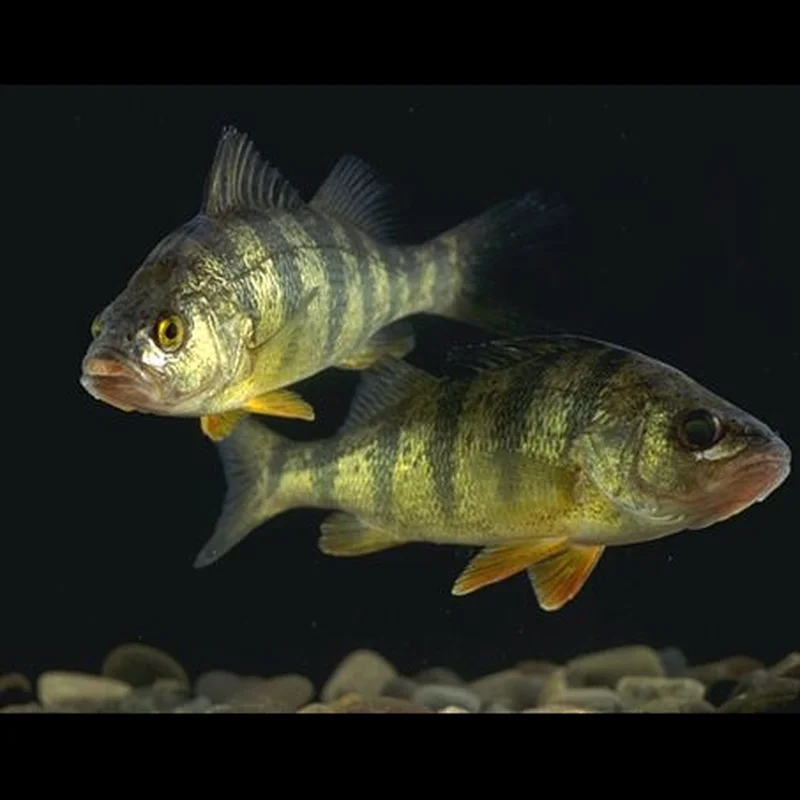
Upon entering Zevenhuizerplas, divers often first notice the various schools of fish moving through the vegetation and near the terraced walls. Common sightings include roaches and perch, which are frequently observed in the shallower zones.
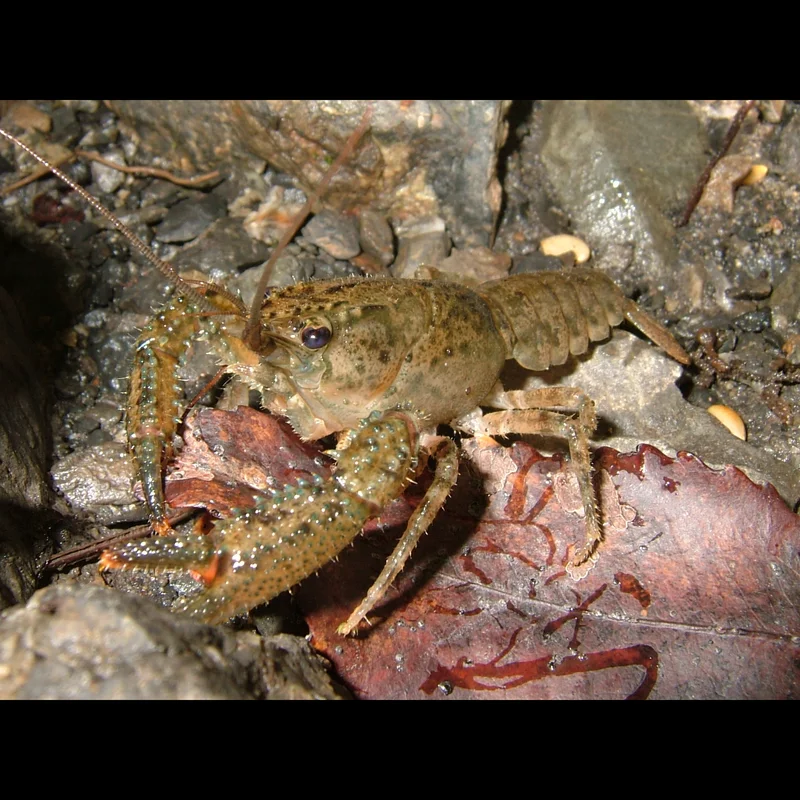
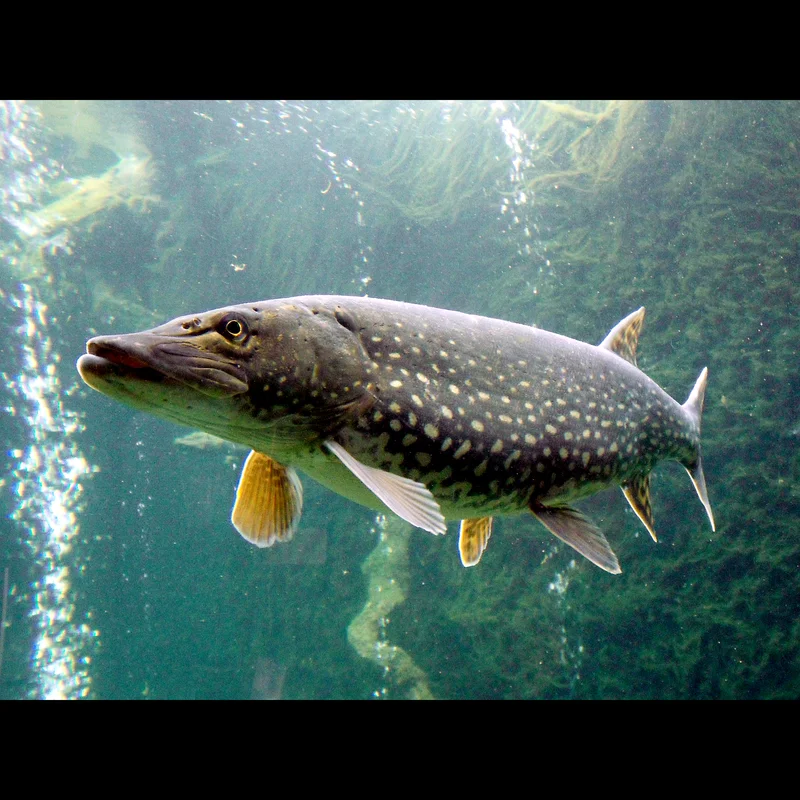
As you explore the clay walls and investigate the holes, crayfish are a regular discovery, often alongside eels. Larger predatory fish such as pike and zander can also be encountered, sometimes surprising divers with their size in the deeper sections.
Reports indicate a prevalence of young zander, suggesting an active breeding ground. This site provides an interesting cross-section of freshwater aquatic life, making careful observation part of the dive's reward.
Dive Sites Near Zevenhuizerplas
View all dive sites in NetherlandsDiscover more underwater gems in this area.
Dive Centers Near Zevenhuizerplas
Today: 10:00 - 17:00
Nearest Airports
Nearest airports to help plan travel to this dive area.
Search Flights
Check available flights and routes on Expedia, using the nearby airports listed in this section.
Search Flights on ExpediaFrequently Asked Questions
What is the maximum depth at Zevenhuizerplas?
The maximum depth varies by dive site within Zevenhuizerplas. While many areas are typically explored around 14 m (46 ft), the Hondenstrand section offers access to depths up to 30 m (100 ft) via a line course.
What is the typical visibility like for diving?
Visibility at Zevenhuizerplas is highly variable, ranging from very poor (as low as 1 m / 3 ft) to good days where it can reach up to 6 m (20 ft), with some reports of 10 m (33 ft) visibility. It can change quickly depending on conditions.
What kind of marine life can I expect to see?
Divers commonly encounter various freshwater species including schools of roaches, perch, and notably, crayfish and eels often hiding in the clay walls' crevices. Pike and zander, including many young ones, are also frequently spotted.
Are there any specific hazards divers should be aware of?
Key hazards include potentially unstable overhanging clay walls, especially at the Strand area, and surface boat or swimmer traffic during busy recreational periods. Maintaining excellent buoyancy control is crucial to manage the silty bottom.
What are the water temperatures in Zevenhuizerplas?
Water temperatures are not consistently reported but logs indicate a wide range, from below freezing in winter to as high as 28°C (82°F) in summer. Temperatures often become significantly cooler at deeper sections, so appropriate thermal protection is essential.
Are there multiple dive sites within Zevenhuizerplas?
Yes, Zevenhuizerplas is a large lake with several distinct dive entry points. Notable locations include De Strandgaper, Boothelling, Hondenstrand, and the general Strand area, each offering different underwater features and experiences.
Is Zevenhuizerplas suitable for beginner divers?
The varied visibility and potentially silty bottom mean that good buoyancy control is important. While shallower areas are accessible, beginner divers may benefit from guided dives or gaining some experience in similar freshwater conditions before exploring independently.
Planning to dive Zevenhuizerplas?
Send one inquiry and receive offers directly from the best verified local dive operators.
Conditions are Moderate
Optimal conditions expected
Current conditions near Zevenhuizerplas show 13° air, --° sea temperature, N/A waves, and 28 km/h wind. Forecast data is refreshed regularly to ensure accuracy.