
Diving at Bass Lake (South Africa)
Bass Lake features an inviting freshwater landscape, shaped by its spring-fed origins. A 10-hectare body of water descends from accessible walk-in slopes to a maximum depth of 23 m (75 ft). Divers navigate diverse underwater environments including designated wreck sites, quarry features, and sandy bottom sections, complemented by wall formations. Serving as a comprehensive training ground, it offers various structural elements mirroring challenges divers might encounter in open water. A varied underwater experience awaits.
At Bass Lake, the ambient air temperature is currently recorded at 16°C. This dive site in South Africa is operating under normal seasonal weather patterns. Familiarize yourself with the local topography prior to navigating.
Dive Site Location & Key Facts
Dive Site Overview
As a primary hub for diver education and practical experience, Bass Lake in Henley on Klip, Meyerton, South Africa, functions as a leading scuba training venue. This expansive, spring-fed lake enjoys recognition across multiple certifying agencies, including PADI, NAUI, SSI, CMAS, and IANTD.
Its underwater layout provides a dynamic learning environment, transitioning from gently sloping entry points to a maximum depth of 23 m (75 ft). Divers explore purpose-sunk wreck structures, navigate quarry formations, practice skills over sandy bottoms, and encounter wall dive scenarios.
Beyond its educational utility, the site supports a wide range of dive activities for all certification levels, from Discover Scuba Diving to advanced courses like Wreck Diver and Search and Recovery. Accessible shore entry points simplify repeated training sessions or leisurely dives.
It offers a comprehensive location where divers refine buoyancy, practice navigation, or simply enjoy a freshwater dive. An adventure resort setting extends beyond diving, encompassing camping and other land-based activities that foster a strong community atmosphere.
Conditions are Good
07:00 - 14:00
Optimal conditions expected
Current conditions near Bass Lake show 16° air, --° sea temperature, N/A waves, and 23 km/h wind. Forecast data is refreshed regularly to ensure accuracy.
Best Time to Dive
Diving conditions at Bass Lake shift notably between seasons, contrasting mild, dry winters with warmer, wetter summers. Prime months for diving, typically from June through August, align with the coolest air temperatures, averaging around 10-14°C (50-57°F). During this period, rainfall is minimal, often less than 1 mm, which contributes to excellent dive scores. Visibility tends to be at its clearest when particulate matter from surface runoff is reduced. Conversely, summer months, from December to February, bring warmer air temperatures, often exceeding 20°C (68°F). Higher rainfall, around 2-3 mm, also occurs then, which can sometimes impact water clarity. While summer offers comfortable surface conditions, many experienced divers prefer the calm, drier winter for potentially enhanced underwater visibility. Wind speeds remain relatively consistent year-round, typically ranging from 15 to 22 km/h (9-14 mph).
PEAK SEASON SCORE
Scores combine air & water temps, waves, wind & rainfall for overall conditions.
BEST MONTHS TO DIVE
Monthly records compiled from satellite and marine observation nodes over the last 3 years. Data provided by Open-Meteo and MET Norway.
Dive Experience & Conditions
Entering Bass Lake, divers immediately sense a freshwater environment. Visibility is generally good, though varying based on recent rainfall and diver activity. The lake’s spring-fed nature keeps water temperatures consistent in sections. Cooler conditions might be felt at the maximum depth of 23 m (75 ft), requiring appropriate thermal protection. Divers experience a progression from shallow, sloping entries suitable for skill work to deeper areas featuring various training elements. Buoyancy control becomes paramount when navigating sandy bottoms and practicing around wreck structures or wall sections. Stillness beneath the surface, occasionally broken by schools of freshwater fish, offers a calm backdrop for focused skill development or relaxed exploration. An environment that encourages careful observation and precise execution, it proves a valuable site for all certification levels.
Dive Difficulty & Safety Guidelines
Successfully navigating Bass Lake involves adherence to standard freshwater diving protocols. As a primary training venue, the site emphasizes proper skill execution and buddy system adherence. Divers should manage their gas effectively, especially when exploring deeper sections or undertaking longer training dives.
Varying depths, up to 23 m (75 ft), require accurate depth and bottom time management, particularly for those on extended dives. While specific hazards aren't consistently reported beyond general diving risks, maintaining situational awareness remains prudent, especially during high-traffic training periods.
Divers must plan dives, respect depth limits for their certification, and use appropriate equipment to ensure a safe and productive experience. Night diving is an activity here, demanding precise navigation and robust light sources.
Recommended Equipment
- Dive Computer
- DSMB
This gear list is based on verified equipment signals for Bass Lake, South Africa. Always confirm final gear choices with your dive operator, guide, or liveaboard.
Recommended Dive Suit
Conditions may fluctuate slightly depending on wind and weather patterns. A warming trend is expected over the next few days.
Factors such as dive duration, depth, and activity level can influence how warm a diver feels underwater. Surface intervals may feel noticeably cooler once you exit the water.
Based on regional estimates and current weather, the likely required exposure protection is a 5mm or thicker wetsuit. Note that local currents and upwellings can alter this. A thermal robe or jacket is recommended between dives. Because recent water temperature readings are not available for Bass Lake, the guidance below is based mainly on current air conditions and seasonal expectations. Current surface air temperatures are roughly 16°C (61°F).
Due to technical issues with our weather providers, data hasn't been fetched for over 48 hours. The data above reflects the conditions at the time of the last successful fetch.
Emergency & Medical Support
Essential information to help you plan your dive trip to Bass Lake.

Hyperbaric chambers are a critical part of dive safety infrastructure. Availability varies significantly by region, and not all dive areas have immediate access.
Before diving, it's recommended to:
- confirm nearest medical facilities
- check emergency procedures with local dive operators
- ensure dive insurance covers evacuation if required
Divers Alert Network
Diving emergency assistance available through DAN Southern Africa.
+27828106010- 24/7 emergency hotline
- Diving medical assistance
- Evacuation coordination
Emergency contacts are provided for reference. Always verify local emergency services before diving.
Marine Life at Bass Lake
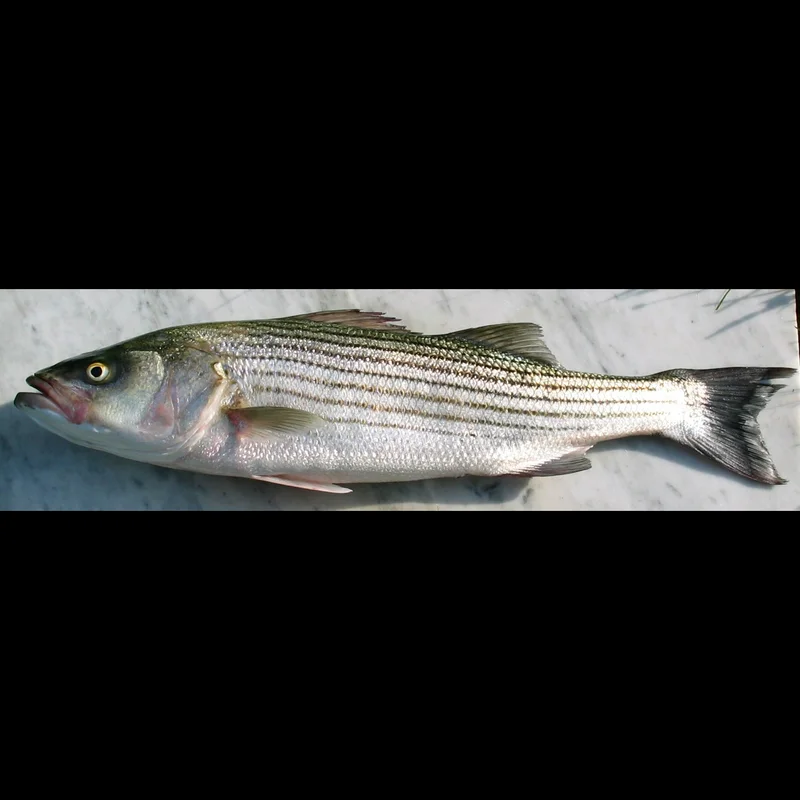
Upon descending into Bass Lake, divers often first notice the freshwater fish that inhabit its waters. Common sightings include Bass and Blue Tilapia, along with other freshwater species.
These fish typically aggregate around submerged structures and along the lakebed, providing intermittent points of interest during training dives. While not a coral reef teeming with color, the lake’s ecosystem supports a healthy population of these aquatic residents.
Observing their behavior within the clear, cool freshwater offers a distinct experience, differing from marine encounters. These encounters add a natural element to a site primarily used for skill development.
Dive Centers Near Bass Lake
Nearest Airports
Nearest airports to help plan travel to this dive area.
Search Flights
Check available flights and routes on Expedia, using the nearby airports listed in this section.
Search Flights on ExpediaFrequently Asked Questions
What types of diving can be done at Bass Lake?
Bass Lake offers diverse freshwater diving, including wreck exploration, quarry diving, sandy bottom navigation, and wall dives. It's a versatile site suitable for various training courses and recreational dives.
Is Bass Lake suitable for beginner divers?
Yes, Bass Lake is considered a premier scuba training venue in South Africa, ideal for beginners. It features easy walk-in slopes and supports courses from Discover Scuba Diving to Open Water Diver certification.
What is the maximum depth at Bass Lake?
The maximum depth recorded at Bass Lake is 23 meters (75 feet). The site also features shallower areas and gradually sloping entries for different skill levels.
What marine life can I expect to see in Bass Lake?
Divers typically encounter freshwater species such as Bass, Blue Tilapia, and other small freshwater fish. These fish are often observed around submerged structures and along the lakebed.
Are there any facilities at the dive site?
Bass Lake is part of an adventure resort offering camping, braai (barbecue) areas, and an equipped kitchen for divers. There's also a restaurant for meals and debriefing after dives.
What are the average water temperatures in Bass Lake?
Consistent average water temperatures for Bass Lake aren't consistently reported in available datasets. Divers should anticipate cooler conditions at depth, especially outside of summer months, and plan thermal protection accordingly. Surface water temperatures can fluctuate significantly with air temperatures and direct sun exposure.
Can I camp at Bass Lake?
Yes, Bass Lake provides a full camping experience, including designated spots for campers, caravans, and trailers. It's common for dive groups to organize weekend camping trips here.
Is night diving permitted at Bass Lake?
Night diving is a popular activity at Bass Lake. The site is suitable for night dive training and recreational night dives, requiring appropriate lighting and navigation skills.
Planning to dive Bass Lake?
Send one inquiry and receive offers directly from the best verified local dive operators.
Conditions are Good
07:00 - 14:00
Optimal conditions expected
Current conditions near Bass Lake show 16° air, --° sea temperature, N/A waves, and 23 km/h wind. Forecast data is refreshed regularly to ensure accuracy.