
Diving in South Africa
Conditions for diving in South Africa can vary significantly between regions, influenced by terrain and exposure. 62 dive locations are currently indexed within South Africa on our platform. It provides a clearer overview of available dive options.
The extensive coastline of this nation meets at a significant point: the warm Indian Ocean to the east and the cooler Atlantic Ocean to the west. This unique geographical convergence shapes an extraordinary diversity of underwater environments, creating varied opportunities for divers. Expect to find everything from subtropical coral reefs to temperate kelp forests and dramatic offshore pinnacles.
Along the eastern seaboard, particularly in KwaZulu-Natal, expansive reef systems and significant offshore banks like Aliwal Shoal and Protea Banks are prominent. These locations draw numerous shark species and pelagic life, sustained by nutrient-rich currents.
To the west, the Atlantic coast presents a different ecosystem entirely. Its cooler waters nurture distinctive kelp forests, creating habitats for different marine creatures and showcasing unique geological formations. The overall diving across these regions provides a broad spectrum of experiences, from exploring historical shipwrecks to observing a wide range of marine life.
Dive Map of South Africa
An overview of diving locations reveals a distinct regional spread along the nation's extensive coast. Experiences vary significantly by area. The primary diving concentrations are in the KwaZulu-Natal province along the Indian Ocean and the Western Cape region bordering the Atlantic. Each of these coastal stretches boasts unique underwater characteristics.
Specific points of interest include Aliwal Shoal and Protea Banks, both off the South Coast of KwaZulu-Natal. Sodwana Bay lies further north, within the iSimangaliso Wetland Park.
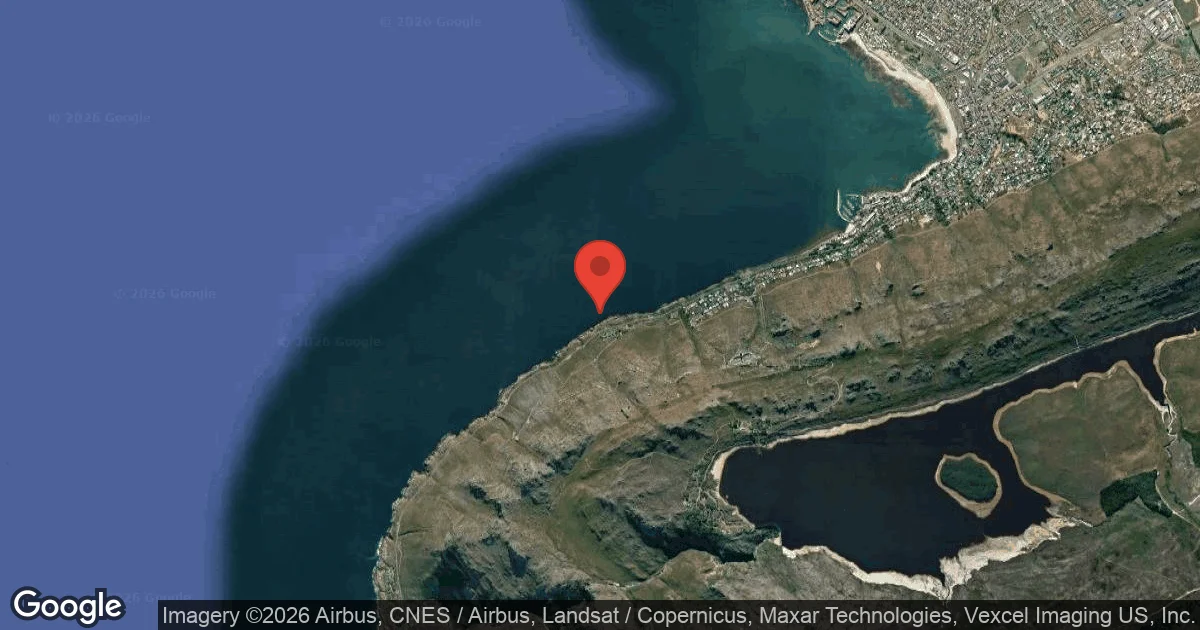
On the Atlantic side, False Bay and Gansbaai in the Western Cape provide contrasting diving opportunities. This wide distribution ensures a diverse range of conditions and marine life encounters across the country.
Dive Sites to Explore
View all 62 sites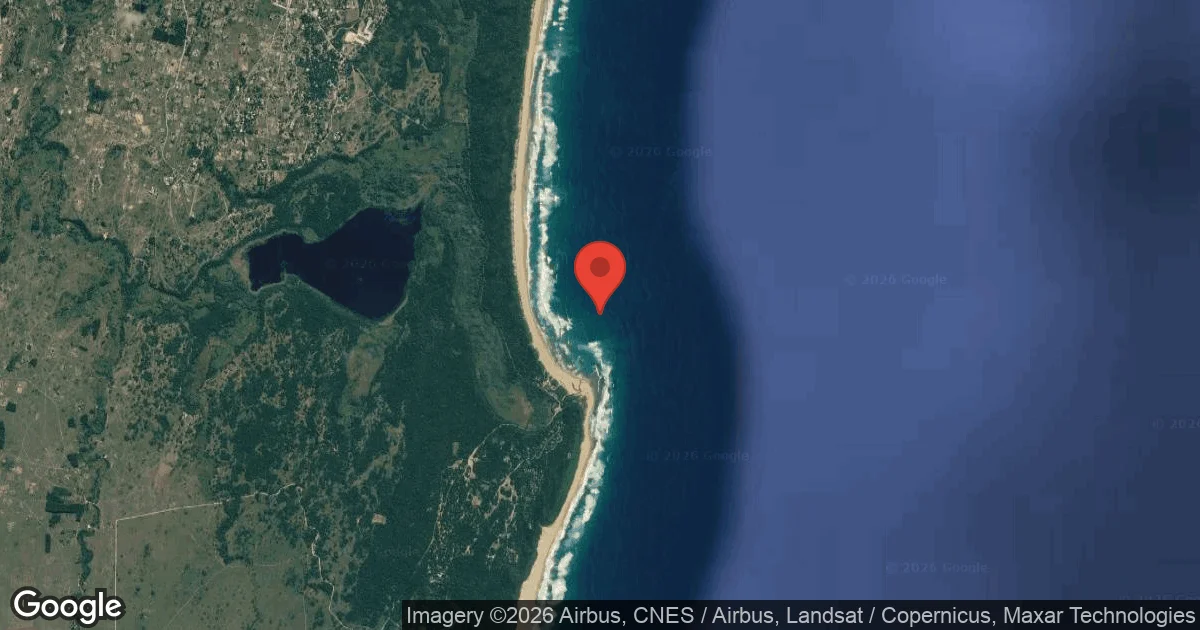
Exploring the dive sites reveals a diverse array of underwater experiences, from intricate reefs and historical shipwrecks to exhilarating drift dives with large pelagic species. The varied coastlines cater to different diving preferences and skill levels.
Aliwal Shoal, just off the KwaZulu Natal coast, stands as a key destination for shark encounters and impressive reef structures. Divers here explore Raggies Cave, known for ragged-tooth shark gatherings, and Sand Shark Gulley, home to the endangered Giant Guitar Shark. The shoal also hosts wrecks like The Produce, an 18,000-ton Norwegian tanker that sank in 1974, combining marine life and historical exploration.
Protea Banks, off the South Coast of KwaZulu-Natal, is recognized for its pelagic diving. This site attracts various shark species, including hammerheads, bull sharks, and tiger sharks, often experienced during drift dives in strong currents. The Cathedral area of the reef is another highlight, known for its unique formations. Further north, Sodwana Bay in the iSimangaliso Wetland Park showcases extensive coral reefs with tropical fish diversity, alongside wreck sites such as the Nebo, which sank in 1884. Visibility at many sites can range from 5 to 30 meters (16 to 98 feet), with conditions varying seasonally.
Best Time to Dive in South Africa
Optimal diving periods vary by season and location along the coast, presenting distinct high and low periods for marine encounters. The northeastern coast, including Sodwana Bay, remains diveable throughout the year, with water temperatures seldom falling below 20°C (68°F).
For popular sites like Protea Banks and Aliwal Shoal, the season spans from November through August. This timeframe is often preferred for consistent shark activity, with hammerhead sharks peaking from November to May. Summer, from November to May, generally brings calmer waters and better visibility across many areas, attracting more divers.
Winter, typically June to October, brings cooler water temperatures but can offer clearer visibility, particularly in southern regions. The iconic Sardine Run, a significant event for pelagic encounters, takes place specifically in June and July along the Eastern Cape and KwaZulu-Natal coast. While the Atlantic side, near Cape Town, favors summer diving (October to March) for warmer water, winter improves conditions for kelp forest exploration. Whale sightings, especially humpbacks migrating along KwaZulu-Natal, are also more likely during these cooler months.
Monthly Sea Temperatures
Understanding regional water temperatures is crucial for selecting appropriate exposure protection. The nation's coastline experiences a wide thermal range, demanding different wetsuit thicknesses depending on the specific area and season.
In the warmer Indian Ocean, particularly the northeastern coast around Sodwana Bay, summer water temperatures can reach 27°C (81°F). Further south, at Protea Banks, summer temperatures typically range from 22-27°C (72-81°F), with winter dropping to 18-22°C (64-72°F). A 5mm wetsuit is generally comfortable here, though thicker suits or dry suits are better for winter.
Along the Atlantic coast, including False Bay and areas adjacent to Cape Town, waters are significantly cooler. Winter temperatures can range from 12-18°C (54-64°F), sometimes falling below 12°C (54°F). For these colder conditions, a dry suit or a thick 7mm+ wetsuit with hood and gloves is essential. Overall, average water temperatures span 14-25°C (57-77°F), highlighting the need for adaptable gear.
| Jan | Feb | Mar | Apr | May | Jun | Jul | Aug | Sep | Oct | Nov | Dec | |
|---|---|---|---|---|---|---|---|---|---|---|---|---|
| Max | 20° | 20° | 19° | 17° | 16° | 15° | 15° | 14° | 15° | 17° | 18° | 19° |
| Avg | 18° | 18° | 17° | 15° | 15° | 14° | 13° | 13° | 14° | 15° | 16° | 16° |
| Min | 16° | 16° | 15° | 14° | 14° | 13° | 12° | 13° | 13° | 13° | 14° | 14° |
Dive Conditions
Environmental factors significantly shape the diving experience, with conditions notably diverse across coastal regions. These are primarily influenced by the contrasting Atlantic and Indian Ocean currents and seasonal shifts. Visibility and current strength stand as key determinants for any dive.
Visibility can range from 5 to 30 meters (16 to 98 feet), depending on the specific site and time of year. Winter often brings clearer visibility, especially at locations like Protea Banks, where conditions sometimes exceed 20 meters (66 feet). Conversely, summer visibility in destinations such as Gansbaai might degrade, averaging 2-5 meters (6-15 feet). Winter can also improve conditions for kelp forest diving near Cape Town.
Currents are a prominent feature, particularly along the Indian Ocean coast. Strong currents are common in summer at sites like Protea Banks, attracting pelagic species and leading to exhilarating blue-water drift dives. Winter diving in these areas may present more moderate currents, allowing for relaxed reef explorations. Divers should be prepared for varying current strengths, as they dictate the nature of a dive.
Marine Life Highlights
Most Mentioned Species
Marine life in South Africa varies across dive locations, with different species appearing depending on environment and conditions. The species highlighted here are the most frequently associated with dive sites in our data, offering a realistic overview of what divers are most likely to encounter.
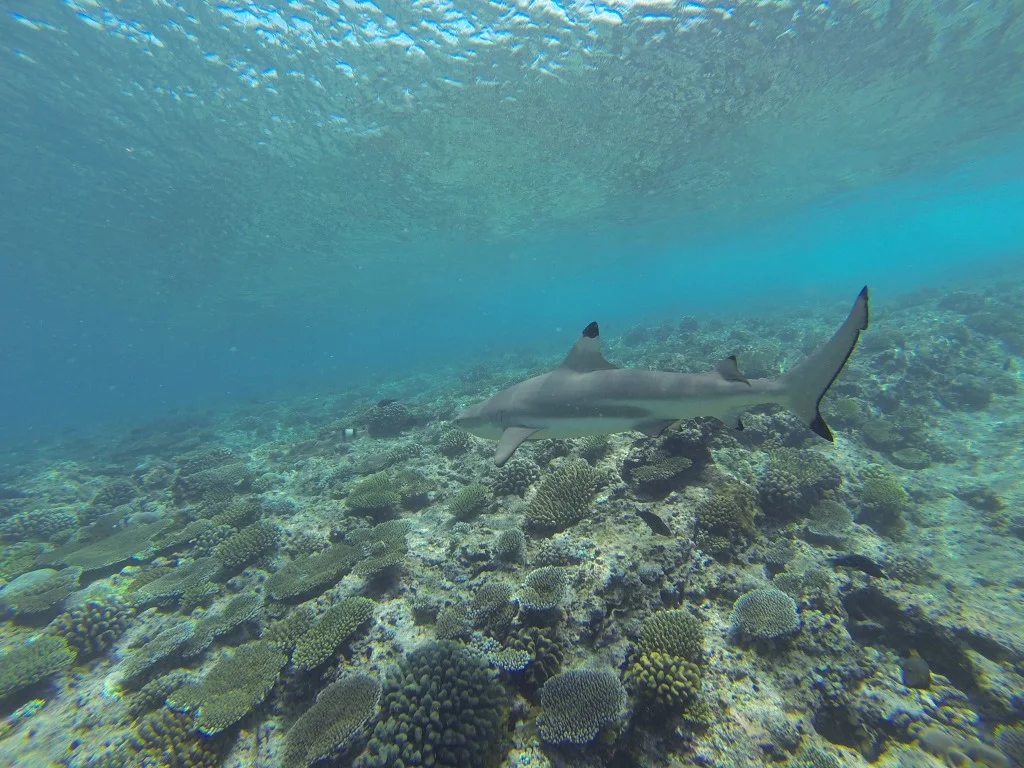
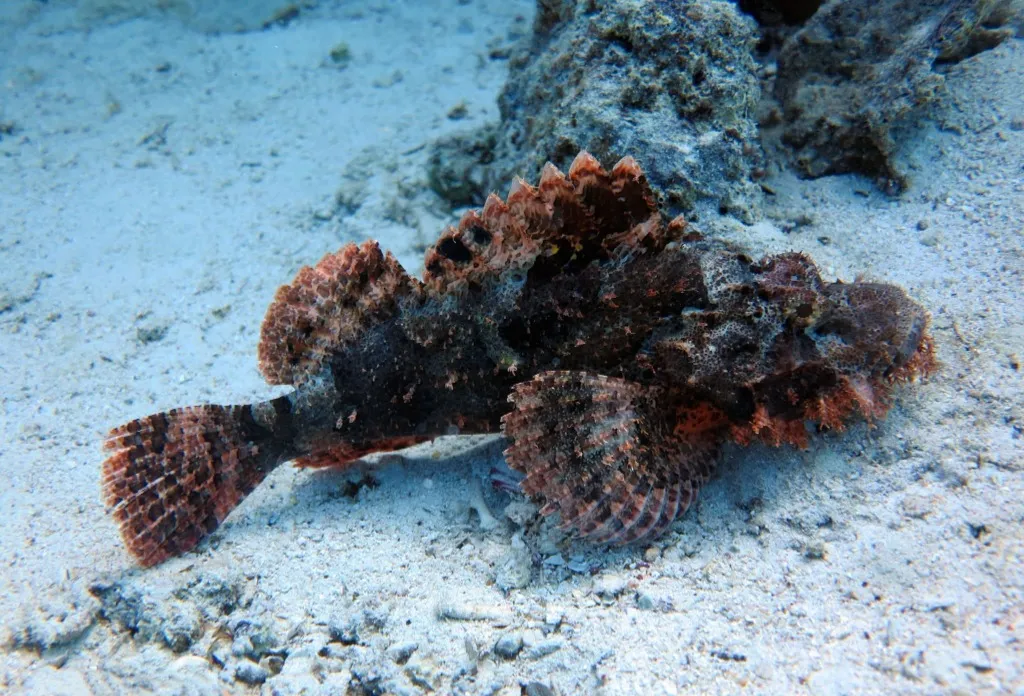
Anticipate a wide array of marine encounters, from schooling pelagics to unique reef inhabitants. The nation's position at the convergence of two ocean systems supports a rich biodiversity, attracting both macro and megafauna.
Shark encounters are a major draw, with species such as ragged-tooth sharks, oceanic blacktips, bull sharks (Zambezi sharks), tiger sharks, and various hammerhead sharks (scalloped and great hammerheads) frequently observed. Protea Banks and Aliwal Shoal are particularly known for these large predators. Great white sharks are a significant presence, especially in the Western Cape, where cage diving is popular. The endangered Giant Guitar Shark appears at specific sites like Sand Shark Gulley.
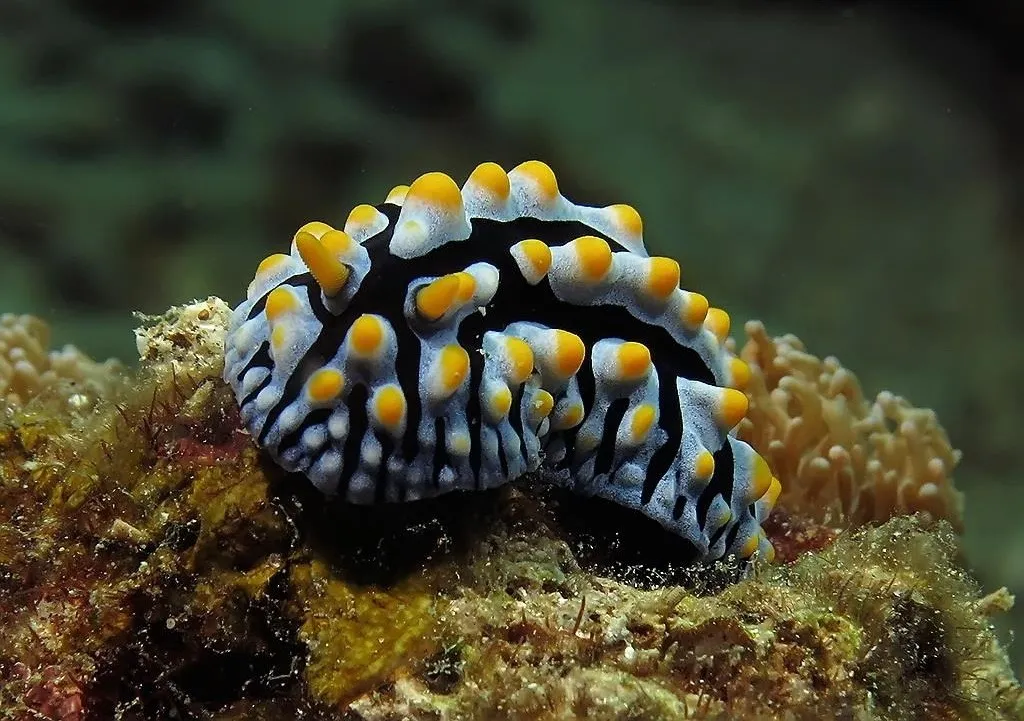
Beyond sharks, the marine ecosystem includes large mammals such as humpback whales, often sighted migrating along the KwaZulu-Natal coast during winter, and various dolphins. Sea turtles, rays, and dense schools of fish, including snapper and fusiliers, inhabit the warmer Indian Ocean reefs. Smaller life includes moray eels, barracudas, groupers, nudibranchs, and sea-horses. The annual Sardine Run, typically in June and July, is a spectacular event, drawing immense numbers of sharks, dolphins, whales, and seabirds.
Regions for Diving
The coastline segments into distinct diving regions, each defined by unique characteristics and marine experiences. These areas are shaped by the contrasting influences of the Indian and Atlantic Oceans.
The KwaZulu-Natal province, particularly its South Coast, serves as a primary diving hub. Destinations such as Aliwal Shoal and Protea Banks can be found in this area, providing warm Indian Ocean waters, extensive reefs, and significant shark encounters. Aliwal Shoal is known for resident ragged-tooth sharks during breeding season (June to October) and features historical wrecks. Protea Banks, further south, draws pelagic species with strong currents attracting various hammerheads, bull sharks, and tiger sharks. Water temperatures here range from 18-27°C (64-81°F) seasonally, with visibility often reaching 20-30 meters (66-98 feet).
Further north along the KwaZulu-Natal coast, Sodwana Bay, within the iSimangaliso Wetland Park, offers subtropical coral reefs, diveable year-round. Water temperatures rarely drop below 20°C (68°F) and reach up to 27°C (81°F) in summer. The Western Cape, on the Atlantic side, presents a stark contrast. Cooler waters and kelp forests define this region. False Bay and Gansbaai are known for great white shark encounters and other large marine mammals. Diving here is preferred during summer (October to March) for slightly warmer water, though temperatures remain cool at 12-18°C (54-64°F). Visibility can vary, but winter often brings clearer conditions for kelp forest exploration.
Travel & Passport Guide
Travel Basics
Trip Planning
Safety & Diving Considerations
Ensuring a safe diving experience requires careful consideration of varied conditions, particularly currents. Many dive sites, especially offshore pinnacles and banks, can experience strong currents. Such conditions often lead to drift dives, necessitating comfort with active water movement and appropriate training.
Divers must prioritize staying close to their dive guide and adhering to established dive plans. Understanding local current patterns and site-specific entry/exit procedures is essential. Operators generally provide thorough briefings; paying attention to these details is crucial. Given strong currents and potential encounters with large marine life, maintaining good buoyancy control and situational awareness is paramount.
Access to major dive destinations typically involves domestic flights from international airports in Cape Town, Johannesburg, or Durban, followed by road transfers. Booking with reputable dive centers, well-versed in local conditions and safety protocols, is advisable. Ensuring personal dive insurance is current and comprehensive completes trip planning.
Dive Centers in South Africa
View all 19 dive centers
Frequently Asked Questions
What kind of marine life can I expect to see in South Africa?
South Africa's waters are home to a wide array of marine life. Divers frequently encounter various shark species, including ragged-tooth sharks, hammerheads, bull sharks, and tiger sharks. Large pelagics like whale sharks, manta rays, dolphins, and migrating humpback whales are also present. Reefs host tropical fish, sea turtles, rays, moray eels, barracudas, and diverse corals. The annual Sardine Run is a spectacular event, bringing together an immense congregation of predators.
When is the best time of year to go diving in South Africa?
The best time to dive varies by region and desired encounters. The northeastern coast can be dived year-round. For shark encounters at Protea Banks and Aliwal Shoal, November to August is generally preferred. The Sardine Run is a specific event in June and July. The Atlantic side, near Cape Town, is best from October to March for warmer water, though winter offers good kelp forest diving. April to May and September to October offer pleasant overall weather conditions.
What are the typical water temperatures in South Africa?
Water temperatures in South Africa span a broad range due to the contrasting ocean currents. In the warm Indian Ocean off KwaZulu-Natal, temperatures can reach 27°C (81°F) in summer, dropping to 18-22°C (64-72°F) in winter. The cooler Atlantic waters, such as around False Bay, typically range from 12-18°C (54-64°F). Divers should prepare with appropriate exposure protection, ranging from 5mm wetsuits for warmer areas to dry suits for colder regions.
Are there strong currents to consider when diving?
Yes, strong currents are a common feature at many dive sites in South Africa, especially at offshore locations like Protea Banks. These currents can provide exhilarating drift dives and attract large pelagic species. Divers should be experienced with drift diving techniques and maintain good buoyancy control. Moderate currents are also frequent, and all divers should follow their dive guide's instructions and be aware of local conditions.
Which regions are recommended for shark diving?
South Africa is a prominent destination for shark diving. Protea Banks, off the South Coast of KwaZulu-Natal, is known for its year-round shark activity, including hammerheads, bull sharks, and tiger sharks. Aliwal Shoal, also in KwaZulu-Natal, is excellent for ragged-tooth shark encounters. For great white shark cage diving, False Bay and Gansbaai in the Western Cape are primary destinations.