
Diving at Miracle Waters (South Africa)
Miracle Waters, a former open-cast chrome mine, presents an inland diving experience nestled within South Africa's scenic Magaliesberg mountain range. This large, clear diving lake is naturally replenished by an underground spring, providing a consistent water source. Situated less than an hour's drive from Johannesburg and Pretoria, it serves as a convenient escape for divers seeking freshwater exploration.
At Miracle Waters, the ambient air temperature is currently recorded at 19°C. This dive site in South Africa is operating under normal seasonal weather patterns. Familiarize yourself with the local topography prior to navigating.
Dive Site Location & Key Facts
Dive Site Overview
Miracle Waters provides a distinctive freshwater dive experience, reaching depths of up to 33 m (108 ft) with extensive shallow areas ideal for various training scenarios. Divers encounter a diverse collection of submerged attractions, including a helicopter, a bus, several airplanes, yachts, and a 'computer station'.
Navigating around these features creates a dynamic underwater landscape that supports both novice and experienced divers. Five dedicated training platforms are integrated, making the site suitable for a full spectrum of certifications, spanning from Open Water to Instructor level. This setup also accommodates specialized courses, such as Wreck Diver and Search and Recovery.
Entering the water is straightforward, with paved paths leading directly to the entry points, ensuring accessibility for all participants. Recreational dives here often allow for extended bottom times, particularly around the artificial reefs, which draw an interesting array of freshwater species.
This creates an engaging environment for underwater exploration and skill development, distinguishing it from typical ocean diving. Clear, spring-fed waters allow for detailed observation of these structures and the life they support, providing a calm backdrop for both learning and leisure.
Weather Error: fetch failed
Best Time to Dive
Planning your dive at Miracle Waters with visibility in mind can significantly enhance the experience, as conditions can vary throughout the year. To achieve optimal visibility, typically ranging from 10 to 25 meters (33-82 ft), consider visiting during the colder months, particularly June, July, and August. During these months, average air temperatures are cooler, hovering around 12-16°C (54-61°F), with minimal rainfall, often less than 1 mm. Water temperatures in winter range from 15-17°C (59-63°F). Conversely, summer months, from December to February, see air temperatures between 23-29°C (73-84°F) and water temperatures averaging 18-22°C (64-72°F), but visibility might be reduced, often falling into the 5-10 meter (16-33 ft) range due to increased particulate matter. Despite these variations, good to excellent dive scores are generally maintained year-round, making it a viable destination almost any time.
PEAK SEASON SCORE
Scores combine air & water temps, waves, wind & rainfall for overall conditions.
BEST MONTHS TO DIVE
Monthly records compiled from satellite and marine observation nodes over the last 3 years. Data provided by Open-Meteo and MET Norway.
Dive Experience & Conditions
Conditions at this inland lake differ distinctly from oceanic environments, defined by its clear, spring-fed waters. Water temperature shows a noticeable seasonal shift, from a refreshing 12-17°C (54-63°F) in winter to a milder 20-27°C (68-81°F) during summer. Currents are consistently minimal, usually 0-1 knots, allowing for relaxed navigation around the various sunken structures. Visibility, while often fair, frequently exceeds 10 meters (33 ft), with reports of conditions up to 25 meters (82 ft) on exceptional days, offering clear views of the bus, plane, and other installations. Overall, the sensation is one of calm and controlled exploration, making it particularly comfortable for divers who prefer stable conditions over dynamic ocean swells.
Dive Difficulty & Safety Guidelines
While Miracle Waters is generally considered a low-hazard inland dive site, certain protocols ensure a safe experience. The depth reaches 33 m (108 ft), necessitating appropriate training and equipment for deeper excursions. There are no consistently reported major natural hazards such as strong currents or unpredictable marine life aggression.
However, all night dives must be pre-booked at the office, and a specific night dive form needs completion before entering the water. Adherence to gate entry and exit times is strictly enforced, especially for evening dives.
Divers exploring the interior of the bus and plane wrecks should possess PADI Wreck Diver certification to safely navigate overhead environments and avoid potential entanglement or silt-out scenarios.
Recommended Equipment
Deep dive hazard. Increased narcosis and gas consumption risk.
Overhead / entanglement risk. Wreck penetration requires proper training.
- Dive Computer
- DSMB
- Primary & Backup Lights
- Wreck Reel
- Cutting Tool
- Hard-soled Dive Boots
This gear list is based on verified equipment signals for Miracle Waters, South Africa. Always confirm final gear choices with your dive operator, guide, or liveaboard.
Recommended Dive Suit
Individual comfort in the water can vary significantly from diver to diver, even under the same conditions.
Based on regional estimates and current weather, the likely required exposure protection is a 5mm or thicker wetsuit. Note that local currents and upwellings can alter this. A hood or vest is suggested for sensitive divers due to surface winds. Surface intervals may feel cooler. Due to unpredictable weather patterns, conditions may change rapidly. A warming trend is expected over the next few days.
Because recent water temperature readings are not available for Miracle Waters, the guidance below is based mainly on current air conditions and seasonal expectations. Current surface air temperatures are roughly 19°C (66°F).
Emergency & Medical Support
Essential information to help you plan your dive trip to Miracle Waters.

Hyperbaric chambers are a critical part of dive safety infrastructure. Availability varies significantly by region, and not all dive areas have immediate access.
Before diving, it's recommended to:
- confirm nearest medical facilities
- check emergency procedures with local dive operators
- ensure dive insurance covers evacuation if required
Divers Alert Network
Diving emergency assistance available through DAN Southern Africa.
+27828106010- 24/7 emergency hotline
- Diving medical assistance
- Evacuation coordination
Emergency contacts are provided for reference. Always verify local emergency services before diving.
Marine Life at Miracle Waters
Miracle Waters' underwater landscape, shaped by its history as a mine, now hosts a freshwater ecosystem. Descending reveals the artificial reefs of the sunken bus, airplane, and other structures that act as congregating points for various aquatic species.
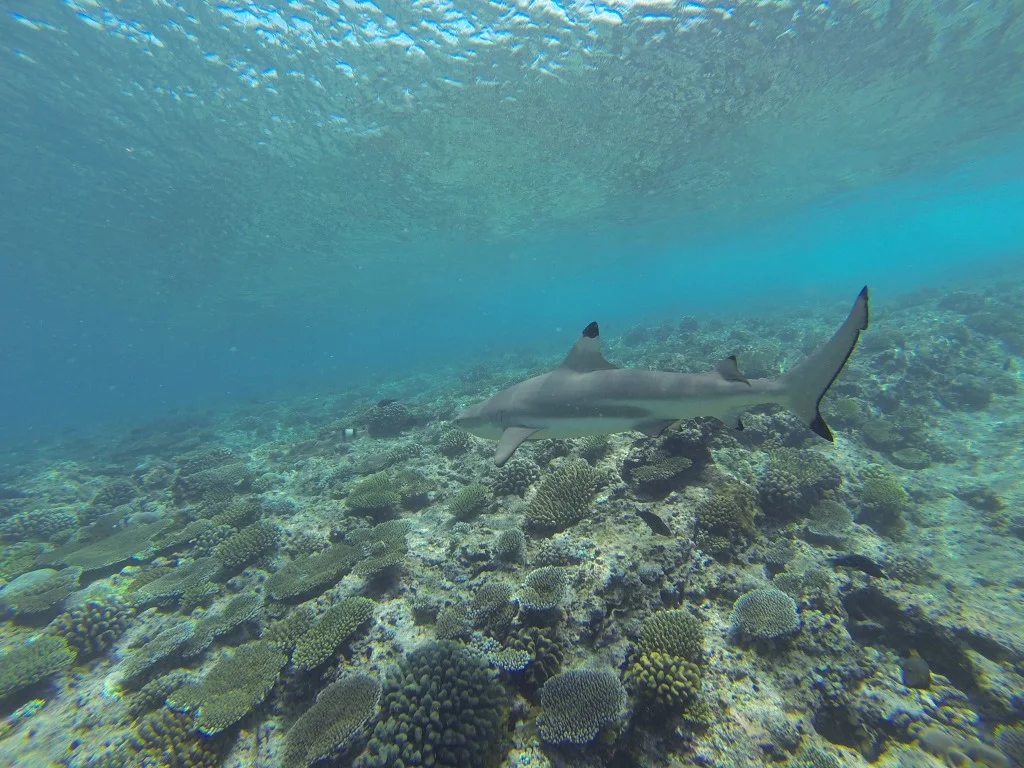
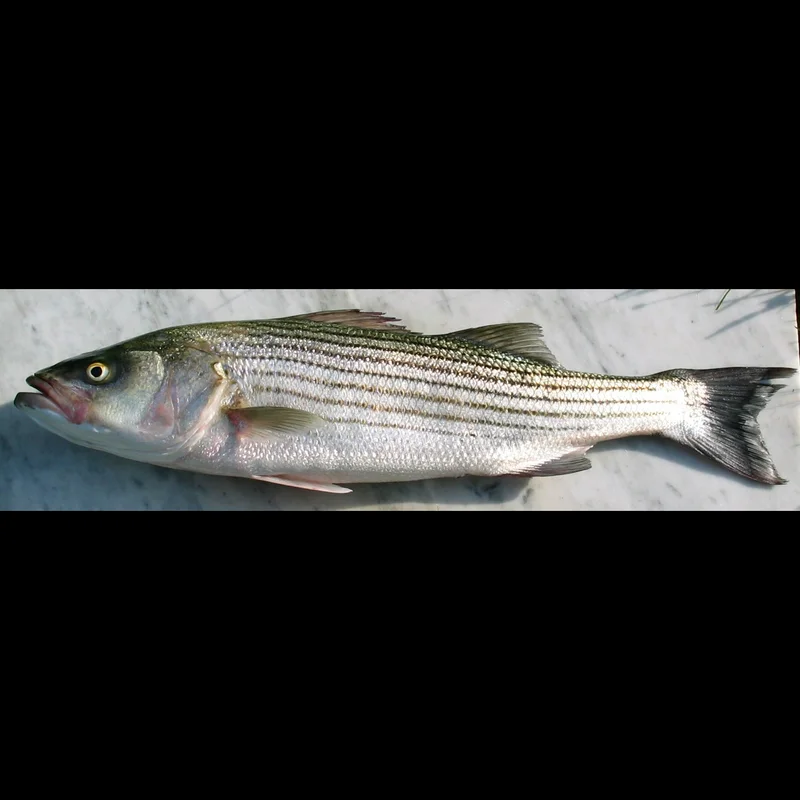
In the shallower sections, divers frequently encounter numerous Black Bass and different species of Kurper. Occasionally, reports suggest the presence of a freshwater shark, adding an intriguing element to the local fauna.
Exploring these submerged features offers concrete opportunities to observe how freshwater marine life adapts and thrives within an artificial environment, contrasting sharply with typical ocean dives.
Dive Centers Near Miracle Waters
Today: Closed
Nearest Airports
Nearest airports to help plan travel to this dive area.
Search Flights
Check available flights and routes on Expedia, using the nearby airports listed in this section.
Search Flights on ExpediaFrequently Asked Questions
What is the maximum depth at Miracle Waters?
Maximum depth recorded at Miracle Waters is approximately 33 meters (108 feet). Ample shallow areas also exist, making it suitable for various training levels and recreational dives.
What kind of underwater attractions can I expect to see?
Divers can explore a range of unique submerged objects, including a bus, several airplanes, a helicopter, yachts, and even a computer station. These provide interesting points for navigation and exploration.
Are there any specific training certifications recommended for this site?
Miracle Waters is ideal for a full range of training. Recommended certifications include PADI Open Water Diver, Advanced Open Water Diver, Wreck Diver for exploring the structures, and Search and Recovery Diver.
What are the typical water temperatures?
Water temperatures vary seasonally, ranging from 12-17°C (54-63°F) in the colder months to a warmer 20-27°C (68-81°F) during summer. Adequate thermal protection is advised.
Is night diving available at Miracle Waters?
Yes, night dives are offered on Saturday evenings. However, they must be booked in advance at the office, and a specific form needs to be completed prior to the dive.
What marine life can be observed in the lake?
While it's a freshwater site, divers can commonly spot Black Bass and various species of Kurper. There are also reports of a freshwater shark in the lake, adding an unusual sighting.