
Diving at 문섬 난파선 (Korea, Republic of)
Divers arriving at 문섬 난파선 are immediately drawn to the large shipwreck resting off Munseom Island. Its structure is a magnet for marine life, with impressive large snails often seen adhering to its surfaces. Around the wreck, soft corals have established colonies, creating vibrant patches against the metal. It’s a focal point in deeper waters, hinting at the detailed exploration awaiting.
As evening covers 문섬 난파선, the local air temperature is measured at 24°C. The current wave height at the surface is recorded at 1.4 m. These late-day readings characterize the surface conditions for the night.
Dive Site Location & Key Facts
Dive Site Overview
This site truly comes alive through its central feature: a compelling shipwreck positioned north of Munseom Island's main body. Diving here often feels like an underwater exploration with purpose, as the wreck itself hosts a diverse array of marine inhabitants.
Large snails are a common sight on the structure, alongside various sea bream and other reef fish navigating the metal forms. The site's deep nature necessitates careful dive planning, particularly meticulous monitoring of no-decompression limits and residual air pressure. Munseom Island is widely considered a premier diving destination in South Korea, offering more than just the wreck; it features abundant soft coral gardens and the dynamics of drift diving.
Expect to navigate tidal flows, adding another layer to the underwater experience. For those seeking adventure beyond the usual reef, 문섬 난파선 presents a rewarding deep wreck dive opportunity.
Conditions are Moderate
High Wind Advisory (44km/h). Unsafe surface.
Current conditions near 문섬 난파선 show 24° air, 26° sea temperature, 1.3 m waves, and 44 km/h wind. Forecast data is refreshed regularly to ensure accuracy.
Best Time to Dive
Considering the prevailing climate conditions, diving at 문섬 난파선 is generally favorable across many months. The optimal period for comfortable diving extends from April through September, with additional good scores in November, December, January, and February. Air temperatures during these months vary significantly; August typically brings the warmest air at an average of 28°C (82°F), while January sees cooler averages around 3°C (37°F). Although specific water temperatures aren't consistently reported, local accounts suggest relatively warm waters that attract tropical species. October and March offer moderate dive conditions. Wave heights and wind speeds are generally manageable, but as with any marine environment, local conditions can vary.
PEAK SEASON SCORE
Scores combine air & water temps, waves, wind & rainfall for overall conditions.
BEST MONTHS TO DIVE
Monthly records compiled from satellite and marine observation nodes over the last 3 years. Data provided by Open-Meteo and MET Norway.
Dive Experience & Conditions
Descending upon the 문섬 난파선, divers encounter a distinct deep-water environment. Resting at approximately 35 m (114 ft), the wreck demands attention to depth and bottom time. Such significant depth means divers must vigilantly track no-decompression limits and monitor air consumption throughout the dive. Exploring the sunken vessel can feel somewhat eerie initially, yet quickly transforms into fascination as its resident marine life becomes apparent. Diving with tides is possible around Munseom, influencing drift characteristics and requiring appropriate techniques. While the site is accessible via boat, deeper sections of the wreck present challenges best suited for advanced divers.
Dive Difficulty & Safety Guidelines
Diving the 문섬 난파선 requires a disciplined approach to safety due to its significant depth. Divers must possess at least an Advanced Open Water certification, or equivalent, to safely explore the site. Prior to entry, a thorough equipment check is mandatory for all divers.
The deep water environment, reaching around 35 m (114 ft), makes meticulous monitoring of no-decompression limits and consistent residual pressure checks essential for safe diving. It's strongly recommended that you dive with a professional local guide, especially to ensure precise navigation to the wreck's location.
Planning your dive within your experience limits is key to a rewarding and safe underwater adventure.
Recommended Equipment
Overhead / entanglement risk. Wreck penetration requires proper training.
Current and surface separation risk. Local briefing strongly recommended.
- Dive Computer
- DSMB
- Primary & Backup Lights
- Wreck Reel
- Reel / Spool
- Cutting Tool
This gear list is based on verified equipment signals for 문섬 난파선, Korea, Republic of. Always confirm final gear choices with your dive operator, guide, or liveaboard.
Recommended Dive Suit
Repeated dives during the same day can gradually reduce overall body warmth.
Divers exploring 문섬 난파선 today will likely encounter water temperatures close to 26°C (79°F). Surface air temperatures are resting at 24°C (75°F). Divers spending extended time underwater often rely on 3mm wetsuit for balanced warmth and flexibility. Consider warmer surface protection (like a boat coat) due to brisk winds.
The forecast outlook suggests that temperatures will stay close to current levels.
Emergency & Medical Support
Essential information to help you plan your dive trip to 문섬 난파선.

Hyperbaric chambers are a critical part of dive safety infrastructure. Availability varies significantly by region, and not all dive areas have immediate access.
Before diving, it's recommended to:
- confirm nearest medical facilities
- check emergency procedures with local dive operators
- ensure dive insurance covers evacuation if required
Divers Alert Network
Diving emergency assistance available through DAN World.
+1-919-684-9111- 24/7 emergency hotline
- Diving medical assistance
- Evacuation coordination
Emergency contacts are provided for reference. Always verify local emergency services before diving.
Marine Life at 문섬 난파선
The shipwreck itself serves as a bustling artificial reef, attracting a variety of marine inhabitants. Large snails are frequently spotted on the wreck's surfaces.
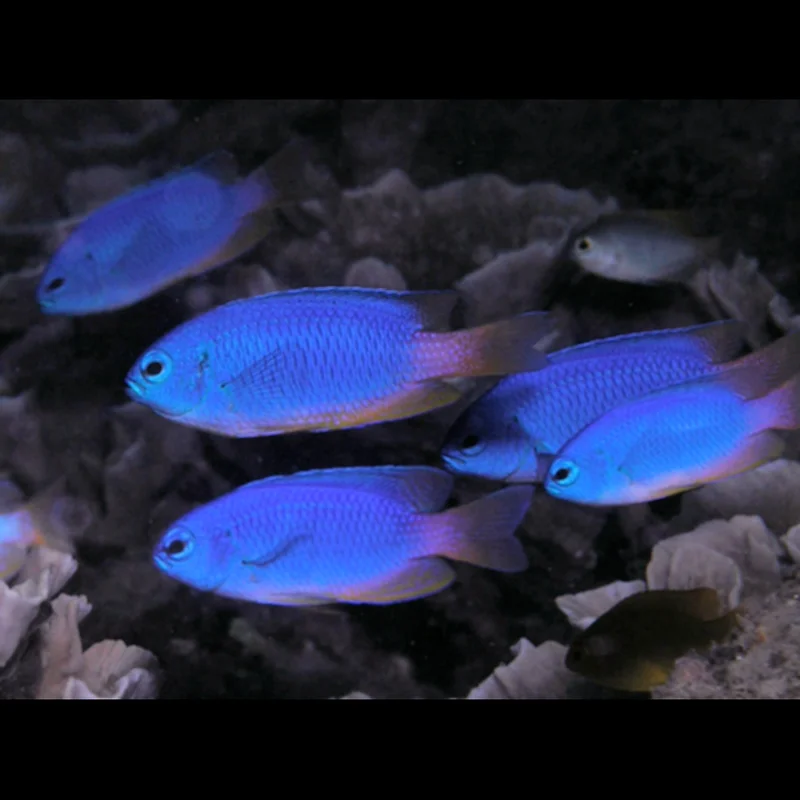
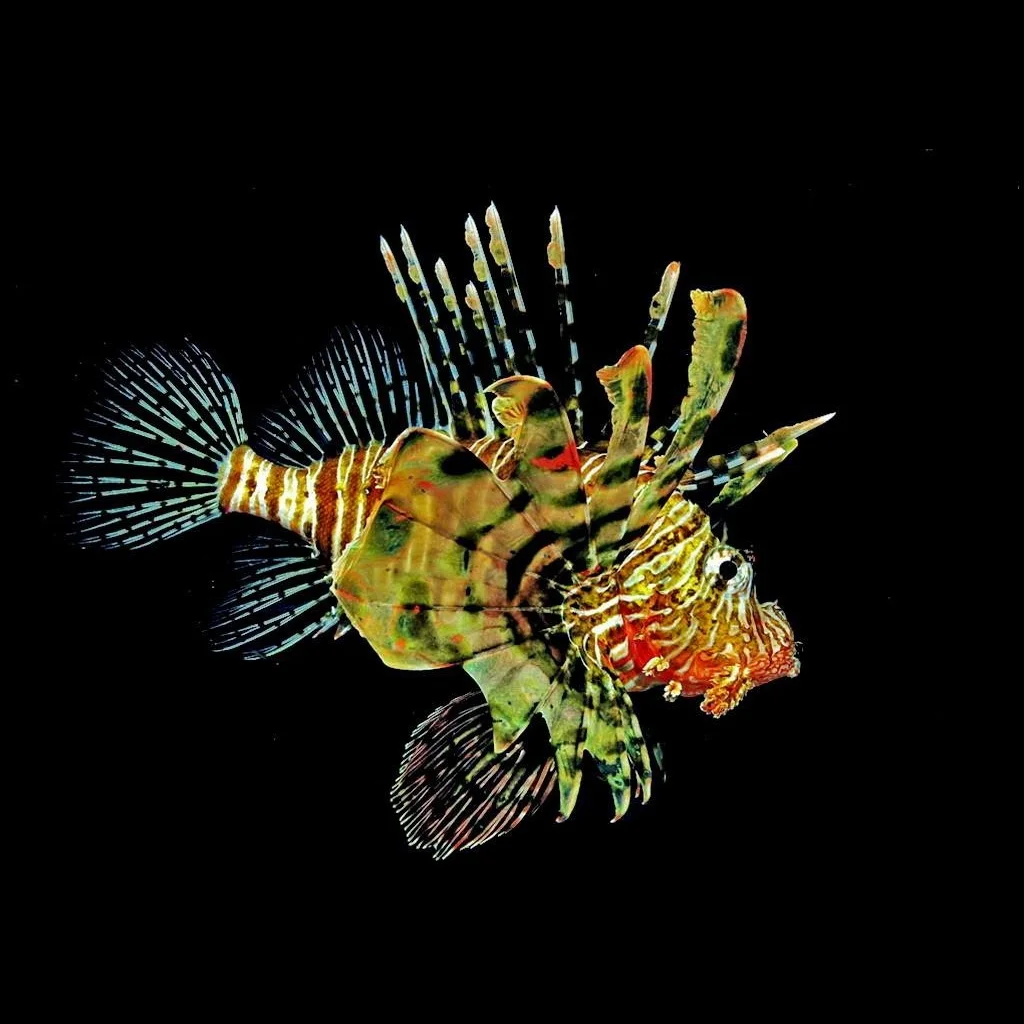
Various species of sea bream are common, along with eye-catching lionfish, identifiable by their venomous spines. Encounters with pufferfish and damselfish add to the biodiversity.
Further into the reef structure, observe colorful soft coral colonies and 'sea pine' corals, which thrive in the nutrient-rich waters. Deeper sections may reveal wrasse and the highly prized longnose hawkfish, often camouflaged among the corals.

Dive Centers Near 문섬 난파선
No Dive Centers Local To 문섬 난파선
Are you a dive center visiting this location? Get listed to reach divers.
Nearest Airports
Nearest airports to help plan travel to this dive area.
Search Flights
Check available flights and routes on Expedia, using the nearby airports listed in this section.
Search Flights on ExpediaFrequently Asked Questions
What is the maximum depth at 문섬 난파선?
The 문섬 난파선 dive site reaches a maximum depth of approximately 35 m (114 ft). Such a deep environment requires careful planning and appropriate certification for safe exploration. Divers must vigilantly track no-decompression limits.
What certification level is required to dive 문섬 난파선?
Exploring the 문섬 난파선 requires divers to possess at least an Advanced Open Water certification or an equivalent rating. The site's significant depth and potential for currents make this level of training essential. Proper certification ensures preparedness for deep water navigation and safety protocols.
What are the typical water conditions and temperatures at the site?
Specific water temperatures aren't consistently reported for 문섬 난파선; however, local accounts suggest relatively warm waters that attract tropical species. Conditions can vary, particularly with tidal flows impacting the dive experience. Expect water to feel comfortable for most of the extended dive season.
Are there currents at the 문섬 난파선 site?
Divers should anticipate tidal flows influencing drift characteristics around Munseom, including at the wreck site. These currents add a dynamic element to the dive, often requiring appropriate techniques. Planning your dive to account for tidal movements is advisable for a smoother experience.
What kind of marine life can divers expect to see at 문섬 난파선?
The shipwreck serves as a bustling artificial reef, attracting a variety of marine inhabitants. Divers frequently spot large snails, various sea bream, and lionfish on the wreck's surfaces. Look for pufferfish, damselfish, and colorful soft coral colonies, along with 'sea pine' corals in nutrient-rich waters.
When is the best time of year to dive 문섬 난파선?
The optimal period for comfortable diving at 문섬 난파선 extends from April through September. Additional good conditions are often found in November, December, January, and February. While air temperatures vary significantly, local reports indicate generally favorable water temperatures during these months.
How is the 문섬 난파선 dive site accessed?
The 문섬 난파선 dive site is accessible via boat, typically departing from nearby shore points. Navigating directly to the wreck's location often benefits from local expertise. Once at the site, divers descend to explore the sunken vessel.
Planning to dive 문섬 난파선?
Send one inquiry and receive offers directly from the best verified local dive operators.
Conditions are Moderate
High Wind Advisory (44km/h). Unsafe surface.
Current conditions near 문섬 난파선 show 24° air, 26° sea temperature, 1.3 m waves, and 44 km/h wind. Forecast data is refreshed regularly to ensure accuracy.