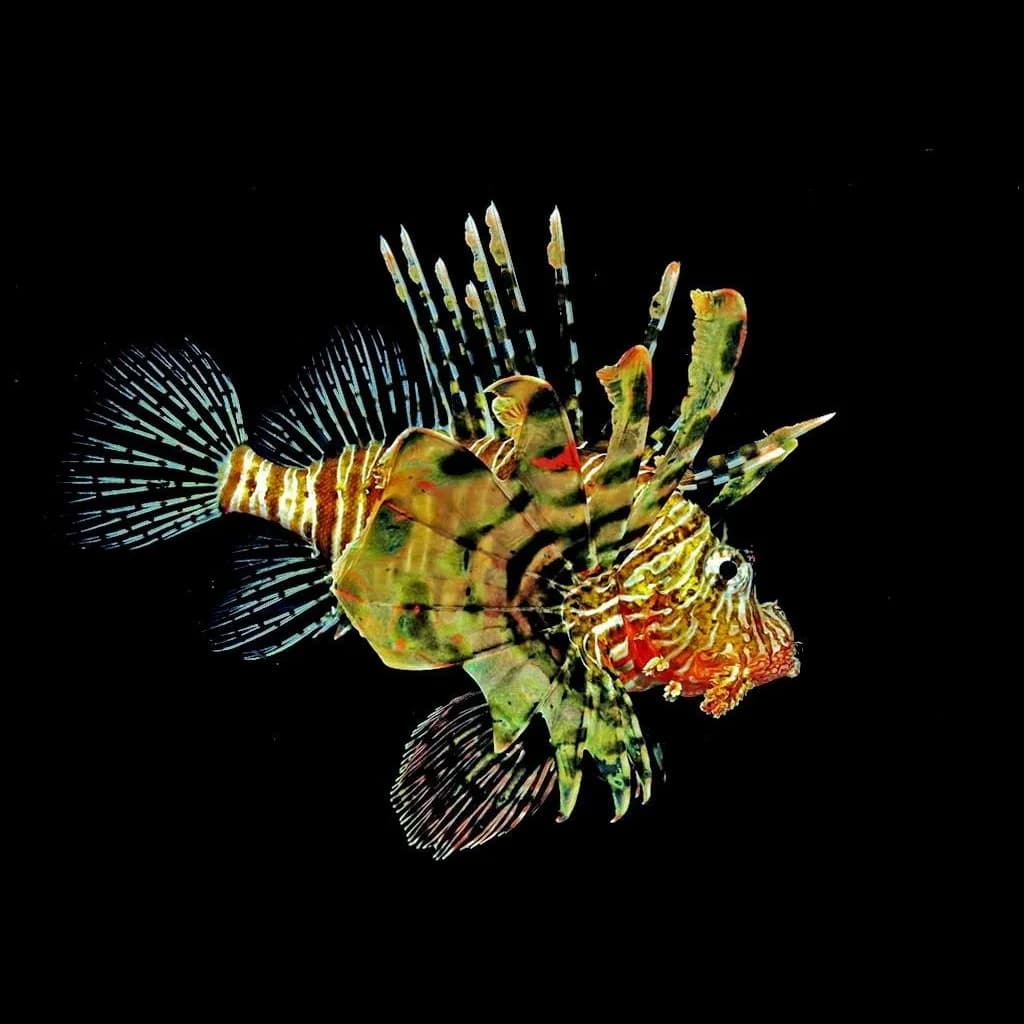
What Divers Should Know About Lionfish

Learn all about the Lionfish, including dynamic specs, encounter highlights, habitats, and the best dive sites to find them.
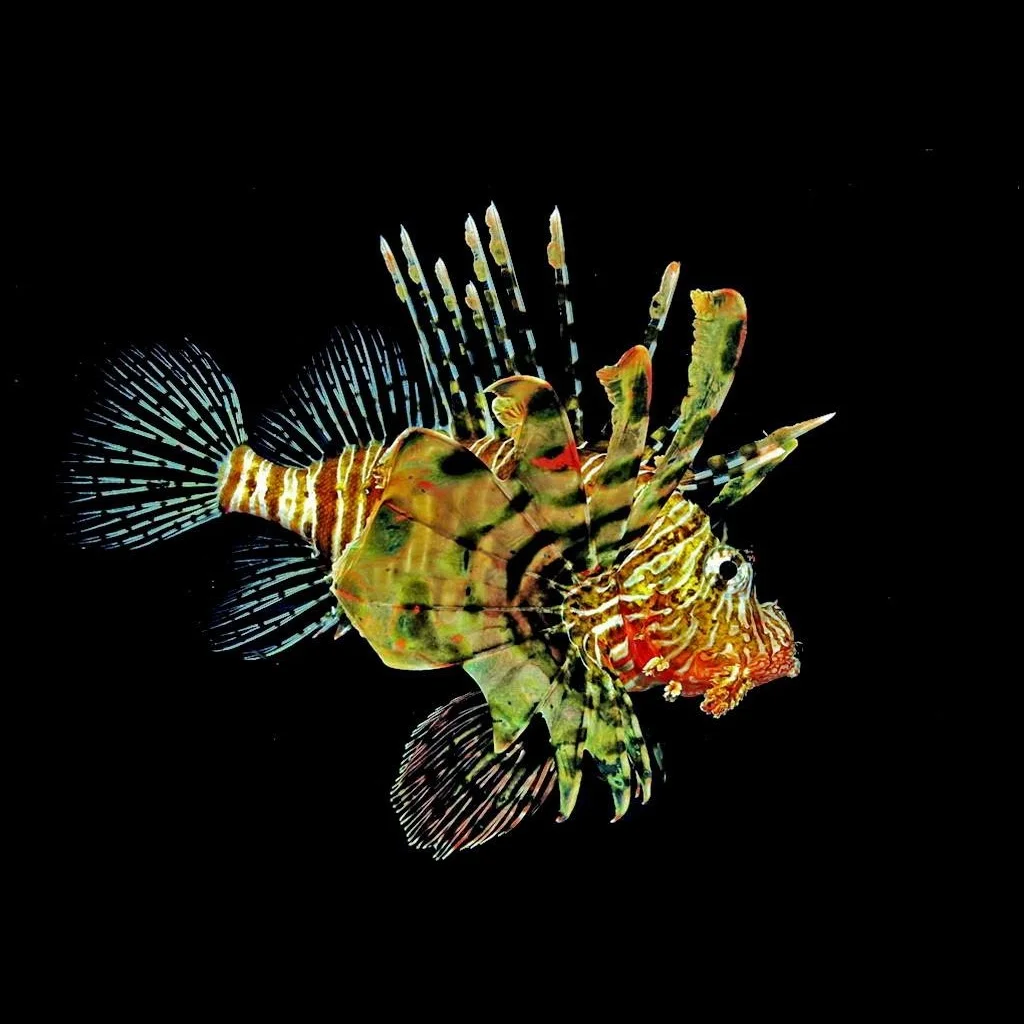
Red and white striped lionfish (Pterois spp.) with fan-like venomous fin rays hovering near a coral reef
Scientific Name

Pterois spp.

Size

15–43 cm

Depth

1–100 m

Habitat

coral reef, rocky reef, wreck, mangrove

Conservation

Least concern (LC)

Danger Level

Venomous

About the Lionfish

Draped in bold maroon, russet, and cream vertical stripes with extravagant fan-like pectoral fins, lionfishes of the genus Pterois spp. are among the most recognizable inhabitants of tropical seas. The two largest and most widespread species, the red lionfish and the devil firefish, typically measure between 15 cm (5.9 in) and 38 cm (15 in), occasionally reaching a maximum length of 43 cm (16.9 in) and a weight of up to 1.2 kg (2.6 lb). Armed with thirteen elongated dorsal spines, two pelvic spines, and three anal spines connected to venom glands, they display aposematic colouration that warns predators to stay away.

In their native Indo-Pacific and Red Sea ranges, lionfishes occupy coral and rocky reefs, lagoons, and shipwrecks from 1 m (3 ft) down to 100 m (328 ft), hiding under ledges by day and emerging at dusk to corner small fishes and crustaceans with their outstretched pectoral rays. Following introductions via the aquarium trade in the western Atlantic and Caribbean, as well as Lessepsian migration through the Suez Canal into the Mediterranean, they have become prolific invasive predators that reduce native reef fish recruitment.

Because lionfish stand their ground rather than fleeing approaching scuba divers, careful situational awareness is essential around overhangs and wreck interiors to avoid accidental envenomation.

Further Reading

Did You Know?

Water-Jetting Feather Dancers Armed With Eighteen Grooved Venom Needles

“Floating effortlessly under coral overhangs behind zebra-striped, fan-like pectoral plumes, lionfishes of the genus Pterois combine hypnotic elegance with surgical predatory mechanics. Eighteen needle-sharp venomous spines—thirteen along the back, two pelvic, and three anal—serve purely for defense, freeing those sweeping unarmed pectoral rays to corral small cardinalfishes and wrasses into reef corners. Before striking, a hunting lionfish aims rapid, pulsing jets of water out of its mouth straight into the victim's face; confused by the current and masked lateral-line cues, the prey instinctively turns into the flow and gets inhaled headfirst. Capable of stretching its stomach thirtyfold and spawning millions of buoyant eggs annually, invasive Indo-Pacific Pterois volitans reshaped western Atlantic reefs within two decades.”

Where You Can See Lionfish

This map highlights the main regions where divers may encounter Lionfish or where the species is commonly associated with suitable marine habitats. Actual sightings depend on local dive sites, season, visibility, depth, and natural behaviour.

World distribution map showing regions where divers can see Lionfish: Caribbean, Atlantic, Indian Ocean, Asia Pacific, Mediterranean
Caribbean
Atlantic
Indian Ocean
Asia Pacific
Mediterranean

Dive Sites with Lionfish

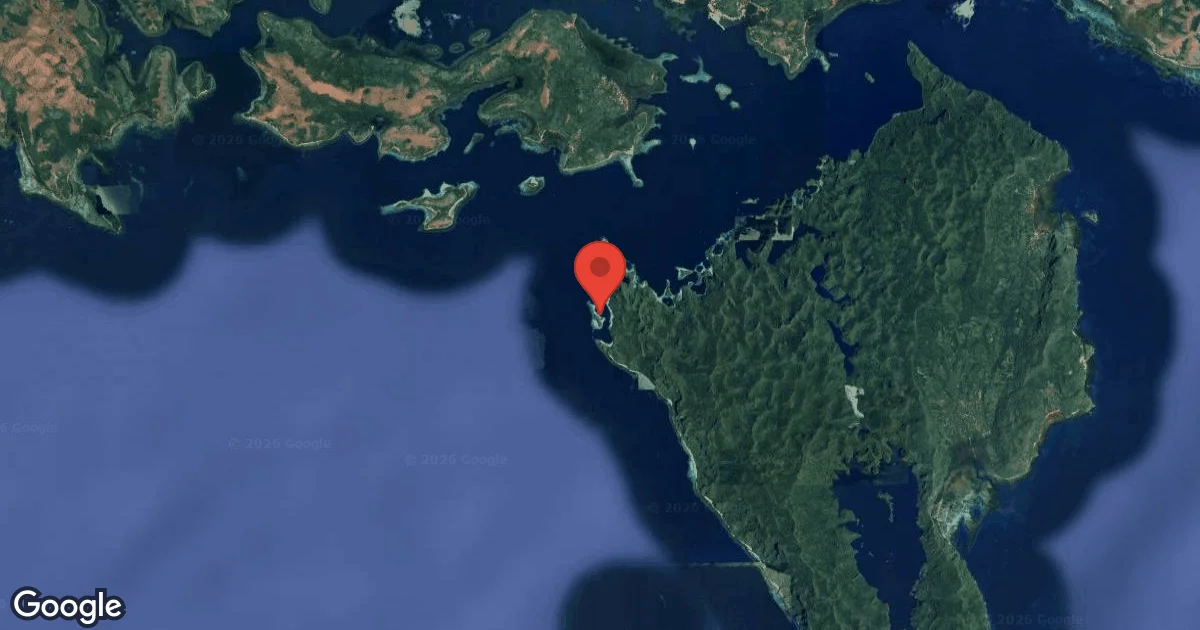
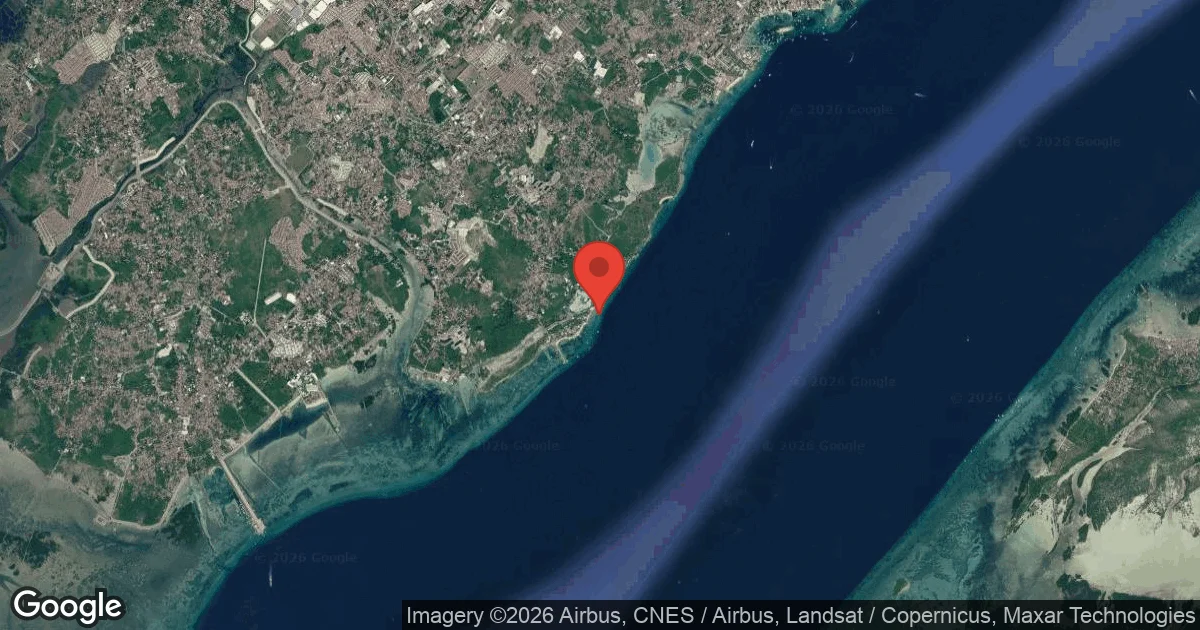
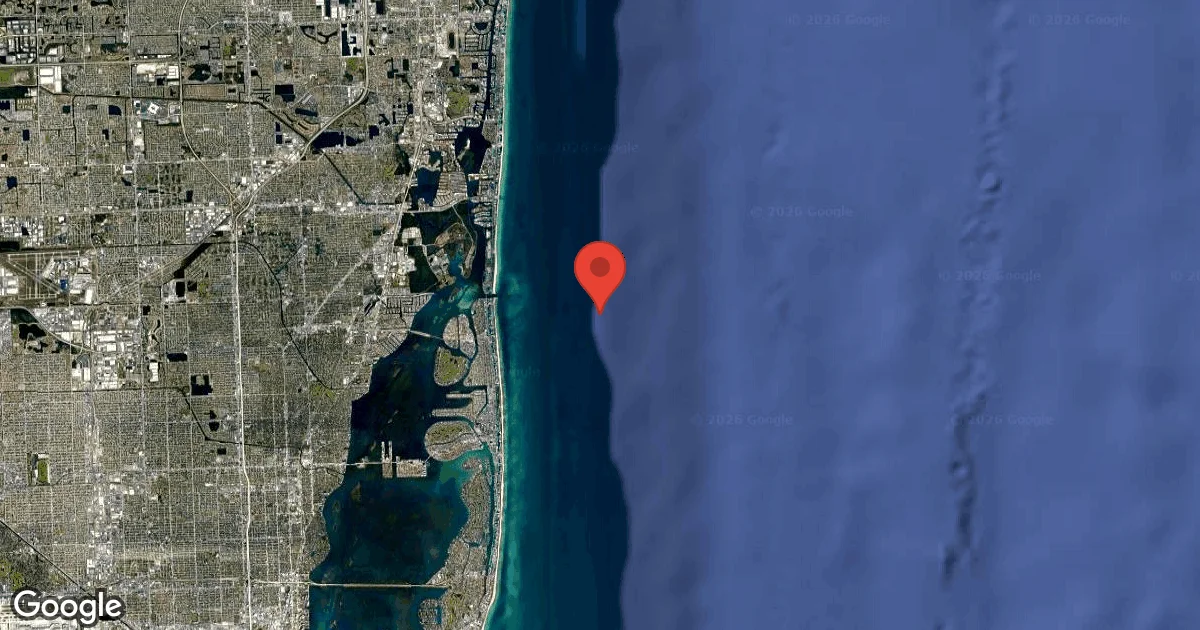
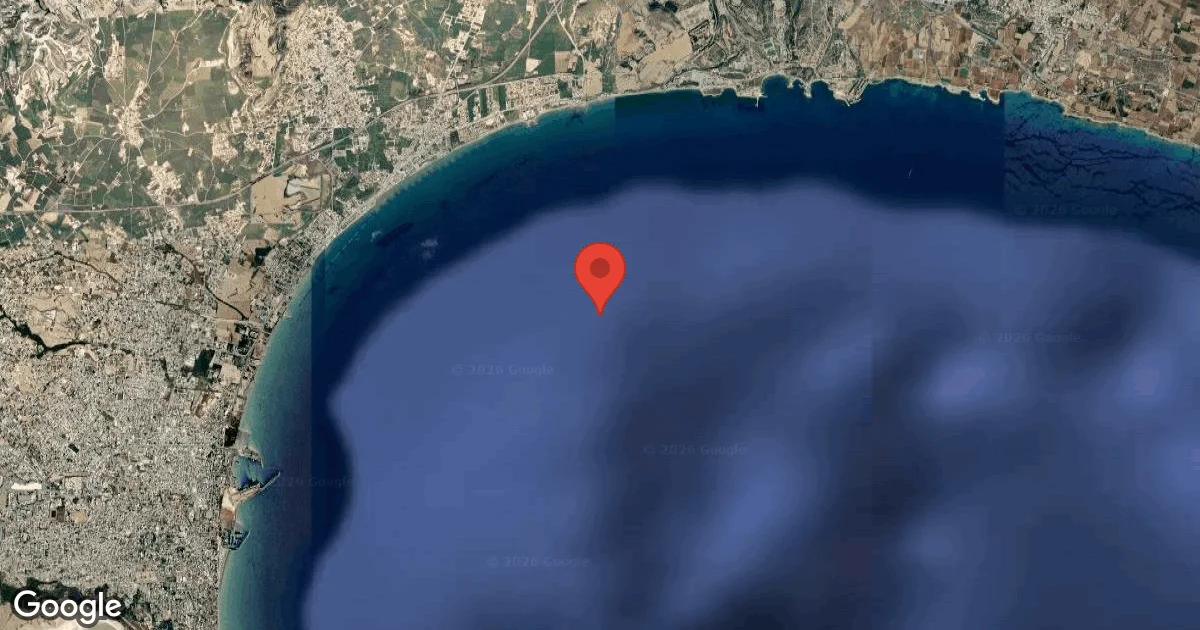
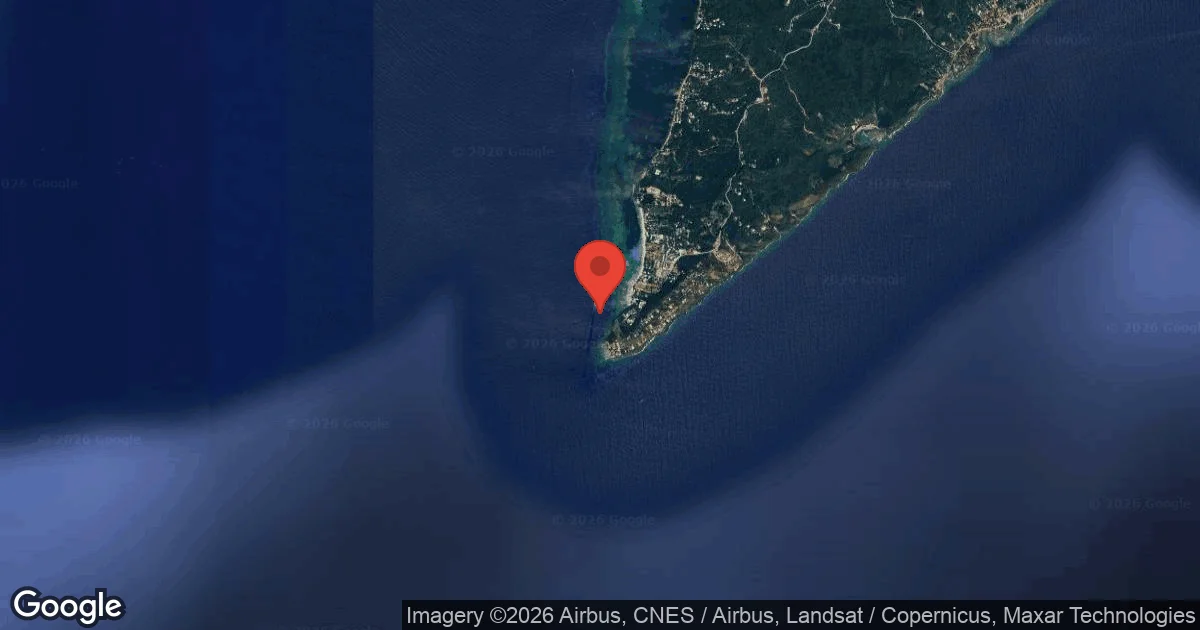
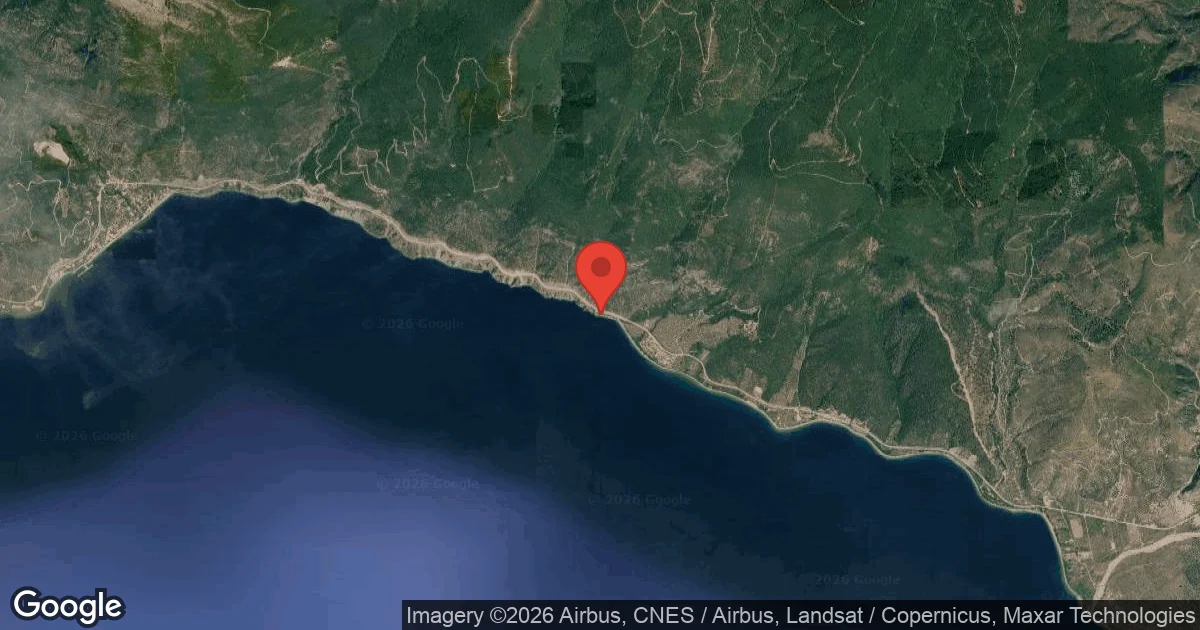
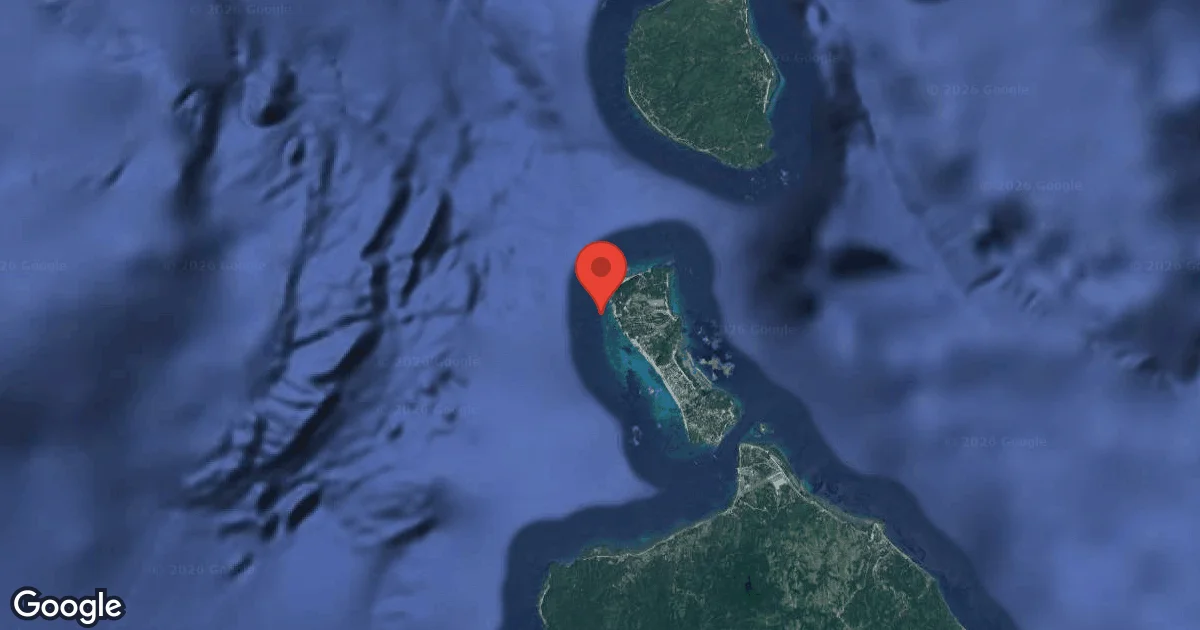
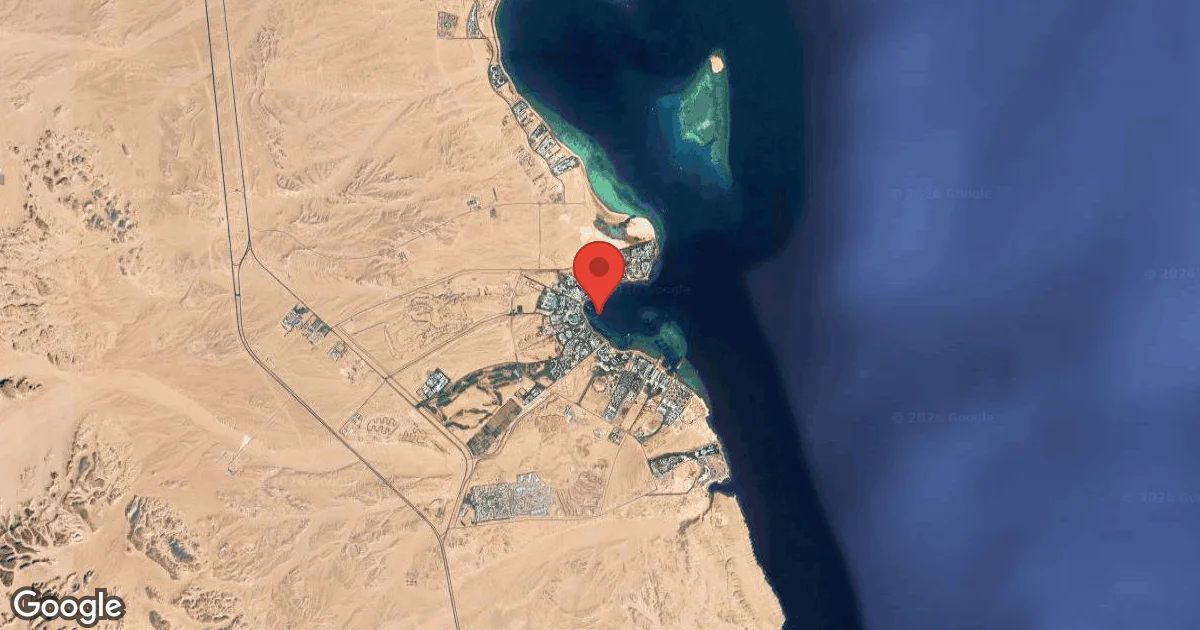
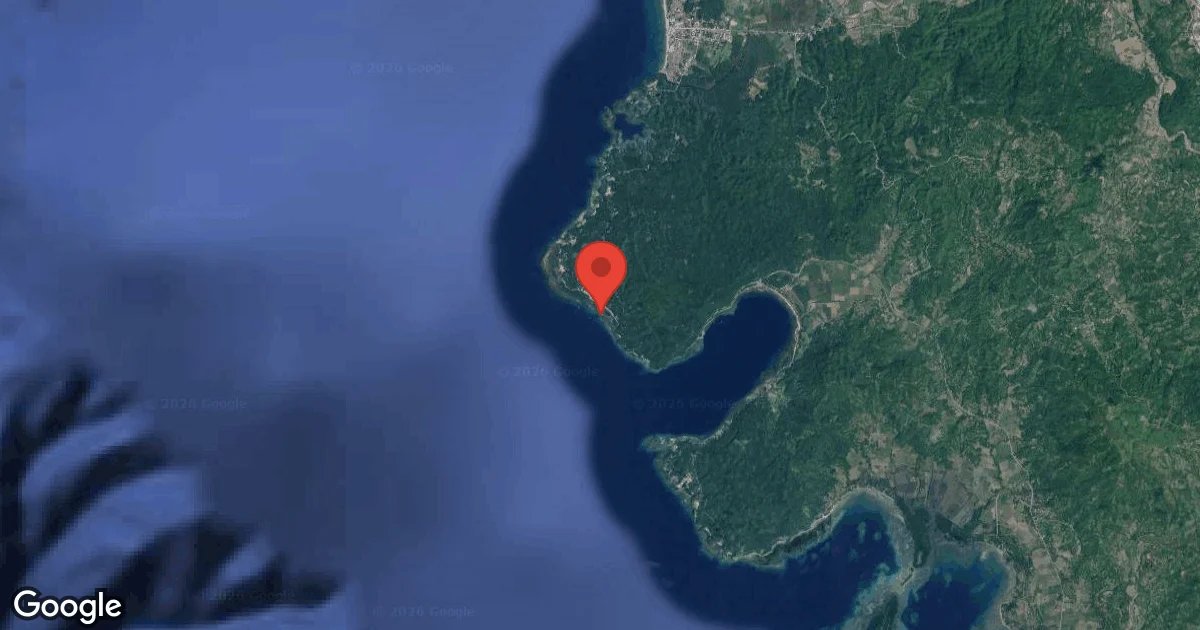
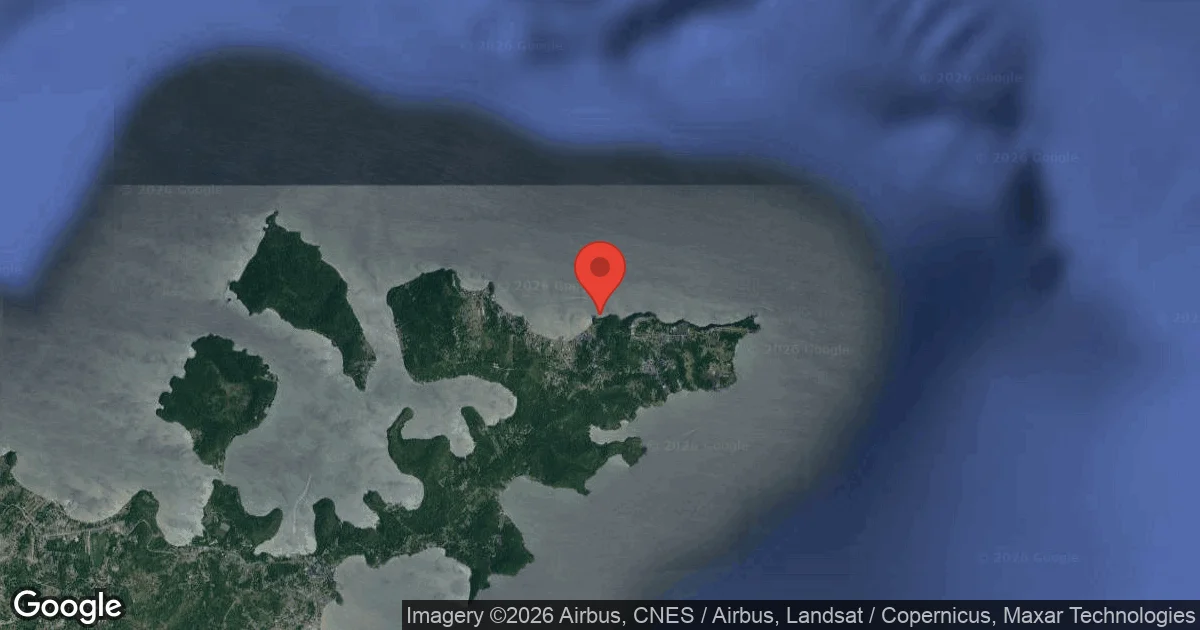
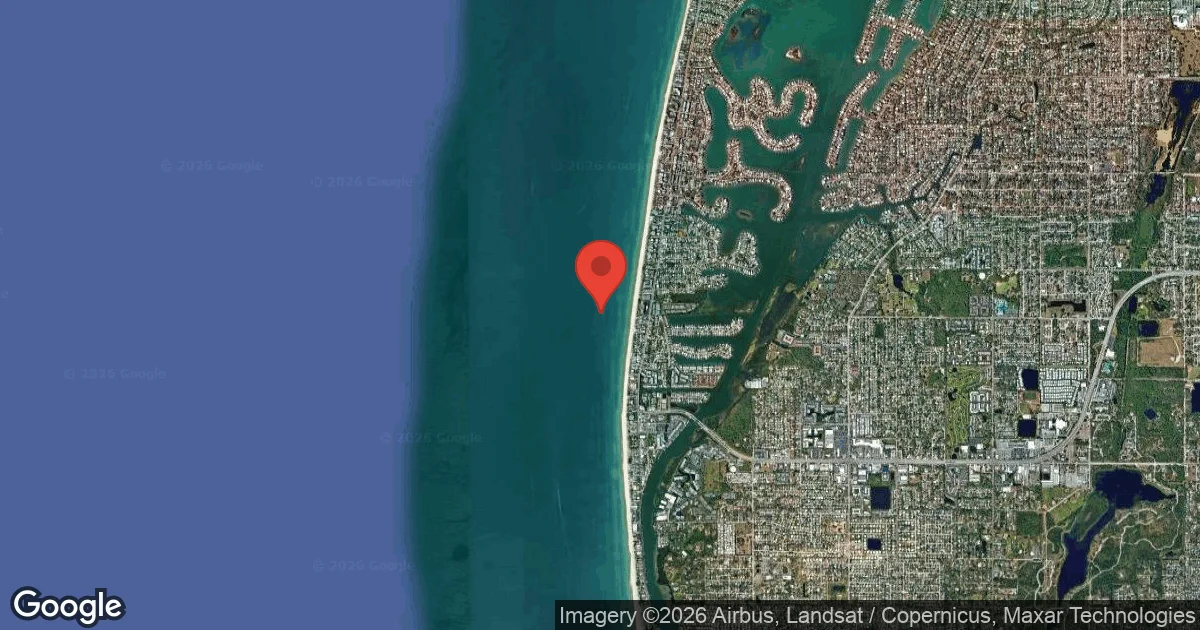
Discover 12 of 341 breathtaking locations where you can encounter this species.
Related Marine Life

Explore other incredible species you can encounter on your diving adventures.