
Diving at Långrevsudden (Sweden)
Approaching Långrevsudden means preparing for a straightforward yet engaging shore dive. Its accessibility makes it an excellent choice for divers of various experience levels, especially those seeking a relaxed entry into the Gulf of Bothnia's underwater environment. The primary challenge involves managing cold water conditions, which dictate specific gear choices. Expect a gradual descent over a sandy bottom, requiring careful buoyancy control.
As evening covers Långrevsudden, the local air temperature is measured at 11.5°C. The current wave height at the surface is recorded at 0.3 m. These late-day readings characterize the surface conditions for the night.
Dive Site Location & Key Facts
Dive Site Overview
A typical dive at Långrevsudden begins with a straightforward beach entry, characteristic of many accessible sites along the Gulf of Bothnia near Hudiksvall, Sweden. This location caters to most certified divers, providing a gentle introduction to its distinct underwater environment.
Immediately upon entry, an expansive sandy bottom stretches out, gradually transitioning into a moderately steep slope as depth increases. Divers can explore this descent to a maximum recreational depth of 20 m (65 ft), which allows for ample bottom time within no-decompression limits. Gradual slopes over the extensive sandy terrain provide excellent opportunities for divers to refine their buoyancy control in generally calm conditions.
Furthermore, the site also exhibits pronounced characteristics of a muck dive, particularly within its shallower to mid-depth sections. Patient exploration here often reveals a fascinating array of substrate-dwelling organisms and smaller, cryptic marine life expertly camouflaged within the sediment.
Brackish water, a hallmark of the Gulf of Bothnia, significantly shapes the resident ecosystem, distinguishing it from purely marine or freshwater environments. Divers should anticipate cooler water temperatures, which are typical for this northern region, and plan appropriate thermal protection to ensure comfort and extend bottom time.
Långrevsudden offers a relaxed and engaging experience, making it suitable for skill development or simply enjoying a less demanding underwater excursion.
Conditions are Good
Optimal conditions expected
Current conditions near Långrevsudden show 11° air, 15° sea temperature, 0.7 m waves, and 27 km/h wind. Forecast data is refreshed regularly to ensure accuracy.
Best Time to Dive
Identifying optimal periods for diving at Långrevsudden involves contrasting seasonal conditions. While the water temperature data isn't consistently reported, air temperatures provide a useful proxy for surface conditions. February and June stand out with 'Excellent' dive scores, benefiting from milder conditions relative to other months. During February, air temperatures average around -3.5°C (38°F), with minimal rain (around 1.1 mm) and moderate wind. June brings significantly warmer air, averaging 14.5°C (58°F), along with light rain (around 1.1 mm) and reduced wave activity. Conversely, months like January and November experience higher wind speeds (up to 26.6 km/h or 16.5 mph), heavier rainfall, and sub-zero air temperatures, making surface logistics more challenging. Planning for warmer air temperatures, like those in July (17°C / 63°F) or August (16.5°C / 62°F), generally improves the overall dive experience, despite slightly increased rainfall compared to early summer.
PEAK SEASON SCORE
Scores combine air & water temps, waves, wind & rainfall for overall conditions.
BEST MONTHS TO DIVE
Monthly records compiled from satellite and marine observation nodes over the last 3 years. Data provided by Open-Meteo and MET Norway.
Dive Experience & Conditions
Divers descending at Långrevsudden will encounter a pronounced depth profile starting from the shore. This site features a gradual, yet eventually steep, sandy slope that reaches its maximum depth around 20 meters (65 feet). The water here is brackish, a characteristic of the Gulf of Bothnia, which influences both visibility and the types of marine life present. While visibility can vary, it's generally good depending on recent weather and sediment disturbance. Water temperatures in this northern region are typically cool to cold, necessitating appropriate thermal protection. Currents at this location are not consistently reported as strong, but local conditions can always affect underwater movement. Entering directly from the beach simplifies access, making it a comfortable experience for shore-based operations.
Dive Difficulty & Safety Guidelines
Diving at Långrevsudden requires adherence to standard cold-water diving safety protocols. Due to the potentially low water temperatures, proper thermal protection is essential for comfort and safety, including drysuits, hoods, and gloves.
Divers should always carry a dive computer for accurate depth and time management, along with a surface marker buoy (SMB) for visibility to surface support. While the site is generally considered straightforward, a dive knife is recommended for entanglement prevention in potential debris.
It's always prudent to dive with a buddy and to conduct thorough pre-dive checks. Before diving, always consult with local dive professionals regarding current conditions and any specific site considerations.
Recommended Equipment
- Dive Computer
- DSMB
- Hard-soled Dive Boots
- Pointer / Muck Stick
This gear list is based on verified equipment signals for Långrevsudden, Sweden. Always confirm final gear choices with your dive operator, guide, or liveaboard.
Recommended Dive Suit
7mm wetsuit or semidry is frequently recommended by dive operators for conditions like these. Strong cold advisory: dress warmly immediately after exiting the water. Those diving at Långrevsudden today will likely encounter water temperatures in the region of 15°C (58°F). Surface air temperatures are resting at 11°C (53°F).
Forecasts suggest rising temperatures later this week. A warming trend is expected over the next few days.
Even small thermoclines can occasionally cause noticeable changes in water temperature.
Emergency & Medical Support
Essential information to help you plan your dive trip to Långrevsudden.

Hyperbaric chambers are a critical part of dive safety infrastructure. Availability varies significantly by region, and not all dive areas have immediate access.
Before diving, it's recommended to:
- confirm nearest medical facilities
- check emergency procedures with local dive operators
- ensure dive insurance covers evacuation if required
Divers Alert Network
Diving emergency assistance available through DAN Europe.
+39 0642115685- 24/7 emergency hotline
- Diving medical assistance
- Evacuation coordination
Emergency contacts are provided for reference. Always verify local emergency services before diving.
Marine Life at Långrevsudden
Observing marine life at Långrevsudden largely centers on species adapted to its brackish, sandy-bottom environment. As a muck dive, the site provides a habitat for various smaller, often overlooked creatures residing within the sediment and along the gradual slope.
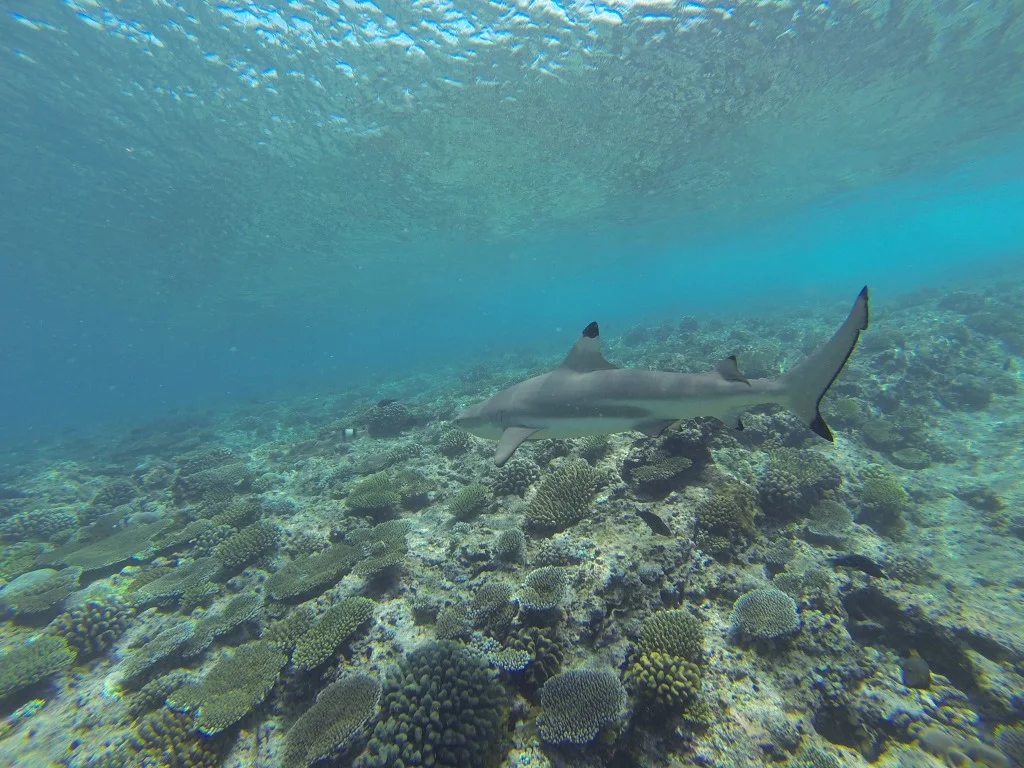
While certain broad categories of marine life like sharks, whales, dolphins, and turtles have been reported as 'common sightings' in general regional contexts, specific, consistent observations of these larger pelagic species at this particular site are not frequently documented. Divers are more likely to encounter bottom-dwelling invertebrates and smaller fish that thrive in the Gulf of Bothnia's unique conditions, requiring a keen eye and patient exploration of the sandy terrain.
Dive Centers Near Långrevsudden
No Dive Centers Local To Långrevsudden
Are you a dive center visiting this location? Get listed to reach divers.
Nearest Airports
Nearest airports to help plan travel to this dive area.
Search Flights
Check available flights and routes on Expedia, using the nearby airports listed in this section.
Search Flights on ExpediaFrequently Asked Questions
What is the maximum depth at Långrevsudden?
Maximum recreational depth at Långrevsudden reaches about 20 meters (65 feet). This site features a steep sandy slope that gradually descends to these depths.
Is Långrevsudden suitable for beginner divers?
Yes, Långrevsudden is described as an easy dive suitable for all skill levels. Its beach entry and sandy bottom make it approachable for less experienced divers, provided they are comfortable with cold water conditions.
What type of entry does the dive site offer?
Långrevsudden is primarily a beach dive, offering convenient shore entry. This allows for straightforward access to the water directly from the coastline.
What kind of water is found at Långrevsudden?
Brackish water, typical of the Gulf of Bothnia, defines Långrevsudden's aquatic environment. This specific water type influences both the local marine ecosystem and conditions such as visibility and temperature.
What are the best months for diving at Långrevsudden?
February and June are rated as 'Excellent' for diving, with other months generally scoring 'Good'. While water temperature data varies, these months offer more favorable air temperatures and calmer surface conditions.
What kind of terrain can be expected underwater?
Underwater terrain at Långrevsudden consists predominantly of a sandy bottom. This gradually slopes down, exhibiting characteristics of a muck dive in some sections.
Planning to dive Långrevsudden?
Send one inquiry and receive offers directly from the best verified local dive operators.
Conditions are Good
Optimal conditions expected
Current conditions near Långrevsudden show 11° air, 15° sea temperature, 0.7 m waves, and 27 km/h wind. Forecast data is refreshed regularly to ensure accuracy.