
Diving in Sweden
Exploring dive sites in Sweden involves navigating different conditions, with variations in visibility, depth, and access. At present, 21 dive sites are recorded on our platform for Sweden.
Sweden's diving scene presents a distinct contrast, moving from the historically rich depths of the Baltic Sea, known for its exceptional preservation of 14th to 16th-century shipwrecks, to the natural reefs found in areas like Kullen. The cold, low-oxygen environment of the Baltic Sea plays a crucial role in maintaining these ancient vessels. While wreck diving is prominent, diverse underwater topography also includes sites suitable for different experience levels.
Divers can reach Sweden by train from neighboring countries, setting the stage for these varied underwater explorations. Observed marine life includes crabs and sea stars, adding to the country's underwater appeal.
Dive Map of Sweden
Exploring Sweden's dive locations on a map reveals specific points of interest rather than expansive, interconnected regions. The Baltic Sea is a primary area for underwater exploration, particularly for those interested in historical sites.
A dive map would pinpoint individual sites such as the Vagnharad Limestone Quarry, known for beginner training, or the wreck of the Robert SS. It also highlights natural reef areas like Kullen, allowing divers to visualize these distinct opportunities across the country.
Dive Sites to Explore
View all 21 sites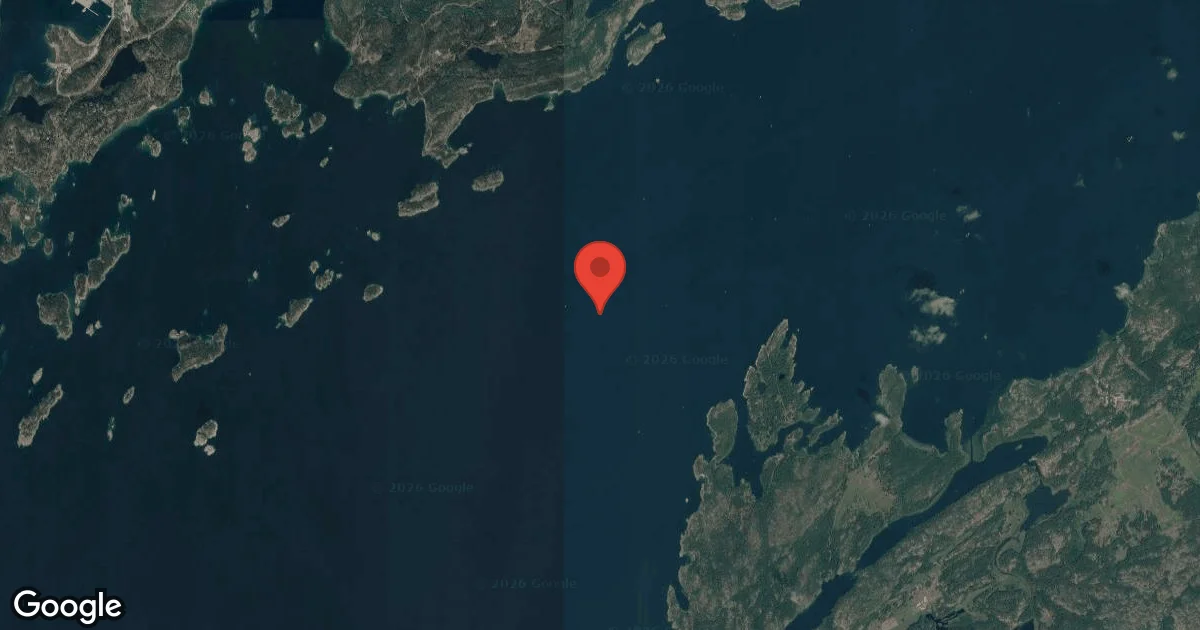
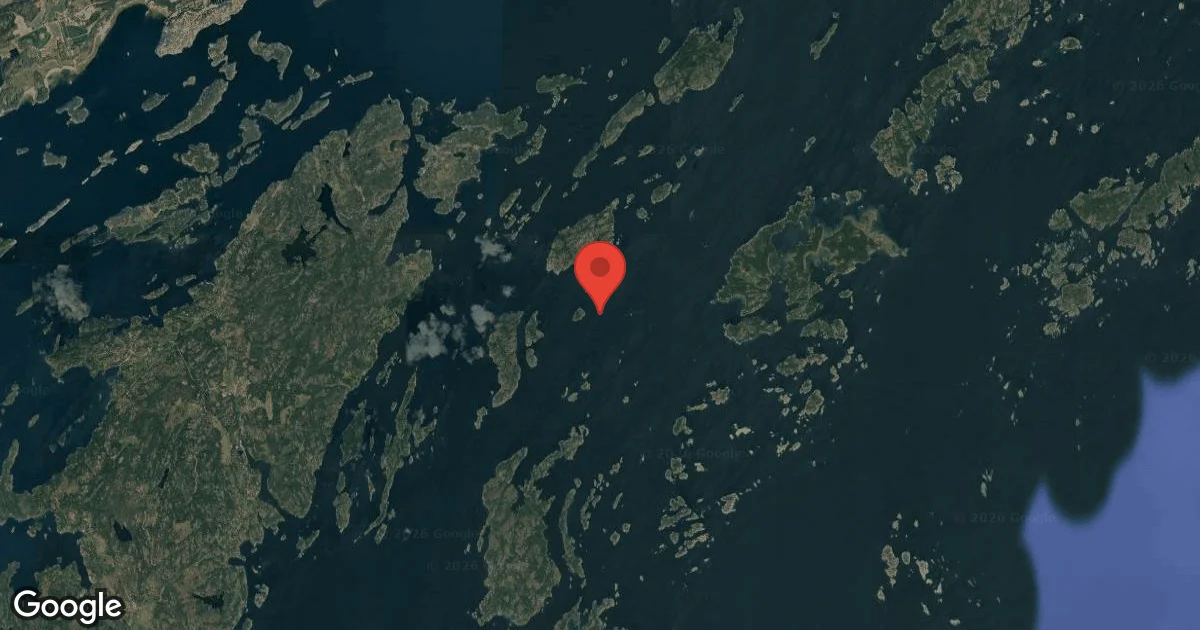
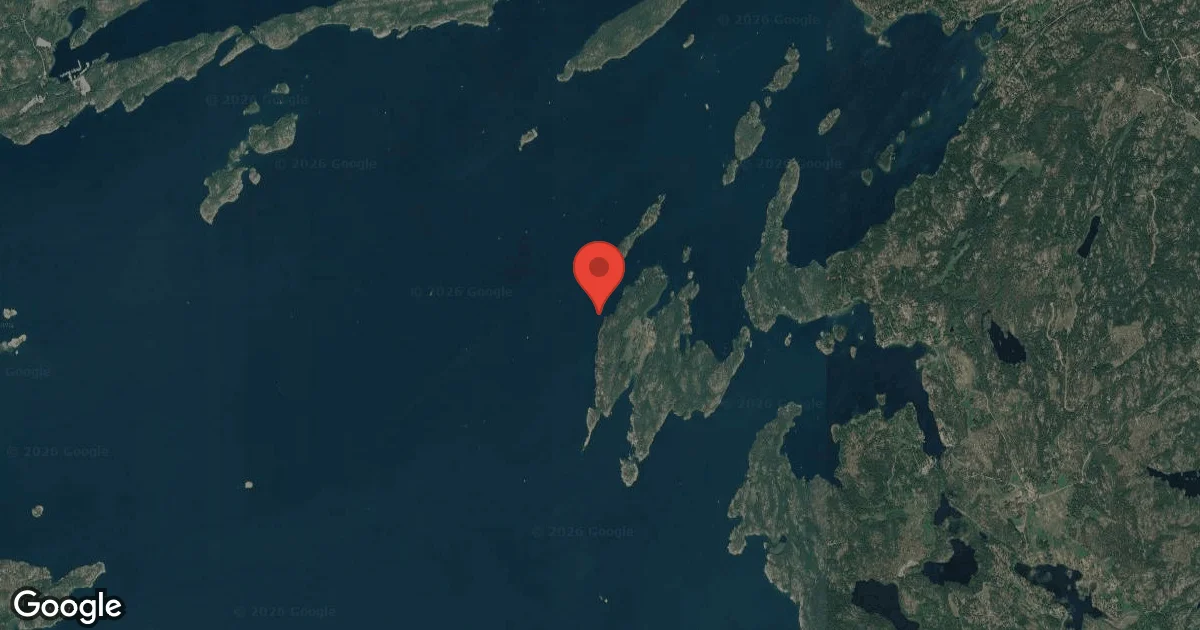
Among Sweden's notable dive sites, the Robert SS wreck stands out as a significant draw for experienced divers, resting at a depth of 42 m (138 ft). Another prominent wreck, the Sappemeer, lies in the Baltic Sea after sinking in 1969 during rough conditions. For those new to diving, the Vagnharad Limestone Quarry offers suitable conditions for learning, characterized by its manageable depth.
Natural reef formations can be explored at Kullen, presenting a different underwater environment. Visibility at these sites typically ranges between 5 to 10 m (16 to 33 ft), though it can extend up to 20 m (66 ft) in optimal conditions, contrasting with generally limited visibility in other areas.
Best Time to Dive in Sweden
The optimal windows for diving in Sweden occur between September and November, and again from March to May. During these periods, conditions are typically at their calmest, which contributes to improved underwater visibility.
Visibility often ranges between 5 to 10 m (16 to 33 ft) during these months, occasionally reaching up to 20 m (66 ft). Currents vary from none to strong, so local knowledge for specific sites is important. Planning dives within these windows generally provides the most favorable experience.
Monthly Sea Temperatures
Diver comfort in Sweden's waters is directly linked to the notably cold sea temperatures, necessitating appropriate exposure protection. Water temperatures are quite low in winter, ranging from a chilly 2°C to 4°C (36°F to 39°F).
During the summer months, temperatures can rise to approximately 20°C (68°F). Even with summer's warmer conditions, a drysuit is strongly recommended for repetitive dives to maintain thermal comfort. This temperature profile means divers must be prepared for colder water diving year-round.
| Jan | Feb | Mar | Apr | May | Jun | Jul | Aug | Sep | Oct | Nov | Dec | |
|---|---|---|---|---|---|---|---|---|---|---|---|---|
| Max | 4° | 2° | 2° | 5° | 10° | 17° | 22° | 21° | 18° | 12° | 9° | 8° |
| Avg | 2° | 1° | 1° | 2° | 7° | 13° | 17° | 18° | 14° | 10° | 7° | 4° |
| Min | -1° | -1° | -1° | 0° | 3° | 9° | 12° | 15° | 10° | 7° | 5° | 1° |
Dive Conditions
Dive conditions in Sweden often present varying visibility, which can impact the experience across different depth profiles. Visibility typically ranges between 5 to 10 m (16 to 33 ft), though it can sometimes reach up to 20 m (66 ft).
However, some areas are characterized by darker water and more limited visibility, especially at greater depths. Currents can range from nonexistent to strong, influencing dive planning and the appropriate experience level required for certain sites. Divers should expect these variable conditions and plan accordingly for specific depth excursions.
Marine Life Highlights
Most Mentioned Species
Marine life in Sweden varies across dive locations, with different species appearing depending on environment and conditions. The species highlighted here are the most frequently associated with dive sites in our data, offering a realistic overview of what divers are most likely to encounter.
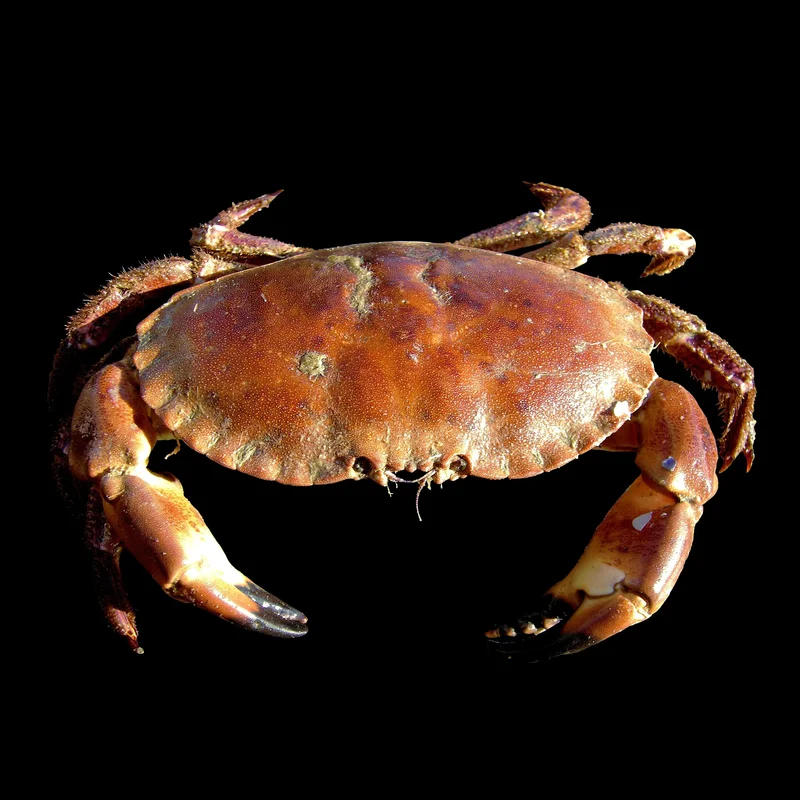


While specific seasonal patterns for marine life are not extensively detailed, Swedish dive sites do host observed species. Divers may encounter crabs and sea stars, which are noted to inhabit some of the underwater environments.
The availability of dive information is more concentrated around general observations of these species rather than documented seasonal appearances or migrations. This offers opportunities for discovery of these smaller creatures throughout the diving season.
Regions for Diving
Accessing Sweden's primary dive region, the Baltic Sea, typically involves travel to the country via its rail network from surrounding nations. Once in Sweden, local transport then facilitates reaching specific coastal dive centers or boat departures. The Baltic Sea is particularly known for its cold water and low oxygen content, conditions that uniquely preserve historical shipwrecks.
Diving here offers visibility ranging from 5 to 10 m (16 to 33 ft), with occasional peaks up to 20 m (66 ft) during calmer periods between September and November, and March to May. Water temperatures vary from a winter low of 2-4°C (36-39°F) to approximately 20°C (68°F) in summer, requiring suitable thermal protection.
Travel & Passport Guide
Travel Basics
Trip Planning
Safety & Diving Considerations
Certification levels are a key consideration for safe diving in Sweden, with some sites specifically reserved for experienced divers due to their depth and conditions, such as the Robert SS wreck. Beyond certification, adequate exposure protection and specialized training are essential for the local environment.
A drysuit is highly recommended, even during summer, particularly for repetitive dives given the generally cold water temperatures. Currents can range from none to strong, adding another factor that requires careful dive planning and appropriate skill sets to manage safely.
Dive Centers in Sweden
View all 7 dive centers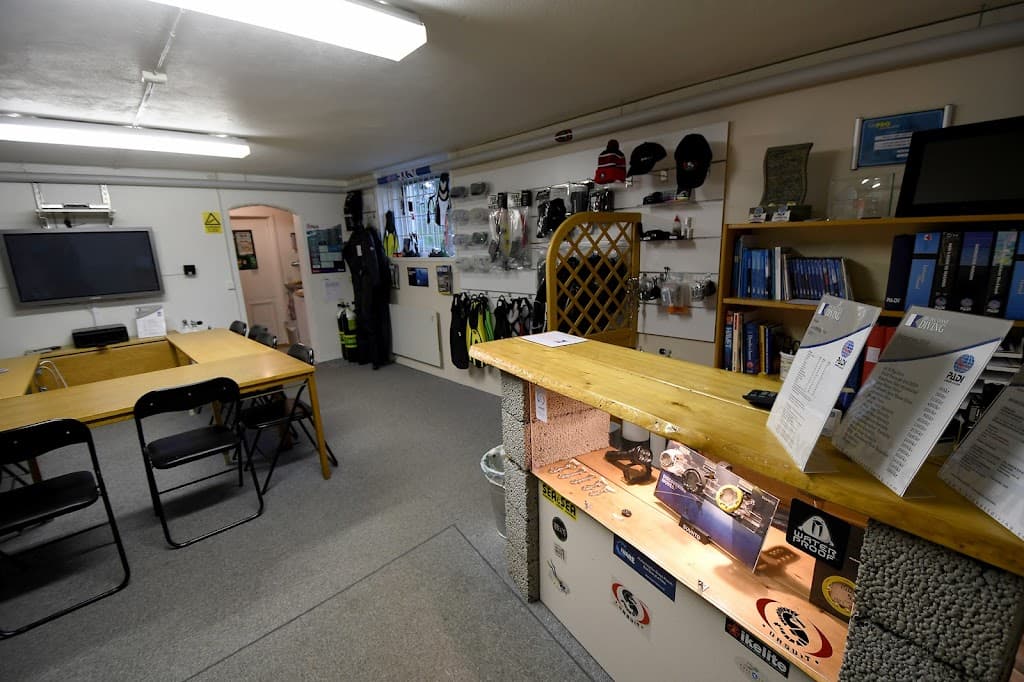

Frequently Asked Questions
What types of diving experiences can I find in Sweden?
Sweden offers diverse diving, with a strong emphasis on wreck exploration, particularly in the Baltic Sea where cold, low-oxygen waters preserve historical ships. Sites like the Robert SS and Sappemeer are prominent wrecks. Additionally, natural reef diving is available in areas such as Kullen, and quarries like Vagnharad Limestone provide beginner-friendly environments.
What are the recommended periods for diving in Sweden?
The most favorable times for diving are typically between September and November, and from March to May. These periods offer the calmest conditions and generally provide the best visibility, which can range from 5 to 10 m (16 to 33 ft) and occasionally up to 20 m (66 ft).
What is the typical water temperature for diving?
Water temperatures in Sweden are generally cold. In winter, they drop to 2°C to 4°C (36°F to 39°F). During summer, temperatures can rise to about 20°C (68°F). Divers should always plan for cold water, making a drysuit highly recommended, even for summer dives.
What marine life might I encounter in Sweden's waters?
While not extensively documented for seasonal patterns, divers in Sweden can expect to see species such as crabs and sea stars. These are observed at various dive sites and contribute to the local underwater ecosystem.
Are there specific safety precautions for diving in Sweden?
Yes, some dive sites are reserved for experienced divers, especially deeper wreck dives like the Robert SS. Adequate exposure protection, such as a drysuit, and specialized training are essential due to cold water and variable currents. Dive planning should account for currents that range from none to strong.