
Diving at Wrack der Jura - Bodensee (Switzerland)
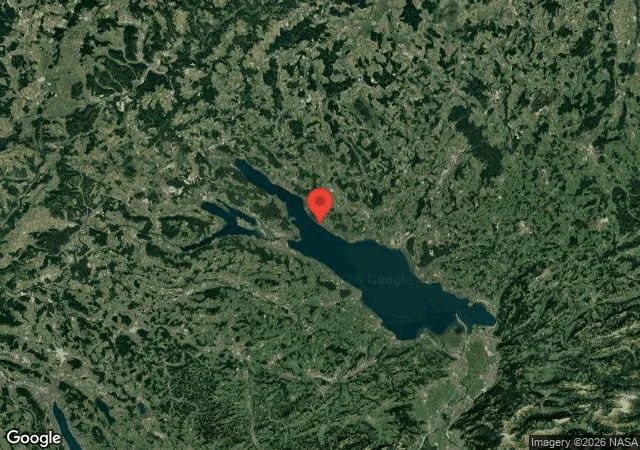
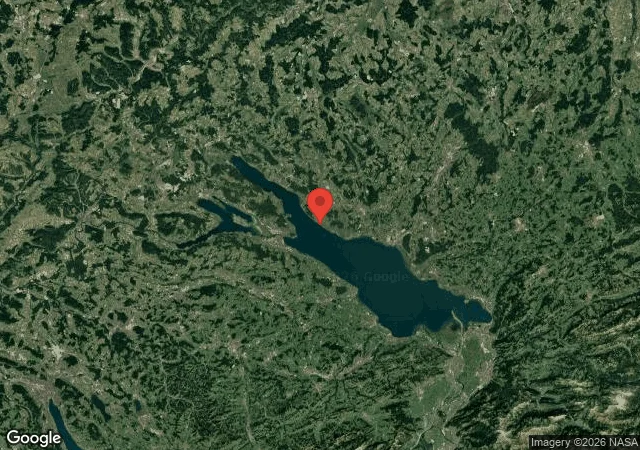
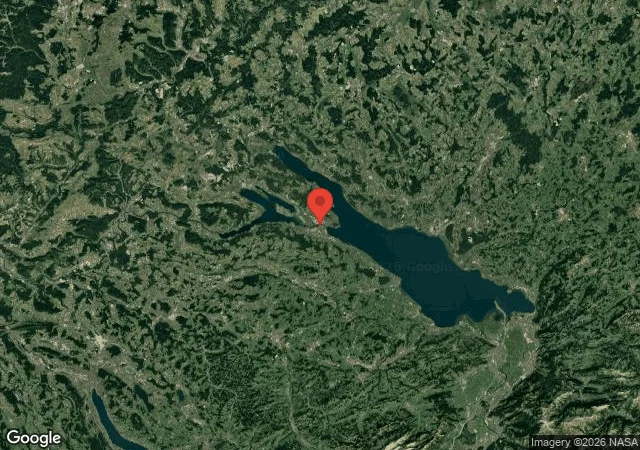
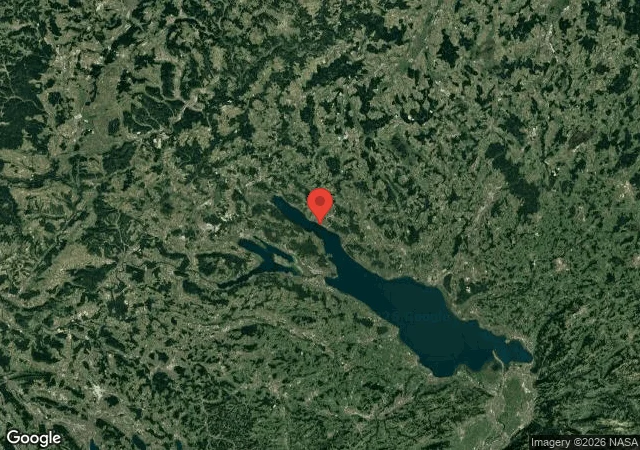
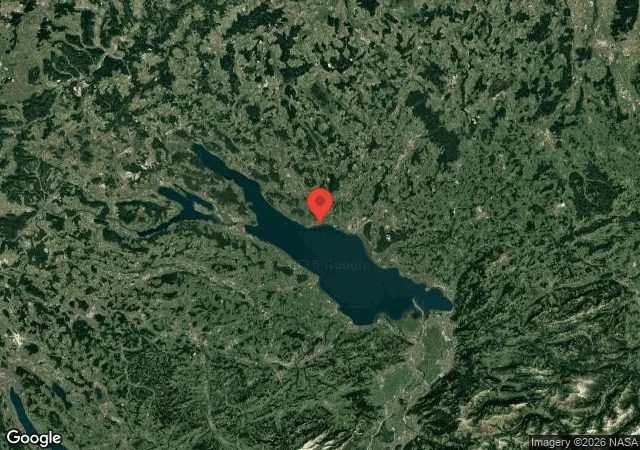
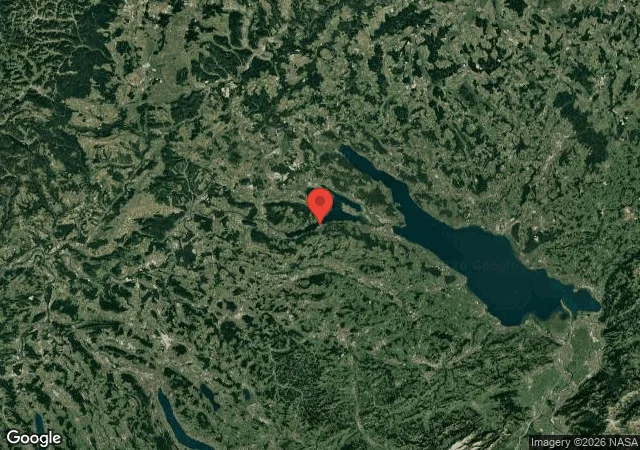
Venturing to the Wrack der Jura immerses divers in the cold depths of Lake Constance, uncovering a historic paddle steamer. This 42 m (138 ft) wooden vessel, which sank after an 1864 collision, is recognized as a remarkably preserved freshwater wreck in Europe. Approximately 1 km (0.6 miles) offshore from Bottighofen, the site provides a tangible link to a past era of lake transport. Exploring its structure offers a direct encounter with maritime history.
The latest environmental reading at Wrack der Jura - Bodensee indicates an air temperature of 23.5°C. The regional climate in Switzerland is aligning with expected historical averages. Prepare your gear according to these specific local conditions.
Dive Site Location & Key Facts
Dive Site Overview
The allure of the Wrack der Jura lies in its remarkable state of preservation and compelling history as one of Europe's premier freshwater wrecks. This 42 m (138 ft) wooden paddle steamer, the "Jura," sank in 1864 following a dense fog collision with the "Stadt Zürich." Descending to approximately 38 m (124 ft) in Lake Constance, divers find the wreck largely intact, resting on a sandy bottom.
The stern and paddle wheels offer clear points of interest, while the bow and lower deck areas present opportunities for careful exploration. Entering interior sections, such as the former passenger rooms, requires exceptional buoyancy control to avoid disturbing the fine sediment. Swirling silt can rapidly reduce visibility to zero, making egress challenging and underscoring the importance of respectful interaction with the delicate wreck environment.
This deep, cold-water dive typically requires specialized training like PADI Deep Diver or Dry Suit Diver certifications, or even Tec 40/45/50, ensuring divers are prepared for the unique challenges of a deep lake wreck.
Conditions are Moderate
Optimal conditions expected
Current conditions near Wrack der Jura - Bodensee show 23° air, --° sea temperature, N/A waves, and 19 km/h wind. Forecast data is refreshed regularly to ensure accuracy.
Best Time to Dive
Optimal diving conditions for the Wrack der Jura generally align with the warmer months, though the lake's stable environment allows for year-round exploration for prepared divers. While there's no consistent water temperature data available, air temperatures provide a useful indicator for surface comfort and planning. Expect average air temperatures to range from 16°C (61°F) in September, peaking at around 20°C (68°F) in August. Rainfall is typically moderate, with slightly higher averages around 5.2 mm (0.2 inches) in July, but doesn't significantly impede diving unless paired with high winds. For those accustomed to colder conditions, even winter months offer good visibility, despite average air temperatures dipping to 1°C (34°F) in January. Planning for consistent surface conditions between May and September can enhance the overall experience, especially given the dive's depth.
PEAK SEASON SCORE
Scores combine air & water temps, waves, wind & rainfall for overall conditions.
BEST MONTHS TO DIVE
Monthly records compiled from satellite and marine observation nodes over the last 3 years. Data provided by Open-Meteo and MET Norway.
Dive Experience & Conditions
Diving the Jura wreck often feels like entering a dimly lit museum, given its depth of 38 m (124 ft) in fresh water. Visibility varies seasonally but can be notably good in cooler months, often exceeding 10 m (33 ft), while summer plankton blooms might reduce it. This is primarily a boat entry dive, dropping directly onto the wreck site. Unlike ocean environments, strong currents are typically not a dominant factor directly at the wreck; however, the lack of significant water flow means any disturbed sediment settles slowly. Maintaining precise buoyancy and fin control is crucial to prevent silting out the wreck, particularly when attempting to explore interior sections or move around the lower deck. The stable fresh water environment at depth means temperature layering (thermoclines) is common, so divers should be prepared for significant temperature drops as they descend.
Dive Difficulty & Safety Guidelines
For a responsible and safe dive on the Wrack der Jura, consider your advanced training and equipment. Given the wreck's maximum depth of 38 m (124 ft) and the typically cold freshwater conditions, a PADI Deep Diver and Dry Suit Diver certification are strongly recommended. Meticulous buoyancy control is paramount; accidental fin kicks can swiftly obscure visibility by stirring up decades of fine silt, potentially disorienting divers and blocking escape routes within confined areas.
This also helps preserve the delicate wooden structure. Carrying a reliable dive torch is essential for illuminating the wreck's details and navigating its shadowed interiors.
Always dive with a qualified buddy and adhere strictly to no-decompression limits or appropriate technical dive plans.
Recommended Equipment
Deep dive hazard. Increased narcosis and gas consumption risk.
Overhead / entanglement risk. Wreck penetration requires proper training.
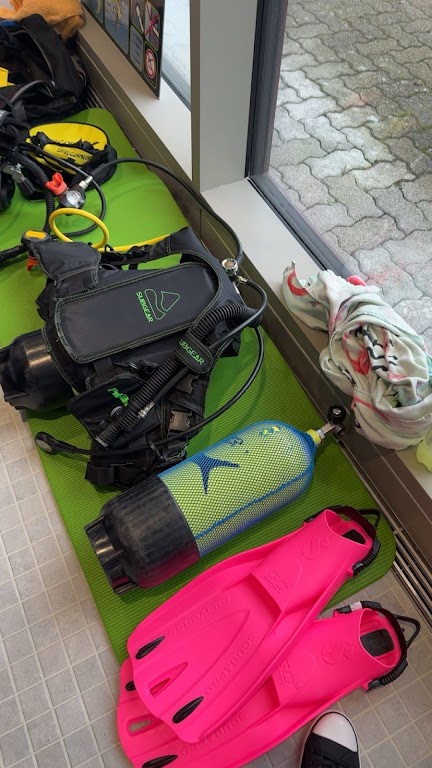
- Dive Computer
- DSMB
- Primary & Backup Lights
- Wreck Reel
- Cutting Tool
This gear list is based on verified equipment signals for Wrack der Jura - Bodensee, Switzerland. Always confirm final gear choices with your dive operator, guide, or liveaboard.
Recommended Dive Suit
Based on regional estimates and current weather, the likely required exposure protection is a 3-5mm wetsuit. Note that local currents and upwellings can alter this.
Because recent water temperature readings are not available for Wrack der Jura - Bodensee, the guidance below is based mainly on current air conditions and seasonal expectations. Current surface air temperatures are roughly 23°C (74°F).
Due to unpredictable weather patterns, conditions may change rapidly. A warming trend is expected over the next few days.
Emergency & Medical Support
Essential information to help you plan your dive trip to Wrack der Jura - Bodensee.

Hyperbaric chambers are a critical part of dive safety infrastructure. Availability varies significantly by region, and not all dive areas have immediate access.
Before diving, it's recommended to:
- confirm nearest medical facilities
- check emergency procedures with local dive operators
- ensure dive insurance covers evacuation if required
Divers Alert Network
Diving emergency assistance available through DAN Europe.
+39 0642115685- 24/7 emergency hotline
- Diving medical assistance
- Evacuation coordination
Emergency contacts are provided for reference. Always verify local emergency services before diving.
Closest Listed Hyperbaric Chambers
Showing listed hyperbaric chamber facilities within 200 km of this dive site.
Distances are approximate straight-line distances and may not reflect emergency travel time.
Druckkammer des Badischen Tauchsportverbandes e.V. (BTSV)
Überlingen, Germany•Approx. 15 km straight-line
Druckkammer des Badischen Tauchsportverbandes e.V. (BTSV)
Information is provided for reference and planning purposes only. Dive Navigator does not verify operational status, staffing, availability, or quality of care at listed facilities. In an emergency, contact local emergency services, DAN, your dive operator, or the chamber directly. Do not travel to a facility without calling ahead.
Information is provided for reference and planning purposes only. Dive Navigator does not verify operational status, staffing, availability, or quality of care at listed facilities. In an emergency, contact local emergency services, DAN, your dive operator, or the chamber directly. Do not travel to a facility without calling ahead.
Hyperbaric Chamber - Freiburg
24/7 ListedICU CapableFreiburg, Germany•Approx. 110 km straight-line
Hyperbaric Chamber - Freiburg
24/7 ListedICU CapableInformation is provided for reference and planning purposes only. Dive Navigator does not verify operational status, staffing, availability, or quality of care at listed facilities. In an emergency, contact local emergency services, DAN, your dive operator, or the chamber directly. Do not travel to a facility without calling ahead.
Marine Life at Wrack der Jura - Bodensee
While the Wrack der Jura itself is the star attraction, divers often first notice the occasional burbot sheltering within its decaying structure. These freshwater cod species are known for their preference for cold, deep waters and can sometimes be spotted near or even inside the wreck's nooks and crannies.
Beyond this, Lake Constance supports various smaller fish species and invertebrates adapted to the lake environment, which might be observed darting around the wreck. The emphasis here is truly on the historical artifact and its atmosphere, with marine encounters adding an understated, natural complement to the dive.

Dive Sites Near Wrack der Jura - Bodensee
View all dive sites in SwitzerlandDiscover more underwater gems in this area.
Dive Centers Near Wrack der Jura - Bodensee
Nearest Airports
Nearest airports to help plan travel to this dive area.
Search Flights
Check available flights and routes on Expedia, using the nearby airports listed in this section.
Search Flights on ExpediaFrequently Asked Questions
How deep is the Wrack der Jura?
The wreck rests at a maximum depth of approximately 38 m (124 ft) in Lake Constance. Its position can vary slightly depending on the lake's water levels throughout the year.
What dive certifications are recommended for this site?
Due to its depth and cold freshwater conditions, PADI Deep Diver and Dry Suit Diver certifications are strongly advised. Technical dive training (Tec 40/45/50) is also highly beneficial for extended bottom times.
What is the Wrack der Jura?
The Jura is a 42-meter (138 ft) wooden paddle steamer. It sank in 1864 following a collision with another vessel. The wreck is highly regarded as one of Europe's most significant and well-preserved freshwater dive sites.
Can I enter the wreck?
Limited penetration into certain sections, like the passenger rooms, is possible with extreme caution and specialized training. Divers must exercise precise buoyancy control to avoid silting, which can reduce visibility to zero.
What kind of visibility can I expect?
Visibility can vary significantly, often being clearer in cooler months, potentially exceeding 10 m (33 ft). Summer conditions, however, may see reduced visibility due to plankton blooms.
What equipment is essential for diving the Jura wreck?
A drysuit, hood, gloves, and a powerful dive torch are essential. These items provide necessary thermal protection and illumination for the deep, cold, and often dimly lit environment.
What kind of marine life might I encounter at the wreck?
While the wreck itself is the primary attraction, you might spot burbot sheltering within its structure. These cold-water fish add a subtle natural element to the historical dive experience.
Planning to dive Wrack der Jura - Bodensee?
Send one inquiry and receive offers directly from the best verified local dive operators.
Conditions are Moderate
Optimal conditions expected
Current conditions near Wrack der Jura - Bodensee show 23° air, --° sea temperature, N/A waves, and 19 km/h wind. Forecast data is refreshed regularly to ensure accuracy.