
Diving in Switzerland
Switzerland features a variety of dive sites, where conditions depend on both environmental factors and site characteristics. We currently track 65 dive locations in our database for Switzerland.
Divers approaching Switzerland will find access straightforward, typically arriving via major international airports such as Zurich, Geneva, and Basel. From these hubs, the focus shifts to exploring the country's diverse freshwater environments. Diving experiences are predominantly shore-based, leading into expansive lakes and swift rivers.
The primary mode of exploration involves local dive centers offering guided trips into destinations like Lake Geneva, Lake Lucerne, and the Verzasca River. These sites present opportunities for diverse freshwater diving, including submerged forests, dramatic rock formations, and occasional artificial structures. Regions such as Ticino and the Geneva Lake area serve as key centers for these activities.
While liveaboards are not a feature of Swiss diving, shore entry provides direct access to sites in various cantons, including Vaud and Thurgau. This localized approach allows for detailed exploration of each site, revealing unique underwater landscapes and the specific freshwater species that inhabit them.
Dive Map of Switzerland
To effectively plan a diving trip in Switzerland, the dive map provides a clear overview of key regions and specific sites. It aids divers in identifying concentrations of opportunities, such as those within the Geneva Lake region or the Ticino canton, known for its rivers.
The map helps in visualizing the geographical spread of notable locations. For instance, sites like Rivaz rock in Lake Geneva or the wreck of Le Jura in Lake Constance are clearly marked.
By examining the map, divers can connect destinations like Lake Lucerne and the Verzasca River to broader regional areas, optimizing travel logistics and dive itineraries.
Dive Sites to Explore
View all 65 sites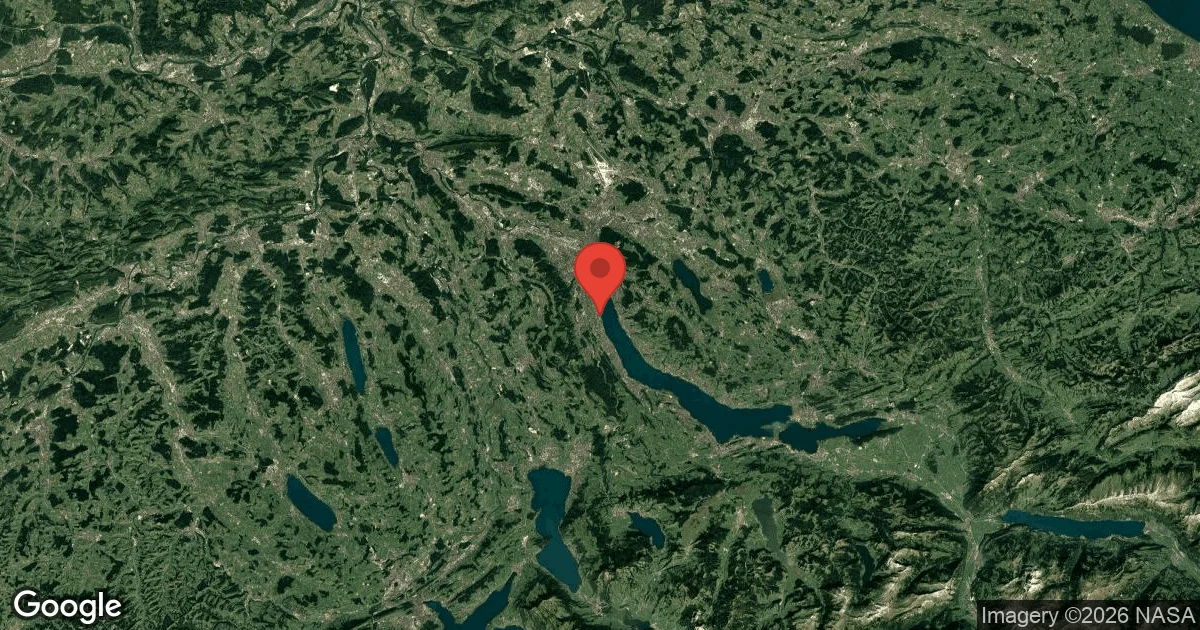
Switzerland offers a range of freshwater dive sites, catering to various experience levels from recreational to technical divers. Understanding the characteristics of each location helps in selecting appropriate dives, whether seeking serene lake explorations or more challenging river and wreck adventures. Visibility in many lakes is good, often clearer in winter.
For those seeking accessible and visually engaging dives, sites like Beatenbucht are a prime choice. This location is known for its excellent visibility and impressive rock faces that descend into the water, providing a relatively calm environment for exploring submerged terrain. Similarly, Les Ecussons offers lake diving with diverse landscapes and abundant aquatic plants, suitable for divers comfortable with freshwater environments.
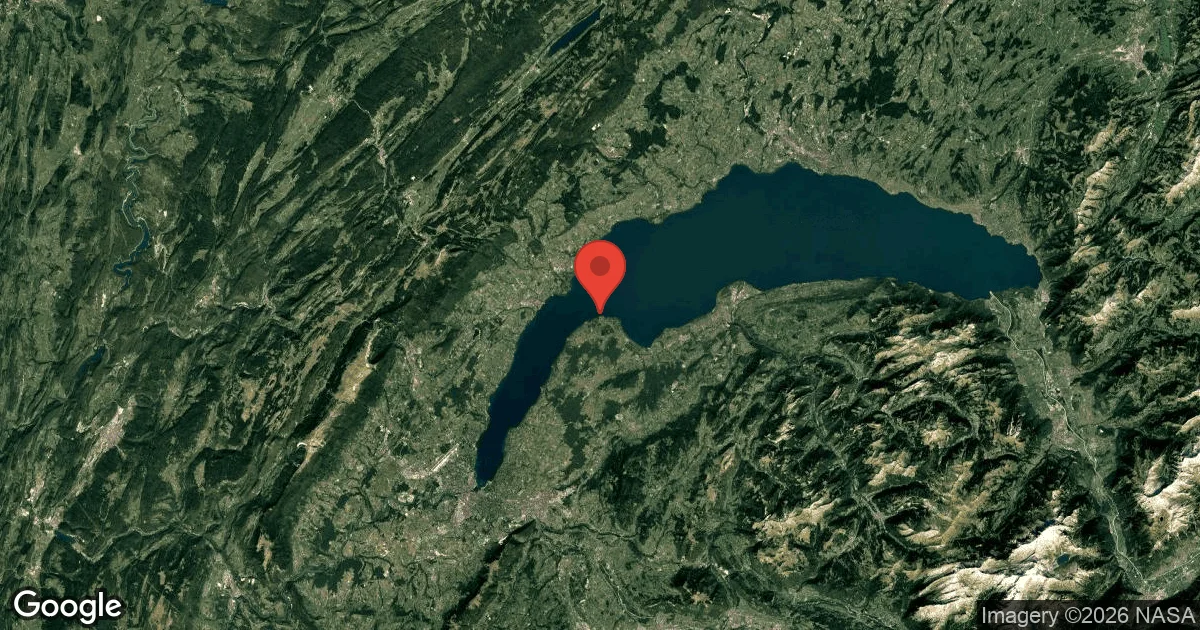
More experienced divers can explore the depths of Lake Geneva at Rivaz rock, where a two-ton concrete statue, the Croix de Rivaz, rests at a depth of 30 meters (100 ft). This site involves a deeper profile. River diving in the Ticino canton, specifically the Verzasca River, presents a different challenge. Sites like Pozzo dei Salti along the Verzasca require comfort with currents and specific river diving techniques, with dives typically lasting between 15 and 30 minutes. The Maggia River also offers similar river diving experiences with spectacular rock formations.
Wreck diving adds another dimension for advanced divers. In Lake Constance, the wreck of Le Jura, a boat that sank in 1864, attracts divers to its historical remains. Another significant wreck is L’Hirondelle, which sank in Lake Geneva in 1862. These sites offer unique historical exploration, often requiring solid buoyancy control and cold-water diving experience.
Best Time to Dive in Switzerland
Defining the optimal travel window for diving in Switzerland depends largely on the preferred diving conditions and experience level. The primary season for warmer water diving runs from May to September, when alpine lake waters are at their warmest, typically ranging from 12-22°C (54-72°F). During summer months, surface temperatures in some lakes can reach 24-25°C (75-77°F). This period is generally recommended for beginners.
For divers seeking exceptional visibility, the winter months offer clearer conditions than summer. Winter diving requires specialized equipment, such as drysuits, and cold-water diving experience, as water temperatures can drop significantly, even to 3°C (37°F) under ice. Experienced divers often prefer winter for its enhanced visibility, with less plankton and fewer inexperienced divers.
Quarry diving, which is also present in Switzerland, is possible year-round with appropriate drysuit gear. Lake conditions are generally mild, whereas river diving in areas like Ticino will naturally involve stronger currents. Regardless of the season, preparedness for cold water is a consistent requirement for Swiss freshwater diving.
Dive Conditions
Diving conditions in Switzerland are notably variable, influenced by seasonal changes and the specific type of freshwater environment being explored. Visibility is a prime example of this variability; while many alpine lakes offer clear freshwater conditions, it is often significantly clearer in winter than in summer.
In winter, the surface temperature being closer to the bottom temperature can lead to "perfect" visibility. Conversely, summer can sometimes bring "dark underwater conditions," especially for those less familiar with lake diving. Sites like Beatenbucht are specifically noted for their excellent visibility. Overall, divers can anticipate good visibility, particularly in colder months and in higher-altitude lakes.
Currents present another aspect of variable conditions. Most lake dives are characterized by mild currents, making them accessible. However, river diving, such as in the Verzasca or Maggia rivers, involves navigating active currents. Divers should be prepared for these differing dynamics, adapting their techniques and equipment accordingly. The overall stability of conditions depends on the specific site and time of year.
Marine Life Highlights
Most Mentioned Species
Marine life in Switzerland varies across dive locations, with different species appearing depending on environment and conditions. The species highlighted here are the most frequently associated with dive sites in our data, offering a realistic overview of what divers are most likely to encounter.
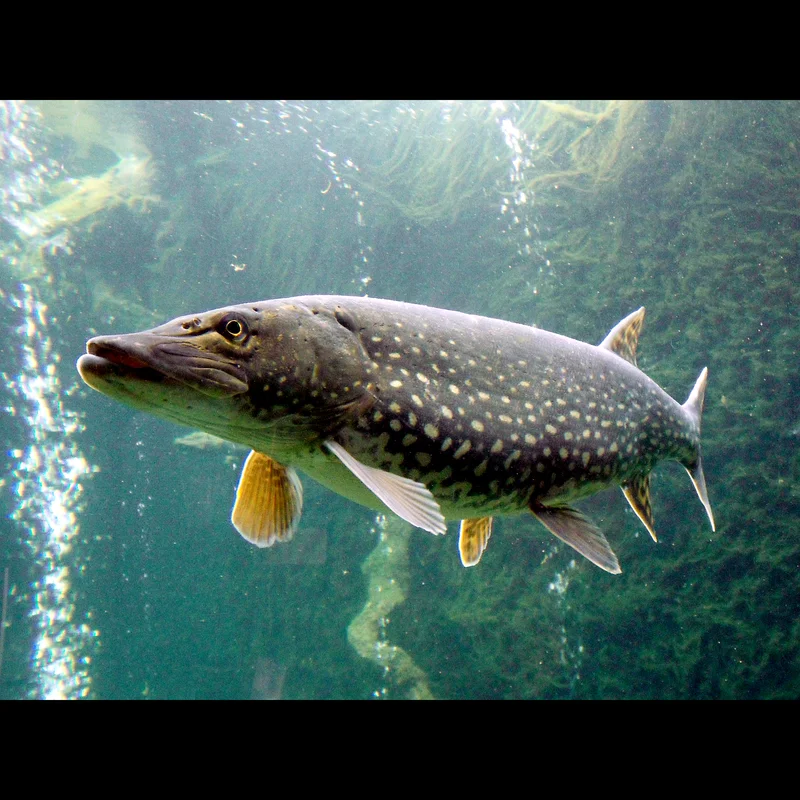
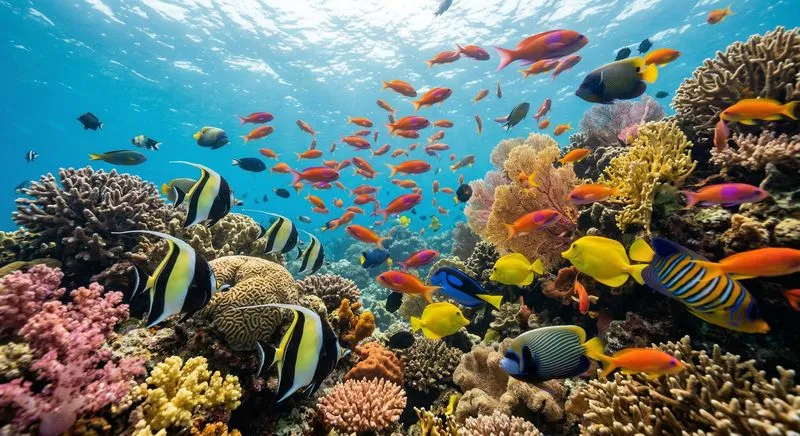
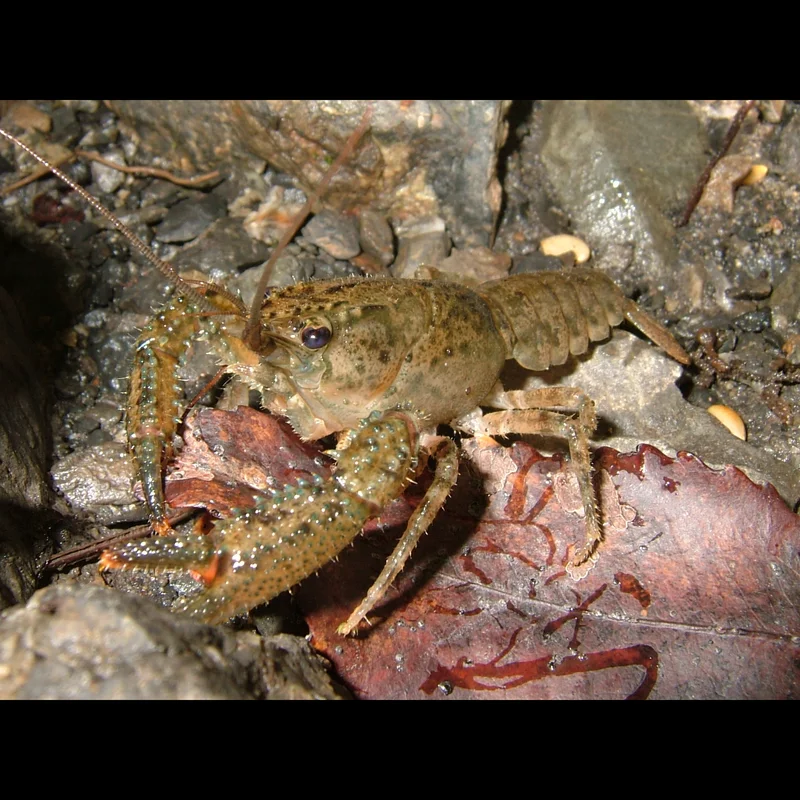
The freshwater habitats of Switzerland support a distinct range of aquatic life. Divers exploring the country's lakes and rivers will encounter species adapted to these cooler environments, rather than traditional marine ecosystems. Lakebeds and submerged rock formations serve as primary habitats for much of this fauna.
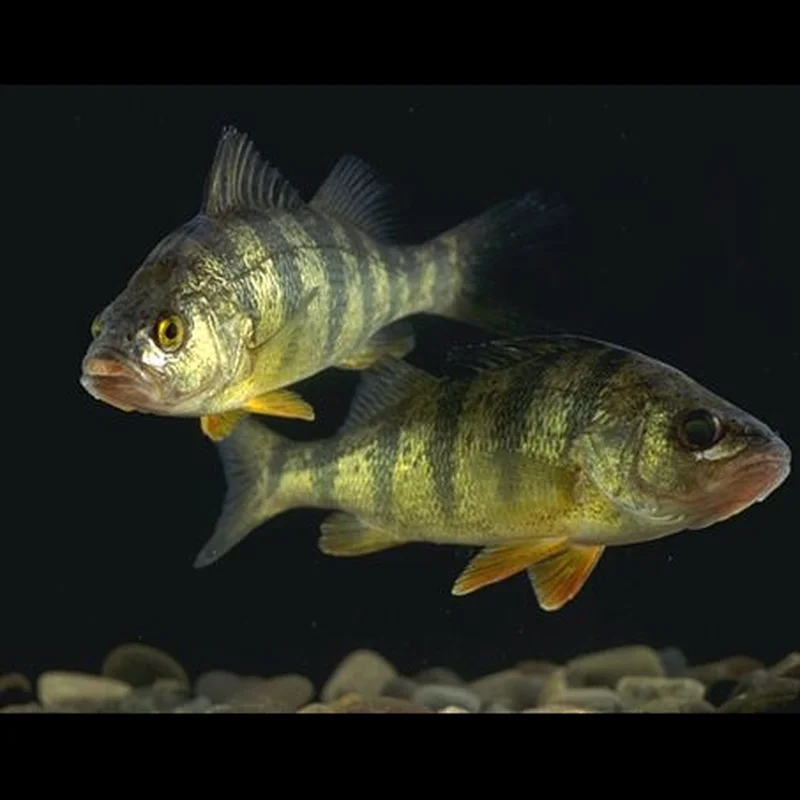
Lake Geneva, for example, is home to pike, roach, bleak, carp, tench, and Arctic char. Larger fish such as pike, which can reach up to 1.2 meters (4 ft), and catfish, potentially growing to nearly two meters (6.5 ft), are present in Swiss lakes. Other common sightings include perch, burbot, and fera.
River environments, particularly in the Ticino canton, host trout, often observed amidst rocks polished by currents. Crayfish are also frequently seen in various lake sites, alongside freshwater aquatic plants that form part of the underwater flora. These unique ecosystems offer specific encounters for divers.
Regions for Diving
Exploring Switzerland's freshwater regions reveals varied diving experiences, each with distinct characteristics. The Geneva Lake region, encompassing destinations like Lausanne and St Prex, is a prominent area for lake diving. Here, divers explore sites such as Rivaz rock, home to a concrete statue at 30 meters (100 ft), and the wreck of L’Hirondelle, which sank in 1862. This region features submerged forests and rocky formations, with water temperatures suitable for diving from May to September, though winter offers clearer visibility. Species like pike and Arctic char are common encounters.
In contrast, the Ticino canton provides a dedicated river diving experience. Rivers such as the Verzasca and Maggia, particularly around Lavertezzo, are known for their strong currents and spectacular rock formations. The Verzasca River offers specific dive sites like Pozzo dei Salti, where dives are shorter due to the conditions. Water temperatures in Ticino rivers are generally cooler, often around 13-15°C (55-59°F), necessitating appropriate cold-water gear. These sites appeal to divers seeking dynamic, current-driven environments.
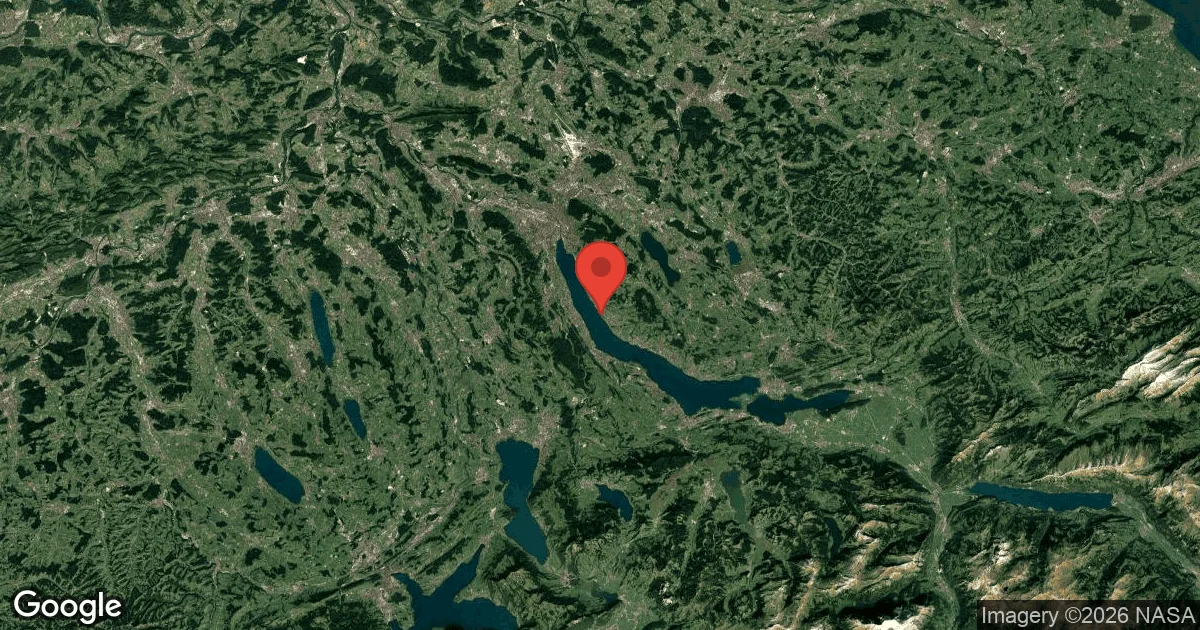
Further north, the Zurich Region, centered around Lake Zurich, and the Lake Constance area in canton Thurgau, offer different lake diving opportunities. Lake Zurich is recognized for its good visibility and abundant fish life, with popular spots near Herrliberg and Rapperswil. Water temperatures in the Zurich Region range from 6-20°C (43-68°F), depending on the season and depth. Lake Constance is notable for the wreck of Le Jura, a paddle-steamer that sank in 1864, attracting divers to its historical features. These areas emphasize clear freshwater conditions and diverse underwater terrain, including submerged walls.
Other notable destinations include Lake Lucerne, featuring locations like the bay of Weggis, and mountain lakes such as Lake Oeschinen, which are praised for their clarity. Each region provides a distinct diving character, from the expansive lake systems of Geneva to the flowing rivers of Ticino, and the wreck sites of Lake Constance, allowing divers to choose based on their preferences for environment and challenge.
Travel & Passport Guide
Travel Basics
Trip Planning
Safety & Diving Considerations
Navigating Switzerland's freshwater environments for diving demands specific safety considerations, certifications, and equipment. While many lake sites offer mild currents and calm waters suitable for beginners, advanced certifications are often beneficial for deeper dives, cold water, and specific river environments.
Experienced divers are better prepared for the cold, potentially dark underwater conditions that can surprise less seasoned lake divers. This is especially true during warmer months when surface temperatures might mislead.
A drysuit is strongly recommended for all cold-water diving in Switzerland, a necessity for year-round exploration and winter diving. When engaging in river diving, proficiency in managing currents is essential. For safety, a hyperbaric chamber is available in Geneva. Divers should ensure their training aligns with the challenges presented by Swiss lakes and rivers.
Dive Centers in Switzerland
View all 25 dive centers
Frequently Asked Questions
What specialized equipment is recommended for diving in Switzerland?
Diving in Switzerland's freshwater lakes and rivers often involves cold water, making a drysuit highly recommended for comfort and safety. While a 7mm wetsuit might be feasible in warmer surface layers during summer, a drysuit is preferred for deeper dives and year-round exploration, especially in winter or at altitude. Accessories like thick gloves, hoods, and appropriate thermal undergarments are also crucial to manage the varying water temperatures, which can be as low as 3°C (37°F) under ice.
What are the typical water temperatures for diving in Swiss lakes and rivers?
Water temperatures in Switzerland vary significantly by season and depth. During the peak diving season from May to September, temperatures in alpine lakes generally range from 12-22°C (54-72°F). Surface temperatures in summer can reach up to 24-25°C (75-77°F). In colder months, temperatures drop considerably, with some areas experiencing 6-20°C (43-68°F) and ice diving conditions reaching 3°C (37°F). Divers should always be prepared for cold water.
Which types of freshwater marine life can divers expect to encounter?
Divers in Switzerland's lakes and rivers can observe a variety of freshwater species. Common sightings include pike, which can grow up to 1.2 meters (4 ft), and catfish, potentially reaching nearly two meters (6.5 ft). Other prevalent fish species include perch, trout, roach, bleak, carp, tench, Arctic char, burbot, and fera. Crayfish are also frequently found. These encounters occur amidst submerged walls, rocky formations, and freshwater aquatic plants.
How does visibility vary throughout the year in Swiss dive sites?
Visibility in Swiss dive sites is generally good, but it can fluctuate with the seasons. Winter typically offers the best visibility, often described as "perfect," due to colder water temperatures and reduced plankton. In contrast, summer months, despite warmer surface waters, can sometimes present darker underwater conditions. Alpine lakes like Lake Oeschinen and Lake Blausee are known for their clarity. Divers should expect clearer conditions in colder months compared to the summer.
What are the key differences between lake and river diving in Switzerland?
Lake diving in Switzerland, found in expansive bodies like Lake Geneva or Lake Zurich, typically features milder currents and offers explorations of submerged forests, rocky drop-offs, and historical wrecks such as Le Jura. River diving, prominent in the Ticino canton's Verzasca and Maggia rivers, involves navigating active currents and exploring spectacular rock formations polished by the flow. River dives are often shorter and require specific current diving techniques, offering a more dynamic and challenging experience compared to the generally calmer lake environments.