
Diving at Hin Chedi / Rhino Horns (Thailand)
Navigating Hin Chedi / Rhino Horns requires attention to its exposed rock pinnacles and the surrounding boulder formations. This site at the southernmost tip of Ko Ngam Yai presents a predominantly reef environment, characterized by its unique geological structures and a lively underwater landscape. Expect a maximum depth of 16 meters / 52 feet, making it accessible for various certification levels.
As evening covers Hin Chedi / Rhino Horns, the local air temperature is measured at 27°C. The current wave height at the surface is recorded at 0.3 m. These late-day readings characterize the surface conditions for the night.
Dive Site Location & Key Facts
Dive Site Overview
The underwater terrain at Hin Chedi / Rhino Horns unfolds as a captivating blend of dramatic rock pinnacles and expansive boulder fields. These prominent pinnacles breach the surface, signaling an intriguing topographical journey extending into the reef's shallower zones.
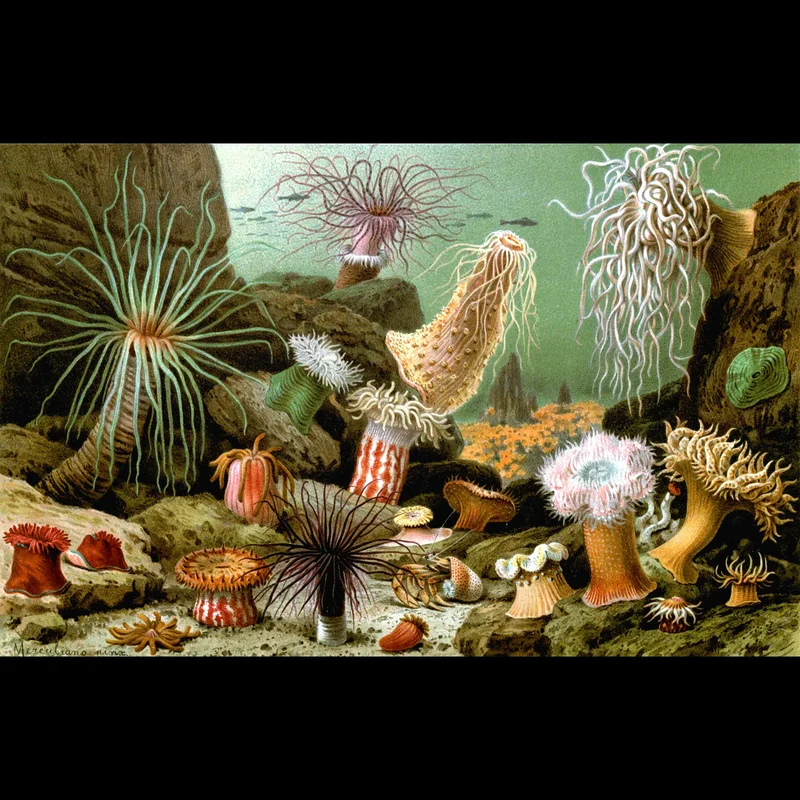
Below the water line, the site transitions into a vibrant reef ecosystem, primarily shaped by extensive loose boulder formations that create an intricate network of nooks and crannies. These geological features are not merely static structures; they provide an expansive canvas for abundant anemone fields, which in turn host a thriving community of smaller reef inhabitants. Divers here discover a landscape where unique natural structures converge with diverse marine life, fostering a compelling underwater exploration.
The character of Hin Chedi / Rhino Horns, defined by its distinctive rock and boulder formations, presents a compelling alternative for those seeking a different reef diving experience beyond traditional coral gardens. Expect to spend time meticulously exploring the contours of the rocks, where hidden life often reveals itself within the intricate patterns of the anemones and along the uneven surfaces.
This environment cultivates a genuine sense of discovery, rewarding careful observation with encounters among the site's resident species. The site's dynamic nature, influenced by varying currents, ensures that each dive can offer a fresh perspective on its rugged beauty and the life it supports.
Conditions are Good
Optimal conditions expected
Current conditions near Hin Chedi / Rhino Horns show 27° air, 30° sea temperature, 0.3 m waves, and 26 km/h wind. Forecast data is refreshed regularly to ensure accuracy.
Best Time to Dive
Predictable weather patterns define the optimal diving season for the Hin Chedi / Rhino Horns area. Conditions are generally most favorable from January through October, with April and August often rated as excellent months for diving. During these periods, air temperatures consistently range from 27-29°C (81-84°F). Wave heights are typically lower, often below 0.5 meters, contributing to calmer surface conditions. While specific water temperature data for Hin Chedi is not consistently reported, the regional waters generally remain warm, usually between 22-27°C (72-81°F). Rainfall is minimal during peak seasons, with monthly averages ranging from 1 to 4 mm, increasing slightly in September and November. Wind speeds vary, staying within a manageable range of 22-31 km/h (14-19 mph), allowing for comfortable boat access to the site.
PEAK SEASON SCORE
Scores combine air & water temps, waves, wind & rainfall for overall conditions.
BEST MONTHS TO DIVE
Monthly records compiled from satellite and marine observation nodes over the last 3 years. Data provided by Open-Meteo and MET Norway.
Dive Experience & Conditions
Divers explore a fascinating underwater landscape at Hin Chedi, where the primary attraction lies in its geological structure. The site's terrain is largely composed of loose boulder formations that descend to a maximum depth of 16 meters / 52 feet. These boulders are heavily encrusted with extensive anemone fields, creating a visually striking environment. Currents can vary, sometimes sweeping around the exposed rock pinnacles and boulder fields, which may require divers to be mindful of their positioning. Underwater visibility generally allows for good appreciation of the reef structure and its inhabitants. This site is well-suited for divers who enjoy exploring intricate rock formations and observing macro life within the anemones.
Dive Difficulty & Safety Guidelines
This site accommodates divers from Open Water certification upwards, but certain aspects benefit from advanced skills. Training in Delayed Surface Marker Buoy (DSMB) deployment is useful, indicating potential for boat traffic or the need to signal ascent. Underwater navigation skills are also beneficial for exploring the boulder formations effectively.
Divers should maintain awareness of their surroundings and any prevailing currents, which can shift around the pinnacles. Adhering to responsible diving practices, such as maintaining good buoyancy control, helps protect the fragile anemone fields and ensures a safe experience for all.
Recommended Equipment
- Dive Computer
- DSMB
This gear list is based on verified equipment signals for Hin Chedi / Rhino Horns, Thailand. Always confirm final gear choices with your dive operator, guide, or liveaboard.
Recommended Dive Suit
Dive skin or rash guard is frequently recommended by dive operators for conditions like these. Consider warmer surface protection (like a boat coat) due to brisk winds. Those diving at Hin Chedi / Rhino Horns today will likely encounter water temperatures in the region of 30°C (85°F). Surface air temperatures are resting at 27°C (81°F).
Forecast trends indicate little change in overall diving conditions during the next few days.
Even small thermoclines can occasionally cause noticeable changes in water temperature.
Emergency & Medical Support
Essential information to help you plan your dive trip to Hin Chedi / Rhino Horns.

Hyperbaric chambers are a critical part of dive safety infrastructure. Availability varies significantly by region, and not all dive areas have immediate access.
Before diving, it's recommended to:
- confirm nearest medical facilities
- check emergency procedures with local dive operators
- ensure dive insurance covers evacuation if required
Divers Alert Network
Diving emergency assistance available through DAN World.
+1-919-684-9111- 24/7 emergency hotline
- Diving medical assistance
- Evacuation coordination
Emergency contacts are provided for reference. Always verify local emergency services before diving.
Marine Life at Hin Chedi / Rhino Horns
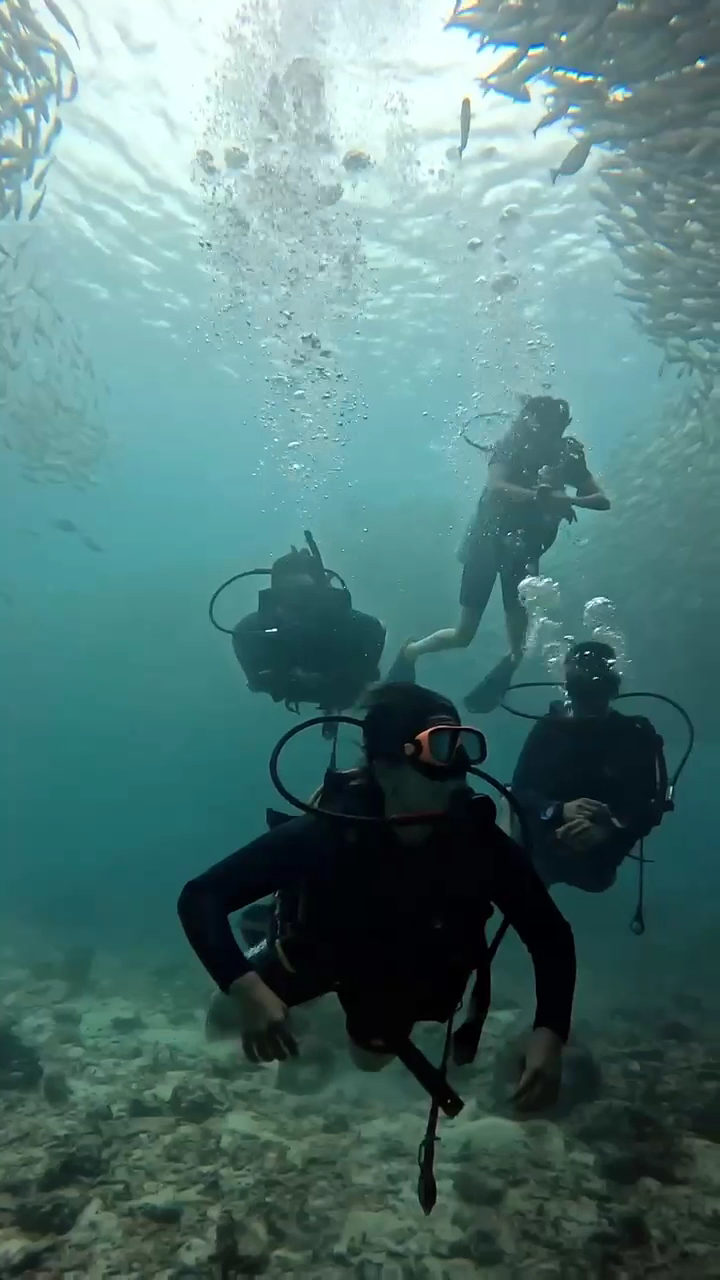
Life at Hin Chedi is characterized by its common reef residents and the abundant anemone fields. Divers regularly encounter a variety of pelagic fish schooling around the pinnacles, adding movement to the underwater scene.
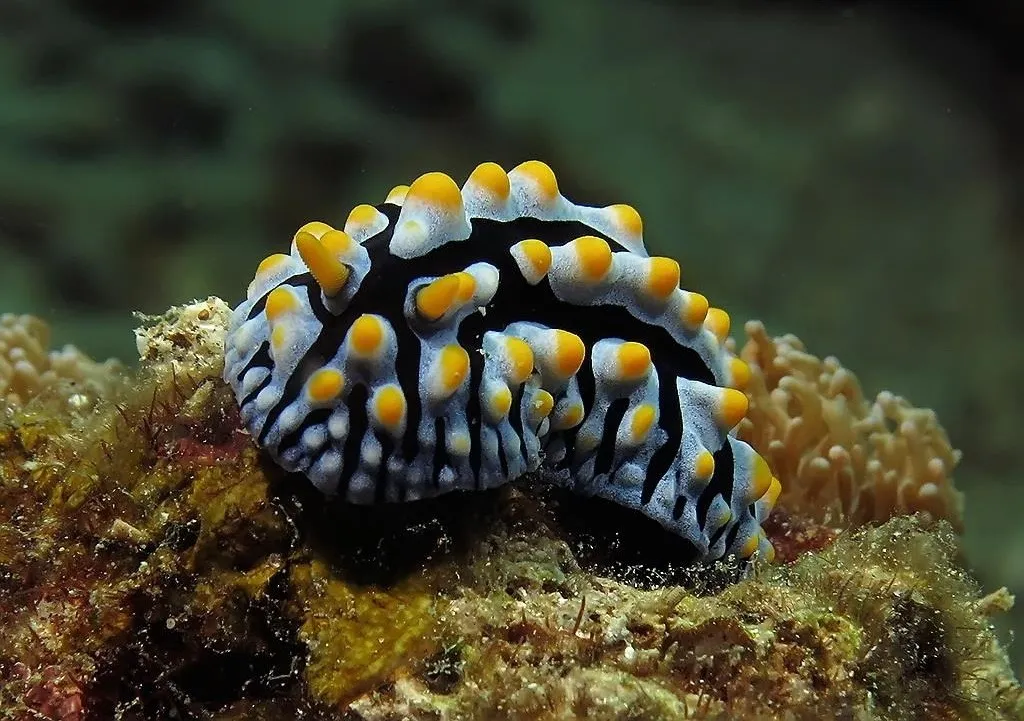
The extensive anemone fields are prime locations for spotting nudibranchs, often found grazing or navigating their colorful paths across the substrates. Beyond these, a wide array of coral species thrives on the rock and boulder formations, contributing to the site's overall biodiversity and visual appeal.
Dive Sites Near Hin Chedi / Rhino Horns
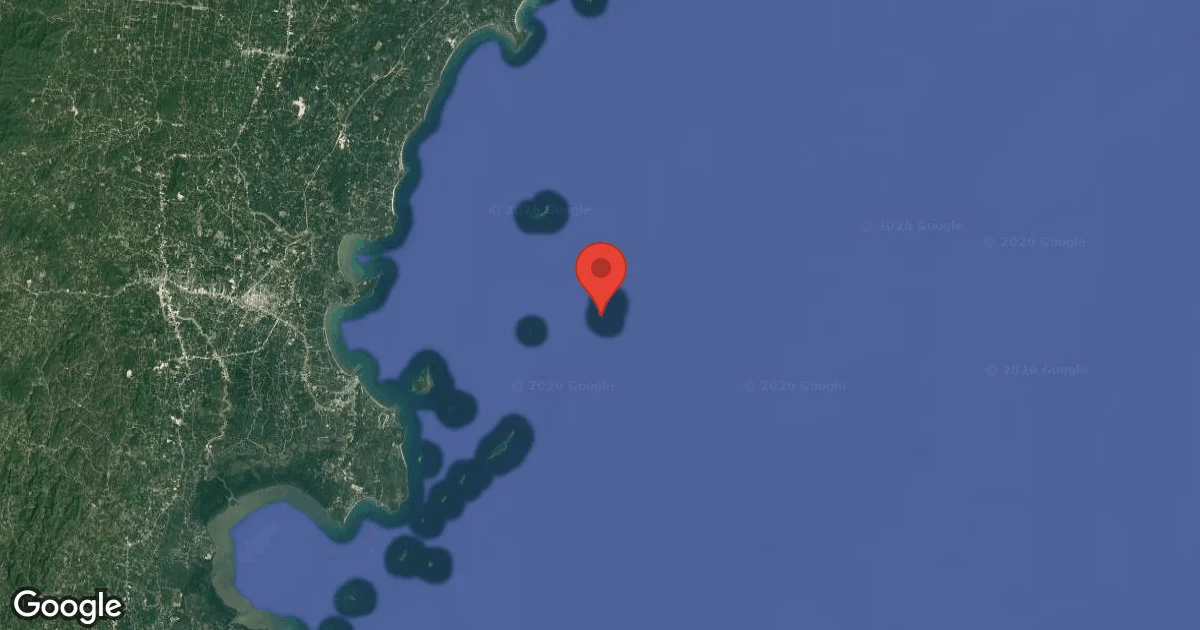
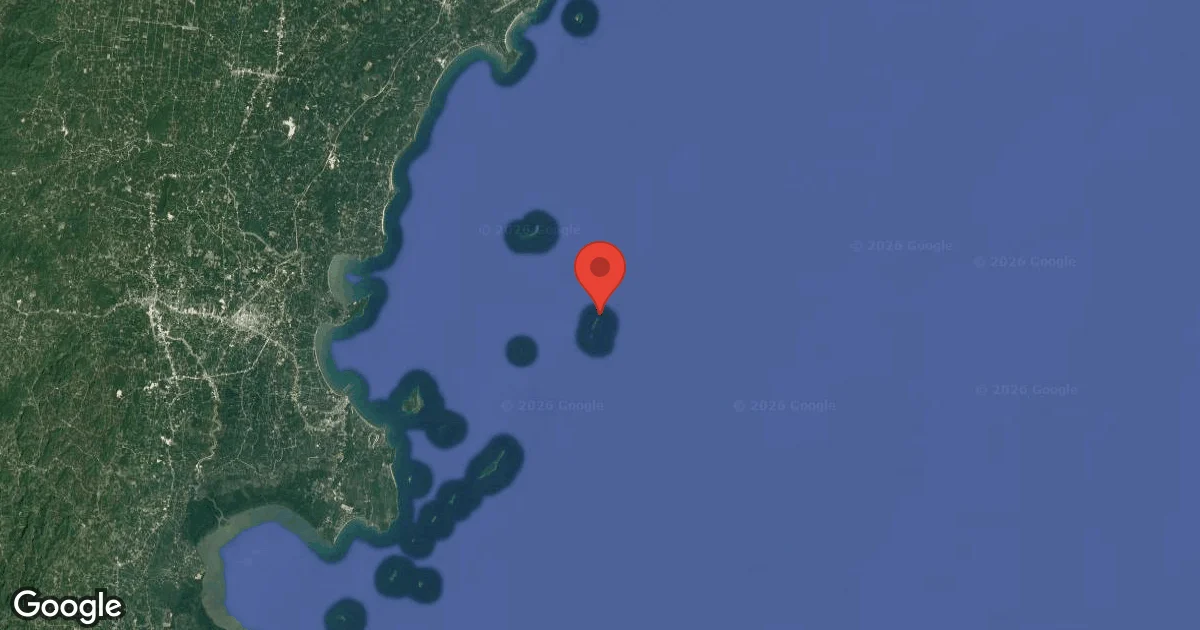
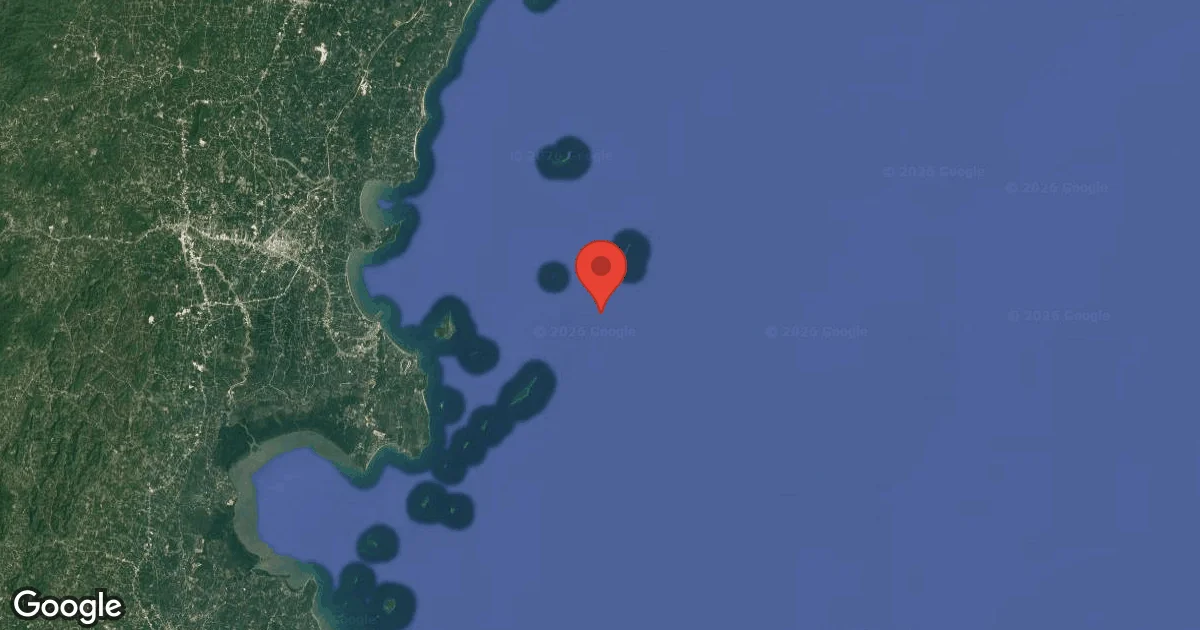
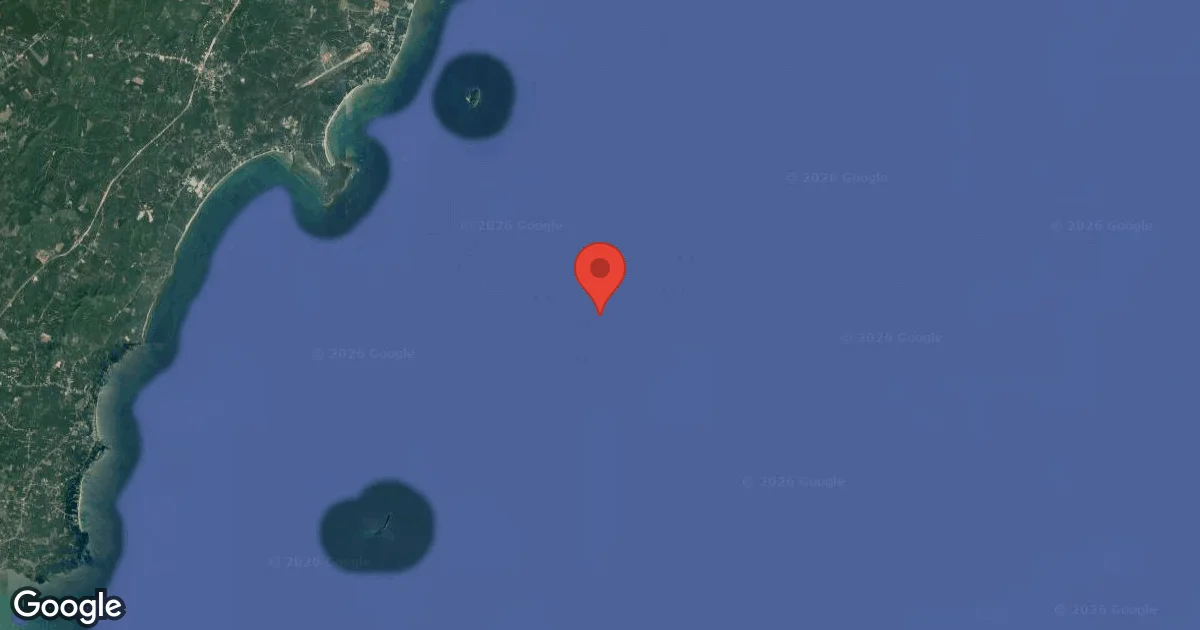
View all dive sites in ThailandDiscover more underwater gems in this area.
Dive Centers Near Hin Chedi / Rhino Horns
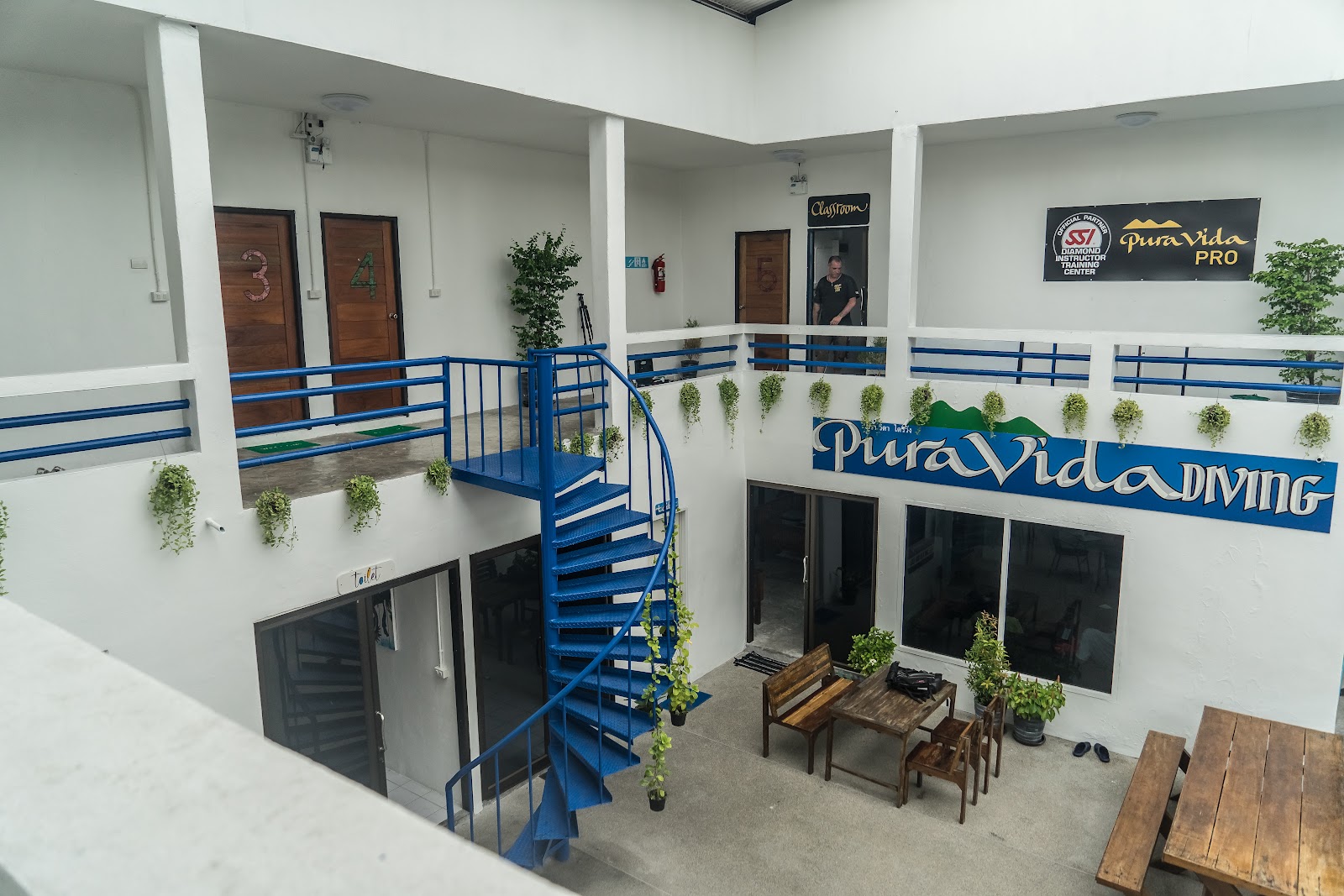
Today: 09:00 - 19:00
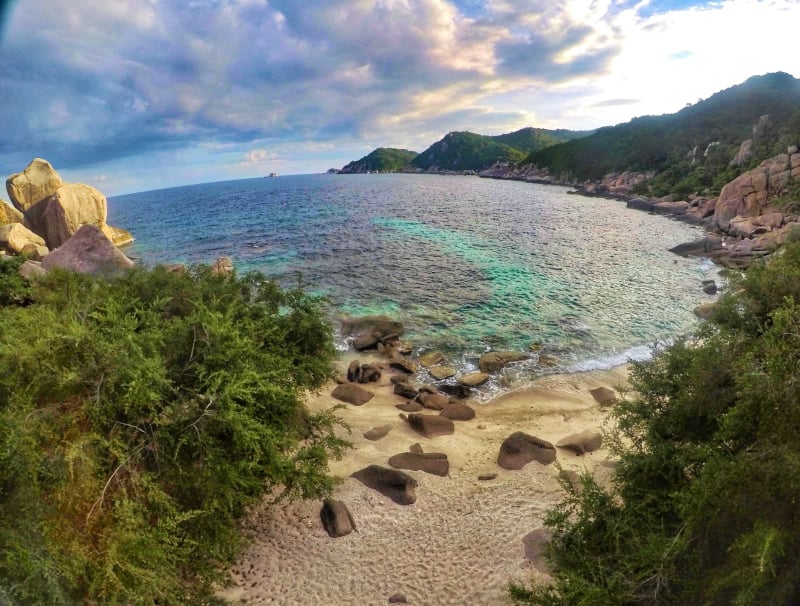


Nearest Airports
Nearest airports to help plan travel to this dive area.
Search Flights
Check available flights and routes on Expedia, using the nearby airports listed in this section.
Search Flights on ExpediaFrequently Asked Questions
What is the maximum depth at Hin Chedi / Rhino Horns?
The maximum depth recorded at Hin Chedi / Rhino Horns is 16 meters, or approximately 52 feet. This depth makes it suitable for divers with an Open Water certification.
What type of dive site is Hin Chedi / Rhino Horns?
Hin Chedi / Rhino Horns is primarily a reef dive site. Its underwater topography is characterized by prominent rock pinnacles and loose boulder formations covered in marine life.
What marine life can I expect to see here?
Divers often encounter pelagic fish, various nudibranchs, and extensive coral growth. The site's numerous anemone fields are particularly vibrant and host diverse smaller reef creatures.
What is the best way to access the dive site?
Access to Hin Chedi / Rhino Horns is exclusively by boat. Dive operators typically arrange transport from nearby coastal areas to the site.
Are there strong currents at Hin Chedi / Rhino Horns?
Currents can vary around the exposed rock pinnacles and boulder fields. Divers should be prepared for potential movement and maintain good buoyancy control.
Is this site suitable for beginner divers?
While accessible to Open Water divers due to its depth, the varying currents and topography mean that practicing skills like buoyancy control and underwater navigation can enhance the experience.
Planning to dive Hin Chedi / Rhino Horns?
Send one inquiry and receive offers directly from the best verified local dive operators.
Conditions are Good
Optimal conditions expected
Current conditions near Hin Chedi / Rhino Horns show 27° air, 30° sea temperature, 0.3 m waves, and 26 km/h wind. Forecast data is refreshed regularly to ensure accuracy.