What Divers Should Know About Nudibranch

Learn all about the Nudibranch, including dynamic specs, encounter highlights, habitats, and the best dive sites to find them.
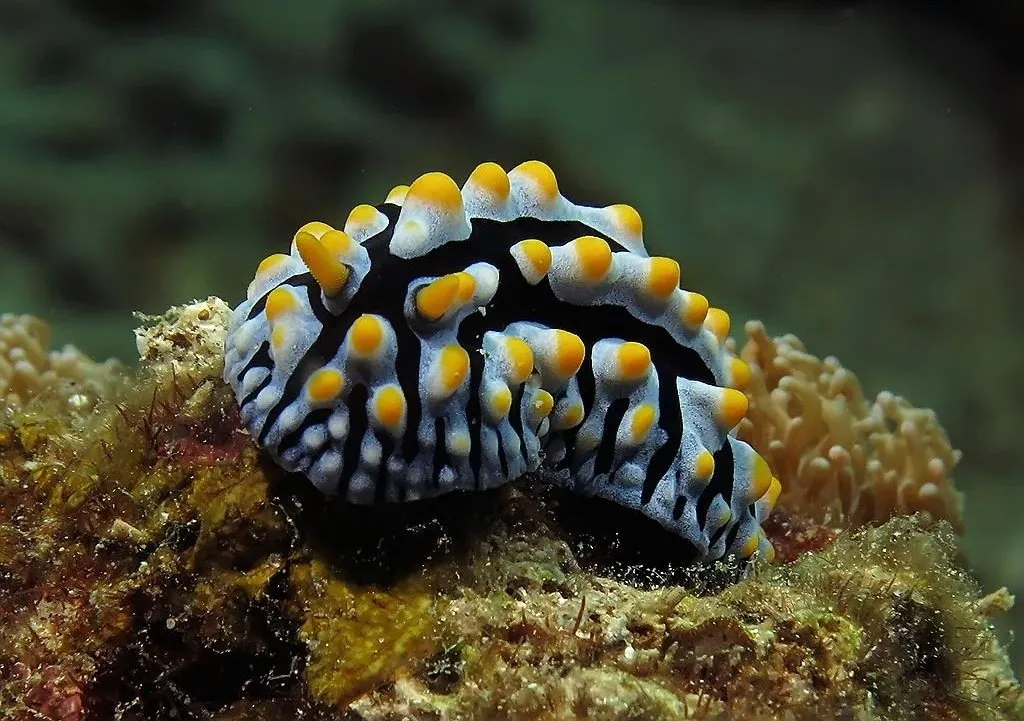
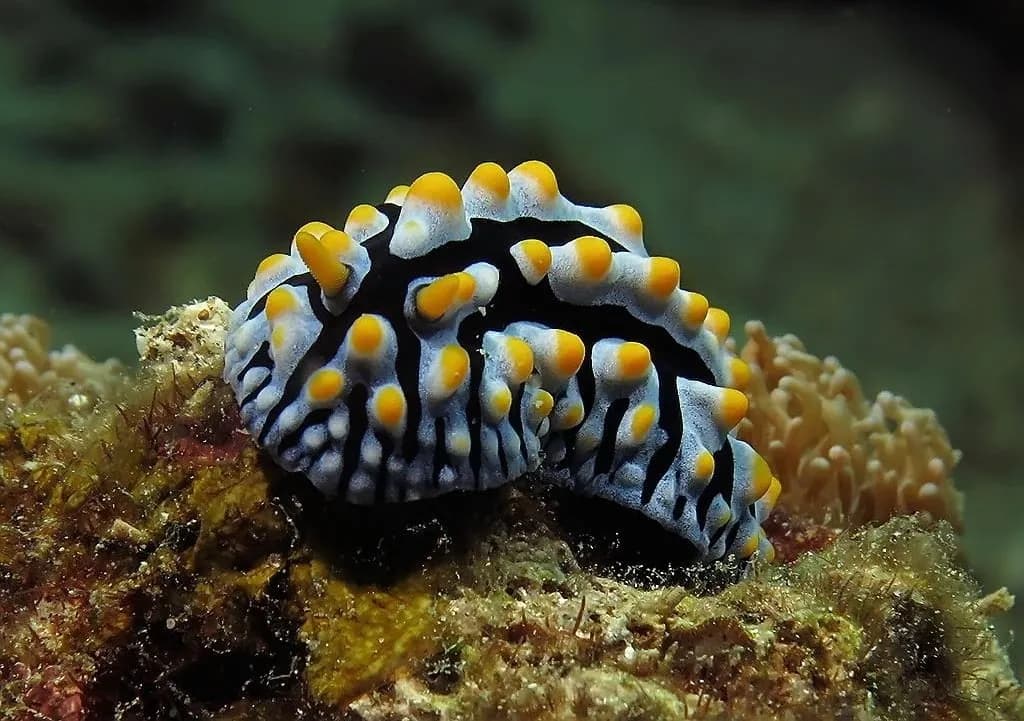
Vibrant nudibranch sea slug (Nudibranchia) displaying exposed gill plumes and rhinophores on a reef
Scientific Name

Nudibranchia

Size

0.4–60 cm

Depth

0–700 m

Habitat

coral reef, rocky reef, tide pool, sand

Conservation

Varies by species

Danger Level

Harmless

About the Nudibranch

Bursting with a kaleidoscope of colours and forms that defy imagination, nudibranchs are truly the jewels of the underwater world. These soft-bodied marine gastropods, often nicknamed "clown" or "sea rabbit," delight divers across all seas. While they inhabit virtually every depth, from the intertidal zone to over 700 meters, the greatest diversity flourishes in warm, shallow reefs, where you'll typically find them gracefully crawling over the substrate, their size varying from a mere 4mm to an impressive 600mm.

Keep a keen eye out for these captivating creatures, as their unique features make for stunning photography subjects. Dorids, for instance, display elegant branchial plumes resembling a delicate rosette on their backs, while aeolids boast brightly coloured, protruding cerata. Using their club-shaped rhinophores, these fascinating molluscs keenly detect odors in the water, adding to their mysterious allure as they navigate the reef. Spotting one is always a highlight, a vibrant reminder of the ocean's endless wonders.

Further Reading

Did You Know?

Shell-Free Chemical Pirates That Turn Toxic Sponges Into Neon Armor

“Translating literally as naked gills for the feathery respiratory plumes or dorsal cerata replacing an ancestral snail shell, over three thousand species of nudibranchs roam every sea from Antarctic ice walls to Coral Triangle muck slopes. Shedding heavy calcium armor freed these simultaneous hermaphrodites to evolve chemical piracy: dorid nudibranchs rasp toxic sponges, bryozoans, and ascidians with toothed radula ribbons and concentrate foul-tasting terpenoids inside bright yellow and crimson mantle rims, while aeolid nudibranchs stockpile live stinging capsules stolen from hydroids and anemones. Nearly blind beyond light-and-dark shadows, nudibranchs navigate reefscapes by scent using twin sculpted head tentacles called rhinophores, trailing chemical slime highways to swap sperm packets right-side-to-right-side before laying ruffled spiral egg ribbons.”

Where You Can See Nudibranch

This map highlights the main regions where divers may encounter Nudibranch or where the species is commonly associated with suitable marine habitats. Actual sightings depend on local dive sites, season, visibility, depth, and natural behaviour.

World distribution map showing regions where divers can see Nudibranch: Caribbean, East Pacific, Atlantic, Indian Ocean, Asia Pacific, Mediterranean
Caribbean
East Pacific
Atlantic
Indian Ocean
Asia Pacific
Mediterranean

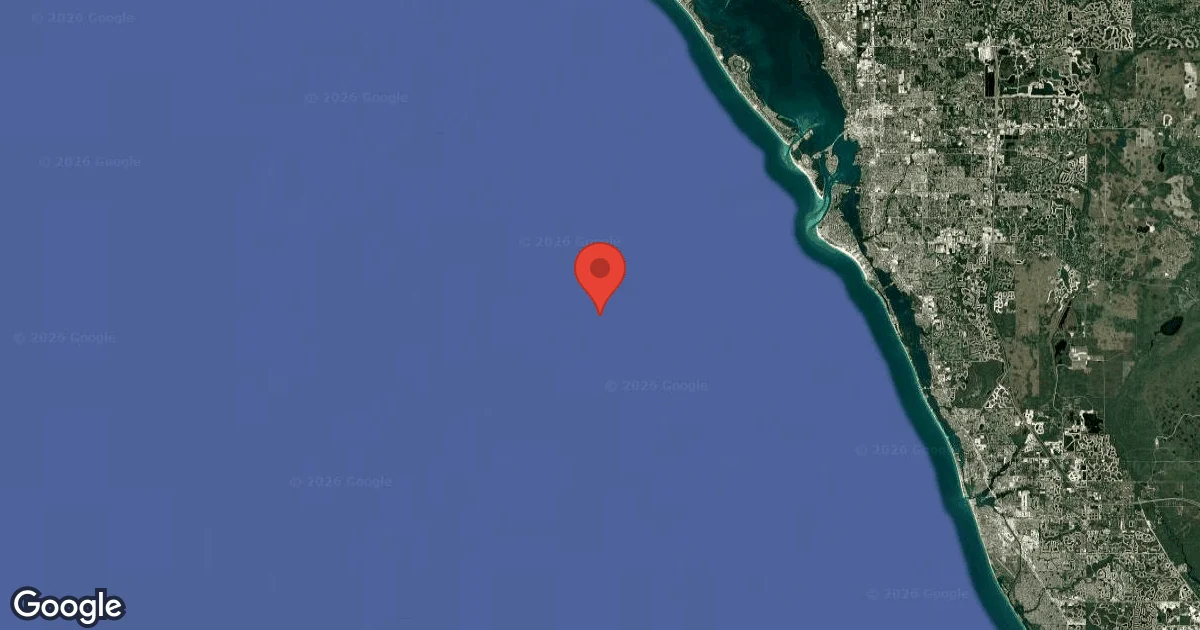
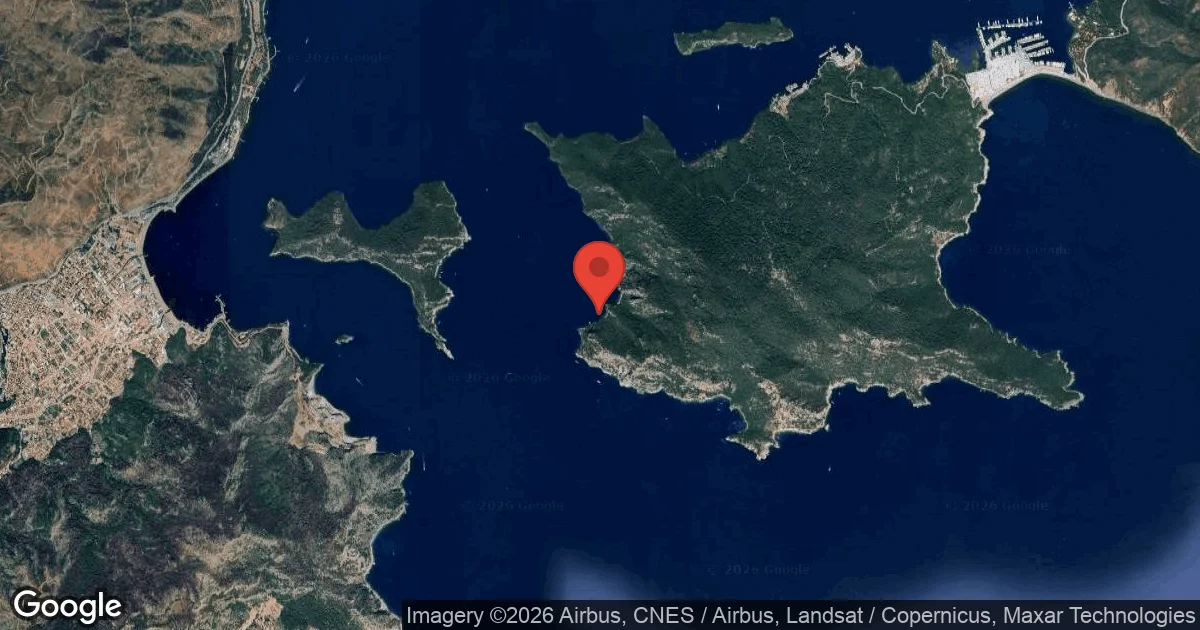
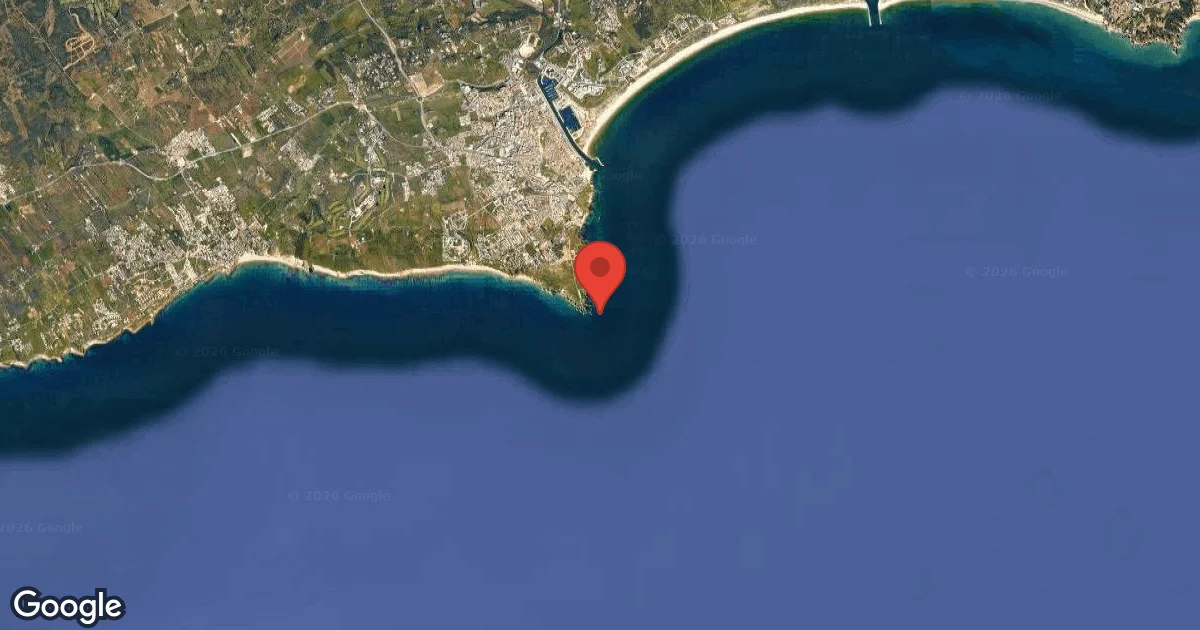
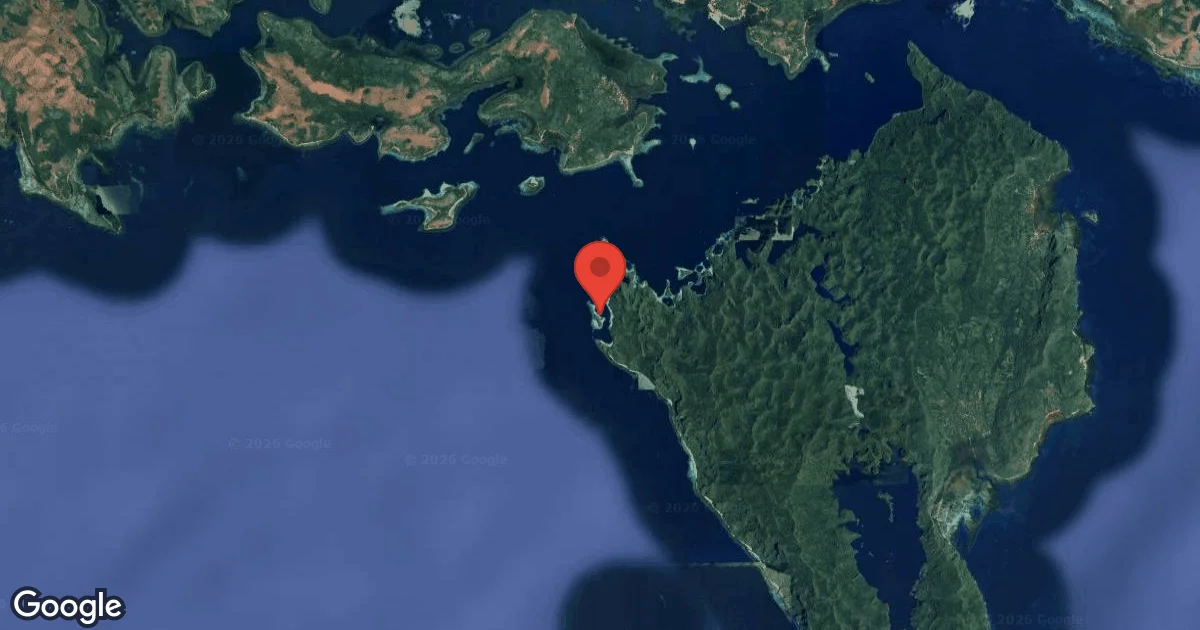
Dive Sites with Nudibranch

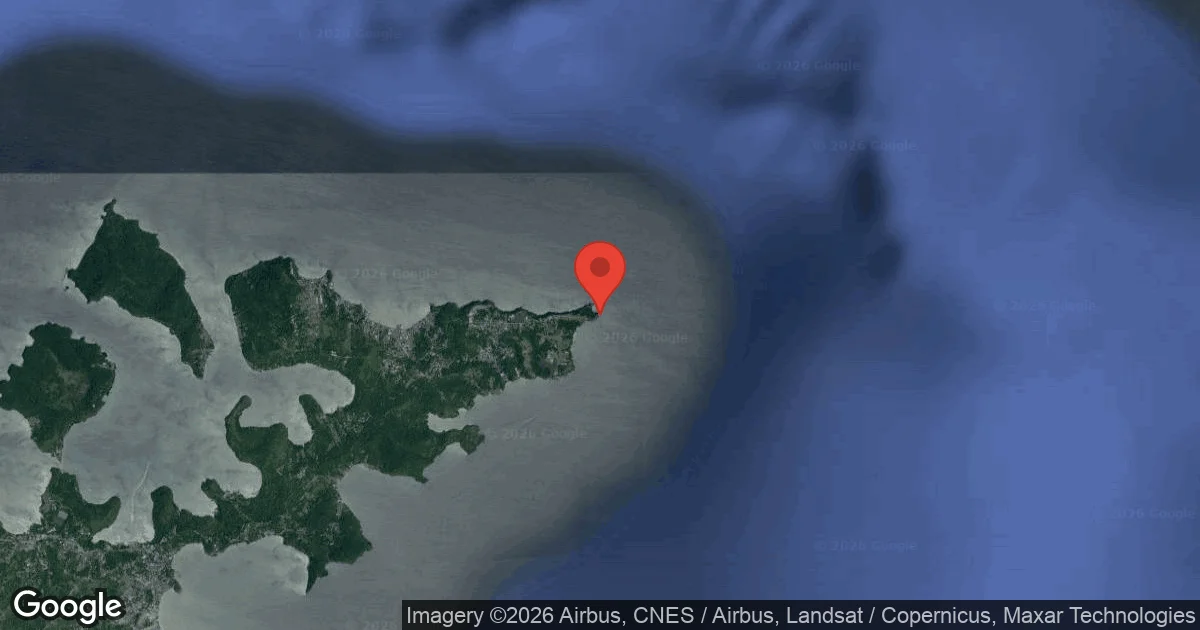
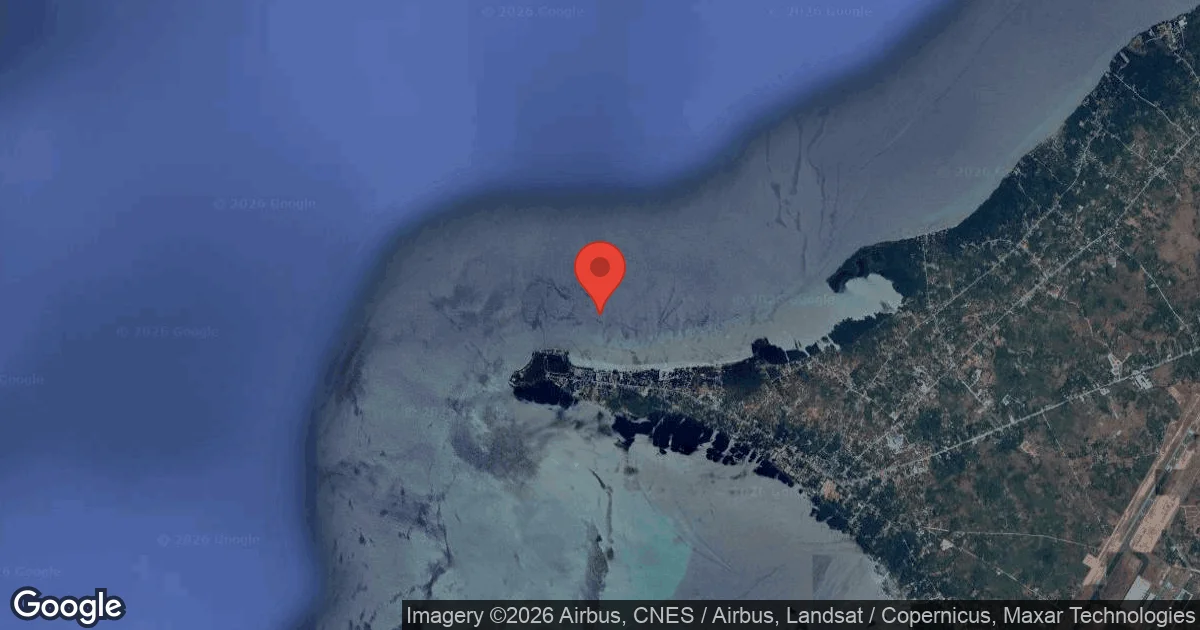
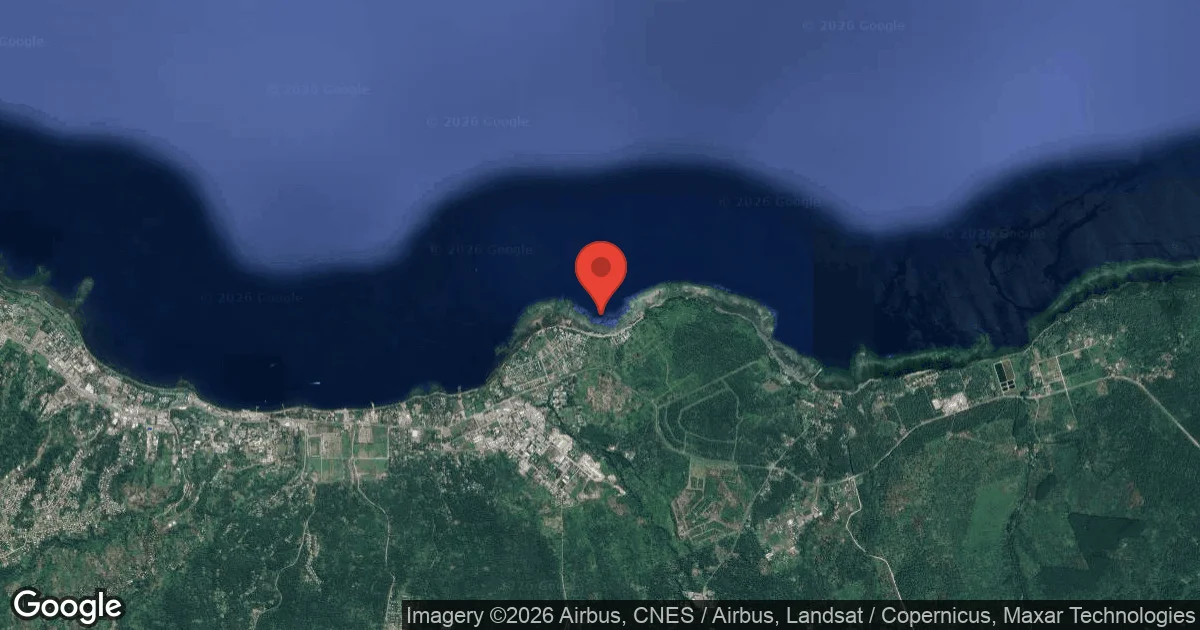
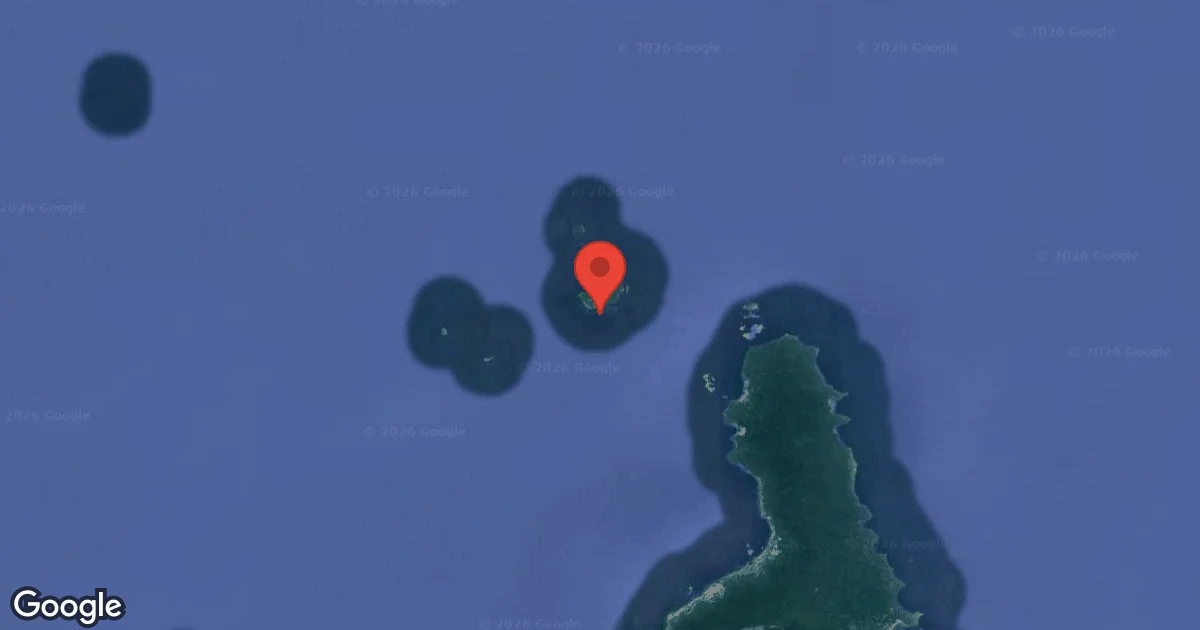
Discover 12 of 1091 breathtaking locations where you can encounter this species.
Related Marine Life

Explore other incredible species you can encounter on your diving adventures.