
Diving at Koh Pai (Thailand)
Exploring Koh Pai presents an opportunity for divers seeking accessible reef environments near Pattaya. This island site allows for straightforward diving experiences within its designated areas. Navigating its underwater topography provides a chance to observe the local marine ecosystem. Preparation for varied conditions is key to a rewarding dive here.
Tonight's objective overview for Koh Pai shows an air temperature of 29°C. The measured surface conditions include wave heights around 0.5 m. This environmental data is logged for the close of the day.
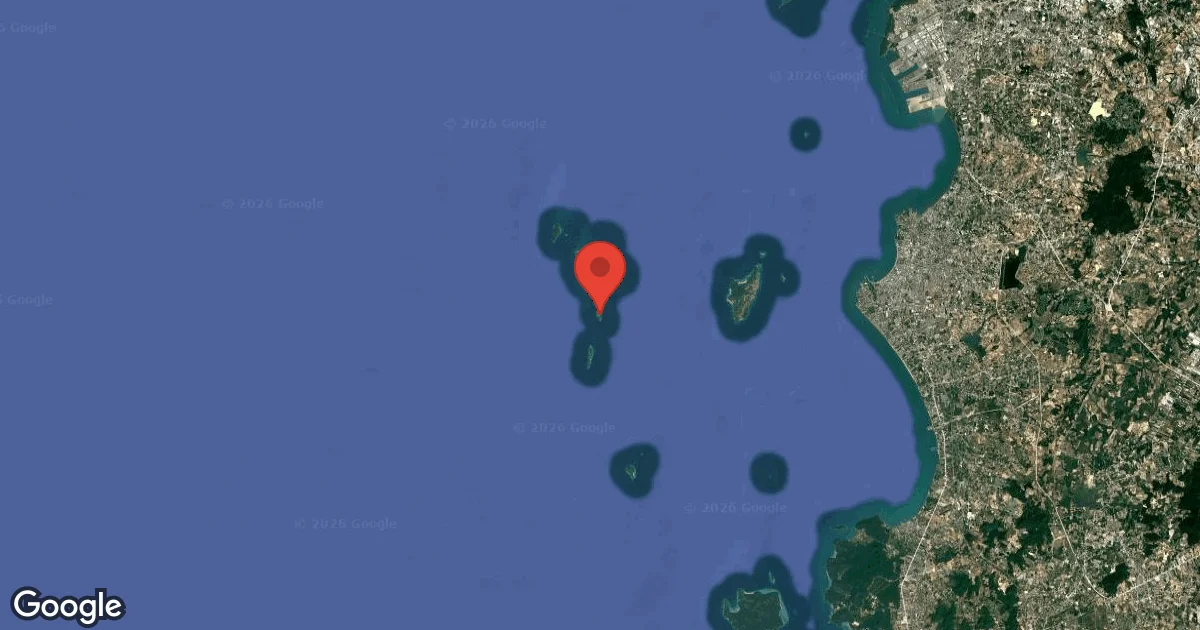
Dive Site Location & Key Facts
Dive Site Overview
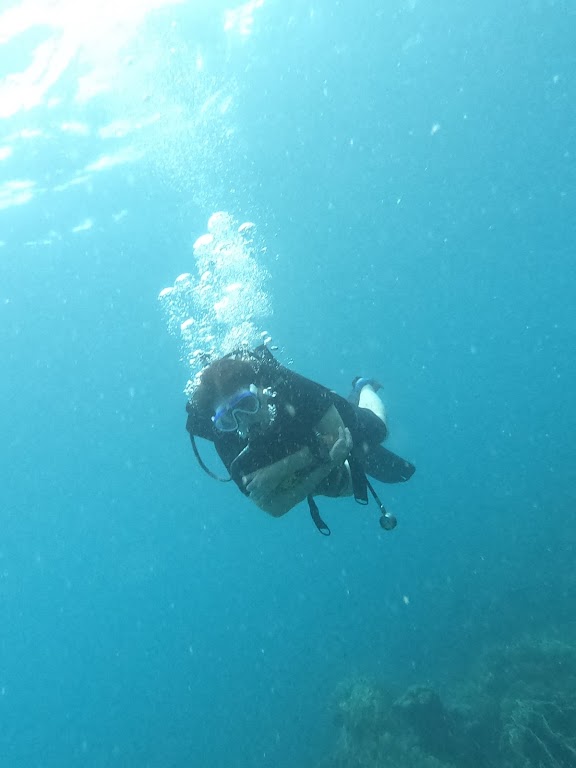
At Koh Pai, divers primarily encounter extensive reef structures, forming vibrant and diverse habitats for local marine life. These underwater formations are well-suited for a range of recreational dive profiles, with depths typically remaining within standard limits to accommodate various certification levels.
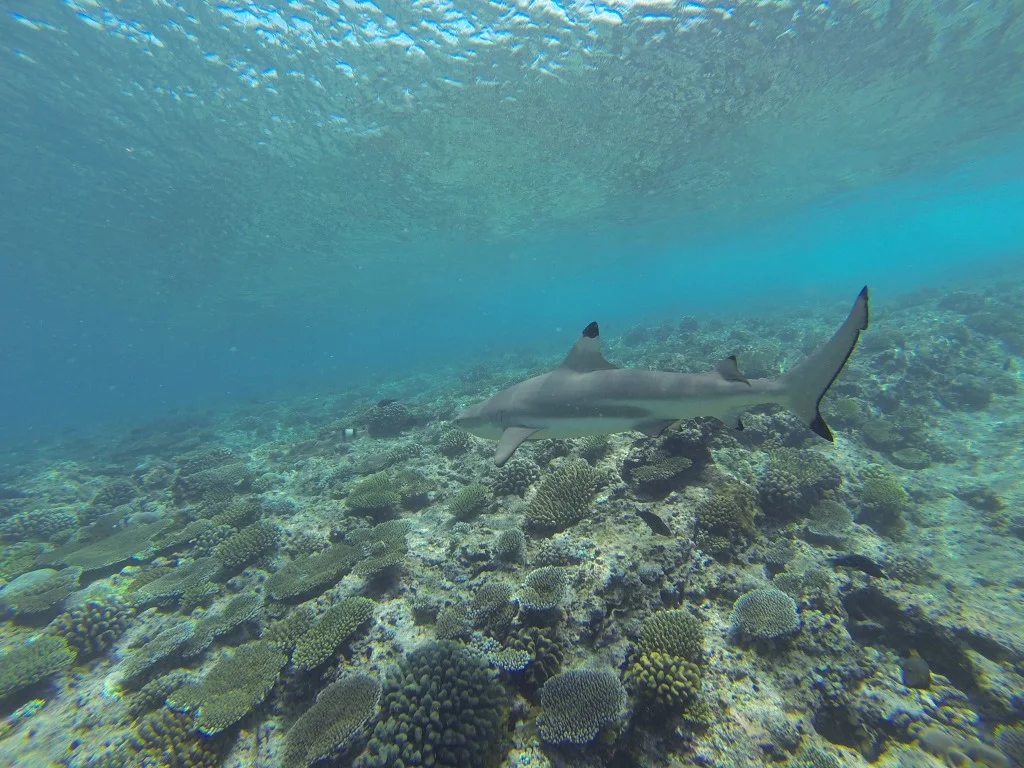
The site is recognized for frequent sightings of sharks, whales, dolphins, and turtles, indicating a healthy and active marine ecosystem, even if specific species patterns vary. Individual reef sections around the island offer distinct characteristics, ranging from shallower, sunlit coral gardens ideal for novices to more gradual reef slopes that descend to the deeper recreational limits for experienced divers. Exploring these areas often reveals a dynamic tapestry of reef-dwelling creatures.
Day trips from Pattaya regularly visit Koh Pai, making it a popular option for divers looking for accessible and rewarding underwater experiences, often combining multiple dive profiles across different parts of the reef. The overall underwater landscape, characterized by its rich reef composition, supports a significant variety of resident and transient species throughout the year.
Conditions are Good
Optimal conditions expected
Current conditions near Koh Pai show 29° air, 30° sea temperature, 0.4 m waves, and 26 km/h wind. Forecast data is refreshed regularly to ensure accuracy.
Best Time to Dive
Optimizing a trip to Koh Pai for clear visibility and comfortable conditions is best achieved during months with consistently higher dive scores. The period spanning from November through February generally presents excellent conditions, marked by notably lower average rainfall; for instance, January records just 0.39 mm (0.015 in) and December only 0.56 mm (0.022 in). Air temperatures during these prime months are consistently pleasant, ranging from approximately 26.5°C (80°F) in January to 27.5°C (82°F) in February, contributing to overall comfort both above and below the surface. Furthermore, wave heights are typically minimized then, often measuring around 0.4 m (1.3 ft), which directly supports improved underwater clarity and smoother boat rides. Conversely, later months, particularly the rainy season around September, bring higher average rainfall of 6.29 mm (0.248 in) and increased wave heights of 0.6 m (2.0 ft), potentially leading to more challenging visibility and surface conditions for divers. Planning dives outside these peak rain periods can enhance the overall experience.
PEAK SEASON SCORE
Scores combine air & water temps, waves, wind & rainfall for overall conditions.
BEST MONTHS TO DIVE
Monthly records compiled from satellite and marine observation nodes over the last 3 years. Data provided by Open-Meteo and MET Norway.
Dive Experience & Conditions
Descending into Koh Pai's waters, divers can anticipate a typical reef diving experience, characterized by gradual slopes and structural diversity. While water temperatures are not consistently reported, conditions in the region generally hover in the comfortable range for tropical diving. Prevailing surface winds, which average around 22-26 km/h (14-16 mph) for much of the year, can influence wave action and surface chop. Underwater currents may vary, necessitating attention to the dive guide's brief. Exploring the reef involves navigating natural formations, with possibilities for observing both sessile and mobile reef dwellers. Divers should prepare for varying visibility, which is often influenced by seasonal weather patterns and local water movement.
Dive Difficulty & Safety Guidelines
Ensuring a safe dive at Koh Pai requires adherence to established protocols and a mindful approach to its marine environment. Divers should always conduct a thorough buddy check and ensure equipment is functioning correctly before entering the water. Adhering to no-decompression limits and conservative ascent rates is crucial for all recreational dives.
Maintaining proper buoyancy control helps protect the delicate reef structures from accidental contact. Always stay with your dive group and follow the instructions of your dive professional, particularly concerning any local currents or specific entry/exit procedures.
While no specific hazards are reported, general awareness of marine life, such as avoiding contact with unknown species, is always advised.
Recommended Equipment
- Dive Computer
This gear list is based on verified equipment signals for Koh Pai, Thailand. Always confirm final gear choices with your dive operator, guide, or liveaboard.
Recommended Dive Suit
Dive skin or rash guard usually provides adequate warmth in water around this temperature. A hood or vest is suggested for sensitive divers due to surface winds. Water conditions at Koh Pai are currently measured at approximately 30°C (86°F). Surface air temperatures are resting at 29°C (84°F).
Weather models currently point toward consistent diving conditions over the next several days.
Conditions can vary slightly across different parts of the same dive site.
Due to technical issues with our weather providers, live updates are temporarily delayed. The data above reflects the conditions at the time of the last successful fetch.
Emergency & Medical Support
Essential information to help you plan your dive trip to Koh Pai.

Hyperbaric chambers are a critical part of dive safety infrastructure. Availability varies significantly by region, and not all dive areas have immediate access.
Before diving, it's recommended to:
- confirm nearest medical facilities
- check emergency procedures with local dive operators
- ensure dive insurance covers evacuation if required
Divers Alert Network
Diving emergency assistance available through DAN World.
+1-919-684-9111- 24/7 emergency hotline
- Diving medical assistance
- Evacuation coordination
Emergency contacts are provided for reference. Always verify local emergency services before diving.
Marine Life at Koh Pai
The underwater landscape of Koh Pai's reefs serves as a habitat for a variety of marine creatures. Divers commonly report sightings of sharks traversing the reef, contributing to the site's dynamic feel.
Opportunities to encounter turtles grazing among the coral formations are also present. Additionally, the waters around Koh Pai are known for the occasional presence of larger pelagic species, including whales and dolphins, though such sightings can be less frequent and seasonal.
Within the reef itself, smaller reef fish, crustaceans, and various invertebrates contribute to the ecosystem's vibrance.
Dive Sites Near Koh Pai
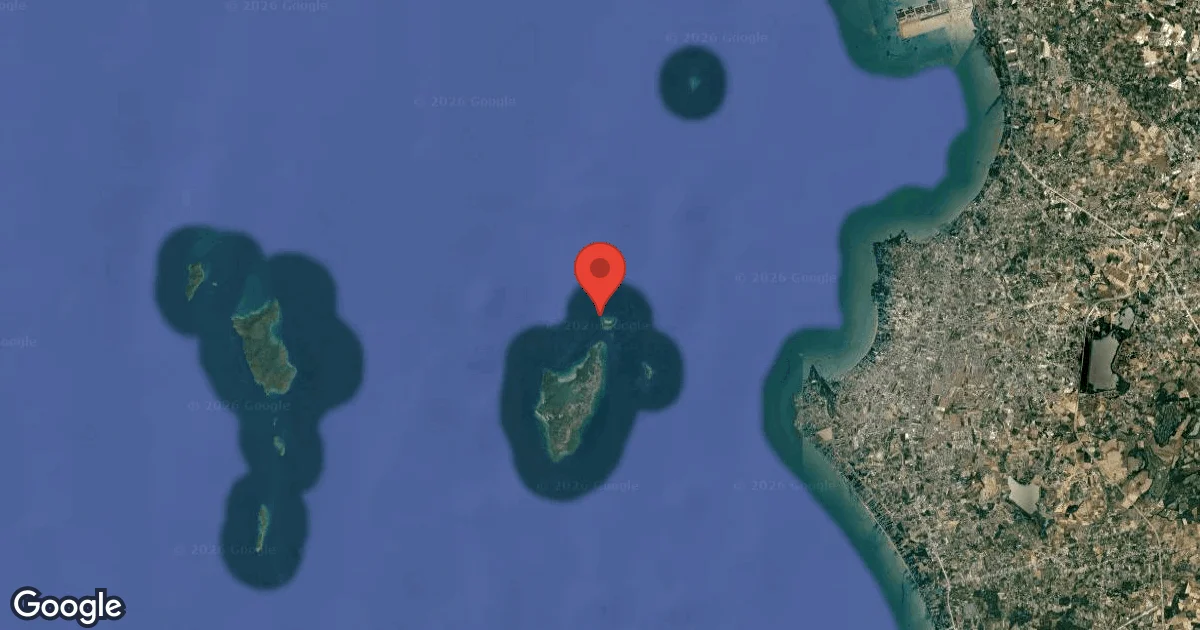
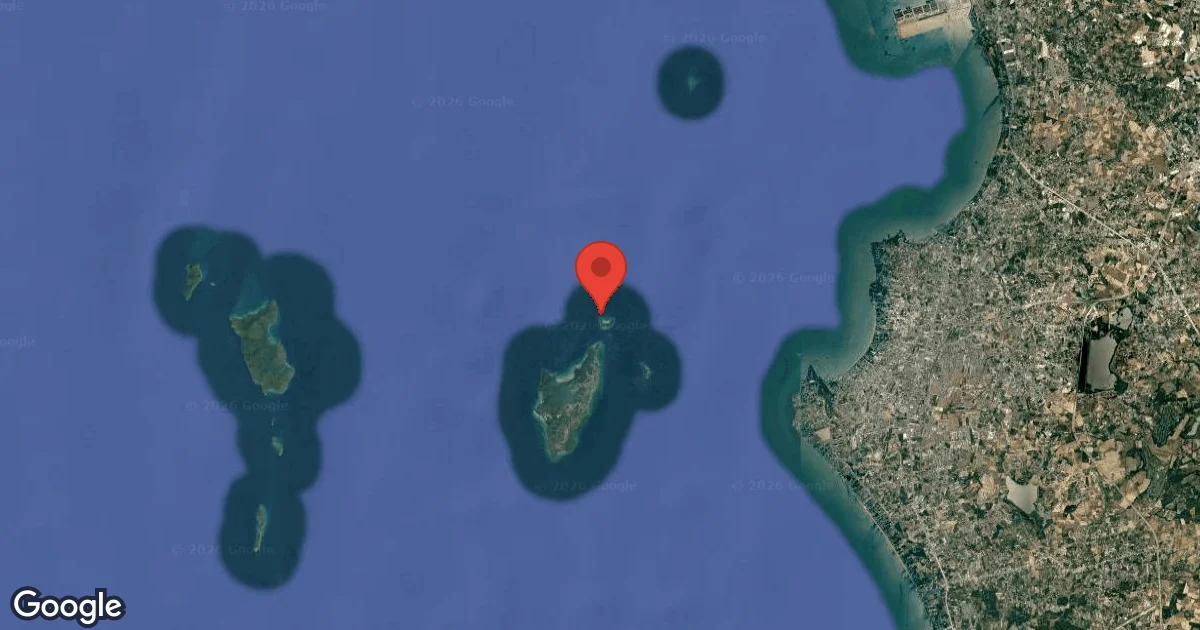
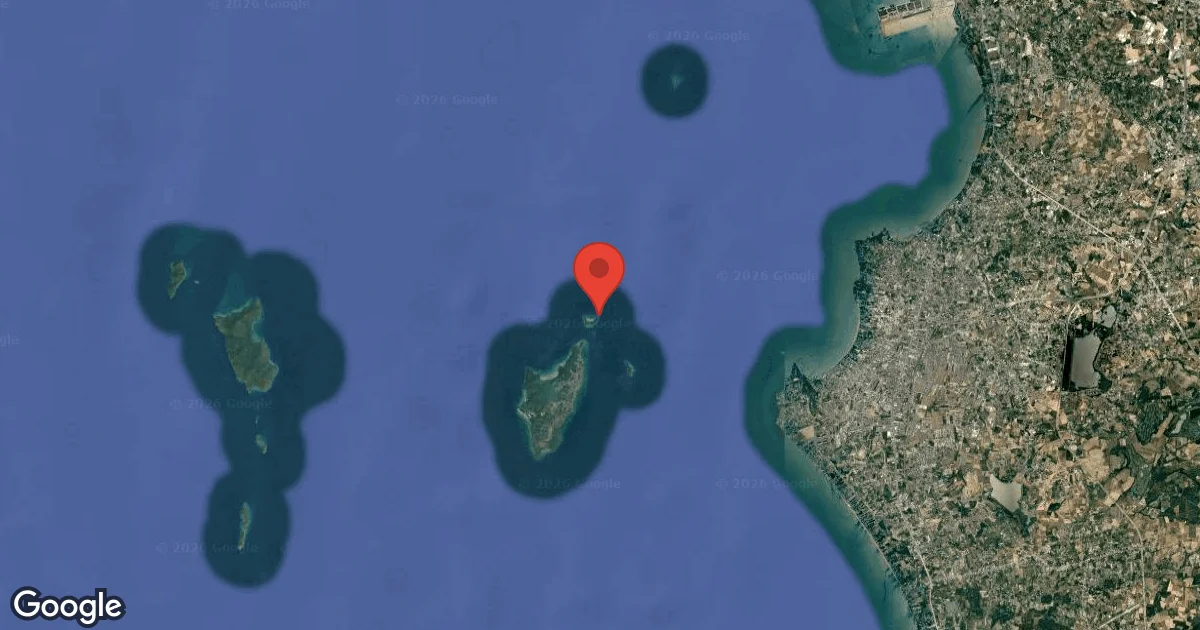
View all dive sites in ThailandDiscover more underwater gems in this area.
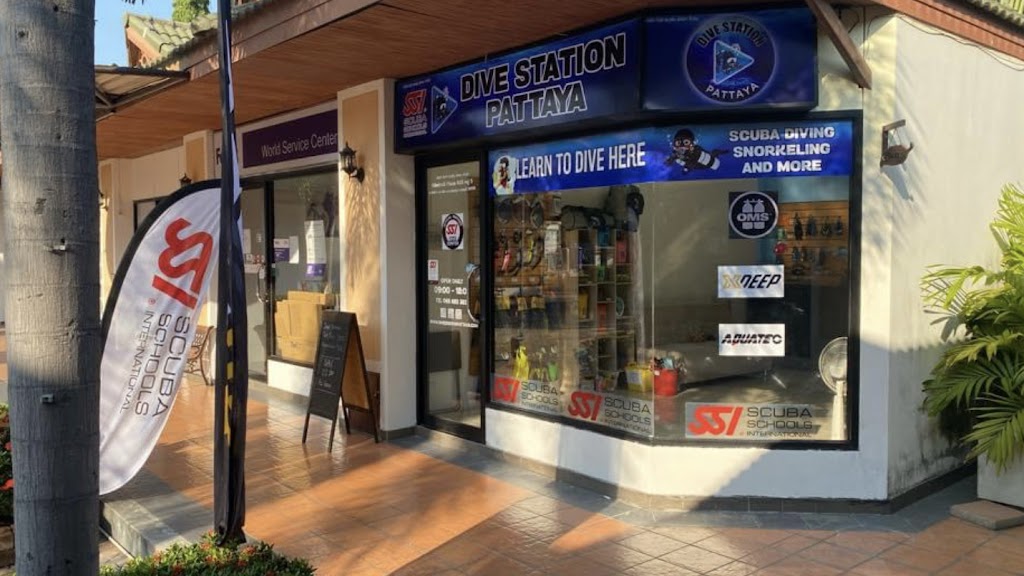
Dive Centers Near Koh Pai
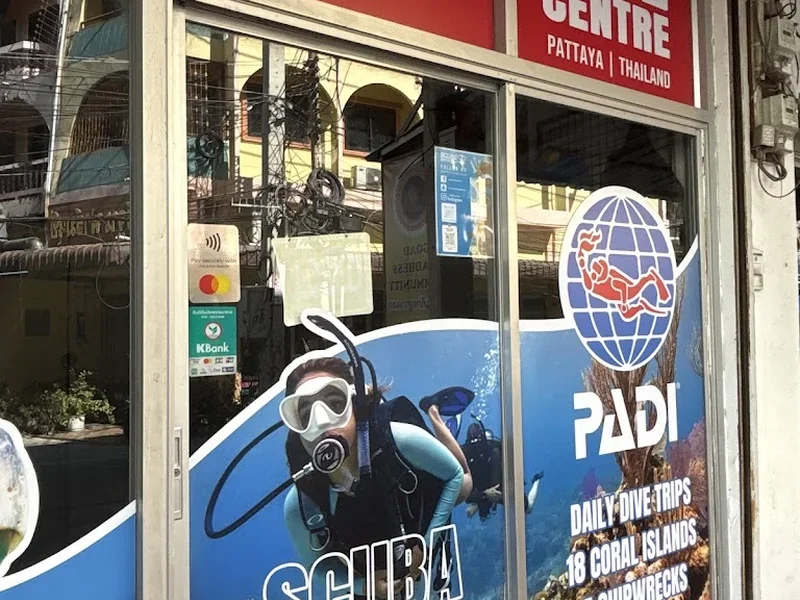
Today: 08:00 - 18:00

Nearest Airports
Nearest airports to help plan travel to this dive area.
Search Flights
Check available flights and routes on Expedia, using the nearby airports listed in this section.
Search Flights on ExpediaFrequently Asked Questions
What is the typical depth range for diving at Koh Pai?
Koh Pai is primarily a recreational dive site, so depths are typically within standard recreational limits. The reef structures offer varied profiles, accommodating divers of different experience levels without requiring extensive deep diving. Specific maximum depths depend on the particular dive spot.
Are there strong currents at Koh Pai?
Currents at Koh Pai can vary depending on conditions and specific dive locations around the island. It's advisable to consult with local dive operators for the most current information. Always follow your dive guide's instructions regarding current assessments and entry/exit points.
What kind of marine life can I expect to see?
Divers frequently observe sharks, various reef fish, and turtles. Occasional sightings of whales and dolphins are noted, though these are less common. This reef environment supports a diverse range of smaller inhabitants, typical of healthy tropical reefs.
Is Koh Pai suitable for beginner divers?
With its predominantly reef diving characteristics and recreational depth range, Koh Pai can be suitable for beginner divers. Shallower reef sections offer controlled environments, making it a good option for those building experience. Always dive within your certification limits and consider guided dives.
What are the water temperatures like?
Specific water temperature data for Koh Pai is not consistently reported. However, the region typically experiences tropical water temperatures, generally warm and comfortable for diving year-round. Many divers find a 3mm wetsuit or shorty sufficient.
How do I get to Koh Pai for diving?
Koh Pai is commonly accessed via day trips from Pattaya. Local dive shops and tour operators offer excursions to the island. Booking through a reputable dive center will ensure proper logistics and guided diving services.
Planning to dive Koh Pai?
Send one inquiry and receive offers directly from the best verified local dive operators.
Conditions are Good
Optimal conditions expected
Current conditions near Koh Pai show 29° air, 30° sea temperature, 0.4 m waves, and 26 km/h wind. Forecast data is refreshed regularly to ensure accuracy.