
Diving at Koh Sak Deep Reef (Thailand)
This deep reef sits distinct from Koh Sak's more frequented shallow areas, requiring a short navigation off the usual route. Divers exploring this site will find a deeper, more pronounced reef structure. It’s an area where bamboo sharks frequently congregate, providing a unique observation opportunity away from the mainstream spots. This zone encourages exploration of its less-visited contours.
Tonight's objective overview for Koh Sak Deep Reef shows an air temperature of 29°C. The measured surface conditions include wave heights around 0.4 m. This environmental data is logged for the close of the day.
Dive Site Location & Key Facts
Dive Site Overview
Positioned within the broader diving landscape of Pattaya, Koh Sak Deep Reef represents an advanced facet of a generally accessible island. While the main island of Koh Sak features shallow, sheltered horseshoe-shaped reefs suitable for beginners and macro photography, this Deep Reef section presents a different challenge.
It caters to those seeking an experience beyond the initial 3 to 18 m (10 to 60 ft) depths typically found in other parts of Koh Sak. Divers here can expect currents that often dictate the flow of the dive. This particular deep reef is often considered a transition site, moving from the more frequented near-shore areas to depths where pelagic life might appear.
It acts as a stepping stone, offering a glimpse into the varied conditions of the Gulf of Thailand and preparing divers for more intricate deep reef explorations or even local wreck sites. The site's character, distinct from the shallower, calm bays, contributes to a comprehensive understanding of Pattaya's underwater topography and prepares divers for more demanding regional dives.
Its specific appeal lies in its "off the beaten track" nature, suggesting an opportunity to observe local marine patterns without the crowds.
Weather Error: fetch failed
Best Time to Dive
Optimal diving conditions typically occur from November through March, when the site consistently receives an "Excellent" dive score. During these months, the average air temperature hovers between 26.5°C and 28.5°C (80-83°F), creating comfortable surface intervals. Rain showers are minimal, with monthly averages ranging from 0.26 mm to 1.95 mm. Wave heights are generally lower, averaging around 0.3 to 0.5 meters (1-1.6 ft), contributing to calmer boat rides and easier entries. Although specific water temperature data for Koh Sak Deep Reef isn't consistently reported, the region's waters are known to be warm. From April to October, conditions remain "Good," with air temperatures peaking in May at approximately 30°C (86°F). This period sees slightly increased rainfall and wave activity, but the site remains perfectly accessible for experienced divers. Planning around the dryer, cooler months usually ensures the most pleasant overall experience, though year-round diving is feasible.
PEAK SEASON SCORE
Scores combine air & water temps, waves, wind & rainfall for overall conditions.
BEST MONTHS TO DIVE
Monthly records compiled from satellite and marine observation nodes over the last 3 years. Data provided by Open-Meteo and MET Norway.
Dive Experience & Conditions
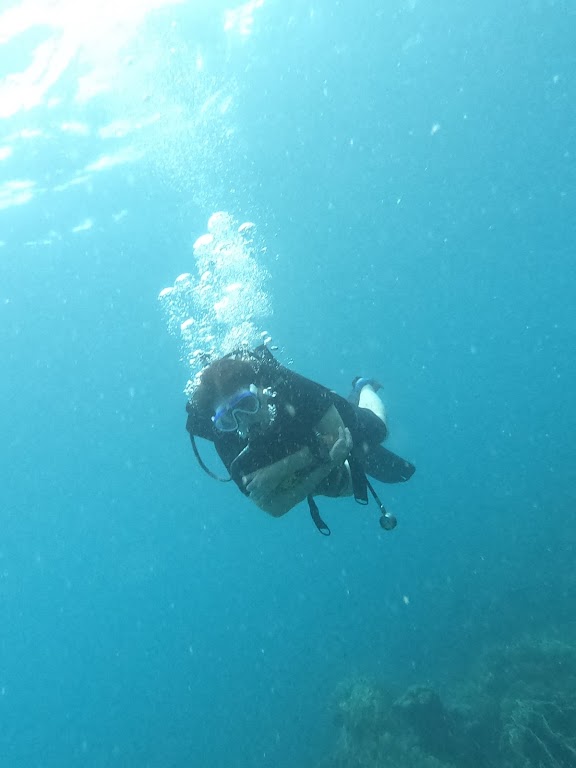
Diving the deep reef involves navigating depths that surpass Koh Sak's shallow, beginner-friendly areas, likely extending into the 20-30 m (65-100 ft) range, though specific maximum depth for this deep reef is not consistently reported. This site is classified as a drift dive, meaning currents play a significant role in the dive plan. Divers can anticipate a dynamic experience, as the water flow will carry them along the reef contours. Visibility here tends to vary, depending on recent weather and tidal patterns, but can be quite clear on good days, revealing larger coral structures compared to shallower parts of the island. The currents can range from mild to moderate, making it ideal for intermediate divers who are comfortable with drift diving techniques. Exploring this environment typically involves maintaining buoyancy in moving water and paying close attention to the dive guide's instructions for a smooth and enjoyable dive.
Dive Difficulty & Safety Guidelines
For a deep reef and drift dive like this, careful planning and preparation are paramount. Divers should always prioritize understanding the local current patterns before entry. Staying in communication with your dive guide and adhering to the group's planned drift path helps ensure safety.
Due to the potential for deeper profiles and varying currents, proficient buoyancy control is essential to avoid accidental contact with the reef and manage gas consumption effectively. It’s also wise to carry a surface marker buoy (SMB) for easier surface pick-up, especially with drift diving.
As with any dive, proper pre-dive checks and maintaining situational awareness throughout the dive contribute significantly to a safe and rewarding experience. No specific hazards are reported for Koh Sak Deep Reef, but general ocean safety practices apply.
Recommended Equipment
Current and surface separation risk. Local briefing strongly recommended.
- Dive Computer
- DSMB
- Reel / Spool
This gear list is based on verified equipment signals for Koh Sak Deep Reef, Thailand. Always confirm final gear choices with your dive operator, guide, or liveaboard.
Recommended Dive Suit
Dive skin or rash guard usually provides adequate warmth in water around this temperature. A hood or vest is suggested for sensitive divers due to surface winds. Water conditions at Koh Sak Deep Reef are currently measured at approximately 30°C (86°F). Surface air temperatures are resting at 29°C (85°F).
Environmental conditions are expected to remain consistent in the short-term outlook.
Conditions can vary slightly across different parts of the same dive site.
Emergency & Medical Support
Essential information to help you plan your dive trip to Koh Sak Deep Reef.

Hyperbaric chambers are a critical part of dive safety infrastructure. Availability varies significantly by region, and not all dive areas have immediate access.
Before diving, it's recommended to:
- confirm nearest medical facilities
- check emergency procedures with local dive operators
- ensure dive insurance covers evacuation if required
Divers Alert Network
Diving emergency assistance available through DAN World.
+1-919-684-9111- 24/7 emergency hotline
- Diving medical assistance
- Evacuation coordination
Emergency contacts are provided for reference. Always verify local emergency services before diving.
Marine Life at Koh Sak Deep Reef
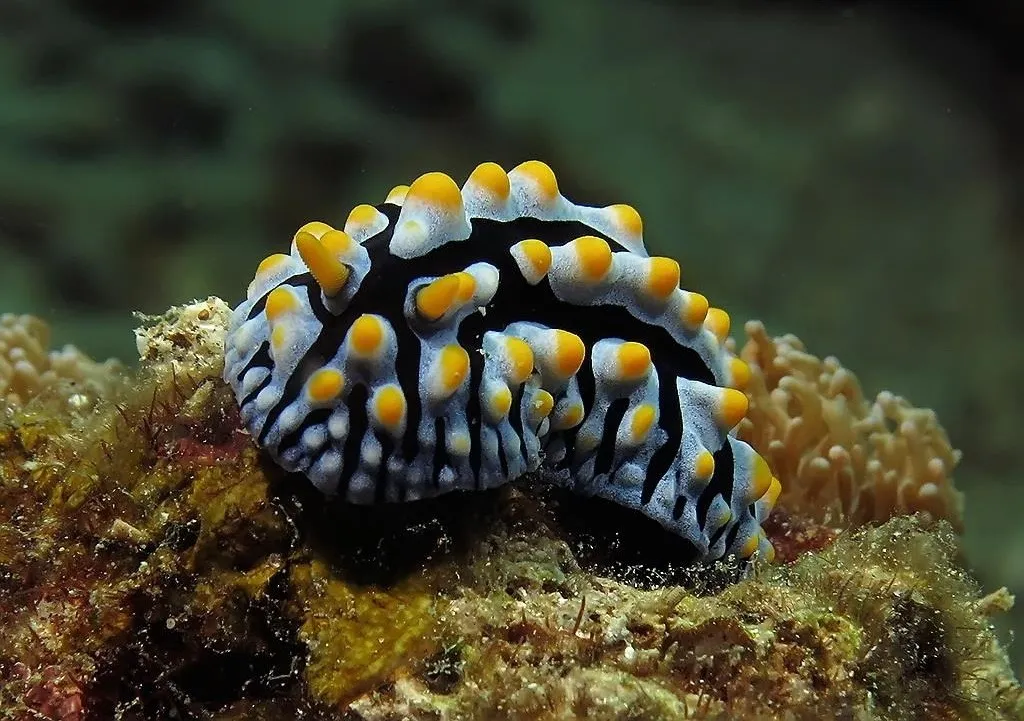
The underwater landscape of Koh Sak Deep Reef hosts a diverse array of marine species, often attracting macro subjects and larger reef inhabitants alike. Divers frequently encounter a vibrant collection of nudibranchs and various shrimp species among the coral formations.
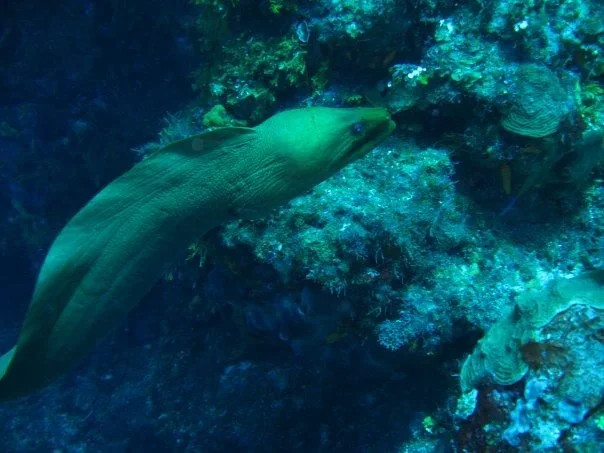
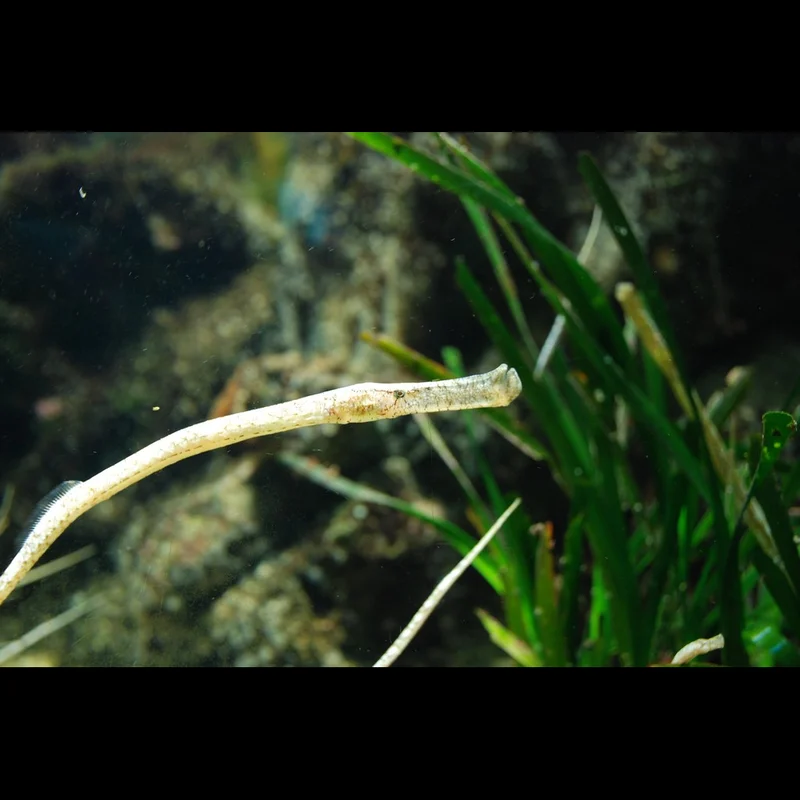
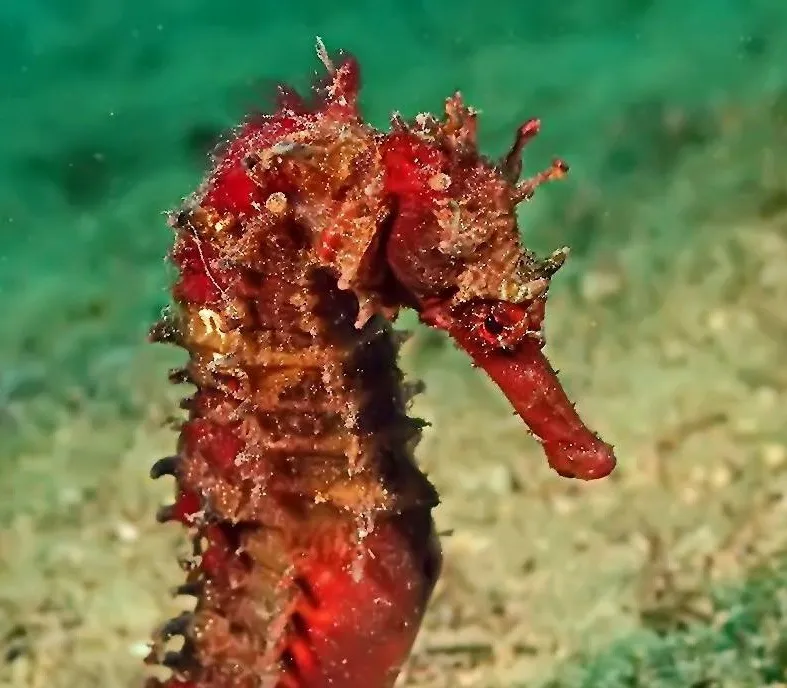
Thorny seahorses and pipefish are known to camouflage themselves in the reef, rewarding keen observers. Larger residents include giant groupers and moray eels, often found in crevices.
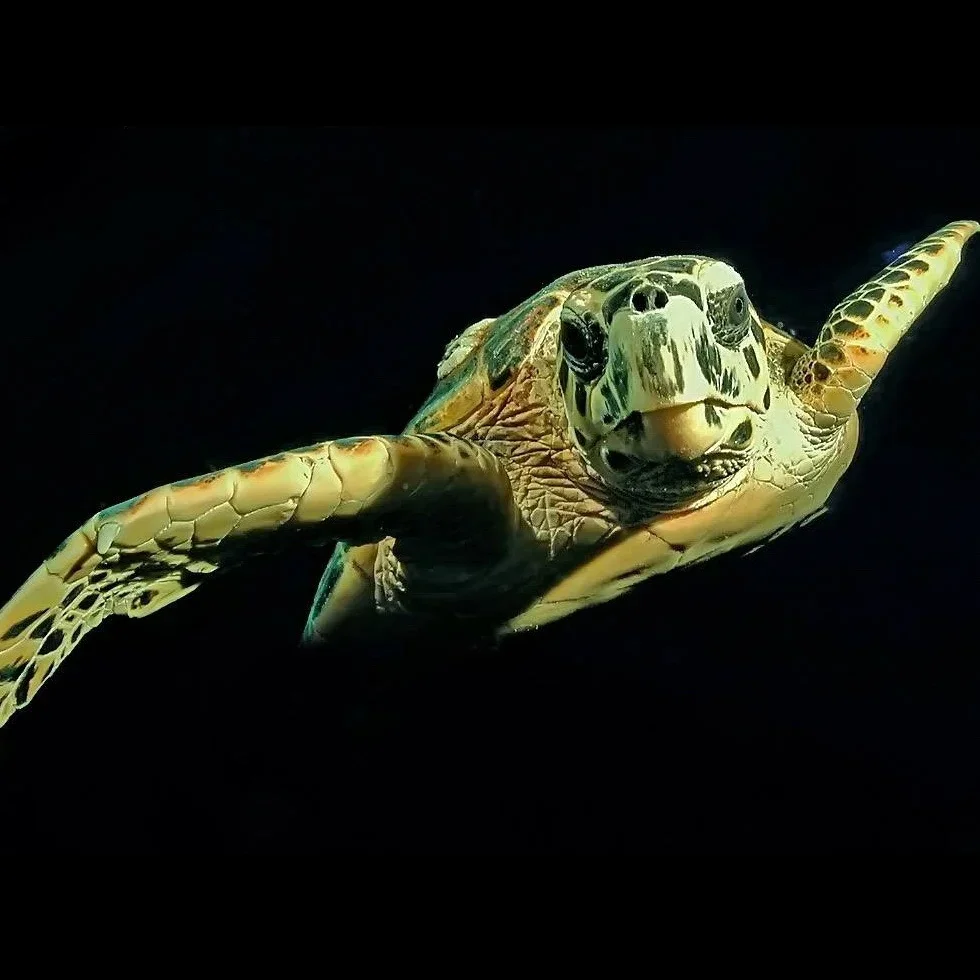
Lionfish, with their distinctive striped appearance, patrol the reef, while dragonet fish can be spotted performing their unique "sand dances" on the seafloor. Hawksbill turtles are also occasional visitors to the area, adding to the site's rich biodiversity. The presence of bamboo sharks is a particular draw, as they are often seen resting or moving along the deeper sections of the reef.
Dive Sites Near Koh Sak Deep Reef
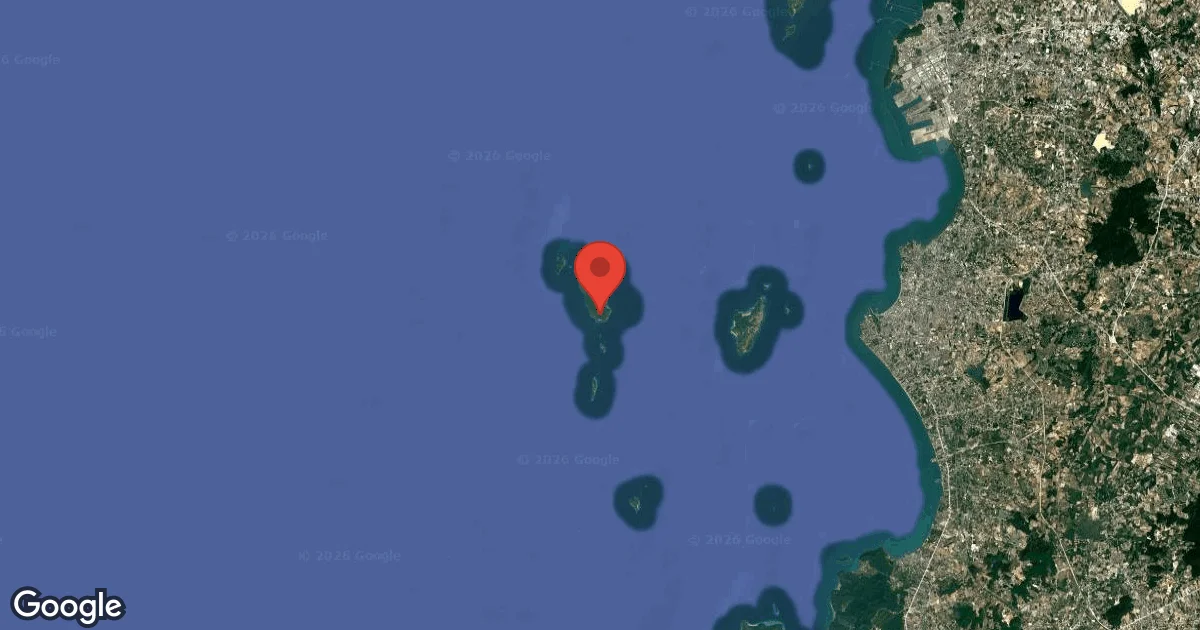
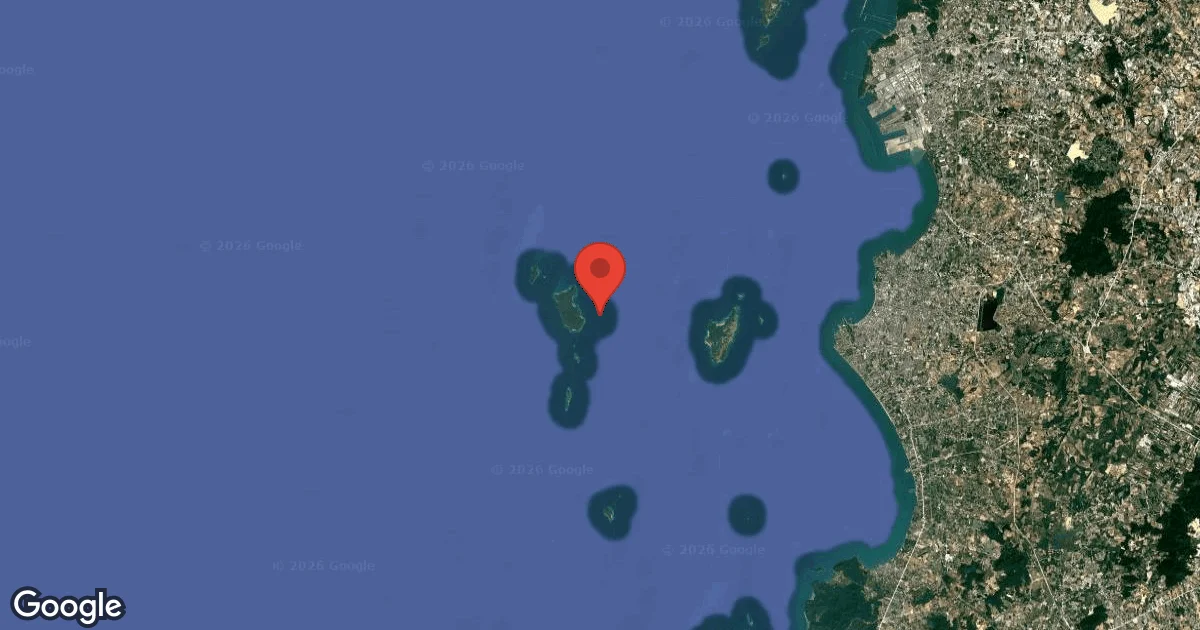
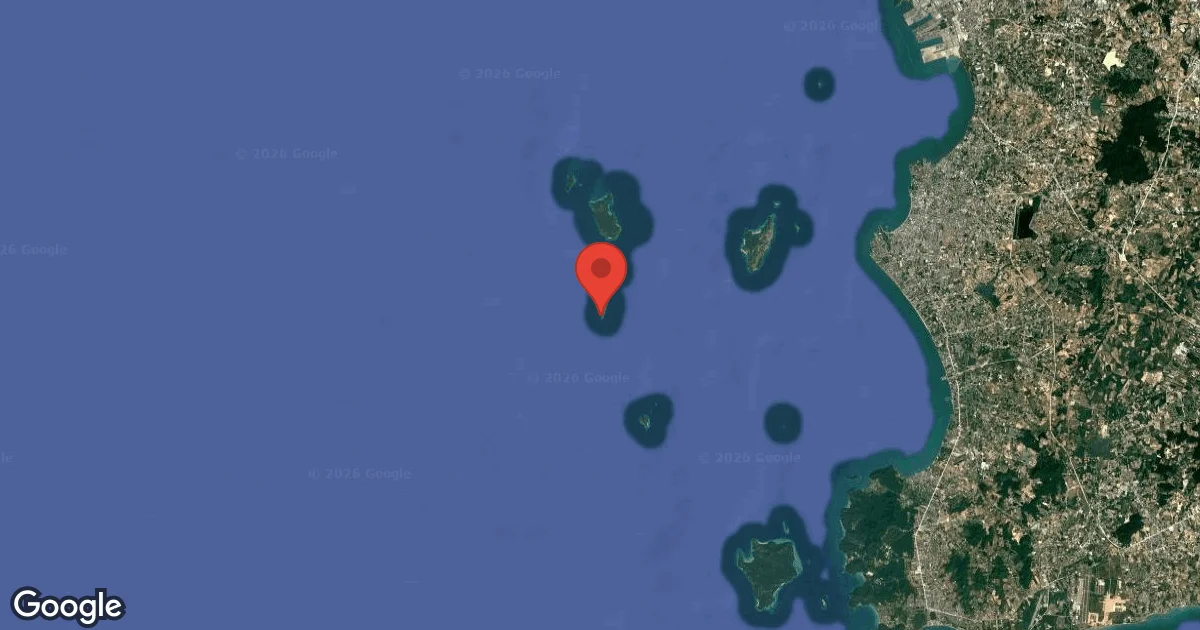
View all dive sites in ThailandDiscover more underwater gems in this area.
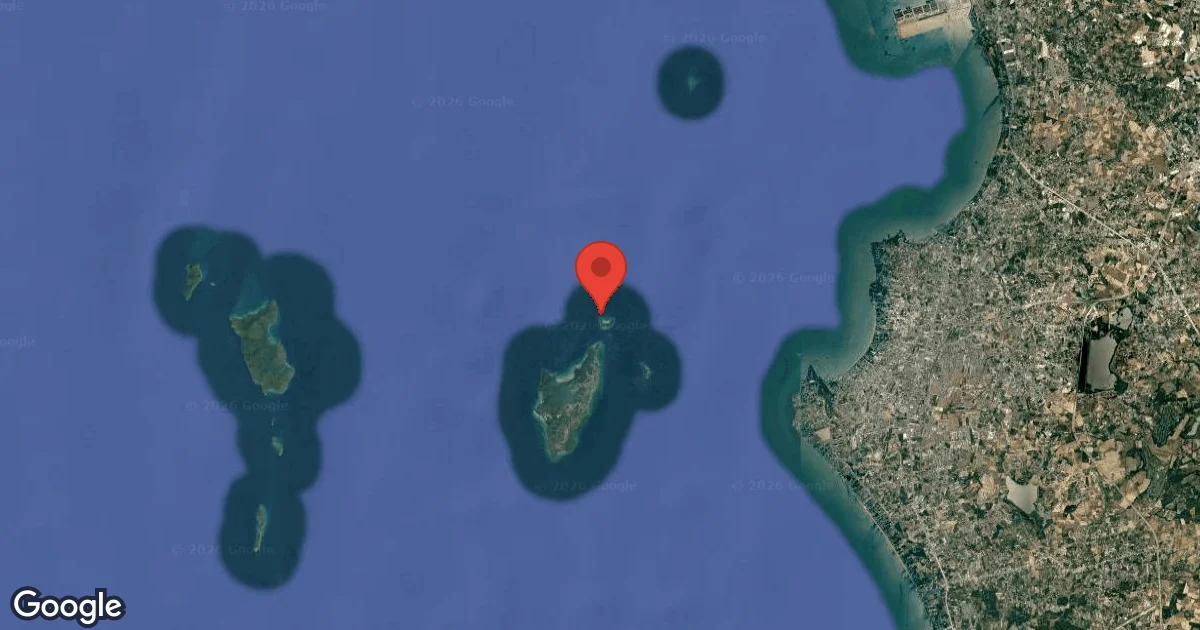
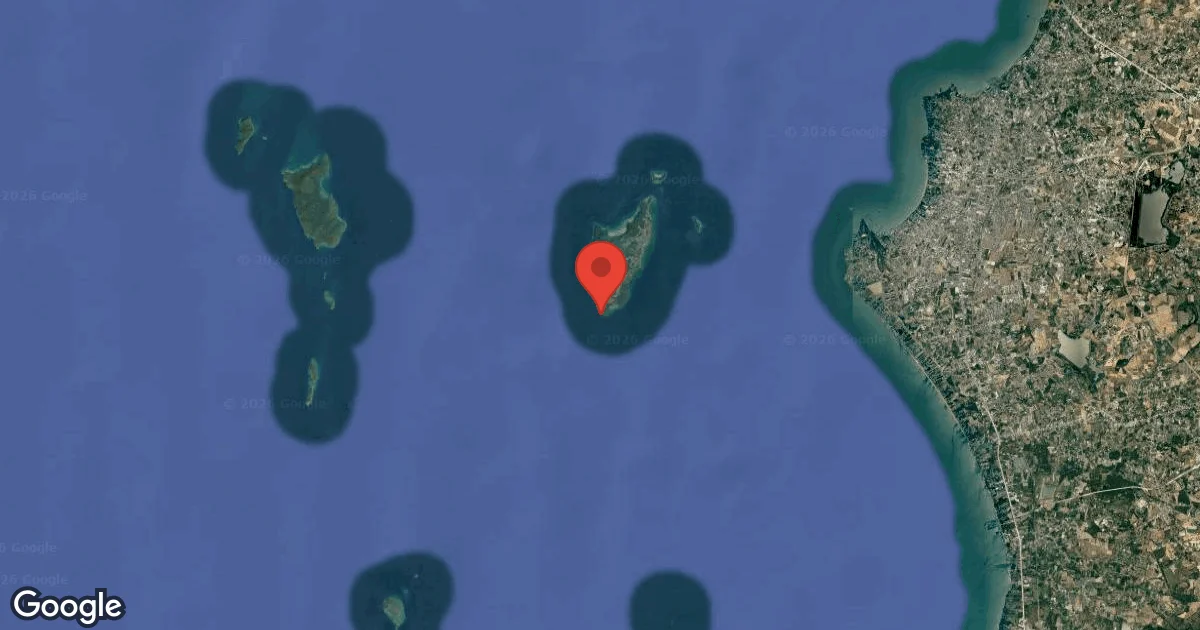
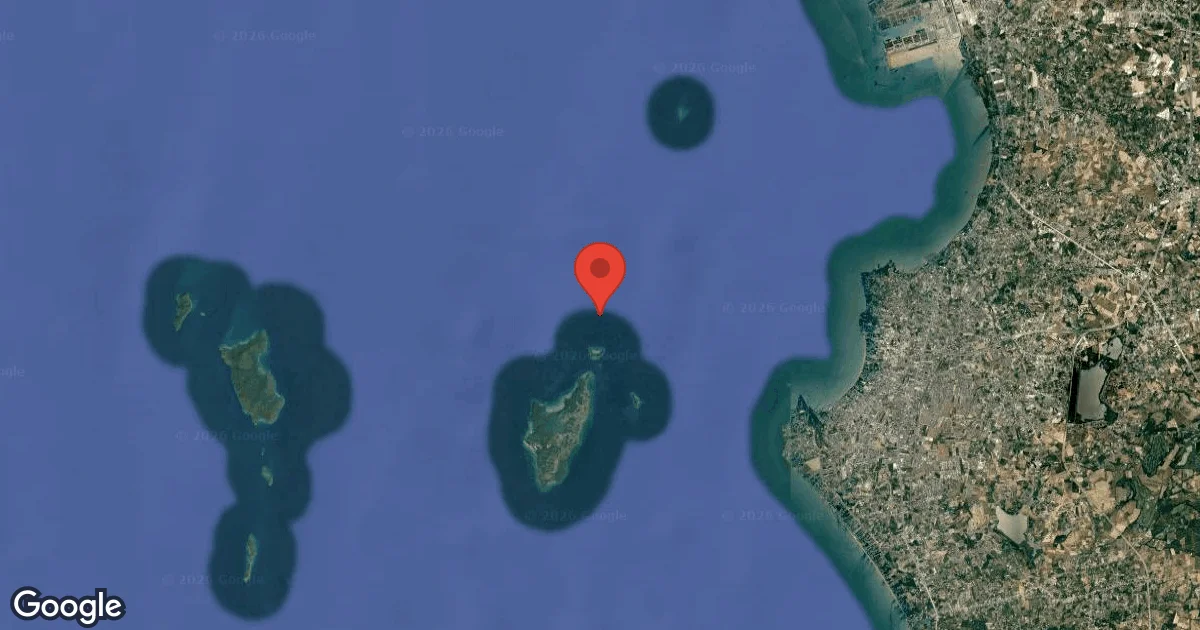
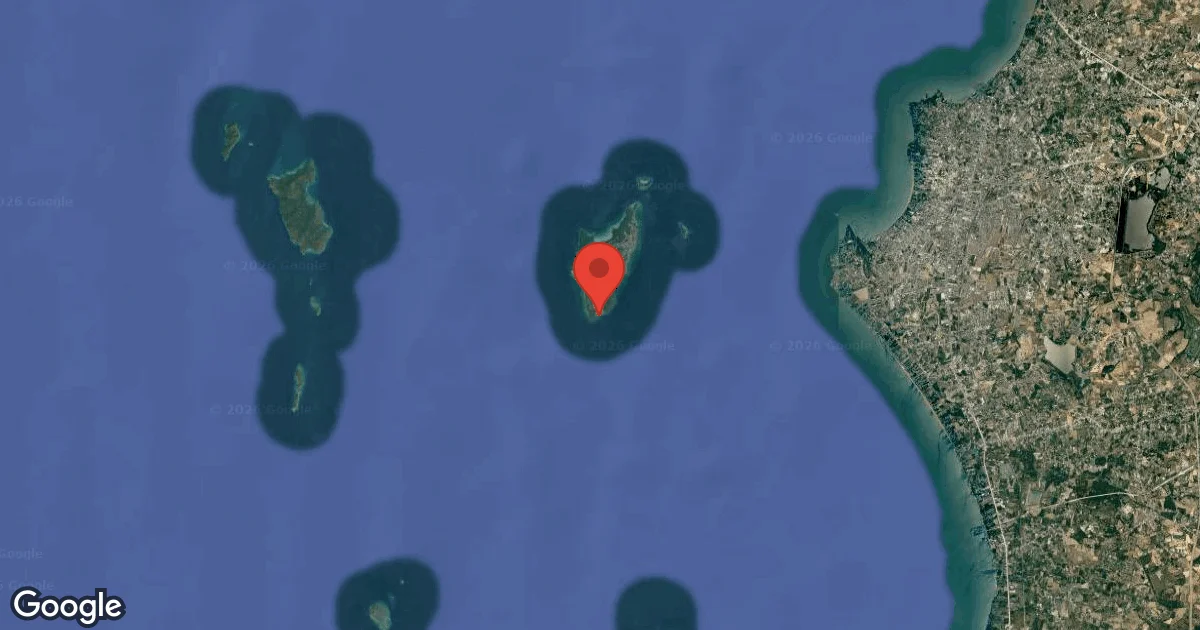
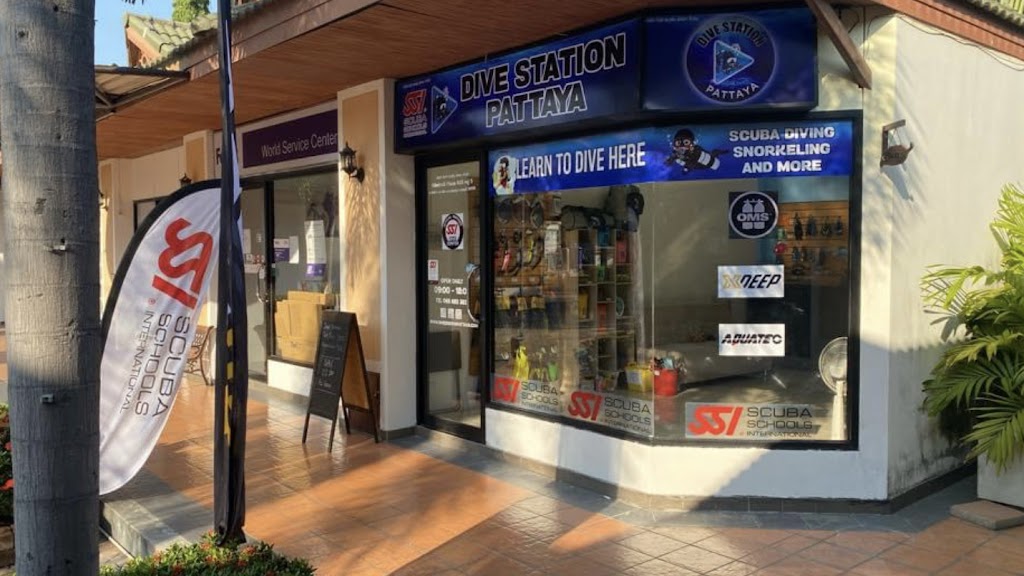
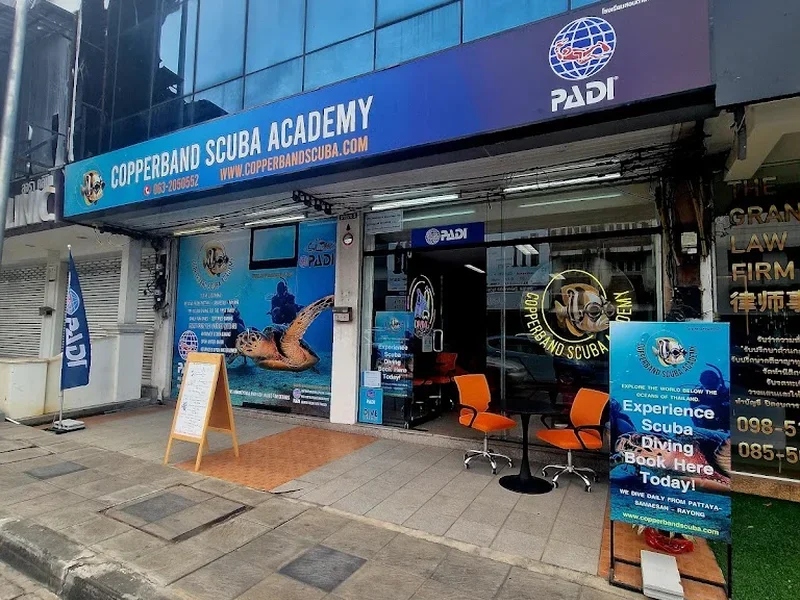
Dive Centers Near Koh Sak Deep Reef
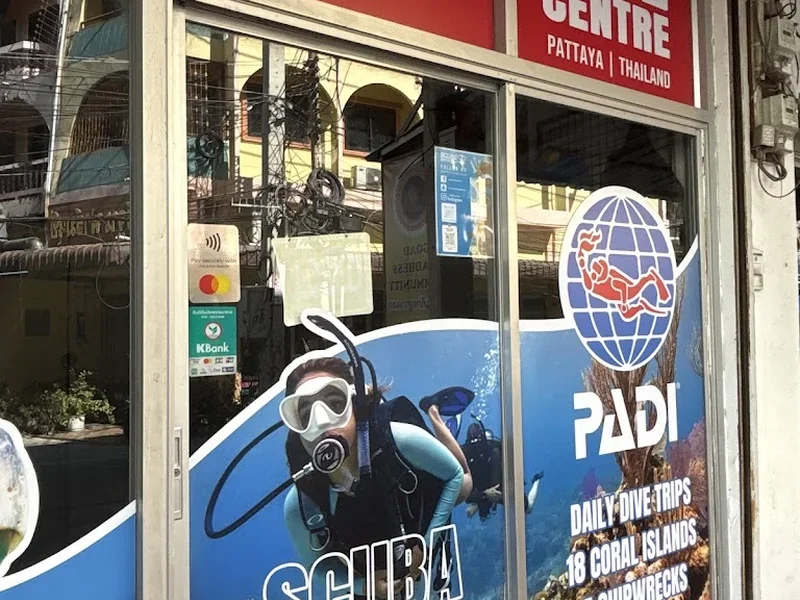
Today: 08:00 - 18:00
Nearest Airports
Nearest airports to help plan travel to this dive area.
Search Flights
Check available flights and routes on Expedia, using the nearby airports listed in this section.
Search Flights on ExpediaFrequently Asked Questions
What is the typical depth range for Koh Sak Deep Reef?
The Deep Reef typically extends beyond the shallower areas of Koh Sak, likely into the 20-30 m (65-100 ft) range. This makes it a more advanced site than the beginner-friendly 3-18 m (10-60 ft) depths found elsewhere around Koh Sak.
What kind of marine life can I expect to see?
Divers often encounter bamboo sharks, nudibranchs, thorny seahorses, pipefish, and various shrimp. Larger species like giant groupers, moray eels, and occasional hawksbill turtles are also observed.
What are the best months to dive Koh Sak Deep Reef?
The best months are from November to March, offering "Excellent" dive conditions with minimal rain and calmer seas. Diving is still "Good" from April to October, but with slightly increased rainfall and wave activity.
Is Koh Sak Deep Reef suitable for beginner divers?
No, Koh Sak Deep Reef is more suited for intermediate divers comfortable with deeper profiles and drift conditions. Beginners should consider the shallower, sheltered parts of Koh Sak first.
What type of dive is it?
This site is primarily a drift and reef dive. Currents often guide the dive, requiring good buoyancy control and awareness.
How does this site compare to other parts of Koh Sak?
Unlike the main Koh Sak island, which features shallow reefs for training and macro photography, the Deep Reef offers greater depths, stronger currents, and different marine encounters like bamboo sharks. It's an "off the beaten track" experience.
What should I bring for a dive here?
It's advisable to bring a dive computer, a surface marker buoy (SMB), and an audible signaling device. These items are helpful for managing depth, navigating currents, and ensuring visibility to the boat.