
Diving at Hole in the Wall (United Arab Emirates)
Entering the water at Hole in the Wall immediately connects divers with the vibrant reef environment. This site, located off the coast of the United Arab Emirates, promises an engaging experience for certified divers. Prepare for exploration where natural formations meet varied marine activity.
Evening condition tracking at Hole in the Wall features an air temperature of 37°C. We have recorded wave heights measuring 0.3 m during this period. These figures outline the environmental parameters currently present.
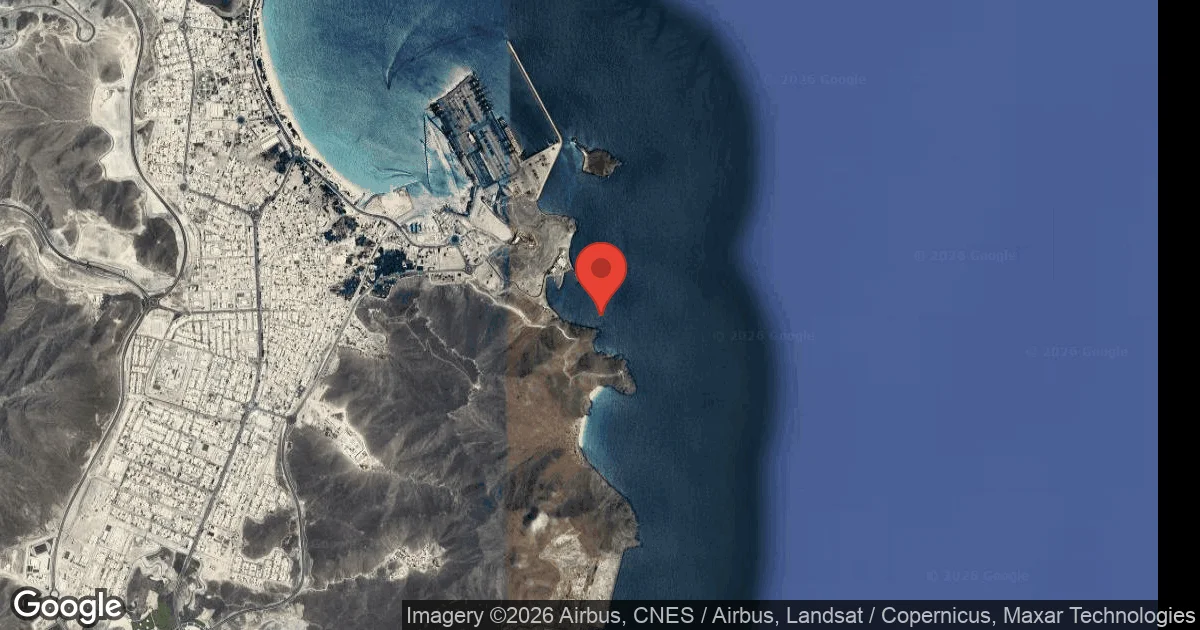
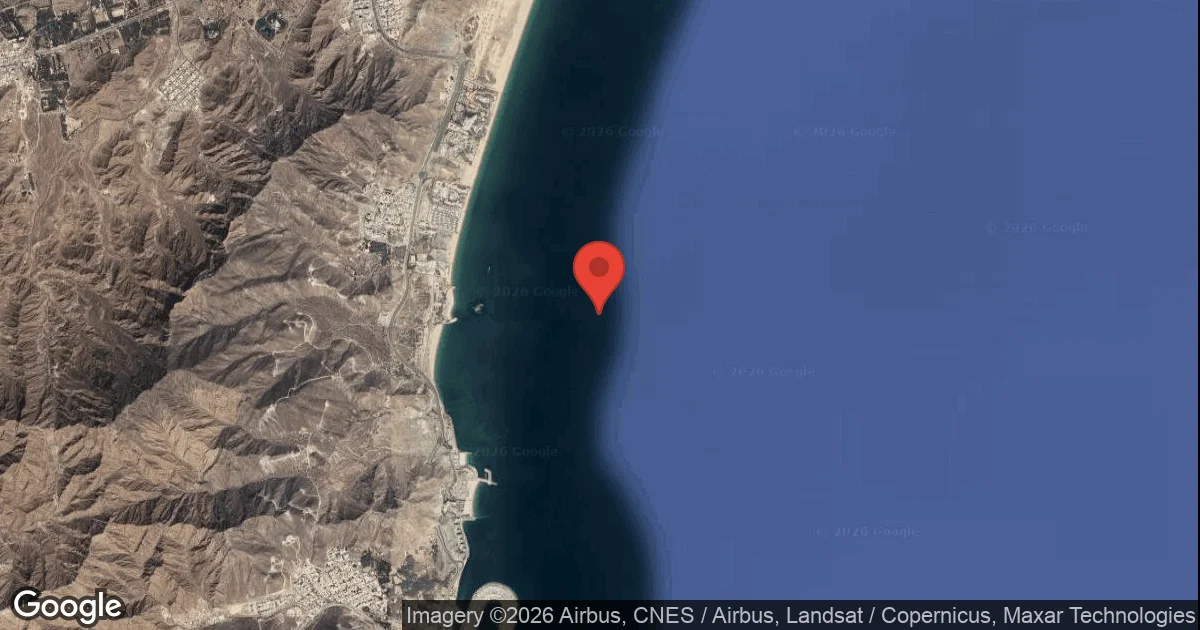
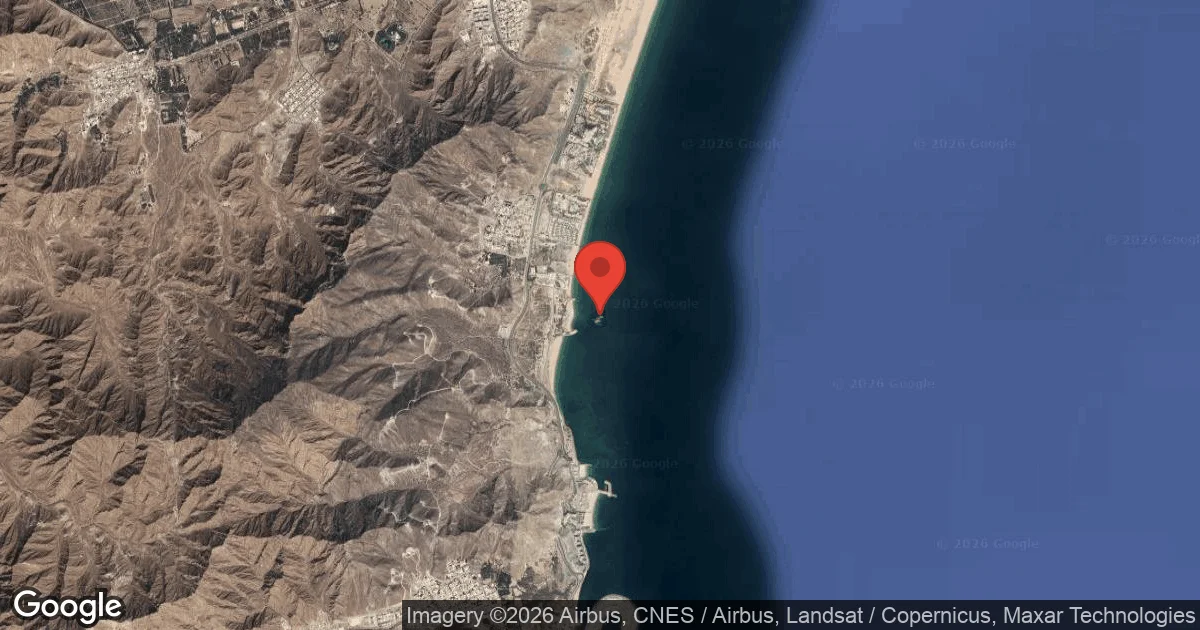
Dive Site Location & Key Facts
Dive Site Overview
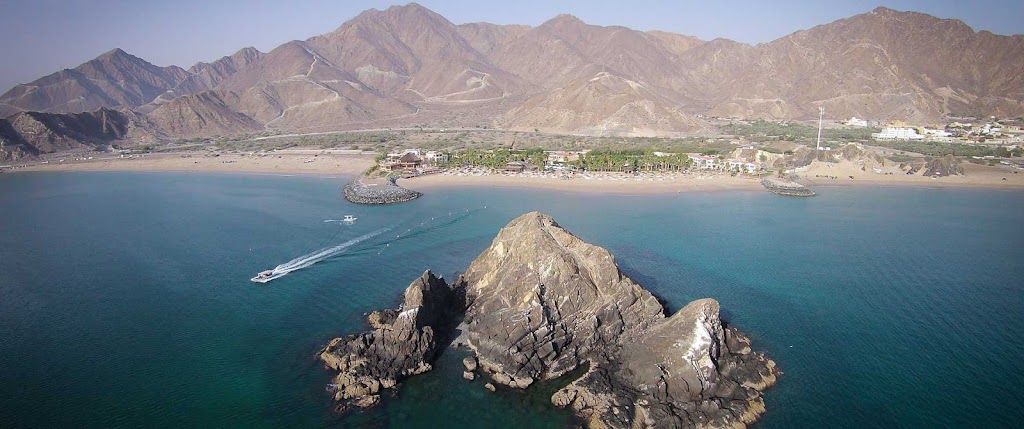
Hole in the Wall distinguishes itself as a notable reef dive in the region, primarily due to its namesake structural element. A prominent natural formation on site creates intriguing swim-throughs and sheltered areas, often harboring diverse reef inhabitants.
While precise details on the exact configuration of these features are not consistently reported, the general reef characteristics suggest a vibrant landscape rich in both hard and soft coral growth. Divers can anticipate exploring a topography that offers varied reef contours and potential for discovery around every bend. Currents at the site can fluctuate significantly, ranging from gentle movements that allow for leisurely exploration to moderate flows that might influence a drift dive profile.
Depths encountered typically fall within standard recreational diving limits, often reaching up to 30 m (100 ft) in certain sections, making the site accessible to a wide range of certifications. Water temperatures are not consistently reported for this specific location, but they generally align with broader regional patterns, fluctuating seasonally between 22-27°C (72-81°F).
The reef's general environment supports a spectrum of common reef species, though specific detailed marine life data remains limited and depends on seasonal patterns. Effective dive planning for Hole in the Wall involves closely considering the prevailing conditions to best appreciate the reef's unique features and its potential biodiversity, ensuring a safe and rewarding experience.
Conditions are Excellent
07:00 - 14:00
Optimal conditions expected
Current conditions near Hole in the Wall show 37° air, 33° sea temperature, 0.3 m waves, and 14 km/h wind. Forecast data is refreshed regularly to ensure accuracy.
Best Time to Dive
Planning your visit to Hole in the Wall means considering the seasonal shifts for optimal diving experiences. The months of January through May, and October through December, typically offer excellent conditions for diving. During these periods, average air temperatures range from 21°C (70°F) in January to 34°C (93°F) in May, before cooling to 23°C (73°F) by December. Rainfall during these months is generally minimal, with the highest average in February at approximately 1.2 mm, ensuring mostly clear skies. Conversely, the summer months from June to September are rated as 'Good' for diving, characterized by higher average air temperatures, which can reach 36°C (97°F) in June. Despite the warmer air, waves are generally manageable, averaging between 0.3 to 0.6 meters, though wind speeds can be higher during the spring months. These conditions offer flexibility, but the cooler periods are often preferred for comfort above water.
PEAK SEASON SCORE
Scores combine air & water temps, waves, wind & rainfall for overall conditions.
BEST MONTHS TO DIVE
Monthly records compiled from satellite and marine observation nodes over the last 3 years. Data provided by Open-Meteo and MET Norway.
Dive Experience & Conditions
Beginning your descent into Hole in the Wall, divers will notice the gradual unfolding of the reef structure. The maximum depth encountered at this reef site typically falls within recreational limits, often reaching up to 30 m (100 ft) in certain sections. Visibility here varies depending on local weather and tidal movements but often provides clear views of the underwater topography. While specific water temperatures are not consistently reported, divers should anticipate conditions generally aligning with the ambient air temperatures, with warmer waters expected in hotter months. Currents can range from mild to moderate, occasionally creating a gentle drift. It's advisable for divers to assess conditions on site. The primary dive features involve exploring the reef's contours and any natural openings that give the site its name, offering numerous opportunities for observation and photography.
Dive Difficulty & Safety Guidelines
Approaching a dive at Hole in the Wall requires standard recreational diving practices and a thorough understanding of your personal limits. Always conduct a detailed dive brief with your group or guide, reviewing the planned route and emergency procedures. Maintain situational awareness regarding currents and the proximity to reef structures to prevent accidental contact.
It's crucial to monitor your air consumption and no-decompression limits carefully, especially when exploring deeper sections or covering longer distances. Respecting marine life means observing from a distance and avoiding touching any corals or creatures.
Being prepared for varying conditions, including potential changes in current or visibility, contributes to a safer and more enjoyable dive.
Recommended Equipment
- Dive Computer
This gear list is based on verified equipment signals for Hole in the Wall, United Arab Emirates. Always confirm final gear choices with your dive operator, guide, or liveaboard.
Recommended Dive Suit
For many recreational divers, dive skin or rash guard provides a practical level of insulation in these conditions. Divers who tend to get cold easily may prefer slightly thicker exposure protection.
At the moment, divers exploring Hole in the Wall will likely experience water temperatures near 33°C (92°F). Surface air temperatures are resting at 37°C (99°F).
Weather models indicate a small drop in surface temperatures later this week. Cooler days are ahead; you might want a warmer option for later in the week. Bringing an additional thermal layer can be helpful if conditions change.
Emergency & Medical Support
Essential information to help you plan your dive trip to Hole in the Wall.

Hyperbaric chambers are a critical part of dive safety infrastructure. Availability varies significantly by region, and not all dive areas have immediate access.
Before diving, it's recommended to:
- confirm nearest medical facilities
- check emergency procedures with local dive operators
- ensure dive insurance covers evacuation if required
Divers Alert Network
Diving emergency assistance available through DAN World.
+1-919-684-9111- 24/7 emergency hotline
- Diving medical assistance
- Evacuation coordination
Emergency contacts are provided for reference. Always verify local emergency services before diving.
Marine Life at Hole in the Wall
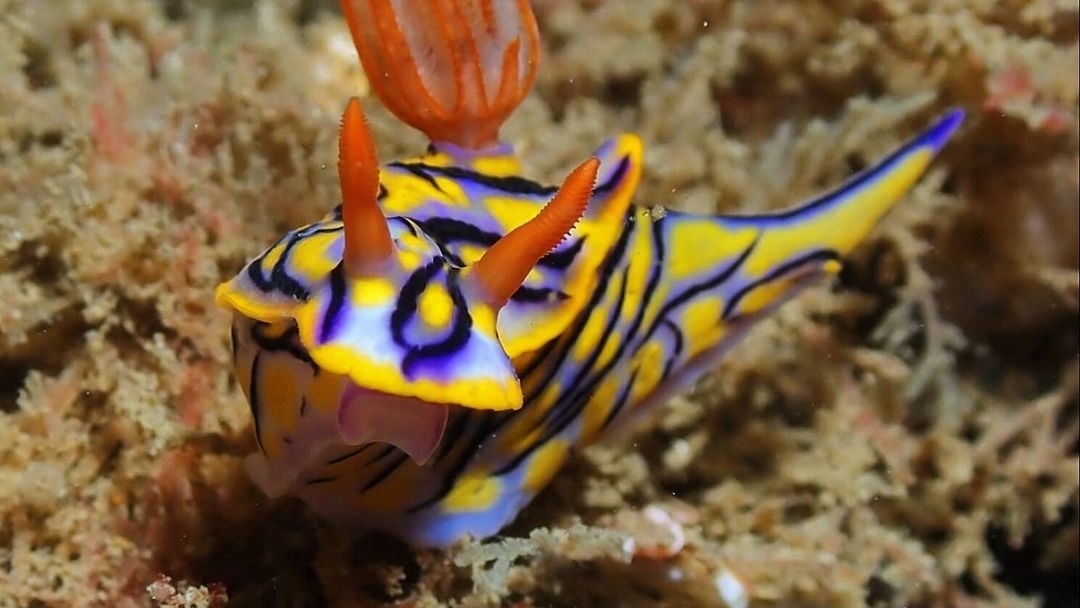
Upon approaching the reef structure, divers often first notice the foundational hard and soft corals that form the habitat. While specific species data is limited, observers can expect to see various small to medium-sized reef fish swimming among these formations.
Look closely within crevices and under ledges, as these areas commonly shelter crustaceans and other invertebrates. The vibrant colors of the reef ecosystem itself provide a rich backdrop for general marine observation.
Keep an eye out for patterns of activity where schools of fish might congregate, or solitary predators might patrol.
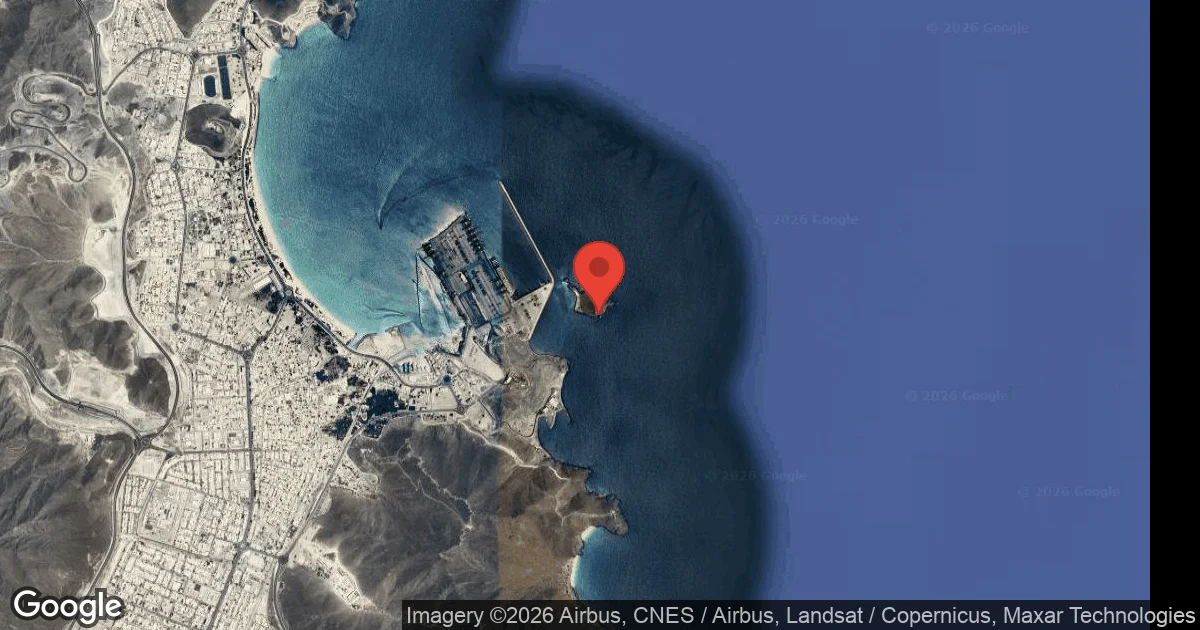
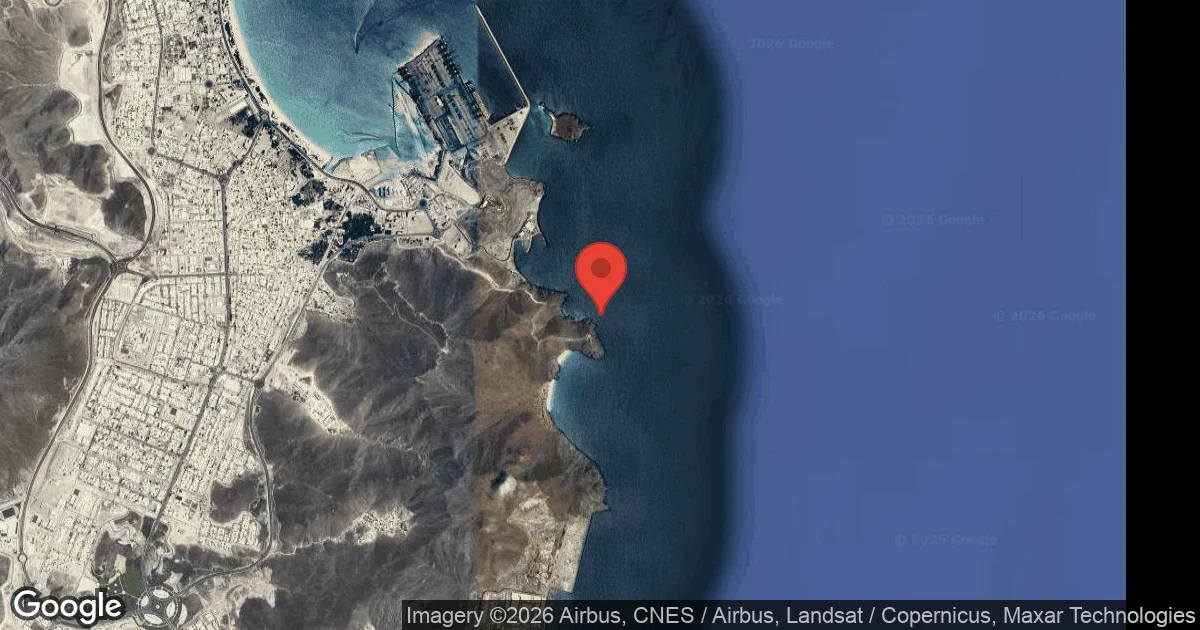
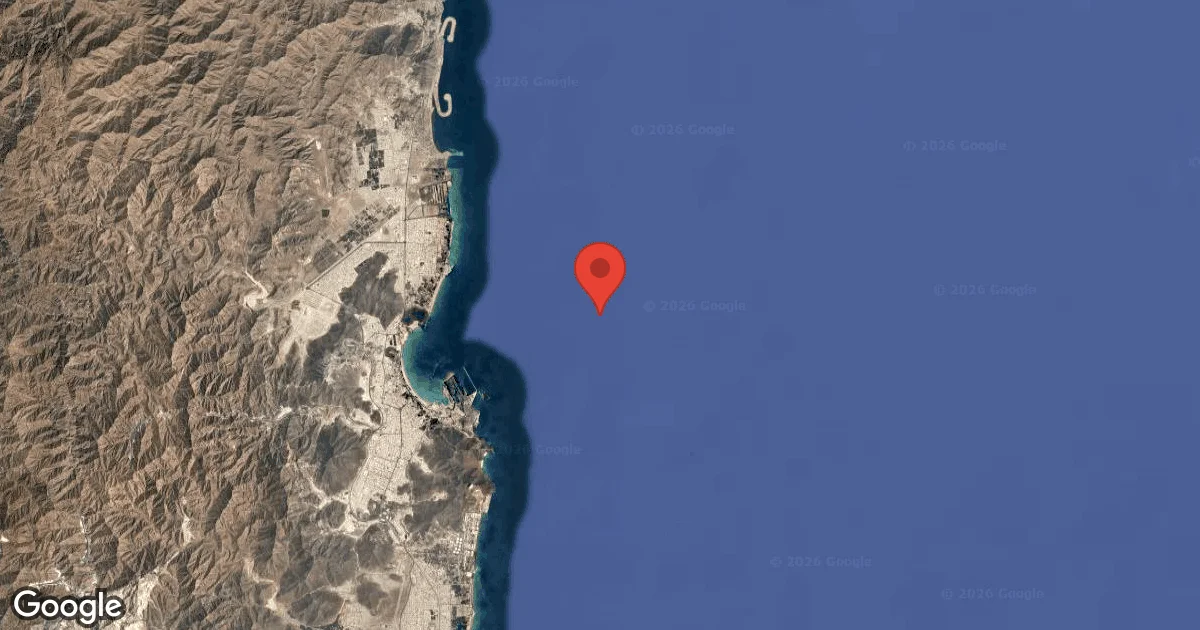
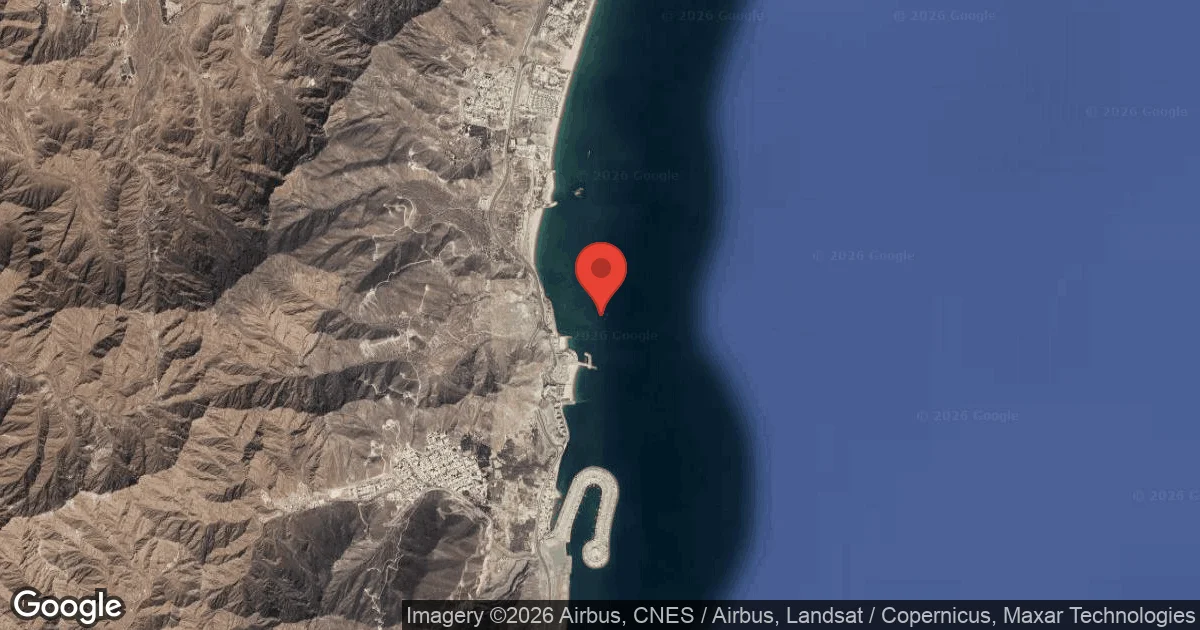
Dive Sites Near Hole in the Wall
View all dive sites in United Arab EmiratesDiscover more underwater gems in this area.
Dive Centers Near Hole in the Wall



Nearest Airports
Nearest airports to help plan travel to this dive area.
Search Flights
Check available flights and routes on Expedia, using the nearby airports listed in this section.
Search Flights on ExpediaFrequently Asked Questions
What is the typical maximum depth for diving at Hole in the Wall?
Depths at Hole in the Wall generally fall within recreational limits. Divers can typically explore down to about 30 m (100 ft) in the deeper sections of the reef. Shallower areas are also present, offering varied dive profiles.
What are the water temperatures like at Hole in the Wall?
Specific water temperatures for Hole in the Wall are not consistently reported. However, water temperatures in the region tend to vary seasonally, generally being cooler in the winter months and warmer during the summer. Divers should consult local dive operators for the most current information.
What kind of marine life can I expect to see?
While specific marine life highlights are not detailed in available data, as a reef site, Hole in the Wall typically supports various reef fish, hard and soft corals, and common invertebrates. The diversity will depend on the season and prevailing conditions.
Are there strong currents at this dive site?
Currents at Hole in the Wall can vary from mild to moderate. Divers should be prepared for potential changes in current intensity, especially around the namesake 'hole' or other formations. Always check with local dive operators regarding current conditions on the day of your dive.
Is Hole in the Wall suitable for beginner divers?
Hole in the Wall generally offers conditions suitable for certified divers with some experience. While certain sections may be appropriate for beginners, overall conditions, including potential currents and depths, suggest it's best for those comfortable in open water. Advanced Open Water certification is recommended for deeper exploration.
What certifications are required to dive here?
Standard Open Water certification is typically sufficient for shallower sections of Hole in the Wall. For exploring the full depth range and more intricate areas, an Advanced Open Water certification is generally advisable. Always check with your chosen dive center for their specific requirements.
Planning to dive Hole in the Wall?
Send one inquiry and receive offers directly from the best verified local dive operators.
Conditions are Excellent
07:00 - 14:00
Optimal conditions expected
Current conditions near Hole in the Wall show 37° air, 33° sea temperature, 0.3 m waves, and 14 km/h wind. Forecast data is refreshed regularly to ensure accuracy.