
Diving in United Arab Emirates
Across United Arab Emirates, dive sites differ in depth, clarity, and overall conditions, requiring a flexible approach to planning. We currently feature 19 mapped dive sites across United Arab Emirates.
A diver's experience in the United Arab Emirates is defined by its unique bifurcated geography, featuring two distinct marine environments: the Persian Gulf to the west and the Gulf of Oman, an arm of the Indian Ocean, along its eastern coast. These contrasting bodies of water present varied underwater topography and ecological characteristics.
To the west, the Persian Gulf, generally shallower and more influenced by coastal development, hosts numerous artificial reefs and dive wrecks, particularly around Dubai and Abu Dhabi. This region offers accessible exploration of sunken structures that have become new habitats.
Conversely, the Gulf of Oman, accessible from the Fujairah coast, typically features cooler, more oxygenated waters. This eastern side is recognized for healthier hard and soft coral gardens, supporting a richer tropical fish population. Divers can explore submerged pinnacles and natural reefs alongside the artificial structures, ensuring a wide array of experiences for various preferences.
Dive Map of United Arab Emirates
Diving opportunities in the United Arab Emirates are geographically distinct, primarily distributed between the Persian Gulf coastline in the west and the Gulf of Oman on the east. The major diving hubs of Dubai and Abu Dhabi are found along the Persian Gulf, where many notable dive sites consist of artificial reefs and purpose-sunk wrecks.
Moving eastward, the Fujairah coast opens to the Gulf of Oman, presenting a different underwater environment. This region, including destinations like Dibba, features natural coral gardens, submerged pinnacles, and a higher density of marine life.
Ras Al Khaimah, lying between these two basins, offers a blend of conditions. This spread allows for varied dive planning depending on preferred underwater scenery and marine encounters.
Dive Sites to Explore
View all 19 sites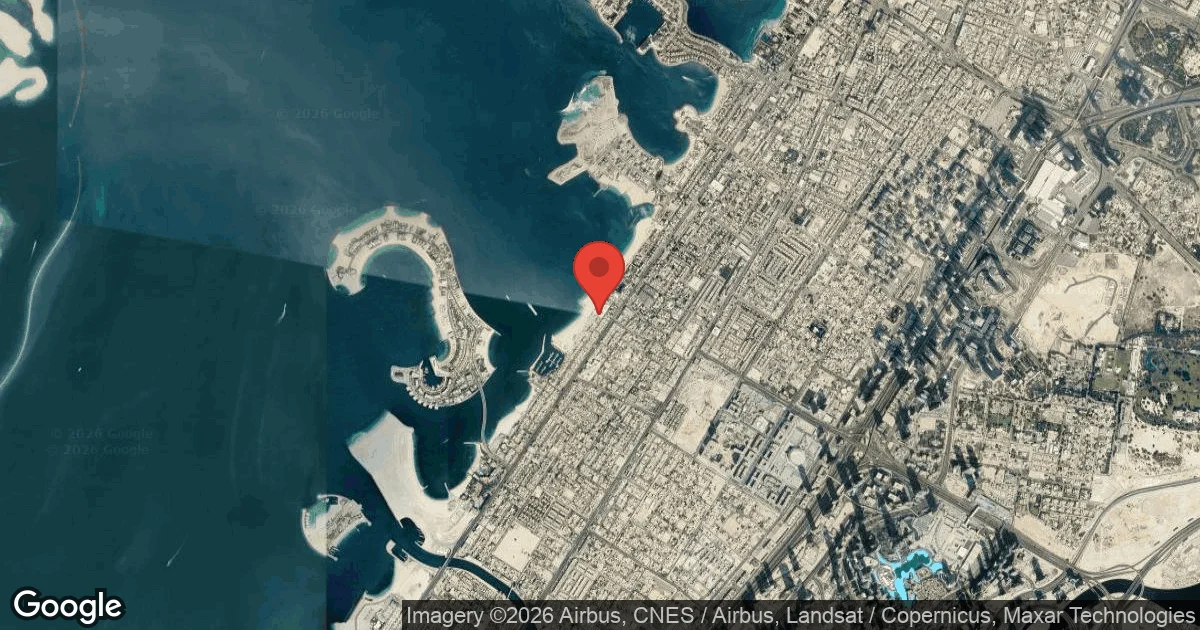
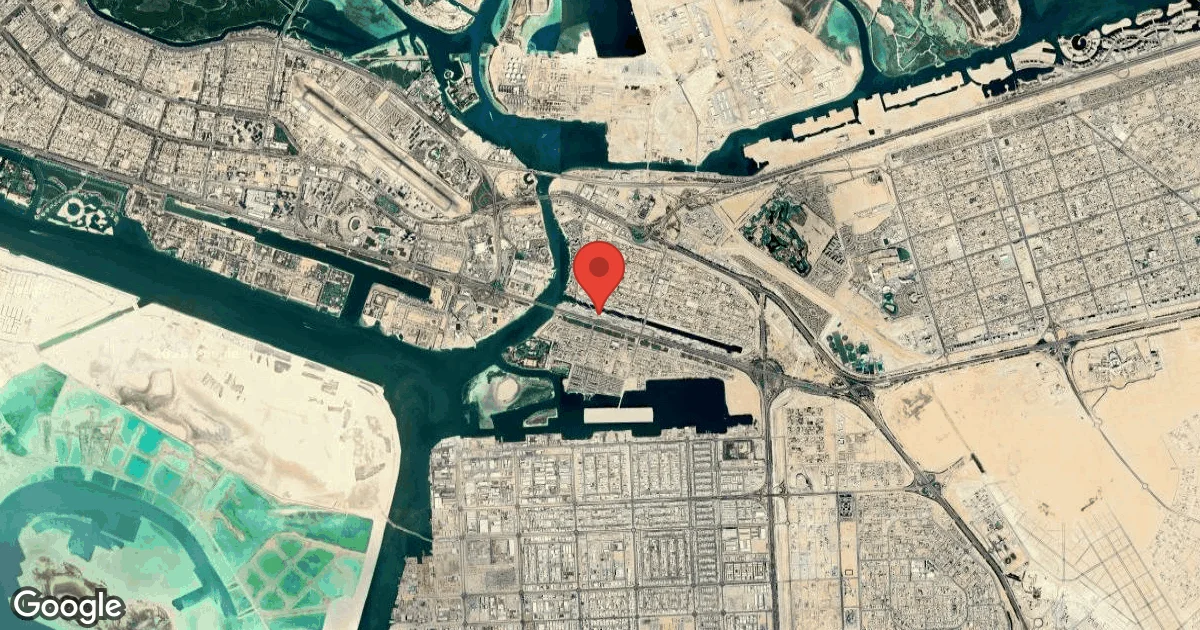
Exploring the underwater landscape of the United Arab Emirates reveals a compelling array of dive sites, ranging from accessible wrecks to natural reef formations. Inchcape II stands out as a relatively shallow wreck site, celebrated for its diverse macro life. Divers here frequently encounter sea horses, frogfish, nudibranchs, and rays, alongside morays and various reef fish.
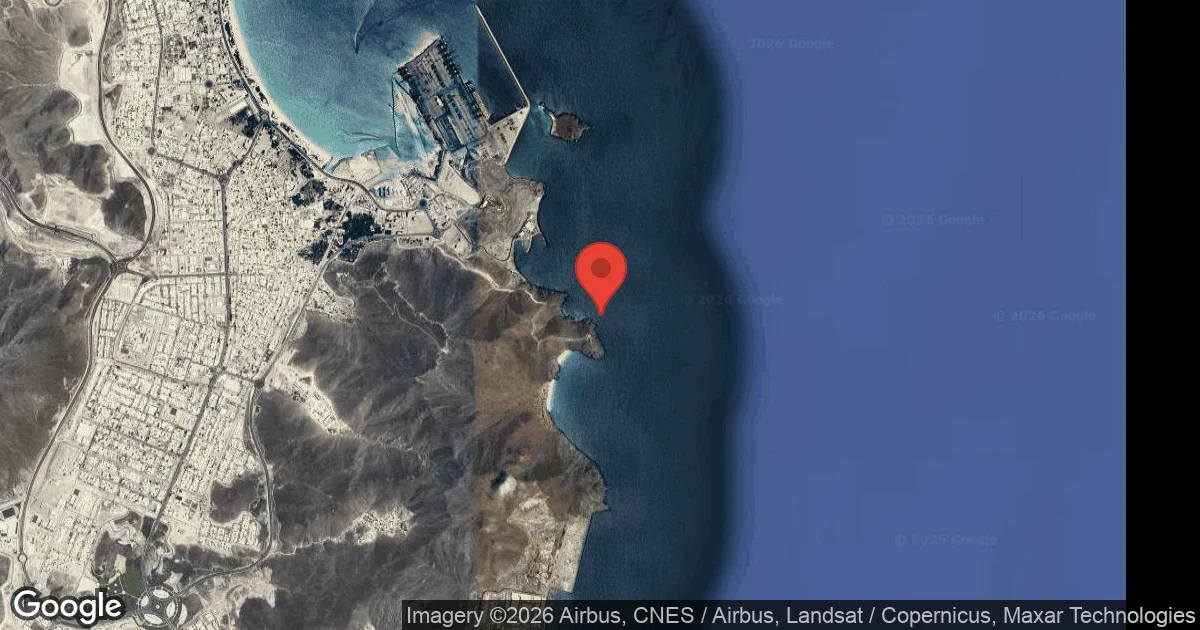
On the east coast, in Fujairah, Dibba Rock offers a different experience. This site provides excellent visibility and is known for encounters with larger marine species such as barracudas, occasional whale sharks, and dolphins. Green and hawksbill turtles, dense schools of fish, lionfish, and triggerfish navigate the mosaic of hard and soft corals surrounding the rock.
Dubai also contributes notable artificial dive sites, including the Dubai Marine Museum and the Zainab wreck. These sunken vessels have transformed into thriving artificial reefs, attracting an array of marine life. Palm Jumeirah features artificial reef structures that host colorful corals, tropical fish, and the occasional turtle or ray. Additionally, Sharm Rocks, with pinnacles descending from 5 to 18 meters (16 to 59 feet), provides good visibility and abundant fish life, including more turtles.
Best Time to Dive in United Arab Emirates
Seasonal patterns significantly influence the diving experience across the United Arab Emirates, impacting both underwater conditions and crowd levels. The peak season, from October to May, is widely regarded as the most favorable period for diving. During these cooler months, conditions are generally more predictable, and the water maintains a comfortable warmth, ideal for extended underwater exploration.
Conversely, the summer months, specifically from May to October, represent the low season. Air temperatures increase substantially, accompanied by higher humidity, which can affect comfort on land. While this period is characterized by the presence of large schools of fish, visibility may be reduced, particularly in July and August due to sandstorms.
For those seeking specific marine encounters, whale sharks are more frequently sighted from March to June in the Gulf of Oman. Turtles are present throughout the year, with nesting activities typically occurring in spring and early summer.
Monthly Sea Temperatures
Sea temperatures in the United Arab Emirates generally range from 21°C (70°F) to over 30°C (86°F) throughout the year. During winter and early spring, from January to May, temperatures typically remain between 22-26°C (72-79°F). This period allows for longer and more comfortable dives, often requiring only light wetsuits.
As the warmer months approach, particularly from June to September, water temperatures can exceed 30°C (86°F), reaching up to 32°C (90°F) in August.
The average water temperature in Dubai is around 25°C (77°F), while Fujairah averages 26°C (79°F). These warm water conditions are a consistent feature of diving across the country.
| Jan | Feb | Mar | Apr | May | Jun | Jul | Aug | Sep | Oct | Nov | Dec | |
|---|---|---|---|---|---|---|---|---|---|---|---|---|
| Max | 25° | 22° | 25° | 28° | 31° | 33° | 35° | 35° | 35° | 33° | 31° | 27° |
| Avg | 23° | 21° | 23° | 25° | 29° | 32° | 33° | 34° | 34° | 32° | 29° | 25° |
| Min | 20° | 20° | 21° | 23° | 27° | 31° | 31° | 33° | 33° | 30° | 26° | 23° |
Dive Conditions
Underwater conditions in the United Arab Emirates present a clear contrast between its two primary coastlines. In the Persian Gulf, visibility is generally variable, often sufficient for comfortable exploration, yet it can be significantly reduced during the summer months by occasional sandstorms. The waters in this western region are typically shallow and calm, providing a generally docile environment for divers.
Along the Fujairah coast, facing the Gulf of Oman, divers can anticipate greater stability and often superior visibility, particularly from autumn through spring. Visibility here can be very good, especially in winter, offering clearer perspectives for detailed macro photography and broader scenic views.
While currents are generally mild across most dive sites in both regions, local conditions can vary. Divers should always consult with local dive centers for the most current information regarding site-specific conditions and any potential currents. The diverse conditions accommodate a variety of diving preferences.
Marine Life Highlights
Most Mentioned Species
Marine life in United Arab Emirates varies across dive locations, with different species appearing depending on environment and conditions. The species highlighted here are the most frequently associated with dive sites in our data, offering a realistic overview of what divers are most likely to encounter.
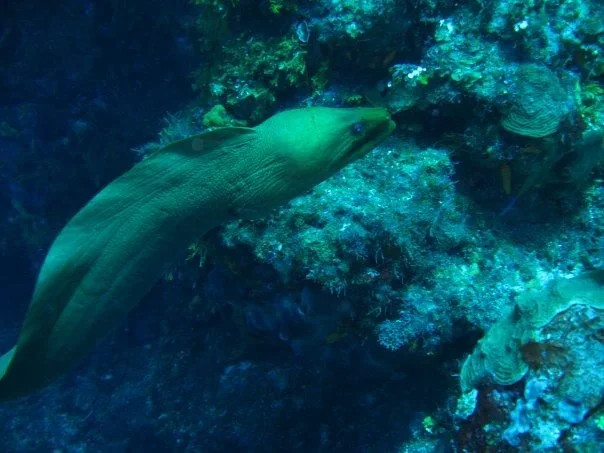
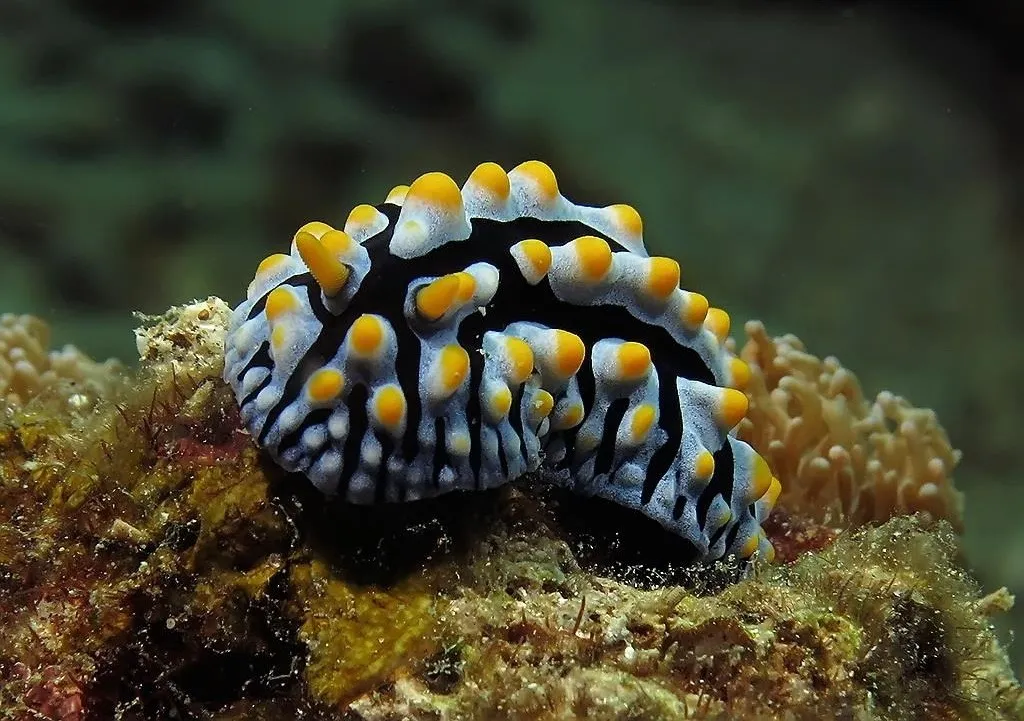
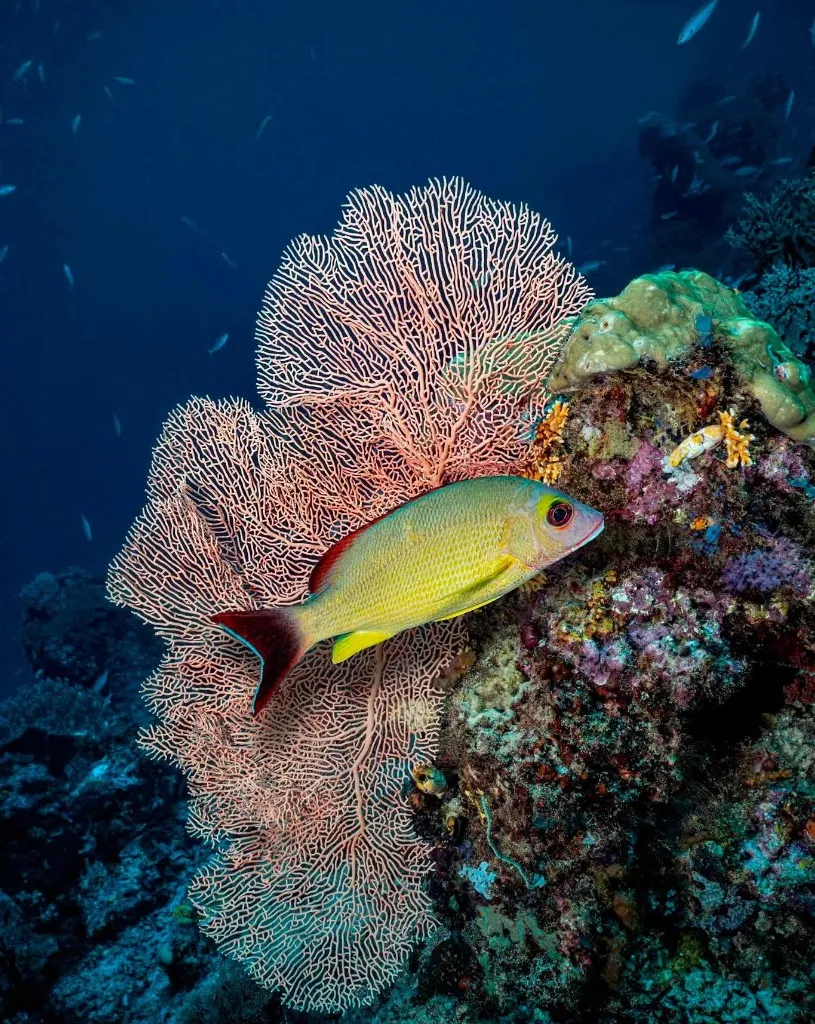
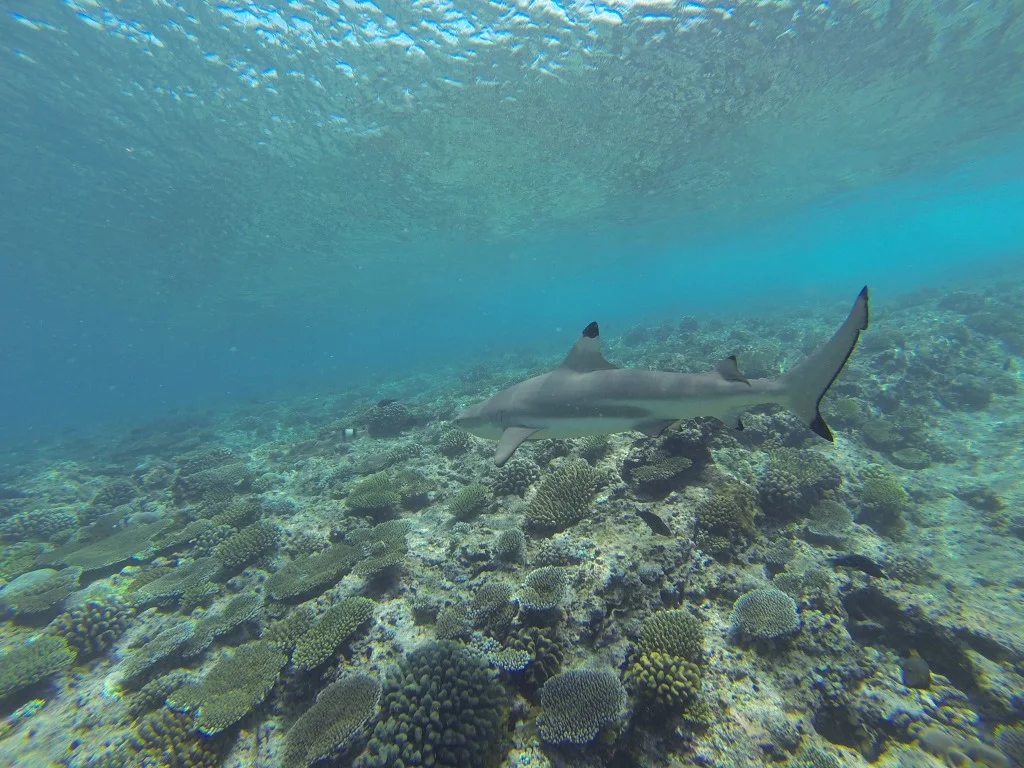
The marine life of the United Arab Emirates showcases a notable variety of species, from intricate macro life to larger pelagic encounters. Divers can observe an abundance of hard and soft corals, particularly within the healthier coral gardens found along the Fujairah coast. These natural reefs and artificial structures serve as habitats for diverse fish species, including colorful tropical fish, clownfish, parrotfish, butterflyfish, lionfish, and triggerfish.
Macro photographers will discover numerous subjects like nudibranchs, sea horses, frogfish, porcelain crabs, decorator crabs, and various shrimp species, often hiding among gorgonians or on sandy bottoms.
Larger marine life includes green and hawksbill turtles, which are frequently sighted year-round. Rays, such as blue-spotted stingrays, marble rays, and occasional manta rays, glide across sandy areas. Schools of barracudas, snappers, and trevallies are common, and whitetip reef sharks may be seen, especially around Dibba. Whale shark sightings are possible from March to June in the Gulf of Oman.
Regions for Diving
Diving in the United Arab Emirates offers distinct experiences across its key regions, each characterized by different marine environments and dive sites. Starting in the west, Dubai and Abu Dhabi provide access to the Persian Gulf. This region is notable for its artificial reefs and wreck diving, offering opportunities to explore sites like the Dubai Marine Museum and the Zainab wreck. The Palm Jumeirah also features artificial reef structures that attract marine life. Water temperatures in Dubai average around 25°C (77°F), and while visibility can be variable, it is often sufficient for exploration. These areas are suitable for divers of all levels, including those interested in training in specialized pools like Deep Dive Dubai.
Moving eastward, Fujairah stands out as the primary diving destination along the Gulf of Oman. The waters here are generally cooler and more oxygenated, supporting healthier coral gardens and a richer diversity of marine life. Dive sites such as Dibba Rock, Sharm Rock, Martini Rock, and Snoopy Island feature submerged pinnacles and coral reefs. Fujairah is known for regular encounters with green and hawksbill turtles, schools of glassfish, and larger species like barracudas and occasional whale sharks. Visibility in Fujairah is typically better, especially from autumn to spring, with water temperatures averaging 26°C (79°F). This region is also a favored spot for macro photographers, with an abundance of nudibranchs, shrimp, and crabs.
Sharjah and Ajman, also located on the Persian Gulf, offer a more modest diving experience. These areas are primarily known for macro life, including nudibranchs, porcelain crabs, and small cuttlefish inhabiting sandy bottoms. Ras Al Khaimah, positioned at the junction of both marine basins, presents a mix of conditions, providing varied diving opportunities for those exploring the northern emirates.
Travel & Passport Guide
Travel Basics
Trip Planning
Safety & Diving Considerations
Planning a dive trip to the United Arab Emirates involves considering general safety practices to ensure a smooth experience. While diving conditions are often calm and waters are warm, it is always important to dive within one's certification limits and with reputable operators. Local dive centers can provide the most current information on site-specific conditions and any potential currents.
Divers should be mindful of the seasonal variations, particularly during the summer months when hotter temperatures and higher humidity on the surface can affect comfort. Reduced visibility due to sandstorms can also occur during this period.
Always ensure your equipment is in good working order and consider travel insurance that covers diving activities. Staying hydrated, especially during the warmer seasons, is also a practical safety measure.
Dive Centers in United Arab Emirates
View all 23 dive centers


Frequently Asked Questions
What are the best months for diving in the UAE?
The best season for diving in the UAE is generally from October to May. During these months, water temperatures are comfortable, typically ranging from 22-26°C (72-79°F), and conditions are more stable. Visibility tends to be very good, especially in winter and spring, offering optimal underwater exploration.
How do water temperatures vary across the UAE?
Water temperatures in the UAE range from approximately 21°C (70°F) in winter to over 30°C (86°F) in summer. In Dubai, the average water temperature is around 25°C (77°F), while in Fujairah, it averages 26°C (79°F). During June to September, temperatures can exceed 30°C (86°F).
What marine life can be seen in the UAE?
The UAE's waters host diverse marine life, including green and hawksbill turtles, various rays (blue-spotted stingrays, marble rays, manta rays), and reef sharks. Divers can also encounter schools of barracudas, snappers, trevallies, and numerous reef fish like parrotfish, butterflyfish, and clownfish. Macro life such as nudibranchs, sea horses, and frogfish are also present.
Are there many wreck dives available?
Yes, wreck diving is a significant part of the UAE's underwater offerings, particularly in the Persian Gulf around Dubai. Sites like Inchcape II, Dubai Marine Museum, and the Zainab wreck are popular. These sunken vessels have transformed into artificial reefs, attracting a variety of marine species and providing engaging dive experiences.
What are the typical visibility conditions?
Visibility in the UAE is variable but generally sufficient. In the Persian Gulf, it can fluctuate, sometimes being reduced during summer due to sandstorms. Along the Fujairah coast in the Gulf of Oman, visibility is often better and more stable, especially from autumn to spring, providing clearer conditions for diving.