
Diving at Capenwray (United Kingdom)
Originally an active limestone quarry, Capernwray transformed into one of the United Kingdom's most accessible inland dive centers. This freshwater lake, situated on the edge of the Lake District, now serves as a popular destination for divers of all levels. It provides a unique aquatic environment, distinct from coastal diving experiences, making it a key training and recreational hub.
At Capenwray, the ambient air temperature is currently recorded at 13.5°C. This dive site in United Kingdom is operating under normal seasonal weather patterns. Familiarize yourself with the local topography prior to navigating.
Dive Site Location & Key Facts
Dive Site Overview
Exploring Capernwray offers a diverse underwater landscape, shaped by its quarry origins. Steep walls define portions of the site, providing dramatic drop-offs that invite closer inspection.
The main draw for many divers involves navigating an extensive collection of intentionally submerged objects, often referred to as an underwater theme park. These include various transport-themed wrecks: small boats, a harbour minesweeper, a light plane, a couple of helicopters, and notably, a Hawker Siddeley 748 passenger aeroplane.
Descending into the quarry, divers will find these attractions scattered at various depths, from shallower sections around 6 meters (20 ft) down to a maximum depth of 20 meters (65 ft). Following the old quarry route provides a gradual descent, while other areas feature distinct drop-off points where freshwater mussels are often visible on the walls.
Conditions are Moderate
Optimal conditions expected
Current conditions near Capenwray show 14° air, --° sea temperature, N/A waves, and 27 km/h wind. Forecast data is refreshed regularly to ensure accuracy.
Best Time to Dive
Planning a dive at Capernwray generally yields good conditions throughout the year, with overall dive scores frequently rated 'Good'. While water temperatures are not consistently reported, divers should anticipate typical UK inland water temperatures, necessitating appropriate thermal protection. Air temperatures show a considerable seasonal range, from around 4°C (39°F) in January to highs of 16.5°C (62°F) in August, influencing comfort both before and after dives. Rain averages are relatively consistent, fluctuating from approximately 1.36 mm (0.05 inches) in August to 3.45 mm (0.14 inches) in October, suggesting that precipitation is a regular factor but doesn't drastically alter dive scores. Visibility, though variable, can be quite clear, making spring and summer months often preferred for generally milder surface conditions and potentially better light penetration.
PEAK SEASON SCORE
Scores combine air & water temps, waves, wind & rainfall for overall conditions.
BEST MONTHS TO DIVE
Monthly records compiled from satellite and marine observation nodes over the last 3 years. Data provided by Open-Meteo and MET Norway.
Dive Experience & Conditions
Accessing the water at Capernwray is straightforward, with options for divers to perform a 'giant stride' entry from the pier or walk in via slips on either side of the jetty. Once submerged, divers encounter a freshwater environment that behaves differently from saltwater. The site's quarry structure means divers can explore varying depths, from the shallower extremities to deeper sections reaching the site's maximum depth. Throughout the dive, visibility can fluctuate, but good conditions allow for clear viewing of the numerous submerged attractions and the quarry walls. Current is generally negligible, which simplifies navigation, especially for less experienced divers or those focusing on training exercises. Given its inland location in the UK, water temperatures are cool, demanding suitable exposure protection to ensure comfort during extended bottom times.
Dive Difficulty & Safety Guidelines
Diving in Capernwray requires adherence to standard safe diving practices, especially considering the site's unique features. It's crucial for divers to respect the site's maximum depth, which is 20 meters (65 ft), to avoid exceeding their training or gas limits. Due to the cool freshwater environment, adequate thermal protection, such as a drysuit, is strongly recommended to prevent hypothermia.
Always dive with a buddy, maintaining close proximity and practicing good communication throughout the exploration of the site's various wrecks and features. Navigational skills are beneficial to thoroughly explore the many attractions, ensuring a planned and safe return to the entry point.
The center provides clear guidelines and support for divers, underlining the importance of proper training and equipment for an enjoyable experience.
Recommended Equipment
Overhead / entanglement risk. Wreck penetration requires proper training.
- Dive Computer
- DSMB
- Primary & Backup Lights
- Wreck Reel
- Cutting Tool
This gear list is based on verified equipment signals for Capenwray, United Kingdom. Always confirm final gear choices with your dive operator, guide, or liveaboard.
Recommended Dive Suit
Because recent water temperature readings are not available for Capenwray, the guidance below is based mainly on current air conditions and seasonal expectations. Current surface air temperatures are roughly 14°C (57°F).
Based on regional estimates and current weather, the likely required exposure protection is a thicker wetsuit or drysuit. Note that local currents and upwellings can alter this. A thermal robe or jacket is recommended between dives.
Weather patterns are currently shifting, so expect some variability in conditions. A warming trend is expected over the next few days.
Emergency & Medical Support
Essential information to help you plan your dive trip to Capenwray.

Hyperbaric chambers are a critical part of dive safety infrastructure. Availability varies significantly by region, and not all dive areas have immediate access.
Before diving, it's recommended to:
- confirm nearest medical facilities
- check emergency procedures with local dive operators
- ensure dive insurance covers evacuation if required
Divers Alert Network
Diving emergency assistance available through DAN Europe.
+39 0642115685- 24/7 emergency hotline
- Diving medical assistance
- Evacuation coordination
Emergency contacts are provided for reference. Always verify local emergency services before diving.
Closest Listed Hyperbaric Chambers
Showing listed hyperbaric chamber facilities within 200 km of this dive site.
Distances are approximate straight-line distances and may not reflect emergency travel time.
North of England Medical Hyperbaric Unit
Anlaby, Hull, United Kingdom•Approx. 68 km straight-line
North of England Medical Hyperbaric Unit
Information is provided for reference and planning purposes only. Dive Navigator does not verify operational status, staffing, availability, or quality of care at listed facilities. In an emergency, contact local emergency services, DAN, your dive operator, or the chamber directly. Do not travel to a facility without calling ahead.
N W Emergency Recompression Unit
Thingwall Wirral, United Kingdom•Approx. 116 km straight-line
N W Emergency Recompression Unit
Information is provided for reference and planning purposes only. Dive Navigator does not verify operational status, staffing, availability, or quality of care at listed facilities. In an emergency, contact local emergency services, DAN, your dive operator, or the chamber directly. Do not travel to a facility without calling ahead.
Midlands Diving Chamber
Rugby, United Kingdom•Approx. 121 km straight-line
Midlands Diving Chamber
Information is provided for reference and planning purposes only. Dive Navigator does not verify operational status, staffing, availability, or quality of care at listed facilities. In an emergency, contact local emergency services, DAN, your dive operator, or the chamber directly. Do not travel to a facility without calling ahead.
Marine Life at Capenwray
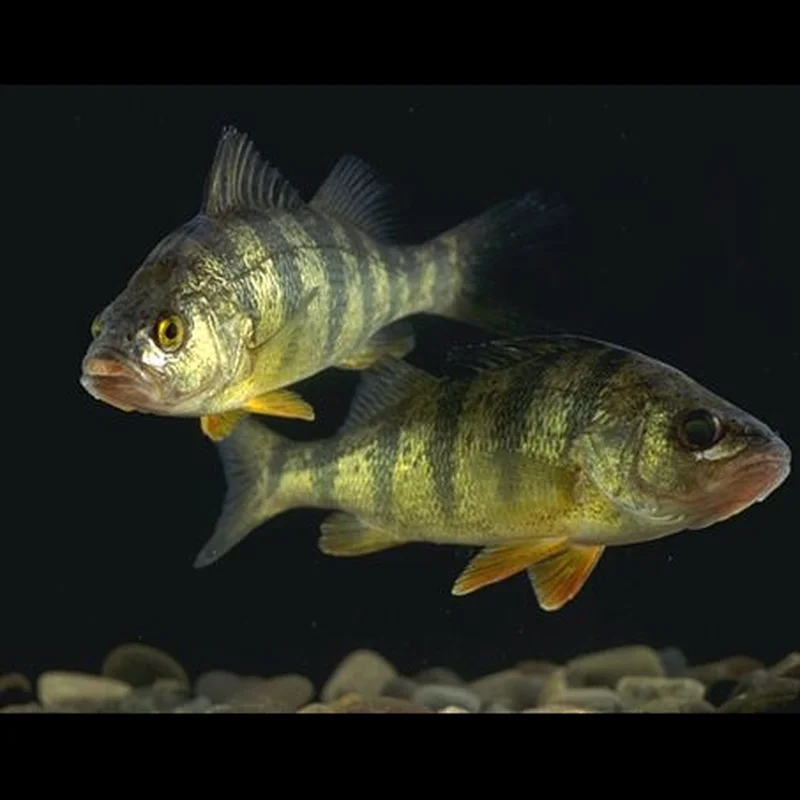
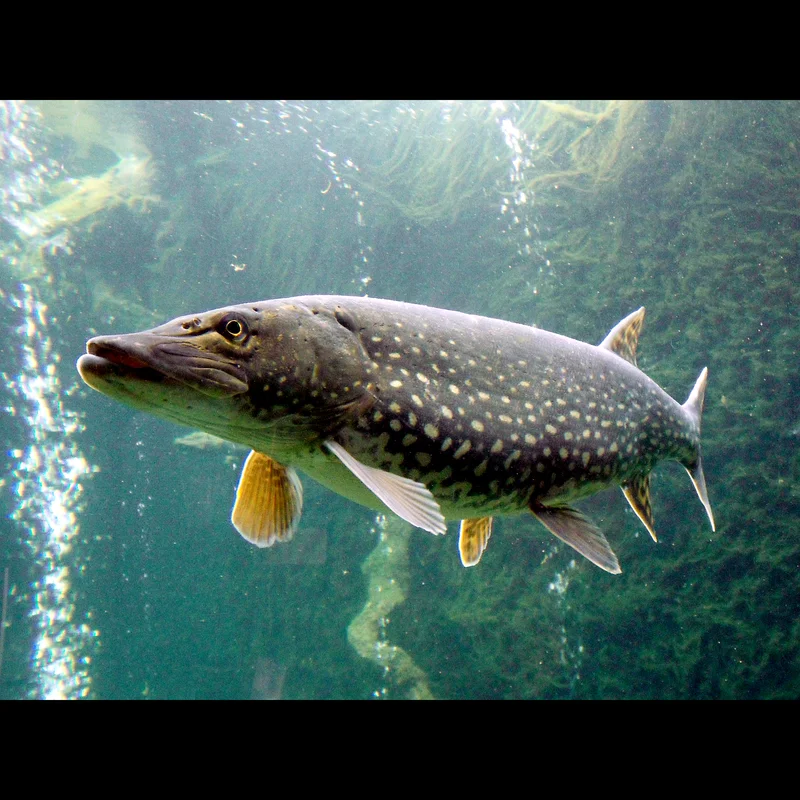
Beneath the surface, divers often encounter a diverse freshwater fish population, some of considerable size. Large trout, perch, roach, and pike are commonly observed navigating around the submerged structures.
Sturgeon are also present, adding to the variety of aquatic life. Along the quarry walls, particularly near drop-off points, divers can spot freshwater mussels clinging to the surfaces.
While the main draw for many divers remains the artificial attractions, these living inhabitants provide a natural contrast within the artificial landscape.

Dive Sites Near Capenwray
View all dive sites in United KingdomDiscover more underwater gems in this area.


Dive Centers Near Capenwray

Today: 10:00 - 17:00
Nearest Airports
Nearest airports to help plan travel to this dive area.
Search Flights
Check available flights and routes on Expedia, using the nearby airports listed in this section.
Search Flights on ExpediaFrequently Asked Questions
What type of dive site is Capernwray?
Capernwray is a freshwater inland dive site, formerly a limestone quarry. It's known for its many submerged wrecks and features, offering a unique 'underwater theme park' experience.
What is the maximum diving depth at Capernwray?
The maximum diving depth at Capernwray is 20 meters (65 ft). Wrecks and features are distributed across various depths, from shallower sections upwards.
What kind of wrecks can I see there?
You can explore various transport-themed wrecks, including small boats, a harbour minesweeper, a light plane, two helicopters, and a Hawker Siddeley 748 passenger aeroplane.
Is Capernwray suitable for beginner divers?
Yes, Capernwray is well-suited for beginners and training dives. The site offers straightforward entry and exit points, varying depths, and minimal current, making it an excellent learning environment.
What marine life can I expect to see?
Divers frequently observe large trout, perch, roach, pike, and sturgeon. Freshwater mussels are also visible on the quarry walls in certain areas.
How do I enter the water at Capernwray?
Divers have two primary entry methods: a 'giant stride' from the pier (jetty) or walking into the water down the slips located on either side of the jetty.
What are the typical water conditions like?
Being an inland freshwater quarry in the UK, the water temperatures are cool, generally requiring appropriate thermal protection like a drysuit. Visibility varies but can often be good, providing clear views of the underwater attractions.
Planning to dive Capenwray?
Send one inquiry and receive offers directly from the best verified local dive operators.
Conditions are Moderate
Optimal conditions expected
Current conditions near Capenwray show 14° air, --° sea temperature, N/A waves, and 27 km/h wind. Forecast data is refreshed regularly to ensure accuracy.