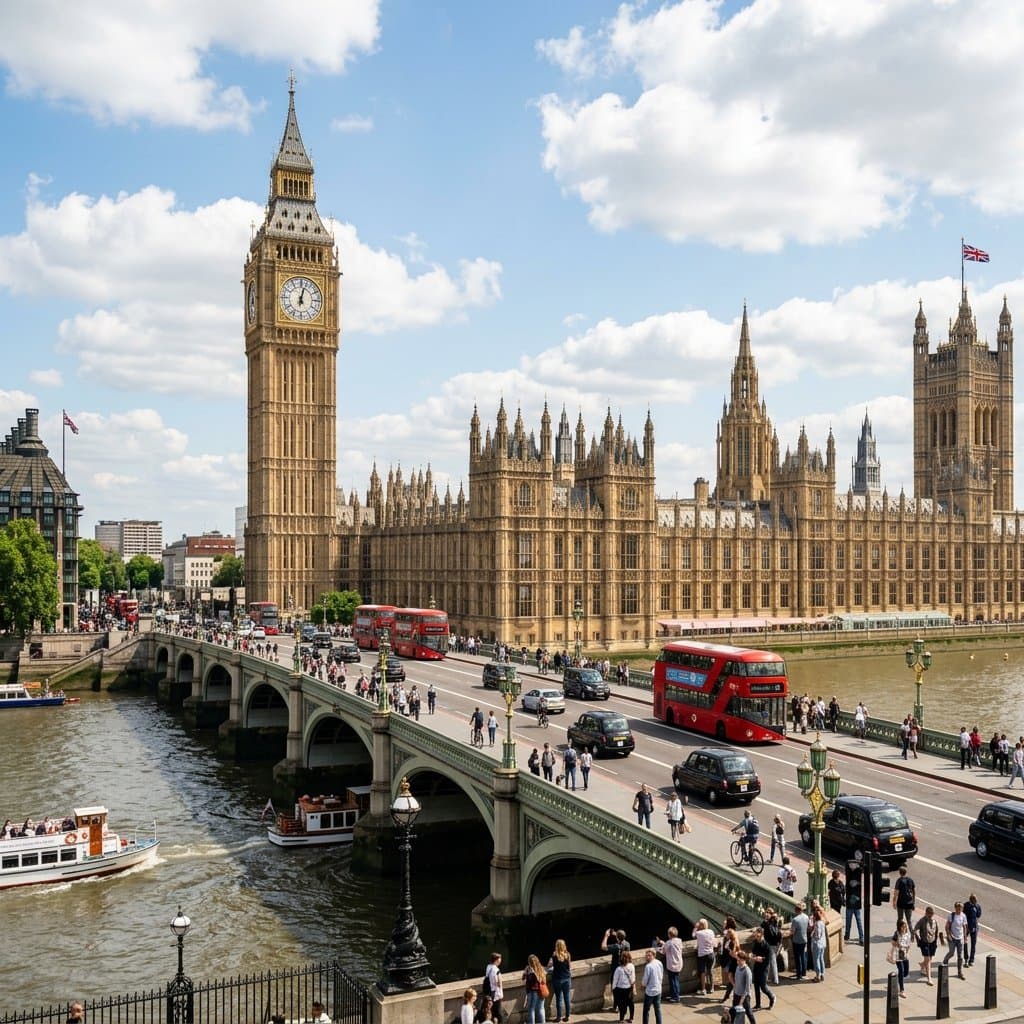
Diving in United Kingdom
Exploring dive sites in United Kingdom involves navigating different conditions, with variations in visibility, depth, and access. Our database currently contains 79 dive locations across United Kingdom.
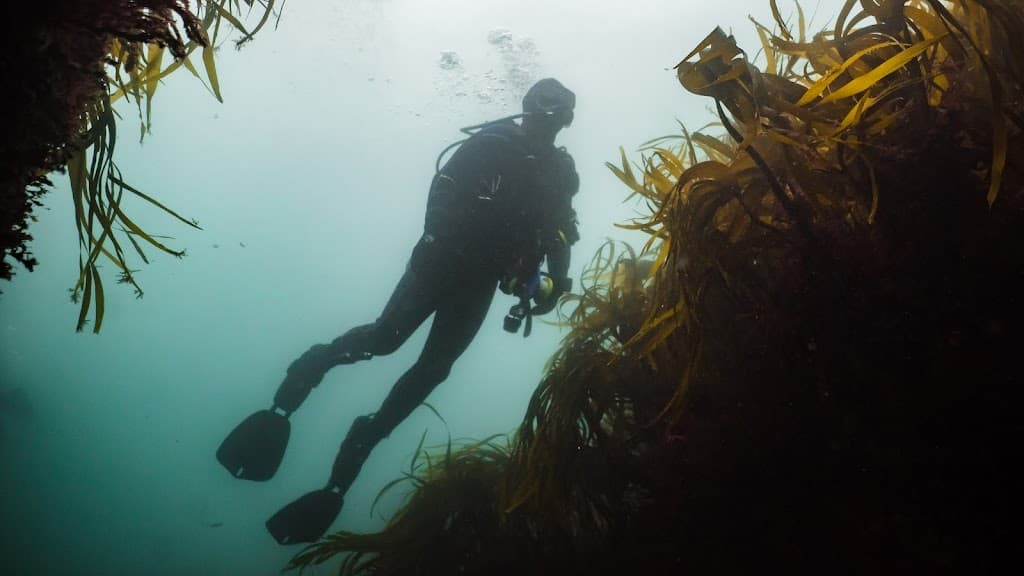
Beneath its temperate waters, the United Kingdom presents a compelling tapestry for divers, marrying rich maritime history with vibrant natural ecosystems. From challenging deep wrecks to playful seal encounters in kelp forests, the diving here is remarkably varied, drawing enthusiasts to its distinct coastal regions and inland quarries. This island nation provides a unique blend of adventure and exploration, catering to a wide range of certifications and interests.
Key hubs like Plymouth, the Orkney Islands, and the Isles of Scilly each unlock different underwater narratives. Divers can delve into historical sites such as the WWI fleet at Scapa Flow or explore designated marine conservation zones like Lundy Island, home to inquisitive Atlantic grey seals. While cold-water gear is essential, the rewards are substantial, offering a constant journey of discovery.
The underwater landscape is diverse, supporting intricate invertebrate communities, schools of fish, and dramatic wall dives. Every descent reveals a different facet of the UK's underwater identity, from shallow coastal ecosystems to significant deep technical challenges. It's a destination where history and nature converge below the waves.
Dive Map of United Kingdom
To effectively plan your diving adventure across the United Kingdom, utilizing a dive map is key for visualizing the spread of regions and notable sites. This tool helps identify clusters of dive opportunities and logistical hubs, making itinerary planning more efficient.
For example, a map will clearly show significant wreck concentrations around the Orkney Islands in Scotland and off the Cornish coast. It also highlights areas where seal encounters are prominent, such as Lundy Island in the Bristol Channel and the Farne Islands in Northumberland. Observing these distributions allows for strategic selection of a base.
Destinations like Plymouth stand out for offering a mix of wreck and reef diving. By reviewing the geographic spread of these locations, you can craft a multi-stop itinerary that perfectly aligns with your interests, whether they are historical wrecks, vibrant reefs, or marine mammal interactions.
Dive Sites to Explore
View all 79 sites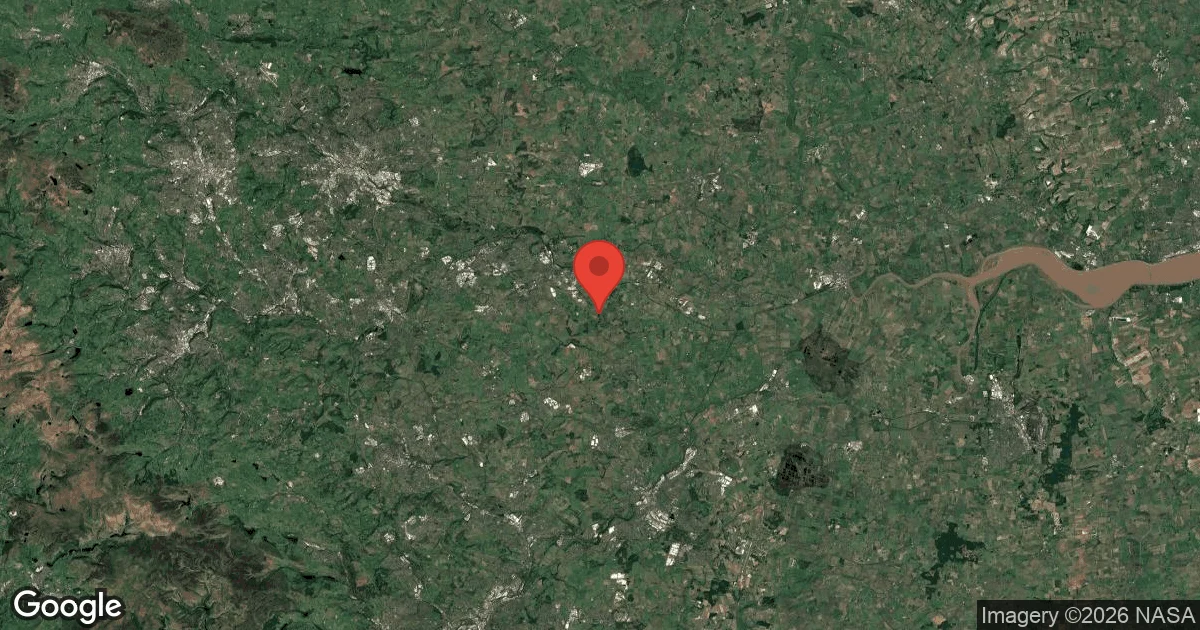
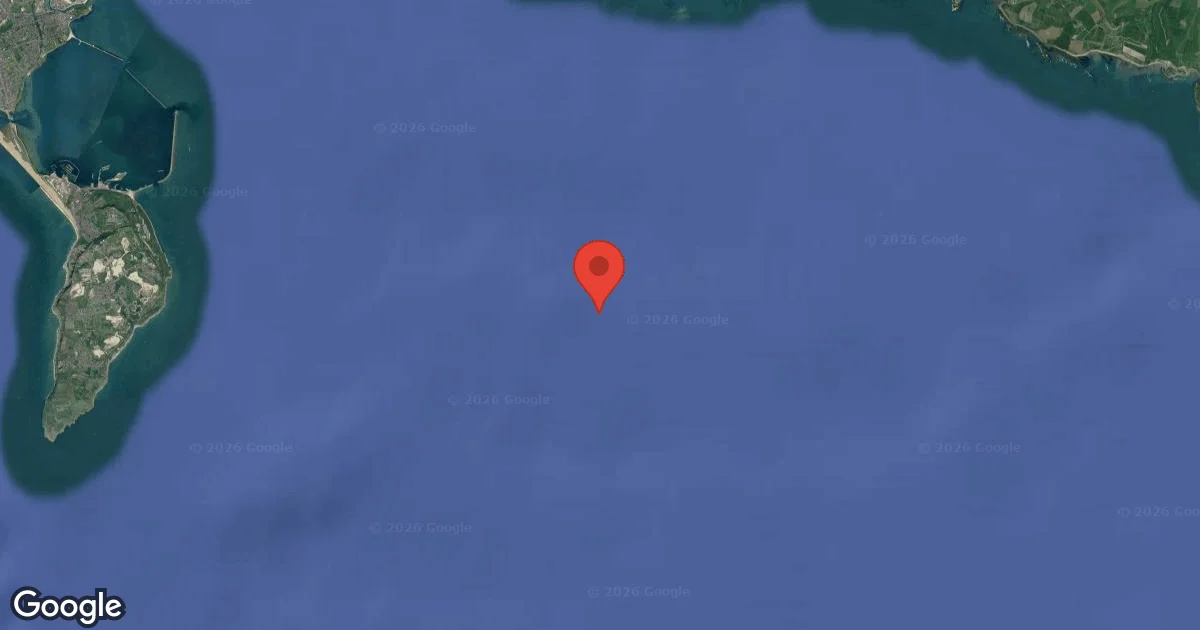
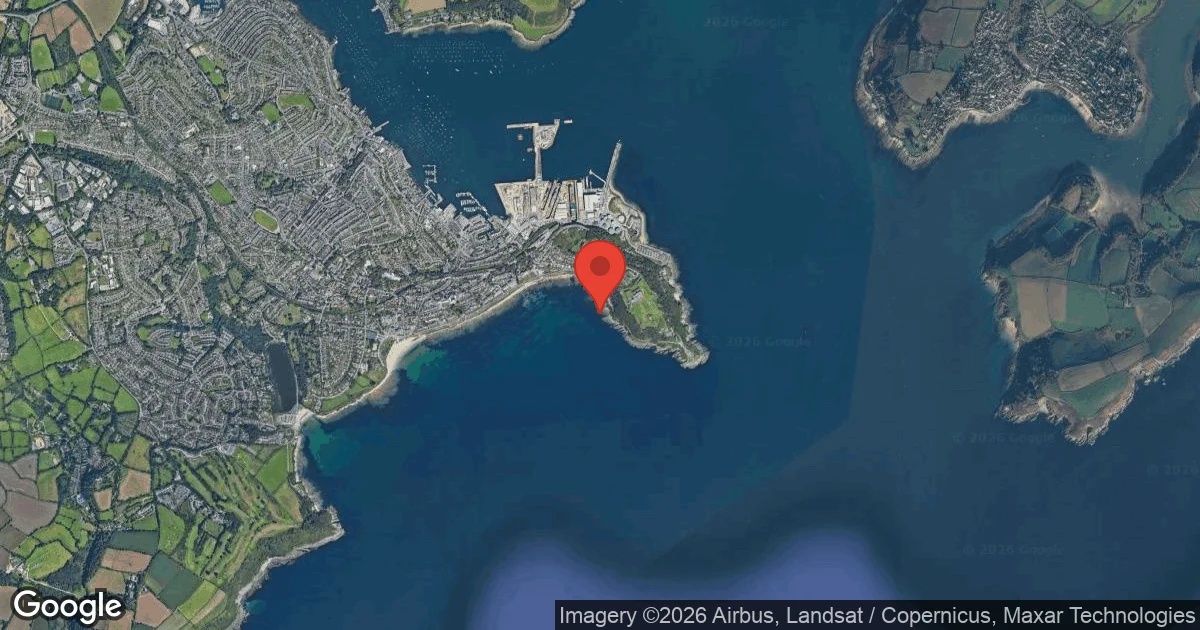
The diverse underwater landscape of this island nation offers a broad spectrum of dive sites, each with unique characteristics. The UK's extensive coastline and rich maritime heritage ensure a variety of natural reefs, wall dives, and numerous shipwrecks.
Scapa Flow, Orkney Islands, Scotland: This location is a premier historical wreck diving destination, holding the remains of a WWI German battle fleet. Divers can explore impressive vessels like the SMS Coeln (18-36 m / 60-120 ft) and the Brummer (37 m / 120 ft), offering profound historical exploration for technical divers.
Lundy Island, England: As a designated Marine Conservation Zone in the Bristol Channel, Lundy offers a blend of natural reefs, pinnacles, and wrecks. Sites like "Pinnacles" (18-25 m / 60-80 ft) are vibrant with jewel anemones and cuckoo wrasse. The resident Atlantic grey seals frequently interact playfully with divers here.
Swanage Pier, Dorset, England: This popular and accessible shore dive on the south coast is excellent for beginners and macro photographers. The pier structure acts as a thriving artificial reef, supporting abundant marine life including seahorses, cuttlefish, and various nudibranchs.
Malin Head, County Donegal, Northern Ireland: For advanced and technical divers, Malin Head provides a challenging yet rewarding experience. The area contains some of the world's largest wrecks, many starting at depths exceeding 40 m (130 ft), with strong currents common but often exceptional visibility up to 40 m (130 ft).
Best Time to Dive in United Kingdom
The optimal window for diving in the United Kingdom generally spans from May to September, offering the most favorable conditions for open-water exploration. During these months, the seas are typically calmer, and daylight hours are extended, enhancing the overall dive experience. However, the UK's diverse dive sites mean that certain locations and types of diving can be enjoyed outside this peak period.
Spring (April-May) brings an increase in marine life activity and improving visibility, though plankton blooms can occasionally reduce clarity. Water temperatures begin to rise, making conditions more comfortable. Summer (June-August) is characterized by the warmest water temperatures, reaching up to 18°C (64°F) in some areas, alongside the best mix of daylight and boat schedules. This is ideal for exploring kelp forests and offshore reefs.
Autumn (September-October) is often favored for its steadier visibility and continued warmer waters. This period is prime for seal encounters around island colonies, such as the Farne Islands and Lundy Island, where interactions can be particularly rewarding. Winter (November-March) presents colder waters, dropping to 4-7°C (39-45°F), and shorter days, but often boasts the clearest visibility, especially in inland quarries like Capernwray, which offers consistent conditions year-round. While surface weather can be unpredictable, diligent planning allows for year-round diving in various sheltered locations.
Monthly Sea Temperatures
Diver comfort in the United Kingdom's waters necessitates appropriate thermal protection, as sea temperatures remain cool to cold throughout the year. Generally, water temperatures range from 5°C to 18°C (41°F to 64°F), with significant seasonal and regional variations.
During the peak summer months, from June to October, temperatures typically range between 10-18°C (50-64°F) across most coastal areas. Specific locations like Lundy Island can see summer highs around 16°C (60°F), while the Channel Islands might experience a slightly warmer 15-20°C (59-68°F). Inland quarries like Capernwray can surprisingly reach up to 19°C (66°F) in summer, offering a milder experience.
As winter approaches, from November to March, temperatures drop considerably, often dipping to 4-7°C (39-45°F). Northern regions, such as Scapa Flow in the Orkney Islands, average around 6°C (43°F) during winter. These colder conditions make drysuits a practical necessity for extending bottom time and maintaining comfort, allowing divers to explore the UK's exceptional wrecks and marine life year-round.
| Jan | Feb | Mar | Apr | May | Jun | Jul | Aug | Sep | Oct | Nov | Dec | |
|---|---|---|---|---|---|---|---|---|---|---|---|---|
| Max | 9° | 8° | 8° | 9° | 10° | 13° | 16° | 15° | 14° | 13° | 12° | 11° |
| Avg | 8° | 7° | 7° | 8° | 9° | 12° | 13° | 14° | 13° | 12° | 11° | 9° |
| Min | 7° | 6° | 6° | 7° | 8° | 10° | 11° | 12° | 12° | 11° | 10° | 8° |
Dive Conditions
Dive conditions in the United Kingdom are largely influenced by depth profiles, local tides, and seasonal changes, impacting both visibility and currents. Shallow coastal reefs and kelp forests may experience more variable visibility due to sediment and plankton, while deeper offshore wrecks or wall dives can offer clearer views.
Visibility typically ranges from 2 m (7 ft) in murkier conditions to an impressive 15-25 m (50-80 ft) on clearer days, especially in locations like Lundy Island or the North Atlantic. Visibility often peaks during slack tides and plankton-free periods, particularly in late summer, autumn, and winter. Inland sites, such as Capernwray, are fed by limestone springs, resulting in clear diving conditions year-round, often unaffected by surface weather.
Currents are a significant factor, especially in areas like the English Channel or around exposed headlands. While some sites like Holy Island offer protected coves with mild currents suitable for beginners, other locations, such as Malin Head, are known for strong currents, requiring advanced diving experience. Planning dives around slack water is crucial for many sites to ensure a safe and enjoyable experience, particularly for wreck penetration or exploring delicate reef structures.
Marine Life Highlights
Most Mentioned Species
Marine life in United Kingdom varies across dive locations, with different species appearing depending on environment and conditions. The species highlighted here are the most frequently associated with dive sites in our data, offering a realistic overview of what divers are most likely to encounter.
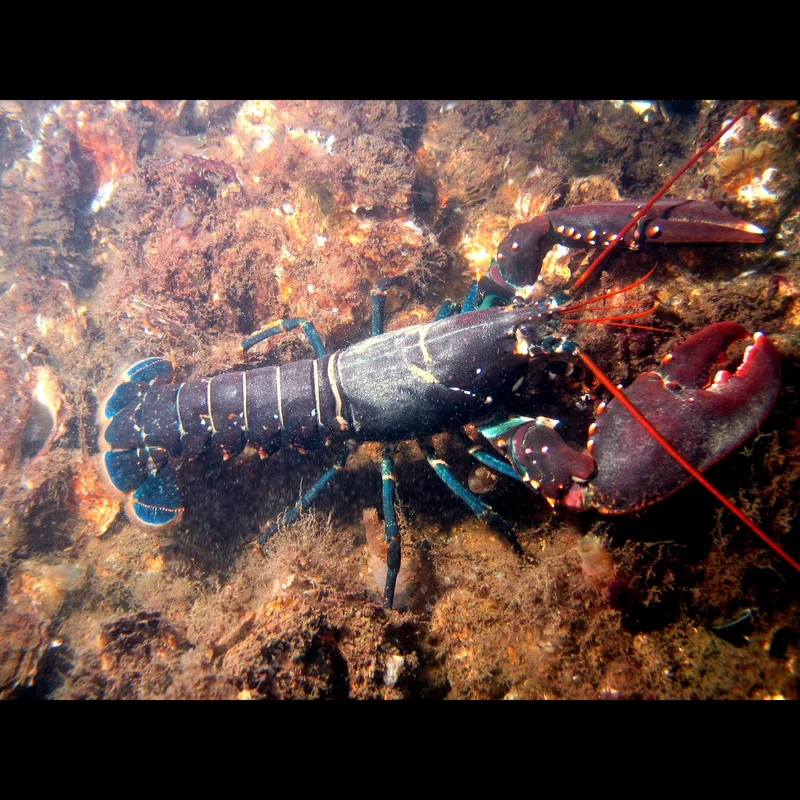
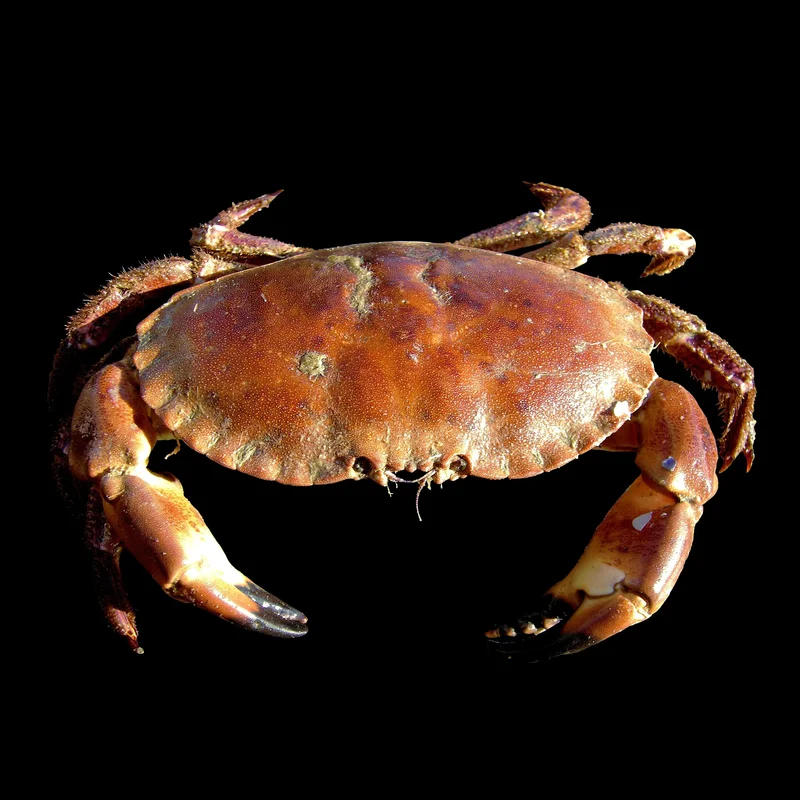
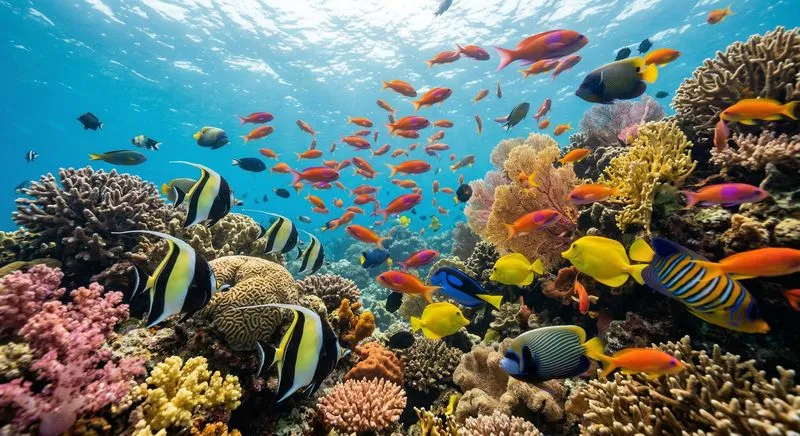
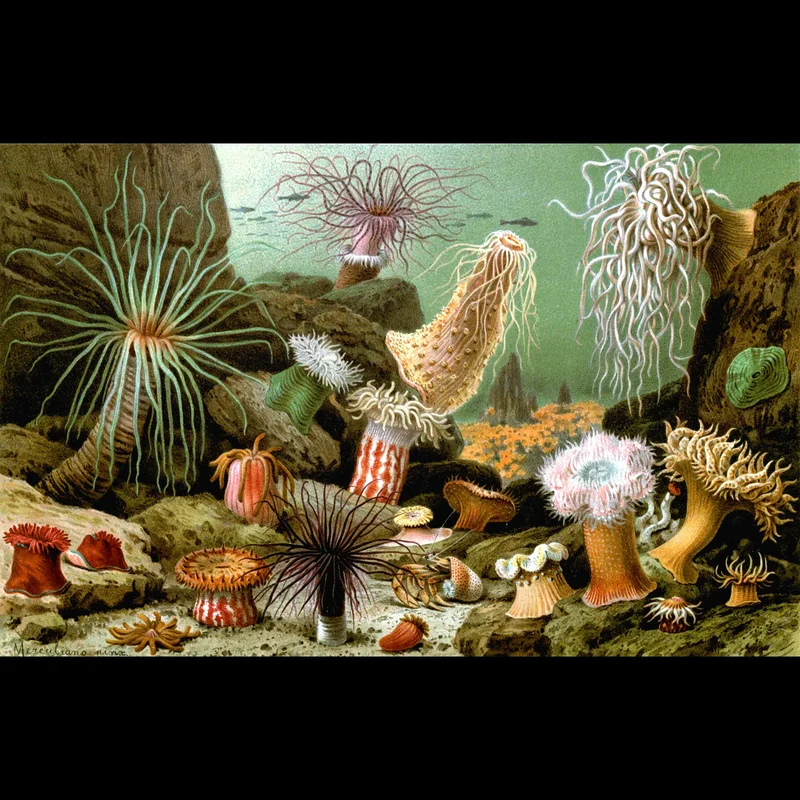
The United Kingdom's diverse underwater habitats, from expansive kelp forests and rocky reefs to historic wrecks and mysterious sea lochs, support an extremely rich tapestry of marine life. Each ecosystem offers unique encounters, making the cold-water diving experience highly rewarding.
Kelp forests and shallow reefs are bustling with activity, featuring colorful jewel anemones, soft corals like Dead Man’s Fingers, and a variety of fish such as cuckoo wrasse, ballan wrasse, and the feisty tompot blenny. Invertebrates like lobsters, edible crabs, spider crabs, and numerous species of nudibranchs can be found clinging to rocks and wrecks. Wrecks themselves become artificial reefs, providing shelter for conger eels, silver pollock, and schools of bib.
Iconic encounters include diving with Atlantic grey seals, especially around their colonies in the Farne Islands and Lundy Island, where they are known for their playful and curious nature. Divers may also spot dolphins and porpoises in open waters. For those lucky enough, the larger pelagic species like basking sharks, blue sharks, and sunfish migrate through UK waters, particularly off the west coasts during warmer months, adding a thrilling dimension to the marine life spectacles.
Regions for Diving
Exploring the United Kingdom's underwater regions reveals distinct diving experiences, each shaped by unique topography and marine ecosystems. From the historic battlegrounds of Scapa Flow to vibrant coastal reefs and seal havens, the country presents a varied underwater tapestry.
Orkney Islands (Scotland): Scapa Flow is a premier destination for historical wreck diving, preserving a WWI German battle fleet including the SMS Coeln and Brummer. These large, intact vessels attract divers globally, with conditions often challenging due to cold waters, averaging 6°C (43°F) in winter. However, visibility can be exceptional, up to 25 m (80 ft), allowing for year-round exploration, with summer offering warmer temperatures.
Northumberland & Farne Islands (England): This area is a key location for marine life encounters, especially its substantial colony of Atlantic grey seals, numbering around 6,000. Divers can interact with these curious animals amidst kelp forests and rocky reefs. The Farne Islands feature wall dives adorned with colorful anemones and soft corals. Water temperatures reach around 14°C (57°F) in summer, dropping to 4°C (39°F) in winter. Visibility typically averages 5-7 m (16-23 ft), with clearer periods.
South West England (Cornwall, Devon, Isles of Scilly, Lundy Island, Plymouth): This extensive region provides a broad spectrum of diving. Cornwall offers colorful reefs like The Manacles and historic wrecks. Devon includes sites such as Eddystone Reef, adorned with jewel anemones, and numerous wrecks around Plymouth Sound. The Isles of Scilly feature anemone-encrusted granite walls and multi-wreck dives. Lundy Island, a marine conservation zone in the Bristol Channel, is a significant site for its grey seal colony, pinnacles, and wrecks like The Robert (18-25 m / 60-80 ft), with visibility up to 15 m (50 ft). Summer water temperatures can reach 16°C (60°F).
Pembrokeshire (Wales): This region hosts marine reserves like Skomer Island, providing opportunities to observe seals, dolphins, and a diverse range of fish and invertebrates. Dive sites such as HMS Whirlwind (31-36 m / 100-120 ft) offer wreck diving. Its rugged coastline supports both boat and shore diving, with summer water temperatures typically in the 10-18°C (50-64°F) range.
Travel & Passport Guide
Travel Basics
Trip Planning
Safety & Diving Considerations
Navigating the United Kingdom's underwater environments safely often necessitates proactive planning and a suitable level of certification and experience. While certain sheltered shore dives, such as Swanage Pier or Holy Island, accommodate beginners with mild currents, many offshore locations and historical wrecks require advanced training due to depth, strong currents, and cooler water temperatures.
Divers must be proficient in cold-water techniques and equipped with appropriate thermal protection, ideally a drysuit, given that water temperatures range from 4°C to 18°C (39°F to 64°F). Strong currents and fast tides are common in many coastal areas and the English Channel. This makes careful dive planning around slack water crucial for safety and enjoyment.
Always consult with local dive centers and guides; they offer invaluable knowledge of site-specific conditions, entry/exit points, and tidal patterns. These experts can also advise on necessary visitor licenses for protected wrecks, like the Wreck of the Colossus, ensuring a compliant and safe diving experience.
Dive Centers in United Kingdom
View all 30 dive centers

Frequently Asked Questions
What is the best time of year to go diving in the UK?
The optimal diving season in the UK is generally from May to September. These months offer the warmest water temperatures, typically ranging from 10-18°C (50-64°F), longer daylight hours, and often calmer seas. Late summer and early autumn are particularly good for visibility and marine life activity, including seal encounters. While open-water diving is best in summer, inland quarries like Capernwray provide clear, consistent conditions year-round, offering an alternative during colder months.
What kind of marine life can I expect to see while diving in the UK?
The UK's waters are surprisingly rich in marine life. Divers can expect to encounter playful Atlantic grey seals, especially around the Farne Islands and Lundy Island. Reefs and kelp forests teem with colorful jewel anemones, soft corals, lobsters, crabs, and a variety of fish like wrasse, cod, and blennies. Wrecks are home to conger eels, silver pollock, and unique invertebrates. Lucky divers might also spot larger species such as dolphins, porpoises, blue sharks, and even basking sharks off the west coasts during summer.
Are there good wreck diving opportunities in the United Kingdom?
Absolutely, the UK offers exceptional wreck diving opportunities. Its long maritime history and two World Wars have left thousands of shipwrecks scattered across its coastlines. Scapa Flow in the Orkney Islands is a prime example, presenting an entire WWI German battle fleet, including cruisers and battleships. Other notable wrecks include the M2 submarine in Lyme Bay, the Wreck of the Colossus in the Isles of Scilly, and numerous historical vessels around Plymouth. These sites cater to various experience levels, from shallow coastal steamers to deep technical dives.
What are the typical water temperatures for diving in the UK?
UK water temperatures vary significantly by season and region. During summer (June-October), temperatures generally range from 10-18°C (50-64°F), with some sheltered areas or inland quarries reaching up to 19°C (66°F). In winter (November-March), temperatures drop to 4-7°C (39-45°F), particularly in northern regions like Scapa Flow. Due to these consistently cool to cold conditions, divers typically wear drysuits or thick wetsuits (7mm or more) to ensure comfort and maximize bottom time.
What are the typical visibility ranges in UK dive sites?
Visibility in the UK can be quite variable, ranging from 2 m (7 ft) in some coastal areas to an impressive 25 m (80 ft) in clearer offshore locations. It is often best during slack tides and outside of plankton blooms, which can occur in spring and late summer. Winter months, despite the cold, often bring the clearest water due to reduced plankton. Inland quarries, like Capernwray, are known for their consistently clear conditions, often unaffected by surface weather, providing reliable visibility for training and exploration.