
Diving at St.Andrews Lake (United Kingdom)
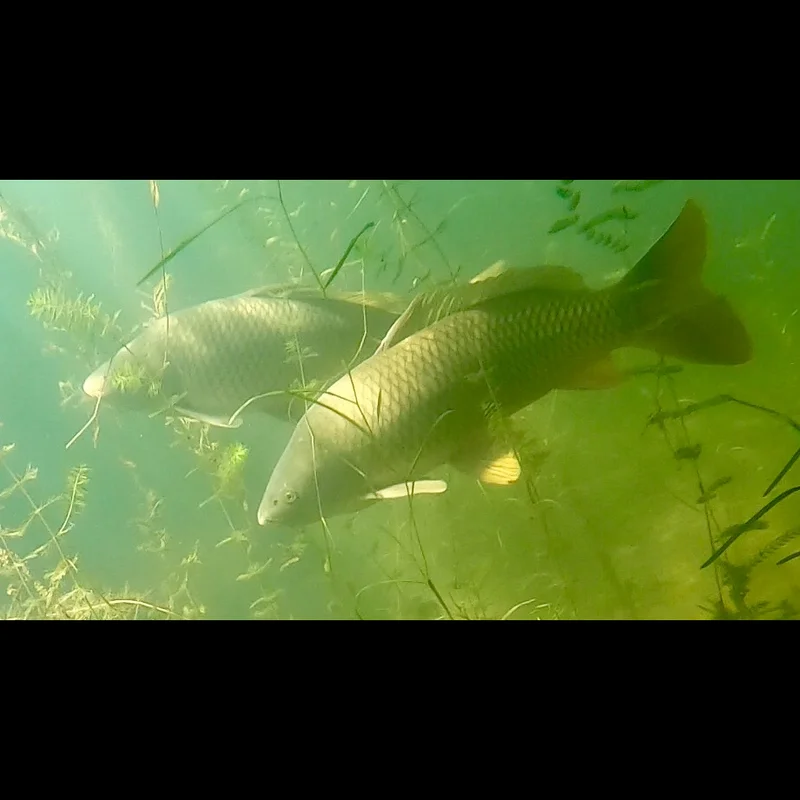
St. Andrews Lake, a former chalk quarry in Kent, presents a freshwater dive site distinct from typical UK coastal dives. Its underwater landscape is sculpted not just by nature but by a fascinating collection of sunken attractions. While not a coral reef, the lake hosts carp and other aquatic life alongside purpose-sunk objects. This unique environment caters to divers seeking an unconventional experience.
The latest environmental reading at St.Andrews Lake indicates an air temperature of 18°C. The regional climate in United Kingdom is aligning with expected historical averages. Prepare your gear according to these specific local conditions.
Dive Site Location & Key Facts
Dive Site Overview
Navigating St. Andrews Lake offers a distinctly different freshwater diving experience. This deep, former chalk quarry plunges to impressive depths, reaching up to 35 m / 115 ft, setting it apart as one of the deeper inland sites in southeast England.
Divers historically explored an array of deliberately placed underwater attractions. These ranged from smaller curiosities like a post box and platforms at various depths to substantial structures such as a plane fuselage, a collection of trucks, vans, a caravan, and even a double-decker bus and a yacht.
Entering the water was via a convenient jetty with steps, with the entry point starting around 1.5 meters before the bottom rapidly drops away. Conditions typically involved an average visibility of 3 meters, though this could fluctuate and was particularly susceptible to being reduced by fin kicks due to the chalk-based sediment.
It's important for planning divers to be aware that St. Andrews Lake is currently reported as closed to scuba divers for the foreseeable future. This closure significantly impacts any potential dive plans for this otherwise adventurous site.
Conditions are Moderate
Optimal conditions expected
Current conditions near St.Andrews Lake show 18° air, --° sea temperature, N/A waves, and 29 km/h wind. Forecast data is refreshed regularly to ensure accuracy.
Best Time to Dive
Considering a dive at St. Andrews Lake, historical data shows a consistent "Good" dive score throughout the year, suggesting favorable air conditions for shore-based operations in all seasons. Air temperatures vary widely, from around 4.5°C / 40°F in January to a pleasant 18°C / 64°F in July and August. However, even with consistent dive scores, the lake's water temperature can be significantly colder, reportedly around 6°C / 43°F at depth, contrasting sharply with surface air temps. Rain is present year-round, with slightly lower averages during late spring and summer months (May, June, August), potentially offering more comfortable surface intervals. Despite these general trends, current information indicates that St. Andrews Lake is closed to scuba divers for the foreseeable future.
PEAK SEASON SCORE
Scores combine air & water temps, waves, wind & rainfall for overall conditions.
BEST MONTHS TO DIVE
Monthly records compiled from satellite and marine observation nodes over the last 3 years. Data provided by Open-Meteo and MET Norway.
Dive Experience & Conditions
Dropping into St. Andrews Lake reveals a unique depth profile, swiftly descending from a shallow entry point to its maximum depth. This rapid change in depth makes it an engaging site for advanced divers comfortable with deeper freshwater environments and cooler temperatures. Water temperatures at depth are typically cold, reported around 6°C / 43°F, necessitating appropriate thermal protection. There are no notable currents, allowing divers to explore the various sunken attractions without drift. Visibility can fluctuate, averaging 3 meters, but is easily reduced if divers are not mindful of buoyancy control, as the chalky bottom readily gets stirred up. Navigating the multiple platforms, vehicles, and the plane fuselage demands good trim and attention to detail, especially when visibility is limited.
Dive Difficulty & Safety Guidelines
Navigating the depths of St. Andrews Lake presents specific challenges for divers. Advanced certification is recommended due to the rapid descent to its deeper areas and the cold water conditions at depth. Maintaining excellent buoyancy control is crucial to avoid disturbing the chalky silt, which can quickly reduce visibility from its average of 3 meters.
While no strong currents exist, careful planning is necessary for deeper, colder dives, emphasizing proper thermal protection. Paying attention to any site-specific opening hours or access rules would have been essential.
However, the most significant current guideline is that St. Andrews Lake is presently closed to scuba diving for the foreseeable future.
Recommended Equipment
- Dive Computer
This gear list is based on verified equipment signals for St.Andrews Lake, United Kingdom. Always confirm final gear choices with your dive operator, guide, or liveaboard.
Recommended Dive Suit
With water temperatures around 18°C (64°F), many divers find a a 5mm or thicker wetsuit provides comfortable protection.
Divers performing multiple dives may appreciate slightly warmer protection later in the day.
Weather patterns are currently shifting, so expect some variability in conditions. A warming trend is expected over the next few days.
Emergency & Medical Support
Essential information to help you plan your dive trip to St.Andrews Lake.

Hyperbaric chambers are a critical part of dive safety infrastructure. Availability varies significantly by region, and not all dive areas have immediate access.
Before diving, it's recommended to:
- confirm nearest medical facilities
- check emergency procedures with local dive operators
- ensure dive insurance covers evacuation if required
Divers Alert Network
Diving emergency assistance available through DAN Europe.
+39 0642115685- 24/7 emergency hotline
- Diving medical assistance
- Evacuation coordination
Emergency contacts are provided for reference. Always verify local emergency services before diving.
Closest Listed Hyperbaric Chambers
Showing listed hyperbaric chamber facilities within 200 km of this dive site.
Distances are approximate straight-line distances and may not reflect emergency travel time.
London Hyperbaric Medicine
Leytonstone, London, United Kingdom•Approx. 39 km straight-line
London Hyperbaric Medicine
Information is provided for reference and planning purposes only. Dive Navigator does not verify operational status, staffing, availability, or quality of care at listed facilities. In an emergency, contact local emergency services, DAN, your dive operator, or the chamber directly. Do not travel to a facility without calling ahead.
Hyperbaric Medicine Unit, St Richard’s Hospital
24/7 ListedChichester, United Kingdom•Approx. 102 km straight-line
Hyperbaric Medicine Unit, St Richard’s Hospital
24/7 ListedInformation is provided for reference and planning purposes only. Dive Navigator does not verify operational status, staffing, availability, or quality of care at listed facilities. In an emergency, contact local emergency services, DAN, your dive operator, or the chamber directly. Do not travel to a facility without calling ahead.
East of England Hyperbaric Unit
Great Yarmouth, Norfolk, United Kingdom•Approx. 160 km straight-line
East of England Hyperbaric Unit
Information is provided for reference and planning purposes only. Dive Navigator does not verify operational status, staffing, availability, or quality of care at listed facilities. In an emergency, contact local emergency services, DAN, your dive operator, or the chamber directly. Do not travel to a facility without calling ahead.
Marine Life at St.Andrews Lake
Upon descending into St. Andrews Lake, divers are immediately drawn to the distinct array of sunken objects that define this site. Beyond these intriguing man-made features, the lake supports its own natural inhabitants.
While not boasting tropical diversity or vibrant coral ecosystems, the primary observed marine life predominantly includes various species of carp. These resilient freshwater fish can be seen navigating around the platforms, abandoned vehicles, and other unique attractions, adding a subtle yet dynamic element to the often-overlooked underwater scenery.
Dive Sites Near St.Andrews Lake
View all dive sites in United KingdomDiscover more underwater gems in this area.
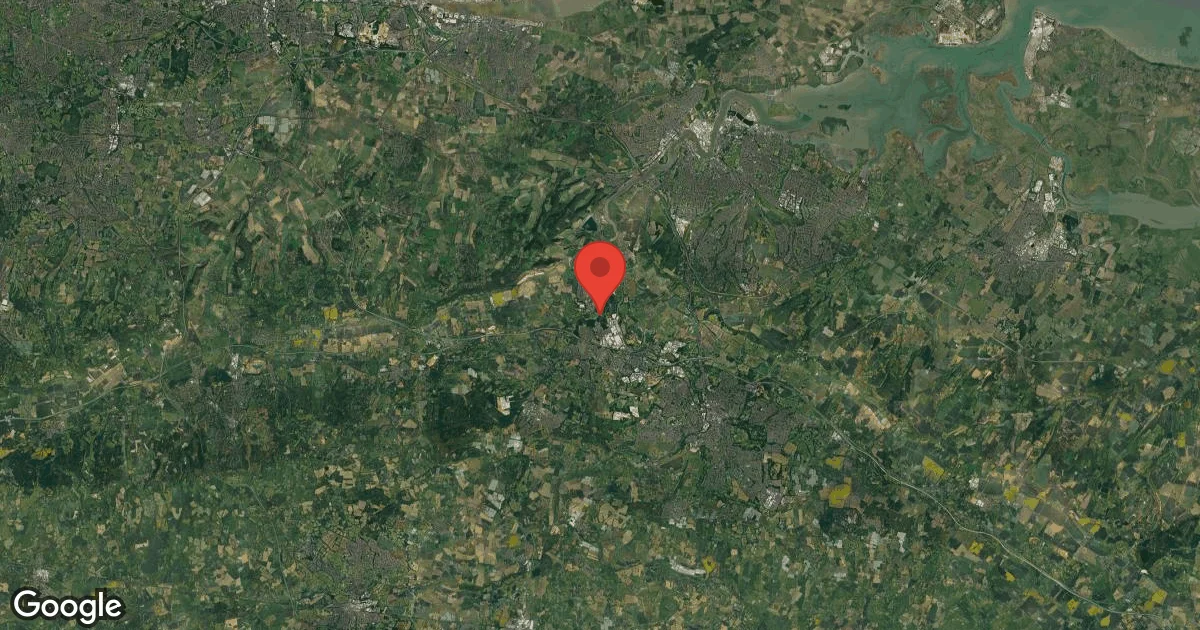
Dive Centers Near St.Andrews Lake
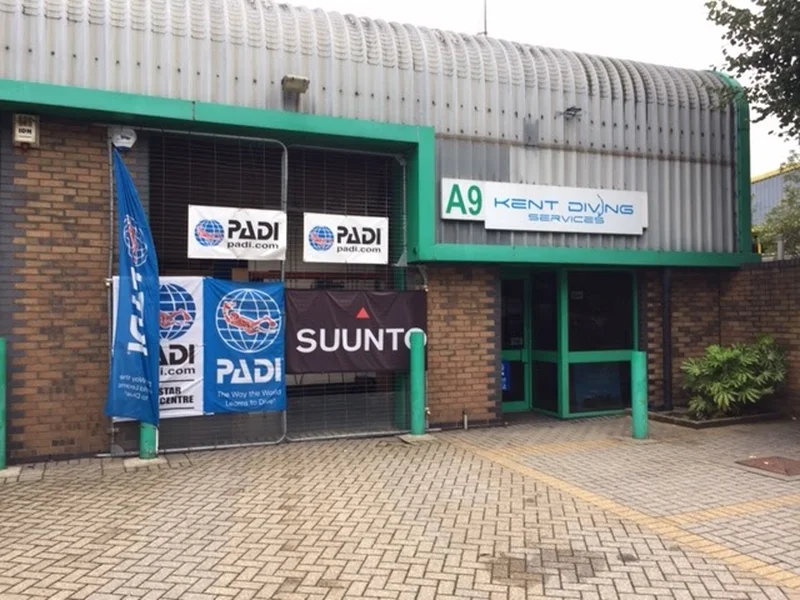
Today: 09:00 - 17:00


Nearest Airports
Nearest airports to help plan travel to this dive area.
Search Flights
Check available flights and routes on Expedia, using the nearby airports listed in this section.
Search Flights on ExpediaFrequently Asked Questions
What is the maximum depth at St. Andrews Lake?
The lake reaches a maximum depth of 35 m / 115 ft, making it one of the deeper inland dive sites in the region. This depth profile makes it suitable for advanced divers.
What kind of underwater attractions can be found there?
The lake features a wide variety of sunken objects, including a small plane, several trucks and vans, a double-decker bus, a yacht, and numerous platforms. These features offer interesting navigation challenges.
What is the typical water visibility?
Visibility at St. Andrews Lake averages around 3 meters, but it can vary. The chalky bottom is easily disturbed, potentially reducing visibility further with poor buoyancy.
What are the water temperatures like?
Water temperatures, especially at deeper levels, are consistently cold, reportedly around 6°C / 43°F. This necessitates substantial thermal protection for divers.
Is St. Andrews Lake suitable for beginner divers?
St. Andrews Lake is generally recommended for PADI Advanced Open Water divers or higher. Its depth, cold temperatures, and potential for limited visibility present challenges beyond entry-level certification.
Is St. Andrews Lake currently open for diving?
Current information indicates that St. Andrews Lake is closed to scuba divers for the foreseeable future. It's crucial for divers to verify operational status directly with site management before making any plans.
Planning to dive St.Andrews Lake?
Send one inquiry and receive offers directly from the best verified local dive operators.
Conditions are Moderate
Optimal conditions expected
Current conditions near St.Andrews Lake show 18° air, --° sea temperature, N/A waves, and 29 km/h wind. Forecast data is refreshed regularly to ensure accuracy.