
Diving at Trearddurr Bay (United Kingdom)
Trearddur Bay offers a refreshing shore diving experience, particularly suitable for those seeking uncomplicated dives. It’s a site that rewards careful timing with clear conditions and relaxed exploration. Divers often find this a welcome change from more complex excursions, reminding them of the fundamental joys of underwater discovery. The bay serves as an ideal setting for sheltered water training or simply enjoying a leisurely dive in its calmest moments.
Evening condition tracking at Trearddurr Bay features an air temperature of 14.5°C. We have recorded wave heights measuring 1.3 m during this period. These figures outline the environmental parameters currently present.
Dive Site Location & Key Facts
Dive Site Overview
The underwater landscape at Trearddur Bay primarily features a gently sloping seabed, transitioning from sandy expanses to areas with rock formations. Dives are typically shallow, often ranging from 3-5 meters / 10-16 feet, making it an accessible location for various skill levels.
Some excursions might extend to the edge of a gulley before cutting across to the western flank. This creates a diverse environment, with flat, open areas adjacent to more structured rocky habitats. The bay's natural contours offer sheltered zones, which are often utilized for initial training or introductory dives.
Conditions can vary, so assessing the site from shore is key before entering. During calmer periods, visibility can extend up to 8 meters / 26 feet, even on a spring tide, though it's not consistently at this level.
When swell picks up, entry and overall conditions can deteriorate rapidly, necessitating a flexible dive plan. Water temperatures, while not consistently reported, have been observed around 17°C / 63°F in warmer months, making for comfortable shallow dives.
Conditions are Poor
High Swell Advisory. Not recommended.
Current conditions near Trearddurr Bay show 15° air, 16° sea temperature, 2.0 m waves, and 47 km/h wind. Forecast data is refreshed regularly to ensure accuracy.
Best Time to Dive
Optimizing for visibility at Trearddur Bay often means targeting periods of settled weather and careful tide planning. Generally, May and June stand out as prime months for diving, with the highest 'Good' dive scores (8/10) in available climate data. During these months, wave heights are typically lower, averaging around 0.8-1.0 meters, and wind speeds are reduced (20-24 km/h), contributing to clearer water. Rain also tends to be minimal, around 2.0-2.3 mm, reducing runoff and improving underwater clarity. While summer months like July and August see the highest air temperatures, averaging 15.5-16°C / 60-61°F, dive scores drop slightly to 'Moderate' (6/10) due to potentially increased wave action or local weather patterns. Divers report experiencing excellent visibility, sometimes several meters, during favorable summer conditions. Planning dives around slack high tide is frequently recommended to maximize clarity and ease of entry.
PEAK SEASON SCORE
Scores combine air & water temps, waves, wind & rainfall for overall conditions.
BEST MONTHS TO DIVE
Monthly records compiled from satellite and marine observation nodes over the last 3 years. Data provided by Open-Meteo and MET Norway.
Dive Experience & Conditions
Dropping into Trearddur Bay often presents a calm, unassuming entry, especially during optimal conditions. An initial sensation of gentle immersion into a relatively shallow environment often greets divers. Exploring, soft sand underfoot gradually gives way to intriguing rocky outcrops. You might feel a sense of intimate discovery, navigating between kelp fronds and observing smaller, camouflaged marine life. Water temperatures can be bracing in cooler months, but a "lovely 17°C / 63°F" has been noted in summer, allowing for more relaxed diving without thick gloves. Visibility can be a delight, offering clear views of immediate surroundings, sometimes surprising with its reach. However, be prepared for conditions to shift; the bay can transition from tranquil to challenging quickly if swell increases, creating a noticeable push and pull. Usually, an experience of serene, exploratory shore diving unfolds, ideal for refining skills or enjoying a straightforward immersion.
Dive Difficulty & Safety Guidelines
Navigating conditions at Trearddur Bay demands a diligent approach to safety. A primary consideration involves the potential for increased swell, which can rapidly make entries and exits unsafe. Always conduct a thorough surface risk assessment of the bay's conditions before entering the water.
Strong tidal currents present another factor, so timing dives for slack water, particularly around high tide, is crucial for an enjoyable and safe experience. Local dive shops or experienced divers can provide up-to-date information on current conditions and optimal dive times.
Due to variable visibility, especially after periods of unsettled weather, maintaining close buddy contact is essential. For any planned training or try dives, ensuring adequate supervision from qualified instructors is paramount.
Recommended Equipment
- Dive Computer
- Hard-soled Dive Boots
This gear list is based on verified equipment signals for Trearddurr Bay, United Kingdom. Always confirm final gear choices with your dive operator, guide, or liveaboard.
Recommended Dive Suit
Repeated dives during the same day can gradually reduce overall body warmth.
Environmental readings suggest that the waters surrounding Trearddurr Bay are about 16°C (61°F) at the moment. Surface air temperatures are resting at 15°C (58°F). Divers spending extended time underwater often rely on 5-7mm wetsuit for balanced warmth and flexibility. Consider warmer surface protection (like a boat coat) due to brisk winds. A thermal robe or jacket is recommended between dives.
The forecast outlook suggests that temperatures will stay close to current levels.
Emergency & Medical Support
Essential information to help you plan your dive trip to Trearddurr Bay.

Hyperbaric chambers are a critical part of dive safety infrastructure. Availability varies significantly by region, and not all dive areas have immediate access.
Before diving, it's recommended to:
- confirm nearest medical facilities
- check emergency procedures with local dive operators
- ensure dive insurance covers evacuation if required
Divers Alert Network
Diving emergency assistance available through DAN Europe.
+39 0642115685- 24/7 emergency hotline
- Diving medical assistance
- Evacuation coordination
Emergency contacts are provided for reference. Always verify local emergency services before diving.
Closest Listed Hyperbaric Chambers
Showing listed hyperbaric chamber facilities within 200 km of this dive site.
Distances are approximate straight-line distances and may not reflect emergency travel time.
N W Emergency Recompression Unit
Thingwall Wirral, United Kingdom•Approx. 102 km straight-line
N W Emergency Recompression Unit
Information is provided for reference and planning purposes only. Dive Navigator does not verify operational status, staffing, availability, or quality of care at listed facilities. In an emergency, contact local emergency services, DAN, your dive operator, or the chamber directly. Do not travel to a facility without calling ahead.
Marine Life at Trearddurr Bay
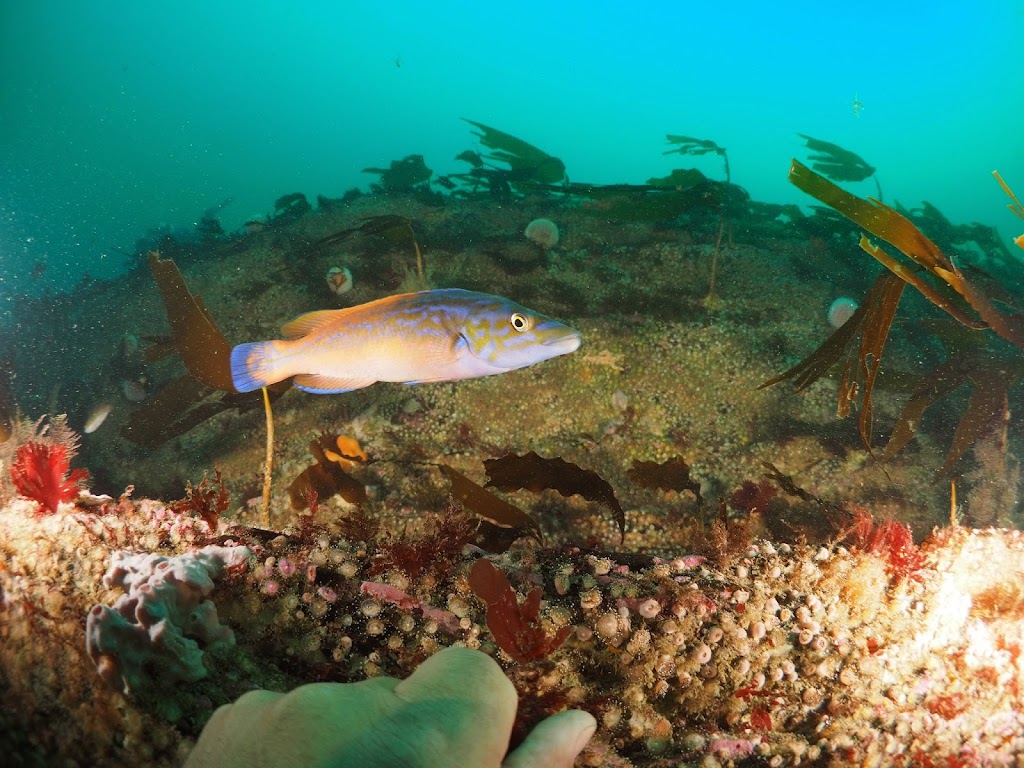
A shallow, mixed-habitat landscape at Trearddur Bay supports a diverse array of marine life, often visible close to rocky features. Divers frequently encounter species like wrasse, including the colorful Corkwing Wrasse, navigating among kelp and rocks.
Flatfish such as plaice and flounder are typically observed resting on the sandy bottom, blending seamlessly with their surroundings. Pollack are also a common sight, often seen cruising through the water column.
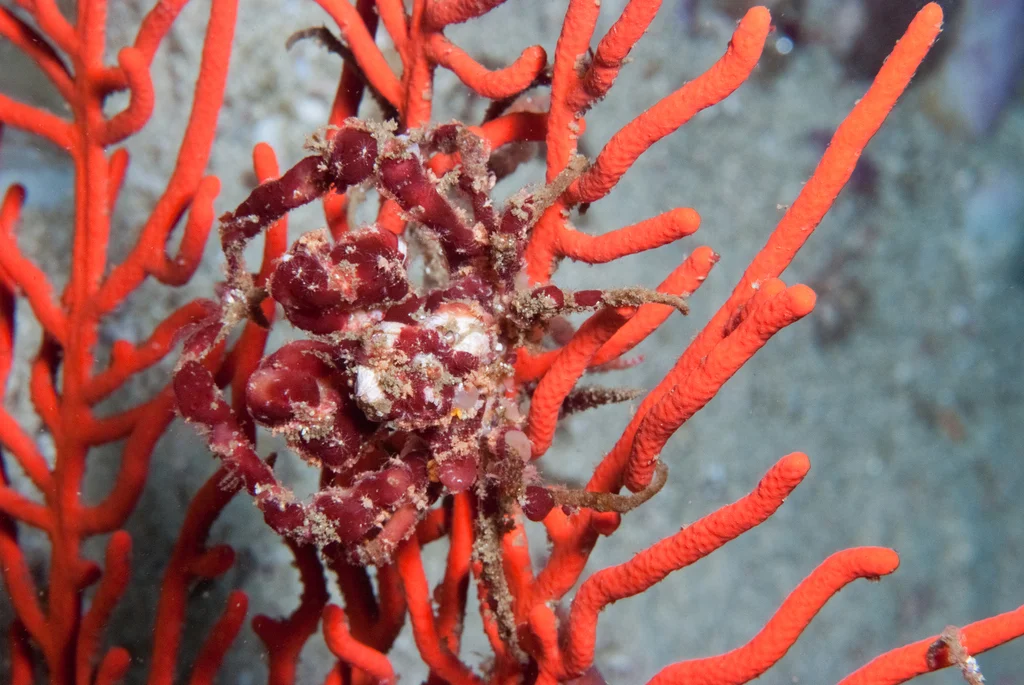
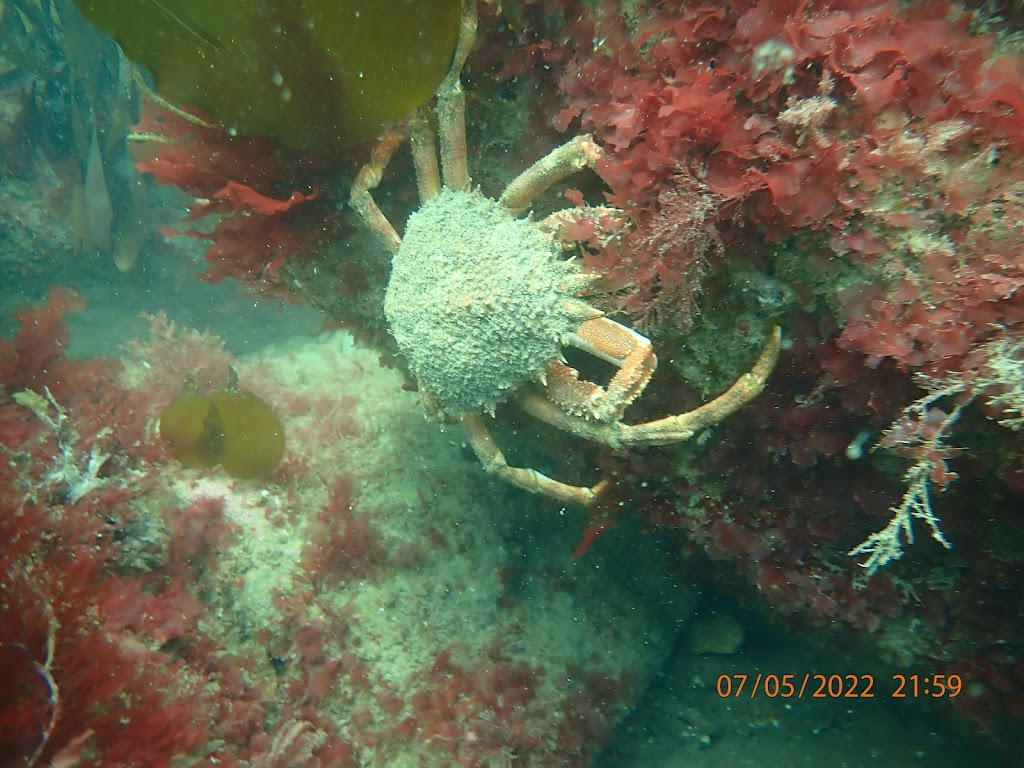
While not always present, divers sometimes report a notable presence of spider crabs, particularly in certain areas. Smaller, often overlooked invertebrates and fish make for engaging observational dives, encouraging a slower pace to appreciate intricate details of this temperate ecosystem.

Dive Centers Near Trearddurr Bay
Today: 10:00 - 15:00
Nearest Airports
Nearest airports to help plan travel to this dive area.
Search Flights
Check available flights and routes on Expedia, using the nearby airports listed in this section.
Search Flights on ExpediaFrequently Asked Questions
Is Trearddur Bay suitable for beginner divers?
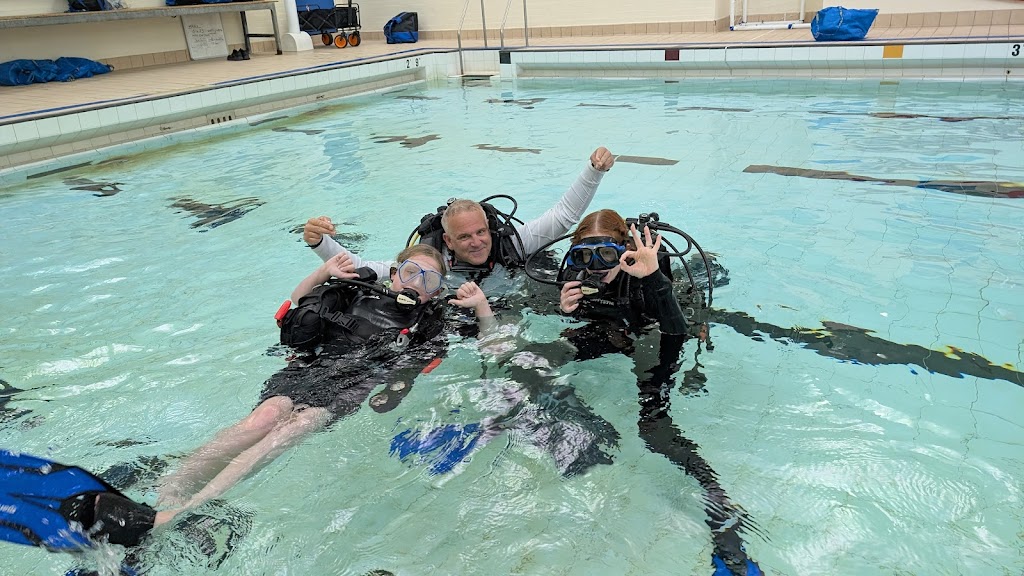
Yes, Trearddur Bay is frequently used for sheltered water training and try dives due to its shallow depths, often just a few meters. Its relatively calm nature during optimal conditions makes it an accessible site for new divers.
What is the typical water temperature?
Water temperatures vary significantly throughout the year. While not consistently reported, observations from warmer months indicate temperatures around 17°C / 63°F. In other periods, expect cooler North Atlantic temperatures requiring appropriate thermal protection.
How important is tide timing for diving here?
Tide timing is very important. Diving around slack high tide is generally recommended to maximize visibility and reduce the impact of currents, ensuring a safer and more enjoyable experience. Conditions can change rapidly with strong tidal flows.
What marine life can I expect to see?
Divers often encounter wrasse, including the Corkwing Wrasse, along with flatfish like plaice and flounder on the sandy patches. Pollack are also common, and occasionally, large numbers of spider crabs are observed.
What kind of visibility can be expected?
Visibility can be quite variable, depending on recent weather and tidal conditions. While it can be "not up to much" at times, divers have reported excellent visibility, sometimes reaching several meters, under favorable conditions, even on spring tides.
Are there any specific hazards to be aware of?
Main hazards include potentially strong tidal currents if diving outside of slack water, and rapidly increasing swell which can make entries and exits challenging or unsafe. Always assess surface conditions thoroughly before diving.
Is Trearddur Bay a shore dive or a boat dive site?
Trearddur Bay is primarily considered a shore dive site, offering easy access to its shallow, protected waters. It offers easy access to its shallow, protected waters, making it convenient for divers who prefer not to use a boat.
Planning to dive Trearddurr Bay?
Send one inquiry and receive offers directly from the best verified local dive operators.
Conditions are Poor
High Swell Advisory. Not recommended.
Current conditions near Trearddurr Bay show 15° air, 16° sea temperature, 2.0 m waves, and 47 km/h wind. Forecast data is refreshed regularly to ensure accuracy.