
Diving at 2018 FWC Topsail Hill Patch Reef 3 (United States)
Anticipate discovering the 2018 FWC Topsail Hill Patch Reef 3, an artificial reef site in the United States, offering a distinct dive experience. This site, part of Florida's active reef program, transforms the seafloor into a structured habitat. Divers will appreciate the opportunity to explore a purpose-built environment designed to enhance local marine biodiversity.
Tonight's objective overview for 2018 FWC Topsail Hill Patch Reef 3 shows an air temperature of 29°C. The measured surface conditions include wave heights around 0.3 m. This environmental data is logged for the close of the day.
Dive Site Location & Key Facts
Dive Site Overview
Contributing significantly to the extensive artificial reef network offshore of Destin-Fort Walton Beach, the 2018 FWC Topsail Hill Patch Reef 3 provides a valuable underwater habitat. Construction of this site likely involved the careful deployment of reef modules or other substantial concrete structures, aligning with the region's broader commitment to establishing vital marine habitats where natural reef formations are limited.
While precise depth specifics for this particular patch reef are not consistently reported, artificial reefs across this region commonly lie within comfortable recreational diving limits. Divers can anticipate exploring formations that typically range from moderate to deeper recreational depths, often between 15 to 30 m (50 to 100 ft). These purposefully engineered structures create complex environments, serving as a magnet for a diverse array of marine organisms, from small invertebrates to larger schooling fish.
Exploring the various contours and layers of these manufactured habitats provides divers with a direct view of how they integrate into and enhance the local underwater ecosystem. With its accessible structure, the site invites thorough exploration, encouraging divers to peer into its many nooks and crannies.
Underwater, observing the progression of biological colonization on these modules offers a fascinating aspect to the dive. The ongoing development of life here underscores the success of artificial reef initiatives in Florida.
Conditions are Excellent
07:00 - 14:00
Optimal conditions expected
Current conditions near 2018 FWC Topsail Hill Patch Reef 3 show 29° air, 30° sea temperature, 0.3 m waves, and 21 km/h wind. Forecast data is refreshed regularly to ensure accuracy.
Best Time to Dive
Planning a dive to Topsail Hill Patch Reef 3 is generally favorable from May through October, aligning with peak dive scores of 7 and 8. During these months, average wave heights typically decrease, ranging from 0.6 m (2.0 ft) to 0.7 m (2.3 ft), while air temperatures are warmer, often between 24-28°C (75-82°F). Rainfall tends to be moderate across the year, with a slight increase in September. While specific water temperature data for this site is not consistently reported, regional patterns suggest the warmest conditions coincide with the highest air temperatures in summer. Expect generally good visibility and calmer seas during this period, though conditions can vary based on local weather systems. The remaining months still offer good dive scores, but cooler air temperatures and potentially higher wave heights are more common.
PEAK SEASON SCORE
Scores combine air & water temps, waves, wind & rainfall for overall conditions.
BEST MONTHS TO DIVE
Monthly records compiled from satellite and marine observation nodes over the last 3 years. Data provided by Open-Meteo and MET Norway.
Dive Experience & Conditions
Descending onto 2018 FWC Topsail Hill Patch Reef 3 introduces divers to a structured underwater landscape. Visibility can vary, influenced by coastal runoff and seasonal plankton blooms, but often allows for clear views of the reef's features. Currents here are generally mild but can increase with stronger weather patterns or tidal movements, requiring attentive buoyancy control. The artificial nature of the reef means divers will navigate varied surfaces, from textured concrete to more organic growth that has established itself over time. Recreational divers typically explore sites like this within depths that allow for extended bottom times and multiple dives in a day, though exact maximum depth at this specific patch reef is not consistently reported. The experience centers on observing the development of marine life on these constructed modules.
Dive Difficulty & Safety Guidelines
While specific hazards for Topsail Hill Patch Reef 3 are not reported, divers should always adhere to general artificial reef safety protocols. Maintain excellent buoyancy control to avoid damaging the delicate growth on the structures. Be mindful of potential entanglement risks from fishing lines or loose debris, which can be present on any established reef site.
Given its artificial nature, some structures might have sharp edges or tight spaces; exercise caution when exploring closely. Always plan your dive within no-decompression limits and monitor your air supply, especially when exploring at depth. Checking local weather and sea conditions before heading out is also essential for a safe dive.
Recommended Equipment
- Dive Computer
This gear list is based on verified equipment signals for 2018 FWC Topsail Hill Patch Reef 3, United States. Always confirm final gear choices with your dive operator, guide, or liveaboard.
Recommended Dive Suit
Water temperatures at 2018 FWC Topsail Hill Patch Reef 3 are currently estimated to be around 30°C (86°F), shaping the overall diving conditions for today. Surface air temperatures are resting at 29°C (84°F).
Dive skin or rash guard is generally considered suitable for water temperatures like this.
The coming days appear slightly cooler according to the latest forecast. Cooler days are ahead; you might want a warmer option for later in the week. Some divers prefer carrying a slightly thicker suit as a backup.
Emergency & Medical Support
Essential information to help you plan your dive trip to 2018 FWC Topsail Hill Patch Reef 3.

Hyperbaric chambers are a critical part of dive safety infrastructure. Availability varies significantly by region, and not all dive areas have immediate access.
Before diving, it's recommended to:
- confirm nearest medical facilities
- check emergency procedures with local dive operators
- ensure dive insurance covers evacuation if required
Divers Alert Network
Diving emergency assistance available through DAN World.
+1-919-684-9111- 24/7 emergency hotline
- Diving medical assistance
- Evacuation coordination
Emergency contacts are provided for reference. Always verify local emergency services before diving.
Marine Life at 2018 FWC Topsail Hill Patch Reef 3
Observing marine life at Topsail Hill Patch Reef 3 reveals a developing ecosystem. Artificial reefs in this region actively attract a variety of reef fish, which use the structures for shelter and foraging.
Expect to encounter common schooling fish species, along with various invertebrates colonizing the surfaces. While site-specific marine life highlights are not detailed, these habitats typically become vibrant underwater environments, fostering significant biodiversity.
Pelagic visitors might also pass by, drawn to the concentration of life around the reef modules. The site demonstrates how constructed habitats can effectively support local marine populations.
Dive Sites Near 2018 FWC Topsail Hill Patch Reef 3
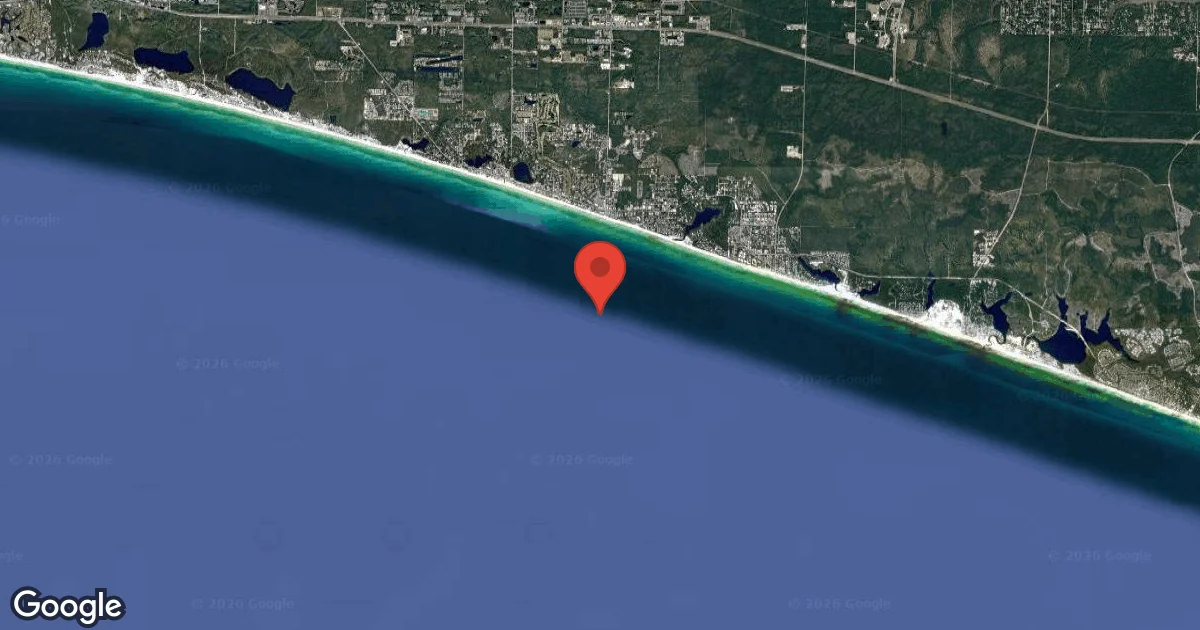
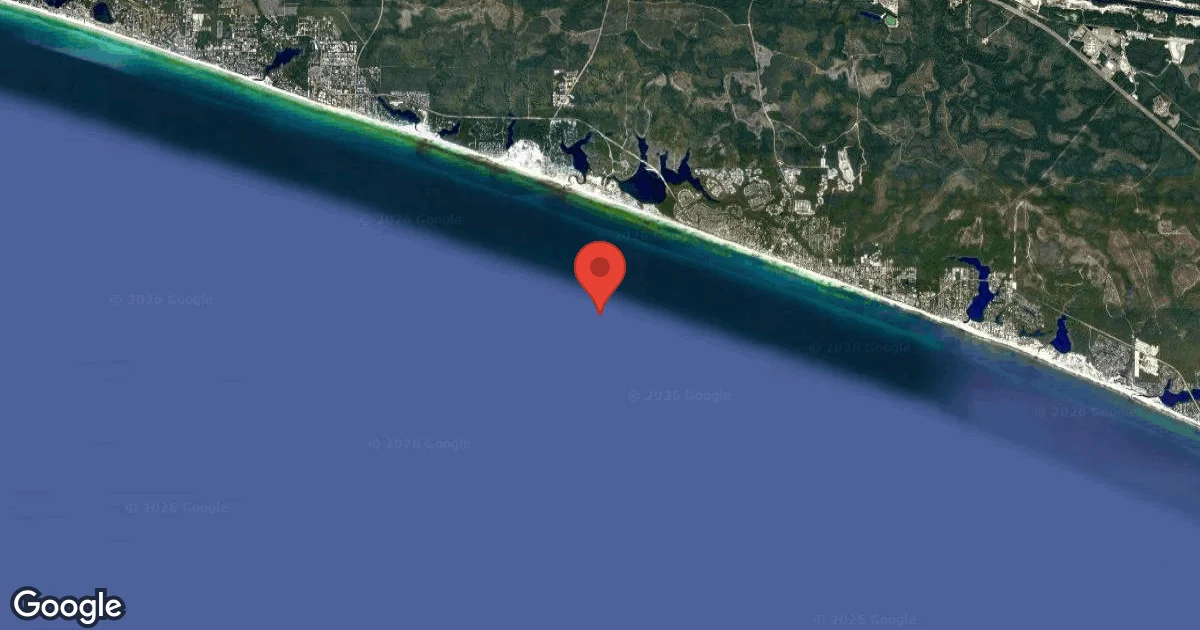
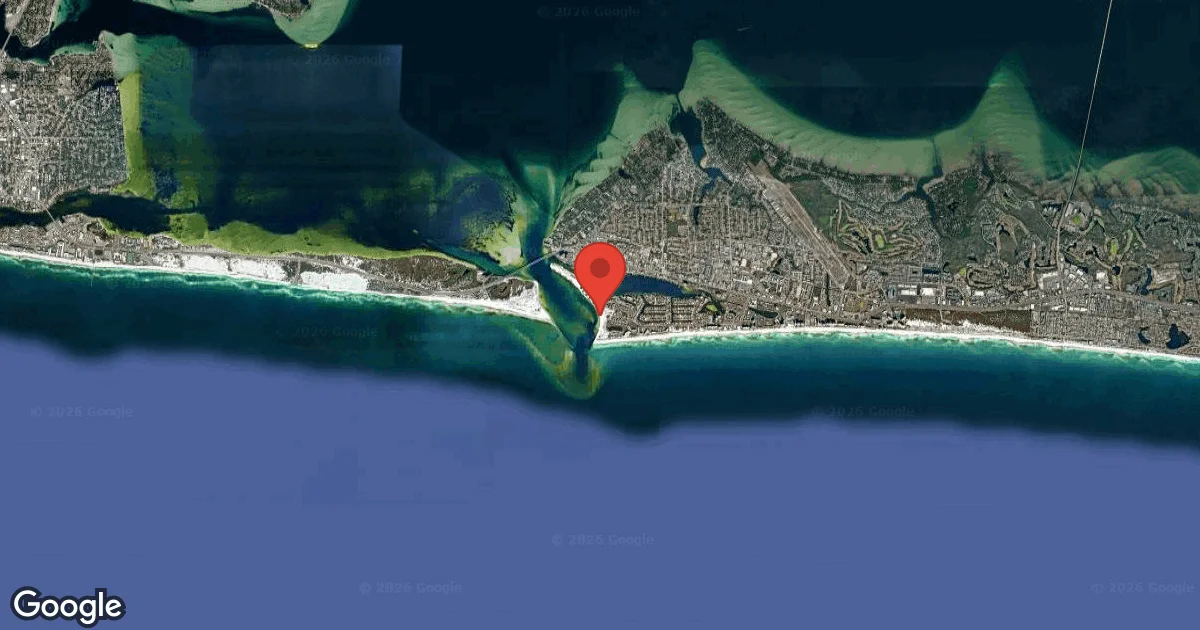
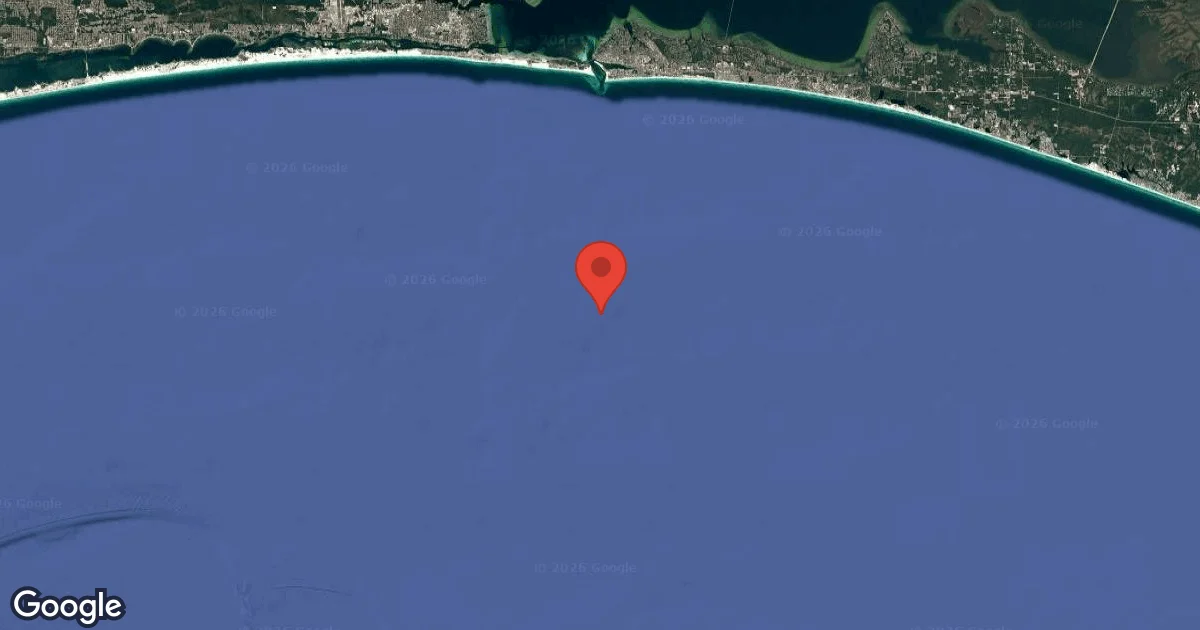
View all dive sites in United StatesDiscover more underwater gems in this area.
Dive Centers Near 2018 FWC Topsail Hill Patch Reef 3
Today: 09:00 - 16:00
Nearest Airports
Nearest airports to help plan travel to this dive area.
Search Flights
Check available flights and routes on Expedia, using the nearby airports listed in this section.
Search Flights on Expedia
Plan Your Stay
Looking for a place to stay for your dive trip? Explore hotels, stays, and vacation rentals for dive groups near Miramar Beach.
Dive Navigator may earn a commission from these links at no extra cost to you.
Frequently Asked Questions
What is the typical depth range for Topsail Hill Patch Reef 3?
Specific depth data for this particular patch reef isn't consistently reported. However, similar artificial reefs in the Destin-Fort Walton Beach area are typically found within recreational diving depths, generally between 15 to 30 m (50 to 100 ft).
What is the best time of year to dive this site?
The most favorable conditions usually occur from May to October. During these months, the area experiences warmer air temperatures, reduced wave heights, and generally good diving conditions. While specific water temperatures are not reported, they typically align with the warmer air.
Are there any specific marine life attractions at this reef?
Detailed marine life specifics for Topsail Hill Patch Reef 3 are not available. However, artificial reefs in this region are designed to attract and support diverse reef fish and invertebrates, creating thriving underwater communities.
What kind of visibility can I expect?
Visibility at this site varies, influenced by seasonal factors such as coastal currents and plankton blooms. Divers can anticipate conditions ranging from moderate to good on most days, depending on recent weather and oceanic patterns.
Is Topsail Hill Patch Reef 3 suitable for beginner divers?
Typically, artificial patch reefs like this can be suitable for certified open water divers, assuming conditions are calm. Divers should be comfortable with buoyancy control and capable of navigating moderate currents if they arise.
Are there strong currents at the site?
Currents are generally mild, but they can occasionally strengthen, particularly with adverse weather or tidal shifts. Always check local marine forecasts and discuss conditions with your dive operator before entering the water.
Planning to dive 2018 FWC Topsail Hill Patch Reef 3?
Send one inquiry and receive offers directly from the best verified local dive operators.
Conditions are Excellent
07:00 - 14:00
Optimal conditions expected
Current conditions near 2018 FWC Topsail Hill Patch Reef 3 show 29° air, 30° sea temperature, 0.3 m waves, and 21 km/h wind. Forecast data is refreshed regularly to ensure accuracy.