
Diving at RMS Atlantis (United States)
The RMS Atlantis recently became a purpose-built artificial reef, enhancing marine habitats off Destin-Fort Walton Beach. This 125-foot (38-meter) former supply vessel, deliberately sunk in June 2023, now serves as a dynamic underwater structure. It attracts a variety of marine life, establishing itself as a significant dive destination in the region.
Evening condition tracking at RMS Atlantis features an air temperature of 28.5°C. We have recorded wave heights measuring 0.7 m during this period. These figures outline the environmental parameters currently present.
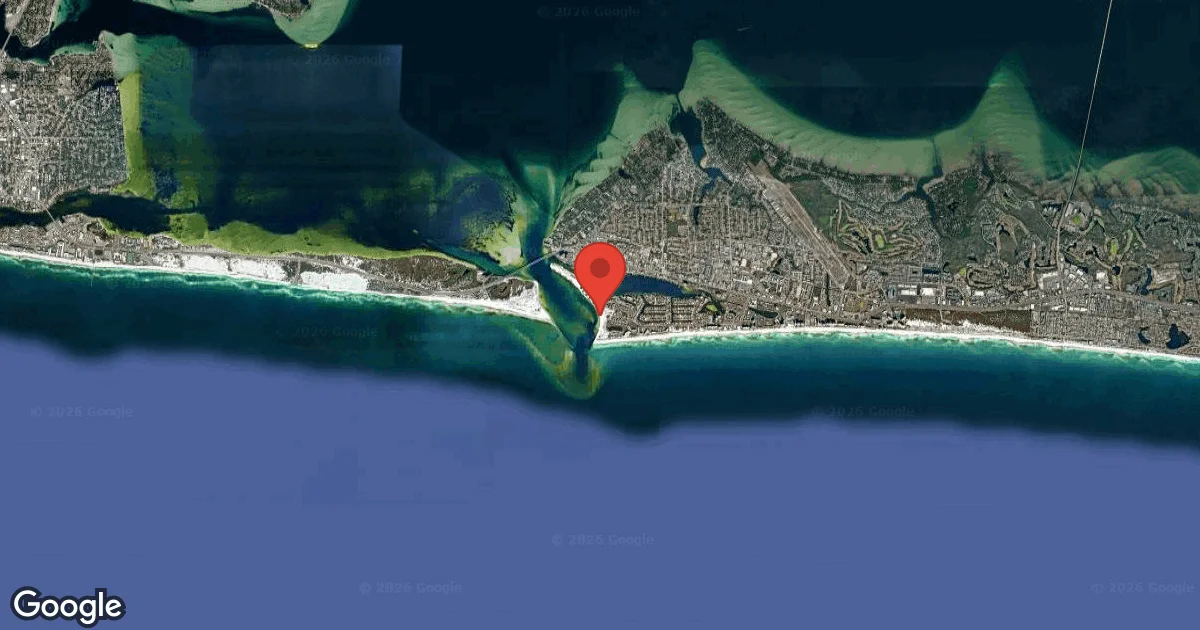
Dive Site Location & Key Facts
Dive Site Overview
A significant transformation saw the RMS Atlantis, a former Royal Mail Service supply vessel built in 1979, strategically deployed as an artificial reef on June 29, 2023. This 125-foot (38-meter) ship, which once transported provisions to offshore oil fields, now rests upright on a sandy seabed, presenting a substantial structure for underwater exploration.
Its highest point, the wheelhouse, is accessible at approximately 16 meters (52 feet). The wreck extends to a maximum depth of 24.5 meters (80 feet), making it comfortably suitable for most certified recreational divers eager to inspect its features. This deliberate sinking was an ecological initiative to cultivate marine habitats and enhance biodiversity in an area with limited natural reef structures.
Divers approaching the Atlantis will discover a rapidly developing ecosystem, observing initial coral colonization and various fish species already sheltering around its bulkheads and internal spaces. Exploring its decks, cargo holds, and superstructure offers a compelling opportunity to witness how a purpose-built environment quickly establishes a thriving underwater community.
Conditions are Excellent
07:00 - 14:00
Optimal conditions expected
Current conditions near RMS Atlantis show 28° air, 30° sea temperature, 0.4 m waves, and 19 km/h wind. Forecast data is refreshed regularly to ensure accuracy.
Best Time to Dive
The optimal window for diving the RMS Atlantis extends from May through October, a period consistently marked by the highest 'Good' dive scores for the region. During these months, divers can expect more favorable surface conditions and greater comfort. Air temperatures are pleasantly warm, typically ranging from 24°C (75°F) to 29°C (84°F), which contributes to a comfortable experience both on the boat and between dives. Wave heights tend to be lower during this season, generally averaging between 0.7 meters (2.3 feet) and 0.9 meters (3.0 feet). These calmer seas improve transit to the site and enhance overall dive enjoyment. While specific water temperature isn't consistently reported for the wreck itself, it typically aligns with regional averages, warming significantly as summer progresses. Rain activity is moderate year-round, but conditions during this peak season are usually conducive to reliable diving, often providing better visibility for observing the wreck's structure and inhabitants.
PEAK SEASON SCORE
Scores combine air & water temps, waves, wind & rainfall for overall conditions.
BEST MONTHS TO DIVE
Monthly records compiled from satellite and marine observation nodes over the last 3 years. Data provided by Open-Meteo and MET Norway.
Dive Experience & Conditions
Exploring the RMS Atlantis offers a distinct wreck diving experience due to its structure and relatively shallow profile. Sitting upright on a sandy bottom at a maximum depth of 24.5 meters (80 feet), the wreck allows divers to navigate its exterior with ease. The wheelhouse top, found at 16 meters (52 feet), makes key sections reachable for most certified recreational divers. Entry to the site is exclusively by boat. Visibility can vary, often influenced by local currents and weather, but generally permits clear views of the vessel's features. This dive appeals to those interested in inspecting the integrity of a newly formed artificial reef and observing the early stages of marine colonization on a large structure.
Dive Difficulty & Safety Guidelines
Diving the RMS Atlantis requires careful adherence to standard wreck diving protocols, particularly given its status as a recent deployment. Divers should maintain appropriate buoyancy control to avoid contact with the wreck, preserving its integrity and delicate developing ecosystem. Given the maximum depth, an Advanced Open Water certification is recommended to fully explore the wreck's lower sections confidently.
Always dive within your training limits and consider the site's exposure to open water conditions. Planning with a local dive operator is crucial for accurate current and sea state assessments on any given day.
Recommended Equipment
Overhead / entanglement risk. Wreck penetration requires proper training.
- Dive Computer
- DSMB
- Primary & Backup Lights
- Wreck Reel
- Cutting Tool
This gear list is based on verified equipment signals for RMS Atlantis, United States. Always confirm final gear choices with your dive operator, guide, or liveaboard.
Recommended Dive Suit
Recent conditions suggest the water at RMS Atlantis remains near 30°C (86°F), offering typical conditions for the area. Surface air temperatures are resting at 28°C (83°F).
The upcoming forecast points to generally steady conditions in the area.
Divers who prefer moderate insulation typically choose dive skin or rash guard in similar environments. A hood or vest is suggested for sensitive divers due to surface winds. Many experienced divers adjust their exposure protection depending on the type of dive planned.
Emergency & Medical Support
Essential information to help you plan your dive trip to RMS Atlantis.

Hyperbaric chambers are a critical part of dive safety infrastructure. Availability varies significantly by region, and not all dive areas have immediate access.
Before diving, it's recommended to:
- confirm nearest medical facilities
- check emergency procedures with local dive operators
- ensure dive insurance covers evacuation if required
Divers Alert Network
Diving emergency assistance available through DAN World.
+1-919-684-9111- 24/7 emergency hotline
- Diving medical assistance
- Evacuation coordination
Emergency contacts are provided for reference. Always verify local emergency services before diving.
Marine Life at RMS Atlantis
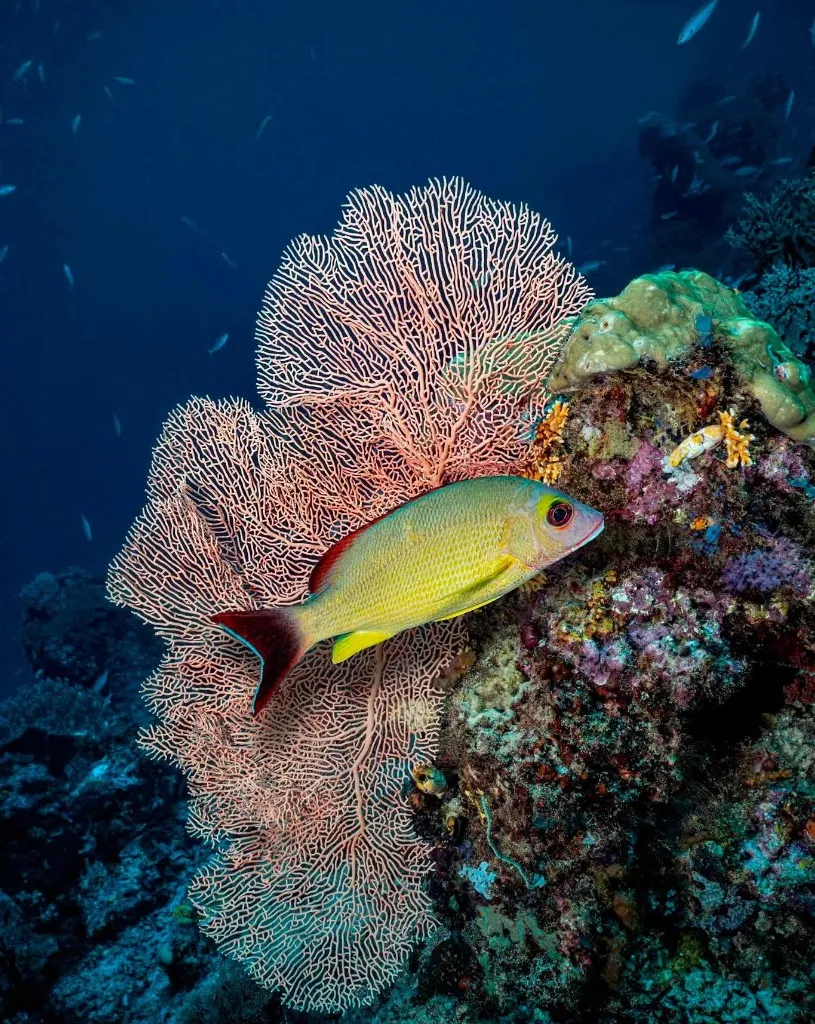
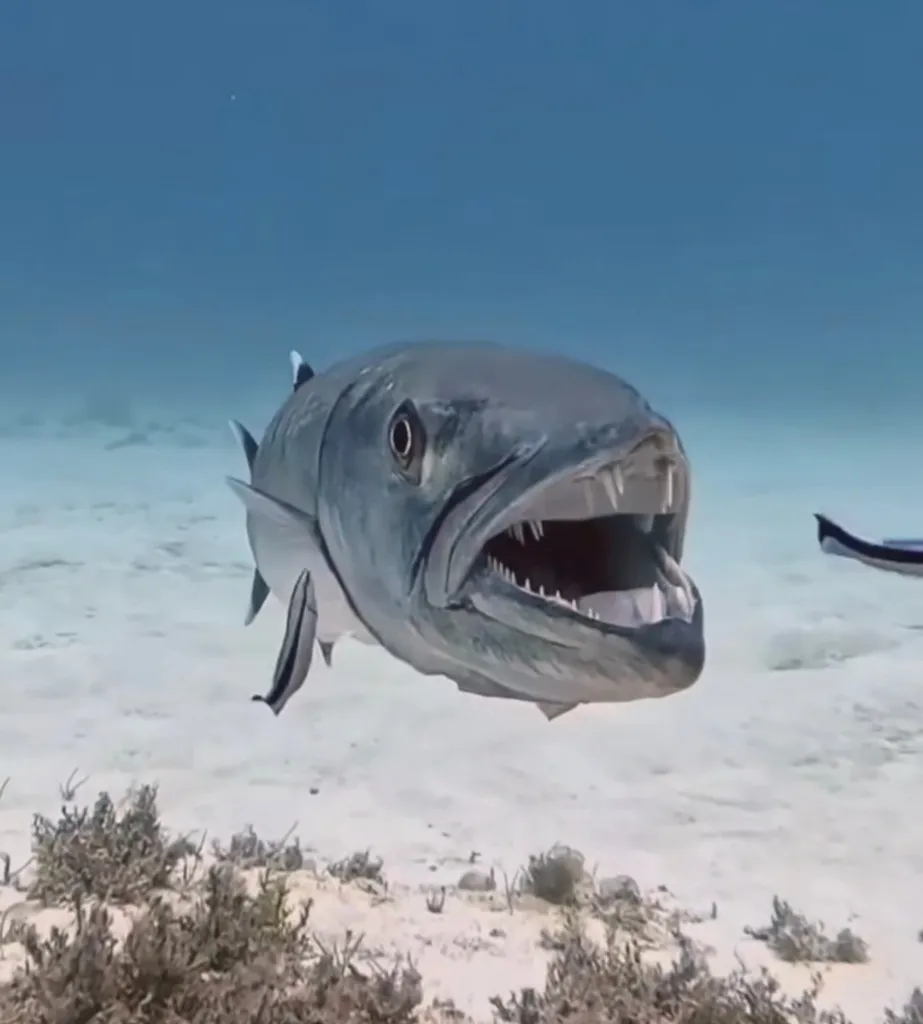
Encounters at the RMS Atlantis quickly reveal its effectiveness as an artificial reef. Divers often notice numerous snappers and barracuda congregating around the structure, using it for shelter.
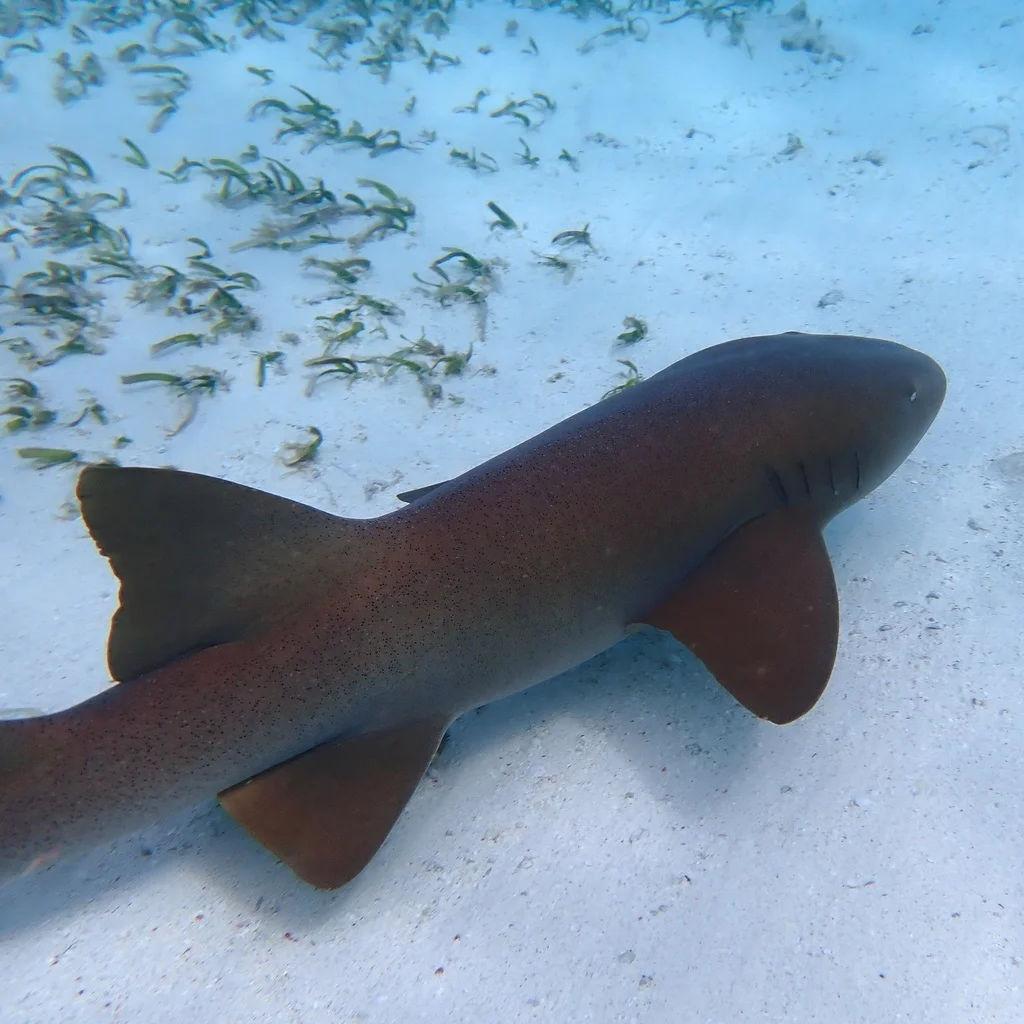
Larger species like nurse sharks and sand tiger sharks are commonly observed patrolling the perimeter, alongside various groupers. You might also spot angelfish and triggerfish darting among the crevices.
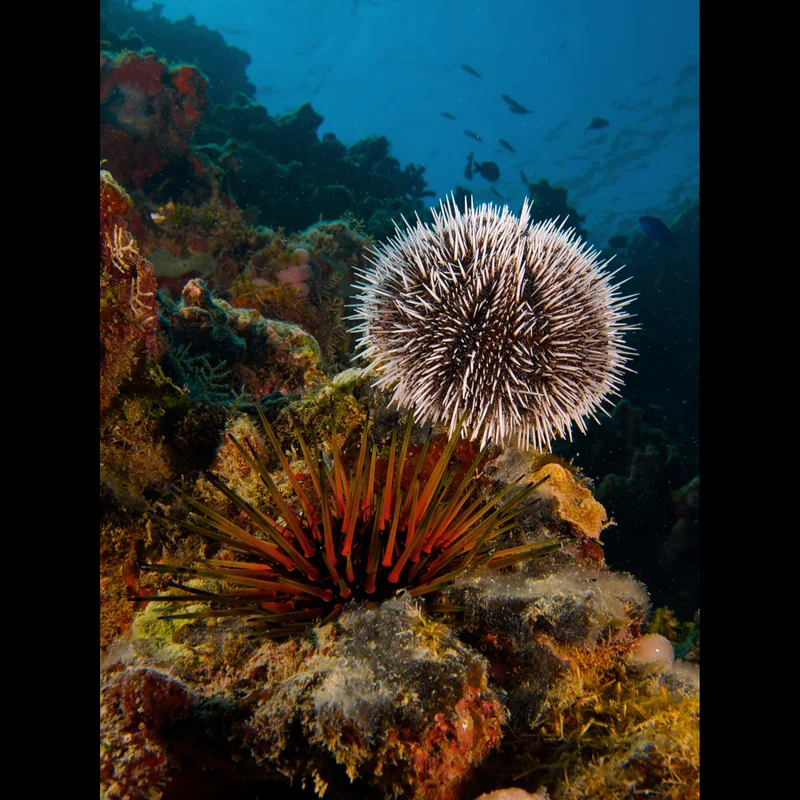
Rays gracefully glide over the sandy seabed, while eels and lionfish find sanctuary within the wreck's interior spaces. Opportunistic octopus and sea urchins have also begun to establish themselves.
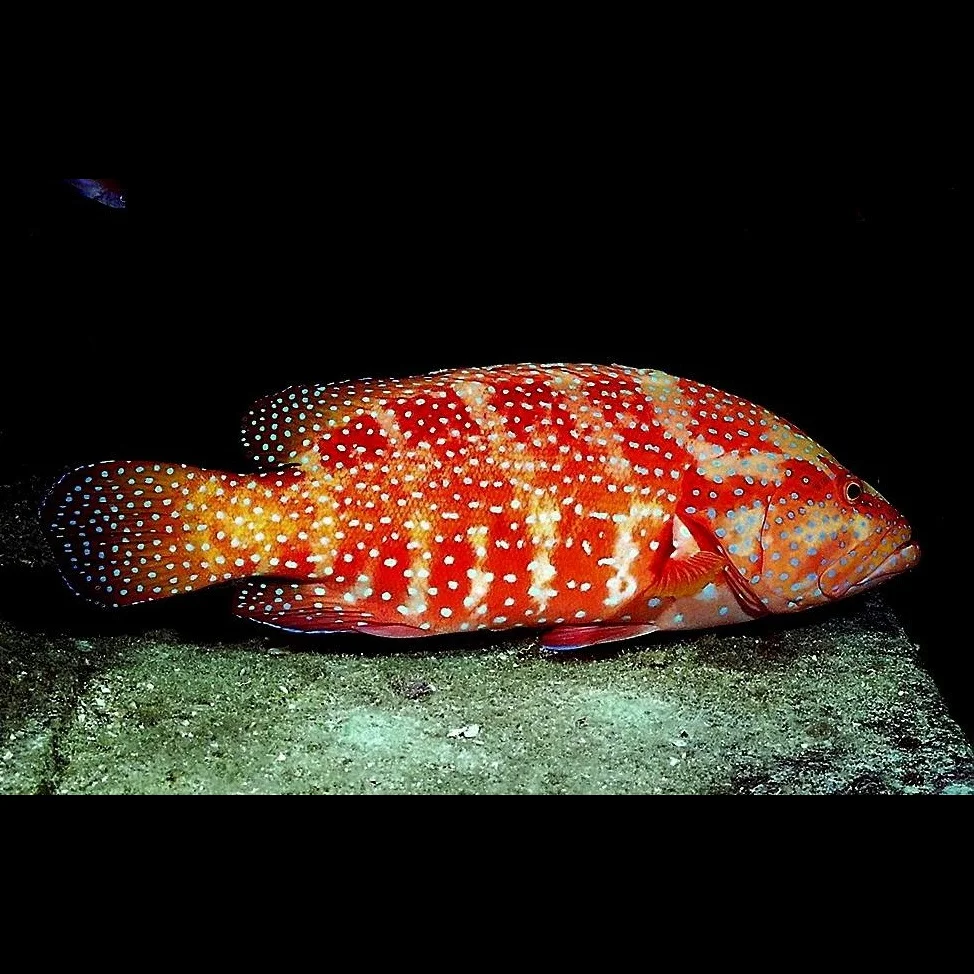
Dive Sites Near RMS Atlantis
View all dive sites in United StatesDiscover more underwater gems in this area.
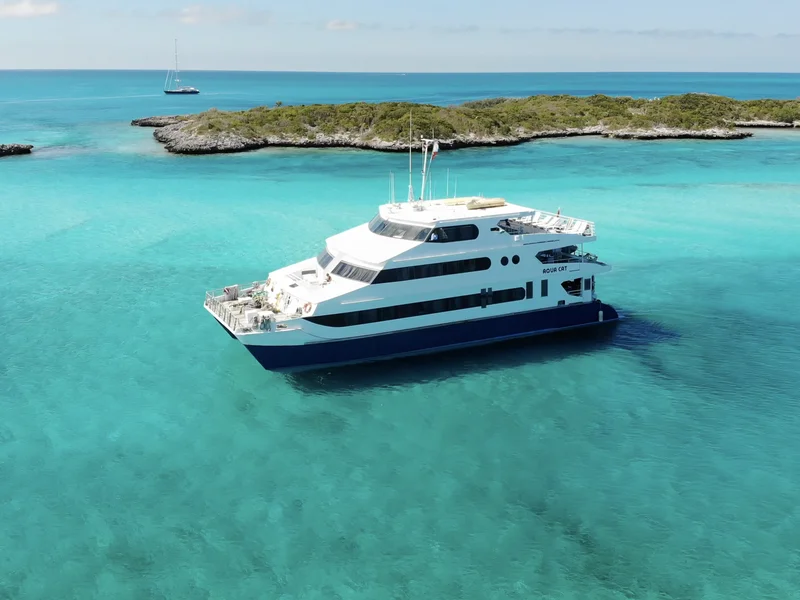
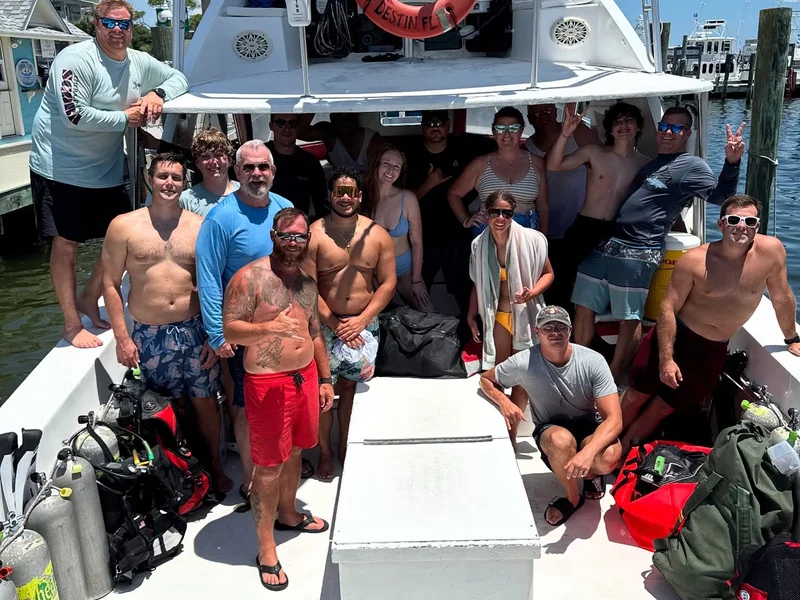
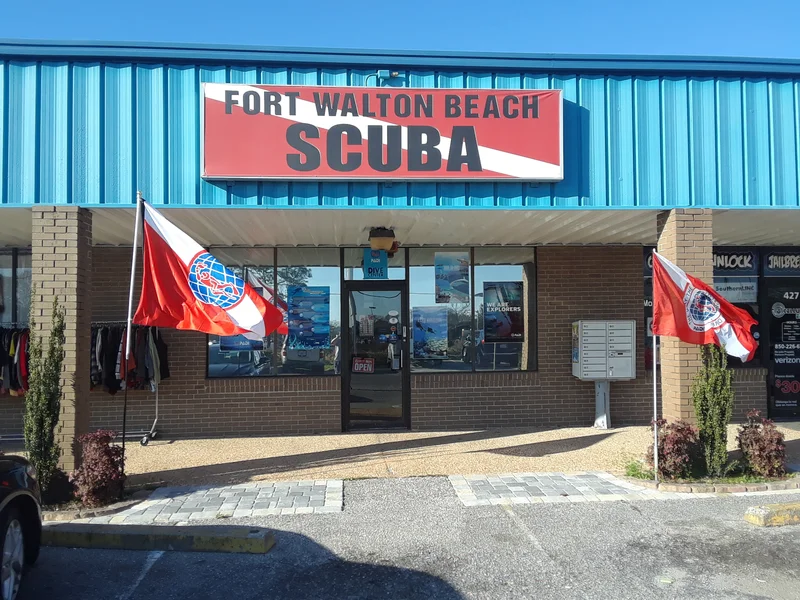
Dive Centers Near RMS Atlantis
Today: 08:00 - 17:00
Nearest Airports
Nearest airports to help plan travel to this dive area.
Search Flights
Check available flights and routes on Expedia, using the nearby airports listed in this section.
Search Flights on Expedia
Plan Your Stay
Looking for a place to stay for your dive trip? Explore hotels, stays, and vacation rentals for dive groups near Destin.
Dive Navigator may earn a commission from these links at no extra cost to you.
Frequently Asked Questions
What is the maximum depth of the RMS Atlantis wreck?
The RMS Atlantis rests on a sandy seabed at a maximum depth of 24.5 meters (80 feet). The highest point of the wreck, its wheelhouse, is at 16 meters (52 feet).
When was the RMS Atlantis sunk?
The RMS Atlantis was deliberately deployed as an artificial reef on June 29, 2023. This recent sinking makes it a relatively new dive site.
What kind of vessel was the RMS Atlantis?
It was originally a 125-foot (38-meter) supply vessel, built in 1979. Its 'RMS' designation indicated it likely carried mail and other supplies for the British Royal Mail.
What marine life can be seen at the wreck?
Common sightings include snappers, barracuda, groupers, lionfish, angelfish, and triggerfish. Divers may also encounter nurse sharks, sand tiger sharks, rays, eels, sea urchins, and octopus.
What is the best way to access the dive site?
Access to the RMS Atlantis dive site is exclusively by boat. Local dive operators in the Destin-Fort Walton Beach area can arrange trips to the wreck.
What is the purpose of this artificial reef?
The primary purpose is to create essential habitat for reef fish and marine life where natural reefs are scarce. This boosts biodiversity, supporting both diving and fishing opportunities in the region.
Planning to dive RMS Atlantis?
Send one inquiry and receive offers directly from the best verified local dive operators.
Conditions are Excellent
07:00 - 14:00
Optimal conditions expected
Current conditions near RMS Atlantis show 28° air, 30° sea temperature, 0.4 m waves, and 19 km/h wind. Forecast data is refreshed regularly to ensure accuracy.