
Diving at 7 Mile South Reef, Site 'C'-00-06 (United States)
Visibility at 7 Mile South Reef often benefits from the prevailing Gulf Stream current. This consistent flow brings clear, warm water to the reef tract, allowing divers to generally expect good underwater viewing conditions. Surface conditions might vary; wave heights typically range from 0.4 to 0.9 m (1.3-3 ft) depending on the season. Factors like these contribute to a generally pleasant dive environment.
Evening condition tracking at 7 Mile South Reef, Site 'C'-00-06 features an air temperature of 26°C. We have recorded wave heights measuring 0.3 m during this period. These figures outline the environmental parameters currently present.
Dive Site Location & Key Facts
Dive Site Overview
Exploring 7 Mile South Reef offers divers a characteristic glimpse into Southeast Florida's extensive reef tract. It's a dynamic underwater landscape influenced by the close proximity of the Gulf Stream, which consistently delivers warmer, clean oceanic water to these nearshore environments.
Dives here often involve minimal travel time from shore, a significant convenience that maximizes your actual underwater experience. The region's geography readily promotes drift diving; this allows divers to cover significant sections of the reef as they glide effortlessly with the prevailing currents, enhancing the sense of exploration. Expect to encounter diverse underwater structures, from natural limestone formations to occasional artificial reef elements, all providing habitat for local marine life.
It's a comfortable experience within the local ecosystem, appealing to divers seeking a straightforward reef adventure without extensive boat journeys. Visibility conditions generally allow for a clear view of the substrate and its inhabitants.
Divers typically navigate within recreational depths, experiencing a rich cross-section of the reef's structure and activity.
Conditions are Good
Optimal conditions expected
Current conditions near 7 Mile South Reef, Site 'C'-00-06 show 26° air, 31° sea temperature, 0.3 m waves, and 24 km/h wind. Forecast data is refreshed regularly to ensure accuracy.
Best Time to Dive
Optimal periods for diving 7 Mile South Reef often contrast between the cooler, drier winter months and the warmer, wetter summer. July stands out with an "Excellent" dive score, boasting average air temperatures around 29°C (84°F) and the lowest average wave heights at about 0.4 m (1.3 ft), suggesting calm surface conditions. Conversely, January and October experience higher average wind speeds, up to 32.5 km/h (20.2 mph) in October, which can sometimes lead to choppier seas and affect access. Rainfall varies, peaking in August with 8.77 mm, while November remains notably dry at 0.63 mm. Many months from February through May, and again in November and December, receive "Good" dive scores. This indicates generally favorable conditions throughout much of the year, particularly outside the stormier peak summer and early fall periods. Air temperatures across the year range from about 15.5°C (60°F) in January to 29°C (84°F) in August.
PEAK SEASON SCORE
Scores combine air & water temps, waves, wind & rainfall for overall conditions.
BEST MONTHS TO DIVE
Monthly records compiled from satellite and marine observation nodes over the last 3 years. Data provided by Open-Meteo and MET Norway.
Dive Experience & Conditions
Depths at 7 Mile South Reef generally remain within recreational limits. Encountered usually range from shallower sections down to about 12 m (40 ft), though some features might reach 4.5 m (15 ft). Divers can navigate across reef formations that provide varied topography. Prevailing currents, often from the Gulf Stream, are a significant factor, making drift diving a common and efficient method to explore the reef. These currents typically run parallel to the shoreline, offering a smooth ride along the reef structure. While specific water temperature data isn't consistently reported for this exact site, the Gulf Stream's influence generally ensures warm waters, often feeling comfortable without heavy thermal protection during most of the year. Visibility tends to be good, varying with local conditions and recent weather patterns.
Dive Difficulty & Safety Guidelines
Navigating 7 Mile South Reef involves understanding prevailing currents, a key challenge and opportunity for drift diving. Always plan entry and exit points carefully with your dive operator, especially when currents are stronger. Maintaining buoyancy control is essential to avoid contact with delicate reef structures.
No specific hazards are reported for this site, but general reef diving safety practices apply. Be mindful of boat traffic, particularly in busy recreational areas.
Always dive within your certification limits and ensure equipment is in good working order. Local guidance from dive professionals can provide the most current information on conditions and any temporary considerations.
Recommended Equipment
- Dive Computer
This gear list is based on verified equipment signals for 7 Mile South Reef, Site 'C'-00-06, United States. Always confirm final gear choices with your dive operator, guide, or liveaboard.
Recommended Dive Suit
Conditions in the coming days are expected to stay within a similar temperature range.
Factors such as dive duration, depth, and activity level can influence how warm a diver feels underwater.
Dive skin or rash guard typically balances flexibility and thermal protection in these temperatures. A hood or vest is suggested for sensitive divers due to surface winds. The latest environmental readings for 7 Mile South Reef, Site 'C'-00-06 suggest water temperatures around 31°C (87°F). Surface air temperatures are resting at 26°C (79°F).
Emergency & Medical Support
Essential information to help you plan your dive trip to 7 Mile South Reef, Site 'C'-00-06.

Hyperbaric chambers are a critical part of dive safety infrastructure. Availability varies significantly by region, and not all dive areas have immediate access.
Before diving, it's recommended to:
- confirm nearest medical facilities
- check emergency procedures with local dive operators
- ensure dive insurance covers evacuation if required
Divers Alert Network
Diving emergency assistance available through DAN World.
+1-919-684-9111- 24/7 emergency hotline
- Diving medical assistance
- Evacuation coordination
Emergency contacts are provided for reference. Always verify local emergency services before diving.
Marine Life at 7 Mile South Reef, Site 'C'-00-06
The underwater landscape of 7 Mile South Reef supports a diverse array of marine life. Against a backdrop of natural and artificial reef structures, divers can expect to see numerous fish species.
Crevices and ledges provide shelter for various invertebrates. Corals and sponges colonize the substrate, contributing to the overall habitat complexity.
Keep an eye out for smaller reef fish darting among the formations and occasional larger pelagic visitors in the clearer waters influenced by the Gulf Stream. The reef tract in this region is recognized for its abundance, allowing for engaging observations of the local ecosystem.
Dive Sites Near 7 Mile South Reef, Site 'C'-00-06
View all dive sites in United StatesDiscover more underwater gems in this area.
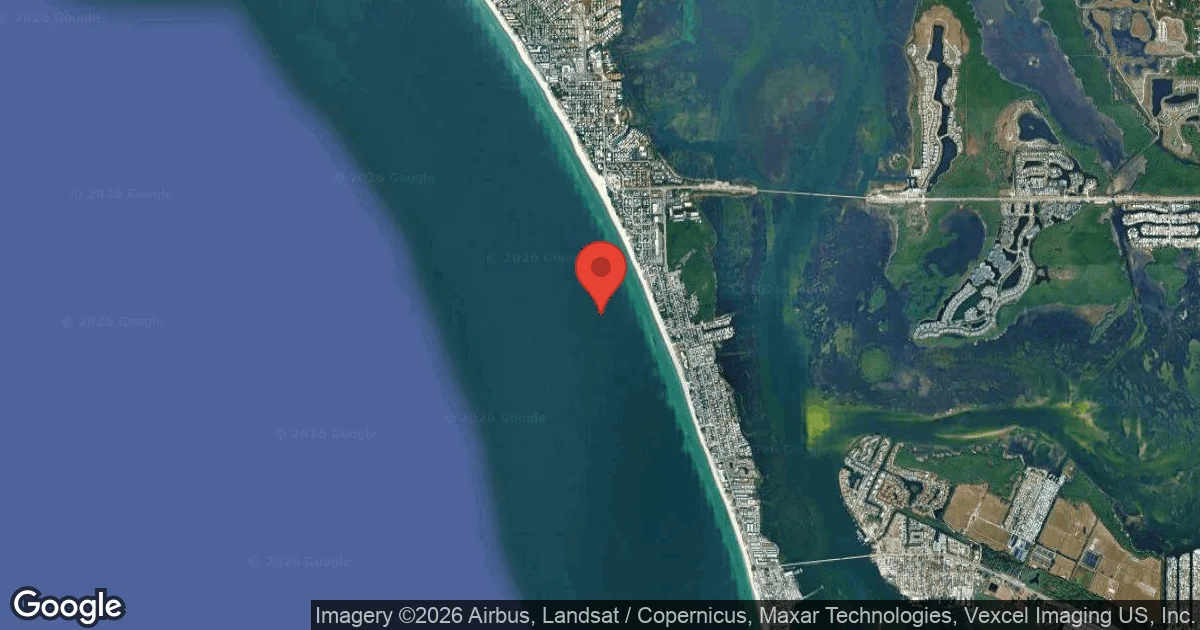
Dive Centers Near 7 Mile South Reef, Site 'C'-00-06
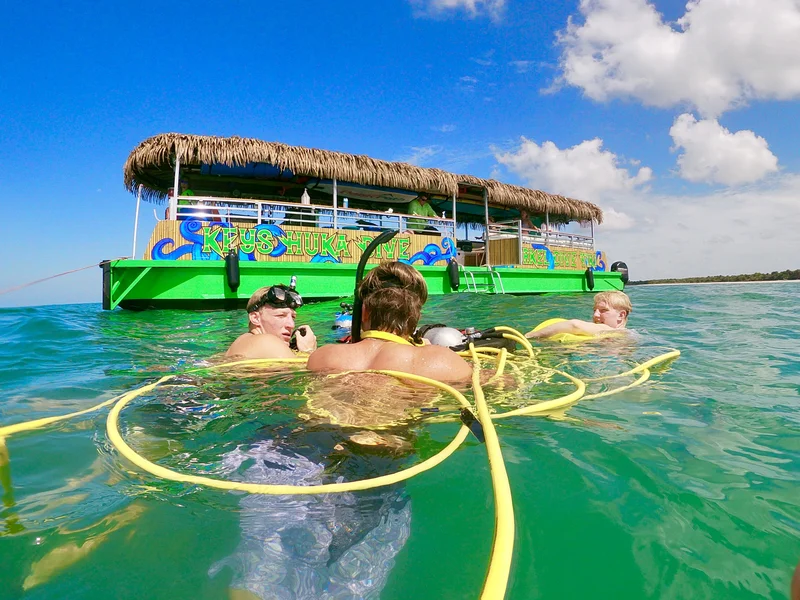
Today: 09:00 - 18:00
Nearest Airports
Nearest airports to help plan travel to this dive area.
Search Flights
Check available flights and routes on Expedia, using the nearby airports listed in this section.
Search Flights on Expedia
Plan Your Stay
Looking for a place to stay for your dive trip? Explore hotels, stays, and vacation rentals for dive groups near Holmes Beach.
Dive Navigator may earn a commission from these links at no extra cost to you.
Frequently Asked Questions
What is the typical depth range for diving at 7 Mile South Reef?
Dives here usually stay within recreational limits. You can expect depths ranging from about 4.5 meters (15 feet) in shallower sections to a maximum depth of approximately 12 meters (40 feet).
Are there strong currents at this dive site?
The site is influenced by the Gulf Stream, so prevailing currents are often present. These currents typically run parallel to the shore, making drift diving a common and enjoyable way to explore the reef.
What kind of visibility can I expect?
Visibility is generally good due to the clear, warm waters brought in by the Gulf Stream. Conditions can vary based on local weather and recent water movement, but clear views are common.
Is 7 Mile South Reef suitable for beginner divers?
Given the recreational depths, the site can be suitable for certified beginners, especially with a local guide. However, awareness of currents is important, so a guided drift dive is often recommended.
What marine life might I see here?
The reef supports a variety of fish species, along with various invertebrates and corals. Expect to observe typical reef inhabitants, from small schooling fish to larger individual species.
When is the best time of year to dive 7 Mile South Reef?
July often has excellent dive conditions, with many other months from February to May, and November to December, also scoring well. These periods typically offer good weather and calmer seas.
Is this a natural or artificial reef?
7 Mile South Reef is part of the broader Southeast Florida reef tract, which includes both natural limestone formations and some artificial reef deployments. You may encounter elements of both.
Planning to dive 7 Mile South Reef, Site 'C'-00-06?
Send one inquiry and receive offers directly from the best verified local dive operators.
Conditions are Good
Optimal conditions expected
Current conditions near 7 Mile South Reef, Site 'C'-00-06 show 26° air, 31° sea temperature, 0.3 m waves, and 24 km/h wind. Forecast data is refreshed regularly to ensure accuracy.