
Diving at Spanish Rosks (United States)
Spanish Rocks Reef provides a shallow, accessible dive experience off Anna Maria Island, Florida. Its reef structure gradually extends offshore, reaching a maximum reported depth of approximately 7.6 m / 24.9 ft. This site functions primarily as a beach or shore entry dive, allowing flexibility for divers to explore its sandy bottom and reef formations. It's suitable for beginners seeking a straightforward underwater exploration.
Starting the day at Spanish Rosks, the ambient air temperature is recorded at 25.5°C. Ongoing monitoring shows wave heights measuring 0.3 m. This data represents the current surface conditions for early activities.
Dive Site Location & Key Facts
Dive Site Overview
Discovering Spanish Rocks Reef presents a distinctive saltwater shore diving opportunity along Florida's west coast. The site unfolds as a captivating blend of natural reef structures interspersed with expansive sandy environments.
Divers will navigate an underwater landscape characterized by natural ledges that angle gently away to the west, forming intriguing contours and modest overhangs providing shelter for marine life. While shore access remains the most common approach, divers should anticipate a potentially long surface swim from the initial entry point to reach the more developed and richer reef areas further offshore. This gradual progression allows for continuous observation of the changing substrate, from initial sandy patches to early encounters with reef inhabitants.
The maximum reported depth here is approximately 7.6 m / 24.9 ft, establishing it as an excellent choice for less experienced divers, or those simply seeking extended bottom times in a relaxed setting. Expect a casual, unhurried underwater environment, highly suitable for observation, wide-angle photography, and exploring the intricate details of the reef.
Spearfishing is also reported as an activity within local regulatory allowances, adding another dimension for those interested. The site's inherent beach dive accessibility significantly enhances its appeal for flexible and spontaneous outings, inviting repeat visits without the need for boat charters.
Conditions are Good
Optimal conditions expected
Current conditions near Spanish Rosks show 25° air, 31° sea temperature, 0.3 m waves, and 23 km/h wind. Forecast data is refreshed regularly to ensure accuracy.
Best Time to Dive
Planning a dive at Spanish Rocks Reef is often most comfortable during the warmer months, especially May through September, when air temperatures consistently average above 25°C / 77°F, reaching highs around 28.5°C / 83°F in July and August. These months also frequently correlate with lower average wave heights, typically below 0.5 meters / 1.6 feet, contributing to calmer surface conditions that make the potentially long surface swim more pleasant. While precise water temperatures aren't consistently reported in system data for this location, divers can generally expect warmer conditions aligning with the elevated air temperatures, enhancing thermal comfort. Rainfall is generally moderate year-round, but late summer can see higher totals, which might temporarily affect shallow water visibility. May and July specifically show excellent dive scores, indicating optimal overall conditions for enjoyment. Conversely, cooler air temperatures are noted during winter months, though dive scores remain good through much of the year, suggesting opportunities exist beyond peak summer.
PEAK SEASON SCORE
Scores combine air & water temps, waves, wind & rainfall for overall conditions.
BEST MONTHS TO DIVE
Monthly records compiled from satellite and marine observation nodes over the last 3 years. Data provided by Open-Meteo and MET Norway.
Dive Experience & Conditions
Divers often enter Spanish Rocks Reef from the beach, a convenient option, though boat access is also possible. Plan for a potentially extended surface swim from the beach; typically, divers head south along the beach before swimming due west to locate the main reef structure. Initial effort eventually leads to a site featuring distinct ledges angling away from shore, transitioning into sandy bottom areas. Depths remain generally shallow, around 6 m / 20 ft closer in, deepening gradually offshore across the reef's expanse. Visibility varies considerably with weather, tides, and sediment disturbance; it's not consistently reported, so expect changing conditions. Calm days generally offer the clearest views.
Dive Difficulty & Safety Guidelines
As a shore dive with a potentially long surface swim, divers should carry a dive flag at Spanish Rocks Reef to alert surface traffic. Current conditions can fluctuate; assess the water upon arrival. While specific current reports are limited for this site, light to medium currents have been noted at similar shallow reef locations in the region, so be prepared for varying flow.
Plan your air consumption carefully, accounting for both the swim to and from the primary dive area. Even at a beginner-friendly site, standard safe diving practices remain essential.
Recommended Equipment
- Dive Computer
This gear list is based on verified equipment signals for Spanish Rosks, United States. Always confirm final gear choices with your dive operator, guide, or liveaboard.
Recommended Dive Suit
In these water temperatures, dive skin or rash guard is a common choice for recreational diving. A hood or vest is suggested for sensitive divers due to surface winds. Longer dive profiles can make thermal protection more important than short exploratory dives.
Conditions at Spanish Rosks currently place the water temperature near 31°C (87°F). Surface air temperatures are resting at 25°C (78°F).
Environmental conditions appear stable for the near future.
Emergency & Medical Support
Essential information to help you plan your dive trip to Spanish Rosks.

Hyperbaric chambers are a critical part of dive safety infrastructure. Availability varies significantly by region, and not all dive areas have immediate access.
Before diving, it's recommended to:
- confirm nearest medical facilities
- check emergency procedures with local dive operators
- ensure dive insurance covers evacuation if required
Divers Alert Network
Diving emergency assistance available through DAN World.
+1-919-684-9111- 24/7 emergency hotline
- Diving medical assistance
- Evacuation coordination
Emergency contacts are provided for reference. Always verify local emergency services before diving.
Marine Life at Spanish Rosks
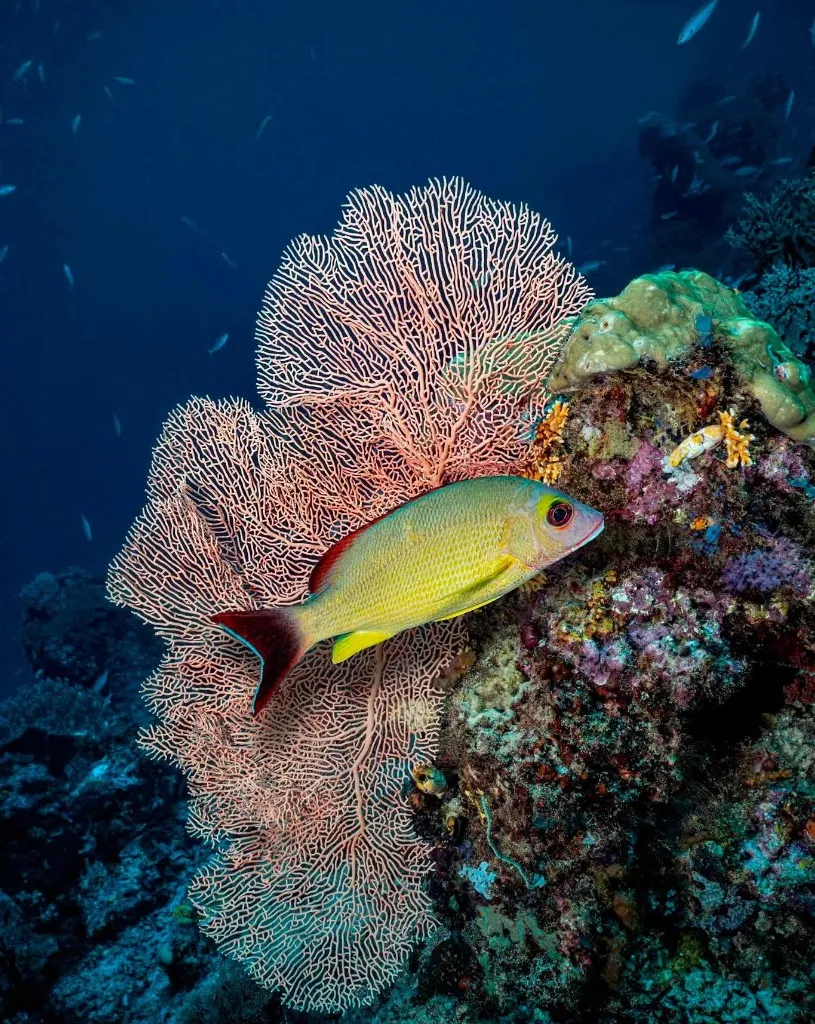
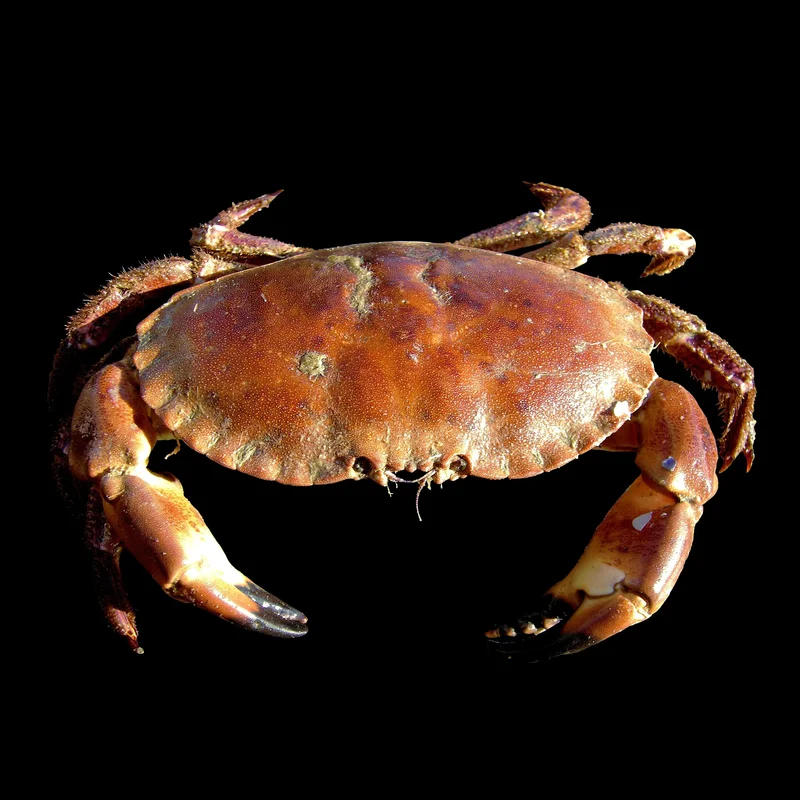
Specific detailed marine life reports for Spanish Rocks Reef are limited, but as a dynamic reef environment, divers can generally expect to encounter species typical of shallow Florida coastal ecosystems. This often includes various small reef fish, such as grunts, snappers, and wrasses, alongside crustaceans like crabs and shrimp, taking refuge among the ledges and sandy patches.
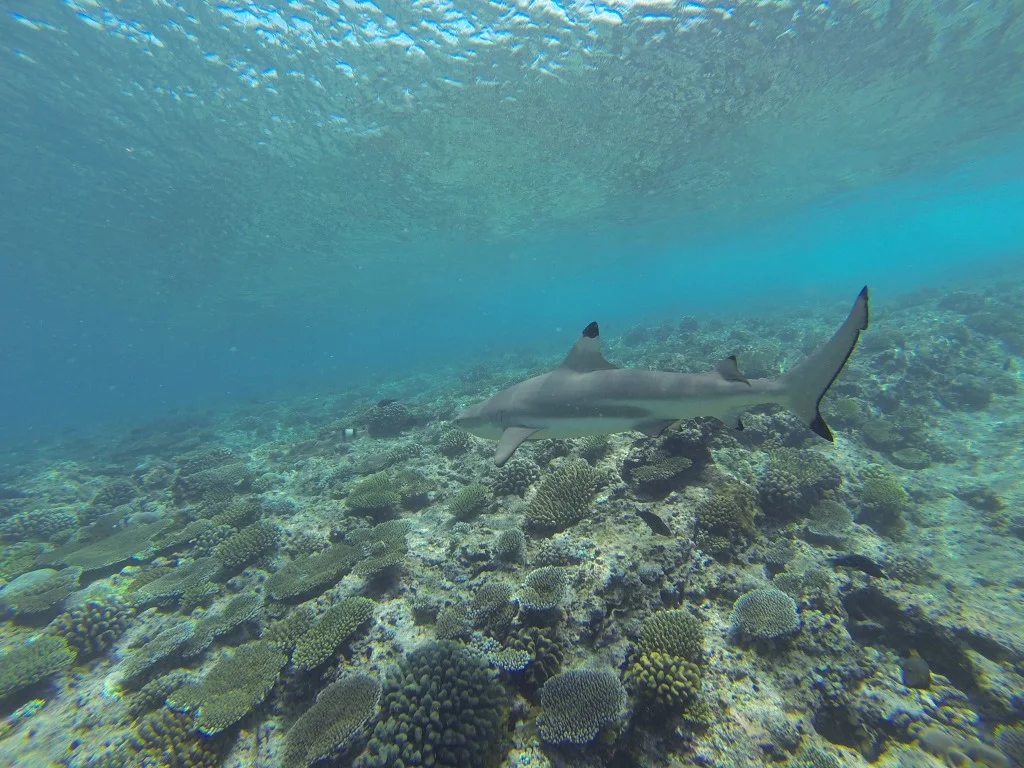
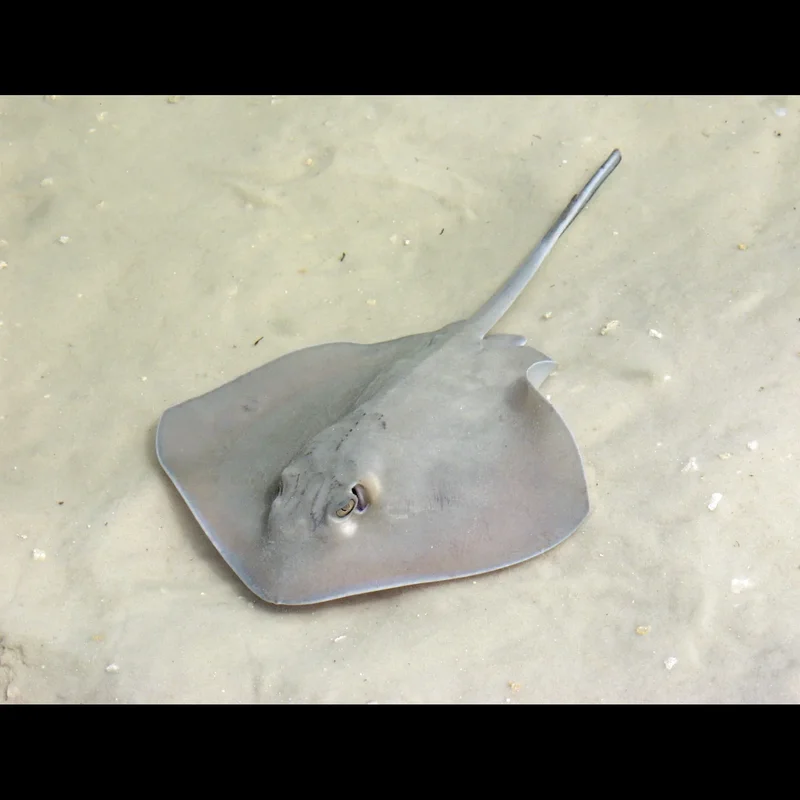
Divers may observe hard and soft corals, sea anemones, and other invertebrates colonizing the reef structure, contributing to its ecological diversity. Keep an eye out for bottom dwellers camouflaged against the sand, and the occasional stingray or small shark passing through the shallower areas. The site's mix of habitats encourages a variety of species.

Dive Centers Near Spanish Rosks
Today: 09:00 - 18:00
Nearest Airports
Nearest airports to help plan travel to this dive area.
Search Flights
Check available flights and routes on Expedia, using the nearby airports listed in this section.
Search Flights on Expedia
Plan Your Stay
Looking for a place to stay for your dive trip? Explore hotels, stays, and vacation rentals for dive groups near Holmes Beach.
Dive Navigator may earn a commission from these links at no extra cost to you.
Frequently Asked Questions
What is the maximum depth at Spanish Rocks Reef?
The maximum reported depth for diving at Spanish Rocks Reef is approximately 7.6 meters / 24.9 feet. While some areas closer to shore are shallower, this figure represents the deepest points available for exploration at the site.
Is Spanish Rocks Reef suitable for beginner divers?
Yes, Spanish Rocks Reef is generally considered suitable for beginner divers. Its relatively shallow depths and often manageable conditions make it a good site for gaining experience in a relaxed setting.
How do you access the Spanish Rocks Reef dive site?
Access to Spanish Rocks Reef is possible via both shore and boat. For shore entry, divers typically park at a public beach access point, walk south a few houses along the beach, then swim due west to the reef.
What types of underwater terrain can I expect?
The underwater terrain at Spanish Rocks Reef features a combination of natural reef structures with distinct ledges and expansive sandy bottom areas. These ledges angle away from the shore towards the west.
What should I know about the surface swim for shore entry?
If entering from shore, be prepared for a potentially long surface swim to reach the primary reef structures. Planning your air consumption for the return and using a dive flag to signal your presence are highly recommended safety practices.
When is the best time of year to dive Spanish Rocks Reef?
The best time to dive is typically during the warmer months from May through September. During this period, air temperatures are high, average wave heights are generally lower, and overall dive conditions are rated good to excellent.
Planning to dive Spanish Rosks?
Send one inquiry and receive offers directly from the best verified local dive operators.
Conditions are Good
Optimal conditions expected
Current conditions near Spanish Rosks show 25° air, 31° sea temperature, 0.3 m waves, and 23 km/h wind. Forecast data is refreshed regularly to ensure accuracy.