
Diving at Bahia Honda State Park (United States)
Descending into the inviting, shallow nearshore waters of Bahia Honda State Park offers a gentle introduction to the Florida Keys' underwater environment. This site is particularly well-suited for snorkelers and beginning divers seeking an accessible experience. With depths remaining quite modest, exploring the immediate surroundings of the park's beaches becomes a serene underwater journey.
Evening condition tracking at Bahia Honda State Park features an air temperature of 28°C. We have recorded wave heights measuring 0.3 m during this period. These figures outline the environmental parameters currently present.
Dive Site Location & Key Facts
Dive Site Overview
Bahia Honda State Park's underwater topography is characterized by extensive shallow areas, making it primarily a beginner-friendly snorkeling and diving location. Nearshore, depths typically range from 1.2 to 1.8 m (4 to 6 ft) for several yards, ideal for those new to diving or preferring relaxed exploration.
Sandy expanses interspersed with grassy beds dominate many sections, offering clear pathways for exploration. While the park features multiple distinct beaches—Loggerhead Beach and Sandspur Beach on the Atlantic side, and Calusa Beach facing Florida Bay—diving across these areas consistently involves minimal depth changes and generally mild currents. An exception exists near the Bahia Honda Channel, where currents can become swift and warrant caution.
Divers here can observe a landscape dotted with soft corals and small coral heads, creating a mosaic of foundational habitats for various small marine species. Visibility generally remains clear, though it may be reduced if winds stir sand from the bottom, necessitating an adjustment to dive plans.
Conditions are Good
Optimal conditions expected
Current conditions near Bahia Honda State Park show 28° air, 31° sea temperature, 0.4 m waves, and 23 km/h wind. Forecast data is refreshed regularly to ensure accuracy.
Best Time to Dive
Optimizing a dive trip to Bahia Honda often centers on favorable visibility and comfortable water temperatures. Strong winds can stir up sand, affecting underwater views, even though water is usually clear. From May through September, expect 'Good' dive scores, along with warmer air temperatures, often exceeding 27°C (80°F), and less wave action compared to other months. Water temperatures during summer months can reach the mid to upper 20s °C (mid-80s °F). Conversely, winter months, particularly January, February, and March, also present 'Good' dive scores with cooler air temperatures averaging 21-23°C (70-74°F), and water temperatures in the low to mid-20s °C (mid-70s °F), which may necessitate a wetsuit for comfort. Lower rainfall in January, February, April, and November potentially enhances overall conditions. Moderate dive scores are common in January, April, October, November, and December, suggesting variable but still viable conditions.
PEAK SEASON SCORE
Scores combine air & water temps, waves, wind & rainfall for overall conditions.
BEST MONTHS TO DIVE
Monthly records compiled from satellite and marine observation nodes over the last 3 years. Data provided by Open-Meteo and MET Norway.
Dive Experience & Conditions
A dive at Bahia Honda offers a distinctly calm and visually engaging sensory experience within its shallow boundaries. Water temperature varies seasonally, typically ranging from the low 20s to low 30s °C (mid-70s to mid-80s °F), generally allowing for comfortable diving; a wetsuit may be appreciated during cooler winter months. Conditions often feature generally clear waters, allowing for unobstructed views of the immediate marine environment, provided winds are not strong enough to stir bottom sediments. Currents are typically mild throughout the nearshore areas, contributing to an unhurried exploration pace. However, proximity to the Bahia Honda Channel requires awareness, as water flow there can be swift. This site is specifically tailored for unchallenging dives, making it an ideal setting for novice divers or those focusing on shallow reef observation.
Dive Difficulty & Safety Guidelines
When diving at Bahia Honda State Park, observing safety protocols is crucial, especially given its popularity and unique conditions. A diver-down flag must always be displayed to alert nearby boat traffic to your presence. While most areas have mild currents, the Bahia Honda Channel is an exception where currents can be notably swift; divers should avoid this specific area.
Park authorities actively use a flag system to communicate water conditions: double red flags prohibit swimming entirely, red flags indicate high surf or strong currents, a yellow flag advises caution and staying close to shore, a green flag signals safe waters, and a purple flag warns of marine pests.
Furthermore, the park may close temporarily upon reaching maximum capacity, particularly on weekends and holidays, so planning an early arrival is advisable. Remember to practice Leave No Trace principles; take nothing but photos and leave nothing but ripples.
Recommended Equipment
- Dive Computer
This gear list is based on verified equipment signals for Bahia Honda State Park, United States. Always confirm final gear choices with your dive operator, guide, or liveaboard.
Recommended Dive Suit
Divers planning relaxed exploration may appreciate the warmth of dive skin or rash guard. Divers often notice that perceived temperature can feel cooler during deeper or longer dives.
At the moment, divers exploring Bahia Honda State Park will likely experience water temperatures near 31°C (88°F). Surface air temperatures are resting at 28°C (82°F).
Conditions are expected to stay fairly consistent in the days ahead.
Emergency & Medical Support
Essential information to help you plan your dive trip to Bahia Honda State Park.

Hyperbaric chambers are a critical part of dive safety infrastructure. Availability varies significantly by region, and not all dive areas have immediate access.
Before diving, it's recommended to:
- confirm nearest medical facilities
- check emergency procedures with local dive operators
- ensure dive insurance covers evacuation if required
Divers Alert Network
Diving emergency assistance available through DAN World.
+1-919-684-9111- 24/7 emergency hotline
- Diving medical assistance
- Evacuation coordination
Emergency contacts are provided for reference. Always verify local emergency services before diving.
Marine Life at Bahia Honda State Park
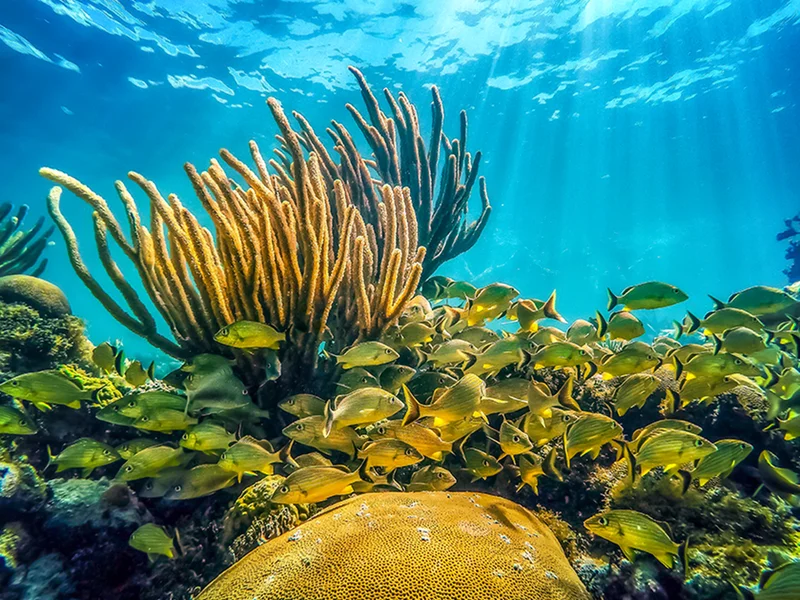
Underwater, a vibrant array of life reveals itself within shallow depths. Divers can anticipate seeing various tropical fish species navigating soft corals and small coral heads that populate the seafloor.
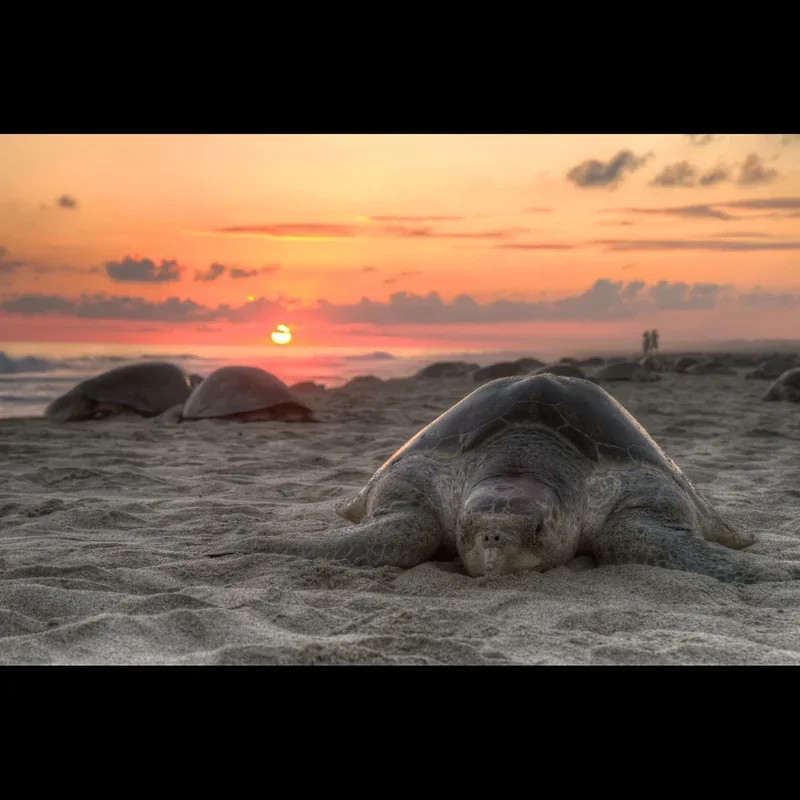
Encounters with queen conchs slowly moving along the bottom are common, and spiny lobsters may be observed tucked into crevices. While typically seen closer to the surface, Atlantic bottle-nosed dolphins and sea turtles are also inhabitants of these waters. A nearshore ecosystem provides an accessible view of small, active reef communities.

Dive Centers Near Bahia Honda State Park
Today: 08:00 - 18:00
Nearest Airports
Nearest airports to help plan travel to this dive area.
Search Flights
Check available flights and routes on Expedia, using the nearby airports listed in this section.
Search Flights on Expedia
Plan Your Stay
Looking for a place to stay for your dive trip? Explore hotels, stays, and vacation rentals for dive groups near Big Pine Key.
Dive Navigator may earn a commission from these links at no extra cost to you.
Frequently Asked Questions
Is Bahia Honda State Park suitable for advanced divers?
Bahia Honda's waters are notably shallow for several yards from shore, making it less recommended for advanced divers seeking deeper experiences. It is primarily considered suitable for beginners and snorkelers.
What are the typical water temperatures for diving?
Water temperatures generally vary from the low 20s °C (mid-70s °F) in winter to the low 30s °C (mid-80s °F) during summer months. A wetsuit might be needed for comfort in cooler periods.
Are there any strong currents at the dive site?
Currents are typically mild in the general nearshore areas. However, divers must be aware that currents can be very swift near the Bahia Honda Channel and should avoid this specific zone.
What kind of marine life can I expect to see underwater?
Underwater observations often include various tropical fish, soft corals, small coral heads, queen conchs, and spiny lobsters. Sea turtles and Atlantic bottle-nosed dolphins are also present in the park's waters, often seen at the surface.
Is a diver-down flag required when scuba diving at Bahia Honda?
Yes, a diver-down flag must be displayed when scuba diving at Bahia Honda State Park. Displaying this flag is an important safety measure, alerting boat traffic to your presence underwater.
Can I rent snorkeling equipment at the park?
Yes, the park's concessionaire offers rentals for snorkeling equipment, along with other items like chairs and kayaks. Such rentals allow visitors to easily access the shallow underwater environment.
Planning to dive Bahia Honda State Park?
Send one inquiry and receive offers directly from the best verified local dive operators.
Conditions are Good
Optimal conditions expected
Current conditions near Bahia Honda State Park show 28° air, 31° sea temperature, 0.4 m waves, and 23 km/h wind. Forecast data is refreshed regularly to ensure accuracy.