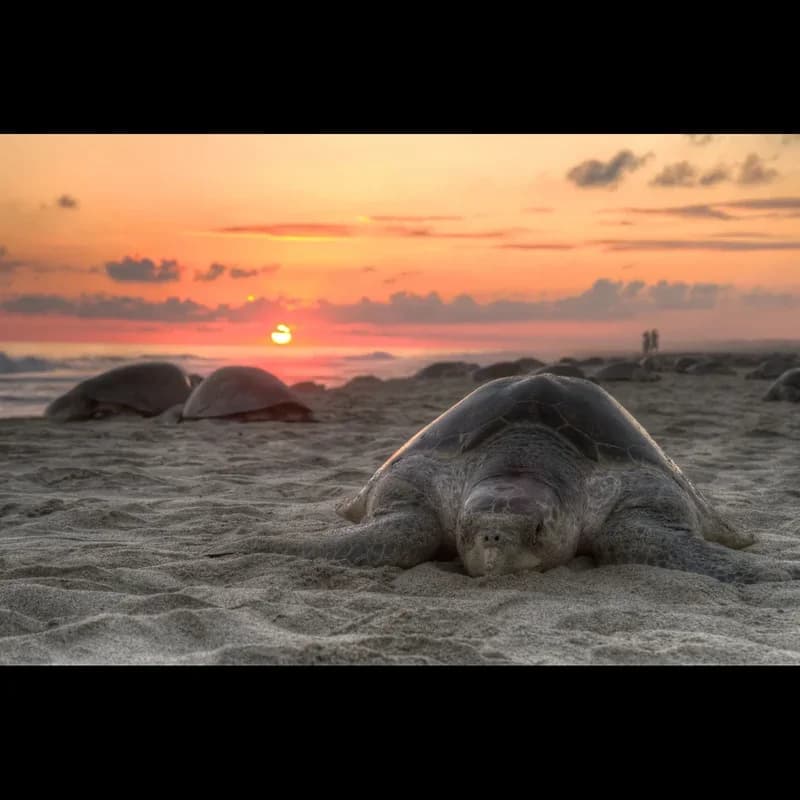
What Divers Should Know About Sea Turtle

Learn all about the Sea Turtle, including dynamic specs, encounter highlights, habitats, and the best dive sites to find them.
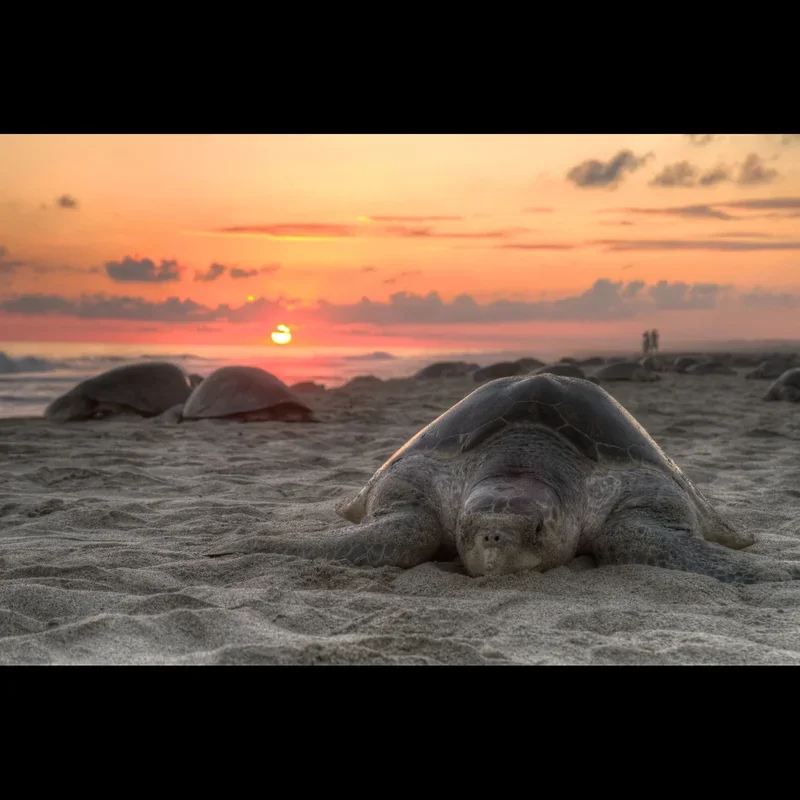
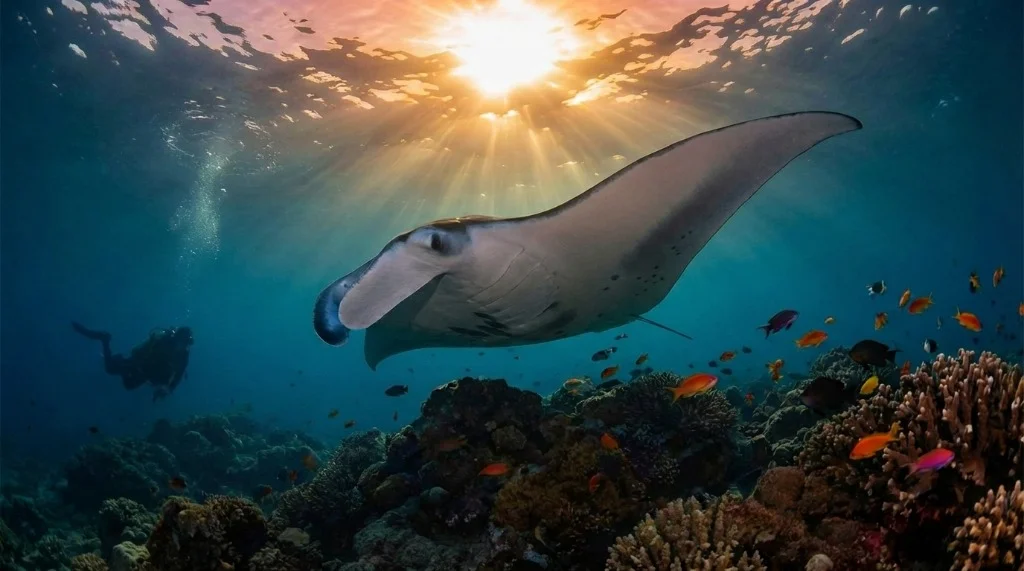
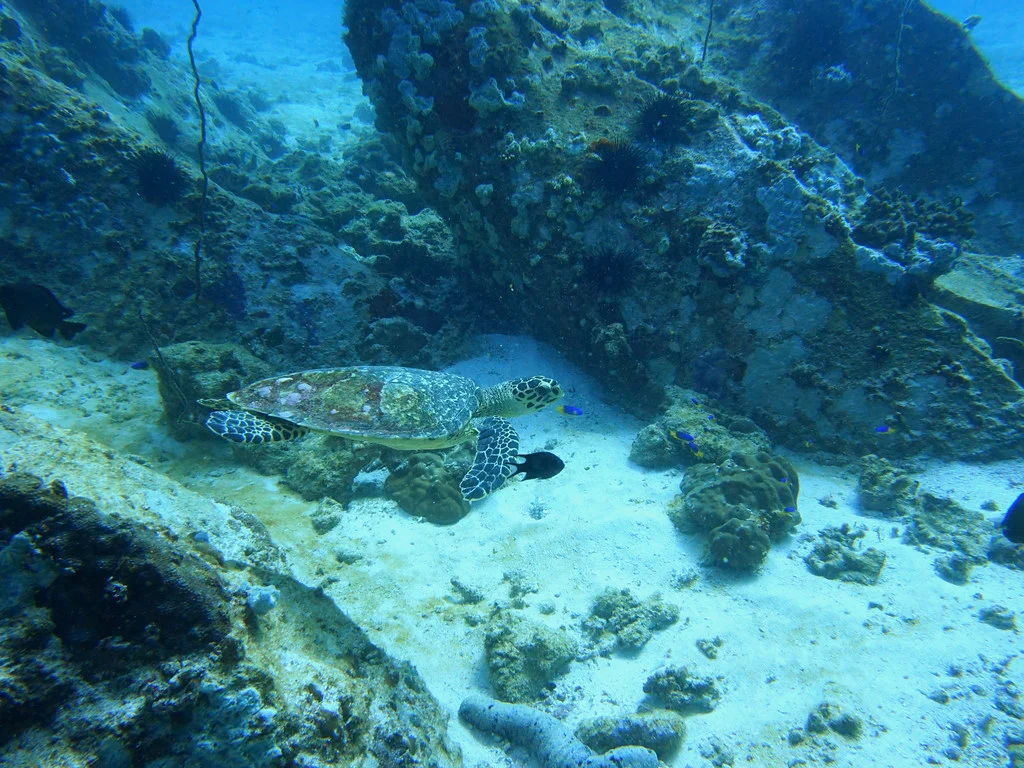
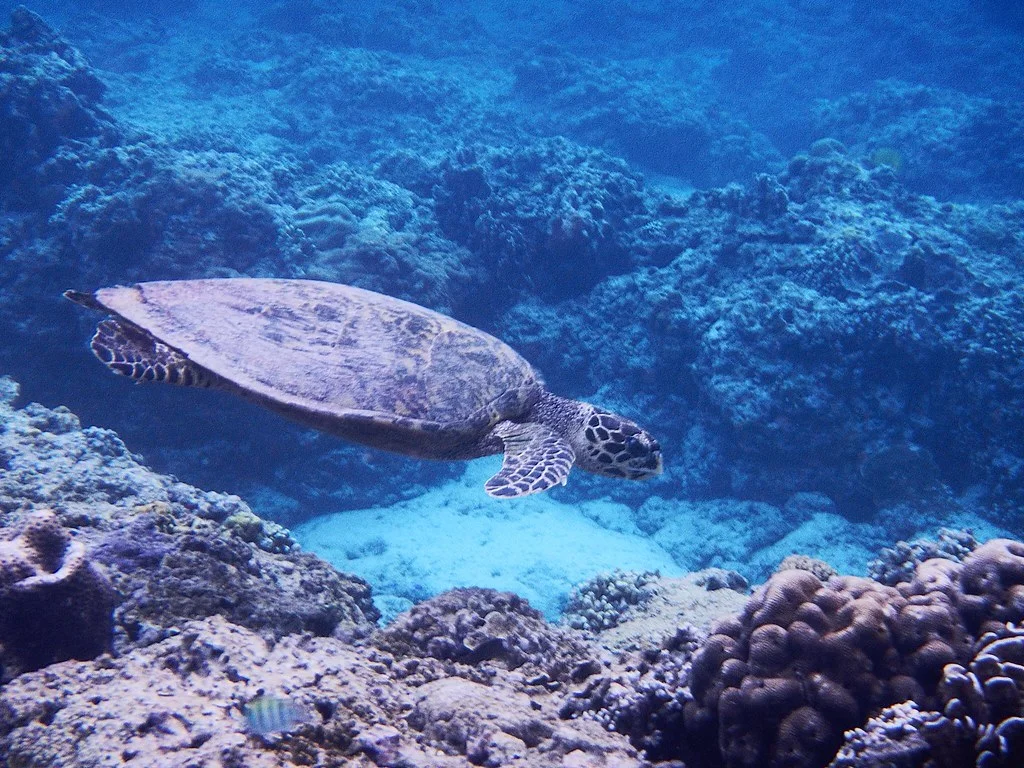
Marine sea turtle (Chelonioidea) gliding peacefully through clear blue ocean water
Scientific Name

Chelonioidea

Size

0.6–2.2 m

Depth

0–1200 m

Habitat

coral reef, seagrass, sand, open water

Conservation

Varies by species

Danger Level

Harmless

About the Sea Turtle

Witnessing a sea turtle glide effortlessly through the blue is a highlight for any diver. Their distinctive fusiform body, tapering at both ends, isn't just beautiful; it's a marvel of evolution, reducing friction and drag to allow for swift, elegant movement underwater. Unlike many land-dwelling cousins, these ancient mariners cannot retract their heads or limbs into their shells, a trade-off for their remarkable aquatic agility. You'll typically encounter these captivating creatures in the warm waters over continental shelves, often close to shore once they reach adulthood.

While exploring coral reefs or seagrass beds, look for magnificent Green sea turtles, which can reach up to 120 cm long. As adults, these gentle giants transition to an exclusively herbivorous diet, often found munching on marine vegetation. Keep an eye out for distinguishing features, too; adult male turtles sport noticeably long tails, a unique way to tell them apart. From the colossal Leatherback, reaching over 1.8 meters, to the smaller species, these incredible reptiles are a truly unforgettable sight.

Further Reading

Did You Know?

Warm-Bodied Jellyfish Divers Plunging Over a Kilometer Into Freezing Darkness

“Across all seven living species of marine turtles in superfamily Chelonioidea—green, hawksbill, loggerhead, olive ridley, Kemp's ridley, flatback, and leatherback—evolution traded retractable land-tortoise limbs for hydrofoil flippers, lacrimal tear glands that weep thick salt-purging brine twice as concentrated as seawater, and geomagnetic global positioning. Pushing reptilian physiology furthest of all is the half-ton leatherback (Dermochelys coriacea), which ditched a hard bony shell for a compressible, oil-rich leathery carapace and evolved gigantothermic endothermy. Countercurrent blood-vessel bundles at the base of each flipper lock muscle heat inside the core while dark insulating fat lets leatherbacks dive past twelve hundred meters into near-freezing polar and abyssal waters, trapping slippery lion's-mane jellies down throats lined with hundreds of backward-pointing keratin spikes.”

Where You Can See Sea Turtle

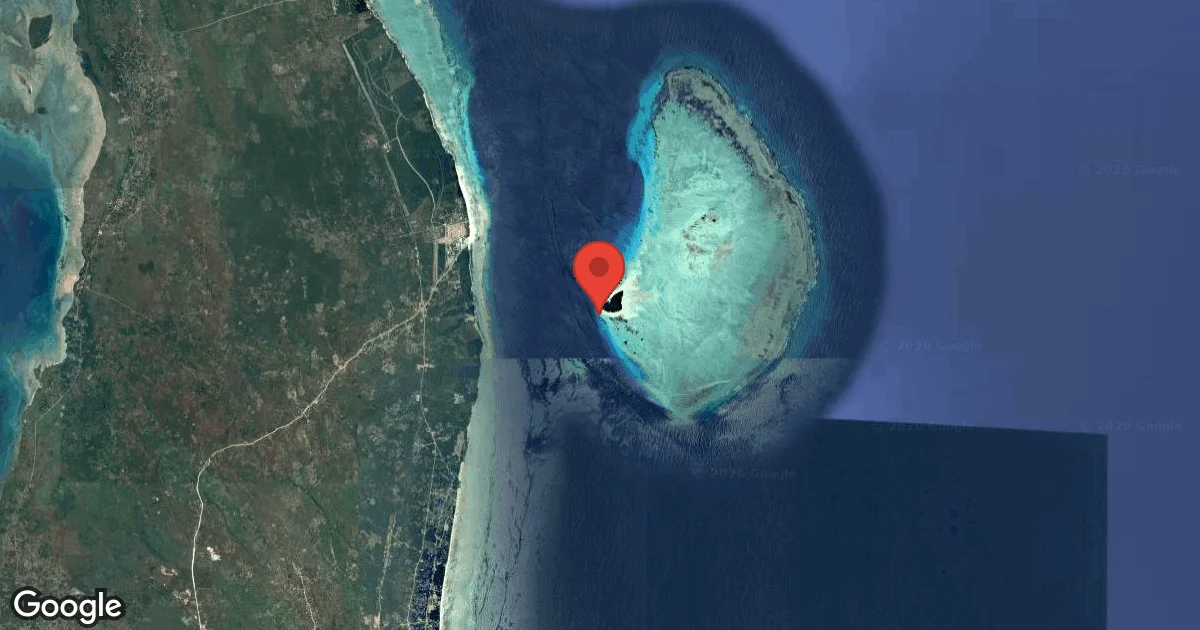
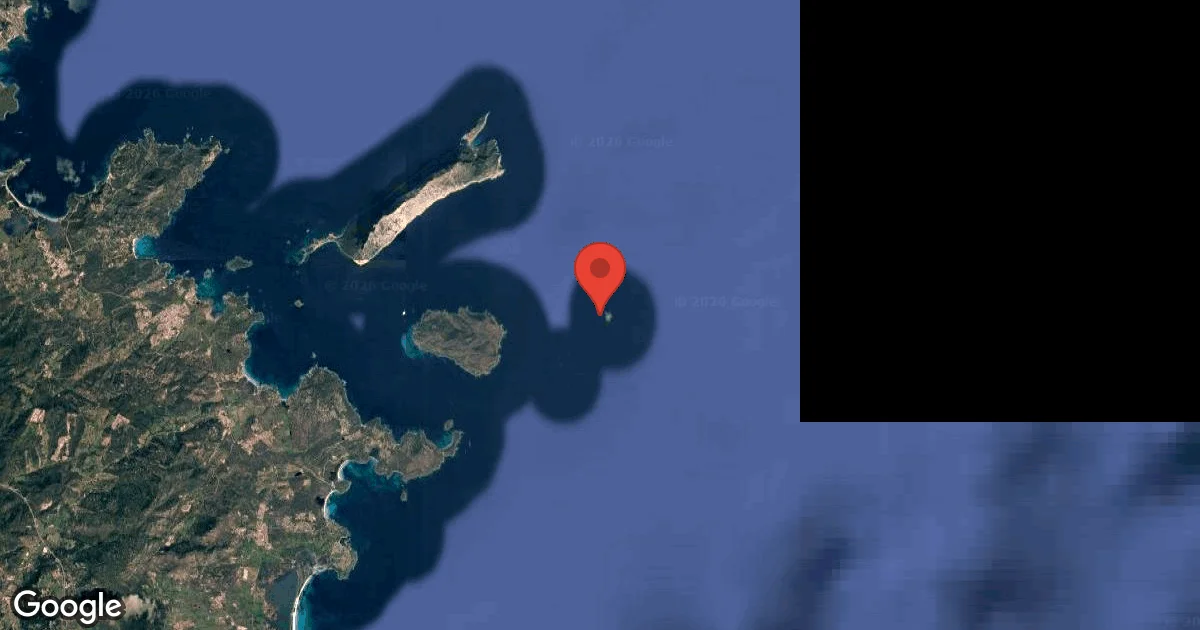
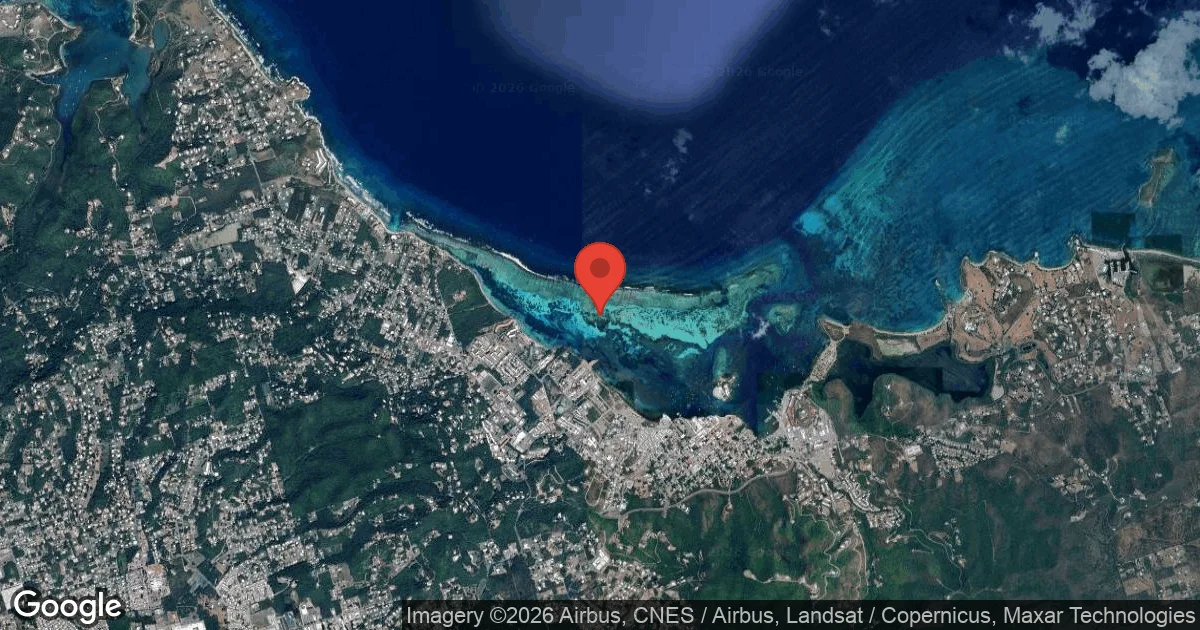
This map highlights the main regions where divers may encounter Sea Turtle or where the species is commonly associated with suitable marine habitats. Actual sightings depend on local dive sites, season, visibility, depth, and natural behaviour.

World distribution map showing regions where divers can see Sea Turtle: Caribbean, East Pacific, Atlantic, Indian Ocean, Asia Pacific, Mediterranean
Caribbean
East Pacific
Atlantic
Indian Ocean
Asia Pacific
Mediterranean

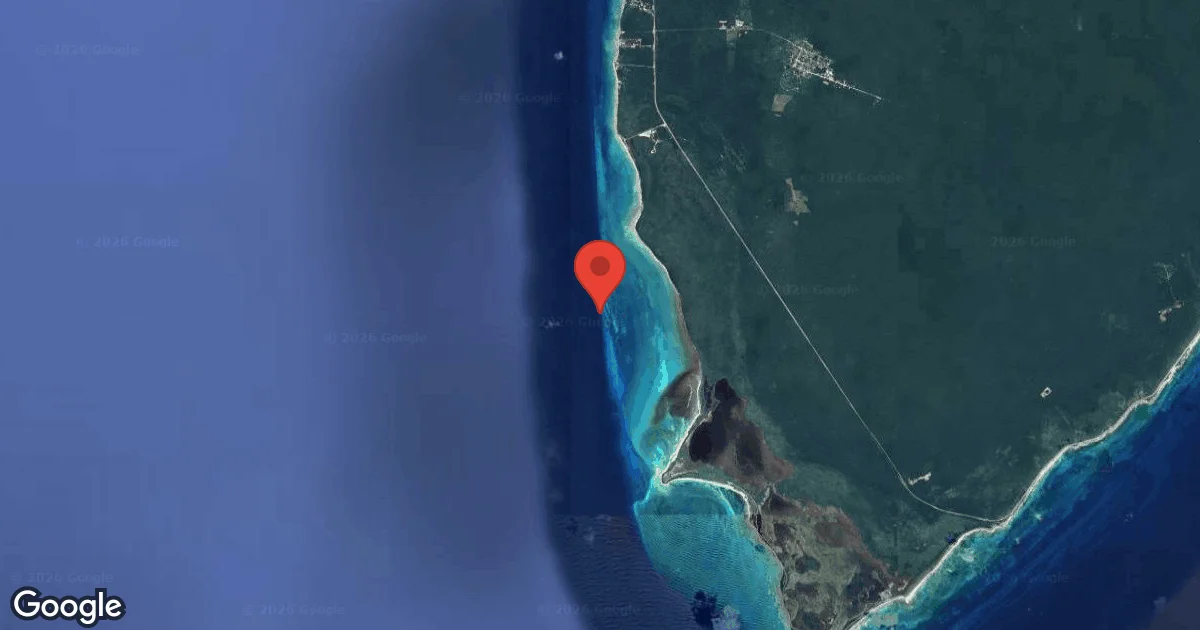
Dive Sites with Sea Turtle

Discover 12 of 390 breathtaking locations where you can encounter this species.
Related Marine Life

Explore other incredible species you can encounter on your diving adventures.