
Diving at Bay County Laars a Modules (United States)
Descending onto the Bay County LAARS A Modules, divers immediately encounter the structured landscape of Panama City Beach's extensive artificial reef program. These installations, part of a larger network of underwater habitats, create focal points for marine activity. The deliberate placement of these modules contributes to both ecosystem development and an engaging dive experience, providing a clear objective for recreational exploration.
Tonight's objective overview for Bay County Laars a Modules shows an air temperature of 27.5°C. The measured surface conditions include wave heights around 0.6 m. This environmental data is logged for the close of the day.
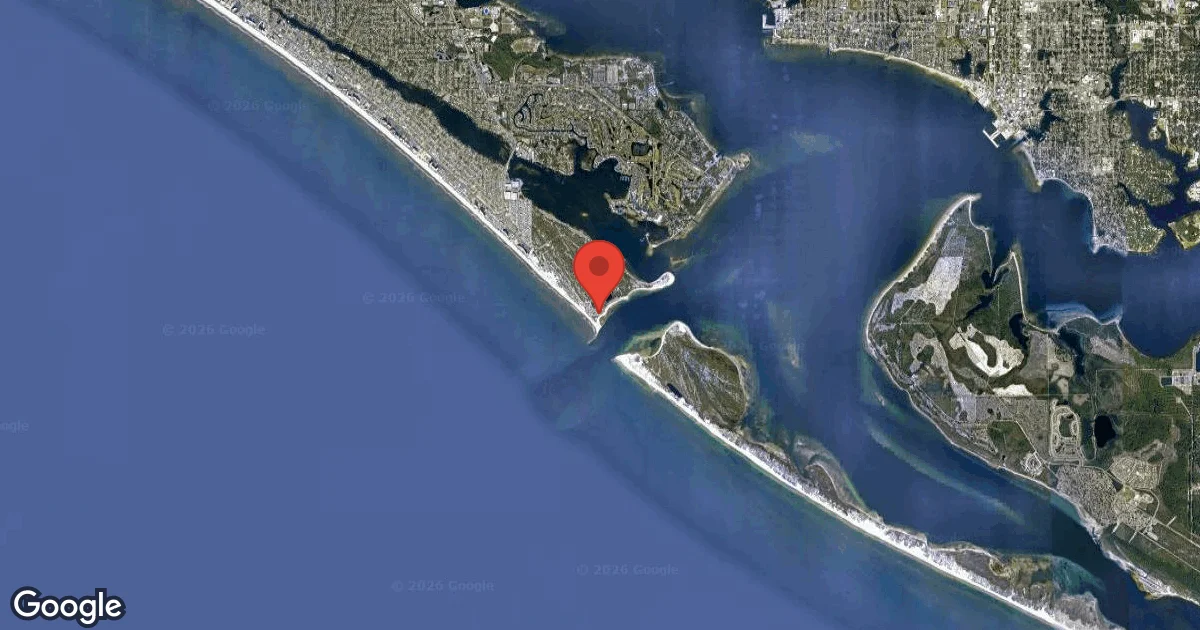
Dive Site Location & Key Facts
Dive Site Overview
Within Panama City Beach's nationally recognized artificial reef program, the Bay County LAARS A Modules contribute to a diverse underwater landscape. This region, often referred to as the Wreck-Diving Capital of the South, features over 50 existing sites including natural limestone formations, military tanks, bridge spans, and various steel structures.
One notable addition, the Black Pearl pirate ship, rests in approximately 22.8 meters (75 ft) of water, with its highest point rising to 16.4 meters (54 ft) below the surface. These modules, designed to support sustainable fisheries and enhance diver exploration, attract marine life quickly after deployment. Students from Haney Technical College even crafted unique pirate-themed steel elements, such as cannons and a treasure chest, specifically to enrich the dive experience and promote long-term reef growth on certain structures.
Conditions are Excellent
07:00 - 14:00
Optimal conditions expected
Current conditions near Bay County Laars a Modules show 28° air, 30° sea temperature, 0.4 m waves, and 20 km/h wind. Forecast data is refreshed regularly to ensure accuracy.
Best Time to Dive
Optimizing a dive trip to the Bay County LAARS A Modules largely depends on seasonal conditions and desired visibility. The period from April through October generally presents the most favorable diving conditions, reflected by consistent 'Good' dive scores. During these months, average air temperatures range from around 20.5°C (69°F) in April, peaking near 29°C (84°F) in August, before mellowing to 23.5°C (74°F) by October. While specific water temperature data isn't consistently reported, it typically aligns with the warmer air trends during this period. Wave heights are generally lower, averaging between 0.7 to 1.1 meters (2.3 to 3.6 ft), and wind speeds are less intense, contributing to calmer surface conditions. Though September experiences higher rainfall, the summer months of July and August see the lowest wave heights and wind speeds, potentially offering the clearest visibility.
PEAK SEASON SCORE
Scores combine air & water temps, waves, wind & rainfall for overall conditions.
BEST MONTHS TO DIVE
Monthly records compiled from satellite and marine observation nodes over the last 3 years. Data provided by Open-Meteo and MET Norway.
Dive Experience & Conditions
Diving the LAARS A Modules provides a compelling experience, allowing divers to navigate various steel structures and artificial formations. This underwater terrain, shaped by purposeful deployments, offers a distinct sensory impression compared to natural reefs. Visibility can vary, influenced by seasonal factors like rainfall and wave action, but generally remains suitable for appreciating the intricate framework of the modules. Exploring the Black Pearl wreck, an example within this program, reveals its top structure rising to recreational diving depths, making it accessible for Open Water Certified divers. Currents vary depending on offshore conditions, sometimes requiring careful finning around the structures. Expect to observe marine life actively colonizing these new habitats, transforming the steel into vibrant ecosystems.
Dive Difficulty & Safety Guidelines
Prioritizing safety at the Bay County LAARS A Modules requires attention to varying environmental factors and proper dive planning. As with any artificial reef site, strong currents can occasionally occur, necessitating good buoyancy control and an awareness of entry and exit points. Divers should always plan gas consumption carefully, especially when exploring structures at maximum depth.
Given the area's popularity with both divers and anglers, boat traffic can be a consideration on the surface; deploying a surface marker buoy is recommended. These sites are typically accessible to Open Water Certified divers, but exploring deeper sections or intricate structures benefits from advanced training and experience.
Recommended Equipment
- Dive Computer
This gear list is based on verified equipment signals for Bay County Laars a Modules, United States. Always confirm final gear choices with your dive operator, guide, or liveaboard.
Recommended Dive Suit
Water temperatures at Bay County Laars a Modules are currently estimated to be around 30°C (86°F), shaping the overall diving conditions for today. Surface air temperatures are resting at 28°C (82°F).
For the majority of recreational dives here, dive skin or rash guard should provide suitable protection. A hood or vest is suggested for sensitive divers due to surface winds.
Weather models currently point toward consistent diving conditions over the next several days.
Emergency & Medical Support
Essential information to help you plan your dive trip to Bay County LAARS A Modules.

Hyperbaric chambers are a critical part of dive safety infrastructure. Availability varies significantly by region, and not all dive areas have immediate access.
Before diving, it's recommended to:
- confirm nearest medical facilities
- check emergency procedures with local dive operators
- ensure dive insurance covers evacuation if required
Divers Alert Network
Diving emergency assistance available through DAN World.
+1-919-684-9111- 24/7 emergency hotline
- Diving medical assistance
- Evacuation coordination
Emergency contacts are provided for reference. Always verify local emergency services before diving.
Marine Life at Bay County Laars a Modules
Among the steel structures and modules, a growing community of marine life finds refuge and hunting grounds. Artificial habitats quickly attract various fish species, often schooling around the deliberate crevices and overhangs provided by the structures.
Divers might encounter species common to the Gulf Coast, actively feeding or seeking shelter within the developing reef. Bottlenose dolphins are known to frequent the general area, though observations occur offshore rather than directly on the modules.
Pirate-inspired elements, like cannons and a treasure chest, offer additional nooks for smaller invertebrates and juvenile fish to inhabit, enriching the immediate ecosystem around the dive sites.

Dive Sites Near Bay County Laars a Modules
View all dive sites in United StatesDiscover more underwater gems in this area.
Dive Centers Near Bay County Laars a Modules
Today: 09:00 - 16:00
Nearest Airports
Nearest airports to help plan travel to this dive area.
Search Flights
Check available flights and routes on Expedia, using the nearby airports listed in this section.
Search Flights on ExpediaFrequently Asked Questions
What certification level is required to dive the LAARS A Modules?
Many sites within this artificial reef program, including structures similar to the Black Pearl wreck, are accessible to Open Water Certified divers. Some structures begin within typical recreational diving limits, making them suitable for entry-level certifications.
What kind of structures can I expect to see?
You'll encounter various artificial structures, including purpose-built modules, former bridge spans, military tanks, and even unique pirate-themed steel elements. These components are designed to create complex habitats.
How deep are the Bay County LAARS A Modules?
While depths vary across the extensive artificial reef program, sites like the Black Pearl wreck are positioned in approximately 22.8 meters (75 ft) of water, with upper sections around 16.4 meters (54 ft) below the surface.
What is the visibility like at these dive sites?
Visibility at the LAARS A Modules can vary depending on seasonal weather, currents, and recent rainfall. Conditions are generally more favorable and clearer during the peak dive season from April to October.
Are there strong currents to be aware of?
Currents can vary significantly. Divers should always be prepared for potential currents, especially around the structures, and maintain good buoyancy control. Check local conditions before your dive.
What marine life can I typically expect to encounter?
The artificial reefs attract a variety of local fish species and invertebrates that colonize the structures. While large pelagics are possible, the focus is generally on reef fish and the growing ecosystems forming on the modules.
Planning to dive Bay County Laars a Modules?
Send one inquiry and receive offers directly from the best verified local dive operators.
Conditions are Excellent
07:00 - 14:00
Optimal conditions expected
Current conditions near Bay County Laars a Modules show 28° air, 30° sea temperature, 0.4 m waves, and 20 km/h wind. Forecast data is refreshed regularly to ensure accuracy.