
Diving at St. Andrews Jetties (United States)
St. Andrews Jetties offers a dynamic underwater landscape with a broad recreational depth profile along its extensive man-made structures. Depths commonly range from 9 meters (30 ft) down to 24 meters (80 ft), though certain sections can extend to about 21 meters (70 ft). This accessible shore dive navigates a shallow lagoon before divers descend around the jetty rocks. It presents an adaptable environment suitable for diverse skill levels, from newer divers to those seeking a relaxed exploration.
Tonight's objective overview for St. Andrews Jetties shows an air temperature of 32°C. The measured surface conditions include wave heights around 0.3 m. This environmental data is logged for the close of the day.
Dive Site Location & Key Facts
Dive Site Overview
An engaging shore diving experience awaits at St. Andrews Jetties, found within St. Andrews State Park near Panama City Beach, Florida. Divers access the site with a short surface swim across a man-made lagoon.
This entry point typically presents a depth of 2.4 to 3 meters (8 to 10 ft), which shifts with tidal flow, acting as a clear transition zone before the main dive. Beyond the lagoon, substantial jetty rocks form the primary underwater environment. These extensive rock formations create an artificial reef system, offering numerous crevices and ledges for exploration.
Divers navigate over and around these structures, observing how they attract diverse marine life from both the adjacent estuary and the Gulf of Mexico. Recent dredging activities have expanded the beach area directly adjacent to the park.
However, the actual rock structures of the jetties themselves remain in their original positions, preserving the established underwater habitat. It consistently offers opportunities to observe a wide array of species across its varied habitats, making it a productive area for marine observation throughout the year.
An adaptable structure caters to different skill levels, providing ample scope for exploration within recreational dive limits.
Conditions are Excellent
07:00 - 14:00
Optimal conditions expected
Current conditions near St. Andrews Jetties show 32° air, 30° sea temperature, 0.2 m waves, and 19 km/h wind. Forecast data is refreshed regularly to ensure accuracy.
Best Time to Dive
Optimizing a dive at St. Andrews Jetties often involves timing efforts with conditions, as visibility typically clears during fall months. While specific water temperatures are not consistently reported, air temperatures provide an indication of seasonal warmth, with averages ranging from 10.5°C (51°F) in January to highs of 28.5°C (83°F) in August. Rainfall is generally lower in October, averaging 1.2 mm, making it a potentially drier period for visits. Given Panama City Beach experiences one high and one low tide per day, planning dives approximately 45 minutes before a tidal change can maximize a roughly two-hour dive window with reduced currents, enhancing the overall experience regardless of the season.
PEAK SEASON SCORE
Scores combine air & water temps, waves, wind & rainfall for overall conditions.
BEST MONTHS TO DIVE
Monthly records compiled from satellite and marine observation nodes over the last 3 years. Data provided by Open-Meteo and MET Norway.
Dive Experience & Conditions
Accessing the St. Andrews Jetties involves a shore entry from St. Andrews State Park. Divers first navigate a shallow, man-made lagoon, which is typically 2.4 to 3 meters (8 to 10 ft) deep, before reaching the main jetty structures. This initial swim sets the stage for exploring the rocky formations underwater. Visibility in the area can vary significantly with conditions, but often improves during the fall season. Divers frequently manage currents by carefully timing their entry and exit around tidal changes. The site's gradual change in bottom depth and broad range of available depths make it well-suited for newer divers, junior divers with depth limitations, and those who haven't dived recently, provided conditions are favorable.
Dive Difficulty & Safety Guidelines
Diving at St. Andrews Jetties requires careful attention to tidal patterns. Panama City Beach experiences a single high and low tide daily, making precise timing crucial to avoid strong currents; planning your dive around 45 minutes before a tide change can create a safer, more enjoyable window. Divers should also be aware of potential fishing lines in the water, particularly south of the main cut, which can snag gear.
Recent reports indicate that a 'swim-through' feature may have been filled in, so divers should expect changes to the underwater topography. Always display a diver down flag to alert surface traffic and remain vigilant for passing boats.
Recommended Equipment
- Dive Computer
This gear list is based on verified equipment signals for St. Andrews Jetties, United States. Always confirm final gear choices with your dive operator, guide, or liveaboard.
Recommended Dive Suit
The coming days appear slightly cooler according to the latest forecast. A significant temperature drop is forecast; strongly suggest bringing a backup warmer suit option. A hood or vest can noticeably improve warmth during longer dives.
Thermal protection such as dive skin or rash guard is commonly used in similar temperatures. A hood or vest is suggested for sensitive divers due to surface winds.
Current dive conditions indicate that water temperatures around St. Andrews Jetties are sitting at roughly 30°C (86°F). Surface air temperatures are resting at 32°C (90°F).
Emergency & Medical Support
Essential information to help you plan your dive trip to St. Andrews Jetties.

Hyperbaric chambers are a critical part of dive safety infrastructure. Availability varies significantly by region, and not all dive areas have immediate access.
Before diving, it's recommended to:
- confirm nearest medical facilities
- check emergency procedures with local dive operators
- ensure dive insurance covers evacuation if required
Divers Alert Network
Diving emergency assistance available through DAN World.
+1-919-684-9111- 24/7 emergency hotline
- Diving medical assistance
- Evacuation coordination
Emergency contacts are provided for reference. Always verify local emergency services before diving.
Marine Life at St. Andrews Jetties
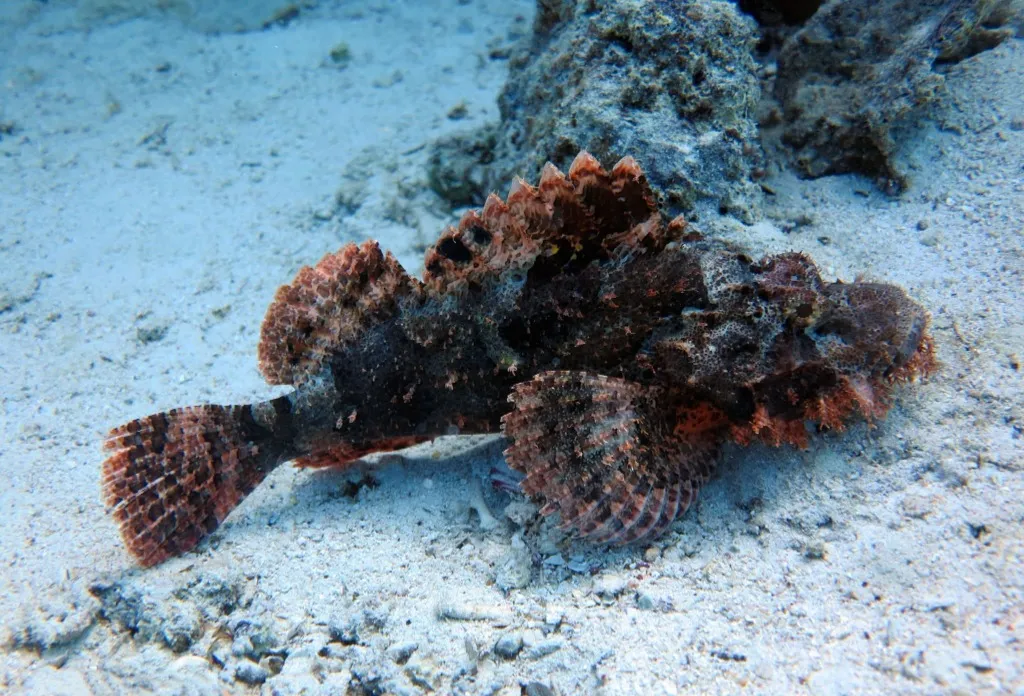
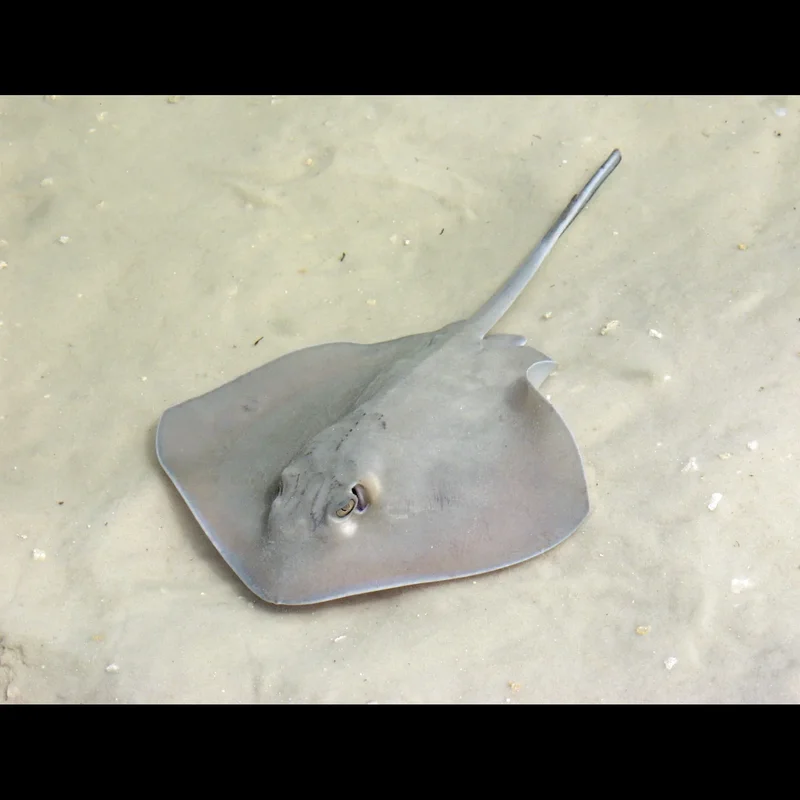
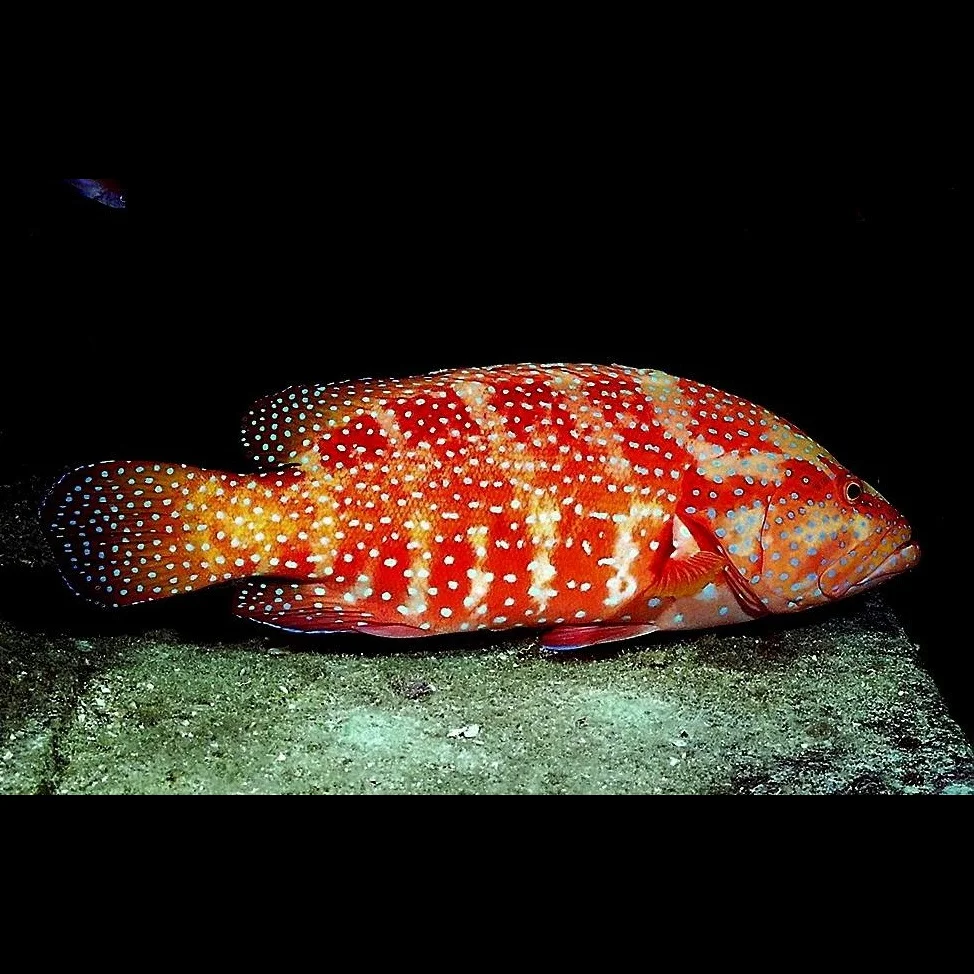
The diverse environment of the jetty wall, drawing from both the estuary and the Gulf, provides a rich habitat for marine life. Divers can frequently encounter stingrays, various species of octopus, and grouper.
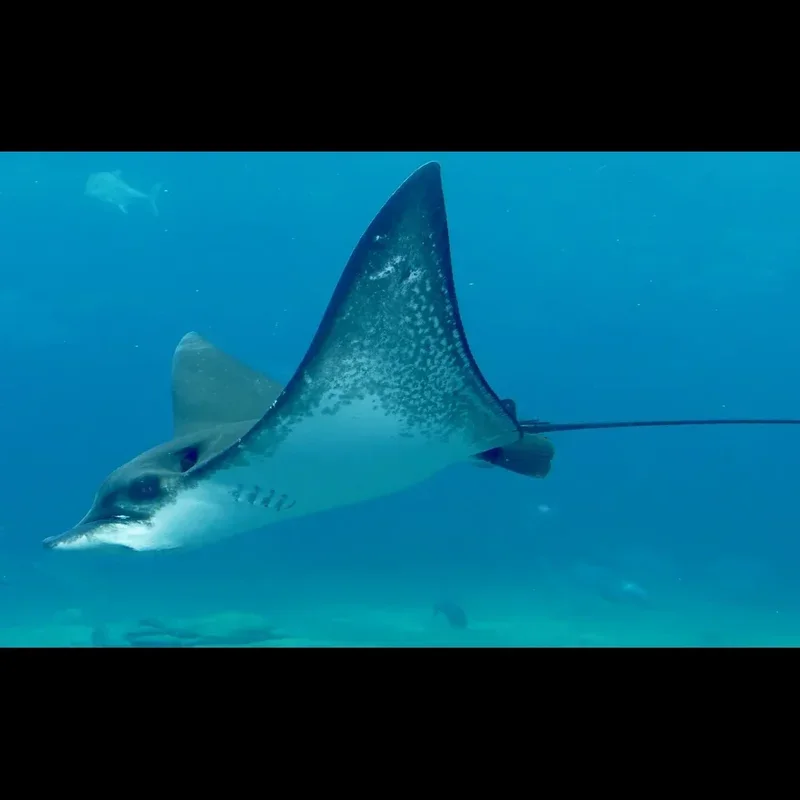
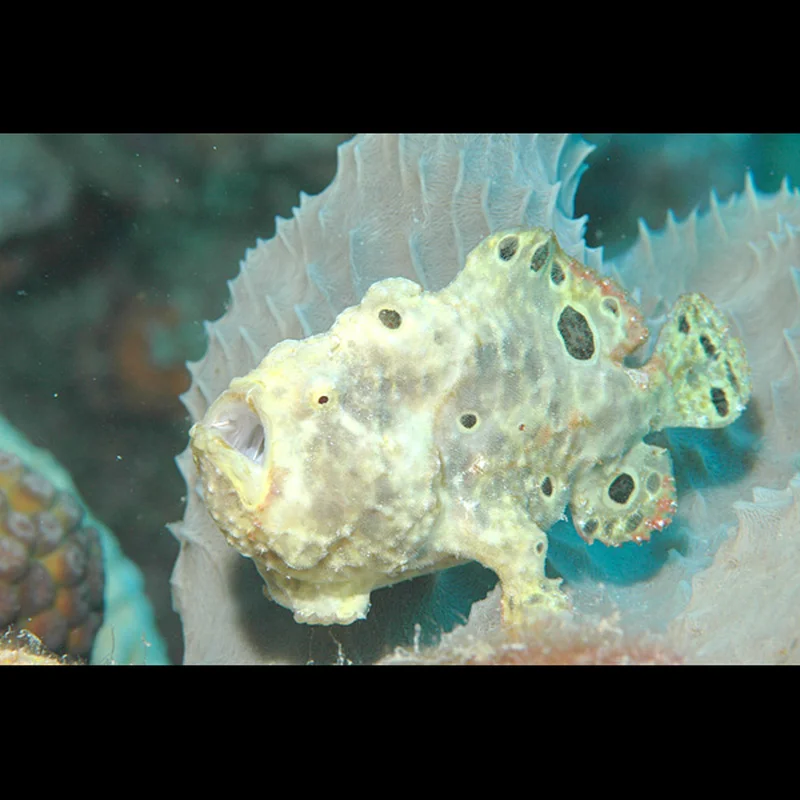
Larger pelagic sightings include occasional manatees, majestic eagle rays, and goliath grouper. Smaller, more cryptic creatures like frogfish, seahorses, and scorpionfish are also reported among the boulders and crevices, making observations a rewarding part of the dive.
Dive Centers Near St. Andrews Jetties
Today: 09:00 - 16:00
Nearest Airports
Nearest airports to help plan travel to this dive area.
Search Flights
Check available flights and routes on Expedia, using the nearby airports listed in this section.
Search Flights on Expedia
Plan Your Stay
Looking for a place to stay for your dive trip? Explore hotels, stays, and vacation rentals for dive groups near Lower Grand Lagoon.
Dive Navigator may earn a commission from these links at no extra cost to you.
Frequently Asked Questions
What is the typical depth range at St. Andrews Jetties?
Diving depths at the jetties generally range from 9 meters (30 ft) to 24 meters (80 ft). Some sections might be shallower, around 6 meters (20 ft), while others reach a maximum depth of approximately 21 meters (70 ft).
How do tides affect diving at the jetties?
Tides significantly influence diving conditions. Panama City Beach has one high and one low tide per day. Timing your dive about 45 minutes before a tidal change usually offers a two-hour window with reduced currents, which is ideal for clearer water and safer navigation.
Is St. Andrews Jetties suitable for beginner divers?
Yes, the site is often recommended for newer divers, junior divers, or those returning to diving. Its gradual depth changes and wide range of depths make it adaptable, provided conditions are favorable and tides are respected.
What kind of marine life can I expect to see?
Divers often spot stingrays, octopus, and grouper. Larger encounters might include manatees, eagle rays, and goliath grouper. The jetties also host a variety of smaller species such as frogfish, seahorses, and scorpionfish.
What is the access like for shore diving?
Access is from St. Andrews State Park. Divers will make a short surface swim across a shallow, man-made lagoon, typically 2.4 to 3 meters (8 to 10 ft) deep, before reaching the main jetty structures.
Has the site changed due to dredging?
Recent dredging has made the beach area larger, but the actual rock structures of the jetties are reported to be in their original location. Divers should be aware that features like a 'swim-through' may have been altered or filled in.
Planning to dive St. Andrews Jetties?
Send one inquiry and receive offers directly from the best verified local dive operators.
Conditions are Excellent
07:00 - 14:00
Optimal conditions expected
Current conditions near St. Andrews Jetties show 32° air, 30° sea temperature, 0.2 m waves, and 19 km/h wind. Forecast data is refreshed regularly to ensure accuracy.